REVIEW · FLORENCE
The not-touristy Florence with Camilla, local art historian
Book on Viator →Operated by Flora's Walk · Bookable on Viator
Florence can feel intimate once you walk away from it. With Camilla, a local art historian, you’ll follow a short route that explains how art and faith shaped the city’s medieval streets. This is one of the best ways to get oriented without getting stuck in the usual crowd magnets.
I especially love the small-group pace—it feels like you can actually ask a question and get an answer that connects to what you’re seeing. I also like how the tour mixes medieval squares and religious interiors, so it’s not just photos outside.
One consideration: it’s weather-dependent, and the full experience relies on you being comfortable with a walking rhythm over two hours.
In This Review
- Key things to know
- Why this two-hour Florence walk feels different than the usual tour
- Meeting Camilla: the art historian energy that makes the streets click
- Piazza Santa Croce: art, beauty, and flowers as your first lens
- Piazza San Firenze: stepping into a quieter Florence rhythm
- Piazza della Repubblica and Dante’s district: love stories tied to real streets
- Basilica di Santa Trinita: ending inside a quieter kind of Florence
- The value of a $610, art-focused walking tour (and who it’s for)
- Pacing, comfort, and timing: what to plan for on the day
- What makes this route feel authentic (not just efficient)
- Should you book this tour with Camilla?
- FAQ
- How long is the Florence walking tour?
- What is the price?
- How many people are in the group?
- Where do you meet, and where does the tour end?
- Are admission tickets included?
- What is the cancellation policy?
Key things to know
- Art historian guide: Camilla ties Florence’s look to what it meant to people then.
- Two hours, four stops: enough time for context, not so long that you’re exhausted.
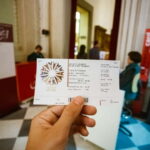
- Included admission tickets: you don’t have to plan separate entries mid-walk.
- Medieval focus: squares, churches, and Dante’s neighborhood themes.
- Limited group size: capped at 15 travelers, so the mood stays calm.
Why this two-hour Florence walk feels different than the usual tour
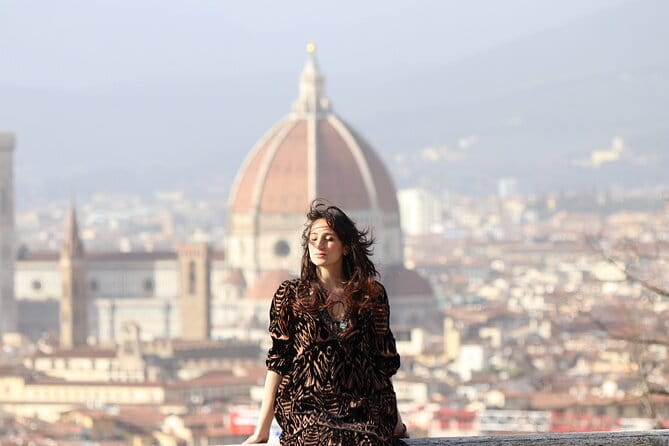
Florence is famous for big-name sights, but the city’s real personality shows up in the side streets, the modest squares, and the churches people used every week. This tour is built for that. In about two hours, you cover a tight path that keeps you moving, yet still gives time to understand what you’re looking at.
I like that it’s not trying to cram in 15 monuments. Instead, you get a focused storyline: Florence through art, beauty, and faith, with medieval references that help the city make sense in layers. You also get to experience the tone of Florence—more everyday, less staged.
The route also works well if you only have a day (or a half-day) and want something calmer than a museum line.
You can also read our reviews of more tours and experiences in Florence.
- Tuscany Day Trip from Florence: Siena, San Gimignano, Pisa and Lunch at a Winery
★ 5.0 · 21,634 reviews
Meeting Camilla: the art historian energy that makes the streets click
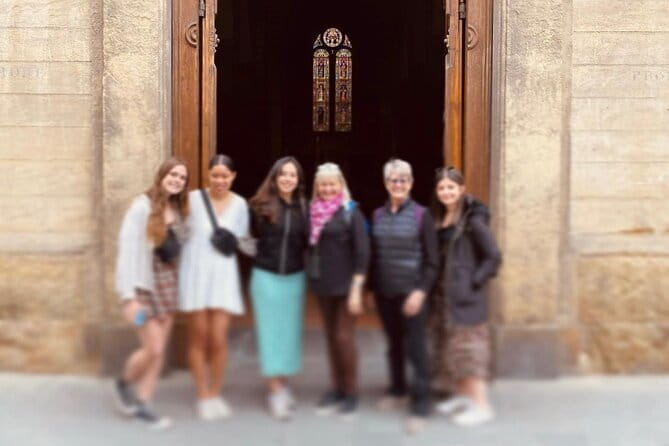
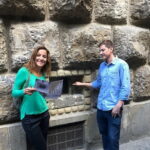
The guide here is Camilla, a local art historian, and that matters because you’re not just hearing facts—you’re hearing connections. Camilla’s style (at least in the way she’s described and consistently praised) is all about meaning: how art fits into Florentine life, and how religion shaped public spaces as much as paintings did.
You’ll notice it right away at the start, because the tour doesn’t treat Piazza Santa Croce as just a scenic stop. It frames it as a place where art, beauty, and even flowers belong together in Florence’s story. That gives you a lens you carry forward to every next stop.
This kind of guiding tends to work best when you want more than a checklist. If you love the idea of understanding why buildings look the way they do, or why people cared about themes like love and women in the Middle Ages, this fits you well.
Piazza Santa Croce: art, beauty, and flowers as your first lens
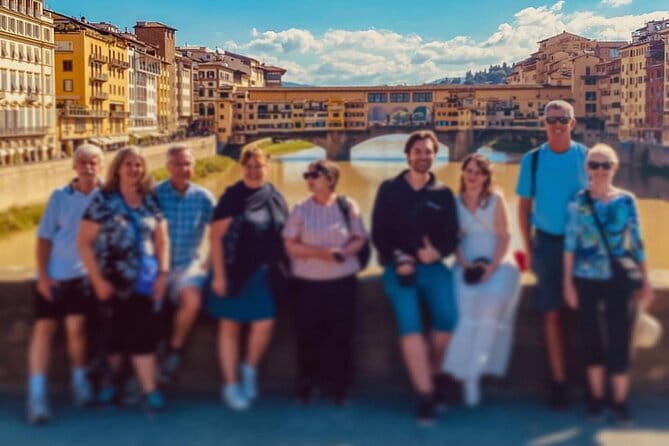
Your walk starts at Piazza di Santa Croce, 13. Stop one is Piazza Santa Croce, and the opening lesson is short—around 10 minutes—but it sets the tone.
You’ll get an introduction to Florence’s connection to art, beauty, and flowers. That might sound like a soft topic, but it’s actually practical. Florence’s visual culture is full of symbolism—decorative motifs, meanings tied to patronage, and the way city identity gets expressed through artistic choices. Starting with that theme helps you notice details later rather than treating each stop as a separate postcard.
There’s also a practical benefit: a quick intro at the beginning helps you avoid that feeling of arriving, looking around, and hoping the rest of the tour will explain what you missed.
Drawback to keep in mind: because the stop is brief, you won’t have time to linger for hours. Bring your curiosity, but also know you’re on a moving schedule.
Piazza San Firenze: stepping into a quieter Florence rhythm
Next up is Piazza San Firenze, another short 10-minute stop. This is where the tour shifts from the “big-picture intro” to more less-visited, more local-feeling streets.
The emphasis here is on exploring “hidden and unmissable” places in the area, which in practice means you’ll be nudged away from the loudest lanes. You’ll likely get a sense of Florence as a lived-in city rather than just a sightseeing map.
This stop also works as a breather. After Santa Croce’s introductory framing, a calmer pace in a smaller square gives you time to regroup and look around with new context. You’re still learning, just without the adrenaline of constant movement.
If you tend to read every plaque and want long pauses, you might find the timing tight. But for most people, this timing is exactly what keeps the whole tour from dragging.
Piazza della Repubblica and Dante’s district: love stories tied to real streets
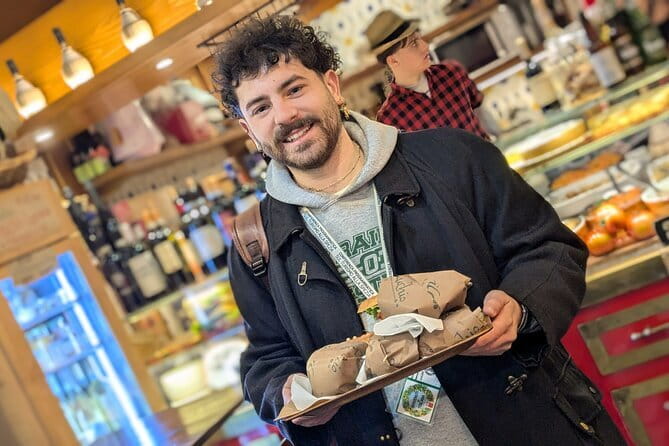
Then comes Piazza della Repubblica, reached after crossing much of the medieval city on foot. You’ll walk through Dante’s district, and you’ll see his house along the way. The official time at this stop is about 15 minutes, which gives this part of the route more room for context.
Here’s the content thread: the tour talks about platonic love with Beatrice and the rule of women in the Middle Ages. This is the kind of theme that can easily stay abstract—until it’s placed in streets where people like Dante moved through daily life.
What I like about this stop is how it turns famous literature into something physical. Instead of reading Dante as a distant school subject, you get to connect his world to the Florence you’re standing in.
You should also expect a mix of standing and slow walking. Piazza del Comune style spaces can be busy, and even when you’re not in the top tourist hotspots, city squares still have foot traffic.
- The Best tour in Florence: Renaissance & Medici Tales – guided by a STORYTELLER
★ 5.0 · 12,316 reviews


Basilica di Santa Trinita: ending inside a quieter kind of Florence

Your final stop is Basilica di Santa Trinita, about 10 minutes long, and it’s where the tour changes mood. After completing the walk and feeling what the guide calls the real, not-so-touristic Florence, the conclusion happens inside the church.
This part is described as taking place in the silence of the medieval setting—so instead of ending with another broad outdoor panorama, you end with atmosphere. It’s a nice contrast to all the daylight square time. You’ll get a sense of why religious buildings weren’t just for ceremonies; they were also part of how people oriented themselves in daily life.
Practical note: church interiors often mean cooler temperatures and dimmer light. If you’re taking photos, plan for slower shutter speeds on your phone camera. Also, keep your voice low so you don’t break the spell.
The value of a $610, art-focused walking tour (and who it’s for)

Let’s talk price in plain terms. $610 for about two hours is not a budget walking tour. This is a premium experience, and you’re paying for a few specific things the city can’t supply on its own:
- A guide like Camilla who can connect art themes to what you see on the street.
- Smaller group size (up to 15 travelers), which helps questions stay possible and attention stay human.
- Included admission tickets at each stop, which saves time and mental load.
- A route design aimed at avoiding the most crowded tourist paths, giving you a calmer Florence rhythm.
If you’re the type who likes museum content but finds it harder to connect information to real streets, this tour can feel like the best bridge. It’s also strong for travelers who want religious sites without treating them like mandatory stops.
If you’re primarily chasing Instagram-level landmarks and you don’t care about explanations, you may feel the cost is too high for the time. But if you want context—especially around themes like Dante, Beatrice, and medieval women—you’re likely to feel this is money well spent.
Pacing, comfort, and timing: what to plan for on the day
This is a walking tour, and that sounds obvious until you’re actually doing it with a guided rhythm. With about two hours and multiple short stops, you should expect a steady pace and some quick transitions between squares.
Good footwear is a must. Florence streets can be uneven, and even when the walk is not huge, your feet will notice if you’re in the wrong shoes. I’d also plan for a bit of standing inside and outside.
Good weather matters here. The experience is described as requiring good weather, and if it gets canceled due to poor conditions you’ll be offered another date or a full refund. That’s a fair tradeoff for a walking route.
Because it ends at Basilica di Santa Trinita in Piazza di Santa Trinita, plan your next activity nearby—or build in time to drift on foot. You’ll likely want to keep wandering after the tour finishes, but you can do it at your own pace.
What makes this route feel authentic (not just efficient)
A lot of Florence tours are efficient. This one aims to feel grounded.
The itinerary centers on places tied to art and public life—Piazza Santa Croce, then the San Firenze area, then Piazza della Repubblica with Dante’s neighborhood passing in between, and finally Santa Trinita’s church interior. That sequence matters because each stop supports the next idea.
You’re not just collecting sights; you’re following a story arc:
- Florence as art and beauty, including flowers
- Florence as a lived-in network of squares and quiet spaces
- Florence as literature and philosophy, with Dante and Beatrice in the mix
- Florence as faith and silence at the end
Even if you only know Dante’s work in broad strokes, the tour structure helps you feel the cultural logic behind the city’s design.
Should you book this tour with Camilla?
I think it’s a smart booking if you want a calmer Florence, guided by someone who connects art themes to the streets and churches you see. With a 5-star track record and a clear focus on not-too-touristy stops, it’s especially worth it if you’ve already done the big museum day and want something more human.
Skip it (or treat it as a secondary plan) if you’re looking for a long list of major monuments or you prefer total free time with no interpretive guiding. At around two hours, you’ll get a strong experience, but you won’t get a marathon.
If you do book, go in with one attitude: pay attention to the why, not just the what. That’s where Camilla’s guidance makes the city feel real fast.
FAQ
How long is the Florence walking tour?
It lasts about 2 hours (approx.).
What is the price?
The price is listed as $610.
How many people are in the group?
The maximum group size is 15 travelers.
Where do you meet, and where does the tour end?
You meet at Piazza di Santa Croce, 13, 50122 Firenze FI, Italy. The tour ends at Basilica di Santa Trinita, Piazza di Santa Trinita, 50123 Firenze FI, Italy.
Are admission tickets included?
Yes, admission tickets are included for the stops on the route.
What is the cancellation policy?
You can cancel for free up to 24 hours in advance for a full refund. If you cancel less than 24 hours before the experience starts, the amount paid is not refunded.
You Might Also Enjoy

More Tour Reviews in Florence
- Tuscany Day Trip from Florence: Siena, San Gimignano, Pisa and Lunch at a Winery
★ 5.0 · 21,634 reviews - The Best tour in Florence: Renaissance & Medici Tales – guided by a STORYTELLER
★ 5.0 · 12,316 reviews