REVIEW · FLORENCE
Florence: Renaissance and Medici Tales Guided Walking Tour
Book on GetYourGuide →Operated by Tour-Tale · Bookable on GetYourGuide
Medici intrigue turns Florence into a real story. On this guided walking tour, you connect the city’s big Renaissance moments to the Medici family, while picking up the meaning of symbols you’ll spot around town. You also get an efficient route through the center, from San Lorenzo to the Uffizi area.
What I like most is the way the guide turns architecture into narrative. The best part is the storytelling style from guides like Chiara, Michele, Glenda, and Angela, who keep questions moving and make you feel like history is happening in front of you. Second, I love the practical ending: you finish outside the Uffizi and get local advice on where to eat, drink, and shop so your time doesn’t vanish into tourist traps.
The only real catch is simple: it’s a walking tour rain or shine, so you’ll want sturdy shoes and a bit of weather patience.
In This Review
- Key highlights before you go
- Why this Medici-and-Renaissance walk is a smart first step
- Meeting at San Lorenzo and starting with the right mindset
- Basilica of San Lorenzo: where the architectural vibe sets the tone
- Palazzo Medici Riccardi: power, patronage, and why art had a backer
- Florence Duomo complex, Giotto’s tower, and Brunelleschi’s Dome from the outside
- House of Dante: when literature belongs to city power
- Palazzo Vecchio and Piazza della Signoria: civic Florence, not just tourist Florence
- Loggia dei Lanzi: statues as public messaging
- Ponte Vecchio: a classic crossing with a story underneath
- Finishing outside the Uffizi: leaving with a plan, not just photos
- Food, drink, and shopping advice that actually helps
- Price and value: what you’re paying for
- What to bring and how to prepare for rain or shine
- Who should book this Florence walk?
- Final call: should you book it?
- FAQ
- How long is the Florence Renaissance and Medici Tales guided walking tour?
- Where do I meet the guide?
- What languages is the live guide available in?
- Does the tour run in bad weather?
- Is the tour wheelchair accessible?
- What should I bring for the walk?
- Is there a cancellation option, and can I pay later?
Key highlights before you go
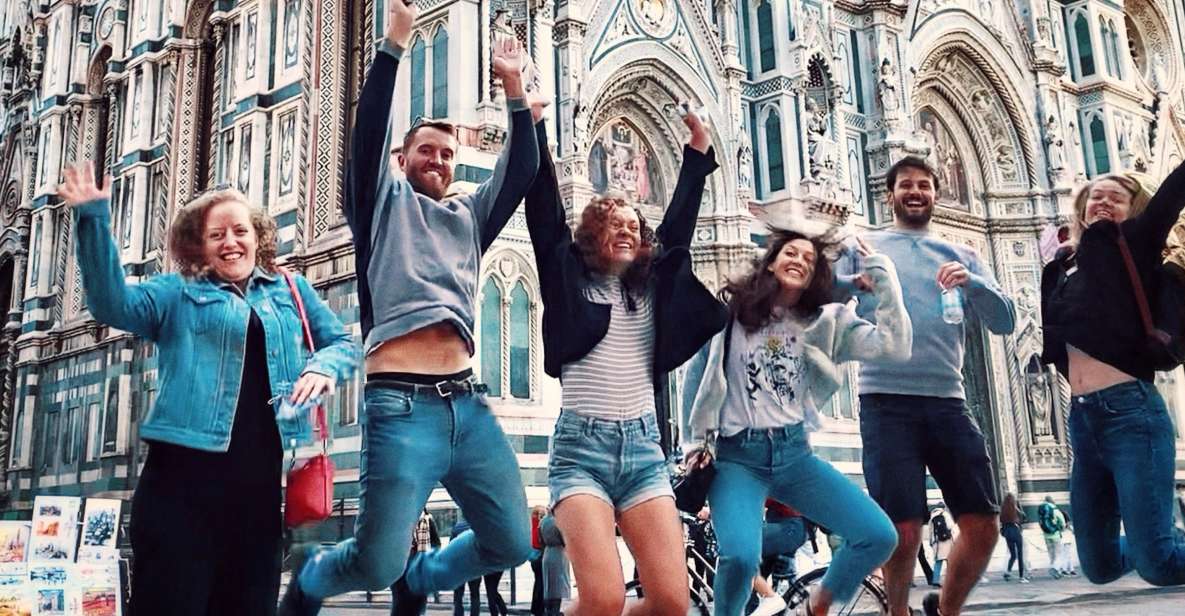
- Medici power stories tied to the buildings you see in Florence’s core
- Decoding symbols you encounter along the route, so the sights make more sense
- Duomo area orientation with context for Brunelleschi’s Dome and Giotto’s Bell Tower
- Real connections to big figures, including Dante and the Renaissance thinkers
- Government-squares and public art stops at Palazzo Vecchio and Piazza della Signoria
- Local food and shopping tips delivered at the end near the Uffizi
Why this Medici-and-Renaissance walk is a smart first step
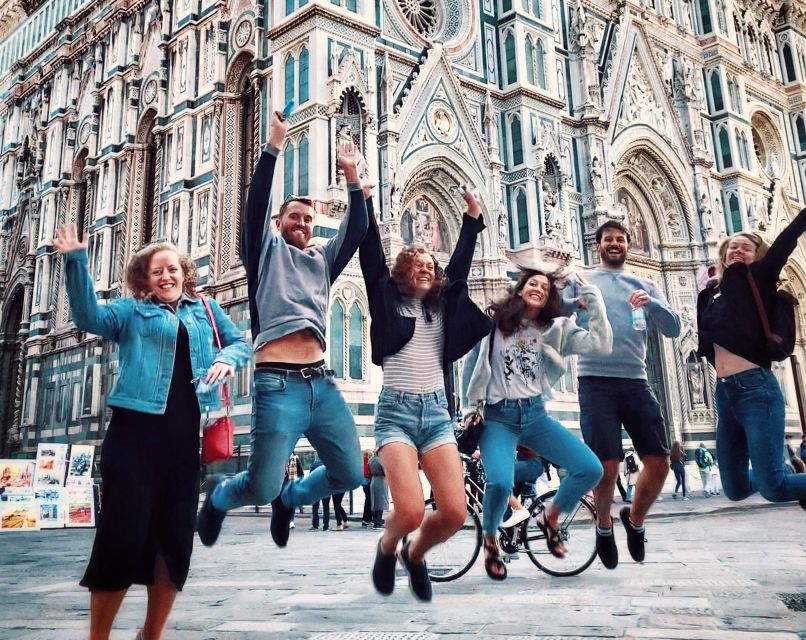
Florence can feel like a greatest-hits album until someone gives you the plot. This tour does that job by threading the Renaissance through one dominant theme: how the city’s power, patronage, and politics shaped what you see today.
I especially like tours that treat landmarks as evidence, not just photo backdrops. Here, the walking route keeps tightening the story: first the Medici and their influence, then Florence’s civic power, and finally the cultural gravity of the Uffizi neighborhood. By the end, you’re not just ticking off sights—you understand why Florence built certain monuments in certain places.
Also, it’s built for time-strapped visitors. The experience runs about 2 hours (the schedule notes around 2.25 hours for the guided portion), which is the right length for an orientation walk without draining your whole day. If you’re arriving for the first time, this is the kind of tour that helps you spend the rest of your trip with more confidence.
You can also read our reviews of more walking tours in Florence
Meeting at San Lorenzo and starting with the right mindset
You meet at Florence Free Tour-Tale, looking for the green umbrella in front of the stairs that lead to the main entrance of the San Lorenzo church. That’s a good start point because the area already shows you two worlds at once: Renaissance energy mixed with older architectural roots.
The guide’s first job is to set expectations: you’re going to see top sites, but you’re also going to decode the smaller details that most people gloss over. You’ll hear “fun facts” about Florence’s birth of the Renaissance, and those stories matter because they give you a lens for everything that follows.
This is also a practical advantage. When you start near San Lorenzo, you’re in the heart of the walking loop. You’re less likely to zigzag across the city wasting energy, and you’ll have better legs left for any museum visit afterward.
Basilica of San Lorenzo: where the architectural vibe sets the tone
The tour’s first major stop is the Basilica of San Lorenzo. You’ll meet in the Piazza di San Lorenzo area and then move into the orbit of the basilica as part of the guided sequence.
What’s special here is the way the building helps explain Florence’s transition style. It’s not just one neat era. Florence loves blends—Romanesque bones mixed with Renaissance ambition—so you’re learning the city’s timing as much as its monuments.
A drawback? If you’re expecting a museum-style interior visit with full access, don’t plan on that. This experience is framed as an exterior-focused walking tour around key landmarks and facades, so you’ll get context without committing to ticket lines for each stop.
That said, this is exactly how you should start. When you can see a building’s shape and hear the story behind it, Florence’s later “masterpieces” stop feeling random.
Palazzo Medici Riccardi: power, patronage, and why art had a backer
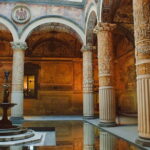
Next comes Palazzo Medici Riccardi, one of the most direct ways to talk about the Medici family’s fingerprints on Florence. Even if you’ve seen photos of the palace area before, the guide’s job is to connect what you see to how power actually worked in the city.
This stop matters because the Medici weren’t just wealthy art fans. They were political actors using patronage, alliances, and image-making. When the guide brings you through those stories, the architecture starts to feel like a message—something built to signal status and influence.
This is also where the tour tends to feel most “alive,” since the Medici tale naturally includes intrigues and personal rivalries. It’s the kind of content that works well even if you’re not an art-history superfan. If you love stories about people doing big things for big reasons, you’ll probably lean in here.
Florence Duomo complex, Giotto’s tower, and Brunelleschi’s Dome from the outside
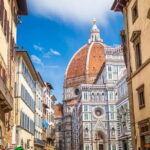
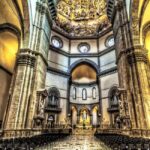
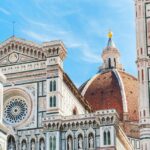
The Duomo complex area is the tour’s headline cluster, and it’s timed to give you the big-picture orientation: you’ll hear about the Catedral de Santa María del Fiore area, including Giotto’s Bell Tower and Brunelleschi’s Dome.
Important: the tour focuses on the sights and explanations around the Duomo area rather than committing you to an interior visit at each step. You’ll come away with a stronger sense of what each structure represents and how it connects to Renaissance engineering and civic pride.
Giotto’s Bell Tower helps you understand the vertical ambition of the city. Brunelleschi’s Dome is where you feel the Renaissance mindset in architecture: bold structure, confident scale, and a sense that Florence wanted to solve problems in public.
One practical consideration: this part of central Florence can be visually intense, with lots of people and quick sightlines. If you’re prone to information overload, pace yourself. Let the guide’s points land, then take a few seconds to look at the shapes yourself. The tour will move on, but your eyes will lock in faster if you briefly slow down.
You can also read our reviews of more guided tours in Florence
- The Best tour in Florence: Renaissance & Medici Tales – guided by a STORYTELLER
★ 5.0 · 12,316 reviews
House of Dante: when literature belongs to city power
The tour then shifts to the House of Dante. This stop is easy to treat as trivia—until the guide connects Dante to Florence’s role in shaping Renaissance thinking.
Why it works: the Renaissance didn’t only produce artists and architects. It also produced writers, scholars, and a cultural language that helped define what “Renaissance” meant in everyday life. By including Dante, you get proof that Florence’s influence wasn’t only stone and frescoes.
What you’ll get in this segment is the narrative thread: Florence as a stage where ideas gained momentum. Even if you don’t know every detail of Dante’s life, you should leave with a clearer sense of why a city would care so much about a writer’s legacy.
Palazzo Vecchio and Piazza della Signoria: civic Florence, not just tourist Florence
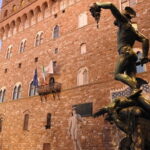
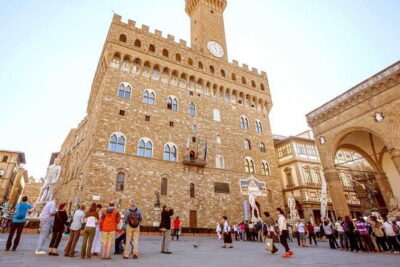
Palazzo Vecchio and Piazza della Signoria bring you into Florence’s political heart. This is a major turning point in the tour because it steps beyond the Medici as patrons and into Florence as a governing machine with symbols, public power, and a public performance of authority.
These places matter because Florence was always building its identity in public spaces. The tour’s emphasis on symbols becomes more noticeable here: statues, façades, and the layout of the square help explain how citizens were meant to understand power.
If you like history that feels grounded—who held influence, how decisions shaped art, and how the public saw it—this part usually clicks. It also offers plenty of photo angles, though your best move is to listen first, then photograph what the guide points out.
Potential drawback: squares fill up quickly. If it’s rainy or busy, you might feel packed while waiting for the group to position itself for explanations. Still, the tour’s pacing is generally designed to keep you moving without rushing.
Loggia dei Lanzi: statues as public messaging
Loggia dei Lanzi is another stop where you start reading the city like a text. Here, public sculpture isn’t “just decoration.” It’s a way of shaping how people think about authority, identity, and cultural achievement.
The guide’s role is to translate the symbols and public meanings. Once you have that context, the statues feel less like random stone figures and more like a deliberate statement in stone.
This segment also helps you connect back to the Medici theme. Even when the subject shifts away from one family, the underlying idea stays the same: Florence used culture and public art as part of how it defined itself.
If you’re a slower walker or you want extra time to look, take it in small bursts. The tour is timed, so don’t plan on long lingering at every point.
Ponte Vecchio: a classic crossing with a story underneath
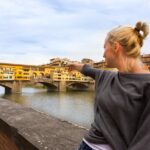
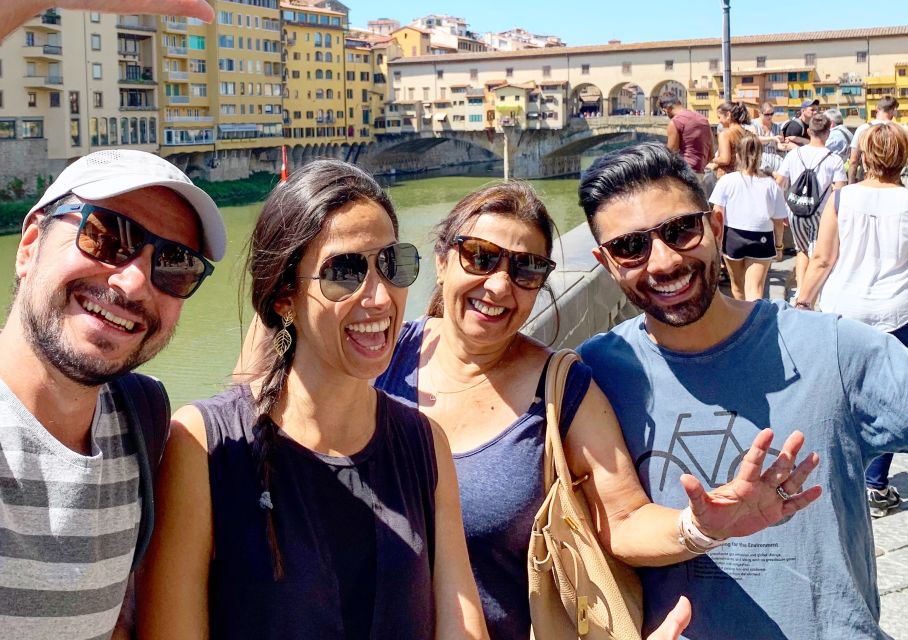
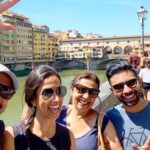
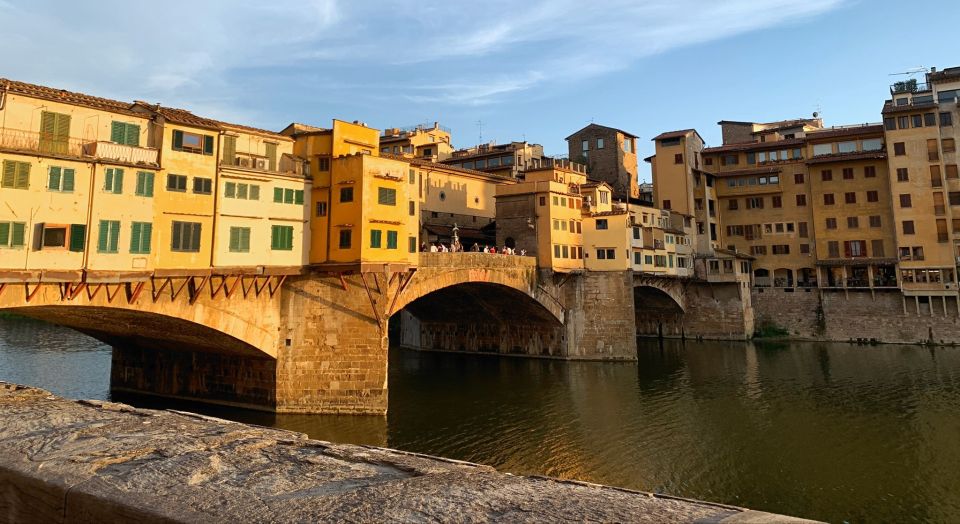
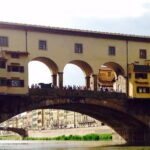
Then you arrive at Ponte Vecchio. The bridge is famous for a reason: it’s a recognizable Florence scene that anchors the walk emotionally. But what you’ll likely value most is the context around why the bridge mattered—culturally and economically—in the city’s ongoing identity.
This is where the tour gives you a satisfying end-of-loop feeling. You’ve moved through power (Medici), government (Palazzo Vecchio), public art (Loggia), and now you cross into the iconic heart of Florence’s image-making.
Practical note: the bridge area can get busy. If you’re sensitive to crowds, keep your expectations realistic. You’re still getting the guide’s story, but you might spend a little time waiting for a clear view.
Finishing outside the Uffizi: leaving with a plan, not just photos
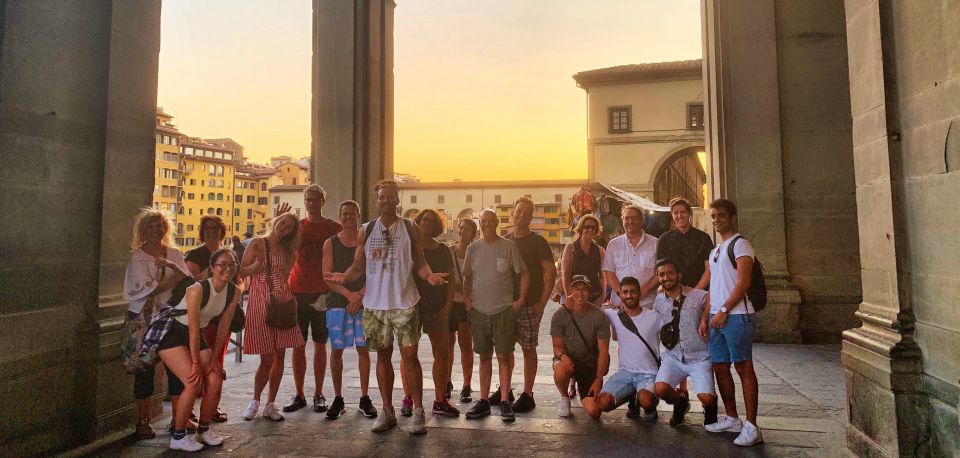
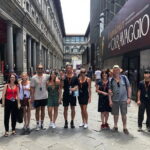
The tour ends outside the Uffizi Gallery. That’s smart. You’re not boxed into a museum visit during your walking window, and you still get timing and ticket-value guidance in a practical way.
Most importantly, you’ll get tips from a local guide on where to eat, drink, and shop. This is the part I think makes the tour feel worth it, because it turns your day into something usable. Instead of wandering the center hungry and guessing, you’ll know what to prioritize based on where you’ll be afterward.
Uffizi can be a big commitment, so a walking-tour finish is a good handoff. You’ll be primed to approach the museum with better context, and you’ll have guidance to plan the rest of your day like a local.
Food, drink, and shopping advice that actually helps
One of the consistent strengths you’ll hear about is the guide’s practical recommendations. People tend to remember stories, sure—but they also remember when someone tells them the best approach for a first day.
In this case, you’re getting specific suggestions for eating, drinking, and shopping near where you’ll already be. That means you don’t waste energy backtracking to find something open, or hunting for generic souvenirs that have nothing to do with Florence.
If you’re traveling with teenagers or friends who get restless on long history segments, the local-tip angle helps. It gives them a reason to care, and it turns your next step into something concrete.
Price and value: what you’re paying for
The listed price is $2.36 per person, and that number can look almost too good. This tour is essentially built around the walking-tour model where you pay a small amount and then tip the guide based on satisfaction.
Some guide experiences are noted with a small paid amount first, followed by tipping, and one practical suggestion comes up repeatedly: bring cash to tip. If you’re trying to get the best value, plan that into your budget.
Is it a “cheap history lecture”? No. You’re paying for orientation, story structure, and a route that hits major Renaissance and civic stops in roughly two hours. For many people, that’s the difference between wandering in circles and understanding what you’re looking at.
Bottom line: this is a good value if you show up ready to listen and walk. If you only want a quick photo tour with minimal explanation, you might not feel like you got your money’s worth in the time provided.
What to bring and how to prepare for rain or shine
The tour runs rain or shine, so bring weather-appropriate clothing. Wear comfortable shoes—this is the most important packing item in Florence, no matter what you book.
Also bring:
- Water
- A camera
- Weather-appropriate clothing
One more mindset tip: don’t treat stops like separate destinations. Treat them like chapters. If you keep that frame, the moving pace feels purposeful instead of rushed.
Who should book this Florence walk?
This tour fits best if you want a story-driven introduction to Florence. It’s ideal for:
- First-time visitors who want a center-city orientation
- People interested in the Renaissance and how power shapes art
- Families and groups that need engaging guidance so everyone stays with it
It’s less ideal if you’re seeking a hands-on, inside-everything museum day. This is a walking tour centered on key sights and explanations, with the Uffizi finish happening outside rather than as an included entry.
If you’re short on time and want the clearest path to understanding Florence’s big themes—Medici influence, civic symbolism, and Renaissance architecture—this one is a very practical start.
Final call: should you book it?
Yes, if you want the Renaissance made understandable and you like guides who connect the dots between people, power, and buildings. The two-hour format is right for a first day, and the finish near the Uffizi gives you momentum for what comes next.
Skip it only if you prefer quiet self-guided sightseeing with minimal explanation. For everyone else, this tour is a good way to turn Florence from a list of landmarks into a coherent story you can still talk about later.
FAQ
How long is the Florence Renaissance and Medici Tales guided walking tour?
The tour duration is listed as about 2 hours.
Where do I meet the guide?
Meet at Florence Free Tour-Tale. Look for the green umbrella in front of the stairs that lead to the main entrance of San Lorenzo Church.
What languages is the live guide available in?
The guide is available in Spanish and English.
Does the tour run in bad weather?
Yes. The tour takes place rain or shine.
Is the tour wheelchair accessible?
It is listed as wheelchair accessible.
What should I bring for the walk?
Bring comfortable shoes, a camera, water, and weather-appropriate clothing.
Is there a cancellation option, and can I pay later?
Free cancellation is available up to 24 hours in advance for a full refund. You can also reserve now & pay later, keeping travel plans flexible.
You Might Also Enjoy


More Walking Tours in Florence

More Tours in Florence
- The Best tour in Florence: Renaissance & Medici Tales – guided by a STORYTELLER
★ 5.0 · 12,316 reviews




More Tour Reviews in Florence
- Tuscany Day Trip from Florence: Siena, San Gimignano, Pisa and Lunch at a Winery
★ 5.0 · 21,634 reviews - The Best tour in Florence: Renaissance & Medici Tales – guided by a STORYTELLER
★ 5.0 · 12,316 reviews