REVIEW · FLORENCE
Florence: Museo Galileo Entry Ticket
Book on GetYourGuide →Operated by Museo Galileo · Bookable on GetYourGuide
Galileo’s tools turn curiosity into something you can see. With a Museo Galileo entry ticket, you get an easy, self-paced way into one of Florence’s best science stops, built around real instruments that shaped how we measure the world.
I love the way the museum connects big ideas to physical objects, from early astronomy tools to measuring devices you’d recognize today. Two-floor layout, 18 themed rooms, and a focus that goes well beyond Galileo makes this ticket feel like real value.
The one downside? You’re mostly on your own. The audio guide experience is hit-and-miss depending on your setup, and a couple people wished for more upfront guidance and clearer labeling once inside.
In This Review
- Quick hits to plan your visit
- Museo Galileo in Florence: why this science museum matters
- Price and ticket value: what $20 buys you
- Where your visit starts: the Medici-focused first floor
- What you’ll likely notice as you walk
- Galileo’s original instruments: microscopes, thermometers, meteorology
- Second floor Lorraine collection: mechanics, electricity, and air pressure
- Why this floor feels satisfying
- Navigation tools, clocks, and the science behind measuring time and space
- Self-guided reality check: audio guide, pacing, and reading
- How long should you plan?
- Timing matters in Florence: the Tuesday 1:00 PM closure
- Comfort and logistics inside the museum
- Who should book this Museo Galileo entry ticket?
- Should you book Museo Galileo? My take
- FAQ
- What is included with the Florence Museo Galileo entry ticket?
- Is a guided tour included?
- How long can I spend at Museo Galileo with this ticket?
- How do I enter the museum with my ticket?
- What will I see once I’m inside?
- How are the rooms divided between the two floors?
- What items are highlighted on the Medici side?
- What items are highlighted on the Lorraine side?
- Is Museo Galileo wheelchair accessible?
- Is Museo Galileo open late on Tuesdays?
- Can I cancel for a refund?
- Can I reserve now and pay later?
Quick hits to plan your visit
- 18 themed rooms across two floors: you’ll move from Medici science to Lorraine technology without feeling rushed.
- Galileo’s original instruments: plan to spend time with the thermometer, microscope, and meteorology-related displays.
- Medici collections on the first floor: look for quadrants, astrolabes, meridians, dials, compasses, and armillary spheres.
- Lorraine instruments on the second floor: expect mechanical, electrostatic, and pneumatic applications.
- Self-guided at your pace: bring headphones and expect to read, listen, and look carefully more than once.
Museo Galileo in Florence: why this science museum matters
If your Florence plan is mostly churches and art, Museo Galileo is a smart counterweight. This place is about instruments: the stuff people used to look at the sky, measure motion, navigate oceans, and test ideas when computers didn’t exist.
What I like is how the museum doesn’t treat science like a boring list of names. It treats tools like characters with stories. Galileo Galilei is central, but the bigger point is how scientific thinking traveled through the Medici and Lorraine circles, then kept evolving.
Also: Florence can get crowded fast. This museum has a reputation for being calmer than many top-ticket sights, especially if you time it well.
You can also read our reviews of more tours and experiences in Florence


Price and ticket value: what $20 buys you
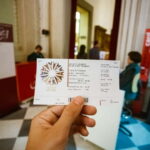
At about $20 per person (plus the booking fee), you’re paying for a one-day entry ticket that covers a lot of ground. The museum doesn’t just show a few famous items. It presents a wide collection of scientific instruments, arranged in themed rooms across two floors.
You’re also not paying extra for a guided tour here. That’s important for budgeting. If you’re the type who likes to set your own pace, this works well. If you want someone explaining every exhibit, you’ll be relying on signage and the audio option.
The best value comes if you enjoy STEM history: astronomy tools, navigation devices, clocks, and even chemical and pharmaceutical apparatus. If your interest is general and you’re hoping for quick entertainment, you might find it heavy on reading and looking.
Where your visit starts: the Medici-focused first floor
Start on the first floor, where the museum highlights the Medici collections. The layout is meant to feel like a progression through precision tools—especially for astronomy and measurement.
You’ll find themed displays built around instruments such as quadrants, astrolabes, meridians, dials, compasses, and armillary spheres. These are not just replicas for show. They help you understand how people learned to reduce the sky into numbers, angles, and usable data.
One neat detail: the Medici scientific instruments were first displayed in the Stanzino delle Matematiche (Mathematics Room) in the Uffizi Gallery. Here, they’re brought together in a dedicated science context, so you can compare the “tool mindset” to the art-and-culture mindset of the same families.
What you’ll likely notice as you walk
The first floor is where you’ll probably connect the dots fastest. You’ll see the same family of ideas repeated in different ways: measuring angles, tracking positions, and converting observation into something repeatable.
If you like hands-on learning, don’t expect lots of interactive controls. But you’ll get that “wait, people made this without modern tech” reaction from the sheer design and craftsmanship.
Galileo’s original instruments: microscopes, thermometers, meteorology
You’ll find Galileo’s original instruments on the museum route. The highlights listed for this part include thermometers, microscopes, and meteorological instruments.
This is the section that makes the visit feel more than historical wallpaper. It’s one thing to read about Galileo as a name. It’s another to face the tools themselves and think about what they enabled in everyday research.
A useful way to view these rooms: ask what each instrument was trying to solve. A thermometer isn’t just a gadget—it’s a system for turning heat into repeatable measurement. A microscope isn’t just magnification—it’s a way of extending what counts as evidence.
Spending extra time here is worth it. Many visitors describe the museum as “easy to get lost in,” and Galileo’s instruments are a big reason why.
- The Best tour in Florence: Renaissance & Medici Tales – guided by a STORYTELLER
★ 5.0 · 12,316 reviews





Second floor Lorraine collection: mechanics, electricity, and air pressure
Now flip to the second floor, where the museum’s displays lean heavily toward the Lorraine family. This is where the mood shifts from astronomy measurement toward applied mechanics.
You’ll see instruments connected to mechanical, electrostatic, and pneumatic applications. In plain terms: tools for moving parts with precision, tools dealing with electrical effects (as understood back then), and tools related to gases and air pressure.
The room mix includes mechanical clocks, sextants, octans, and also scientific apparatus connected to pharmaceutical and chemical work, plus weights and measures. That last category matters more than it sounds. Early science depended on standardization. If you can’t trust the units, you can’t trust the conclusions.
Why this floor feels satisfying
This is the part that often makes engineering-minded visitors smile. It shows how scientific instruments supported navigation, health-related experiments, and industrial thinking—all before the modern lab toolkit existed.
Navigation tools, clocks, and the science behind measuring time and space
If you’re into how people moved through the world, don’t skim the rooms on timekeeping and navigation. This museum doesn’t treat those as separate topics. It treats them as tools that grew out of the same measurement problem.
Clocks show how humans tried to tame time with gears and regulated motion. Sextants and octans connect to measuring angles at sea, and they also tie back to the same astronomy logic you saw on the first floor.
Then you get practical science apparatus—weights, measures, and the chemical and pharmaceutical displays. It’s a reminder that scientific change wasn’t only about telescope breakthroughs. It was also about calibrating, comparing, and repeating.
Self-guided reality check: audio guide, pacing, and reading
Museo Galileo is designed for self-guided exploring. You’ll receive entry ticket access, then you’re free to follow the room flow at your own pace.
The museum does use an audio option. A few visitors said the app experience wasn’t always easy to follow, and one mentioned the ticket desk didn’t clearly explain the need to download the app and bring earphones. Another said the audio guide on a phone was good, though it could be tricky to use.
My practical advice: plan for your headphones and download anything you need before you arrive. If you forget, you might find options at the front area, but don’t count on last-minute solutions.
How long should you plan?
You can do it fast, but you’ll miss things. Many people spend about 2–3 hours, with some saying 1 hour is doable and others recommending more time to fully absorb the progression.
Because the museum is organized by themes, you’ll naturally want to revisit earlier ideas when you reach later rooms. That’s why longer visits feel less tiring than you’d expect.
Timing matters in Florence: the Tuesday 1:00 PM closure
One scheduling detail you should treat like a real constraint: on Tuesdays, Museo Galileo is open only until 1:00 PM. If your trip hits Tuesday, plan the visit early in the day.
Outside of that, the museum tends to feel less crowded than other big Florence draws. If you want the calm experience people rave about, I’d aim for an early entry slot when possible.
Comfort and logistics inside the museum
The museum is wheelchair accessible, and people noted mobility access is handled well (including an elevator). If you’re planning with limited walking range, you’ll still want to move carefully from room to room, because the galleries are full of fine details and you’ll naturally slow down.
Two small comfort notes from real visits: seating inside can be limited, and bathroom cleanliness has been mentioned as inconsistent. Neither is a dealbreaker, but it’s worth knowing if you want a relaxed experience.
Who should book this Museo Galileo entry ticket?
This ticket is best for you if you enjoy:
- Science history, especially astronomy, measurement, and navigation
- STEM and engineering backgrounds or just a curious mindset
- Museums where you learn by looking closely, not only by watching screens
It’s also a great option if you want a break from Florence’s art-heavy circuit. One reviewer even described it as a surprisingly good pairing between other major sights, because it fits into a busy day without dragging on.
If you’re going mainly for a quick hit of Galileo trivia, you may find it more Medici-and-Lorraine than Galileo-only. But if you like the chain of ideas—how one measurement leads to the next—this museum clicks.
Should you book Museo Galileo? My take
Book it if you want a meaningful Florence stop that feels different from the usual lines and paintings. The value is strong for the ticket price because you’re getting a serious collection of instruments, organized in a way that makes the development of science easier to track.
Also, prebooking tends to make your day smoother. You’ll show your confirmation voucher at the museum and enter. That’s especially helpful in Florence, where “figure it out on arrival” can get annoying.
Skip it only if you strongly prefer guided tours with lots of live explanation, or if you need very interactive exhibits to stay engaged. For self-guided learning, Museo Galileo is one of the best bets in town.
FAQ
What is included with the Florence Museo Galileo entry ticket?
The ticket includes entry to Museo Galileo plus a booking fee.
Is a guided tour included?
No. This ticket is for entry only. A guided tour is not included.
How long can I spend at Museo Galileo with this ticket?
The ticket is valid for 1 day. You’ll also see specific opening or starting-time availability when you check dates.
How do I enter the museum with my ticket?
Show your confirmation voucher at the museum on the day of your visit.
What will I see once I’m inside?
You’ll explore 18 thematic rooms featuring scientific instruments from the Medici and Lorraine collections, plus Galileo’s original instruments such as thermometers, microscopes, and meteorological instruments.
How are the rooms divided between the two floors?
The first floor includes rooms dedicated to the Medici collections (11 rooms are listed), and the second floor includes rooms tied to the Lorraine family (10 rooms are listed).
What items are highlighted on the Medici side?
On the Medici-focused rooms, you can expect instruments like quadrants, astrolabes, meridians, dials, compasses, armillary spheres, and also real works of art by Tuscan and European artists.
What items are highlighted on the Lorraine side?
On the Lorraine-focused rooms, you can expect instruments related to mechanical, electrostatic, and pneumatic applications, plus sections on clocks, sextants, octans, pharmaceutical and chemical apparatus, and weights and measures.
Is Museo Galileo wheelchair accessible?
Yes. The museum is wheelchair accessible.
Is Museo Galileo open late on Tuesdays?
No. On Tuesdays, Museo Galileo is only open until 1:00 PM.
Can I cancel for a refund?
Yes. You can cancel up to 24 hours in advance for a full refund.
Can I reserve now and pay later?
Yes. There is a reserve now & pay later option, letting you book your spot without paying immediately.
You Might Also Enjoy

More Tickets in Florence


More Tour Reviews in Florence
- Tuscany Day Trip from Florence: Siena, San Gimignano, Pisa and Lunch at a Winery
★ 5.0 · 21,634 reviews - The Best tour in Florence: Renaissance & Medici Tales – guided by a STORYTELLER
★ 5.0 · 12,316 reviews