REVIEW · FLORENCE
Private Medici Walking Tour – Discover Florence’s Royal Past
Book on Viator →Operated by Star Florence · Bookable on Viator
Florence makes you feel like you’ve stepped into a family saga. This private walk connects the dots between Medici power and the city’s most important Renaissance sights, using a custom path and a real guide.
I especially like how the tour is built around relationships, not just landmarks. You move from the Medici’s first home base at Palazzo Medici Riccardi to the broader Medici footprint around San Lorenzo, and the story clicks fast.
The other thing I love is the built-in comfort: you get an official private guide plus a radio system, so you can actually hear explanations while you’re walking. One drawback to plan for: the route includes churches and places where a strict dress code applies, so you’ll want covered knees and shoulders.
In This Review
- Key things you’ll notice on this Medici walking tour
- Why this tour works: a political story you can walk
- Palazzo Medici Riccardi: where the Medici network begins
- San Lorenzo square: when Medici ambition meets Renaissance rebuilding
- Ponte Vecchio to Oltrarno: the story crosses the Arno
- Palazzo Pitti: connecting Medici power to a later residence
- La Strega Nocciola gelato: end with something useful
- Radio system and private guide: why hearing the story matters
- Duration and pacing: what 90 minutes feels like in real life
- Price and value: $146.90 for a private Medici story
- Best fit: who should book this Medici walking tour
- Things to consider before you go
- Should you book this Private Medici Walking Tour?
- FAQ
- What’s the tour price?
- How long is the tour?
- Is the tour offered in English?
- Is this a private tour or shared group?
- Where do I meet the tour?
- What’s included in the price?
- Are entrance tickets included?
- What should I wear for this tour?
- What happens if I arrive late?
- Does the tour run in bad weather?
Key things you’ll notice on this Medici walking tour

- Private guide + radio system so you can keep up without straining your voice or falling behind
- Palazzo Medici Riccardi as a starting anchor, where the Medici story starts from their early residence
- San Lorenzo square and the Medici Chapels area explained from the outside, with context for Michelangelo’s New Sacristy and Medici tombs
- Ponte Vecchio crossing into Oltrarno, with the Medici timeline continuing across the river
- Palazzo Pitti framed as the last Medici residence, letting you connect political power to geography
- Gelato stop at La Strega Nocciola to end the walk on a sweet, practical note
Why this tour works: a political story you can walk
Florence’s biggest buildings can feel like a museum puzzle: pretty facades, lots of dates, and not much sense of why any of it mattered. This tour is different because it treats the city like a map of influence.
You start at Piazza della Repubblica and head toward the Medici’s early power base. From there, the guide builds the story in a way that’s easy to follow: who the Medici were, how they tied themselves into other elite families through marriage and work, and why that networking helped them rise. It’s the kind of explanation that turns Florence’s architecture into something personal and human.
If you’re the sort of traveler who loves “people stories” more than trivia, you’ll likely enjoy this. You’ll also get to choose either a morning or afternoon tour, which helps you match it to your day’s energy level. And because it’s private, your pace and questions matter.
You can also read our reviews of more walking tours in Florence
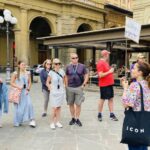
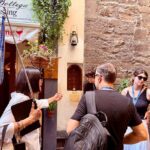
Palazzo Medici Riccardi: where the Medici network begins
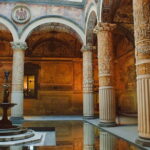
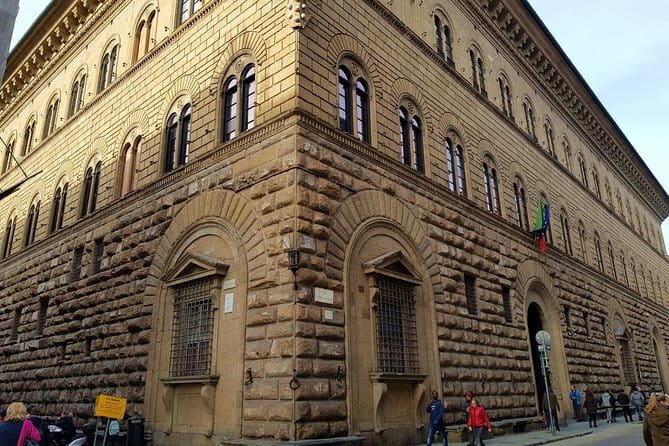
Your first stop is Palazzo Medici Riccardi, the main residence of the first branch of the Medici family. Standing here, you’re not just looking at stone—you’re getting the starting point for why the Medici became central to Florentine elite life.
Here’s the core idea the guide works into the walk: the Medici didn’t just hold influence through money or art collecting. They were connected across elite circles through alliances—marriages of convenience, business partnerships, and even employment. That means other powerful families sometimes gained systematic access to the rest of the social network through the Medici.
The guide also connects this to real names you’ll hear along the way. You might learn how families such as the Bardi, Altoviti, Ridolfi, Cavalcanti, and Tornabuoni were part of that web. The value for you is simple: once you understand that “network” concept, the rest of Florence’s Medici-related landmarks feel less random.
What to watch for: since you’re starting at a palace tied to power, keep an eye on street-level details and how the streets funnel you toward the next site. The guide’s route is built to keep the story moving.
San Lorenzo square: when Medici ambition meets Renaissance rebuilding
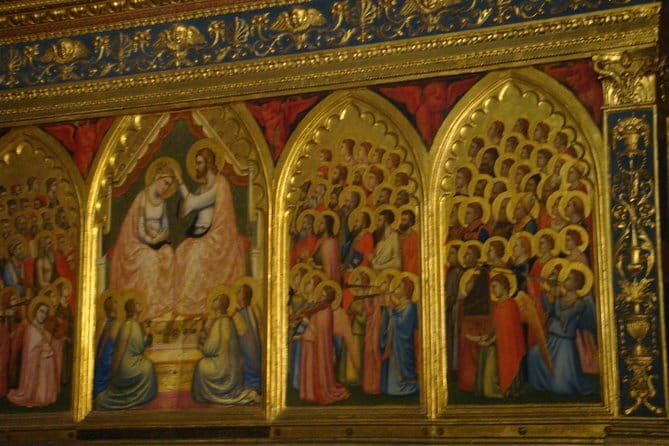
Next you head to San Lorenzo Church square, the cathedral-area that reaches back toward early roots. The Medici era shows up in a very practical way here: starting in the early 15th century, the family had the church rebuilt in the new Renaissance style.
This is one of the best parts of the tour because it links the Medici to a major change in how Florence presented itself. Architecture here isn’t just decoration. It’s political branding in stone and design.
As you approach, the guide walks you through the Medici Chapels area from the outside. You learn where key elements are located, including the private mausoleum of the Medici Grand Dukes, Michelangelo’s New Sacristy, and the Medici tombs. Even if you’re not entering the chapels during this specific walk, the outside explanations help you understand what you’re looking at when you later return.
Dress code heads-up: San Lorenzo is the kind of place where your clothing matters. You’ll need to cover knees and shoulders. No shorts, no sleeveless tops. If you show up with bare shoulders or bare knees, you could be refused entry to worship spaces and some selected museums tied to the route.
If you want a smooth experience, dress like you’re visiting a serious place of worship—not like you’re out for a warm-weather stroll.
Ponte Vecchio to Oltrarno: the story crosses the Arno
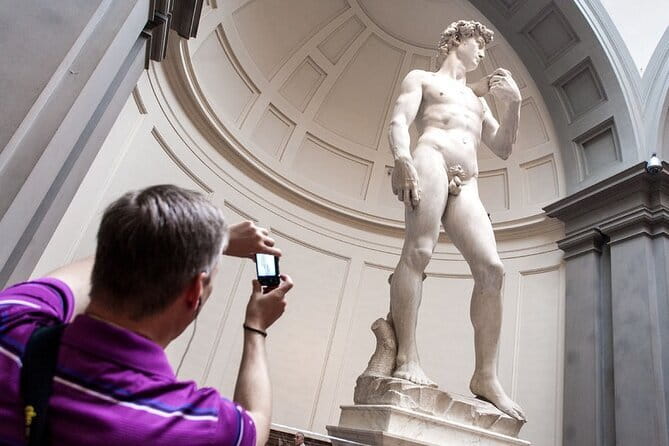
After the San Lorenzo area, the walk pivots toward the river Arno and a crossing on Ponte Vecchio. This matters more than it might sound. The river is a natural “divider” in Florence, and crossing it physically mirrors how the story expands into another part of the city.
You go from the cathedral area toward Oltrarno. That neighborhood shift changes the feel of the walk: you’re moving into the part of Florence where the Medici story ties more directly to their later power stage.
The guide uses this segment to keep the timeline coherent. You’re not just walking for movement’s sake—you’re walking because each new district frames a different chapter.
Palazzo Pitti: connecting Medici power to a later residence
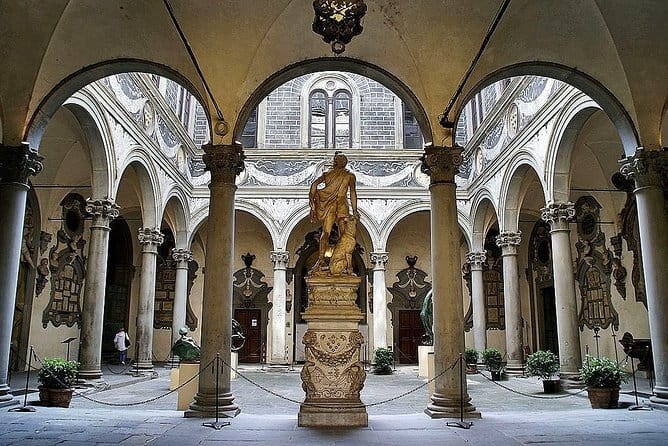
From Ponte Vecchio and into Oltrarno, you’ll see Palazzo Pitti, described as the last residence of the Medici family. Even from outside, the building signals scale and ambition.
This stop is valuable because it helps you understand what “Medici power” looked like at different stages. Starting with Palazzo Medici Riccardi explains beginnings. Seeing Pitti tells you what later influence aimed to become: a grand base big enough to represent the family’s reach.
Also, if you’re the kind of visitor who likes to plan future museum time, this portion gives you a strong mental map. One of the reviews highlights that the Pitti complex and related Medici spaces like the Boboli gardens and the Medici gallery have serious artistic impact. This tour won’t replace an entry ticket visit, but it can make your future visits feel less random.
Tip for planning: after the walk, you’ll likely want to revisit Pitti and the related sites when you have time to go inside. The best tours aren’t just a one-time event—they help you return smarter.
You can also read our reviews of more private tours in Florence




La Strega Nocciola gelato: end with something useful

The last stop is La Strega Nocciola, where you’ll get free gelato. This is more than a nice finish. It’s a practical buffer at the end of a walking tour in Florence: something cold, something quick, and a moment to reset your feet.
Because the gelato is included, you don’t have to spend time searching for a place at the end of your route. You can just stop, eat, and talk with your guide if you still have questions.
Radio system and private guide: why hearing the story matters
A private tour is only half the equation. The other half is whether you can actually hear what’s being explained while you’re outside.
This one includes a radio system, which makes a big difference in a city with traffic noise and crowds near major sights. You don’t have to guess what your guide is saying. You can follow the Medici story step by step.
The tour also uses an official certified private guide. That matters because you’re not relying on a script or an app. You can ask follow-up questions, and the guide can steer the walk based on what you care about—Renaissance architecture, family politics, or how Florence’s urban layout reflects power.
Duration and pacing: what 90 minutes feels like in real life
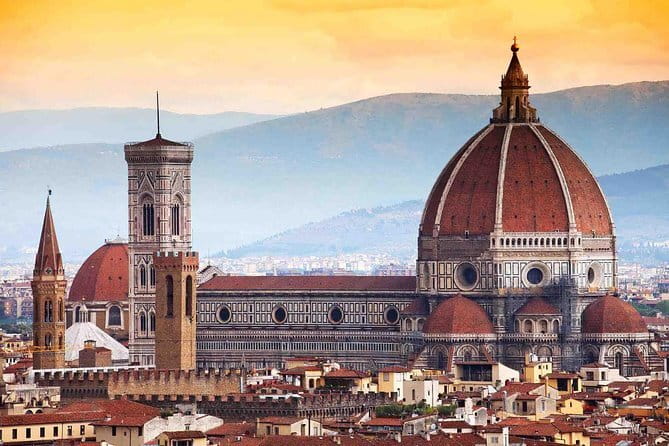
The tour runs about 1 hour 30 minutes. That’s a sweet spot for Florence.
Long enough to connect the dots between multiple areas—Palazzo Medici Riccardi, San Lorenzo square, a Ponte Vecchio crossing, and Palazzo Pitti—but short enough that you’re not wiped out afterward. You’ll still have energy to explore on your own, especially since the tour is at your own pace within the private format.
Practical note: since it’s a walking tour, comfortable shoes aren’t optional. Wear shoes you can walk in for an hour without regretting it.
Price and value: $146.90 for a private Medici story
At $146.90 per person, this isn’t the cheapest way to see Florence. But it’s also not trying to be. You’re paying for three things you don’t always get on large-group tours: a certified private guide, a radio system, and a route designed to keep the Medici narrative coherent.
In practical terms, that value shows up in:
- the clarity of the Medici story as you move city to city
- the ability to ask questions without being rushed or drowned out
- the fact that you get a structured overview that helps you choose what to do next
If you’re traveling as a small group or as a couple who likes history but hates slow, crowded logistics, the price starts to make more sense fast. If you’re traveling solo and want a low-cost option, you might consider what you can do on your own at these sites—then compare what you gain from guided context and pacing.
Best fit: who should book this Medici walking tour
This is a smart choice if you:
- enjoy Renaissance art and architecture but want the why behind it
- like family and politics stories as much as stones and styles
- want a guide you can actually hear (radio system helps a lot)
- plan to spend more time later visiting Medici-related sites around Pitti and San Lorenzo
It’s also good if your schedule needs flexibility. The tour offers morning or afternoon options, so you can pick what fits your day.
Things to consider before you go
A few practical points can make the difference between a smooth walk and a stressful one.
First, arrive on time. If you’re late, you won’t be able to join and there’s no refund or reschedule. So build in buffer time from wherever you’re staying.
Second, respect the dress code. Even if you think you’ll only be outside, the tour can involve places of worship and selected museums where rules apply. Covered knees and shoulders are the key.
Finally, the tour needs a minimum number of guests to run. There’s a possibility it could be canceled after confirmation if that requirement isn’t met. In that case, you’ll be offered an alternative or a full refund.
Should you book this Private Medici Walking Tour?
If your Florence goal is to understand how the Medici family shaped the city—through connections, rebuilding, and power you can see in the streets—this is worth booking. The format is tight (about 90 minutes), but the payoff is long-lasting: you’ll leave with a clearer sense of what you’re looking at when you return to Medici sites on your own.
Book it if you value a private guide who can explain the story clearly and if you’re willing to dress for church rules. Pass or reconsider if you want a flexible, ticket-free wander with no planning around dress code and timing.
FAQ
What’s the tour price?
The private Medici walking tour costs $146.90 per person.
How long is the tour?
It runs about 1 hour 30 minutes.
Is the tour offered in English?
Yes, the tour is offered in English.
Is this a private tour or shared group?
This is a private tour/activity. Only your group participates.
Where do I meet the tour?
You meet at Piazza della Repubblica, 1, 50123 Firenze FI, Italy.
What’s included in the price?
You get an official certified private guide, a radio system to hear the guide, and free gelato at La Strega Nocciola.
Are entrance tickets included?
Entrance tickets aren’t listed as included, but entrance tickets will be delivered by the guide or representative at the meeting point before the tour starts.
What should I wear for this tour?
Bring clothing that covers knees and shoulders. No shorts or sleeveless tops are allowed in places of worship and selected museums, and you may be refused entry if you don’t comply.
What happens if I arrive late?
If you arrive after the tour start time, you won’t be able to join and you won’t be refunded or rescheduled.
Does the tour run in bad weather?
The tour operates in all weather conditions, but if it’s canceled due to poor weather, you’ll be offered a different date or a full refund.
You Might Also Enjoy
More Walking Tours in Florence
More Tours in Florence
- The Best tour in Florence: Renaissance & Medici Tales – guided by a STORYTELLER
★ 5.0 · 12,316 reviews



More Tour Reviews in Florence
- Tuscany Day Trip from Florence: Siena, San Gimignano, Pisa and Lunch at a Winery
★ 5.0 · 21,634 reviews - The Best tour in Florence: Renaissance & Medici Tales – guided by a STORYTELLER
★ 5.0 · 12,316 reviews