REVIEW · FLORENCE
Florence: Accademia Gallery Guided Tour
Book on GetYourGuide →Operated by Florence with Elvis · Bookable on GetYourGuide
Michelangelo’s David stops you cold. This Accademia Gallery guided tour is built to help you see the statue from multiple angles while a live English guide ties it to the Renaissance and the Medici power story behind it. I love that it’s focused, not scattered, and you’re given headsets so the commentary stays clear as you move.
The best part is also the tradeoff: at $53 for about an hour, you’re paying for priority entry and guided interpretation. One thing to consider is that the headset/radio audio has been reported as fuzzy at times, so if you’re sensitive to sound quality, it’s worth arriving ready to double-check your channel volume.
In This Review
- Key things to know before you go
- David in the real building: what this tour changes
- Meeting in Piazza delle Belle Arti and getting inside without the hassle
- First guided look at Michelangelo’s David: angles, mood, and scale
- A short, smart circuit through the Accademia galleries
- Unfinished sculptures and the prisoner-series energy
- Medici context: why Renaissance Florence matters here
- Headsets and the pace: what you’ll feel during the walk
- Who this tour suits best (and who might not love it)
- Price and value: $53 for priority entry and interpretation
- Practical rules that can trip you up
- Should you book this Accademia Gallery Guided Tour?
- FAQ
- How long is the Florence: Accademia Gallery Guided Tour?
- Where do I meet the guide?
- Is the tour in English?
- Can I bring luggage or large bags?
- What ID do I need to bring?
- What is the cancellation policy?
Key things to know before you go

- Priority access at Accademia means you skip the long line and go in via a separate entrance
- David from multiple angles with narration that explains what you’re looking at
- Headsets included so you can keep up while the group moves through galleries
- Renaissance connections to the Medici family and Florence’s political art world
- More than David with stops that point out works by Filippino Lippi and Domenico Ghirlandaio
- Pace is efficient: enough context to appreciate the museum without turning it into a half-day project
David in the real building: what this tour changes
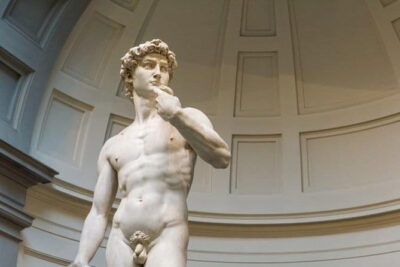
If you’ve only seen Michelangelo’s David in photos, you’re missing the physical shock. Up close, David is less like a picture and more like a presence. The face is concentrated, the body is taut, and the details reward time spent walking around rather than rushing from one postcard view to the next.
What I like about this tour is that it treats David like a sculpture you can read. The guide doesn’t just say who Michelangelo was; they show you how to see. You get a guided look that keeps you moving so you notice things you’d likely miss on your own: how the proportions feel when you change your position, how the expression shifts with the angle, and why this statue became a Florence symbol instead of just another masterpiece.
And the tour adds a second layer. The guide’s story connects the statue to the world that produced it, including the Medici family and Florence’s Renaissance momentum. That context can turn a famous work from wow-only into meaning-you-can-keep.
You can also read our reviews of more guided tours in Florence
- The Best tour in Florence: Renaissance & Medici Tales – guided by a STORYTELLER
★ 5.0 · 12,316 reviews
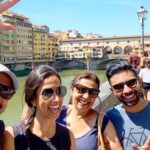
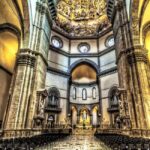
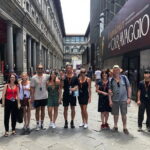
Meeting in Piazza delle Belle Arti and getting inside without the hassle
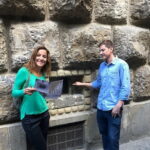
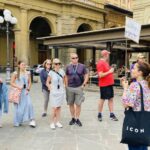
Your meeting point is Piazza delle Belle Arti, in the main square by the Galleria dell’Accademia. You’ll find a sign with the name Florence with Elvis Guided Experience.
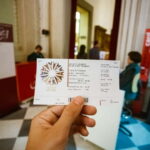
Then comes the practical win: guaranteed museum entry and priority access through a separate entrance. In Florence, the Accademia line can be painfully long, and the outside crowd can look like it’s going to outlast your patience. This tour is designed to get you through the bottleneck with less waiting, so you spend your time looking at art instead of shuffling your feet.
One small detail that matters for a smooth start: the tour includes headsets. If you’re wearing glasses or have hearing aids, bring them. You want to hear the guide’s explanations as you move, not guess from across the room.
First guided look at Michelangelo’s David: angles, mood, and scale
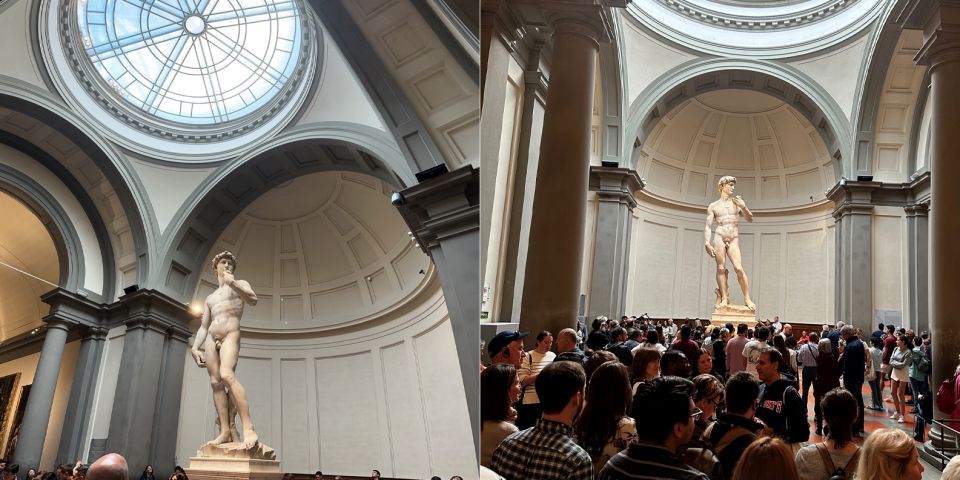
This experience is built around David, and it shows. You’ll start with a guided viewing that focuses on how David works as sculpture. Instead of standing in one spot for a quick photo and calling it a day, you’re guided through a few viewing positions so the statue doesn’t stay frozen in your mind like a single snapshot.
Here’s what that does for you: it changes the way your brain processes the piece. From one angle, the face can feel calm and controlled. From another, the tension in the body becomes harder to ignore. When the group moves with the guide, you don’t just see more; you understand why Michelangelo made certain choices to hit you differently depending on where you stand.
Also, the guide’s commentary tends to bring in Michelangelo’s methods and the Renaissance mindset. That helps you read the statue as a product of craft and politics, not only inspiration. People often leave the Accademia thinking David is their only stop—but the guide’s structure helps you notice the wider sculptural world around it too.
A short, smart circuit through the Accademia galleries
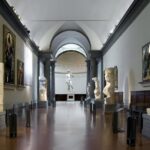
After your guided time centered on David, you’ll move through the rest of the Accademia in a way that feels manageable. The museum itself isn’t huge compared with some of Florence’s giants, and that can be a blessing: you can actually take it in without feeling like you’re sprinting room to room.
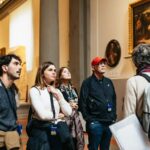
A key value here is that the guide doesn’t treat the gallery like a checklist. You’re led through a sequence that gives the works context. You’ll also get time for photos. And while you’re there, the tour highlights major artists represented in the collection, including paintings by Filippino Lippi and Domenico Ghirlandaio.
If you’re wondering whether you’ll get “enough” beyond David, this is where the tour earns its price. The guide turns the collection into a story you can follow rather than a set of separate frames on walls.
One more thing I appreciate: you’re not trapped in lectures. Past visitors have described guides as patient and attentive to questions, and the pace is typically efficient enough to keep you from feeling stuck. If you have kids or you’re traveling with limited museum stamina, this kind of focused route is often the difference between liking Florence museums and feeling museum-burned.
Unfinished sculptures and the prisoner-series energy
The Accademia isn’t only about finished masterpieces. It’s also famous for sculpture that shows the process. This tour’s framing includes time for other key works in the museum, including the unfinished sculpture theme and references to Michelangelo’s prisoner concept in the broader conversation.
Why that matters: unfinished or partially completed works can make the famous finished pieces feel even more real. You start to see the physical thinking behind the final form. Instead of believing the masterpiece appeared fully formed, you understand how the sculptor got there: with blocks, decisions, revisions, and the pressure of commission and expectations.
If you like art that shows its making, this portion of the tour can be a hidden highlight even if David is your main goal.
You can also read our reviews of more museum experiences in Florence
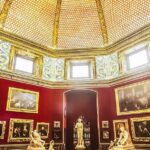


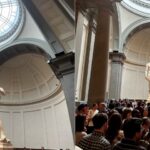
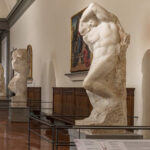
Medici context: why Renaissance Florence matters here
The Medici family isn’t just name-dropping on this tour. The guide explains why Florence became the stage for Renaissance art and how Medici influence shaped what artists were expected to create.
This is a big deal for practical appreciation. Without context, Renaissance art can feel like it’s all about technique and dates. With context, you start noticing what the art was doing in society: signaling power, legitimacy, taste, and identity. David becomes more than a statue. It becomes an emblem tied to the city’s ideas and ambitions.
If you want a Florence visit that connects the dots between art and politics without turning it into a history class, this tour hits a good balance. You get just enough narrative to make the museum make sense, especially around Michelangelo and the Medici.
Headsets and the pace: what you’ll feel during the walk
The tour includes headsets, which is a thoughtful touch. In a museum, voices and acoustics can get weird. Headsets keep the guide’s explanations in your ear as you move, which matters a lot when you’re trying to align what you’re hearing with what you’re seeing.
That said, the one real caution that pops up in feedback is audio quality. At least one set of comments noted that the radios were fuzzy and that English came through with static noise. If you’re hard of hearing or you’re the kind of person who hates missing details, try to confirm your headset is working well right at the start, and don’t hesitate to ask staff or the guide for help if the sound is weak.
As for timing: the tour is listed at about one hour, so you’ll likely experience it as a brisk but not chaotic “greatest hits + context” format. That’s a win if you’re trying to fit Florence into a packed schedule.
Who this tour suits best (and who might not love it)
This is a strong choice if:
- You’re a Michelangelo-first visitor and want more than a rushed photo stop
- You don’t want to guess your way through Renaissance context
- You’d rather pay for priority entry than spend an hour losing patience in line
- You like guided explanations that stay focused on the art you’re standing in front of
It may not be the best fit if:
- You prefer a quiet, self-paced museum wander with no guided structure
- You’re extremely price-sensitive and you’re comfortable waiting for entry
- You’re worried about headset audio quality and you’re sensitive to static
Price and value: $53 for priority entry and interpretation
At $53 per person, you’re not paying “for a ticket.” You’re paying for a package: live guide, headsets, and guaranteed priority entry so you don’t lose time to the line.
Is it worth it? Often yes, especially when the alternative is waiting outside while crowds cycle through. One of the most convincing practical points from past experiences is that the separate entrance keeps things smooth even when demand is heavy. In a city where museum lines can get long fast, shaving off waiting time is real value, not just convenience.
I also think it’s good value for people who want context. Michelangelo’s David is famous enough that you can technically see it without help. The reason to book is what the guide adds: connections to the Medici family, the Renaissance environment, and how other works in the Accademia collection fit into the bigger story.
If you have time to spare, the museum can be done independently. But if your goal is David with meaningful context and a lower-stress entry process, this tour is priced like it’s solving real problems.
Practical rules that can trip you up
Two things matter here.
First, don’t bring luggage or large bags. Museums and entry points can get strict, and it can slow you down if you’re trying to manage bulky items on arrival.
Second, plan for IDs. The information provided notes that children need a passport or ID card, and a copy is accepted. Bringing your ID (and any copy you were told to carry) avoids the last-minute panic that ruins a great museum moment.
And for photos: you’ll have photo time during the gallery portion. You still need to follow the museum’s rules once inside, but the tour schedule gives you a built-in chance to capture the views without feeling like you’re stealing time from the art.
Should you book this Accademia Gallery Guided Tour?
Yes, if your top priority is experiencing Michelangelo’s David with clear guidance and less waiting. This tour is built for people who want to do the famous thing the right way: see the statue from multiple angles, hear the story behind it, and leave with more understanding than you would from a quick self-guided pass.
I’d especially book it if you:
- hate lines and want skip-the-line access
- want English narration with headsets
- care about the Renaissance and want Medici context tied to the art
I’d hesitate only if you’re dead set on total self-direction or you know you won’t tolerate headset audio issues. Otherwise, it’s a smart way to turn a single statue into a fuller Florence experience in about an hour.
FAQ
How long is the Florence: Accademia Gallery Guided Tour?
The tour duration is listed as 1 hour.
Where do I meet the guide?
Meet in Piazza delle Belle Arti at the main square of the Galleria dell’Accademia. The group will have a sign that says Florence with Elvis Guided Experience.
Is the tour in English?
Yes. It includes a live English-speaking guide, and headsets are provided so you can hear clearly.
Can I bring luggage or large bags?
No. Luggage or large bags are not allowed.
What ID do I need to bring?
You should bring a passport or ID card. For children, a passport or ID card is required, and a copy is accepted.
What is the cancellation policy?
Free cancellation is available up to 24 hours in advance for a full refund.
You Might Also Enjoy



More Guided Tours in Florence
- The Best tour in Florence: Renaissance & Medici Tales – guided by a STORYTELLER
★ 5.0 · 12,316 reviews
More Tours in Florence
- The Best tour in Florence: Renaissance & Medici Tales – guided by a STORYTELLER
★ 5.0 · 12,316 reviews



More Tour Reviews in Florence
- Tuscany Day Trip from Florence: Siena, San Gimignano, Pisa and Lunch at a Winery
★ 5.0 · 21,634 reviews - The Best tour in Florence: Renaissance & Medici Tales – guided by a STORYTELLER
★ 5.0 · 12,316 reviews