REVIEW · FLORENCE
Uffizi Gallery Small Group Tour: Discover Uplifting Masterpieces
Book on Viator →Operated by Through Eternity Tours · Bookable on Viator
Skip the line, meet the masterpieces. This Uffizi Gallery small-group tour focuses on the works you actually came for, with prepaid admission and direct access so you waste less time in queues. I especially like pairing Botticelli’s Birth of Venus with major Renaissance hits like Leonardo’s Annunciation in one guided flow.
You also get the human part: an expert, English-speaking guide who brings context to what you’re looking at, instead of just pointing. One tradeoff to plan for is that this is a walking tour with steps and staircases, so comfy shoes and a bottle of water are not optional if your legs need a break.
The group stays small (maximum 9 people), and for groups of 6 or more you’ll use headsets, which makes it easier to hear every explanation without craning your neck. One guide named Breanda is noted for taking her time and sharing insights from art history, which is exactly the tone you want in a museum this famous.
In This Review
- Key highlights at a glance
- Price and value: what $92.52 buys you
- Meeting point setup: where you start and where you end
- Getting inside faster with a mobile ticket
- How the guide changes the way you see the Uffizi
- Stop-by-stop: the art route in 2 hours 30 minutes
- Botticelli: Birth of Venus and Spring
- Caravaggio: Medusa
- Raphael: Pope Leo X portrait
- Michelangelo: Doni Tondo
- Leonardo and Verrocchio: Annunciation and Baptism of Christ
- Titian: Venus of Urbino
- Artemisia Gentileschi: Judith and Holofernes
- The Tribuna: a room that changes how you experience the collection
- Logistics that make a difference on busy museum days
- Who should book this Uffizi small-group tour
- Should you book this tour?
- FAQ
- How long is the Uffizi Gallery small-group tour?
- What is the price per person?
- Is admission included?
- Does the tour skip ticket lines?
- What language is the tour in?
- How big is the group?
- Are headsets provided?
- Where do you meet, and where does it end?
- Is the tour accessible for people with mobility concerns?
- What is the cancellation policy?
Key highlights at a glance
- Prepaid admission with direct access to cut down on time spent waiting for tickets
- Small group (max 9) for a more relaxed pace and better back-and-forth with your guide
- Headsets for 6+ people so you can hear clearly inside busy galleries
- Major masterpieces in one route, from Botticelli to Artemisia Gentileschi
- Tribuna stop to experience a standout interior feature of the Uffizi
Price and value: what $92.52 buys you
At $92.52 per person, this isn’t a bargain ticket. But it is priced like a “time-saving + interpretation” experience, and that’s what you’re really paying for.
Here’s the value math that matters in Florence:
- Prepaid admission + direct access: the Uffizi draws huge crowds. If you’ve ever watched line queues eat your morning, you’ll appreciate paying for a smoother entry rather than gambling on timing.
- All fees and taxes included: there’s no surprise add-on cost listed with the price.
- An expert, English-speaking guide: the Uffizi can feel like a wall of titles if you go solo. A guide helps you see what’s going on, why it matters, and how the collection fits together.
- A small group size (max 9): with fewer people, you get more “real” viewing time rather than constant shuffling.
If you have limited time in Florence, you’ll likely find this price makes more sense. You’re essentially buying less waiting and more focused looking.
You can also read our reviews of more museum experiences in Florence


Meeting point setup: where you start and where you end
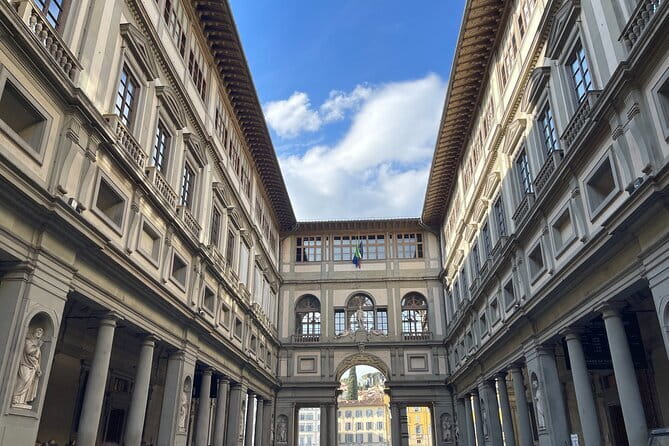
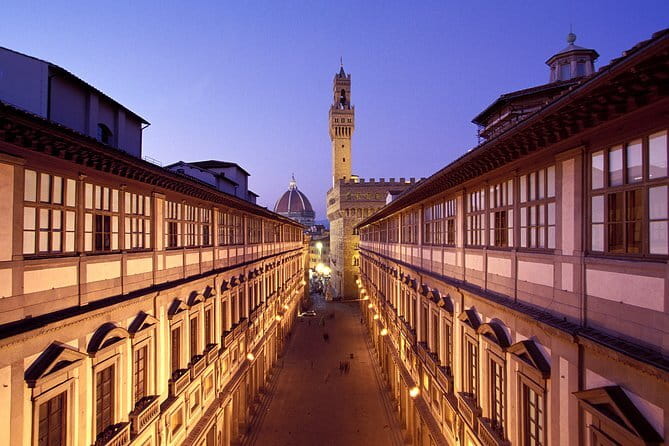
You meet at Uffizi Galleries, Piazzale degli Uffizi, 6, 50122 Firenze FI, Italy, and the tour ends at the same place.
That matters more than it sounds. A single start/end point means you can plan your day around it without adding extra logistics at the end. It’s also noted as being near public transportation, which is useful if you’re arriving from a museum day that already runs long.
The duration is about 2 hours 30 minutes. That’s a sweet spot for the Uffizi: long enough to hit multiple masterpieces, short enough to keep your feet from turning into planters.
Getting inside faster with a mobile ticket
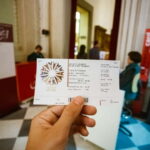
This tour includes a mobile ticket, and it’s set up for direct access. Practically, that usually translates to fewer delays at the start. Instead of spending your energy figuring out where the line is and what desk to use, you’re ready to go with your ticket method.
Two things I’d keep in mind:
- Bring your phone at full charge. Mobile tickets depend on you being able to show a screen clearly.
- Keep an eye on your group. Small-group tours work best when everyone moves together early in the visit.
How the guide changes the way you see the Uffizi
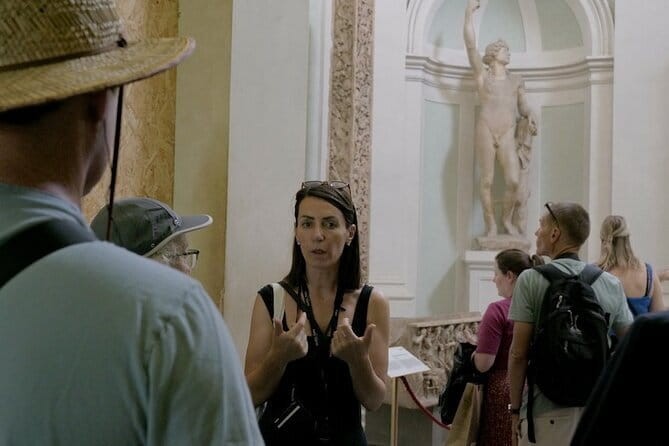
The Uffizi is not just about famous names. It’s about how artists respond to each other, how themes repeat, and how different periods solve similar problems with totally different tools.
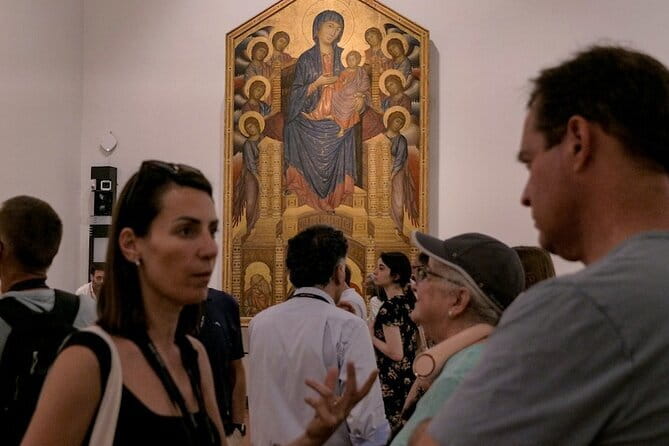
This tour is built around an expert, English-speaking guide, and that’s the real difference-maker. A good guide doesn’t just say what you’re seeing. They help you notice the choices: faces, gestures, color, drama, and symbolism.
And you’ll be in a controlled group size (maximum 9). That reduces the usual museum pressure where you feel rushed just to keep up. The experience is also set up with headsets for groups of 6 or more, which is a big deal in echo-y rooms and among clusters of people.
Stop-by-stop: the art route in 2 hours 30 minutes
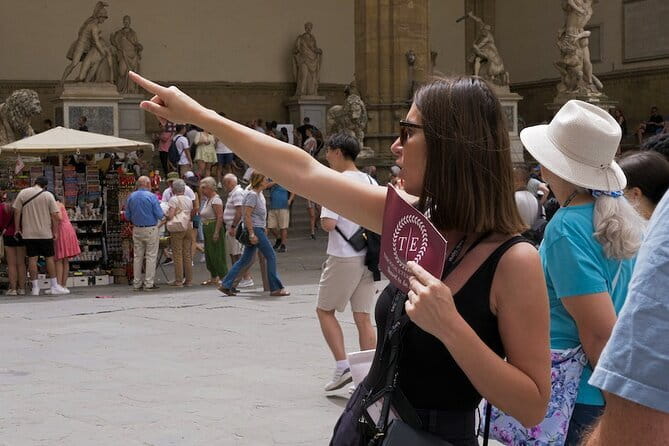
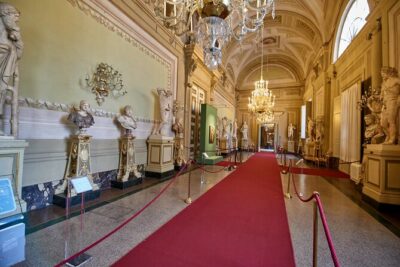
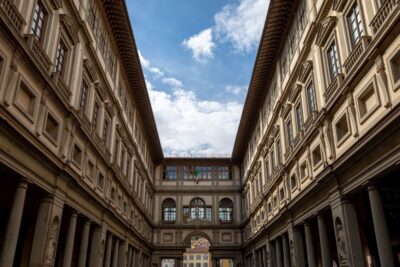
You’ll spend the tour time at Le Gallerie Degli Uffizi, covering a packed set of highlights. The route is designed so you don’t just see famous paintings—you see a variety of styles and subject matter, side by side.
Here’s what to expect from the stop lineup, and why each one is worth your attention.
- The Best tour in Florence: Renaissance & Medici Tales – guided by a STORYTELLER
★ 5.0 · 12,316 reviews



Botticelli: Birth of Venus and Spring
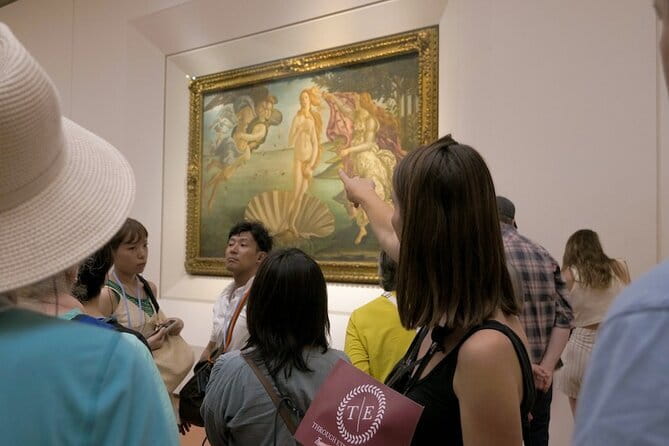
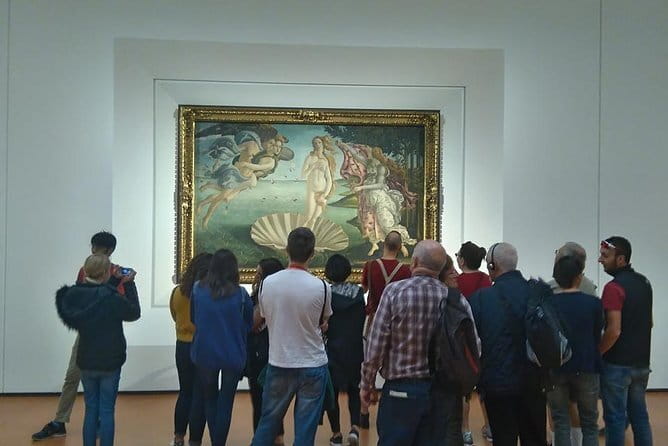
You start with Botticelli, including Birth of Venus and Spring. These paintings are famous for a reason, but the guided context is what makes them feel less like museum wallpaper and more like a carefully built visual idea.
What to watch for:
- The calm, posed way figures move through the scene
- The symbolic elements around the main figure(s)
- How Botticelli’s style leans toward elegance and clarity, even when the stories feel complicated
If you’ve only seen images online, seeing the scale and paint details in person usually changes your reaction fast.
Caravaggio: Medusa
Next is Caravaggio’s Medusa, a contrast in mood and technique. Caravaggio’s work is known for dramatic light and intense emotion, and this is a great “breather switch” from Botticelli’s more idealized look.
What tends to land with people here:
- The sudden shock factor in the subject
- The heavy, focused lighting that pulls you right into the moment
- The way the painting feels like it’s happening at you, not just in a frame
It’s not just a famous image. It’s a lesson in how mood is painted.
Raphael: Pope Leo X portrait
You’ll also see Raphael’s portrait of Pope Leo X. Portraiture in the Renaissance is often about authority—how a person wants to be seen.
As you look, you can pay attention to:
- The self-presentation: pose, expression, and status cues
- The balance between ideal beauty and real personality
- How portrait painting becomes a kind of political communication
This is the kind of work that makes you slow down and read the face, because the face is the message.
Michelangelo: Doni Tondo
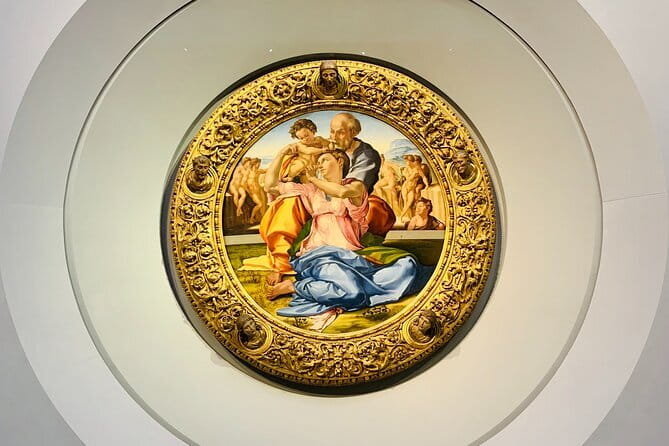
Then you’ll move to Michelangelo’s Doni Tondo. The format alone (a tondo, circular composition) encourages a different viewing rhythm than a standard rectangle.
What to look for:
- How the figures relate to the circular shape
- The sense of form and energy in the bodies
- The way Michelangelo’s approach feels sculptural, like movement is trapped in paint
Even if you don’t call yourself an art person, a Michelangelo work usually gives you an instant feeling: power, motion, and intention.
Leonardo and Verrocchio: Annunciation and Baptism of Christ
One of the most satisfying parts of this route is that you get Leonardo and Verrocchio’s Annunciation and Baptism of Christ.
This pairing is useful because it lets you compare approaches within related religious themes:
- How composition directs your eye
- How faces and gestures communicate story
- How lighting and atmosphere affect the sense of space
If you like seeing how artists handle similar subjects differently, this is a great segment.
Titian: Venus of Urbino
You’ll see Titian’s Venus of Urbino next. Titian’s work is often about sensual realism and a softer power compared to some of the sharper dramatic styles elsewhere in the route.
While you’re looking, focus on:
- The warmth of the painting’s feel and skin tones
- How the scene is arranged to support the mood
- The way color does more work than you’d expect from a simple subject
This is a strong “classic romance” stop, but with enough artistic control to keep it grounded.
Artemisia Gentileschi: Judith and Holofernes
Then comes Artemisia Gentileschi’s Judith and Holofernes, which adds intensity and grit to the mix. Artemisia is known for making women’s stories feel direct and forceful, and this painting is often the one people remember afterward.
What I’d pay attention to:
- The emotion in the expressions and hands
- The tension of the moment
- How the drama is staged so your eyes keep returning to the key action
It’s not a quiet artwork. It’s action, captured and framed.
The Tribuna: a room that changes how you experience the collection
Finally, you’ll visit the Tribuna of the Uffizi. Even if you’re not a “room architecture” person, this stop matters because it changes the way your brain organizes everything you’ve just seen.
Think of it like a reset button:
- You get a sense of the museum as a designed experience, not just a list of paintings.
- It gives you a pause point where you can look back and connect the ideas from the route.
This is a smart ending for a fast-paced highlights tour, because it lets you absorb rather than just collect information.
Logistics that make a difference on busy museum days
A few practical points help you enjoy the tour instead of tolerating it:
- Wear comfortable walking shoes. This tour involves steps and staircases, and the Uffizi has that “museum built in real old buildings” feel.
- Bring water. It’s strongly recommended, and you’ll appreciate it once you’re in mid-tour.
- Use the headsets if provided. If your group size triggers headsets, it helps you hear the guide clearly without constantly turning your body.
Also, keep your expectations aligned with the time. This is not a slow art history seminar. It’s a focused route designed to cover major works in about 2.5 hours. You’ll see a lot, but it’s still a highlights format, not a full museum marathon.
Who should book this Uffizi small-group tour
This tour fits best if you want:
- Guided highlights without spending half your day in lines
- A small group experience (max 9) rather than a huge crowd
- An English-speaking guide who helps you interpret major works, not just read labels
- A route that includes a mix of big names: Botticelli, Caravaggio, Raphael, Michelangelo, Leonardo, Verrocchio, Titian, and Artemisia Gentileschi
It’s also a good match if you’re visiting Florence for a short time and want the Uffizi’s “greatest hits” with context.
The main reason to hesitate is the walking. If steps and staircases are a challenge for you, plan accordingly and mention mobility concerns during booking so the provider can accommodate you as best they can.
Should you book this tour?
I’d book it if you value your time and you want more than a self-guided scan. Paying for prepaid admission and direct access is the kind of upgrade that feels immediately practical on a crowded day. The small group size and headset setup also make it easier to actually hear the explanations and keep your pace comfortable.
I’d think twice if you want maximum flexibility to linger anywhere for long stretches, or if walking steps is difficult for you. Since this is designed as a route through big highlights in about 2 hours 30 minutes, it’s best when you’re ready to move with the group.
If you want an efficiently guided Uffizi visit that hits the landmarks (and gives you a useful guide voice to go with them), this one is a strong choice.
FAQ
How long is the Uffizi Gallery small-group tour?
It runs about 2 hours 30 minutes (approximately).
What is the price per person?
The price is $92.52 per person.
Is admission included?
Yes. Prepaid admission to the Uffizi Gallery is included.
Does the tour skip ticket lines?
It includes prepaid admission with direct access, which is meant to reduce long ticket-line waiting.
What language is the tour in?
The tour is offered in English.
How big is the group?
The maximum group size is 9 travelers.
Are headsets provided?
Headsets are included for groups of 6 or more.
Where do you meet, and where does it end?
You meet at Uffizi Galleries, Piazzale degli Uffizi, 6, 50122 Firenze FI, Italy, and the tour ends at the same location.
Is the tour accessible for people with mobility concerns?
The tour involves walking with steps and staircases. You’re asked to advise during booking about mobility concerns so the provider can accommodate you as best they can.
What is the cancellation policy?
Free cancellation is available. You can cancel up to 24 hours in advance for a full refund; changes within 24 hours of the start time aren’t accepted.
If you want, tell me your travel dates and your walking comfort level, and I’ll help you decide whether this 2.5-hour format fits your Florence plan.
You Might Also Enjoy

More Museum Experiences in Florence
More Tours in Florence
- The Best tour in Florence: Renaissance & Medici Tales – guided by a STORYTELLER
★ 5.0 · 12,316 reviews


More Tour Reviews in Florence
- Tuscany Day Trip from Florence: Siena, San Gimignano, Pisa and Lunch at a Winery
★ 5.0 · 21,634 reviews - The Best tour in Florence: Renaissance & Medici Tales – guided by a STORYTELLER
★ 5.0 · 12,316 reviews