REVIEW · FLORENCE
Riding discovering the wine windows
Book on Viator →Operated by Biking with the Wolf · Bookable on Viator
Florence has a secret sold on the street. This bike ride turns you into a wine-window hunter, gliding past churches, squares, and palaces at a pace you control. I especially like the way it blends sightseeing with a very specific local detail you can actually spot and look up.
Two things I really like: the route is entirely flat, so your ride feels calm instead of like a workout, and the end includes a tasting that comes straight from one of those historic street openings. One possible drawback: it depends on weather—slippery streets can change the feel of the ride, and the activity is only worth doing when conditions are good.
In This Review
- Key things that make this ride special
- Wine windows: the most fun you’ll have looking at walls
- Pedal-flat Florence: how the ride actually feels
- Piazza Del Duomo: start big, then switch your brain to details
- Piazza di Santa Croce: moving from icon to neighborhood texture
- San Frediano in Cestello: a quieter rhythm on the way to Santo Spirito
- Piazza Santo Spirito: where the wine-window hunt really clicks
- Piazza della Repubblica: a lively center, with calm pacing
- The final surprise: tasting wine from an ancient window
- Weather and walking-street reality: what to expect if conditions change
- Who this tour suits best (and who might want to skip it)
- Price and value: what you’re paying for beyond the bike
- Should you book this wine-window bike ride?
- FAQ
- FAQ
- Where does the tour start?
- How long is the ride?
- Is there a mobile ticket?
- How many people are in the group?
- What areas of Florence do you cycle through?
- Is the route flat?
- What is the main activity during the tour?
- Is wine included?
- Is it suitable for people with mobility problems?
- What happens if the weather is bad?
Key things that make this ride special
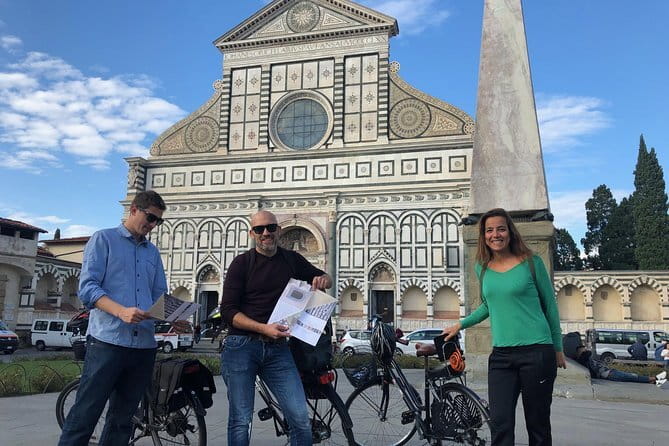
- The wine-window search: you’re not just cycling past buildings; you’re actively looking for the small openings used to sell wine.
- A tasting with atmosphere: you finish with a glass of wine served directly from an ancient wine window on a Florentine palace.
- Unhurried, you-set-the-pace riding: you pedal at the rhythm you prefer and can stop to admire details.
- Historic center coverage without racing: you see major squares and also smaller streets and corners.
- Small group size: a maximum of 8 travelers keeps it personal and easier to get attention when you’re spotting windows.
- A guide who thinks about conditions: on rainy days, the guide may assess slippery navigation and share maps/info to keep the experience meaningful.
Wine windows: the most fun you’ll have looking at walls
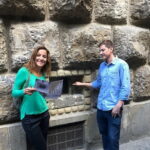
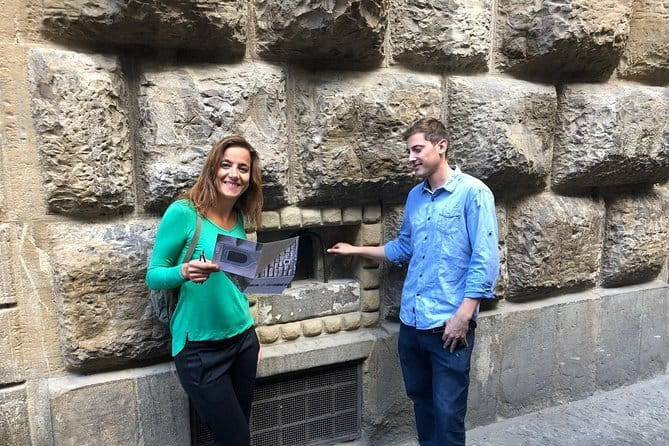
There’s something delightfully human about Florence’s wine windows. These are small openings on the outside of older palaces, made for selling wine directly on the street. During this ride, you don’t have to guess what you’re looking at—you’re taught to recognize them as you pass.
What makes this work so well for your trip is the focus. Instead of trying to “see everything,” you get a simple mission: find the windows. That turns an ordinary walk cycle into a game, and it also helps you slow down enough to notice architecture that guidebooks often reduce to name-only.
I also like that it’s not just big-ticket landmarks. You’ll move through Florence’s famous squares and churches, yes, but the real payoff is how often you’ll spot those tiny openings in everyday streets. That’s the kind of detail that makes a city feel lived-in, not just photographed.
You can also read our reviews of more wine tours in Florence
- Tuscany Day Trip from Florence: Siena, San Gimignano, Pisa and Lunch at a Winery
★ 5.0 · 21,634 reviews
Pedal-flat Florence: how the ride actually feels
The ride is designed for an easy pace. You won’t be asked to run or sprint between sights, and the route is entirely flat, so the effort stays light and your attention can stay on what you’re seeing.
This matters because Florence’s center can feel cramped and tiring when you’re on foot—especially if you want to stop often. By cycling, you cover distance without feeling rushed, and by stopping when you want, you still get those slow moments: a church facade detail, the shape of a corner, the way a square opens up when you turn.
Group size helps too. With a maximum of 8 travelers, you’re less likely to get stuck far behind a crowd. It’s the difference between “touring” and actually noticing.
Piazza Del Duomo: start big, then switch your brain to details
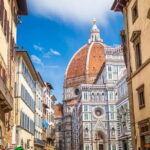
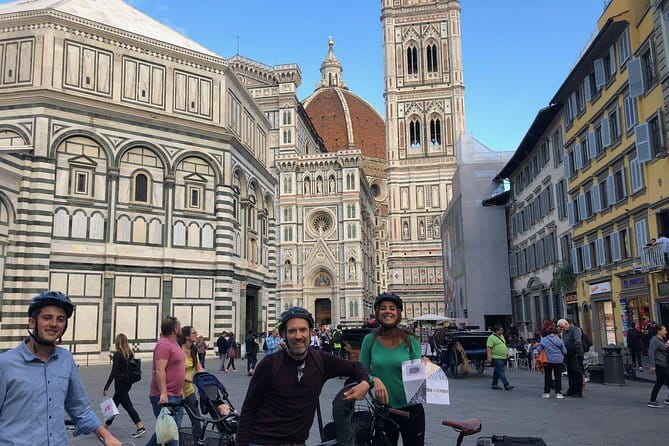
Your ride begins in the area of Piazza Del Duomo. This is one of those starts that helps you orient fast, because the Duomo complex is a visual anchor. You get that classic Florence first impression—then you learn to shift focus from monuments to the smaller cues around them.
Even if you already know this part of town, this start is useful because you’re going to use the same searching skill throughout the tour. In other words, you don’t just stare at the big skyline; you start training your eyes for what comes next: the small openings used to sell wine.
A practical thought: Piazza Del Duomo can be busy. When streets are active, it can be harder to look carefully at building edges and wall openings. That’s exactly why the guide’s rhythm and your ability to pause matter.
Piazza di Santa Croce: moving from icon to neighborhood texture
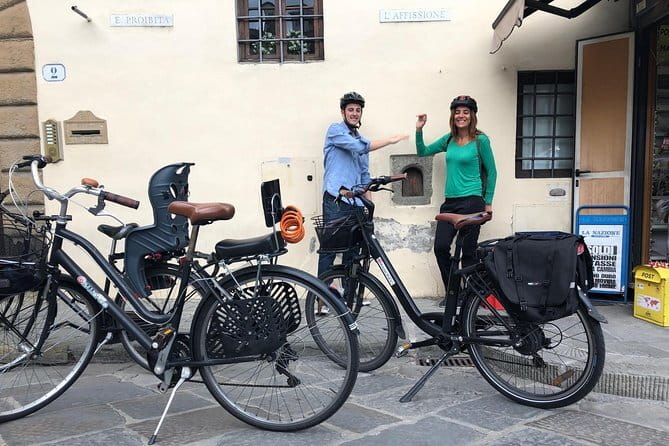
Next up is Piazza di Santa Croce. This stop gives you another major Florence square, but the vibe can feel different from the Duomo area. Here, you’re still in postcard territory, yet your cycling movement makes it easier to notice how the square connects to the surrounding streets.
For this tour, Santa Croce works as a bridge. After you’ve started looking for wine windows near the opening scenes of the tour, you’ll begin to see how the windows appear on different facades and building types. That variety is the point: these aren’t just one-off curiosities.
If you prefer a slower feel, this is where you can take your time. The tour is built so you can calmly admire a palace, a church, or even a small architectural detail without feeling like you’ll fall behind.
San Frediano in Cestello: a quieter rhythm on the way to Santo Spirito
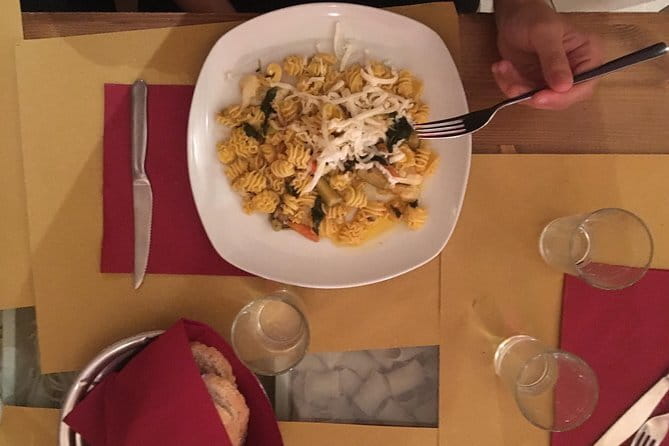
Then you’ll head toward San Frediano in Cestello. This is one of those areas that can feel more “daily Florence” than the very top tourist cores. On a bike, you can glide through the in-between streets that often get skipped when you’re only doing point-to-point sightseeing.
This stop also fits the tour theme well. Wine windows are attached to older buildings, and the best way to understand them is to see them in context: how they sit on walls along the street, how they blend into the facades, and how they relate to the flow of pedestrians.
One thing to keep in mind: the streets can vary in tightness. The tour is still flat and you’ll be pedaling calmly, but if you’re watching your footing for a long time, your eyes may wander from the window hunt. If that’s you, take a brief pause, then re-focus. It’s a small strategy that keeps the whole experience fun.
- The Best tour in Florence: Renaissance & Medici Tales – guided by a STORYTELLER
★ 5.0 · 12,316 reviews
Piazza Santo Spirito: where the wine-window hunt really clicks
Your route continues to Piazza Santo Spirito, a square that often feels like it has its own pulse. This is a good moment in the ride to sharpen your searching. By now you’ve had multiple visual chances to spot the windows, and this area helps connect the dots between what you see on a wall and what that wall was used for.
What you’ll notice is how the windows aren’t trying to be dramatic. They’re more like practical street features—small openings you’d miss unless you’re looking for them. The guide’s job is basically to train your eye quickly, so you can keep spotting windows even when you’re not sure they’re there.
And remember: part of the fun is stopping when you want to admire the landscape and the tranquility of the ride. Even though the official ride route is flat, your best moments will be the pauses—when you look at a facade long enough to see the detail you would’ve otherwise skipped.
Piazza della Repubblica: a lively center, with calm pacing
Next you’ll reach Piazza della Repubblica. This is still a central, recognizable Florence stop, but you’ll experience it in motion. Cycling past the area changes the feel—you’re not trapped in one focal point, you’re moving through the city’s “rooms.”
This stop can be a little busier than the calmer corners you’ve already ridden through. If that’s the day for you, keep your plan simple: scan for the wine windows first, then enjoy the square. It keeps the tour’s theme working even when you’re distracted by crowds and traffic.
Also, because the tour allows you to pedal at your own pace, you can linger here. If you want photos, this is where you might take them—but try to also look at walls at eye level. The windows are the real story, and the best ones can sit where cameras usually don’t automatically point.
The final surprise: tasting wine from an ancient window

The tour ends with its main payoff: a glass of wine served directly from an ancient Florentine wine window of a palace. That’s not just a tasting—it’s a scene. You’re drinking in the setting these windows were originally meant to serve, which makes the whole concept feel concrete.
This part is valuable because it ties together the visual search with a real outcome. You’ve spent the ride training your eyes, and now you see why these openings mattered to everyday life. It’s one of those “oh, that’s why” moments that turns information into experience.
If you’re sensitive to alcohol or prefer lighter choices, this is still just a single glass, but you can pace yourself. The timing of the final tasting should also be calm since the ride itself is designed to avoid rushing.
Weather and walking-street reality: what to expect if conditions change
This is a ride that requires good weather. The tour is designed for cycling through central Florence, which means rain can make streets slippery and more stressful than usual for biking.
The good news is that the guide approach is practical. On at least one rainy day, the guide was concerned about slippery navigation and suggested canceling. Then they still met the group anyway and shared valuable information, including maps to help you find the wine windows.
That’s the kind of contingency-minded leadership that can save your day. Still, if forecast shows steady rain or rough conditions, I’d take the operator’s weather requirement seriously. You’ll enjoy the experience more when you can focus on spotting the windows instead of worrying about traction.
Who this tour suits best (and who might want to skip it)
This works well for most people because the route is flat and the pace is flexible. It’s especially good if you like walking but want fewer exhaustion moments—cycling lets you cover Florence while still stopping to look closely.
You might love it most if:
- You enjoy playful discovery and visual games, not just standing in front of monuments.
- You’re interested in everyday history—street-level details tied to daily commerce.
- You want a small-group feel with enough space to ask questions and pause often.
It’s not recommended for travelers with mobility problems. Since the experience involves cycling and moving through the historic center, you should assume it’s not ideal if you need extensive step-free accessibility or you can’t comfortably ride.
Price and value: what you’re paying for beyond the bike
The listed price shows as $0.00 per person. Even if you see different pricing later, the value logic here is strong because you’re getting three things in one: guided discovery, a structured route through major squares, and an ending with a wine-window tasting.
What makes the value feel real is that you’re not just paying for movement. You’re paying for focused attention—learning what to look for and getting the final “reward” moment that explains the whole concept. That wine-window tasting is directly tied to the theme, not a random add-on.
And with a small max group size, you typically get a more personal experience than big bus-style tours.
Should you book this wine-window bike ride?
Book it if you want a different kind of Florence day—one built around spotting a specific local feature and ending with wine served in the setting that made it special. The flat route, your ability to set the pace, and the active search for wine windows make it feel calmer and more engaging than a checklist tour.
Skip it if you’re expecting a purely museum-style explanation or you know you’ll struggle with cycling in historic, street-level conditions. Also, if weather is poor and you hate the idea of adapting plans, you may prefer a more weather-proof activity.
If you’re on the fence, go with the version of you who likes to slow down, look closer, and treat the city like something you can decode—one small opening at a time.
FAQ
FAQ
Where does the tour start?
The tour starts in Florence, Metropolitan City of Florence, Italy. It ends back at the same meeting point.
How long is the ride?
It lasts about 2 hours and 30 minutes.
Is there a mobile ticket?
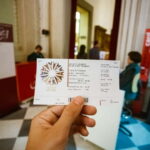
Yes, the experience includes a mobile ticket.
How many people are in the group?
The tour has a maximum of 8 travelers.
What areas of Florence do you cycle through?
You’ll pass through the historic center, including Piazza Del Duomo, Piazza di Santa Croce, San Frediano in Cestello, Piazza Santo Spirito, and Piazza della Repubblica, with additional time around Santo Spirito and San Frediano.
Is the route flat?
Yes. The route is described as entirely flat, and you pedal at the pace you prefer.
What is the main activity during the tour?
You look for small wine windows—street-level openings on many ancient Florentine palaces that were used to sell wine.
Is wine included?
Yes. The final surprise is a glass of wine served directly from an ancient wine window of a Florentine palace.
Is it suitable for people with mobility problems?
It’s not recommended for travelers with mobility problems.
What happens if the weather is bad?
The experience requires good weather. If it’s canceled due to poor weather, you’ll be offered a different date or a full refund.
You Might Also Enjoy

More Wine Tours in Florence
- Tuscany Day Trip from Florence: Siena, San Gimignano, Pisa and Lunch at a Winery
★ 5.0 · 21,634 reviews

More Tour Reviews in Florence
- Tuscany Day Trip from Florence: Siena, San Gimignano, Pisa and Lunch at a Winery
★ 5.0 · 21,634 reviews - The Best tour in Florence: Renaissance & Medici Tales – guided by a STORYTELLER
★ 5.0 · 12,316 reviews