REVIEW · FLORENCE
Boboli Gardens Skip-the-Line Tour
Book on GetYourGuide →Operated by Florence Tours by Made of Tuscany · Bookable on GetYourGuide
Boboli is Florence at garden-level scale: big views, big stories, and zero time wasted in line. I love how the skip-the-line tickets let you get into the grounds fast, and I love that a live guide turns the walk into a clear picture of Medici power and design choices. You’ll also spend real time looking outward over Florence, not just at pretty plants.
The main thing to think about is that this is a guided walk in a historic, landscaped park. If you’re hoping for a long, slow “wander at my own pace” visit, the 2-hour format can feel a bit tight—especially if you like to stop often for photos.
In This Review
- Key things you’ll notice on this Boboli tour
- Skip-the-line access and why it matters at Boboli
- Where you meet (and how to get oriented fast)
- Boboli Gardens: an open-air museum built for watching
- The “Medici monuments” feel: Pitti connections and distant views
- Water features that aren’t random: Neptune, fountains, islands
- Stop-by-stop: what happens in the time you have
- Buontalenti Grotto (short visit, big mood)
- Kaffeehaus Giardino di Boboli (30 minutes of “stop and see”)
- Fontana dell’Oceano (a quick, focused payoff)
- Grotta Grande: the moment the garden gets theatrical
- What the guide adds (and why the top reviews hit the same note)
- Group size, pacing, and who this tour suits
- Price and value: what you’re really paying for
- Practical tips to get the most out of your 2 hours
- Should you book the Boboli Gardens Skip-the-Line Tour?
- FAQ
- What is the duration of the Boboli Gardens skip-the-line tour?
- Where do I meet for the tour?
- What does the tour include?
- What is not included in the price?
- How long is the stop at the Buontalenti Grotto?
- How long do you spend at Kaffeehaus Giardino di Boboli?
- How long is the stop at Fontana dell’Oceano?
- What languages are available for the live guide?
- Is this tour a private group?
- Can I cancel and get a refund?
- Is there an option to reserve now and pay later?
Key things you’ll notice on this Boboli tour
- A Medici story you can follow: from land purchases and palace connections to how the gardens were planned
- Water features with purpose: fountains, little islands, and caves aren’t decoration-only
- The Grotta Grande experience: a short stop that’s timed so you don’t rush it
- The Fountain of Neptune viewpoint: a classic landmark seen in context with the amphitheatre
- Stops that break up the walk: Kaffeehaus area, Knight’s Garden views, then back down to the main flow
Skip-the-line access and why it matters at Boboli
Boboli Gardens can feel like a “queue-and-hope” kind of place if you show up expecting to stroll in whenever you want. Here, you start with skip-the-line entrance tickets, which is a practical win in Florence, where schedules and crowds can be stubborn.
The other value is time. The tour is 2 hours, which means you get guidance and a route without turning the whole day into one long garden loop. I like short, focused tours like this in places with lots to see—because you still have energy left for the rest of Florence.
You can also read our reviews of more tours and experiences in Florence



Where you meet (and how to get oriented fast)
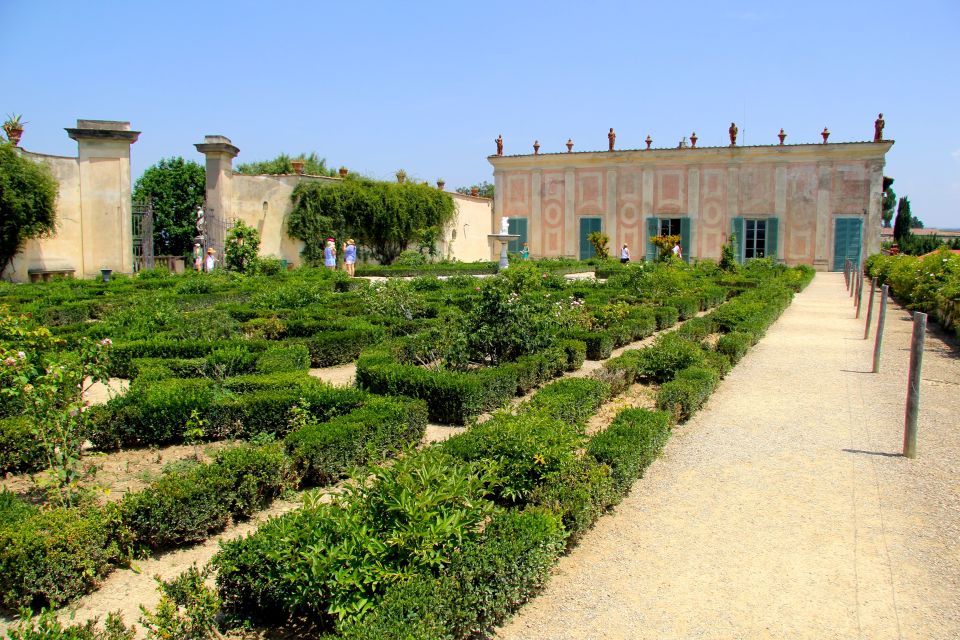
You meet at Piazza de’ Pitti, 1, in front of the main entrance to Pitti Palace. The end time brings you back to that same meeting point, so you’re not left searching for your way out of the grounds.
This matters because Boboli is spread out. Even with a map, it’s easy to get turned around between paths, viewpoints, and water features. A guide helps you get your bearings early, then you can enjoy the scenery instead of constantly recalculating where you are.
Boboli Gardens: an open-air museum built for watching
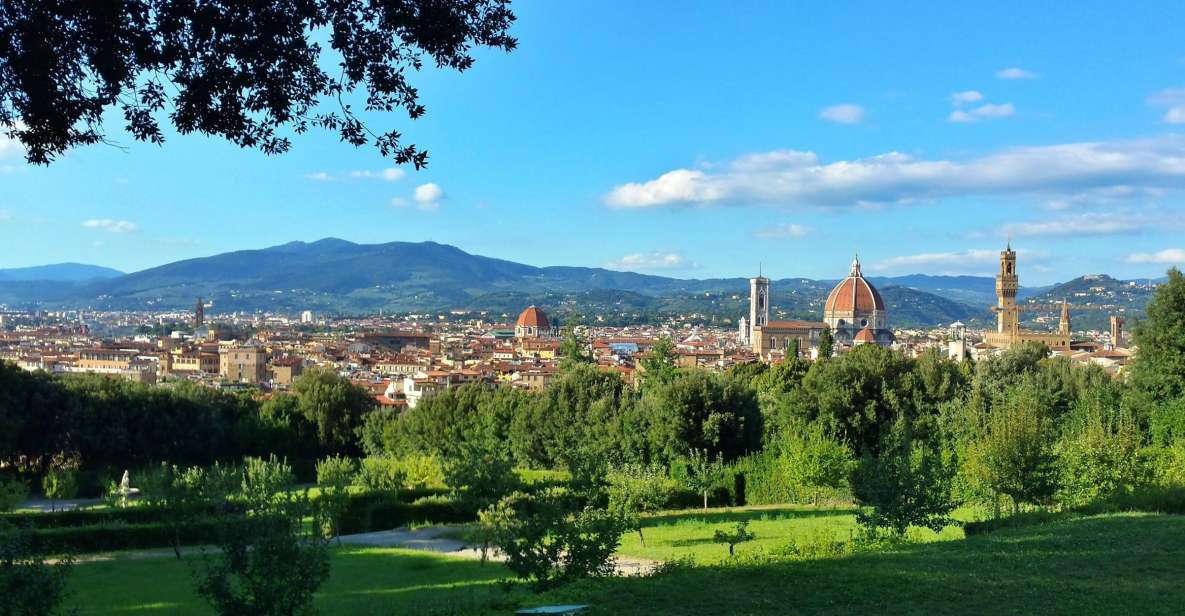
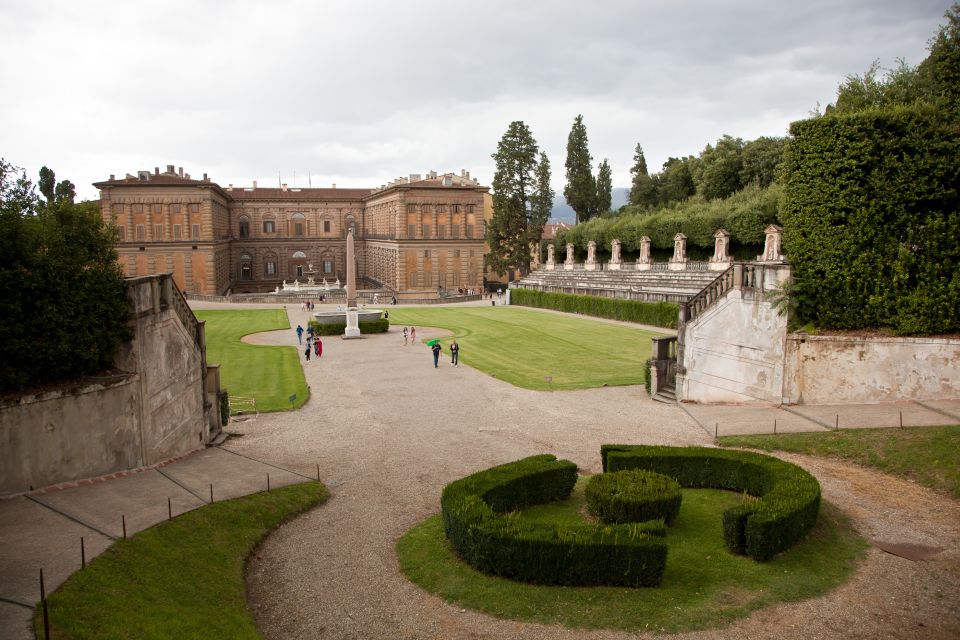
The garden isn’t just “nice greens.” Boboli was designed as a formal stage for power, taste, and theater—especially in the way it frames views of Florence and the countryside.
A key part of the story is the Medici connection. The gardens grew from the moment Luca Pitti bought land from the Borgolo family on the south side of the Arno, after his palace was under construction. Once that connection existed, the gardens could be shaped into something that felt like an extension of Medici prestige—meant to impress visitors and remind people who held the keys.
You’ll walk through a formal 16th-century Italian garden layout while your guide explains design contributions from multiple famous names, not just one. The original planning is credited to Niccolò Tribolo, and later features include work associated with Giorgio Vasari, Bartolomeo Ammannati, and Bernardo Buontalenti. Hearing these names in context helps you stop treating the garden like a single era snapshot and start seeing it as a living project with layers.
The “Medici monuments” feel: Pitti connections and distant views
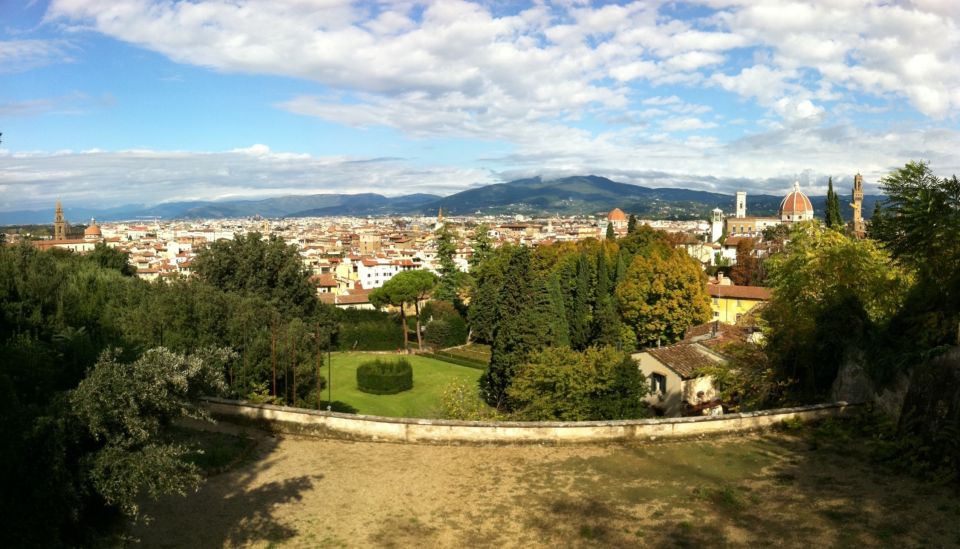
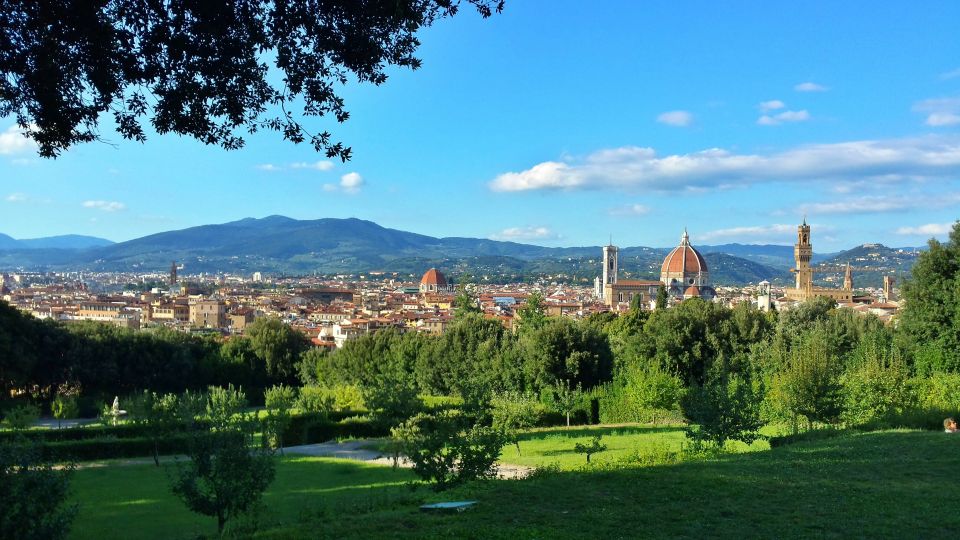
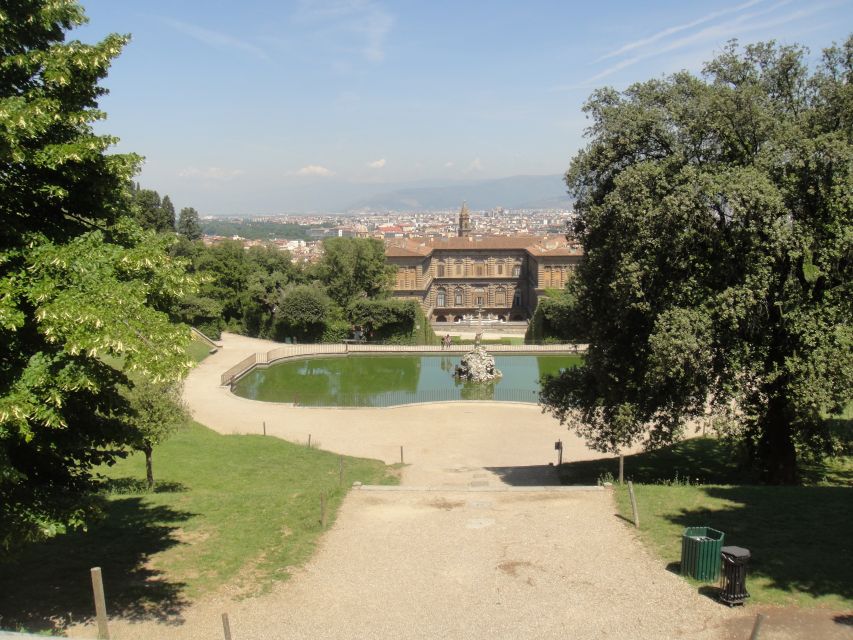
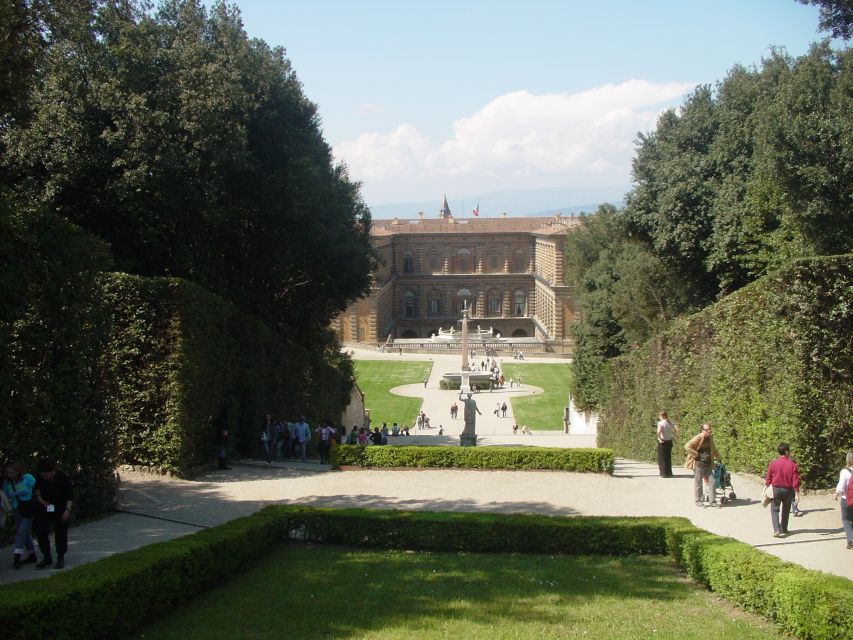
One of the best parts of Boboli is how it links architecture to landscape. From within the grounds, you’ll be looking outward at Florence—so you get a sense of the city’s layout and how the palace gardens relate to it.
In the guide-led format, you’re not just shown pretty angles. You learn why certain monuments matter and how statues fit into the overall design idea. One guide (Alessandro) was praised for pointing out the significance of statues and even the distant buildings you can see from the garden. That’s a big deal for first-timers: it turns “I took photos” into “I understood the scene.”
Water features that aren’t random: Neptune, fountains, islands
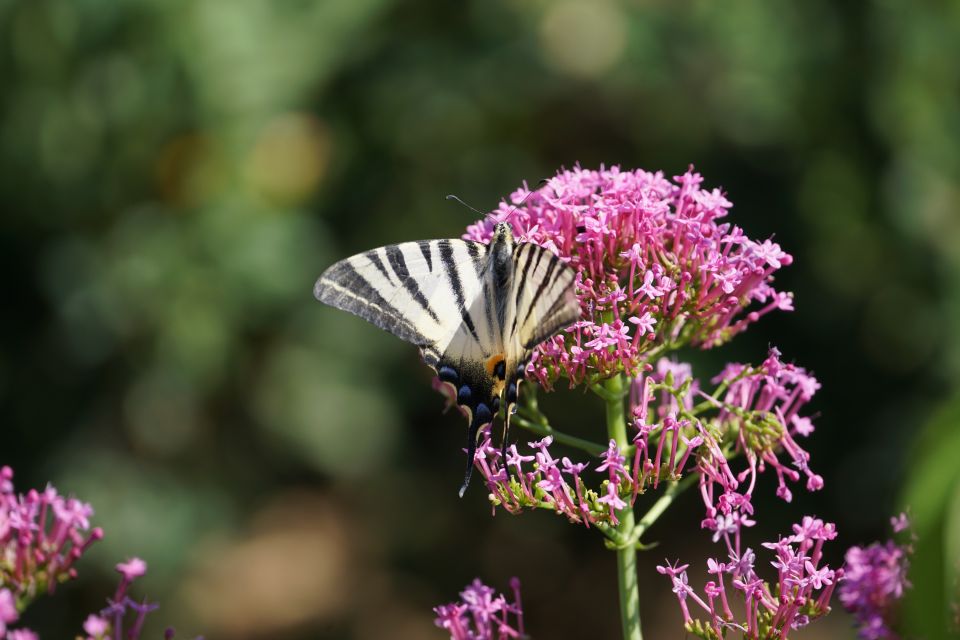
Boboli’s water features are among the most memorable elements, and this tour gives them attention in a meaningful way.
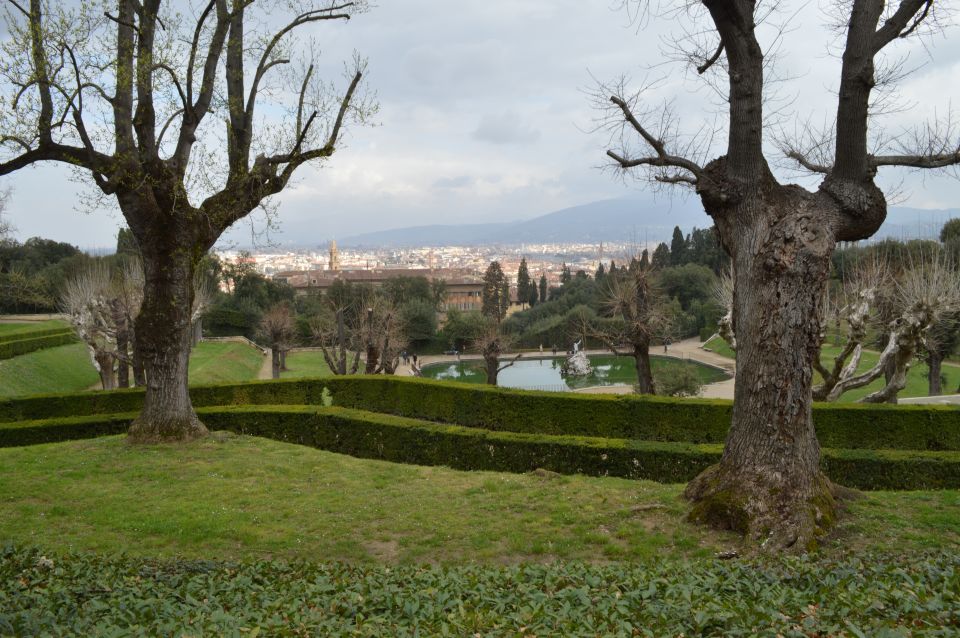
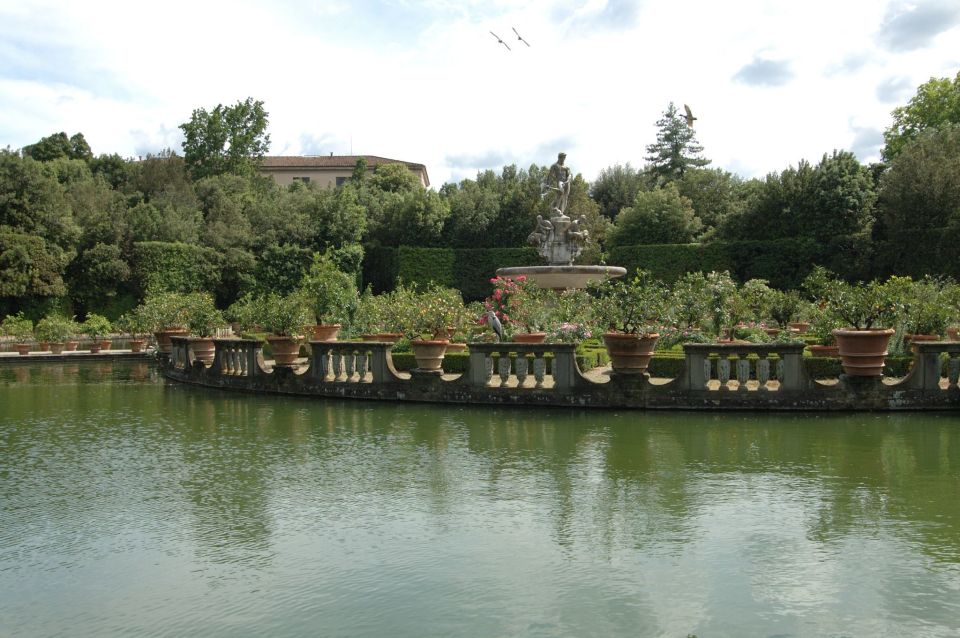
You’ll see fountains and waterworks that include little islands, plus temples, statues, and caves built into the grounds. Even if you’ve seen fountains before, Boboli’s layout uses water as part of the experience: it creates movement, breaks up sightlines, and adds dramatic contrast—especially when you’re standing in an open-air setting.
A standout landmark is the Fountain of Neptune, positioned above the amphitheatre. The amphitheatre setting is part of the effect. When you’re guided to it, it stops being just a “spot for pictures” and becomes a clue about how the garden was meant to entertain and impress.
- The Best tour in Florence: Renaissance & Medici Tales – guided by a STORYTELLER
★ 5.0 · 12,316 reviews





Stop-by-stop: what happens in the time you have
Buontalenti Grotto (short visit, big mood)
You’ll make a Buontalenti Grotto stop for about 15 minutes. This kind of visit is perfect for people who like structure. You get enough time to take it in, ask questions, and understand what you’re looking at, without losing the tour’s momentum.
The grottos at Boboli are part of the garden’s larger theme: controlled nature with theatrical elements. If you enjoy unusual spaces—caves and caves-with-a-purpose—this is the kind of stop that gives the garden personality.
Kaffeehaus Giardino di Boboli (30 minutes of “stop and see”)
Next comes the Kaffeehaus Giardino di Boboli area for about 30 minutes. This is where the tour becomes less about ticking landmarks and more about letting the place work on you.
In this section, you’re likely to get great sweeping views over the surrounding countryside and a better sense of how the garden functions as a vantage point. It’s also a smart pause in the route. A garden walk can be relentless if you never slow down.
If you’re the type who likes to people-watch and photo-scan the horizon, this stop gives you room to do that while still staying on a guided path.
Fontana dell’Oceano (a quick, focused payoff)
Then you’ll head to the Fontana dell’Oceano for about 15 minutes. This stop is short by design, and that’s often a good thing: you get the fountain in context and you don’t end up feeling like you’re repeating the same kind of viewing point.
Even in short time, guides can help you notice details that you’d otherwise miss—how the fountain relates to surrounding structures, how it fits into the wider water-and-stone “world” of the gardens.
Grotta Grande: the moment the garden gets theatrical
The Grotta Grande is one of Boboli’s headline features, and this tour includes it as part of your guided exploration. It’s the kind of place where the garden stops being “outdoor landscaping” and starts feeling like a designed environment with characters and drama.
When a guide explains what you’re seeing—statues, caves, architectural choices—it helps you appreciate why this area exists, not just that it’s pretty. And because the tour is structured, you won’t be stuck guessing which angles are worth your attention.
What the guide adds (and why the top reviews hit the same note)
The most praised part across the feedback is the guide quality. Alessandro was singled out for exceptional garden history and explanations of why the gardens are where they are, plus how they connect to Medici significance.
The big pattern: guides don’t just point at things—they connect details. You’ll get help understanding:
- how the garden’s design evolved over time through key contributors
- why statues and other markers matter
- which distant views are worth noticing and what you’re actually looking at
That’s the real value of a guided skip-the-line garden tour: someone helps you interpret the space so your brain has something to do besides admire leaves.
Group size, pacing, and who this tour suits
This is a small group walking tour and listed as a private group experience. That typically means you can ask questions without feeling like you’re speaking into a megaphone. It also makes the pace more comfortable for people who want guidance but don’t want a rigid, bus-style schedule.
I think this tour is ideal if you:
- want a guided route through a big complex site
- care about the Medici story behind the scenery
- like structured stops with time to look out over Florence
It might be less ideal if you:
- hate walking in outdoor spaces for the full 2 hours
- prefer to roam without stopping at set features
Price and value: what you’re really paying for
At $178.42 per person, this isn’t the cheapest way to see Boboli. But you are buying three things that add up fast in Florence: skip-the-line tickets, a local guide, and a small group / private group format for a short, targeted experience.
If you were to do Boboli on your own, you could save money—but you’d likely pay in time and mental effort. Without guidance, it’s easy to miss how the gardens were planned, why particular features exist, and which views matter. This tour compresses that understanding into a 2-hour visit.
Also, ticket lines and garden logistics can be unpredictable. The skip-the-line component helps you keep your day on track.
Practical tips to get the most out of your 2 hours
Bring shoes you trust. You’ll be walking through formal garden paths, and the experience is much more enjoyable when your feet feel steady.
Arrive a few minutes early and look for your meeting spot near Pitti Palace so you start calmly. Once inside, try to watch what the guide points out as you go—especially the statue significance and the distant buildings framing, since that’s where interpretation really improves your photos.
And if you’re the “photo every minute” type, pace yourself. The tour’s strongest moments come from moving with the guide’s flow—then lingering when the stop is clearly set up for viewing.
Should you book the Boboli Gardens Skip-the-Line Tour?
If you want Boboli to make sense—Medici, design, water features, and viewpoints—this is a strong pick. The guide-led format is the big differentiator, and the tour’s structure keeps you from getting lost or bored mid-walk. Plus, the skip-the-line access helps you start the experience on your terms.
I’d skip it only if you prefer independent wandering with no scheduled stops, or if outdoor walking and a 2-hour guided pace don’t match your travel style.
FAQ
What is the duration of the Boboli Gardens skip-the-line tour?
The tour lasts about 2 hours. Starting times vary, so you’ll want to check availability.
Where do I meet for the tour?
You meet in front of the main entrance to Pitti Palace at Piazza de’ Pitti, 1, 50125 Florence.
What does the tour include?
It includes skip-the-line entrance tickets, a local live guide, and a small group walking tour.
What is not included in the price?
Transportation is not included.
How long is the stop at the Buontalenti Grotto?
The Buontalenti Grotto visit is about 15 minutes.
How long do you spend at Kaffeehaus Giardino di Boboli?
The Kaffeehaus Giardino di Boboli stop is about 30 minutes.
How long is the stop at Fontana dell’Oceano?
The Fontana dell’Oceano visit is about 15 minutes.
What languages are available for the live guide?
The guide is available in English, French, German, Italian, Spanish, Portuguese, and Russian.
Is this tour a private group?
Yes. The experience is listed as a private group.
Can I cancel and get a refund?
Yes. You can cancel up to 24 hours in advance for a full refund.
Is there an option to reserve now and pay later?
Yes. It offers reserve now & pay later, so you can book without paying immediately.
You Might Also Enjoy

More Skip the Line in Florence



More Tours in Florence
- The Best tour in Florence: Renaissance & Medici Tales – guided by a STORYTELLER
★ 5.0 · 12,316 reviews




More Tour Reviews in Florence
- Tuscany Day Trip from Florence: Siena, San Gimignano, Pisa and Lunch at a Winery
★ 5.0 · 21,634 reviews - The Best tour in Florence: Renaissance & Medici Tales – guided by a STORYTELLER
★ 5.0 · 12,316 reviews