REVIEW · FLORENCE
The Best of Florence Walking Tour in a Small Group
Book on Viator →Operated by All Around Florence · Bookable on Viator
Florence hits you fast. This small-group walk keeps you moving at a smart pace while pointing out how the Medici shaped the city’s most famous sights, from churches to power plazas. I like that the group stays small (up to 15) and everyone gets clear audio through a whisper system. The main thing to consider: most stops list admission as not included, so you’re really shopping for guided viewpoints and context, not a full, inside-everywhere museum marathon.
The route also makes sense for a first trip. In about 1 hour 45 minutes, you string together big-ticket landmarks you’ll otherwise bounce between randomly, plus the Piazza della Signoria and Ponte Vecchio area that acts like Florence’s social center. You’ll get practical what-to-look-for guidance and dining ideas that help you plan the next day without guessing. If you want to do extra entrances beyond what’s covered here, you’ll need separate tickets and a bit of extra time.
You’ll start near San Giovanni at Caffè Scudieri, then finish around Ponte Vecchio—perfect for continuing on foot after the tour. And yes, the guides seem to care about pacing; I’ve seen examples of guides steering the group into shade when needed, which matters midday. Expect a friendly, story-driven walk—guides like Manuel, Camilla, Simona, Julio, and Sarah are specifically mentioned for energy, humor, and making connections between what you see and what it meant.
In This Review
- Key highlights you’ll actually feel on the walk
- Why this Florence walk fits into 1 hour 45 (and doesn’t feel rushed)
- San Lorenzo and the Medici machine: Florence’s “power buildings” up close
- What to watch for at these Medici stops
- Entering the Duomo complex: dome, campanile, baptistery, cathedral
- A practical note on tickets here
- Piazza della Signoria and Palazzo Vecchio: politics in the open air
- Uffizi area and Ponte Vecchio: Renaissance art and daily life in one walk
- Palazzo Pitti on the stretch: Medici living space and the taste of wealth
- Price and value: what $59.26 buys you in real time
- Best for: first-timers, planners, and anyone who hates guessing
- When to book and how to make it smoother
- Should you book this Best of Florence tour?
- FAQ
- How long is the Florence walking tour?
- How much does it cost?
- How big is the group?
- What language is the tour offered in?
- What’s included in the tour price?
- Is the ticket cost for the sights included?
- Where does the tour start?
- Where does the tour end?
- What time does the tour start?
- Are there any rules about weather or cancellation?
Key highlights you’ll actually feel on the walk
- Small group capped at 15: easier questions, less crowd pressure, better hearing
- Whisper system included: clear audio even through street noise
- Medici-focused sights: San Lorenzo, Laurentian Library, Medici Chapels, and Palazzo Medici Riccardi
- Duomo complex overview: dome, Giotto’s Campanile, Baptistery, and cathedral square context
- Iconic public spaces: Piazza della Signoria, Palazzo Vecchio area, then Ponte Vecchio to wrap
- Practical local recommendations: what to watch for as you walk, plus places to eat and keep going
Why this Florence walk fits into 1 hour 45 (and doesn’t feel rushed)
This tour works because it’s built like a guided “thread” through Florence. You aren’t just stopping at famous buildings—you’re learning how they connect: church power, Medici wealth, civic pride, and Renaissance ambition all show up within a walkable spine of the historic center.
That duration is also a sweet spot. Too-short tours leave you with a blur; too-long ones start to feel like a moving queue. Here, the pacing is frequent stops (many are around five minutes), which keeps your brain engaged. And because the group is capped at 15, the guide can adjust when someone asks a question—or when the walking pace needs to match the day.
One practical detail I appreciate: you get a mobile ticket and a whisper system. That’s not glamorous, but it changes the experience. You spend less effort trying to hear and more time actually watching the details the guide points out.
You can also read our reviews of more walking tours in Florence
San Lorenzo and the Medici machine: Florence’s “power buildings” up close
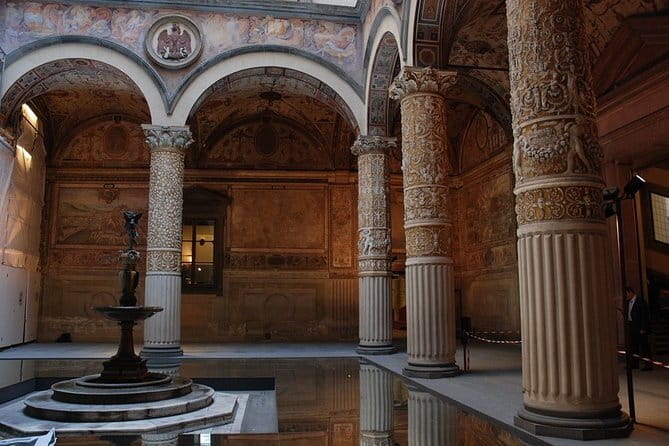
The walk starts at Basilica di San Lorenzo, in the main market district area. This is one of Florence’s largest churches, and it’s tied directly to Medici burial from Cosimo il Vecchio to Cosimo III—so you’re not only seeing a grand space, you’re getting a key to the family’s role in the city.
Next comes the Biblioteca Medicea Laurenziana (Laurentian Library). The point here isn’t just that manuscripts exist—it’s why the library was built. The Medici pope Clement VII supported the project in a way that helped reposition the Medici from merchants to leaders of intellectual and ecclesiastical society. You’ll also learn the architecture connection credited to Michelangelo, and the sense that this is power expressed through design.
Then the Medici Chapels (Cappelle Medicee) bring that message into a more personal, dramatic setting. Built between the 16th and 17th centuries as extensions to Brunelleschi’s 15th-century church, they were created to celebrate the Medici family and the Grand Dukes of Tuscany. A standout detail mentioned is the Sagrestia Nuova, designed by Michelangelo.
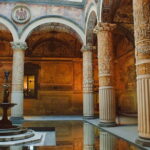
The route continues at Palazzo Medici Riccardi, built for Cosimo de’ Medici between 1444 and 1484. Even if you only view it from outside during a quick stop, it helps you connect what you learned in the religious and library stops to the banking family behind the scenes.
What to watch for at these Medici stops
- You’ll hear how the Medici used architecture for status, not just for aesthetics.
- Since admission is listed as not included for several of these stops, treat the guided portion as a “what this place is for” lesson first. If you want interiors, plan separate tickets on another day.
Entering the Duomo complex: dome, campanile, baptistery, cathedral
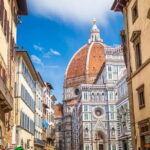
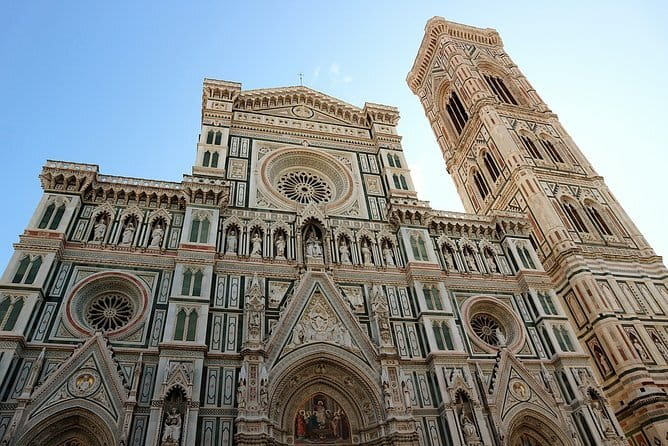
Florence’s Duomo area is where the city goes from impressive to unforgettable. The tour pauses at the Duomo complex in Piazza del Duomo and connects three major structures into one mental picture: the Baptistery of Saint John, Giotto’s Campanile, and the cathedral itself.
You’ll get a focused look at the Cupola del Brunelleschi next. This dome is described as the largest brick dome ever constructed, and it remains tied to one of the big mysteries in art and architecture. That’s the kind of detail that makes the dome feel more than just a landmark—you start seeing it as an engineering statement.
Then it’s Giotto’s Campanile. The key here is the decoration and the materials: rich sculptural elements and polychrome marble encrustations. Since these stops are short, the guide’s cues matter. You’ll learn what to notice rather than trying to inventory details yourself while you’re standing in a crowd.
The Baptistero di San Giovanni is next. It’s one of the oldest buildings in Florence, constructed between 1059 and 1128 in the Florentine Romanesque style. That age contrast is a helpful reset after the Medici segment: the city’s story here runs longer than one family’s timeline.
You’ll also return to the Duomo cathedral area in the route. One stop highlights the Gothic cathedral structure and the richly decorated façade made of white, green, and pink marble. Even if you never go inside during the tour, the guided explanations help you understand why these colors and shapes became part of Florence’s identity.
A practical note on tickets here
The cathedral stop is listed as free for admission in the tour description, while the Baptistery is listed as not included. So you can still get value even if you don’t buy anything right then. If you want to go further inside, plan on separate tickets.
- The Best tour in Florence: Renaissance & Medici Tales – guided by a STORYTELLER
★ 5.0 · 12,316 reviews
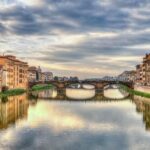


Piazza della Signoria and Palazzo Vecchio: politics in the open air
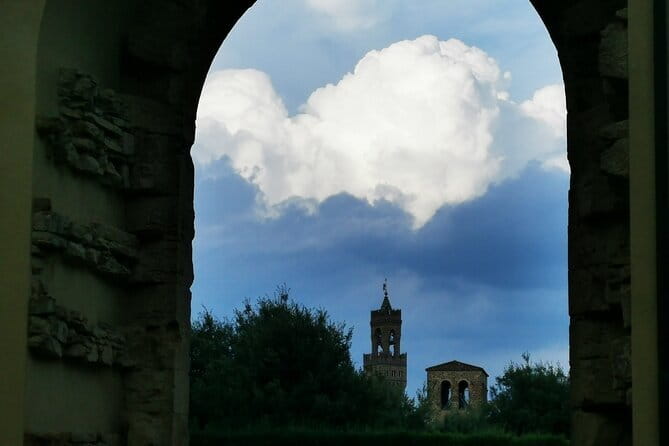
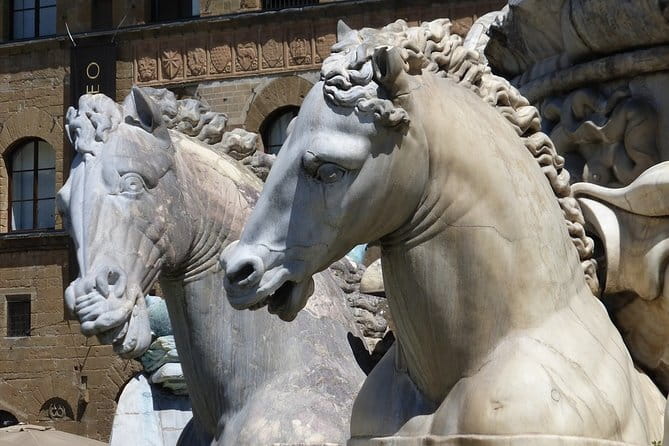
From the Duomo area, the tour heads to Piazza della Signoria, an L-shaped square right in front of Palazzo Vecchio. This is a classic Florence scene: a place where people gather, and where the city’s public life keeps spilling into the streets.
The square acts like a gateway—especially if your next step is Uffizi. Even for a quick stop, the guide’s commentary is usually what makes it click. You start seeing how the plaza connects civic power (Palazzo Vecchio) with the art world nearby.
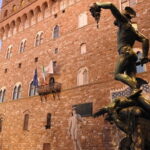
Then you reach Palazzo Vecchio, the town hall and a fortress-palace. The description notes its importance as a major public place, plus things you can spot from the area such as the copy of Michelangelo’s David statue and the gallery of statues in the adjacent Loggia dei Lanzi. This is another moment where you can appreciate the building’s job: rule, ceremony, and public presence.
Uffizi area and Ponte Vecchio: Renaissance art and daily life in one walk
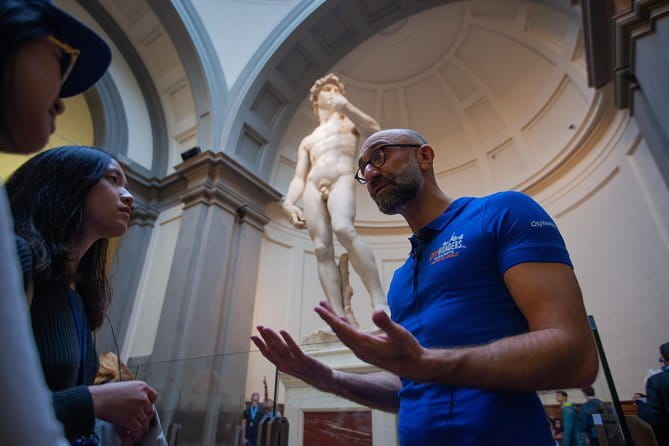
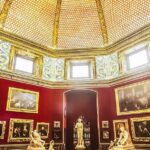
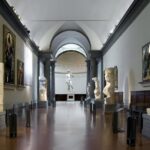
Next is the Gallerie degli Uffizi. The building’s backstory matters here: construction began by Giorgio Vasari in 1560 for Cosimo I de’ Medici, originally to accommodate offices of the Florentine magistrates—hence the name uffizi, meaning offices. Even without a museum entry during this quick stop, this kind of framing helps you connect the Medici story to Florence’s art destiny.
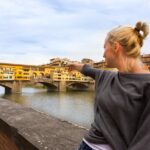
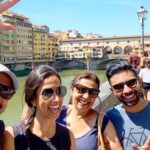
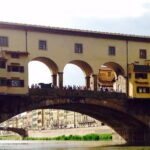
Then the tour heads to Ponte Vecchio. The Old Bridge is medieval and is described as the oldest bridge over the Arno River in Florence. The big detail is the shops along it: originally butchers, tanners, and farmers, and now jewelers and art dealers. In other words, the bridge isn’t just a view—it’s a timeline of commerce.
This section also gives you an easy “plan next” moment. After the tour, Ponte Vecchio is a natural jumping-off point for wandering, eating, or continuing toward other sights.
Palazzo Pitti on the stretch: Medici living space and the taste of wealth
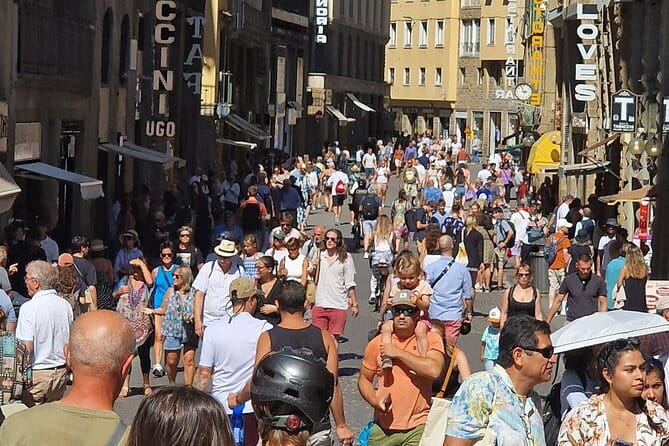
The walk includes a stop at Palazzo Pitti. The Medici bought it in 1549, and it became the chief residence of the ruling families of the Grand Duchy of Tuscany. The descriptions emphasize how it grew into a treasure house as later generations added paintings, plates, jewelry, and luxurious possessions.
Think of this as the final clue in the tour’s story. Churches, libraries, civic halls, and bridges all tell you how power shows up. Palazzo Pitti adds the last layer: how power wanted to feel at home.
Even though the tour ends around Ponte Vecchio, this stop still makes the route feel complete. You see how Florence’s Renaissance elite lived at the same time they promoted culture in public spaces.
Price and value: what $59.26 buys you in real time
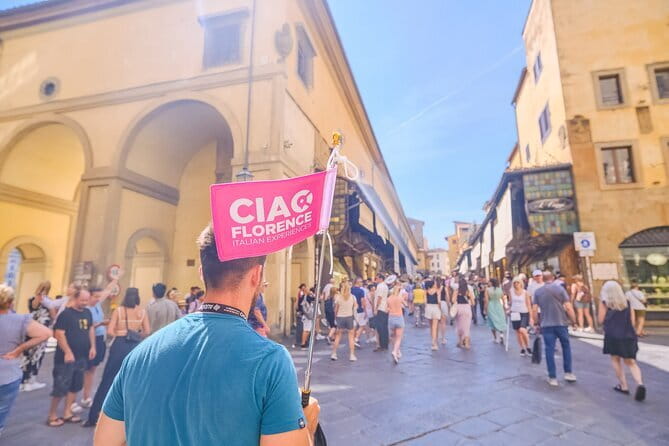
At $59.26 per person for about 1 hour 45 minutes, this isn’t a bargain-price “quick photo lap.” It’s priced for a guided route with licensed leadership, small-group limits, and a whisper system.
Here’s why it can feel like good value:
- You’re not just “seeing” landmarks. You’re getting explanations tied to the Medici and Florence’s civic identity.
- The group size cap reduces the time lost to crowd bottlenecks and makes it easier to hear the guide.
- The whisper system is included, which helps you actually follow the story instead of straining.
The one value trade-off: because admission is listed as not included for many stops, you might not go inside everything. If your goal is museum-heavy days, you’ll use this tour as the orientation layer—then pick which interiors you want on your own afterward with tickets you choose.
Best for: first-timers, planners, and anyone who hates guessing
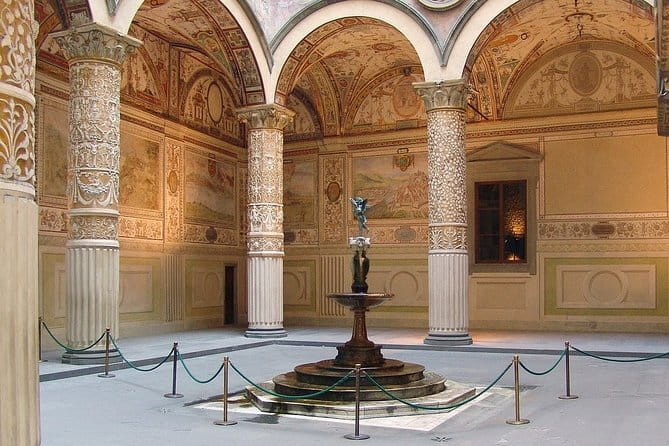
I’d point this tour at:
- First-time visitors who want the “how Florence works” story early
- People who want to understand Medici influence without reading a wall of text
- Anyone who likes asking questions and getting direct dining recommendations rather than relying on luck
It also suits mixed groups, including kids in at least one guide account. In one example, Manuel adapted the pacing to keep children engaged, which tells me the guide can handle energy levels without dragging.
One caution: if you’re the type who gets cranky when you can’t enter every site during the walk, plan accordingly. This tour is designed around guided stops with a big picture view, not a full ticketed circuit.
When to book and how to make it smoother
This experience is listed in English and starts at 12:15 pm from Caffè Scudieri Firenze at Piazza di San Giovanni 19R. The endpoint is Ponte Vecchio in the area around 50125.
A tip that helps: wear shoes you can walk in for a steady stretch on cobblestones. Also bring a light layer if the day swings cooler in the evening—Florence can surprise you.
If you’re visiting in peak season, booking ahead is smart. The tour is often reserved weeks in advance (shown here as booked around 59 days ahead on average), which usually means it fills.
Should you book this Best of Florence tour?
Book it if you want a focused introduction that connects Florence’s biggest landmarks with the people and motives behind them—especially the Medici angle. It’s a strong choice when you want to leave the tour with a map in your head, plus clear next steps for what to eat and what to prioritize.
Skip it if your priority is maximum time inside ticketed attractions during a single session. Since many stops list admission as not included, you’ll get the guide story and exterior viewpoints, then you’ll still need to decide later what to enter on your own.
If you’re planning your first day in Florence and want a small-group guide-led walk that makes the city easier to understand, this is the kind of tour that earns its spot on your itinerary.
FAQ
How long is the Florence walking tour?
It runs about 1 hour 45 minutes.
How much does it cost?
The price is $59.26 per person.
How big is the group?
The tour caps group size at a maximum of 15 travelers.
What language is the tour offered in?
It’s offered in English.
What’s included in the tour price?
A licensed tour guide, a small group format, and a whisper system are included.
Is the ticket cost for the sights included?
No. The tour description lists admission tickets as not included for most stops. One stop (Duomo cathedral/cattedrale complex item at Piazza del Duomo) is listed as free, while others are not included.
Where does the tour start?
The start point is Caffè Scudieri Firenze, Piazza di San Giovanni, 19R, 50123 Firenze FI, Italy.
Where does the tour end?
The endpoint is Ponte Vecchio, around 50125 Firenze FI, Italy (the exact location can vary slightly within the area).
What time does the tour start?
Start time is listed as 12:15 pm.
Are there any rules about weather or cancellation?
The experience requires good weather. If it’s canceled due to poor weather, you’ll be offered a different date or a full refund. Free cancellation is allowed up to 24 hours in advance for a full refund.
You Might Also Enjoy

More Walking Tours in Florence
More Tours in Florence
- The Best tour in Florence: Renaissance & Medici Tales – guided by a STORYTELLER
★ 5.0 · 12,316 reviews

More Tour Reviews in Florence
- Tuscany Day Trip from Florence: Siena, San Gimignano, Pisa and Lunch at a Winery
★ 5.0 · 21,634 reviews - The Best tour in Florence: Renaissance & Medici Tales – guided by a STORYTELLER
★ 5.0 · 12,316 reviews