REVIEW · FLORENCE
The Best Of Classic Florence – Private Tour
Book on Viator →Operated by ACCORD Italy Smart Tours & Experiences · Bookable on Viator
Florence rewards speed, and this private tour gives you all the must-see landmarks without the guesswork. I like that it’s led by a pro guide and you get Tuscan food tastings alongside the sights. The one thing to watch is that monument entries are not included for several stops, so you may want to decide ahead of time what you want to pay for.
You’ll cover a classic cross-section of the city, from Medici-era power to the river views that made Florence famous. It’s also designed for real-life pacing: earphones if needed, a tight 2-hour route, and a format where your questions actually matter.
In This Review
- Key highlights if you’re short on time
- A fast, private route through Florence’s big names
- What the private format changes in 2 hours
- Piazzale degli Uffizi: the art you see before you even buy a ticket
- Piazza della Repubblica: Roman layers and coffee-stopping energy
- Ponte Vecchio: the bridge, the shops, and the Medici shortcut
- Palazzo Vecchio: where Florence made decisions
- Piazza della Signoria: politics plus sculpture under open skies
- Santa Maria del Fiore from Piazza del Duomo: plan your next move
- Via de’ Tornabuoni: a luxury stroll with Renaissance context
- Palazzo Pitti: Medici grandeur plus Boboli Gardens
- Price and value: is $114.15 fair for what you get?
- Small tips to keep this tour from feeling rushed
- Should you book this private Florence overview?
- FAQ
- What’s the tour duration?
- Is this tour private?
- What language is the tour in?
- Does the price include admission to monuments?
- Are there tastings included?
- Do you offer pickup?
- Where do we meet?
Key highlights if you’re short on time
- A true overview of Florence in 2 hours with a private guide, not a crowded cattle-car group.
- Piazzale degli Uffizi to Ponte Vecchio gives you sweeping art-and-history contrast in one walk.
- Medici power in plain sight at Palazzo Vecchio and Piazza della Signoria.
- The Duomo area as the spiritual heart of Florence, even if you skip interior tickets.
- Bonus Tuscan tastings like olive oil, truffle treats, schiacciata, and cantuccini.
- Your guide controls the flow (sequence can vary), which helps on crowded streets.
A fast, private route through Florence’s big names
If you only have a half-day in Florence, you need two things: the right landmarks and an order that makes sense on foot. This tour is built for exactly that. You’ll get a guided sweep of central Florence, moving through the city’s political center, its art landmarks, and the iconic views over the Arno.
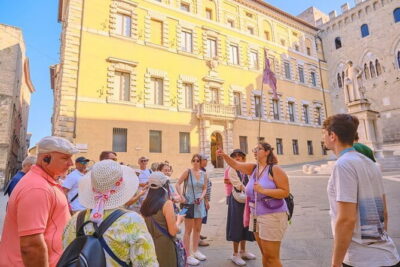
The private part is the real value. In a small group, the guide can pause for your questions and adjust pacing as streets get jammed. You also get earphones if necessary, which matters in loud plazas where it’s easy to miss key details.
One more practical plus: there’s a built-in snack moment with Tuscan food tastings. It turns the walk into something you can feel, not just see—especially helpful if you arrive hungry after travel or an early day.
You can also read our reviews of more private tours in Florence

What the private format changes in 2 hours
Two hours sounds short until you realize how much Florence is made of walking. This tour keeps the focus on the big “orientation” stops, so you leave with a mental map you can build on later.
Here’s what you can expect from the private format:
- You’re not competing with strangers for attention when crowds swell.
- The guide can tailor the emphasis—more art, more politics, more family history of the Medici, depending on what you care about.
- If weather or timing gets awkward, a good guide can shift the rhythm so you still get the core experience.
The guide names you may see mentioned in past experiences include Manuela and Gaetano Cantone, both praised for being responsive and giving clear answers. At the same time, one account noted a guide who felt disorganized and less engaged on a busy day. That’s a reminder that quality can vary—so I’d go in with curiosity and ask questions early to help set the tone.
Piazzale degli Uffizi: the art you see before you even buy a ticket
You start in the area around Piazzale degli Uffizi, an elevated, picturesque connector between Piazza della Signoria and the Arno River. It’s a smart opening because it gives you instant scale: Florence is dense, layered, and built for viewpoints.
From here, you’re in the orbit of the Uffizi Gallery, one of the world’s best-known Renaissance art museums. Even if you don’t enter, the guide can help you understand what you’re looking at and why this area matters. The Uffizi sits in a setting that feels like an outdoor gallery, with statues and a clear sense of the city’s artistic identity.
Possible downside: if you’re hoping for a timed museum visit inside the Uffizi itself, this tour is not framed that way. The museum is referenced as part of what you’ll understand from the outside. Interior entry fees are not included for many monument stops on this route, so plan for the option to add tickets separately if you want them.
Piazza della Repubblica: Roman layers and coffee-stopping energy
Next comes Piazza della Repubblica, in the historic center and right where life tends to move. The square’s story is the kind you only catch when you’re guided: it started as a Roman forum site and later shifted through major eras, including a market period and even the city’s ghetto history.
What makes it a useful stop on a tour like this is that it’s also a practical “pause” moment. You’ll notice the famous Triumphal Arch, plus elegant café culture around it—places like Caffè Gilli, Paszkowski, and Le Giubbe Rosse. Even if you don’t sit down, the ambience helps you understand Florence as a city that performs history in public space.
A small note for planning: because this square is central, it can get crowded. The guide’s job here is to keep things moving without letting the crowd swallow the story.
Ponte Vecchio: the bridge, the shops, and the Medici shortcut
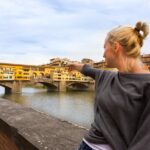
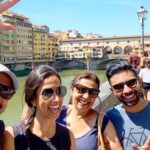
Then you reach Ponte Vecchio, Florence’s iconic river bridge. It’s famous not just for views, but for surviving major twentieth-century damage when many historic structures did not. That fact alone gives the bridge a different emotional weight.
You’ll also see the historic pattern that still exists today: the goldsmith shops and artisan boutiques that line the bridge. This is one of those places where “what it looks like” and “why it matters” are connected. The shops didn’t just happen to be there—they became part of the Medici-era and mercantile identity of the city.
And then there’s the legend that makes your guide worth listening to: the Vasari Corridor, a secret passage built by Giorgio Vasari in 1565 to let the Medici cross between Palazzo Vecchio and Palazzo Pitti without mingling with the crowd.
If you want a practical takeaway: stand at the bridge for the Arno views, then walk slowly to see how the perspective changes as you shift position. This is one of Florence’s best “look back” moments.
- The Best tour in Florence: Renaissance & Medici Tales – guided by a STORYTELLER
★ 5.0 · 12,316 reviews

Palazzo Vecchio: where Florence made decisions
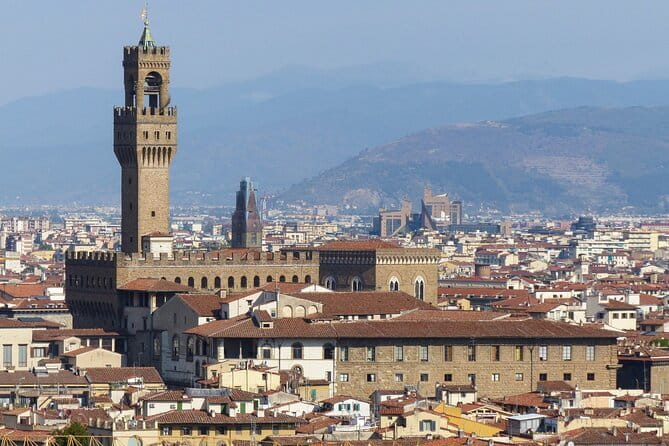
At Palazzo Vecchio, you’re stepping into the city’s political core. The building served as the seat of Florentine government and later became tied to the Medici before their move to Palazzo Pitti.
What I like about this stop is that it’s not just a pretty facade. The tower, the sheer size, and the idea of government happening here helps you understand why the square next to it feels like a stage for power. The guide can connect architectural features to the way Florence ran.
Inside details aren’t fully guaranteed on this kind of route because monument admissions are typically extra. But even from outside, you’ll get the main structure and what it represents. If you do decide to pay for an interior visit later, this is the stop that makes it feel worth your time.
One consideration: the tour spends a short window here. If Palazzo Vecchio’s museum spaces call to you, you’ll likely want to schedule a separate visit with more time.
Piazza della Signoria: politics plus sculpture under open skies
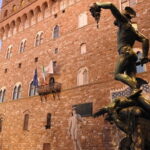
Piazza della Signoria is Florence’s showpiece of public art and civic identity. Dominated by Palazzo Vecchio, it’s been the center of political and historical events for centuries.
This square works because you can understand it at multiple levels:
- You see civic power in the buildings.
- You see artistic power in the open-air sculptures.
- You see how the city uses public space to teach people what to admire.
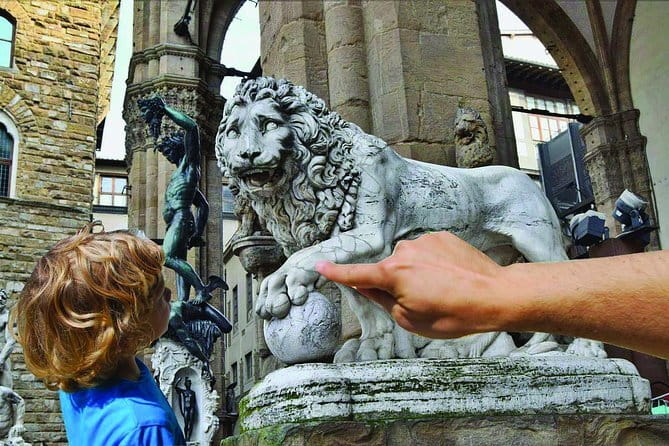
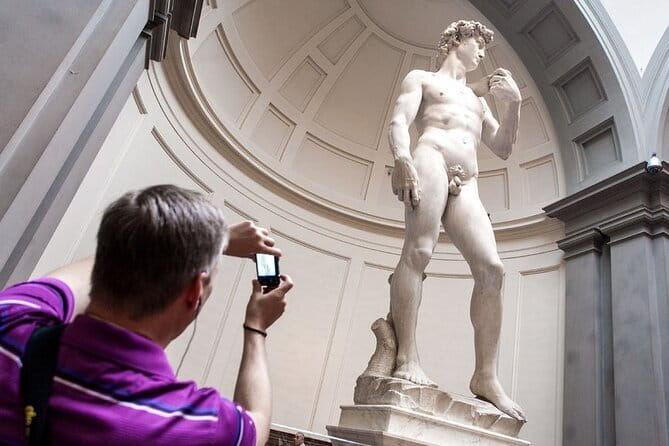
The Loggia dei Lanzi is the key visual zone, with Renaissance sculptures such as Perseus with the Head of Medusa by Benvenuto Cellini and The Rape of the Sabine Women by Giambologna. The square also has the Fountain of Neptune and a replica of Michelangelo’s David.
If you’re the type who likes to connect names to places, a guide helps you see what you might otherwise just pass by. If you’re the type who needs quiet for photos, go easy here—crowds are part of the experience.
Santa Maria del Fiore from Piazza del Duomo: plan your next move
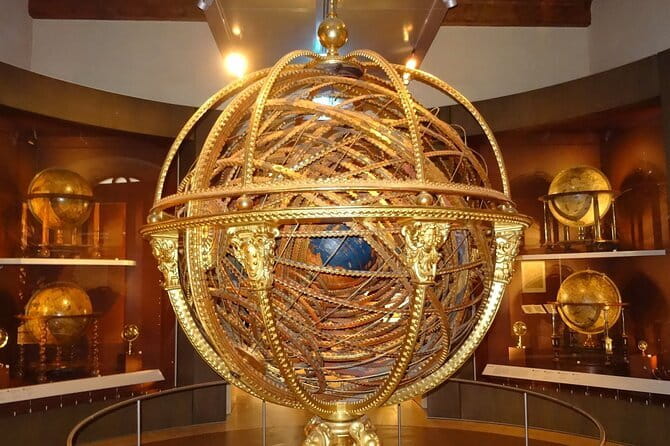
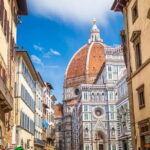
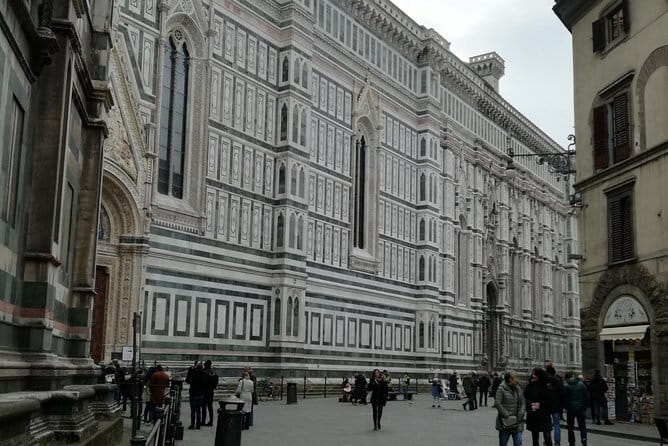
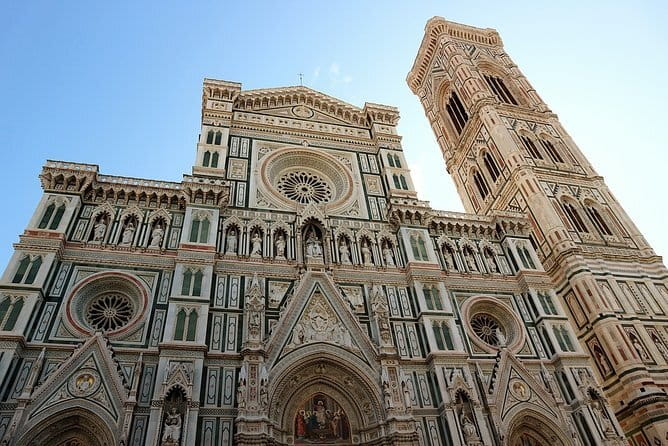
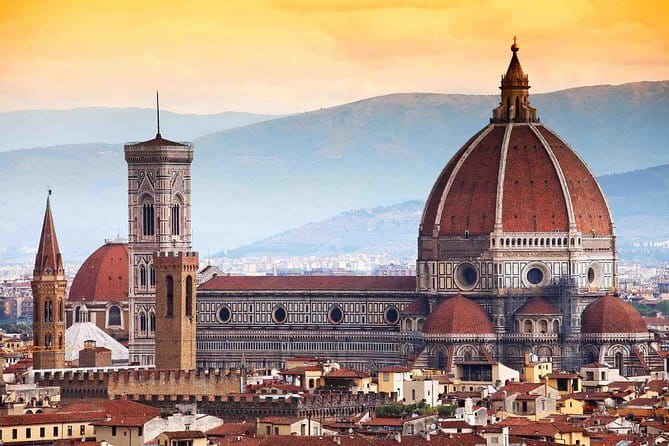
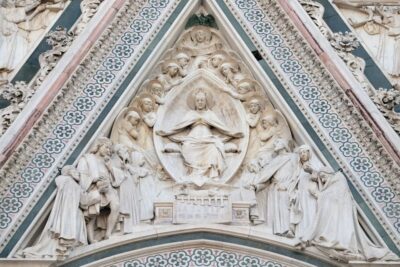
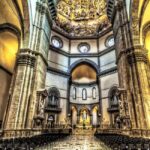
Florence’s spiritual and artistic heart shows up in Piazza del Duomo, with the Cathedral of Santa Maria del Fiore front and center. This is the famous Brunelleschi dome area, plus the Giotto’s Bell Tower and the Baptistery of St. John, known for the Gates of Paradise.
Even if you don’t go inside during this tour, you’ll walk away understanding why this single square is such a magnet. It’s a dense concentration of landmarks that feel designed to overwhelm you—in a good way.
Possible drawback: some big-ticket areas here often require separate admission. The tour doesn’t include entry fees for certain monuments on the route, so if climbing or interior time matters to you, you’ll want a follow-up plan. Also, the area can be busy, so photo angles may take patience.
My practical advice: if you want to come back for one interior experience, make it this square. It’s where Florence’s art ambition becomes physical.
Via de’ Tornabuoni: a luxury stroll with Renaissance context
Next you shift to Via de’ Tornabuoni, one of the city’s prestigious shopping streets. It connects major squares and is packed with high-end boutiques—brands you’ll recognize—and historic palaces that add substance behind the storefronts.
This stop works as a palate cleanser after the civic and religious weight of the Duomo area. You’ll also get names and context around palaces like Palazzo Strozzi and Palazzo Spini Feroni (connected to the Ferragamo fashion house and its fashion-related museum).
If shopping is not your thing, you can still enjoy the architecture and the way the street feels like a corridor through Florence’s wealth history. It’s also a handy “slow down” moment if the earlier plazas felt fast.
Palazzo Pitti: Medici grandeur plus Boboli Gardens
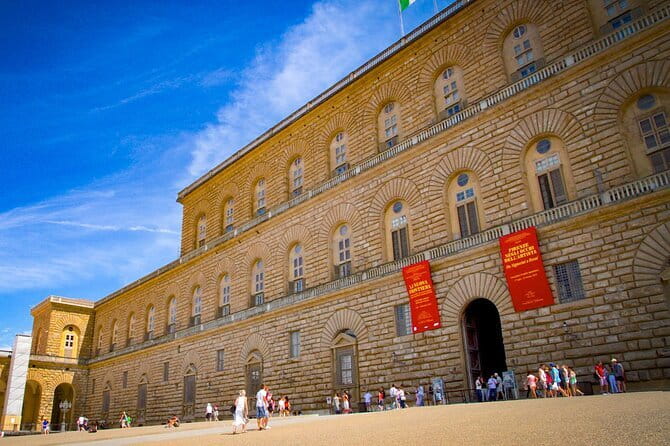
The final stop is Palazzo Pitti, on the Oltrarno side of the Arno. It began as the Pitti family’s palace and later became the Medici’s grand ducal residence.
This is where Florence starts feeling more like a court than a museum. The palace today houses multiple museums, including the Palatine Gallery, with works by Raphael, Titian, Rubens, and Caravaggio, plus other collections like the Museum of Silver and modern art and fashion-related spaces.
Behind it lies Boboli Gardens, one of the big reasons Palazzo Pitti is worth extra time. If you love gardens as design, this is the place to linger. This tour may not give you garden time, since admissions aren’t included for certain stops, but it sets you up to decide if you want to return for a longer visit.
Price and value: is $114.15 fair for what you get?
At $114.15 per person for about 2 hours, this sits in the middle range for a private guided overview. What makes it feel more like value than a pricey splurge is the combination:
- Professional guide for a compact orientation route
- Private format (only your group)
- Optional pickup on foot if your hotel is centrally located
- Bonus Tuscan food tastings (olive oil, truffle specialties, and baked goods like schiacciata and cantuccini)
- Earphones if necessary, which improves clarity in crowded areas
Where you may spend extra: monument entries are not included for several stops. If you choose to add interior visits later—like Palazzo Vecchio or the Duomo-area monuments—that’s where your total costs rise.
Still, even without paying extra for every interior site, the guide’s job is to connect what you see to what it means. That’s what you’re buying: understanding, not just movement.
Small tips to keep this tour from feeling rushed
If you want the best experience from a tight itinerary, do these three things:
- Wear comfortable shoes. Florence sidewalks can turn a short walk into a long day fast.
- Bring a quick question list. Ask about the Medici, why the sculptures are where they are, or what to do next in the remaining hours you have.
- Treat the tastings like a pause point. Eat slowly, then keep walking. It helps with energy and digestion.
If it rains, don’t assume the day is over. One past experience described a guide who stayed gracious and continued the tour even during heavy rain, plus helped with photos. No guarantee, but it’s a good sign that the experience can adapt.
Should you book this private Florence overview?
Book it if:
- You’re seeing Florence for the first time and want a fast, logical map of the city.
- You like being guided through the “why” behind landmarks, not just the “what.”
- You want a private feel without spending half your day.
Skip it or plan extras if:
- You want lots of interior museum time in just 2 hours.
- You’re hoping this includes monument tickets for the key sites. Many entries are not included, so you’ll likely need a separate plan.
Overall, this tour is a smart way to get oriented and start connecting names to places. If your guide clicks, it can turn a tight schedule into a memorable first impression of Florence.
FAQ
What’s the tour duration?
It’s about 2 hours.
Is this tour private?
Yes. It’s private, meaning only your group participates.
What language is the tour in?
The tour is offered in English.
Does the price include admission to monuments?
No. Admission fees are not included for several monuments on the route.
Are there tastings included?
Yes. There’s a bonus selection of Tuscan food tastings, such as extra-virgin olive oil, truffle specialties, and baked goods like schiacciata and cantuccini.
Do you offer pickup?
Pickup is offered only if your hotel is centrally located in Florence. Pickup is on foot at the departure time, and the end point may vary depending on the guide.
Where do we meet?
You meet at Piazza di Madonna degli Aldobrandini, 8, 50123 Firenze FI, Italy. The tour asks you to arrive 15 minutes before departure.
You Might Also Enjoy
More Private Tours in Florence


More Tours in Florence
- The Best tour in Florence: Renaissance & Medici Tales – guided by a STORYTELLER
★ 5.0 · 12,316 reviews

More Tour Reviews in Florence
- Tuscany Day Trip from Florence: Siena, San Gimignano, Pisa and Lunch at a Winery
★ 5.0 · 21,634 reviews - The Best tour in Florence: Renaissance & Medici Tales – guided by a STORYTELLER
★ 5.0 · 12,316 reviews