REVIEW · FLORENCE
Florence: Authentic Pasta Making Class
Book on GetYourGuide →Operated by Eating Europe Food Tours · Bookable on GetYourGuide
Pasta class in Florence feels like dinner with a teacher. This hands-on course happens in a professional chef’s home kitchen, where you learn to make fettuccine and ravioli from scratch, then sit down to a huge family-style meal.
What I like most is the personal, step-by-step attention in a real Tuscan setting, not some staged showroom. I also love that the lesson comes with unlimited local wine, so you’re not rushing through cooking while waiting for the rest of the evening to start. One possible drawback: it runs rain or shine, so the day can be a bit longer on wet streets and you’ll want comfortable shoes and an umbrella.
In This Review
- Key highlights you should care about
- The Tuscan home kitchen vibe: less spectacle, more real food
- Meeting point in Florence: find the fountain, then find the kitchen
- What you learn: fettuccine and ravioli with real steps you can repeat
- The ingredient side of the lesson: meet the people behind the food
- Unlimited wine breaks: how the class stays relaxed
- The giant family-style lunch: your pasta becomes the meal
- Dessert lesson: tiramisù and the end-of-meal payoff
- Group size, language, and accessibility: the class stays comfortable
- What to bring (and why these items actually help)
- Who should book this pasta-making class?
- Dietary restrictions and allergies: plan ahead
- Price and value: why this one makes sense
- Should you book it?
- FAQ
- FAQ
- How long is the Florence pasta-making class?
- Where do I meet the guide in Florence?
- What language is the instructor?
- How big is the group?
- Is the class offered rain or shine?
- What does the class include?
- Do I need to bring anything?
- Are dietary restrictions handled?
- Is gratuity included in the price?
Key highlights you should care about
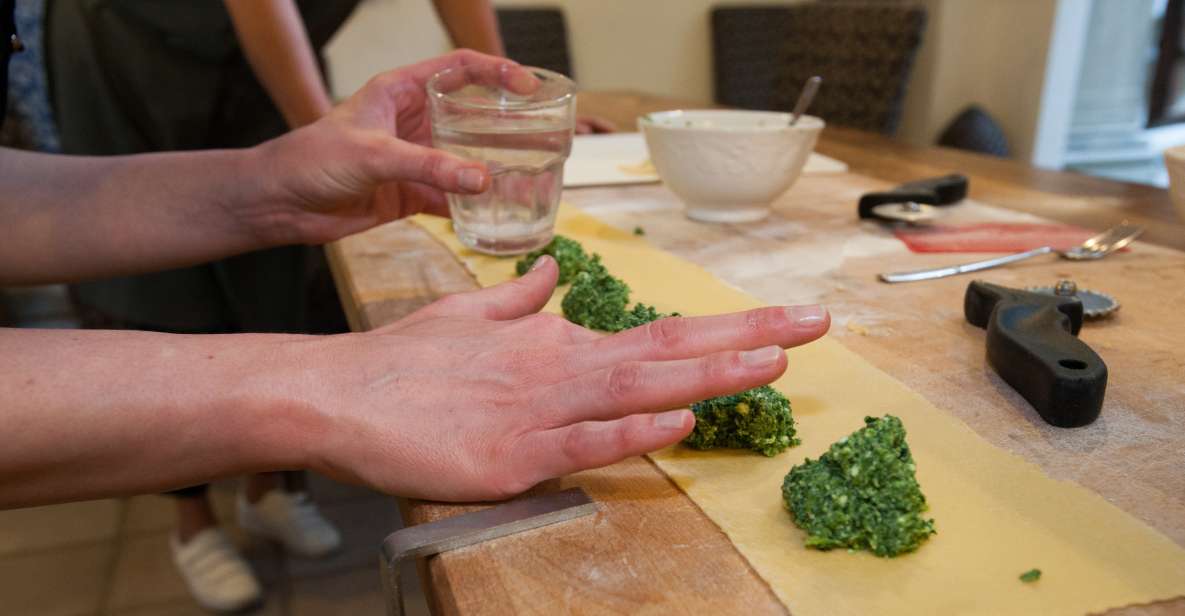
- Tuscan home-kitchen teaching with a professional chef guiding you through dough, shaping, and cooking.
- You make fettuccine and ravioli, so you leave with real skills, not just a meal.
- Unlimited local wine that keeps the tone relaxed and sociable.
- A giant family-style lunch that turns your work into a proper meal at the table.
- Dessert training with tiramisù (or another typical local dessert), plus you eat what you make.
- Small group size (max 12), which helps you actually get hands-on time.
The Tuscan home kitchen vibe: less spectacle, more real food
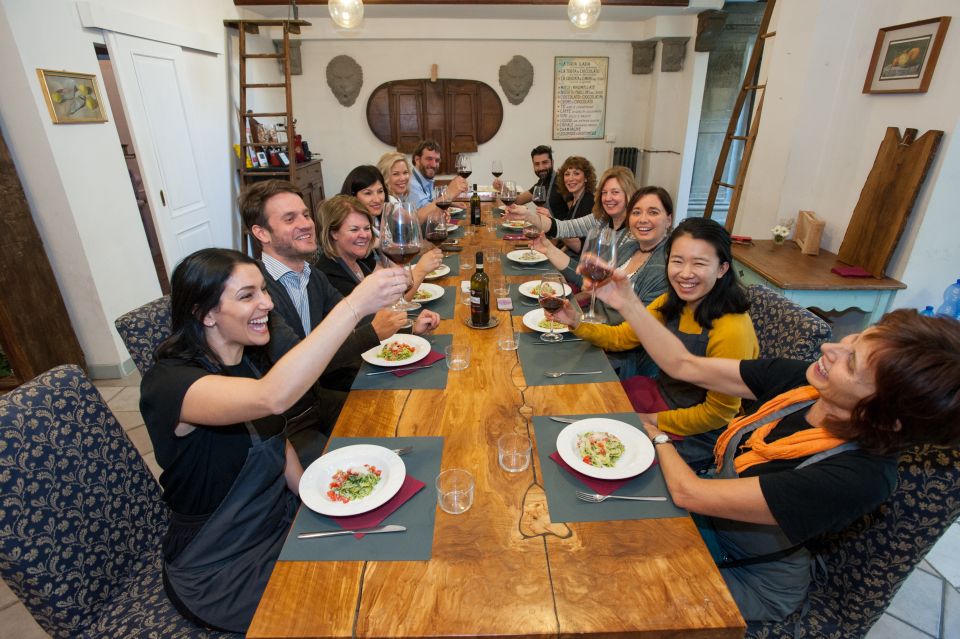
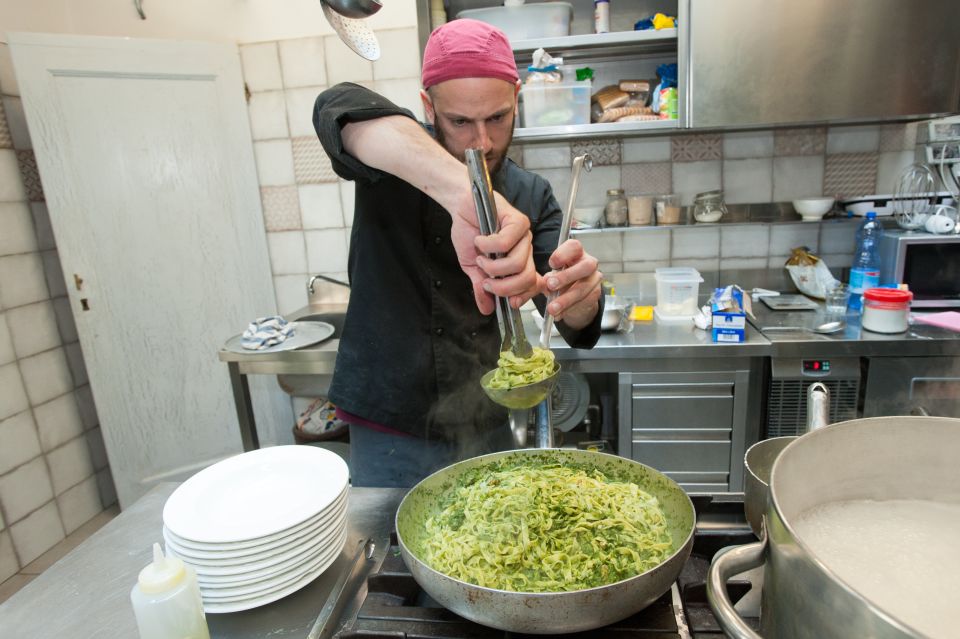
This Florence pasta-making class is built around one simple idea: cooking is easier when you’re in the room with the people who do it every day. You’re not stuck watching from the sidelines. You’ll strap on an apron, get flour under your nails, and work at the pace of a real kitchen while your instructor helps you correct small mistakes before they turn into big disasters.
The setting matters. A chef’s home kitchen feels warmer and more lived-in than a commercial cooking space. You notice details like how ingredients are stored, how tools are arranged, and how the kitchen flows from dough to filling to cooking. That’s the kind of practical know-how you can take home.
And then there’s Georgio (sometimes mentioned as George). In plain terms, he brings a friendly, encouraging rhythm to the class. People highlight how he stays attentive while still keeping the mood fun, not stiff. That’s a big deal for a hands-on class, because pasta dough does not respond well to stress.
You can also read our reviews of more cooking classes in Florence
Meeting point in Florence: find the fountain, then find the kitchen
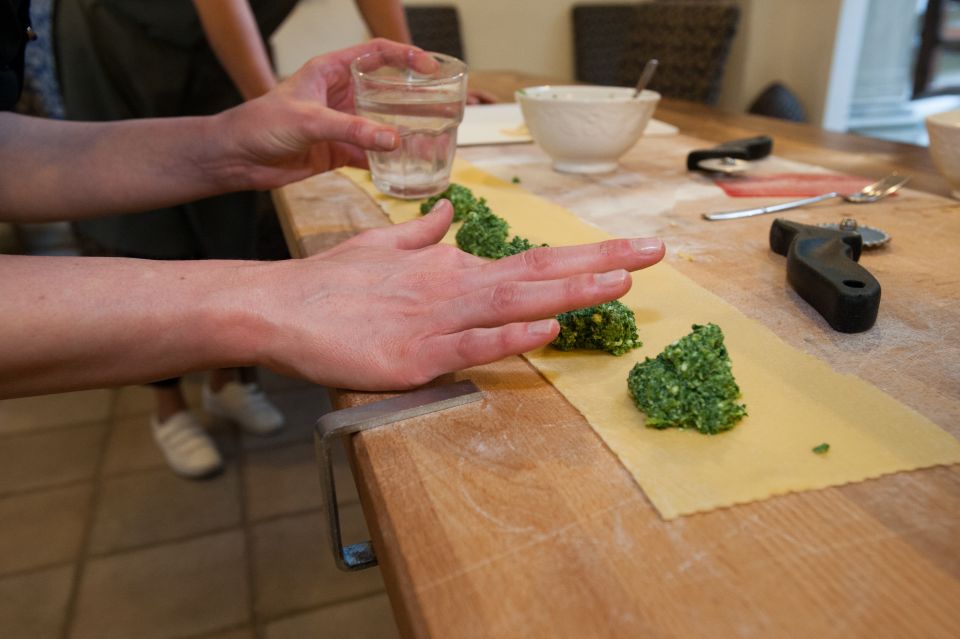
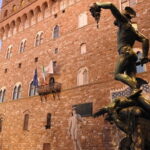
You meet your guide by the fountain in the middle of the square. The coordinates are 43.76685333251953, 11.247413635253906. It’s easy to picture: you arrive in central Florence, orient yourself fast, and then the group funnels together before heading to the kitchen.
Practical tip: give yourself a few minutes of buffer. Florence squares can be chaotic, especially when rain pushes people indoors and everyone suddenly moves at once. If you’ve got a reusable water bottle, bring it. Even if the schedule includes breaks, it helps to stay comfortable.
What you learn: fettuccine and ravioli with real steps you can repeat
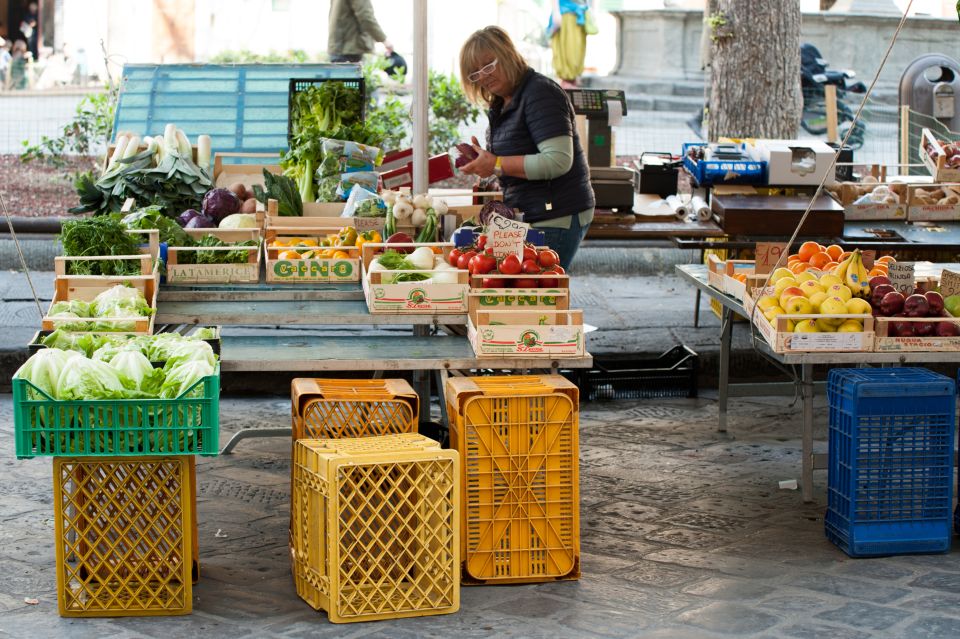
The core of this experience is learning to make fresh pasta—specifically fettuccine and ravioli. That matters because those shapes aren’t just impressive; they’re useful. If you can make them, you can cook a “real Italian dinner” at home without relying on store-bought pasta.
Here’s what the class is built to teach you, in the order that usually makes sense in a kitchen:
- Dough basics: You’ll get your hands on the dough and learn how it should feel before you start rolling.
- Rolling and cutting for fettuccine: Fresh fettuccine should have the right thickness so it cooks evenly and doesn’t turn mushy.
- Ravioli formation: Ravioli is all about portioning and sealing. If you get that part right, the filling stays inside where it belongs.
- Cooking timing: Fresh pasta is quick. The class experience is designed so you don’t overcook what you worked so hard to shape.
You’ll also hear guidance throughout, with encouragement at each step. That’s valuable even if you’ve cooked before, because pasta is one of those things where tiny differences—flour hydration, dough rest, thickness—change the outcome a lot. This course keeps you from guessing.
The ingredient side of the lesson: meet the people behind the food
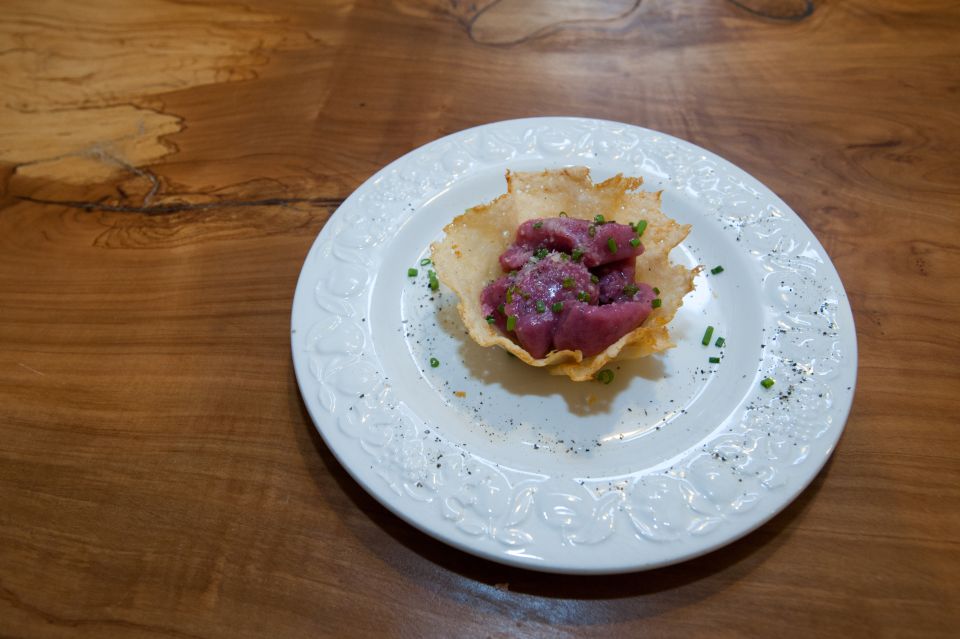
One of the highlights is that you meet the artisans behind the ingredients you’ll cook with. That turns pasta from a hobby into a story about local food systems. Even without a full lecture, you pick up a mindset: ingredients aren’t interchangeable. In Italian cooking, quality shows up in texture, aroma, and how sauces cling.
This is where you’ll get a more authentic feel for Tuscany. You’re not just learning technique; you’re learning why the ingredients matter and how local producers fit into the meal.
If you like food experiences that connect shopping and cooking, this part will land well. It also makes the lunch feel more intentional, since you’ve already met the source of some of what’s on your plate.
Unlimited wine breaks: how the class stays relaxed
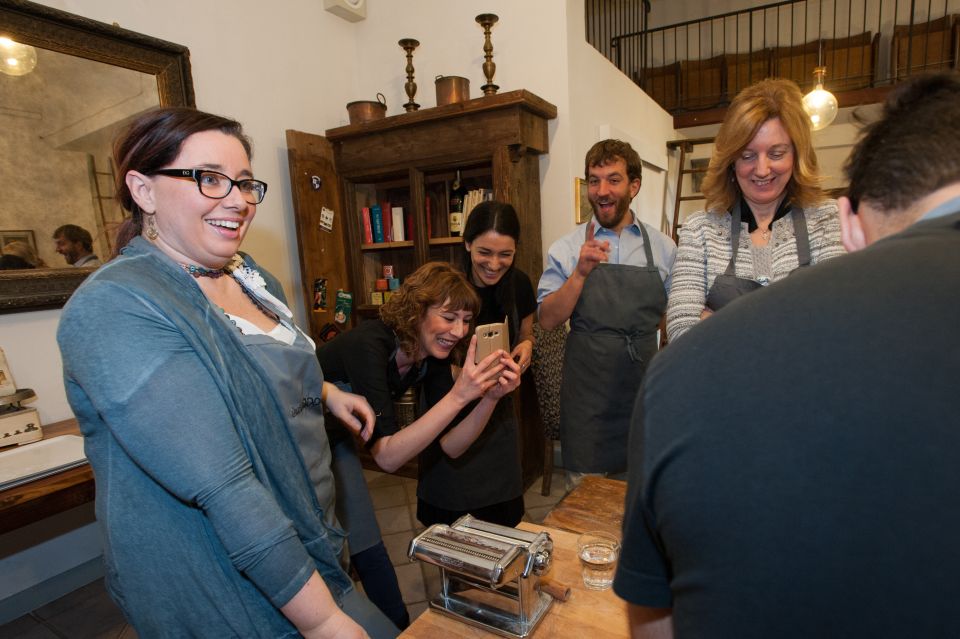
Yes, there’s unlimited wine. But the best part is how it’s used. The wine is there when you want to take a breather. That’s important in a pasta class because your attention matters: dough timing, rolling pressure, and sealing ravioli all require focus. When you’re not frantic, your pasta comes out better.
Tuscan wine also fits the setting. It’s local, it’s part of the culture of eating together, and it keeps the evening from feeling like a school lesson. You can tell the organizers want the day to feel like a shared meal that happens to include cooking instruction.
Small caution: unlimited wine changes the pacing of the room. If you’re the type who needs to stay super sharp, consider going slowly. You’ll get more from the technique if you can remember what you did and why it worked.
You can also read our reviews of more tours and experiences in Florence
- Cooking Class and Lunch at a Tuscan Farmhouse with Local Market Tour from Florence
★ 5.0 · 4,831 reviews
The giant family-style lunch: your pasta becomes the meal
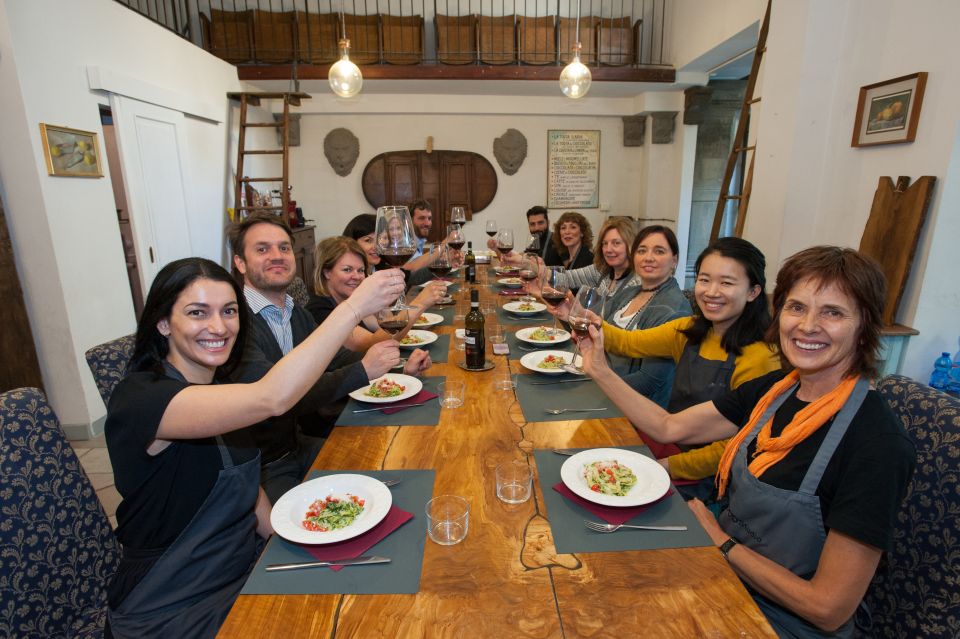
This experience includes a giant family-style lunch, and it’s the moment when everything clicks. You’ll sit down with the group and feast on what you made. That matters because fresh pasta is at its best right after it’s cooked. Family-style meals also turn the class into a social experience that feels less like a task and more like dinner with friends.
Family-style is also a practical teaching tool. You see how the pasta pairs with what’s served alongside it, and you get ideas you can copy later. If you’ve ever cooked and thought, I made the food but I don’t know how it should be eaten, this fixes that.
Also, the class doesn’t pretend pasta is the only star. The lunch format encourages balance: the pasta you made sits in the middle of a broader meal, like it should.
Dessert lesson: tiramisù and the end-of-meal payoff
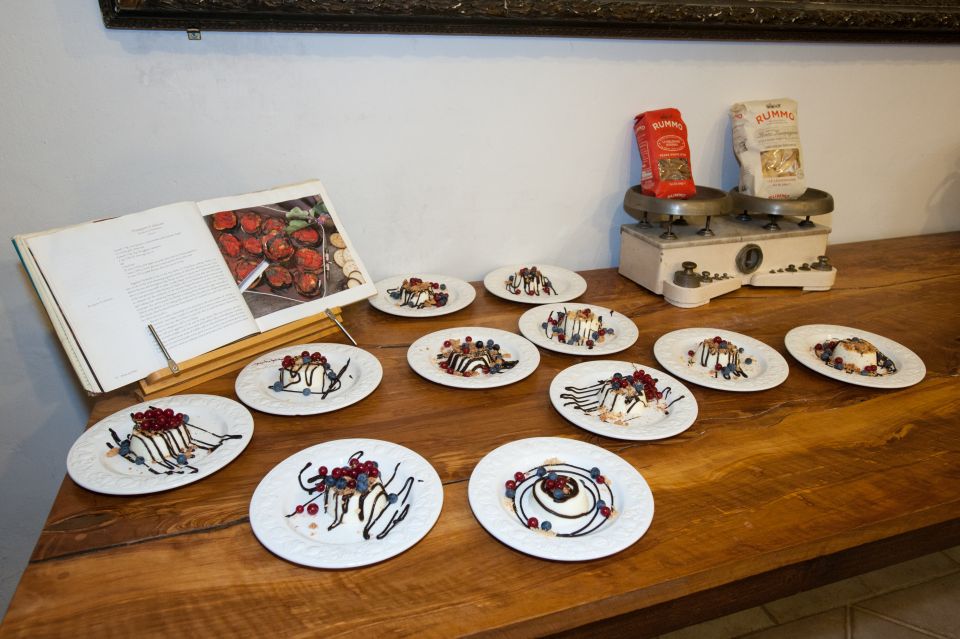
At the end, you’ll learn how to make the perfect tiramisù or another typical local dessert, and you eat it too. Dessert is where many cooking classes either rush or treat it like an afterthought. Here, it’s built in as a real teaching moment.
Why tiramisù specifically? Because it’s not just assembly; it’s about layering and texture. Get the balance wrong and it turns too wet or too stiff. Get it right and it tastes like it belongs in a restaurant, even though you made it yourself.
Since you also eat the dessert you make, you get immediate feedback. That’s a learning cheat code. You’re not guessing whether your tiramisù is close. You know, right there at the table.
Group size, language, and accessibility: the class stays comfortable
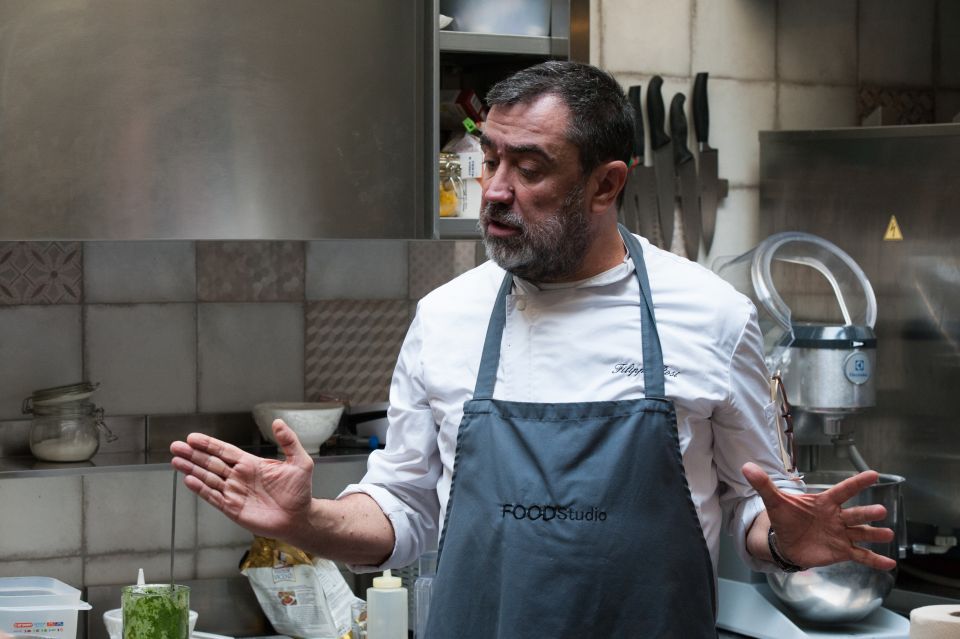
The group is max 12, which I appreciate in a hands-on course. You get enough people to make it social, but not so many that the instructor has to herd the class.
The instructor speaks English, which makes it easier to focus on technique instead of translating everything in your head. And the experience is wheelchair accessible, which is a real plus for people who need that kind of certainty when booking.
As for timing, the class lasts about 4 hours. That’s a sweet spot: long enough to learn, shape, cook, and eat, but not so long that you’re dragging through the day.
What to bring (and why these items actually help)
The checklist is simple, and it’s there for a reason:
- Comfortable shoes: you’ll be on your feet during prep and cooking.
- Umbrella: it operates rain or shine, so this is not optional if showers are common.
- Reusable water bottle: helps you stay hydrated between cooking steps.
One more practical move: if you hate dealing with damp sleeves or flour on clothing, consider wearing something you don’t mind getting messy. Pasta is a hands-on sport.
Who should book this pasta-making class?
This is a strong choice if you want:
- A real Florence food experience in a Tuscan home kitchen setting.
- Skills you can repeat later: fettuccine and ravioli are practical wins.
- A relaxed meal vibe, with unlimited local wine and a sit-down family-style lunch.
- A smaller group atmosphere where an instructor can actually help you.
It’s also great for people who are tired of doing only museums and churches. Cooking is active. You walk away with a tangible memory you can eat again at home.
Dietary restrictions and allergies: plan ahead
If you have dietary restrictions, you should notify the tour operator ahead of time. The class includes food prep and shared meal components, so clear communication matters.
Important safety note: guests with severe or life-threatening allergies can’t participate in this activity for safety reasons. If allergies are part of your life, treat that warning seriously.
Price and value: why this one makes sense
I can’t quote a price from the info provided, but I can still talk value, because this class is unusually “complete.” For a 4-hour experience, you get:
- Hands-on instruction to make fresh pasta (fettuccine and ravioli).
- A giant family-style lunch.
- Unlimited local wine.
- A dessert lesson that ends with you eating what you made.
Many classes cover technique but don’t include the full meal flow, or they include food without teaching enough to repeat it at home. Here, the teaching and the eating are part of the same system. You’re paying for a whole evening in a Tuscan kitchen, not just a cooking demo.
Should you book it?
I think you should book this Florence pasta-making class if you want an authentic, hands-on food day that goes beyond typical sightseeing. The combination of a chef-led home kitchen, small group size, and a meal that happens because you cooked is exactly the kind of experience that feels worth the time.
Skip it only if you know you can’t handle rain-or-shine conditions in practical shoes, or if your allergy situation is severe enough that participation isn’t allowed. Otherwise, this is a fun, practical way to learn Italian cooking skills you’ll actually use after the trip is over.
FAQ
FAQ
How long is the Florence pasta-making class?
It lasts about 4 hours.
Where do I meet the guide in Florence?
You meet by the fountain in the middle of the square. The coordinates provided are 43.76685333251953, 11.247413635253906.
What language is the instructor?
The instructor teaches in English.
How big is the group?
The group size is limited to a maximum of 12 people.
Is the class offered rain or shine?
Yes. It operates rain or shine.
What does the class include?
You’ll learn to make fettuccine and ravioli, enjoy unlimited local wine, and eat a giant family-style lunch. You’ll also learn tiramisù or another typical local dessert and eat it too.
Do I need to bring anything?
Bring comfortable shoes, an umbrella, and a reusable water bottle.
Are dietary restrictions handled?
You should notify the tour operator of any dietary restrictions. People with severe or life-threatening allergies cannot participate for safety.
Is gratuity included in the price?
No. Gratuity is not included and is left to individual discretion.
You Might Also Enjoy

More Workshops & Classes in Florence
- Cooking Class and Lunch at a Tuscan Farmhouse with Local Market Tour from Florence
★ 5.0 · 4,831 reviews
More Cooking Classes in Florence
- Cooking Class and Lunch at a Tuscan Farmhouse with Local Market Tour from Florence
★ 5.0 · 4,831 reviews
More Tour Reviews in Florence
- Tuscany Day Trip from Florence: Siena, San Gimignano, Pisa and Lunch at a Winery
★ 5.0 · 21,634 reviews - The Best tour in Florence: Renaissance & Medici Tales – guided by a STORYTELLER
★ 5.0 · 12,316 reviews