REVIEW · FLORENCE
Florence Footsteps: Unveiling the Treasures of the Medicis
Book on GetYourGuide →Operated by Artist in the City · Bookable on GetYourGuide
Medici Florence in three hours? That’s the promise, and it’s a good one. I like the small-group feel (up to 8) and the way the guide connects big names and street-level details into one easy route. You’ll also get a food-focused break with oil and truffle tasting as part of the experience. One thing to watch: entry tickets are not included, so Uffizi/Accademia may require separate planning if you want to go inside.
This is built for people who want more than a quick photo run. I found it especially useful for making sense of what you’re looking at—Cathedral area landmarks, Ponte Vecchio views, Piazza della Signoria, plus market culture and Medicis-era storytelling. A guide like Valeri/Valerie can turn an everyday walk into a clear set of ideas you’ll carry with you for the rest of the week.
If you’re hoping for a full meal included, or if you need guaranteed timing at museum doors, plan around the fact that this is a walking tour first, with tasting as an add-on and museum entry not included.
In This Review
- Key highlights worth showing up for
- Florence Footsteps is built for context, not just sightseeing
- Starting at the Uffizi: where the route makes sense
- The core walk: Cathedral area, Ponte Vecchio, and Piazza della Signoria
- Medicis storytelling and Renaissance themes you can actually use
- A historical market stop: Florence in everyday form
- Oil and truffle tasting: the Tuscany angle that sticks
- Uffizi and Accademia: what you’ll connect to, with tickets handled separately
- Price and value: is $55 reasonable for a 3-hour walk?
- Group size, languages, and guide style matter more than you think
- Who should book this tour (and who should think twice)
- Should you book Florence Footsteps?
- FAQ
- FAQ
- Where is the meeting point?
- How long is the Florence Footsteps tour?
- Is the tour wheelchair accessible?
- What languages is the guide available in?
- Are museum entry tickets included?
- What is the cancellation policy and can I pay later?
Key highlights worth showing up for
- Up to 8 people means less crowd energy and more time for questions
- Uffizi Gallery Gate 3 is a practical starting point for a central route
- Cathedral, Ponte Vecchio, and Piazza della Signoria are covered with context, not just names
- Historical market stops connect Florence’s “what you see” with “how it worked”
- Oil and truffle tasting adds a real Tuscan angle to the art-and-architecture focus
- English and Turkish guides make communication straightforward for mixed groups
Florence Footsteps is built for context, not just sightseeing
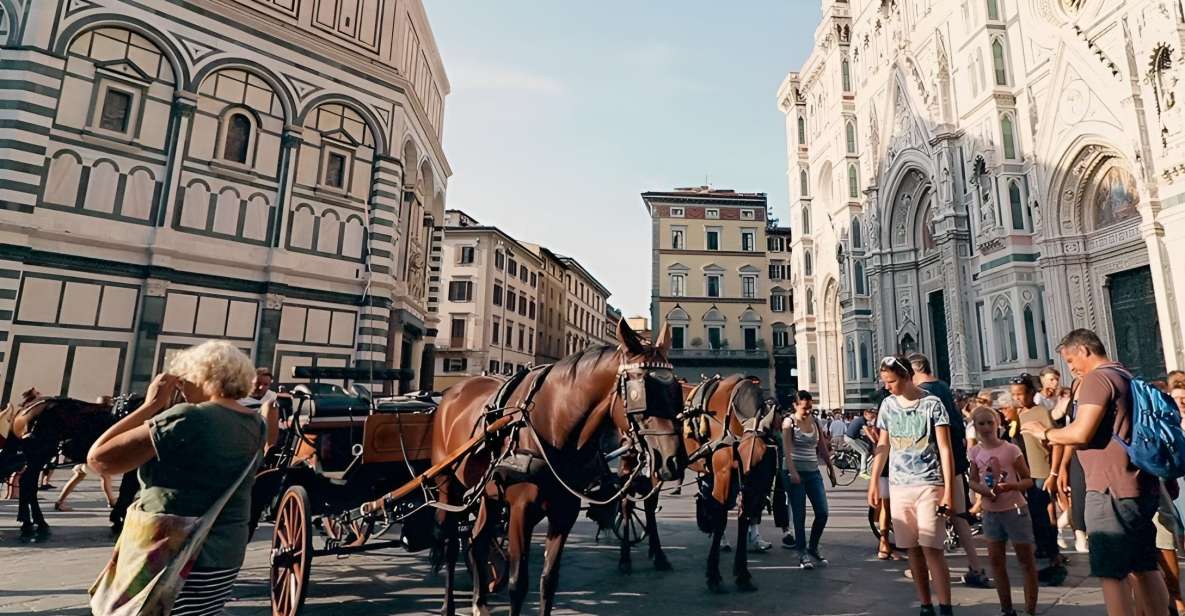
Florence can feel like information overload. Marble everywhere, names everywhere, and suddenly your camera is working harder than your brain. This tour helps you understand what you’re seeing by threading together art, politics, and everyday culture—especially through the Medicis, the family that shaped the city’s direction.
What I like most is that it’s not only about royal portraits and famous paintings. You spend time on city-center landmarks and also on the practical side of Florence: markets, local products, and the food story that comes with the region’s agriculture. It’s a walking tour that keeps pulling you back to the ground-level question: why does this place look the way it does?
You can also read our reviews of more tours and experiences in Florence.
- Tuscany Day Trip from Florence: Siena, San Gimignano, Pisa and Lunch at a Winery
★ 5.0 · 21,634 reviews
Starting at the Uffizi: where the route makes sense
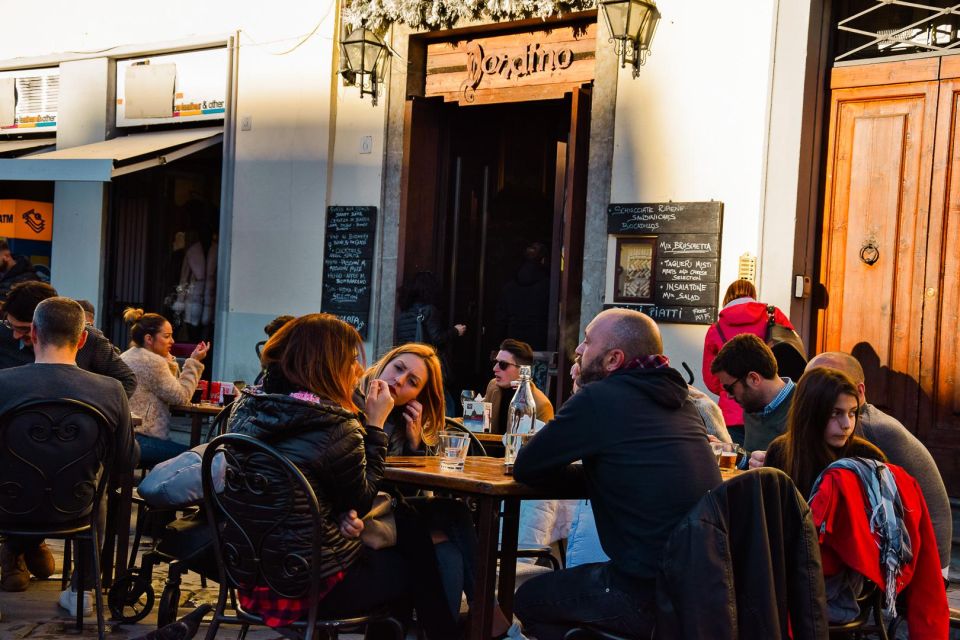
You meet at the Uffizi Gallery, Gate 3. That matters because it’s in the historic core, close to the artery streets you’ll want anyway. It also means you start with a strong cultural anchor: this is a tour that keeps returning to Florence as an art city, not just a postcard city.
Timing is tight in a good way. At 3 hours, you’ll likely cover a large chunk of the center on foot. That’s great if you want a first-day orientation or a mid-trip refresh. Just keep your expectations aligned with the format: this is a guide-led walking experience, not a sit-down lecture, and not a guaranteed museum-entry package.
I also appreciate that the group stays small. When you’re not swallowed by a huge crowd, it’s easier to ask a question and actually get an answer you can use.
The core walk: Cathedral area, Ponte Vecchio, and Piazza della Signoria
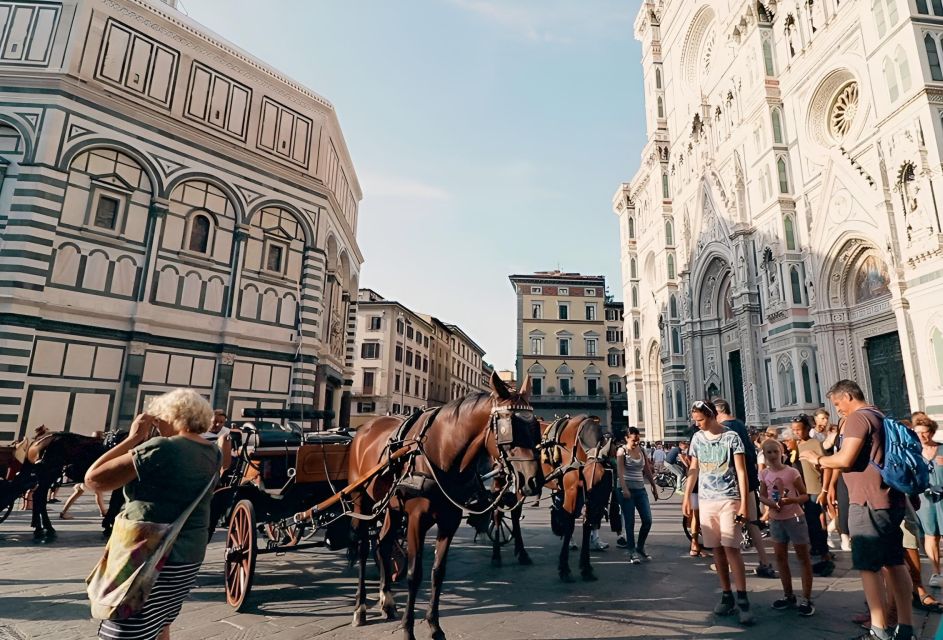
The route centers on recognizable Florence landmarks, but the value is in what the guide helps you notice.
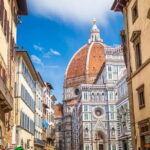
Florence Cathedral area: Expect historical explanation tied to why the Cathedral zone is such a symbol in the city. Even if you’ve seen photos already, you’ll likely learn what to look for while you’re standing there—how the architecture and the city’s identity connect.
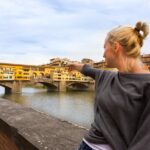
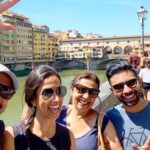
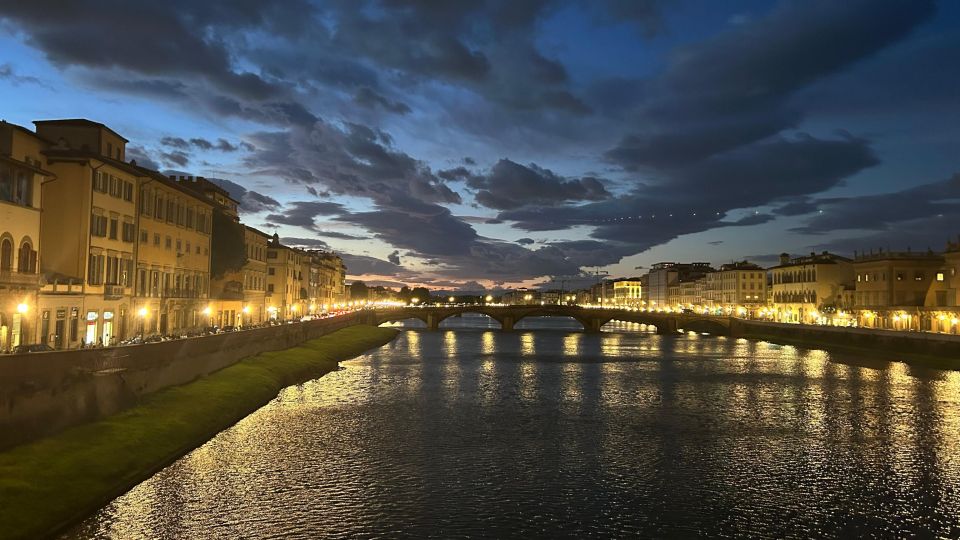
Ponte Vecchio: This bridge is famously photogenic, but it’s also a clue to how Florence lived with the Arno. A good guide will point you toward details that explain the bridge’s role in the city’s everyday rhythm, not just the view.
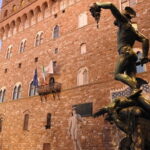
Piazza della Signoria: Think of this square as an open-air statement. You’ll get the political and cultural context that makes it feel like more than a plaza. When you understand the Medicis influence and the Renaissance mindset behind the square, it stops being a stop on a list and starts being a place with a point.
One practical consideration: because it’s a walking tour, you’ll want comfy shoes. Florence stone can be gorgeous and also unforgiving, especially if you’re used to softer pavement.
Medicis storytelling and Renaissance themes you can actually use
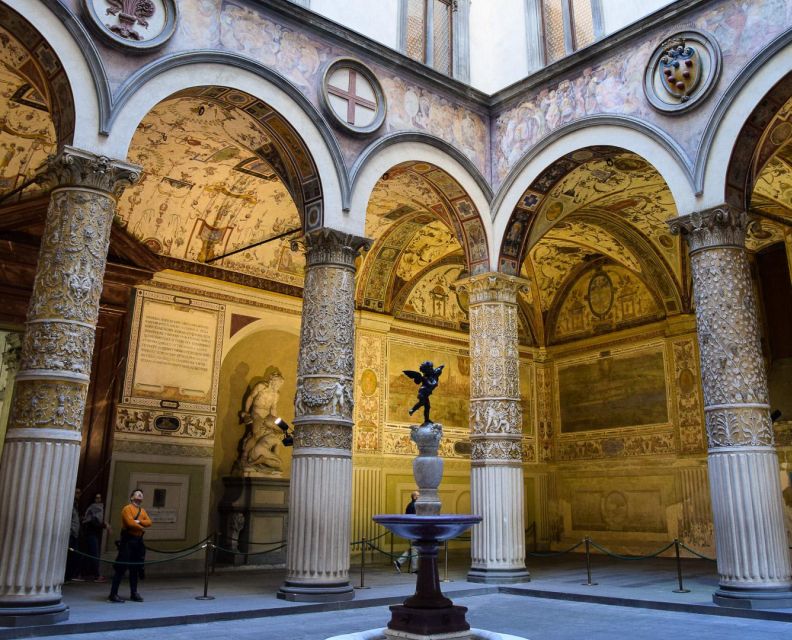
The Medici family is the through-line. Not in a vague way, either. You’ll hear stories connected to how power, patronage, and public culture shaped Florence’s artistic output.
What makes this useful is that it ties together different parts of the city. You’re not just learning names. You’re learning relationships—who influenced what, and why certain art and architecture mattered to the people commissioning it.
The tour also connects themes beyond the Medicis. You’ll hear about the birth of the Italian language and the broader legacy of the Renaissance. That’s the kind of background that makes Florence feel less like a museum and more like a living system that produced ideas you still see today.
If your goal is to walk through Florence and leave with a mental map—not just a memory of landmarks—this is the sort of tour that helps.
A historical market stop: Florence in everyday form
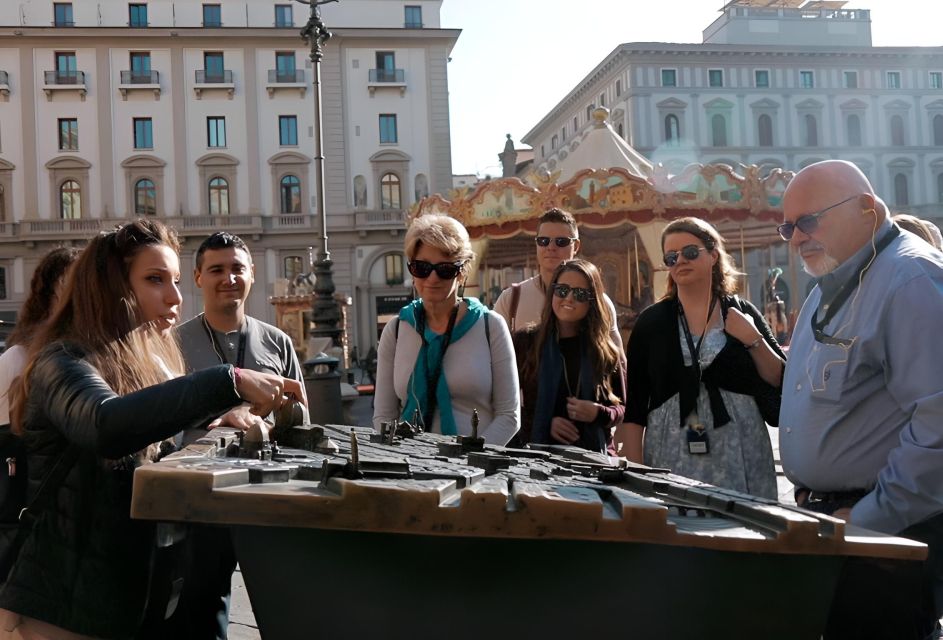
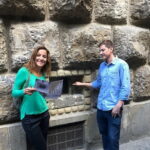
One standout feature is time devoted to a historical market and local products. This is where the tour becomes more than art education.
Markets show you the “how” behind the “look.” You see that Florence’s culture wasn’t only built by artists and patrons. It was also built by trade, crafts, and the daily exchange of goods. When a guide points out what locals were buying and why it mattered, you start to notice the city’s commercial patterns as well as its artistic ones.
This is also a nice break from just looking up at facades. Food and goods give your brain something concrete to hold onto.
- The Best tour in Florence: Renaissance & Medici Tales – guided by a STORYTELLER
★ 5.0 · 12,316 reviews



Oil and truffle tasting: the Tuscany angle that sticks
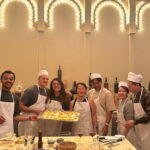
The highlights call out an oil tour and a truffle tour, and the experience includes an oil and truffle tasting option. Even if you’re not the type who plans food tours, I think this part is the best way to connect Florence to Tuscany’s countryside.
Here’s why it works: oil and truffles aren’t random souvenirs. They’re tied to local agriculture and seasonal culture. So when your guide frames them in the Florence context—how people understood flavor, ingredients, and regional identity—you end up with food knowledge that feels tied to place, not just consumption.
A practical note: food and drinks are listed as not included, so treat the tasting as the tour’s specific food piece rather than a full meal. If you get hungry, plan to eat after the tour.
Uffizi and Accademia: what you’ll connect to, with tickets handled separately
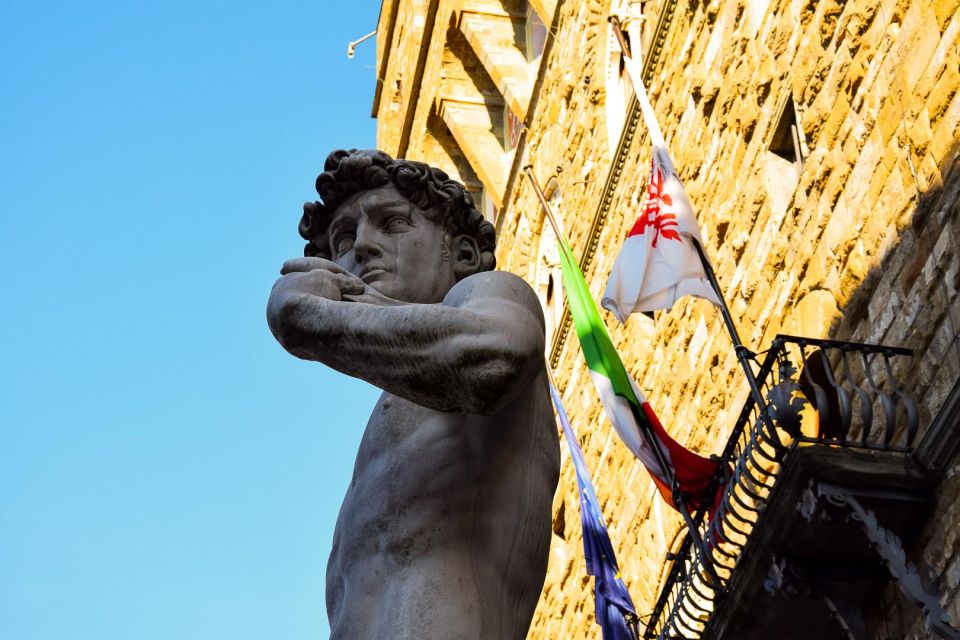
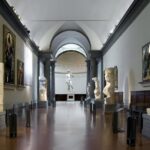
The tour experience references Uffizi Gallery and Accademia Gallery, including mention of Michelangelo’s David. That’s a big deal—David alone pulls people to Florence like a magnet.
But entry tickets are not included. So I’d plan this way: treat the tour as your interpretive guide. You’ll learn the art and cultural context around major institutions, then decide whether to buy museum tickets for the actual galleries during your stay.
This approach often works better than trying to cram museum entry into a short window. You get the big-picture guidance from the walking tour, then you can enjoy the museums at your own pace later.
Price and value: is $55 reasonable for a 3-hour walk?
At $55 per person for a 3-hour small-group guided walk, this isn’t a bargain discount tour. It’s priced like a guided experience with real content: landmark storytelling, a historical market component, and a tasting-focused segment.
Here’s what you’re paying for:
- A small group limit of 8, which keeps the tour from feeling like a factory line
- A guide-led route through central Florence landmarks that would otherwise take more time to research
- Time spent on Medicis-era context and Renaissance themes, not just surface descriptions
- An oil and truffle tasting component (when offered on your date as part of the experience)
Where you could feel the price pinch is the “tickets not included” part. If you want to visit Uffizi and Accademia during the same trip window, add museum costs on top. Still, even with that, the tour can save you time by helping you prioritize what to look for once you’re inside.
For me, the value is strongest if you’re doing Florence for the first time or if you want a smart kickoff day.
Group size, languages, and guide style matter more than you think
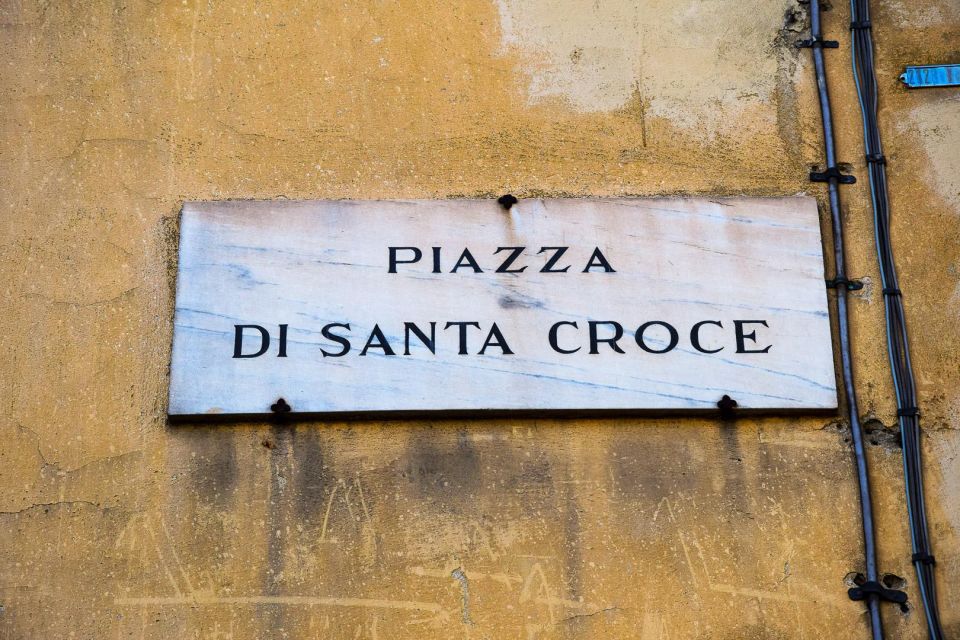
The tour runs with a live guide in English and Turkish, and the group is capped at 8. That combination matters. When people can communicate clearly with the guide, the tour doesn’t stall, and questions can actually get answered.
The guide style has shown up as a major positive in the experience: Valeri/Valerie is singled out for architectural and historical knowledge and for adding small, useful details people wouldn’t catch on their own. There’s also a note about the guide being attentive to participants’ well-being and encouraging questions along the way. That’s exactly what you want on a concentrated 3-hour walk.
The other thing you should know: this is structured enough to be efficient, but flexible enough for questions. That’s the sweet spot for a first visit.
Who should book this tour (and who should think twice)
This tour is a strong fit if you:
- Want a first-time orientation to Florence’s key sights with context
- Like the Medici story and want Renaissance connections tied to real locations
- Appreciate market culture and regional food elements like oil and truffles
- Prefer smaller groups where you can ask questions
You may want to think twice if you:
- Are hoping for guaranteed museum entry included in the price
- Have very strict scheduling that doesn’t allow for the possibility of tour start conditions changing if minimum participation isn’t met
- Want a long, leisurely stroll with minimal content structure (this one is time-efficient)
Should you book Florence Footsteps?
I’d book it if your goal is to leave Florence with a clearer story, not just a pile of photos. The small group size, the landmark sequence in the historic center, and the oil and truffle tasting angle make it feel like more than a standard walking tour.
It’s also a good buy for $55 if you plan to visit museums separately. Think of this as the guide you hire to set up your Florence day—then you take that understanding into Uffizi, Accademia, and the rest of the city at your own pace.
FAQ
FAQ
Where is the meeting point?
The meeting point is at the Uffizi Gallery at Gate 3.
How long is the Florence Footsteps tour?
The tour duration is 3 hours.
Is the tour wheelchair accessible?
Yes, the tour is listed as wheelchair accessible.
What languages is the guide available in?
The live tour guide speaks English and Turkish.
Are museum entry tickets included?
No. Entry tickets are not included.
What is the cancellation policy and can I pay later?
Free cancellation is available up to 24 hours in advance for a full refund, and you can reserve and pay later (pay nothing today).
You Might Also Enjoy


More Tour Reviews in Florence
- Tuscany Day Trip from Florence: Siena, San Gimignano, Pisa and Lunch at a Winery
★ 5.0 · 21,634 reviews - The Best tour in Florence: Renaissance & Medici Tales – guided by a STORYTELLER
★ 5.0 · 12,316 reviews