REVIEW · FLORENCE
Journey Through Time in Volterra – Exclusive Private Tour
Book on Viator →Operated by Luisa Quaglia · Bookable on Viator
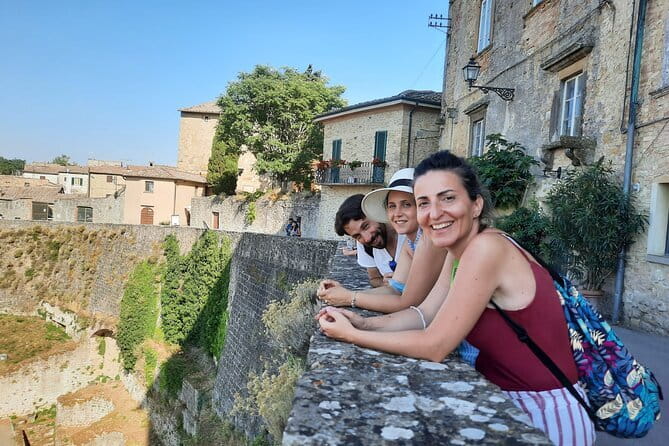
Volterra runs on layers of time. I love how this tour strings together Etruscan, Roman, and medieval stops in a tight 2 hours, and I also love the way Luisa Quaglia keeps it human and question-friendly. One possible drawback: you’ll focus on outdoor viewpoints and key squares, so if you’re craving lots of interior access, this may feel a bit light.
You get the best kind of private setup too: just your group, led by a licensed guide, and you can move at a calm pace without fighting crowds. Since it’s a mountaintop town, plan for some walking on uneven ground and take your time.
The tour ends at Teatro Romano, where the view helps you understand the site fast—no long detours, no racing, just the story laid out clearly.
In This Review
- Key things that make this tour worth your time
- Volterra’s time-machine feel (and why two hours works)
- Starting at Piazza Martiri della Libertà and finding the town’s center
- Piazza dei Priori: the communal-age power you can still see
- Porta all’Arco: an Etruscan gate you’ll actually remember
- The Duomo square without interior tickets: what you gain (and what you skip)
- Teatro Romano viewpoints: understanding the Roman layer fast
- Alabaster time: why the craft belongs in a history walk
- Price and value: $248.05 per group up to 10
- What it feels like: a private tour, but not stiff
- Weather, pacing, and who should choose this
- Should you book this Volterra private tour?
Key things that make this tour worth your time
- A private guide for up to 10 people so questions actually matter, not just at the end
- Porta all’Arco, a rare surviving Etruscan city gate, explained with context you can remember
- Piazza dei Priori and nearby communal-age palaces, with visible traces of older power structures
- Duomo di Volterra square stops only, so you learn how the religious core shaped the town without rushing inside
- Teatro Romano viewpoints that let you understand the Roman layer without going into the site
- Alabaster know-how, tied into how the stone turns into statues
Volterra’s time-machine feel (and why two hours works)
Volterra is a walled, mountaintop town in Italy that’s easier to understand when you’re standing in the right places, in the right order. This tour is built for that. In about two hours, you move through the town’s main historical anchors: an Etruscan gateway, medieval civic spaces, the cathedral area, and a Roman theater viewpoint.
That quick structure is also the practical part. Many towns like this are best enjoyed slowly, but your schedule might not allow that. Here, the payoff is in the walking route plus the explanations that connect eras. I like that the tour doesn’t try to cram in everything—it teaches you how to read the town.
Also, you’re not just collecting facts. Luisa Quaglia’s style centers on conversation. The guide is said to explain in a way that’s clear and lively, the way someone would teach kids. That matters because it makes complex topics feel graspable, and it keeps the whole thing from becoming a lecture you politely endure.
You can also read our reviews of more private tours in Florence


Starting at Piazza Martiri della Libertà and finding the town’s center
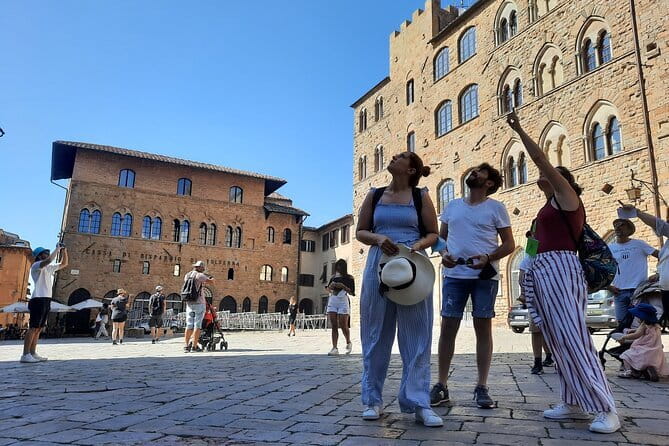
The tour starts at Piazza Martiri della Libertà, Volterra. It’s a solid launch point because it gets you oriented before you jump into specific monuments.
From there, the first big stop is the town’s heart: Piazza dei Priori. Arriving first helps you see Volterra as a place where politics, religion, and daily life all overlap. When you start with the civic square, the later stops make more sense. You’re not just moving from one sight to the next—you’re building a mental map.
Timing is tight enough that you’ll want comfortable footwear. Volterra’s hill-town setting means uneven sidewalks and some slope are part of the deal. You’ll still have breaks at each stop, but it’s not a sit-and-sip tour.
Piazza dei Priori: the communal-age power you can still see
Piazza dei Priori is the center of the city’s communal-age story. This is where you look at the buildings that shaped civic life, especially Palazzo dei Priori and Palazzo Pretorio.
What I like here is that the tour doesn’t treat the square as a pretty backdrop. The focus is on traces still visible from the Communal Age. That phrase matters: it means you’re learning to spot what survived, not just what used to be there.
A practical benefit for you: once you understand what kind of power lived in these buildings, the later religious and Roman stops land differently. You start to see Volterra as a town where different eras didn’t replace each other completely—they layered on top of earlier structures and ideas.
Potential drawback: you’ll spend only about 20 minutes in this stop. If you’re the type who wants to linger and read every plaque on your own, you might feel a bit rushed. But for most people, that timing keeps the tour moving toward the standout monuments.
Porta all’Arco: an Etruscan gate you’ll actually remember
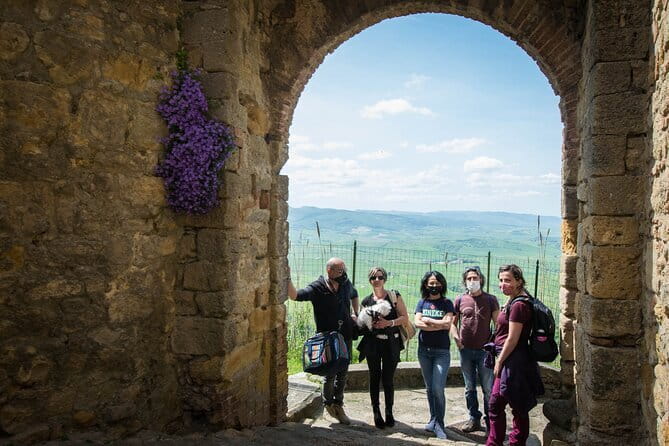
Next comes the most dramatic Etruscan highlight: Porta all’Arco. Volterra was a powerful Etruscan city, and it’s one of those places where archaeology is part of daily sight lines. Porta all’Arco is described as a rare surviving example of an Etruscan city gate, and that rarity is the point.
Here’s why this stop is valuable: a gate isn’t just a stone entrance. It’s a statement about control, movement, and city planning—how a city protected itself and directed visitors. With a guide, you’re not just looking at an old arch. You’re learning what it represented in a larger Etruscan system.
This is also a great moment for photos that feel meaningful, not random. If you’re going to take a handful of shots, this is the one that helps you tell the story later.
One consideration: since the tour’s focus is on explanation from the outside, don’t expect hands-on archaeology. You’re learning to read the structure you can see.
The Duomo square without interior tickets: what you gain (and what you skip)
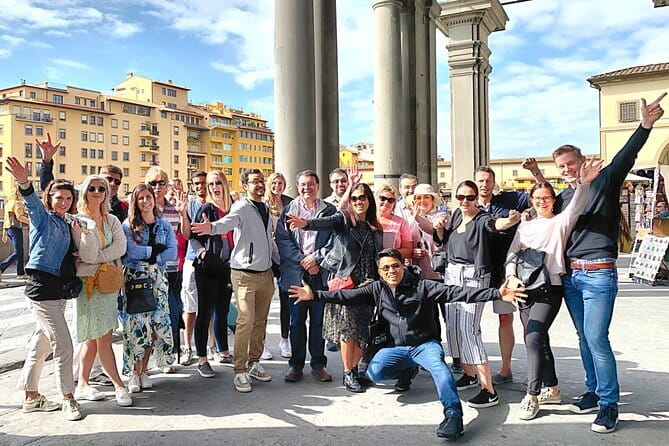
The tour then moves to Cattedrale di Santa Maria Assunta (Duomo di Volterra) area, specifically a visit to the square only. The square overlooks the cathedral complex, including the Baptistery and the former Hospital.
You also get a neat piece of church history here. Volterra is linked to the birth of St. Linus, described as the second pope after St. Peter. The guide connects that early evangelization to the founding of an equally early diocese, which later became influential and wealthy during the Middle Ages and beyond.
This matters because it explains why the religious core mattered so much. It’s easy to look at cathedrals as art objects. A guide helps you see them as institutions that helped shape power and wealth across centuries.
Here’s the trade-off. The tour explicitly does not include going inside the buildings. If interiors, chapels, and ticketed museum spaces are what you usually love, you may want to plan an additional stop on your own after the tour.
Still, for many people, the square-only approach is a smart fit: you get the key context without spending your whole day waiting in lines or managing timed entries.
- The Best tour in Florence: Renaissance & Medici Tales – guided by a STORYTELLER
★ 5.0 · 12,316 reviews




Teatro Romano viewpoints: understanding the Roman layer fast
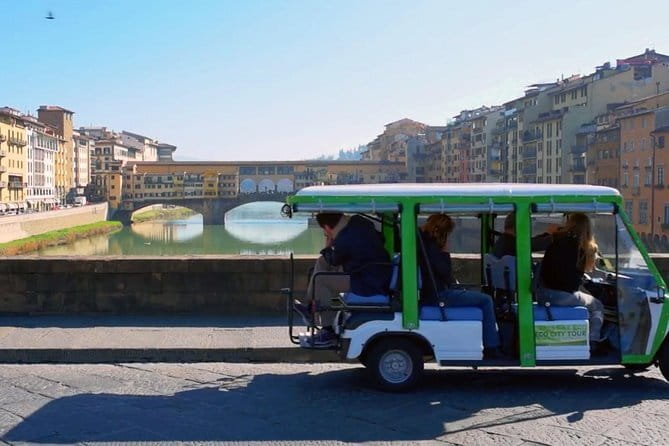
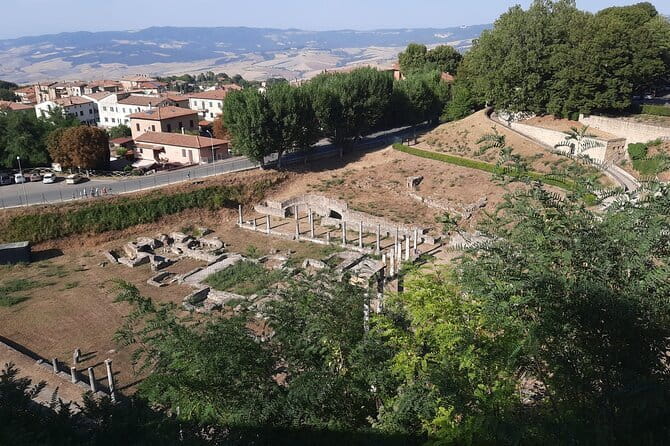
The tour finishes at Teatro Romano, with an explanation from a vantage point that helps you understand the site without going inside. That approach is surprisingly effective.
Volterra remained important after Roman conquest, and the Roman story isn’t only about the theater. The tour connects it with other findings associated with Roman life, including baths. When you see the theater and hear how it fits into Roman civic culture, it stops being a lone monument and becomes part of how the town functioned.
The best part is that the ending viewpoint also sets you up to enjoy Volterra’s panoramic perspective from the town’s elevated position. That’s the kind of payoff that makes a short tour feel complete: you learn and you look, back-to-back.
If you hate crowds, this ending style is also practical. Since you’re not spending time inside, you’re less exposed to peak-time bottlenecks.
Alabaster time: why the craft belongs in a history walk
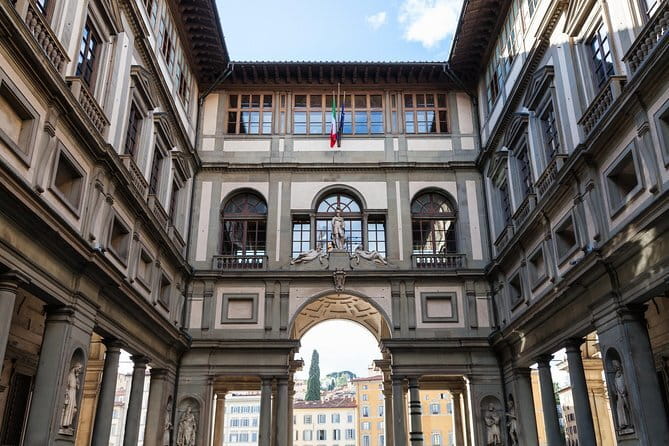
One of the more memorable parts, based on how the tour is explained, is time spent on how alabaster stones are converted into beautiful statues.
That may sound like a detour, but it actually helps you understand Volterra as a working place, not just a museum town. When you hear about materials and transformation, you connect past and present in a tangible way. You start noticing what matters economically and culturally, not just what’s ancient.
If you like art and craft, this portion is a good balance to the civic and religious stops. If you’re only in town for archaeology, you might wonder why it’s included—but it often becomes the part you remember when you look at souvenirs later and realize they’re not random decoration.
Price and value: $248.05 per group up to 10
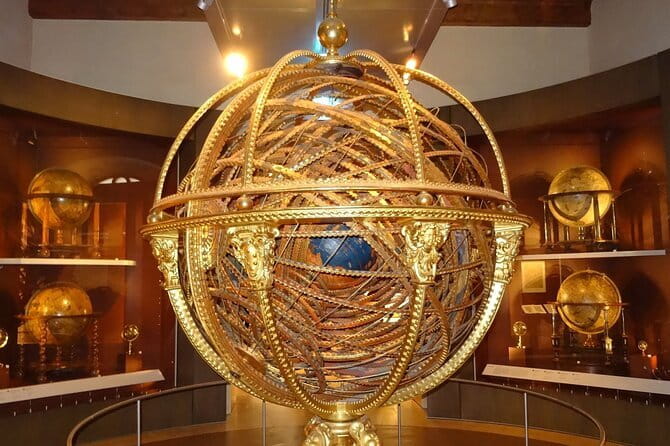
This tour is priced at $248.05 per group (up to 10). That’s the big value lever: you’re not paying per person.
To judge if it’s a deal, think like this. If you fill the group capacity, you’re essentially paying about $24.81 per person. If you’re a smaller group, the per-person cost rises, but you’re still getting a professional, licensed guide for the full time, with a route shaped around Volterra’s key points.
Also consider what you’re buying. You’re buying interpretation—someone to connect Porta all’Arco, civic palaces, the Duomo square context, and the Roman theater into one understandable story. For short stops in towns like this, a guide can easily outperform self-guided wandering, especially when you’re there for only a couple of hours.
A practical note: private transportation isn’t included. So you’ll want to plan how you’ll get to Volterra and back on your own. If you’re coming from Florence, build in extra time for your travel logistics.
What it feels like: a private tour, but not stiff
This is a private tour/activity, with only your group participating. That changes the vibe. Instead of hoping the guide notices your question, you’re more likely to get real back-and-forth.
Luisa Quaglia’s explanation style is described as energetic and content-heavy, yet friendly. The best tours like this don’t just tell you what something is. They help you ask better questions. Here, you can ask many questions and get answers that connect topics, rather than treating each stop as a separate chapter.
In other words, it doesn’t feel like a checklist. It feels like learning how Volterra got built the way it did.
Weather, pacing, and who should choose this
This tour requires good weather, which makes sense because it’s primarily an outdoor walking route. If skies look unreliable, keep an eye on forecasts and have a plan for rescheduling if needed.
It’s also designed so that most people can participate, and service animals are allowed. The exact walk length isn’t listed, but you should assume a short, steady stroll between stops and some time standing for viewpoints.
Who this suits best:
- You want a focused 2-hour introduction to Volterra’s layers
- You like guided explanations that help you look smarter at monuments
- You’re traveling with family or a mixed group and want a guide who can handle lots of questions
- You’d rather understand fewer sites deeply than skim many from a distance
Who might want to think twice:
- You really want to go inside major sites during your tour (this one is square and viewpoint focused)
- You hate walking, even light walking, given Volterra’s hill-town setting
Should you book this Volterra private tour?
If you want a smart, time-efficient way to understand Volterra—Etruscan to Roman to medieval civic and church life—this is an easy yes. The route is tight, the guide is licensed, and you end with the kind of viewpoint that makes the whole story click.
I’d book it if:
- You’re visiting for a short window and want the highlights explained in context
- You value a private atmosphere where you can ask questions
- You’re open to a mix of monuments and local craft context like alabaster
I’d hesitate if:
- You’re aiming for lots of interior sightseeing during the tour itself
- Weather is very unpredictable for your dates and you can’t be flexible
If that sounds like your trip, take the leap. Volterra rewards you most when you show up with a guide who helps you see what’s really in front of you.
You Might Also Enjoy

More Private Tours in Florence


More Tours in Florence
- The Best tour in Florence: Renaissance & Medici Tales – guided by a STORYTELLER
★ 5.0 · 12,316 reviews



More Tour Reviews in Florence
- Tuscany Day Trip from Florence: Siena, San Gimignano, Pisa and Lunch at a Winery
★ 5.0 · 21,634 reviews - The Best tour in Florence: Renaissance & Medici Tales – guided by a STORYTELLER
★ 5.0 · 12,316 reviews