REVIEW · FLORENCE
Florence: Uffizi Gallery Guided Tour
Book on GetYourGuide →Operated by Vivicos International Travel · Bookable on GetYourGuide
Two hours can feel like a Renaissance reset. This Florence Uffizi guided tour is built for fast entry, clear explanations, and the museum’s biggest visual hits, with time to actually take them in. You’ll move through standout works tied to the changing art world of the period, plus get Florence views that make the visit feel extra connected.
I especially like the skip-the-line setup through a separate entrance, because waiting in long security queues is the least fun part of Uffizi planning. I also like how the guide spotlights major masterpieces like The Birth of Venus alongside other crowd magnets, so you’re not just collecting names on a wall.
The one thing to consider is timing around the building: even with a shortcut, security checks during peak season can still take longer. Plan to arrive at the meeting point about 10 minutes early so you don’t cut it close.
In This Review
- Key highlights you’ll actually feel during the tour
- Where to start at Piazzale degli Uffizi and how to meet your host
- Skip-the-line entry: what you gain and what you still need to respect
- Botticelli’s Florence: The Birth of Venus and Primavera
- Michelangelo meets Caravaggio: power, realism, and contrast
- Raphael and Titian: Madonnas, myth, and the art of staying power
- The guide matters: how the best tours turn art into something you can talk about
- Views over Florence: the short break that makes the whole visit feel connected
- Timing and pace: can you really see the Uffizi highlights in 1.5 to 2 hours?
- Price and value: is $130 per person a smart use of time?
- Who should book, and who might be happier going without a tour
- Should you book this Florence Uffizi guided tour?
- FAQ
- Where do I meet the host for the Uffizi tour?
- How long is the Florence Uffizi Gallery guided tour?
- What’s included in the ticket price?
- Do you offer skip-the-line entry?
- What languages are the live guides?
- What’s the cancellation policy, and are kids allowed?
Key highlights you’ll actually feel during the tour
- Skip-the-line entrance into the Uffizi so you spend more time looking and less time waiting
- Small-group or private options for a more personal pace inside the galleries
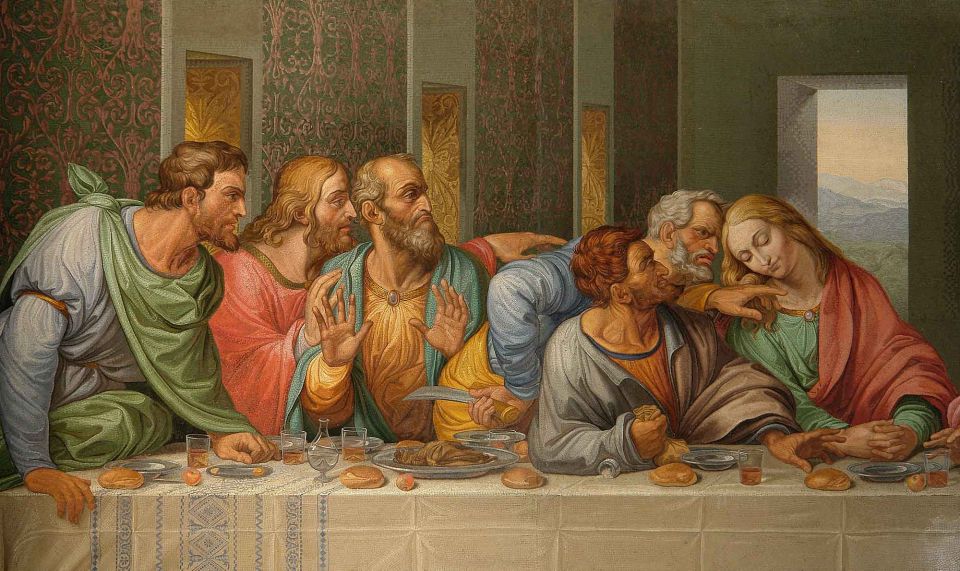
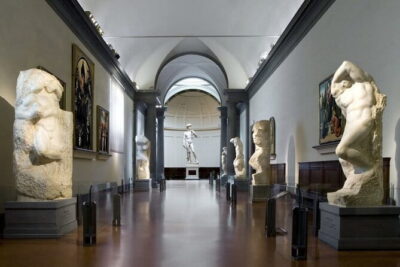
- Big-name art in a focused route covering Botticelli, Michelangelo, Caravaggio, Raphael, and Titian
- Story-first explanations that connect brushstrokes to artists, themes, and Florence
- Live guide in English, Italian, or Spanish to match your comfort level
- Florence views that give you a quick change of scenery before you return to the art
Where to start at Piazzale degli Uffizi and how to meet your host
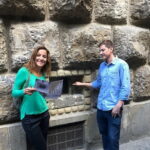
You’ll begin at Piazzale degli Uffizi, outside the museum area, and you meet your host in front of the Andrea Obgagna Statue. Look for the first statue on the left, in the corner area between Piazzale degli Uffizi street and Via della Nina street.
This meeting point matters because it helps you avoid the classic scramble of wandering the plaza while everyone else is already funneling toward the entrance. Give yourself a little buffer. The tour runs about 1.5 to 2 hours, and early minutes help the rest of the visit feel calm.
If you’re arriving from elsewhere in Florence, aim to get there before your official start time. Once the group is formed, you’ll head to the separate route for entry, and you don’t want to be the person slowing things down.
You can also read our reviews of more guided tours in Florence
- The Best tour in Florence: Renaissance & Medici Tales – guided by a STORYTELLER
★ 5.0 · 12,316 reviews
Skip-the-line entry: what you gain and what you still need to respect
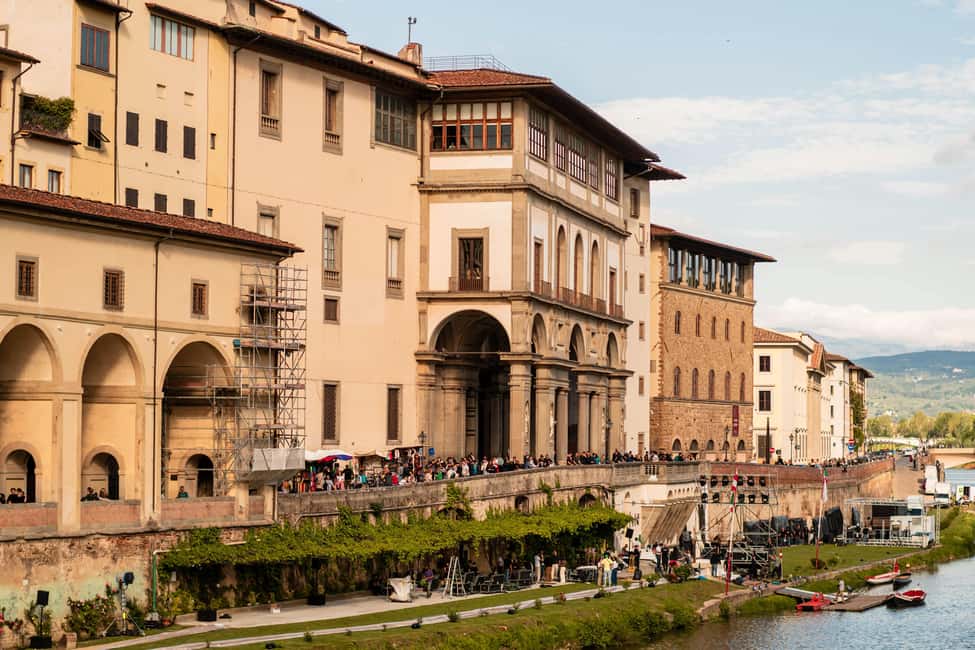
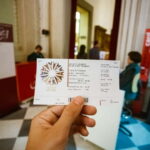
The headline feature is skip-the-line entrance to the Uffizi through a separate entrance. In practical terms, this usually means you avoid the most frustrating waiting that comes from entering with general crowds.
Still, the museum includes security screening, and during high season that can take longer than you’d hope. So the smart move is to treat security as real—even if you’re skipping one line. Arrive early and keep your ID ready, especially if you’re traveling with kids.
Inside the gallery, the benefit of skip-the-line becomes obvious: more of your paid time turns into looking at art, not standing around. For most people, that’s the difference between a tour that feels satisfying and one that feels rushed.
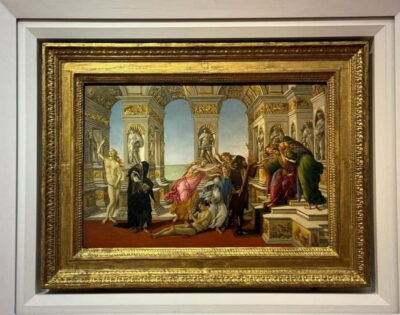
Botticelli’s Florence: The Birth of Venus and Primavera
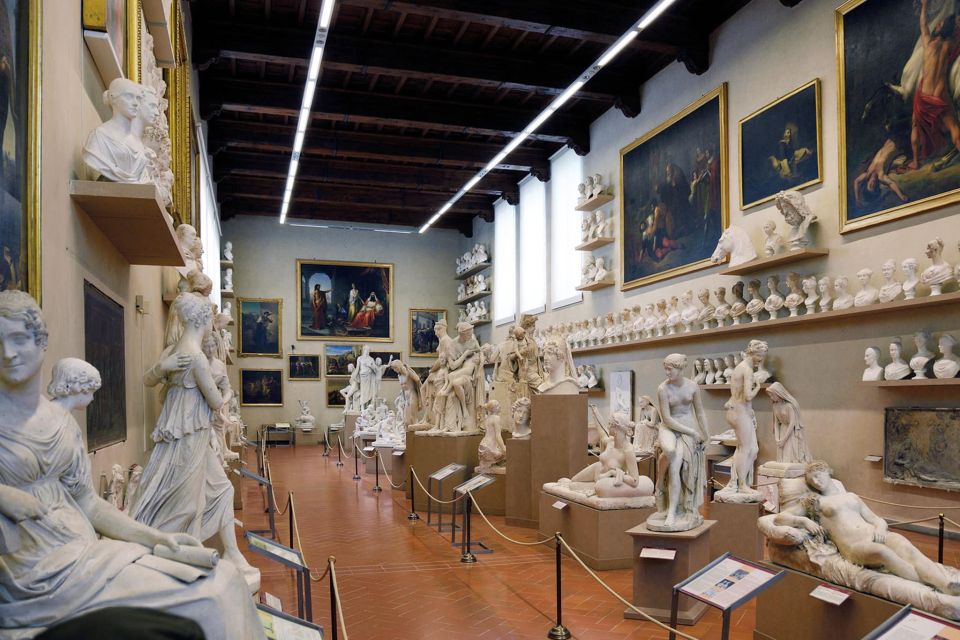
The Uffizi’s Botticelli rooms are where many first-time visitors suddenly get why Renaissance art still pulls people in. This tour leans into that feeling by centering on Botticelli’s The Birth of Venus—a painting that’s all about mood, symbolism, and that precise balance between myth and style.
You’ll also spend time with Botticelli works like Primavera. That pair matters. It lets you see how Botticelli could move between famous myth scenes and more complex, layered visual storytelling. A good guide helps you spot the repeated concerns: ideal beauty, classical references, and the way figures are arranged to create rhythm.
One reason this part works so well on a guided format is that the painting details can feel busy if you don’t know what to look for. With a guide, you’re more likely to notice the choices that create the overall effect—how gesture and composition carry the story.
Watch for: the way the guide frames the figures and setting. When explanations connect the myth to the era, you’ll start seeing the painting as something more specific than beautiful.
Michelangelo meets Caravaggio: power, realism, and contrast
The tour’s middle stretch is where the emotional temperature shifts. You’ll get a look at Michelangelo’s Tondo Doni, and then move into the punchy realism tied to Caravaggio.
Michelangelo’s Tondo Doni is the kind of work that can impress you even if you’re not an art specialist. The circular format concentrates attention, and the guide’s job is to help you understand why that structure matters. The focus is on the subject and the presence of the figures—how Michelangelo’s choices make the image feel immediate.
Then Caravaggio brings drama. The tour highlights his dramatic realism, which is a helpful phrase because it tells you what to watch: lighting, strong contrasts, and the sense of scenes feeling staged in a more direct, physical way.
This pairing of artists is smart for your brain. It shows how “Renaissance” isn’t one uniform look. You move from ideal form and masterful structure to a more urgent, human intensity. That contrast is exactly what makes a guided session feel worth it.
Practical tip: if you tend to get tired in museums, this is a good time to stay alert. Switching from Michelangelo’s sculptural feel to Caravaggio’s visual impact keeps you from zoning out.
Raphael and Titian: Madonnas, myth, and the art of staying power
Raphael and Titian are often called the “later crowd favorites,” but what you’ll enjoy here is how the guide treats them as more than famous names. You’ll see works such as Raphael’s Madonna of the Goldfinch, and Titian’s Venus of Urbino.
Raphael’s Madonna of the Goldfinch gives you a chance to slow down. The subject invites attention to faces, expression, and the way small elements can change the feeling of a scene. With a guide, you’ll understand what makes the work compelling beyond its beauty.
Then Titian delivers a different kind of pull. Venus of Urbino is about sensuality and presence, but the tour approach keeps it grounded in what the work is doing visually and why viewers in its era would have responded the way they did. You’re not just looking at a figure; you’re looking at how Titian builds mood and texture with paint.
The payoff of covering Raphael and Titian in one guided run is that you come away with a clearer sense of the Uffizi as a story of artistic progression. Even in a short visit, you get a sense of shifting styles and shifting tastes.
You can also read our reviews of more museum experiences in Florence
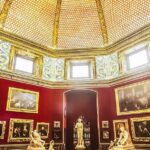


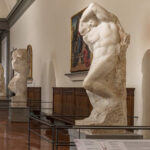
The guide matters: how the best tours turn art into something you can talk about
The tour is guided by a live expert, and language options include English, Italian, and Spanish. That flexibility is more important than it sounds. If you can follow the explanation without straining, you’ll remember more and you’ll enjoy the paintings longer.
Guides like Tommy have a reputation for connecting the works to the people and the city of Florence itself, not just listing details. Another guide name that comes up often is Ivano, who tends to make the museum feel organized and worth your time by focusing on key notes you might otherwise miss.
What you want from a guide in the Uffizi is simple: help you see. That means practical attention cues, like where to look for compositional structure, what symbols might be doing, and how themes connect across artists. When a guide does that well, the museum stops feeling like a wall of masterpieces and starts feeling like a set of conversations.
Also, since the format is private or small groups, you’re less likely to feel lost. You can ask questions, and the pace is more realistic for a 1.5-hour plan.
Views over Florence: the short break that makes the whole visit feel connected
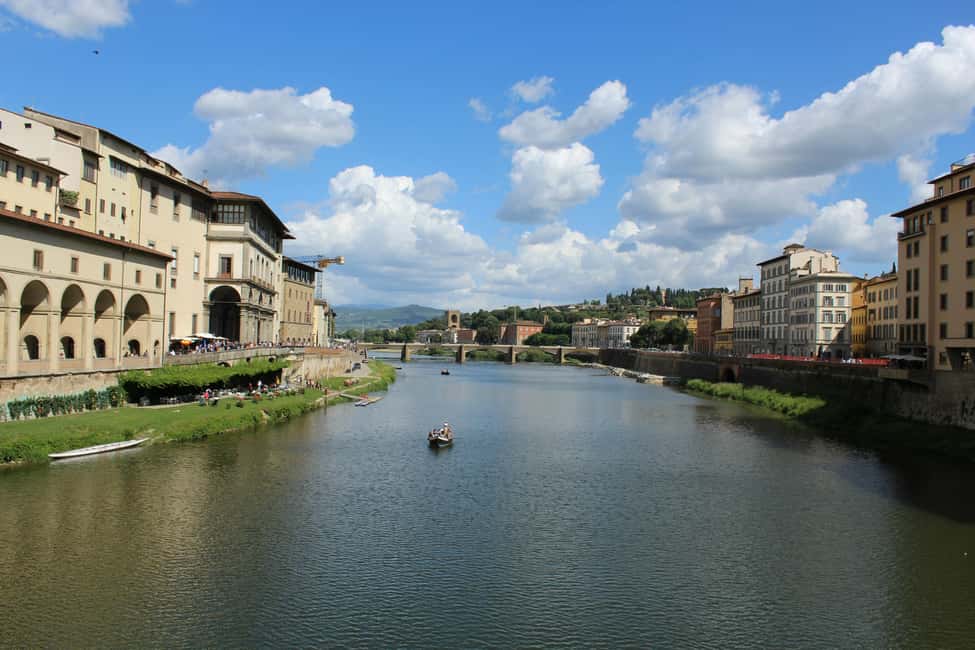
Even though the Uffizi is indoor-heavy, the tour includes time tied to stunning Florence views. This isn’t just a nice postcard moment. It helps your day. A change in scenery refreshes your attention, so the paintings feel clearer when you return.
You also get a better sense of the setting that created this art. Florence wasn’t just a backdrop; it’s part of the story, and a guide who links works to the city makes that connection stick. When you look out over Florence and then return to Renaissance masterpieces, the museum becomes less abstract.
If you plan to do more sightseeing after, this is also a useful transition. You’ll finish with momentum, knowing you’ve covered the Uffizi’s core highlights with structure.
Timing and pace: can you really see the Uffizi highlights in 1.5 to 2 hours?
You’re signing up for a short, high-focus experience, about 1.5 hours with a bit of flexibility up to around 2 hours depending on the group and timing. That’s not a full museum takeover. The value is precision.
This format works best if you want the most famous works and the most helpful explanations without spending a full day inside. The guide’s job is to decide what to prioritize, and that’s where you feel the benefit of the tour: you don’t have to guess what’s worth your limited time.
For first-timers, this can be perfect. You’ll leave knowing why Botticelli, Michelangelo, Caravaggio, Raphael, and Titian matter, not just that they are famous. For people who already know the art, it can still work because it provides a route and commentary that keeps your attention sharp.
Consider this drawback: if you’re the type who likes to linger in every room, you may feel you’re moving too fast. In that case, a longer self-guided plan might better match your style.
Price and value: is $130 per person a smart use of time?
The price is $130 per person, and what you’re paying for is not just entry. The tour includes skip-the-line entrance and an expert guide.
Let’s be real about museum value: time in Florence can be expensive, and the Uffizi can eat hours if you arrive unprepared. For many visitors, avoiding the worst entry delays is worth a meaningful chunk of the cost by itself. Then you add guided interpretation, which helps you understand the works you came to see.
You don’t need to budget for food because food and drinks aren’t included. You also shouldn’t count on logistics help like hotel pickup and drop-off, since those aren’t included.
If you’re traveling solo and want a focused plan, small-group or private formats can feel especially efficient. If you’re traveling with others who want a guided route to keep everyone on the same schedule, this setup can reduce friction.
Who should book, and who might be happier going without a tour
This tour fits you best if you:
- want key masterpieces without planning a detailed route
- appreciate explanations that connect art to artists and Florence
- prefer a small-group or private pace over wandering alone
You might choose differently if you:
- want to spend hours in the museum at your own rhythm
- are okay accepting you might miss some context and focus cues
- dislike any chance of time pressure around security lines in peak season
One more practical detail: unaccompanied minors aren’t allowed, and you’ll need an ID for children (passport or ID card). If you’re traveling with kids, you’ll want to confirm everyone in your party meets the rules before you set off.
Should you book this Florence Uffizi guided tour?
Yes, I’d lean toward booking if your goal is to leave the Uffizi feeling informed rather than overwhelmed. The combination of skip-the-line entry, a tight 1.5–2 hour focus, and highlights like Botticelli, Michelangelo, Caravaggio, Raphael, and Titian is exactly the kind of payoff that tends to justify the cost.
It’s also a smart move for your schedule. If you only have one shot at the Uffizi, this tour gives you structure and interpretation that help your memory stick.
If your dream Uffizi day is hours of unhurried wandering, then you may find the tour format too concentrated. But for most people planning a Florence trip, this is a strong way to get the museum’s core hits with guidance.
FAQ
Where do I meet the host for the Uffizi tour?
Meet your host at the Andrea Obgagna Statue in Piazzale Degli Uffizi. It’s the first statue on the left, in the corner between Piazzale degli Uffizi street and Via della Nina street.
How long is the Florence Uffizi Gallery guided tour?
The tour lasts about 1.5 to 2 hours.
What’s included in the ticket price?
The price includes skip-the-line entrance and a live expert guide.
Do you offer skip-the-line entry?
Yes. The tour includes skip-the-line entrance through a separate entrance.
What languages are the live guides?
The live tour guide is available in English, Italian, and Spanish.
What’s the cancellation policy, and are kids allowed?
You can cancel up to 24 hours in advance for a full refund. Unaccompanied minors are not allowed, and children should bring a passport or ID card.
You Might Also Enjoy


More Guided Tours in Florence
- The Best tour in Florence: Renaissance & Medici Tales – guided by a STORYTELLER
★ 5.0 · 12,316 reviews
More Tours in Florence
- The Best tour in Florence: Renaissance & Medici Tales – guided by a STORYTELLER
★ 5.0 · 12,316 reviews



More Tour Reviews in Florence
- Tuscany Day Trip from Florence: Siena, San Gimignano, Pisa and Lunch at a Winery
★ 5.0 · 21,634 reviews - The Best tour in Florence: Renaissance & Medici Tales – guided by a STORYTELLER
★ 5.0 · 12,316 reviews