REVIEW · FLORENCE
Florence by Night Photo Tour with a Professional Photographer
Book on Viator →Operated by YourDreamPictures by Eva Perocsenyi · Bookable on Viator
Florence looks different after the sun sets. This Florence by Night Photo Tour has you out after sunset, using the city’s changing light to sharpen your photos. You’ll move through classic spots while the sky shifts from blue hour into night.
What I love most is the hands-on way Eva Perocsenyi teaches. She gives practical night-photo ideas that work whether you shoot with a traditional camera or your phone’s built-in settings. The pacing also feels patient and encouraging, so first-timers don’t get left behind.
One possible drawback to plan for: you need to bring your own camera or cellphone. The guide is there to help you shoot and learn, but photo equipment isn’t provided.
In This Review
- Key highlights I’d plan around
- Price and value: what $156.03 buys you for two hours
- Starting at the right moment: downtown after sunset
- Stop 1: Cathedral of Santa Maria del Fiore at night
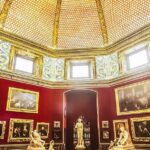
- Stop 2: Uffizi—what you can photograph without going inside
- Stop 3: Ponte Vecchio and the night-reflection factor
- Stop 4: Piazza della Signoria—big space, controlled framing
- Stop 5: Piazza della Repubblica—street lights and nighttime textures
- The 3-hour option: Piazzale Michelangelo when the view is the prize
- What the guide actually does for your photos (not just where you stand)
- Photography focus vs. art history: how to set your expectations
- Who this tour suits best (and who might not)
- Practical tips to get more out of your night tour
- Quick take: should you book Florence by Night with Eva Perocsenyi?
- FAQ
- How long is the Florence by Night Photo Tour?
- Is this tour private?
- What is included in the tour price?
- Do I need to bring my own camera or cellphone?
- Does the tour include art and history explanations?
- What happens if the weather is bad?
Key highlights I’d plan around
- Blue hour starts right after sunset so you get that magic sky-to-night transition.
- Stop-by-stop shooting guidance at iconic Florence locations like the Duomo, Ponte Vecchio, and Piazza della Signoria.
- Camera and phone instruction together (including built-in phone features).
- Two tour lengths: a 2-hour downtown night walk or a 3-hour option that can include Piazzale Michelangelo.
- Private, flexible feel with your group only.
- Photo focus over art history (you’ll learn how to photograph, not get a museum lecture).
Price and value: what $156.03 buys you for two hours
At $156.03 per person for a roughly 2-hour night tour, you’re not paying for a long checklist of sights. You’re paying for something more specific: a professional photographer guiding your timing, framing, and camera/phone choices in Florence’s low-light conditions.
That matters because night photography is where many people struggle. Bright daytime landmarks can turn tricky after dark—light is lower, contrast changes fast, and reflections on stone and water become part of the scene. This tour is built around that reality, with a guide who helps you translate what you see into a photo you’ll actually want to keep.
You also get flexibility in how you experience it. The tour offers two durations (2 hours or 3 hours), and there’s a private option for more tailored attention. If you’re traveling with someone who wants sightseeing and someone else who wants photography instruction, this format keeps both needs moving at once.
You can also read our reviews of more evening experiences in Florence
Starting at the right moment: downtown after sunset
The 2-hour downtown night tour starts right after sunset. That timing is the whole point. Florence has a short window where the light is soft enough for architecture to look dramatic, but not yet fully dark. You’ll be working with the “blue hour” glow and then shifting into darker nighttime looks.
This is also why you should wear practical shoes. The tour is a walking experience, and you’ll have moderate physical fitness. The meeting point is in a walking-only area (not reachable by car), so plan to arrive on foot or with a short walk from where you can park or drop off.
If you’re the type who likes to wander and chase great photos, you’ll probably enjoy the structure here. It’s not a random stroll. It’s a route timed for photography, so you’re not guessing when the light will be best.
Stop 1: Cathedral of Santa Maria del Fiore at night
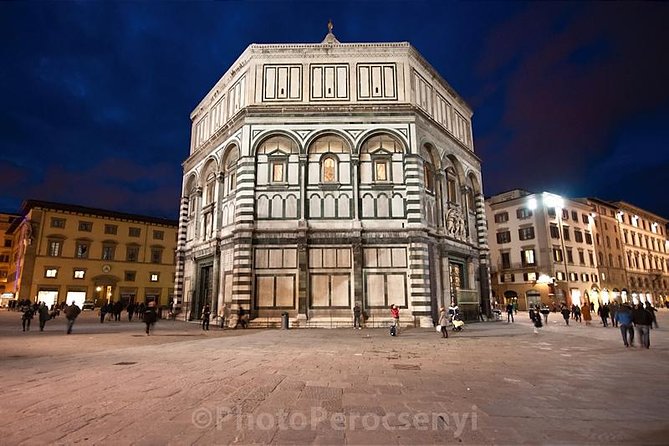
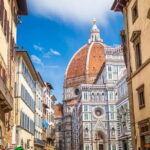
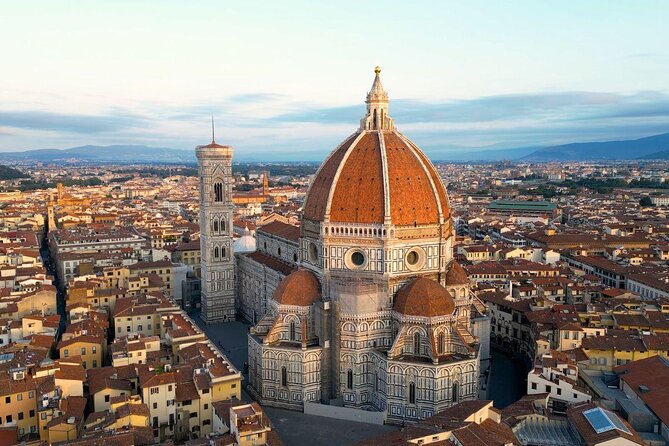
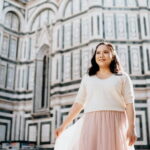
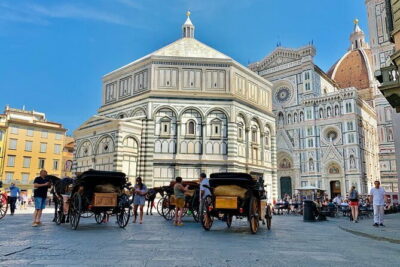
Your first major stop is the Cathedral of Santa Maria del Fiore (the Duomo). At night, the cathedral changes character. Daytime gives you scale; evening gives you mood.
This stop is valuable because it teaches you how to handle bright points of light and darker surrounding areas. In practice, you’ll get guidance on how to compose the cathedral so it doesn’t just become a bright blob. You’ll also have chances to adjust your angle and framing as the sky darkens—exactly the kind of timing lesson most people can’t learn by themselves on the fly.
One thing I’d keep in mind: Florence attracts crowds here. Night is calmer than midday, but the area still gets busy. If you want cleaner shots, listen for the guide’s suggestions on positioning and timing during the walk.
Stop 2: Uffizi—what you can photograph without going inside
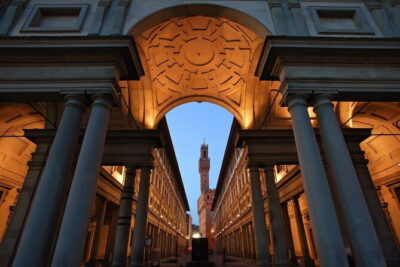
Next up is the Uffizi area. Even if you’re not doing an inside visit, the surroundings give you plenty to work with: building facades, street depth, and the way city lights reflect onto stone.
The tour’s strength is that it doesn’t treat this like a museum-stop photo. You’re learning how to see as you walk—how to use line, symmetry, and perspective to make a recognizable Florence scene feel more personal. One review highlight I really take seriously: the guide helped people create architectural images and try unusual compositions. That’s the kind of coaching that makes the Uffizi stop useful even if you’re only photographing the exterior environment.
If you’re a first-timer with your camera or phone at night, this is also a good mid-tour moment to test what you’ve been taught. You can practice your new framing ideas without it feeling like you missed the main event.
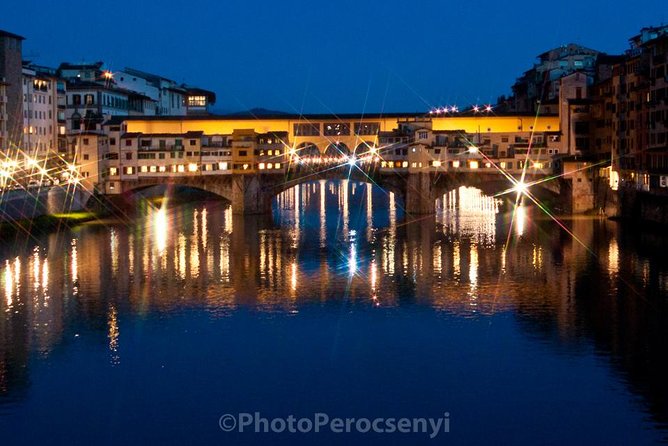
Stop 3: Ponte Vecchio and the night-reflection factor
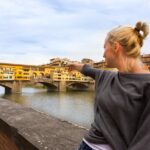
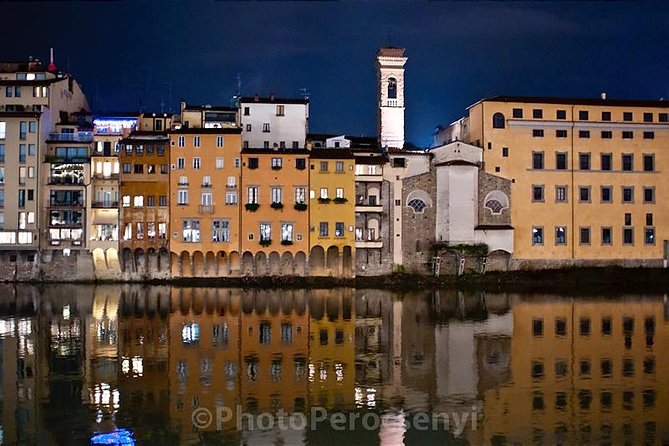
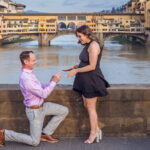
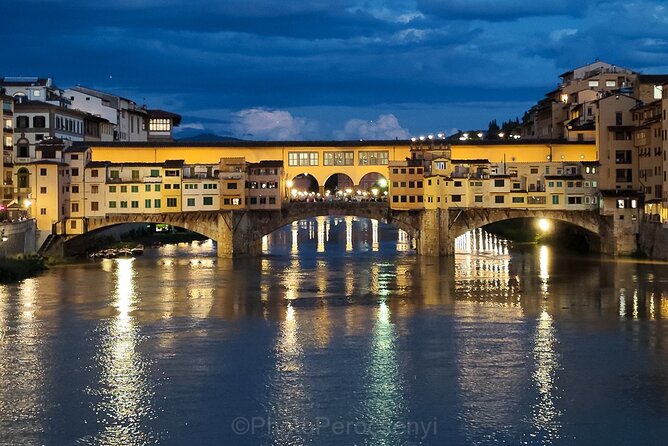
Then you hit Ponte Vecchio. At night, bridges become photography class. You get strong lighting, plus reflections that can turn a simple scene into something more cinematic.
This stop is particularly good for learning how to think beyond the obvious shot. The most satisfying photos usually come from angles that include the bridge with the right amount of background depth, or from compositions that use the water’s reflections as a leading element. With a professional photographer guiding you, you’re less likely to just point your camera and hope.
If you’re using a cellphone, Ponte Vecchio is still worth it. Night phone photos can be hit or miss, but the guide’s phone-specific coaching is a big reason this tour works for mixed camera groups.
You can also read our reviews of more photography tours in Florence

Stop 4: Piazza della Signoria—big space, controlled framing
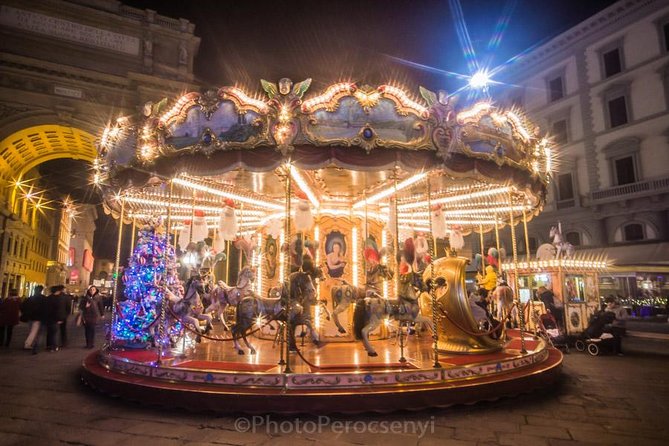
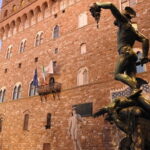
Piazza della Signoria is a wide open square. That’s great for night photography, because you can build a photo with strong geometry—buildings, statues, and street lighting all create patterns.
The challenge in big squares is that it’s easy to overfill the frame. With instruction, you learn how to choose what to include and what to leave out. You’ll get help thinking about perspective so the scene feels intentional instead of busy.
This stop also helps you “lock in” your skills for the last part of the tour. If you’ve been experimenting with composition and camera/phone settings, you can refine in a place that’s visually complex.
Stop 5: Piazza della Repubblica—street lights and nighttime textures
The tour ends back at the meeting point, and Piazza della Repubblica is one of the last major stops. This square can give you a different feel than the earlier stops: more street-level lighting and a slightly different mood shift as the city gets darker.
I like this as a final photo teaching moment because it’s where you can practice smaller framing choices. Instead of chasing the biggest landmark, you start looking for texture, light patterns, and how the square’s surroundings shape your composition.
If you’re someone who tends to take one photo per stop, this is where the guide’s approach helps you slow down and get a few stronger variations.
The 3-hour option: Piazzale Michelangelo when the view is the prize
If you choose the 3-hour evening tour with view, you add a climb to Piazzale Michelangelo. The season matters for timing—sunset varies—so your best shots often depend on that day’s light schedule.
This option is worth considering if you want Florence as a whole: rooflines, the dark shapes of buildings, and the way street lights stitch the city together. It’s also a good complement to the earlier stop sequence. The downtown route teaches you architecture and framing. Piazzale Michelangelo teaches you city scale.
Plan for more walking and a bit more effort if you’re not used to hills. If you’re traveling with someone who wants the sweeping view more than the close-up details, this longer option can be the best compromise.
What the guide actually does for your photos (not just where you stand)
This tour is marketed around a professional photographer guide, and the best part is that the help isn’t limited to camera talk. You’ll get tips and techniques for night photography for any skill level, and the coaching applies whether you’re shooting with a traditional camera or a cellphone.
Here’s what that looks like in real terms, based on what the tour experience emphasizes:
- You get guidance on taking better architectural images, with an emphasis on angles and composition.
- You get phone-specific help, including using built-in functions rather than treating a phone like a toy.
- You learn how to improve photos you already took, with practical takeaways you can use after the tour.
One review detail that resonates: the guide is patient with beginners and can work through camera settings and phone options for different people at once. That’s ideal if you’re traveling with a partner who wants different results—one person may focus on settings; another just wants to make the phone produce cleaner night shots.
Photography focus vs. art history: how to set your expectations
This walking tour does not include a guided city tour or information about art and history. That’s not a flaw if you’re there for photography. It does mean you should adjust your expectations: you’re not paying for a lecture about Florence’s masterpieces.
Instead, you’re paying for skill-building in one of the hardest times to photograph the city. If you want both photo coaching and deeper cultural context, you may want to pair this with another Florence activity that’s designed specifically for art and history.
Who this tour suits best (and who might not)
This is a strong match for:
- You if you love Florence’s landmarks but want better night photos than you can get on your own.
- You if your group includes mixed camera types (phone and camera).
- You if you enjoy structured time outdoors, timed for the blue hour shift.
It may be less ideal if:
- You only want casual sightseeing and don’t want to think about photography at all.
- You’re not comfortable with walking at night or you prefer a fully seated experience.
- You show up with no working camera or cellphone ready to shoot.
Practical tips to get more out of your night tour
A few things I’d do before you go, to maximize your results:
- Check that your camera/phone is charged. Low light can drain batteries faster.
- Bring what you normally use to shoot at night. Since equipment isn’t provided, you can’t swap gear on the spot.
- Wear shoes you can stand in comfortably. Night photography includes waiting a bit for the light to change.
- If you’re using a phone, make sure you know where your camera controls are. The guide can help you use built-in options, but you’ll get more out of it if you’re ready to follow along.
- Come with curiosity. This tour works best when you’re willing to try a different angle instead of repeating the same postcard shot.
Quick take: should you book Florence by Night with Eva Perocsenyi?
Yes, if you want Florence with a photo-first plan and you care about learning what makes night images look good. This experience is built for the blue hour window, uses iconic stops like the Duomo, Ponte Vecchio, and major squares, and is designed to help both camera users and phone users.
If you don’t care about photography improvement, or you’re hoping for an art-and-history guide, you might feel under-served. But if your goal is to leave with better night shots and clear takeaways you can use the rest of your trip, it’s a smart use of time.
FAQ
How long is the Florence by Night Photo Tour?
There are 2-hour and 3-hour options. The 2-hour downtown night tour runs for about 2 hours after sunset, and the 3-hour evening tour adds a view option that may include Piazzale Michelangelo.
Is this tour private?
Yes. It’s private, and only your group will participate.
What is included in the tour price?
A professional photographer guide is included.
Do I need to bring my own camera or cellphone?
Yes. Photo equipment is not provided, so you should bring your camera or cellphone.
Does the tour include art and history explanations?
No. The walking tour does not include a guided city tour or information about art and history. The focus is on photography tips and techniques.
What happens if the weather is bad?
This experience requires good weather. If it’s canceled due to poor weather, you’ll be offered a different date or a full refund.
You Might Also Enjoy
More Evening Experiences in Florence

More Tours in Florence
- The Best tour in Florence: Renaissance & Medici Tales – guided by a STORYTELLER
★ 5.0 · 12,316 reviews

More Tour Reviews in Florence
- Tuscany Day Trip from Florence: Siena, San Gimignano, Pisa and Lunch at a Winery
★ 5.0 · 21,634 reviews - The Best tour in Florence: Renaissance & Medici Tales – guided by a STORYTELLER
★ 5.0 · 12,316 reviews