Florence clicks when someone points out the story behind the stone. This private walking tour of Florence’s key monuments connects the squares, palaces, and bridges in a way that helps you understand why the city looks the way it does.
I love the nonstop guide-led context you get along the route—so Piazza della Signoria, the Medici power centers, and the Duomo area feel less like random landmarks and more like one connected chapter. One thing to plan around: the tour focuses on exteriors only, and if you want to enter the cathedral, dress for the rules (no shorts or sleeveless tops).
In This Review
- Quick Highlights You’ll Actually Notice
- Why This 2-Hour Florence Walk Works So Well
- Meeting at Accord Tours and Getting Oriented Fast
- Santa Croce: A Church Stop With Big Personal Stories
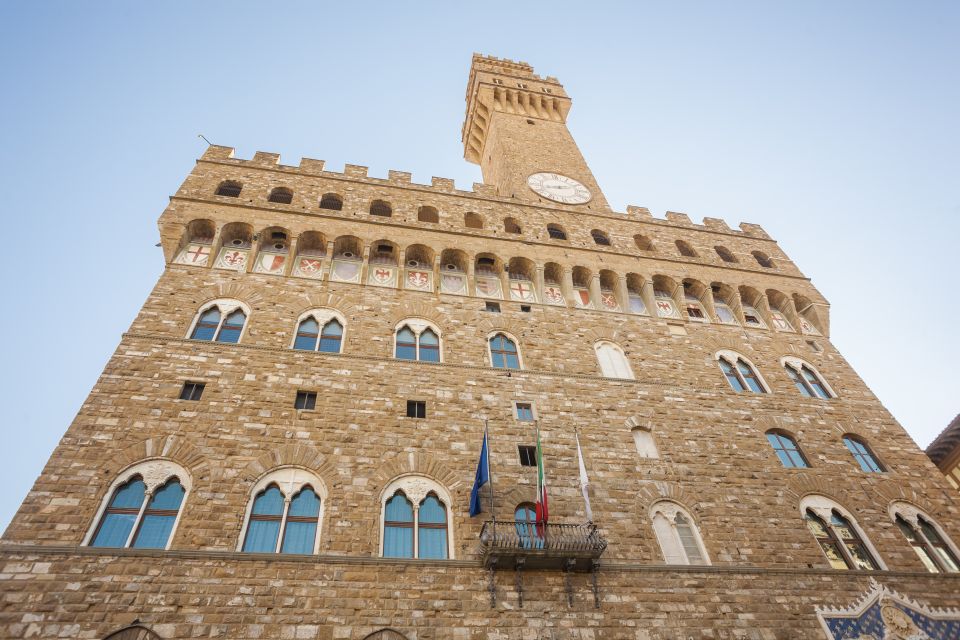
- Piazza Signoria, Neptune’s Fountain, and Palazzo Vecchio
- Ponte Vecchio: The Bridge That Always Draws a Crowd
- Palazzo Pitti: Medici Life in Stone
- Via Maggio and Ponte Santa Trinita: Walking the City’s “In-Between”
- Strozzi Palace and Piazza della Repubblica: Renaissance Ideas in Public Space
- The Duomo Complex: What You Get Without the Ticket Rush
- Guide Style: Why Private Tours Feel Different in Florence
- What’s Included, and What You Should Plan Around
- Who This Tour Fits Best (and Who Should Rethink It)
- Should You Book This Private Florence Walking Tour?
- FAQ
- How long is the Florence private walking tour?
- Where do you meet for the tour?
- Are you able to go inside the cathedral and other monuments?
- What dress code applies for the Duomo/cathedral?
- What languages are the guides?
- Is the tour wheelchair accessible?
Quick Highlights You’ll Actually Notice
- A tight 2-hour route that hits Florence’s main “photo landmarks” without turning into a checklist.
- Santa Croce, Signoria, and the Duomo area linked together so you start seeing the city’s patterns.
- Ponte Vecchio to Pitti Palace: the medieval bridge to Medici-era living, explained in plain language.
- Via Tornabuoni for fashion-window stroll vibes—where Florence’s old money meets modern style.
- Short guided stops (about 10 minutes each) that keep the pace lively, especially if it’s your first day.
Why This 2-Hour Florence Walk Works So Well
A 2-hour walk in Florence can feel either perfect… or rushed. This one is built for the sweet spot: you cover a real slice of the historic center, but you also get enough guided time at each stop to make sense of what you’re seeing.
You’ll start in the older core near the meeting location by Accord Tours (door number 8). Depending on your exact meetup point, you may begin near Piazza di Madonna degli Aldobrandini or around the Piazza San Firenze area. Either way, the flow is designed to get you oriented fast.
What I like most is that you’re not just walking from one big name to the next. The route ties together the social and political engine of the city—church power, civic power, Medici influence—so the architecture reads like a message, not just scenery. That matters because Florence can overwhelm you if you’re trying to “figure it out” alone.
You can also read our reviews of more walking tours in Florence
Meeting at Accord Tours and Getting Oriented Fast
The meeting point is very specific: Door number 8 – Accord Tours, with the tour operating around central Florence coordinates. The tour notes that the itinerary may shift depending on the meeting point, which is normal in a place where streets and crowd flow change block by block.
Plan to arrive a few minutes early so you can get sorted and start smoothly. Bring comfortable shoes—Florence stone is gorgeous, and it’s also unforgiving after a few hours.
This is a private group, so you’re not stuck with a crowd shoulder-to-shoulder. In practice, that means your guide can set the pace for your group, slow down when you’re stopping for photos, and answer questions without the usual race-again rhythm.
If you’re sensitive to audio, keep one practical thing in mind. One past group reported that an audio device picked up too much street noise. That’s not guaranteed, but if you’re the type who really needs clear guidance, ask your guide how they handle hearing on busy streets.
Santa Croce: A Church Stop With Big Personal Stories
The tour begins with Santa Croce, and this is more than a quick exterior glance. You’ll get a guided orientation that frames the site as a monument full of meaning—especially because it’s associated with important people laid to rest there.
Santa Croce works well early in the walk because it gives you a cultural “anchor.” Florence isn’t only art galleries and marble faces; it’s also civic identity, faith, and memory. Once you understand that, the rest of the stops start to click.
Even if you’re not going inside, you’ll still walk away knowing what to notice: the relationship between the church and the city’s broader story, and why this corner of Florence matters beyond its postcard look. It’s the kind of start that makes the next squares feel less random.
Piazza Signoria, Neptune’s Fountain, and Palazzo Vecchio
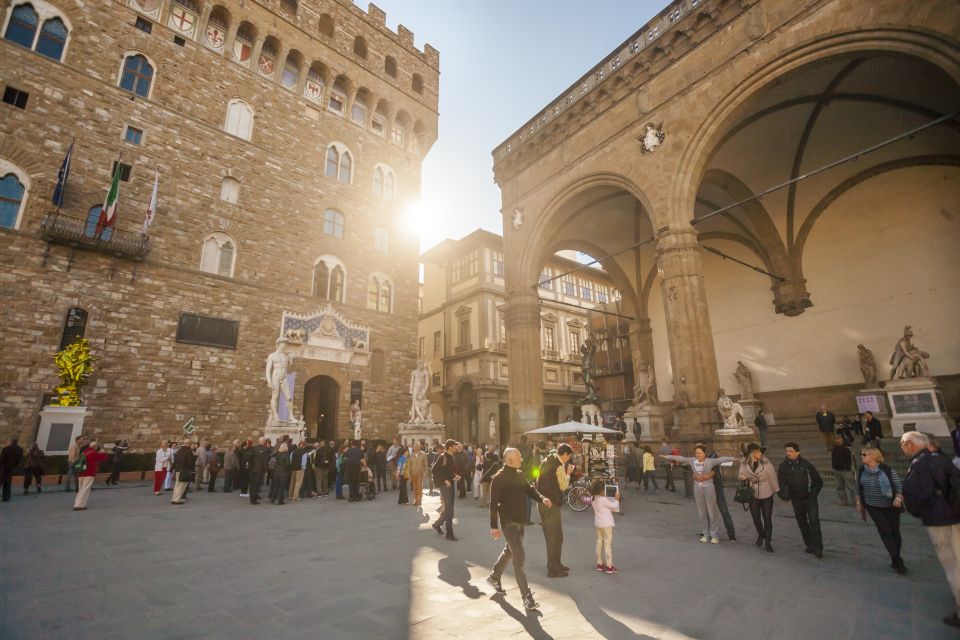
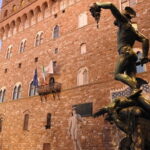
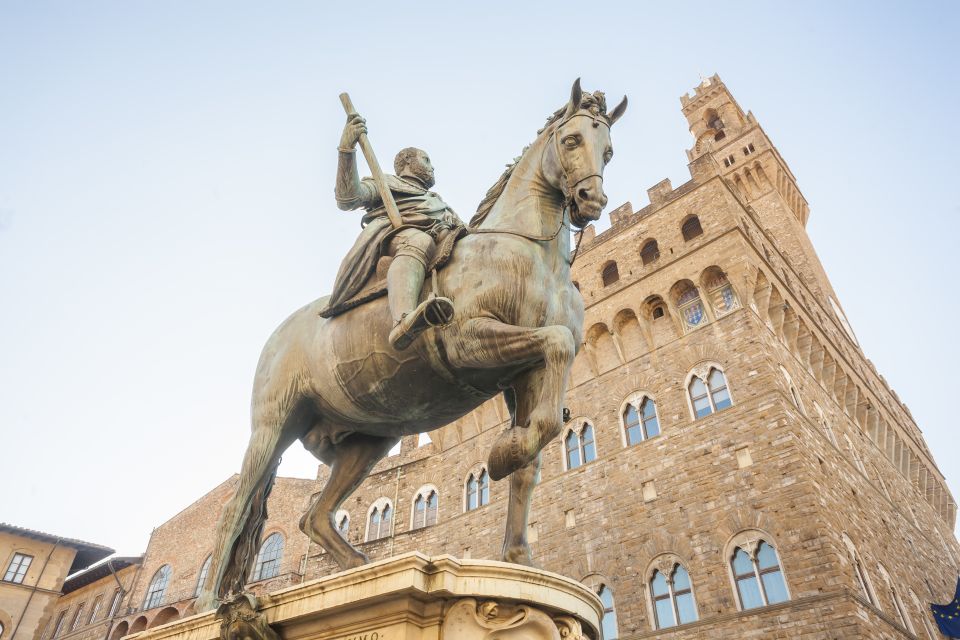
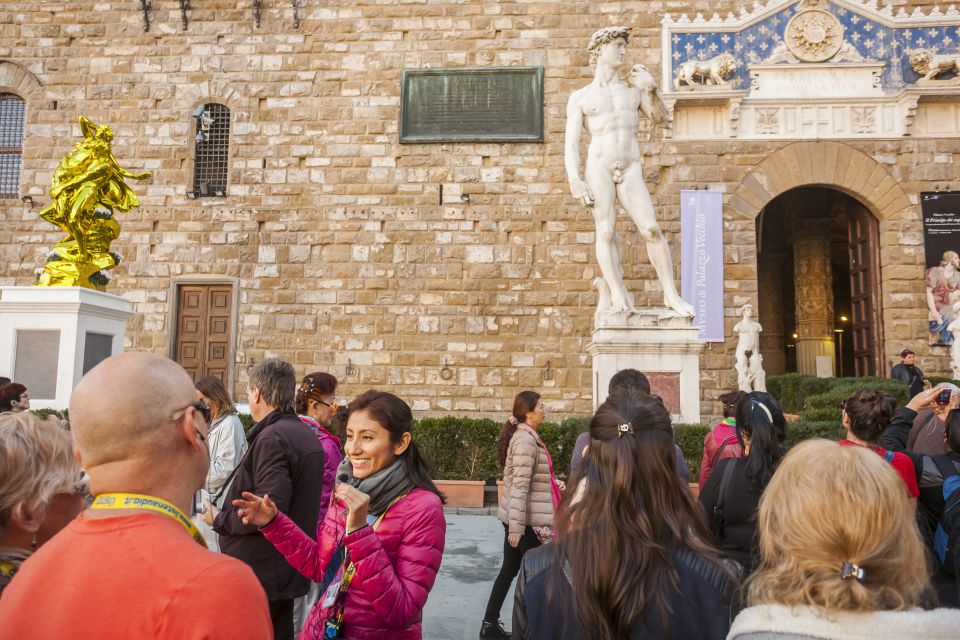
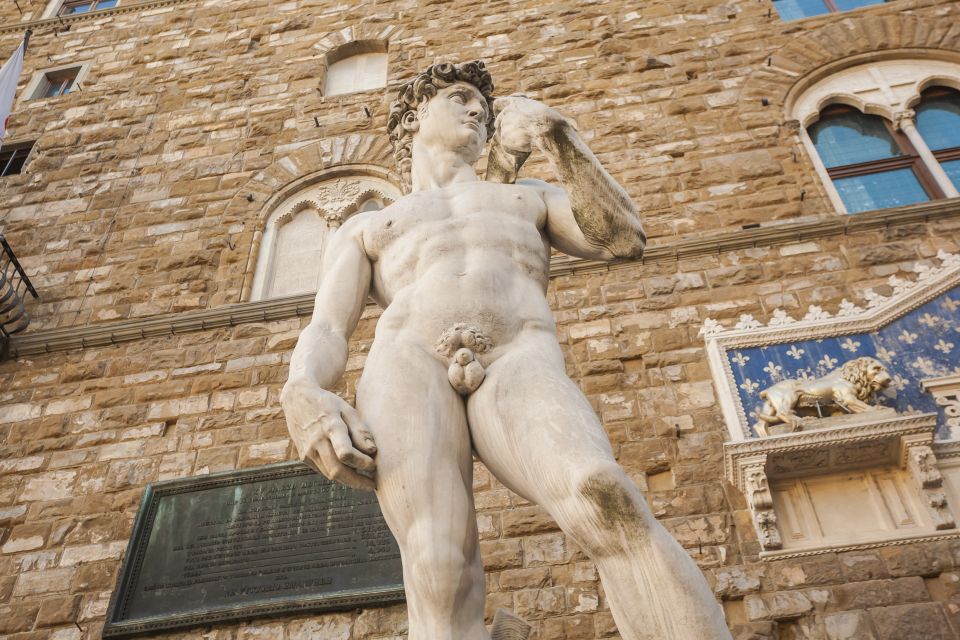
Next comes Piazza della Signoria, one of the city’s most dramatic outdoor stages. You’ll spend time around key sights like Neptune’s Fountain and the Palazzo Vecchio, and your guide will connect them to the larger arc of Florence’s public life.
This area is where “Florence the city” becomes “Florence the government.” Palazzo Vecchio isn’t just an impressive façade. It’s a symbol of civic power, and the plaza is the stage where that power shows itself.
Neptune’s Fountain is another good example of why guided time matters. Without context, you might just see a handsome sculpture. With a guide, you start seeing the message choices—why that figure, why that placement, and how sculpture and politics share space here.
One of the strongest themes from guide feedback is how they keep tours lively without turning them into a lecture. Guides such as Giacomo, Claudia, and Giulio are repeatedly praised for making the connections clear and the answers easy to follow.
Ponte Vecchio: The Bridge That Always Draws a Crowd
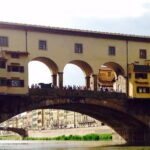
Now for the moment almost everyone recognizes: Ponte Vecchio. You’ll cross it on foot with a guided explanation of why it became famous—especially its medieval reputation and the jewelry shops that line the bridge.
What makes Ponte Vecchio worth your time isn’t only the views. It’s the contrast: a historic bridge tied to everyday commerce now sits inside one of the most tourist-saturated corridors in Florence. Your guide helps you read what you’re seeing—why the bridge looks this way and why it matters in the city’s evolution.
Even in a short stop, you can learn how Florence balanced function and style, and why certain spaces stay central across centuries. You’ll also get built-in photo moments so you’re not sprinting from angle to angle.
You can also read our reviews of more private tours in Florence




Palazzo Pitti: Medici Life in Stone
After crossing, you’ll reach Pitti Palace (Palazzo Pitti). This is your “Medici chapter” moment—because Pitti functioned as a major residence associated with the Medici family, and it shows how power turned into architecture.
Even with exteriors-only viewing, you’ll get a guided sense of scale and placement. It helps you understand the logic of the city’s layout: power wasn’t hiding in a back street. It stood in view, meant to be seen.
This stop is also useful if you’re the type who plans future museum time. The tour gives you enough orientation that later, when you see Medici connections elsewhere, they won’t feel random. You’ll know what you’re looking at and why it connects.
Via Maggio and Ponte Santa Trinita: Walking the City’s “In-Between”
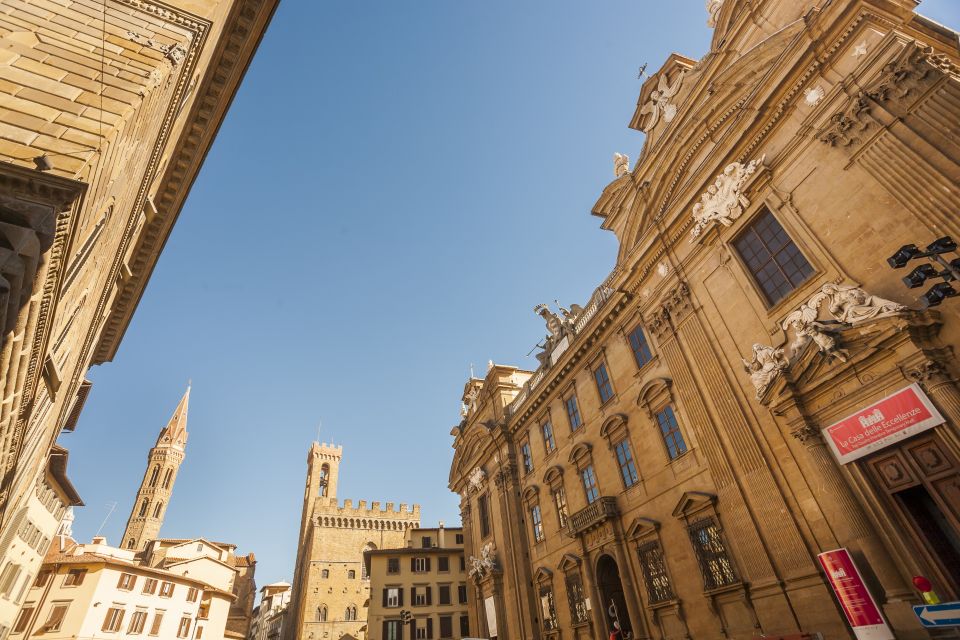
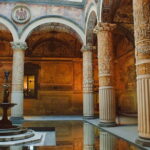
The walk then circles back toward the Arno and the historic center along Via Maggio and Ponte Santa Trinita. These segments matter because they show you the city’s texture—street geometry, sightlines, and the way neighborhoods connect.
This is also where the tour includes Via Tornabuoni, famous for fashion boutiques. It’s a fun shift from heavy monuments to something more modern, but it still fits the Florence story. You can watch how old grandeur and current style share the same streets.
Think of this portion as your brain’s decompression. You’re still learning, but the walk feels more like strolling than museum-hopping. And you’ll likely notice how easy it is to get from one famous square to the next when you know the route.
Strozzi Palace and Piazza della Repubblica: Renaissance Ideas in Public Space
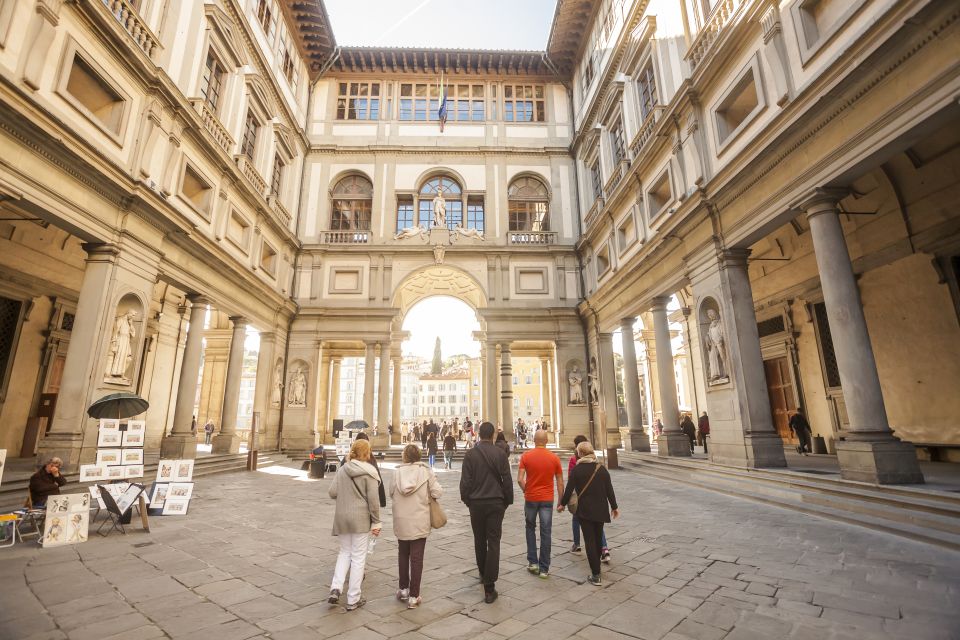
Next up: Strozzi Palace, which is often described as a prototype of Renaissance architecture. The guide time here is short, but the point is big: you learn how Renaissance design signals a shift in taste, ambition, and how architecture “speaks” to viewers.
Then you’ll move toward Piazza della Repubblica, another key square that helps you connect the dots between Florence’s older core and the city’s broader evolution. Piazza Repubblica is also a practical landmark for navigation—if you plan your own side trips later, knowing where it sits relative to the Duomo area saves time.
Short guided stops here work because you’re building a mental map. You’re learning what each place is good for—photos, orientation, future exploration, or just a quick break to watch life move.
The Duomo Complex: What You Get Without the Ticket Rush
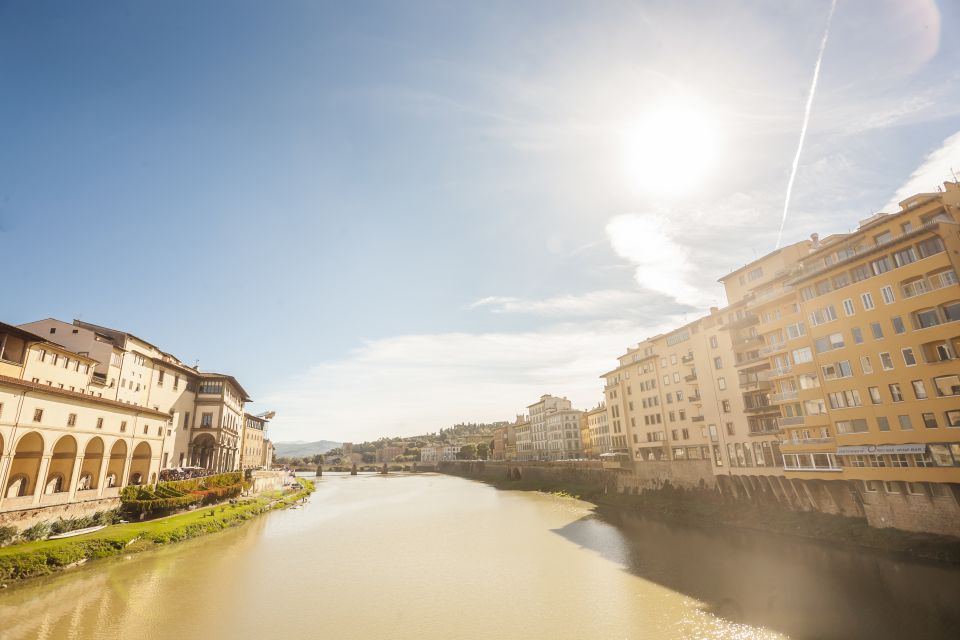
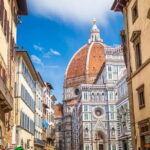
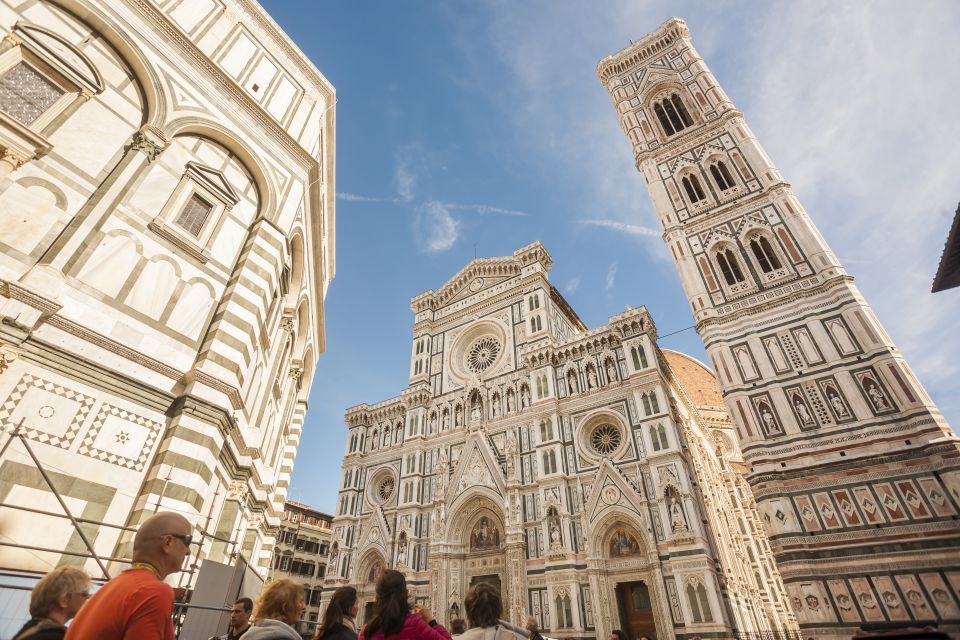
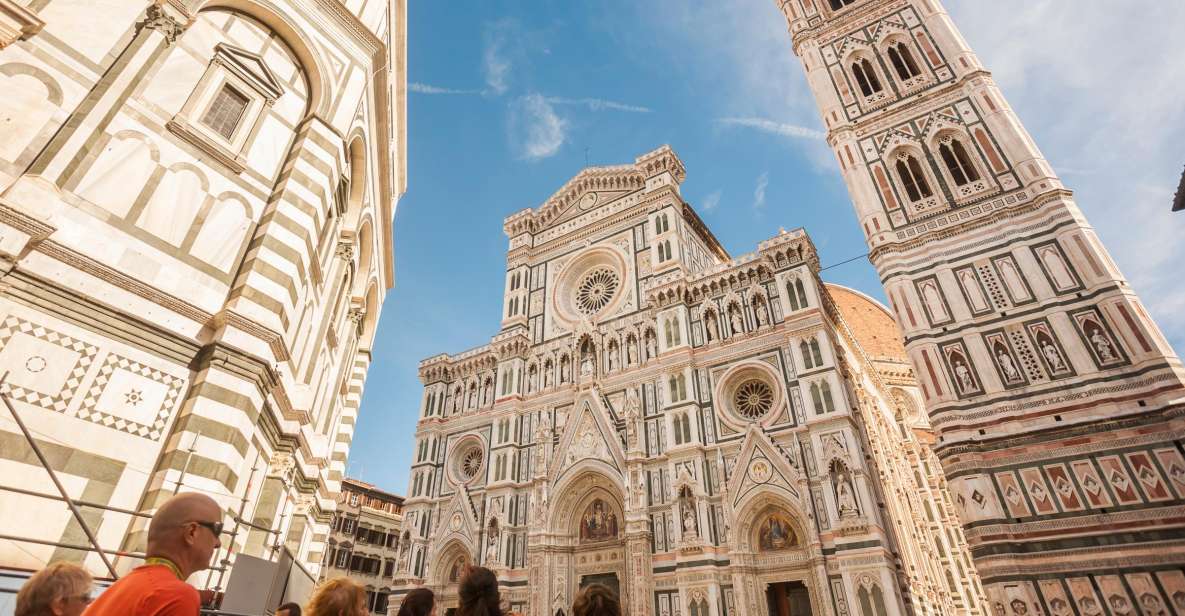
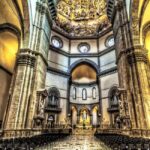
The final highlight is the Florence Duomo complex area. You’ll get a guided moment that focuses on the cathedral’s monumental presence—its shape, scale, and why it’s become the city’s defining silhouette.
Important reality check: the tour notes that visits to the mentioned monuments are exteriors only. So you should expect viewpoints and architecture talk, not interior time.
Still, this ending is smart. After covering squares and palaces, you arrive with context. The Duomo doesn’t feel like a sudden detour—it feels like the destination that ties the civic and spiritual story together.
If you do plan to enter the cathedral on your own later, note the dress rule: no shorts or sleeveless tops. Even if your tour stop is exterior viewing, it’s good to keep this in mind for any add-on you might want.
Guide Style: Why Private Tours Feel Different in Florence
This is where the tour earns its high satisfaction rate. The most praised aspect is how guides communicate. Names that show up in past groups include Claudia, Giacomo, Ilaria, and Giulio—each described as engaging, with strong English, and good at answering questions.
What you’re really buying with a private format is control over pace. The guide can keep you together on narrow streets, slow down at the points you care about most, and add the kinds of details that make you see a building’s surface as the result of choices.
Some groups also mention tours that felt especially welcoming to kids, with guides like Claudia reportedly keeping attention on younger travelers. If you’re traveling with children, this kind of guided structure can prevent the whole day from becoming a “stand still, take photo, move on” loop.
And yes—many guides try to add a small edible ending. You might receive a gelato stop or vouchers near the end. One group reported a gelateria voucher wasn’t accepted, so treat this as a nice bonus, not a guaranteed restaurant name.
What’s Included, and What You Should Plan Around
Here’s the plain version: you get a 2-hour private guided walking experience, with live guides in English and Italian. You spend time at major sights—Santa Croce, Bargello area, Piazza Signoria/Palazzo Vecchio/Neptune’s Fountain, Ponte Vecchio, Pitti Palace, Strozzi Palace, Piazza Repubblica, and the Duomo complex—mostly as exterior viewing with guided explanation.
Also, the tour notes that the exterior focus includes monuments named along the route. So if you’re hoping for long indoor museum time, you’ll need a separate ticketed plan.
If you love architecture and want a confident first-day map, this works. If you want deep interiors, it’s the wrong tool. The tour is built for orientation and storytelling, not for replacing museum hours.
Who This Tour Fits Best (and Who Should Rethink It)
This tour is best for you if you want a guided “big picture” walk on your first day. It’s also a great fit if you enjoy the way cities work—how power, art, religion, and street layout connect.
It’s also solid for couples and small groups who want to ask questions and not feel rushed. Because it’s a private group, it won’t feel like you’re fighting for attention.
One caution: the activity is listed as wheelchair accessible, yet it’s also marked as not suitable for people with mobility impairments. Florence’s streets are narrow and uneven, and this contradiction likely means the operator is drawing a line based on practical movement needs. If mobility is part of your planning, you should check directly what “wheelchair accessible” means for this specific walk and whether the route is workable for your pace.
Finally, anyone short on time benefits. Two hours is enough to learn where everything is—so later, you can choose your longer stops without getting turned around.
Should You Book This Private Florence Walking Tour?
If you’re looking for a smart first-day plan, I’d book it. You’ll cover major sights in a logical flow, and the guided explanations turn famous places into meaningful stops.
I’d hesitate only if you want full interior access, or if mobility constraints make uneven streets hard. Since the experience is exteriors only, it’s also not the best choice if your priority is museum galleries over outdoor architecture.
If your goal is to understand Florence fast—how the Medici era, civic power, and religious landmarks shaped the city—this private walk is a strong value use of time. You’ll end the tour with a clearer mental map and better instincts for what to tackle next.
FAQ
How long is the Florence private walking tour?
The tour lasts 2 hours.
Where do you meet for the tour?
You meet at Door number 8 – Accord Tours. The coordinates are 43.774654388427734, 11.252745628356934. There are also starting location options listed, including Piazza di Madonna degli Aldobrandini.
Are you able to go inside the cathedral and other monuments?
The visit to the mentioned monuments includes exteriors only.
What dress code applies for the Duomo/cathedral?
It is prohibited to enter the cathedral in shorts or a sleeveless top.
What languages are the guides?
The live tour guide is available in English and Italian.
Is the tour wheelchair accessible?
The activity is listed as wheelchair accessible, but it is also marked as not suitable for people with mobility impairments. If you’re planning around mobility needs, it’s worth checking carefully before booking.
You Might Also Enjoy


More Walking Tours in Florence
More Tours in Florence
- The Best tour in Florence: Renaissance & Medici Tales – guided by a STORYTELLER
★ 5.0 · 12,316 reviews



More Tour Reviews in Florence
- Tuscany Day Trip from Florence: Siena, San Gimignano, Pisa and Lunch at a Winery
★ 5.0 · 21,634 reviews - The Best tour in Florence: Renaissance & Medici Tales – guided by a STORYTELLER
★ 5.0 · 12,316 reviews