REVIEW · FLORENCE
Florence: Occult & Esotericism Walking Tour For The Curious
Book on GetYourGuide →Operated by Florence Tours by Made of Tuscany · Bookable on GetYourGuide
Florence has a darker side. This 3-hour walking tour turns the city into a puzzle, with esoteric symbols you’re meant to spot on churches and stonework, plus stories tied to deaths and punishments. I like how the tour name-checks real Florence landmarks and then pushes you to look at them with fresh, suspicious eyes.
My favorite part is the payoff: the route threads major squares and streets, then finishes with a visit to the Museum of Masonic Symbols, where you can actually study ritual-style objects covered in engraved and embroidered markings. One possible drawback: if you want extra-close, technical decoding of every facade detail and code, you may find the experience more story-forward than symbol-by-symbol, monument-by-monument analysis.
If you end up with Susanna as your guide, that’s been a standout from past groups, with praise focused on her warmth and strong delivery. Plan for the basics too: comfy shoes, comfortable clothes, and rain or shine walking.
In This Review
- Key highlights I’d plan around
- A symbol hunt route through Florence’s main squares
- What you’ll notice right away
- Piazza San Marco and the Neoplatonic thread in Cosimo de’ Medici’s Florence
- Why this opener works
- Santa Croce, Santa Maria Novella, and the Baptistery’s Latin palindrome
- Practical tip for this segment
- Piazza della Signoria: Savonarola’s 1498 end and the cost of belief
- Consideration if you prefer lighter tours
- Ponte Vecchio, Oltrarno, and the darker tradition threads
- How to get the most out of this section
- Arsenic in 1494: Pico della Mirandola and Agnolo Poliziano
- A balancing thought
- Museum of Masonic Symbols: what you actually see and learn
- Why this ending is such a good finish
- Price, pacing, and who gets the most from this 3-hour walk
- Best fit
- Should you book Florence Occult & Esotericism?
- FAQ
- How long is the Florence Occult & Esotericism walking tour?
- Where do I meet my guide?
- Where does the tour end?
- What’s included in the ticket price?
- What languages are available?
- Will the tour run in the rain?
- Is the tour wheelchair accessible?
- What should I bring?
Key highlights I’d plan around
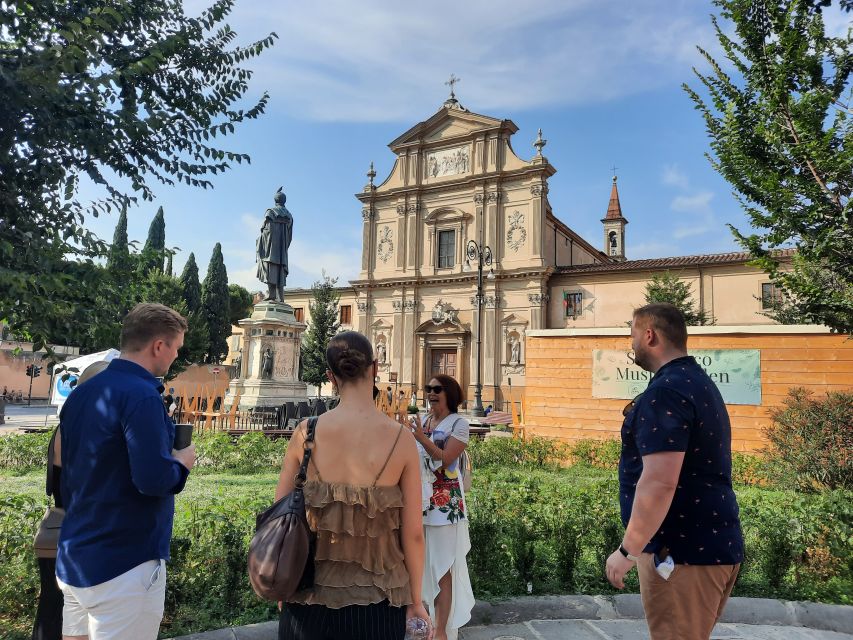
- Santa Croce and Santa Maria Novella facades: you’re trained to notice science-and-symbol mashups on exterior stone
- Piazza della Signoria and the 1498 Savonarola execution story in one intense stop
- Florence Baptistery: a Latin palindrome is mentioned as a lingering mystery you’ll be pointed toward
- Pico della Mirandola and Agnolo Poliziano: the tour connects them to arsenic poisoning in 1494
- Piazza Santissima Annunziata: you’ll be invited to count the bees on the Ferdinand I statue
- Museum of Masonic Symbols: included entrance, plus a guided look at ritual objects marked with etched, embroidered, printed, and engraved symbols
A symbol hunt route through Florence’s main squares
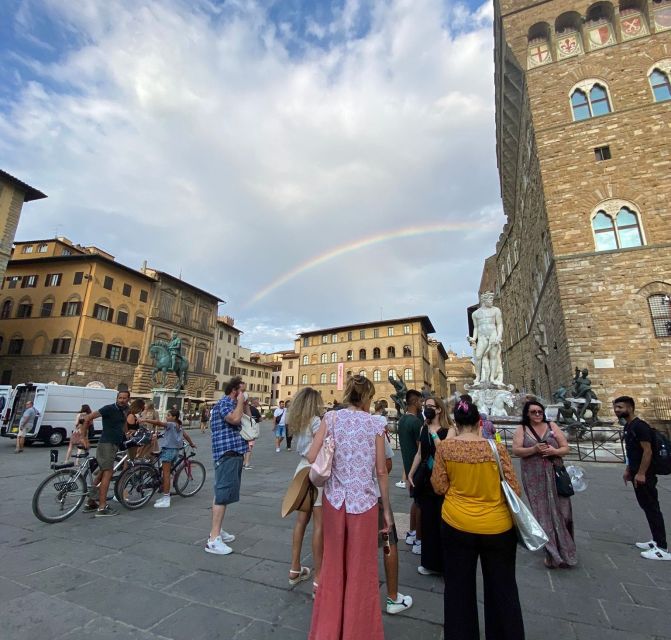
This isn’t the usual Florence greatest-hits tour. You’re not only sightseeing. You’re hunting for meaning—sometimes spiritual, sometimes secretive, sometimes plain unsettling. The guide leads you through Florence’s signature places while asking you to slow down and treat details like clues.
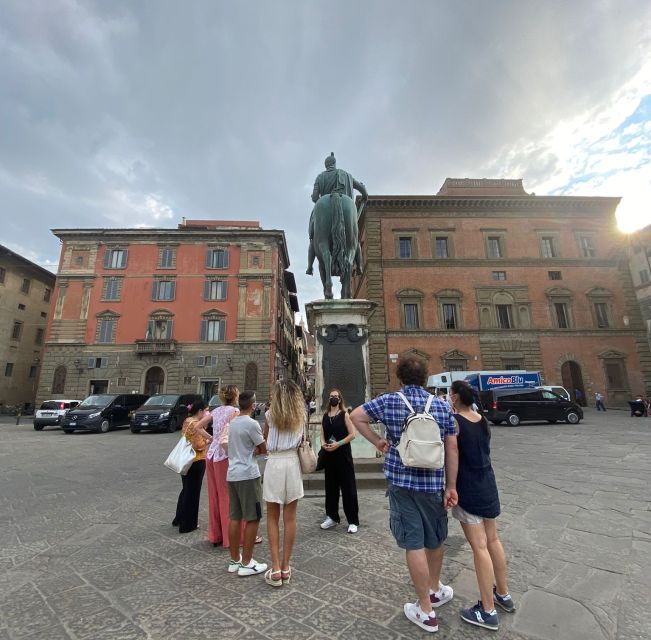
What makes this work well is the structure. You start with a clear meeting point at the Monument to General Manfredo Fanti, then your walk strings together big public spaces—Piazza San Marco, Piazza Santissima Annunziata, Piazza della Signoria—before shifting toward the bridges and neighborhoods where the tour can lean into “how did Florence think about power?” questions.
You’ll get a mix of looking and listening. The looking part is practical: you’re shown where to stand to see symbols on facades and stone. The listening part is where the goosebumps come in—executions, alleged poisonings, and the shadow side of civic life.
You can also read our reviews of more walking tours in Florence
What you’ll notice right away
Expect lots of exterior attention. The tour emphasizes things you can spot on church facades and other prominent surfaces, plus a few “mystery hooks” the guide will point out, like the Latin palindrome linked to the Florence Baptistery.
That also hints at the tradeoff. This is not a museum-study experience for hours at a time. It’s a moving briefing. If you like Florence as a walkable set of clues, you’ll enjoy it.
Piazza San Marco and the Neoplatonic thread in Cosimo de’ Medici’s Florence
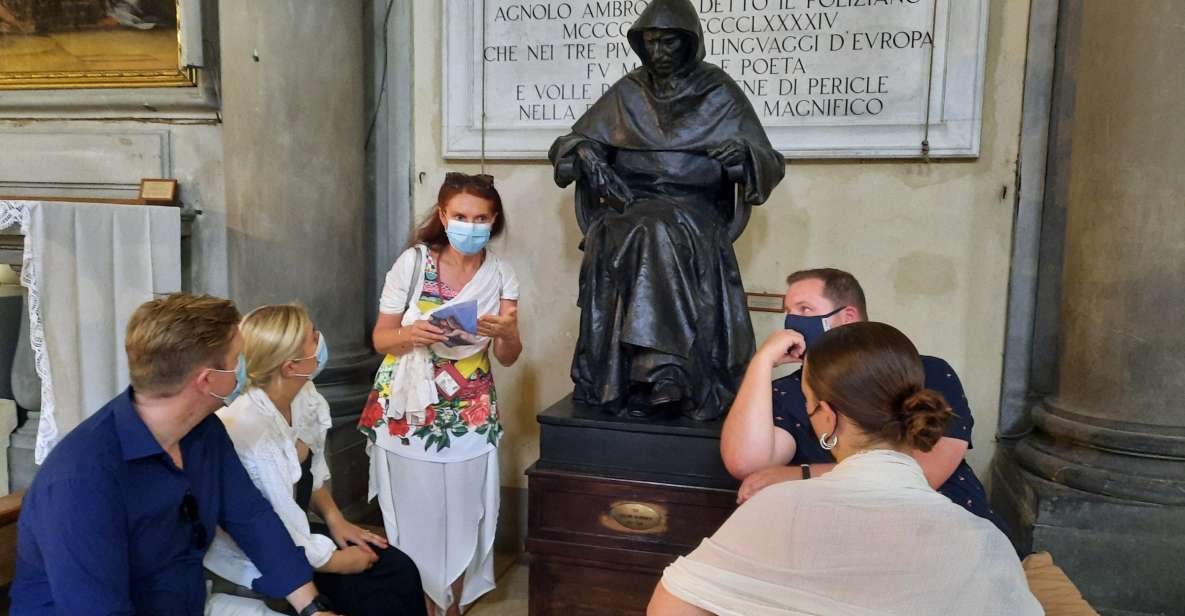
Early on at Piazza San Marco, you’re in the right place to understand why Florence attracted thinkers who mixed philosophy with spiritual ideas. The tour brings up the Neoplatonic Florentine Academy, founded by Cosimo de’ Medici, and frames it as a cultural force behind the city’s literary and artistic life.
This is useful context for visitors who otherwise treat Renaissance Florence as just paintings and politics. Here, you get a different angle: ideas mattered, and people thought ideas could shape reality. That’s where the “esotericism” label stops being a gimmick and starts becoming a lens.
You also hear about the Florentine world of the Florentine Studio—a place described as once crowded with philosophers, theologians, and magicians. Whether you take every claim literally or as rumor-flavored history, the tour’s value is showing how easily the intellectual world could blend with the mystical in this city.
Why this opener works
At the start, you’re given language for the rest of the walk. When you later see symbols tied to alchemy or hidden societies, you’re not starting from scratch. The guide’s first goal is to train you to connect the dots between the city’s famous names and the symbolic language attached to them.
Santa Croce, Santa Maria Novella, and the Baptistery’s Latin palindrome
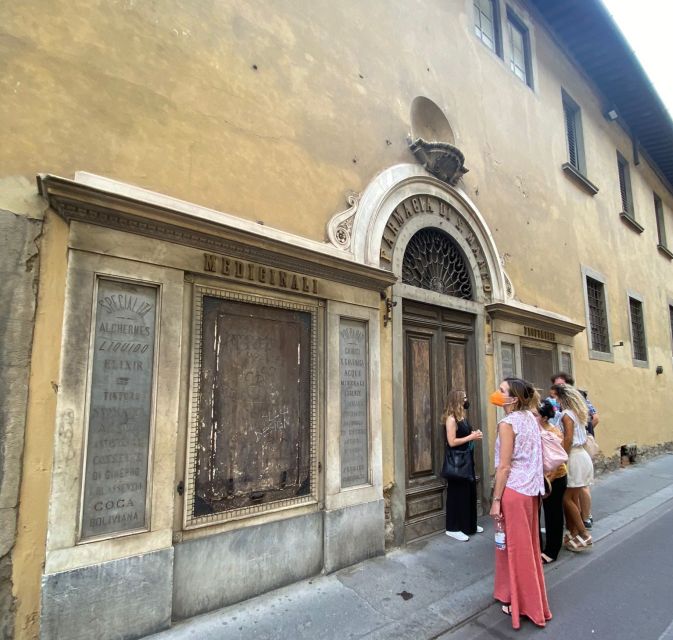
Two of the tour’s named anchors are the basilicas of Santa Croce and Santa Maria Novella. You’ll explore their facades for visible clues—especially the tour’s idea that you can find science mixed with esoteric symbols on the exterior stonework.
This part is for you if you like looking at architecture like a text. You’re not just appreciating shapes. You’re being asked to compare patterns, symbols, and inscriptions and then listen as the guide interprets what they might mean.
Another stop in this cluster is the Florence Baptistery, where you’ll be pointed toward a Latin palindrome engraved in the stone. The tour presents it as an enduring mystery, which is a nice way to keep your attention focused without turning the whole thing into a lecture that runs out of steam.
- The Best tour in Florence: Renaissance & Medici Tales – guided by a STORYTELLER
★ 5.0 · 12,316 reviews


Practical tip for this segment
Give yourself permission to look like you’re studying. Step back, then step forward. The guide will usually show you what to prioritize, but you’ll get more from your own eyes if you slow down rather than trying to snap photos of everything at once.
Piazza della Signoria: Savonarola’s 1498 end and the cost of belief
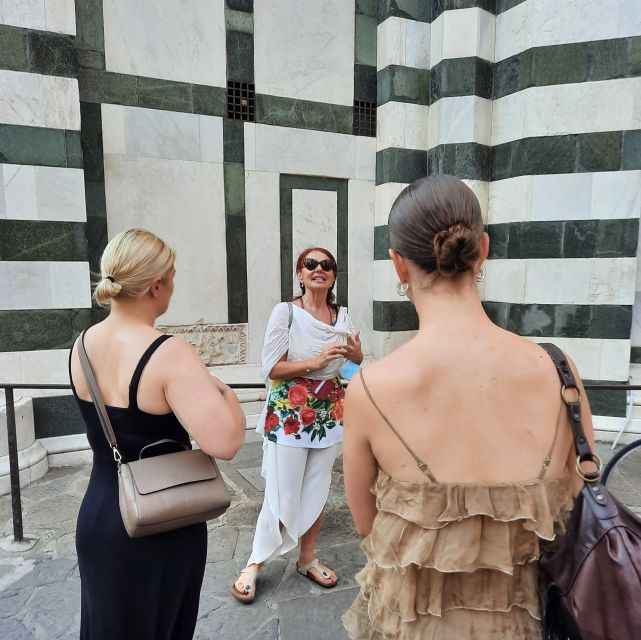
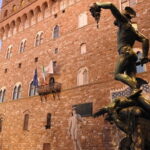
In Piazza della Signoria, the tour zooms in on one of Florence’s most dramatic historical figures: Girolamo Savonarola. You’ll hear about his 1498 execution, including that he was hanged and burnt at the stake.
This is the moment when the tour’s tone turns heavy. Up to here, the symbols can feel like clever puzzles. Now, the story is about public control—who gets believed, who gets punished, and how fast a society can switch from reverence to rage.
I like how the guide uses Savonarola to anchor the tour’s big theme: Florence’s dark side isn’t only legend. It’s tied to real power struggles inside the city.
Consideration if you prefer lighter tours
If you want Florence as a relaxed beauty postcard, this stop will feel intense. It isn’t horror for its own sake, but it is unavoidably grim.
Ponte Vecchio, Oltrarno, and the darker tradition threads
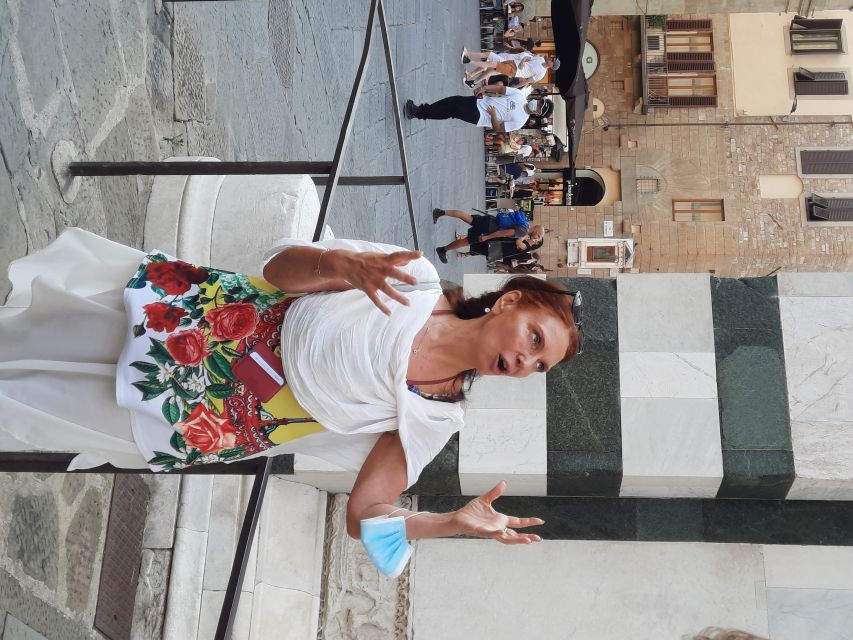
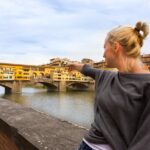
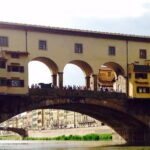
Once you’re moving toward Ponte Vecchio and into the Oltrarno area, the tour widens its scope. You’re still within walking reach of the iconic sights, but the guide starts connecting Florence to broader secret-society stories and religious intrigue.
A few of the themes that come up here include references to the Templars and Cathars in Florence, and even the mention of the city’s first Masonic lodge. You also get a local legend-style narrative about Pazzino de’ Pazzi, described as a crusader knight from 1050, and stones connected to the Holy Sepulcher in Jerusalem.
One tradition detail you’ll hear about is the Explosion of the Chariot on Easter day, including the idea that stones from the Holy Sepulcher are still used for lighting the Brindellone during that Florentine ritual.
How to get the most out of this section
You don’t need to be an expert to follow. The tour’s “working method” is simple: it gives you a name, a symbol, or a tradition, then explains how Florence folded it into its own culture. If you enjoy folklore logic—where history, symbol, and civic ritual blur—you’ll feel right at home.
Arsenic in 1494: Pico della Mirandola and Agnolo Poliziano
Another standout part of the tour is the section on arsenic poisoning in 1494, tied to Pico della Mirandola and Agnolo Poliziano. Both are presented as intellectuals from the circle associated with Lorenzo the Magnificent.
You’ll then connect that story back to a physical place in Florence: the tour notes that they rest together in the Church of San Marco.
This is where the tour feels especially “Florence.” You’re in a city where thinkers left traces in architecture, patronage, and literature—and now the guide layers in a darker possibility: that ideas can be dangerous and intellectual rivalries can turn lethal.
A balancing thought
The tour leans into the sensational side of esotericism and crime. If you prefer only tightly documented history, you might treat parts of the narrative as local dramatizations. Still, even as story-lore, it gives you a useful map for how Florence told itself scary lessons.
Museum of Masonic Symbols: what you actually see and learn
The final stop is the Museum of Masonic Symbols, with included entrance and a guided visit.
This is the best part of the tour for people who want something tangible. Up to this point, you’re mostly reading stone, facades, and inscriptions through a guided lens. Here, you get actual museum objects—things designed to show how masonic philosophy and symbolism appear in the physical world.
The tour highlights displays of ritual objects with symbols marked in multiple ways—etched, embroidered, printed, and engraved. The guide’s job is to help you notice patterns and understand why symbol systems are built to be repeatable and recognizable.
Why this ending is such a good finish
A walking tour can leave you with impressions but not much “evidence.” This museum visit fixes that. You leave with images you can recall later and a better sense of what symbol systems look like when they’re meant to be studied.
It also helps you connect back to the city clues you were hunting earlier, like the idea of coded meaning on sacred and civic surfaces.
Price, pacing, and who gets the most from this 3-hour walk
At $215.24 per person, this is not a budget add-on. You’re paying for three things that matter: a licensed guide, a guided visit to the museum, and a carefully planned path across multiple major landmarks without wasting time on logistics.
The pacing is fast but not chaotic. The tour is built around short guided segments at several stops, then longer time for the museum. That works for visitors who like a concentrated dose of Florence storytelling in one session.
Where it may not work as well is for people who want long, quiet time at each monument or a heavy architectural breakdown. One disappointment in the feedback was the feeling that there weren’t enough specifics on facades and codes. If that’s your style, I’d consider whether a standard art-history tour might suit you better, and then do this only if you’re truly excited by symbols as a theme.
Best fit
You’ll probably love this if:
- you enjoy symbolism, puzzles, and the idea of reading a city like a text
- you’re curious about Florence beyond the usual Renaissance postcard
- you like dark stories but still want a guided, respectful explanation
You might not love it if:
- you want lots of time inside major churches
- you want a technical decode of each inscription or architectural detail
- you prefer light and scenic over story-driven
Should you book Florence Occult & Esotericism?
Book it if you’re the type of traveler who stands in front of a facade and wonders who carved that, why it’s there, and what people believed when nobody was supposed to talk openly. This tour is built for that mindset, and the museum finish is the kind of payoff that makes the price feel more justified.
Skip it if you want a relaxed walk focused mainly on famous artwork and sweeping views. This tour is about meaning and may get heavy. It’s also symbol-led rather than architecture-led, so if your idea of fun is forensic art-history detail, you may feel underfed.
If you do book, come with the right expectations: you’re not just visiting Florence. You’re being trained to look for coded clues in plain sight, then verify your hunches at the Museum of Masonic Symbols.
FAQ
How long is the Florence Occult & Esotericism walking tour?
The tour lasts about 3 hours.
Where do I meet my guide?
Meet your guide in the middle of San Marco Square at the Monument to General Manfredo Fanti.
Where does the tour end?
The information provided says the activity ends back at the meeting point, but the tour schedule also shows a finish at the Museum of Masonic Symbols. When you book, confirm the exact end point for your start time.
What’s included in the ticket price?
You get a licensed guide and entrance to the Museum of Masonic Symbols. The tour also notes a skip-the-ticket-line experience.
What languages are available?
The live guide is available in English, Italian, French, and Spanish.
Will the tour run in the rain?
Yes. The tour runs rain or shine.
Is the tour wheelchair accessible?
Yes, it’s listed as wheelchair accessible.
What should I bring?
Bring comfortable shoes and comfortable clothes. You should also bring an ID card or passport (a copy is accepted for children, and a passport/ID is required as noted).
You Might Also Enjoy
More Walking Tours in Florence
More Tours in Florence
- The Best tour in Florence: Renaissance & Medici Tales – guided by a STORYTELLER
★ 5.0 · 12,316 reviews



More Tour Reviews in Florence
- Tuscany Day Trip from Florence: Siena, San Gimignano, Pisa and Lunch at a Winery
★ 5.0 · 21,634 reviews - The Best tour in Florence: Renaissance & Medici Tales – guided by a STORYTELLER
★ 5.0 · 12,316 reviews