REVIEW · FLORENCE
Florence: LGBTQ Renaissance Walking Tour with Mila
Book on GetYourGuide →Operated by Florence TourGuides · Bookable on GetYourGuide
Florence can feel like a museum, but this tour makes it personal. Mila’s LGBTQ Renaissance storytelling turns key landmarks into clues about real lives in the city, from the Medieval Gay District onward. I also love how the walk connects art and power to everyday behavior, especially on the stop at Ponte Vecchio and its long connection to queer cruising.
One possible drawback: the subject matter includes laws, punishments, fines, and public denunciation. If you want Florence to stay light and purely aesthetic for two hours, this may feel like a tougher vibe than a standard sightseeing route, even though Mila keeps the tone humane and often funny.
In This Review
- Key things I’d highlight before you go
- Entering Florence through LGBTQ life, laws, and art
- Piazza della Repubblica start: where the lesson begins
- Crossing Santa Trinita Bridge toward the Medici square
- Ponte Vecchio: the bridge where people watched the others
- Piazza della Repubblica again: laws you can still feel
- Piazza dei Signori and Orsanmichele: art, accusation, and the cost of being seen
- Making the most of the 2 hours: comfort and timing that matters
- Price and value: why $29 can be a smart early buy
- Who should book this tour
- Should you book the Florence LGBTQ Renaissance Walking Tour with Mila?
- FAQ
- How long is the tour?
- Where do I meet Mila?
- Is the tour wheelchair accessible?
- Does the tour run in bad weather?
- What’s included in the price?
- Are there any costs not included?
Key things I’d highlight before you go
- Meet Mila at Piazza della Repubblica, by the Hard Rock Cafè under the Loggia, with a clear sign so you can find the group fast.
- Headsets are included, which helps a lot when you’re walking through busy, echoing squares and streets.
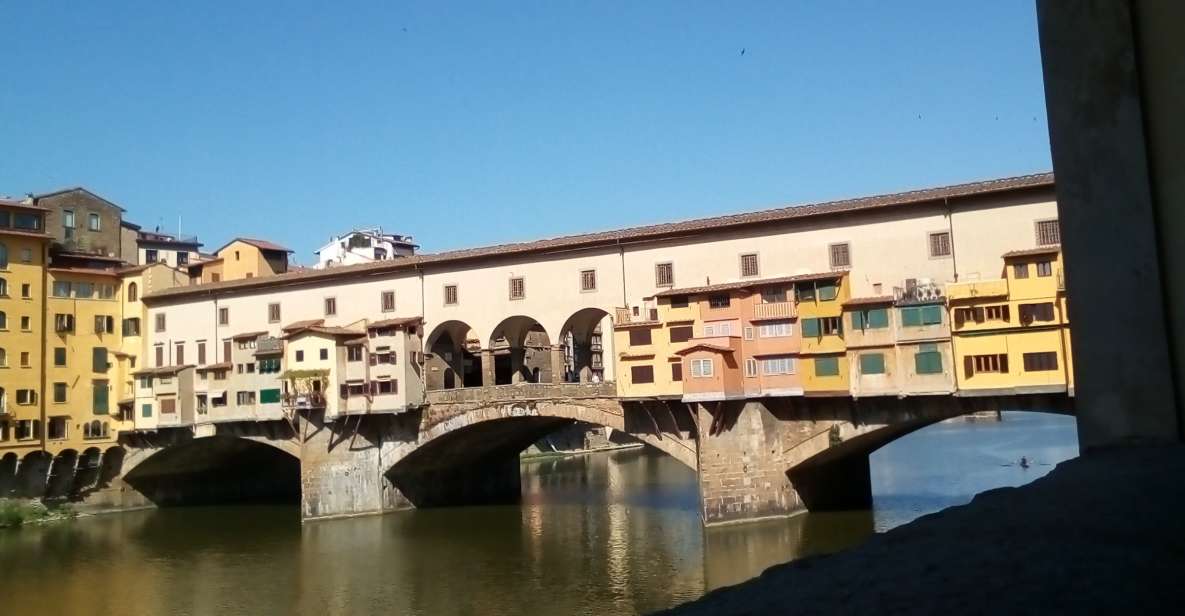
- Ponte Vecchio isn’t just a postcard stop here. You’ll learn how it functioned as a place for cruising in medieval and Renaissance times.
- Medici power gets human through the story of Gian Gastone, the last male Medici, and why he became controversial.
- Orsanmichele Church and the denunciation boxes add a stark, practical dimension to the laws and social control of the era.
- It’s researched and explained with Mila pointing to sources and keeping her narrative grounded, not vague.
Entering Florence through LGBTQ life, laws, and art
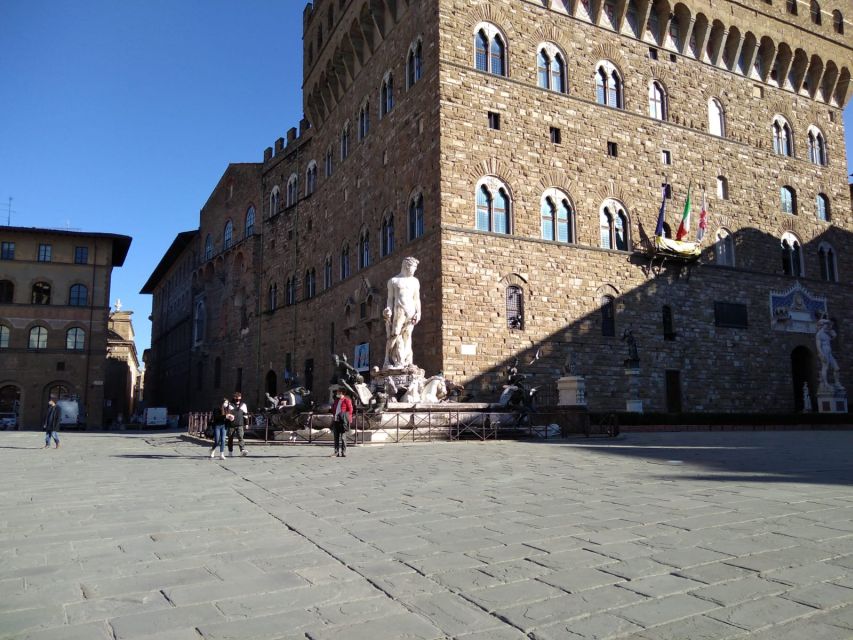
Florence is famous for masterpieces, and this tour stays right in that spotlight. The difference is the lens: you’re not only looking at where the statues stand or where the palace rises, you’re learning how LGBTQ people were treated, how they navigated risk, and how society tried to police desire.
Mila’s approach is part history lesson, part city walk, and part storytime. She’s said to be warm and funny when it fits, then serious when the topic demands it. That balance matters because this itinerary touches real harm: fines and punishments for sodomy, and public mechanisms for denouncing queer people. Yet the tone isn’t cold. It’s more like learning how a complicated system worked, while still feeling respect for the people affected.
If you’re the type who wants more than facts, you’ll appreciate how Mila ties each stop to a larger pattern. Each square and bridge becomes a point in a map of power, policing, and hidden life.
You can also read our reviews of more walking tours in Florence
Piazza della Repubblica start: where the lesson begins
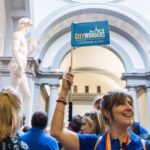
You’ll meet Mila at Piazza della Repubblica, next to the Hard Rock Cafè under the Loggia, and she’ll hold a sign. This is a smart start point because the piazza is central and easy to reach, and it sets a clear baseline: today, you’re looking at Florence as it appears now, but you’re about to learn what people once feared.
This opening section is where the tour really establishes its theme. You’ll hear about the punishments and fines for people deemed guilty of sodomy and how laws changed as Italy’s political and social climate shifted. Even if you already know some general European legal history, the value here is how it lands directly in the city’s geography.
I like this start because it prevents the common trap with “theme tours,” where everything becomes anecdote and no context is given. Here, you first get the framework for how behavior was judged, then you walk to places where that judgment played out in real space.
Practical note: you’re outdoors from the beginning. Since the tour runs rain or shine, pack a small umbrella or poncho even in “maybe sunny” weather.
Crossing Santa Trinita Bridge toward the Medici square
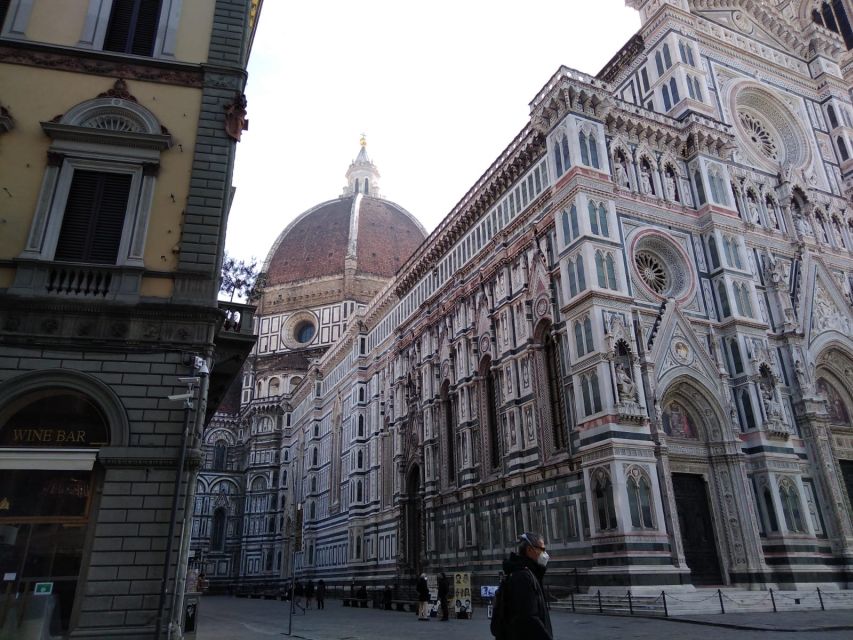
From the main piazza, you’ll cross toward the Santa Trinita area and head in the direction of Pitti Palace Square. Walking this route helps you see Florence as a connected system: river crossings, palace zones, and civic spaces all matter to how people lived.
The Medici section is built around the final male Medici, Gian Gastone. You’ll hear why he became one of the more controversial figures in European history, and how the family’s power shaped what society could tolerate. The point isn’t just that “the Medici were influential.” It’s that influence changed the rules of the cultural game—who could act, who had to hide, and what kinds of people gained protection versus scrutiny.
This part of the walk works especially well if your goal is to understand Florence beyond the obvious highlights. You’ll keep seeing the same names—Medici, Renaissance courts, elite patronage—but in a way that connects back to everyday risk.
Also, because the tour uses headsets, you can keep your attention on the story while still scanning the streets for the next landmark. It’s less exhausting than straining to hear in crowds.
Ponte Vecchio: the bridge where people watched the others
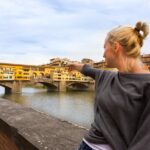
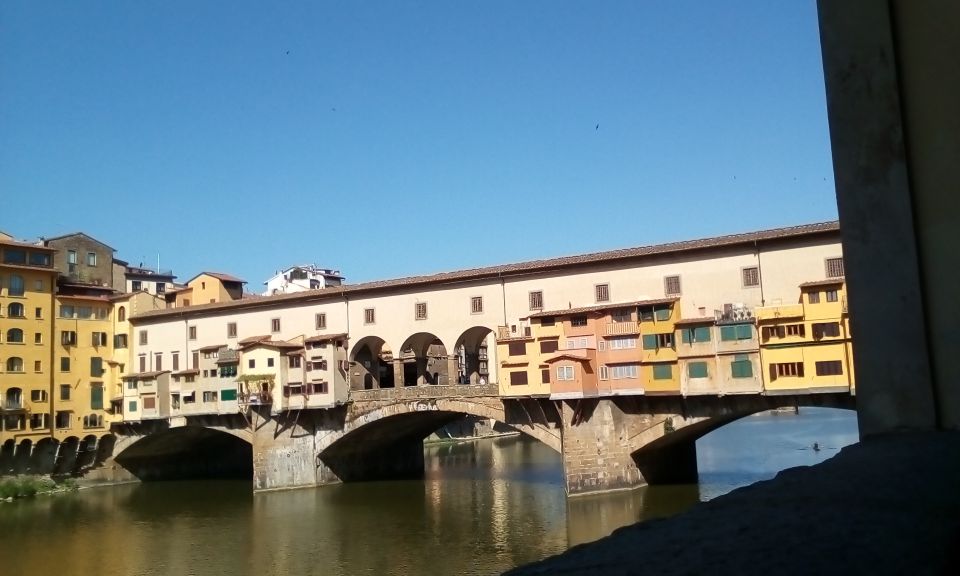
Then comes the stop most people picture when they think of Florence: Ponte Vecchio. This is a place where you can easily fall into photo mode, but this tour steers you back to context.
You’ll learn how Ponte Vecchio used to be one of the most popular places for “cruising” during medieval and Renaissance times. In other words, the bridge wasn’t only a scenic crossing or a modern shopping corridor. It was part of social behavior, including the ways queer people sought contact, anonymity, and possibility in crowded public space.
What I like about this framing is that it doesn’t treat cruising as a Hollywood trope. It’s presented as a historical reality tied to location: a bridge is public, visible, and constant. That combination could also mean more risk—so the story becomes about strategy, not stereotypes.
Even if you’ve visited Ponte Vecchio before, you’ll probably look at it differently afterward. The same shops and river views turn into evidence. You start seeing the bridge as a stage where laws, norms, and desire all collided.
Piazza della Repubblica again: laws you can still feel
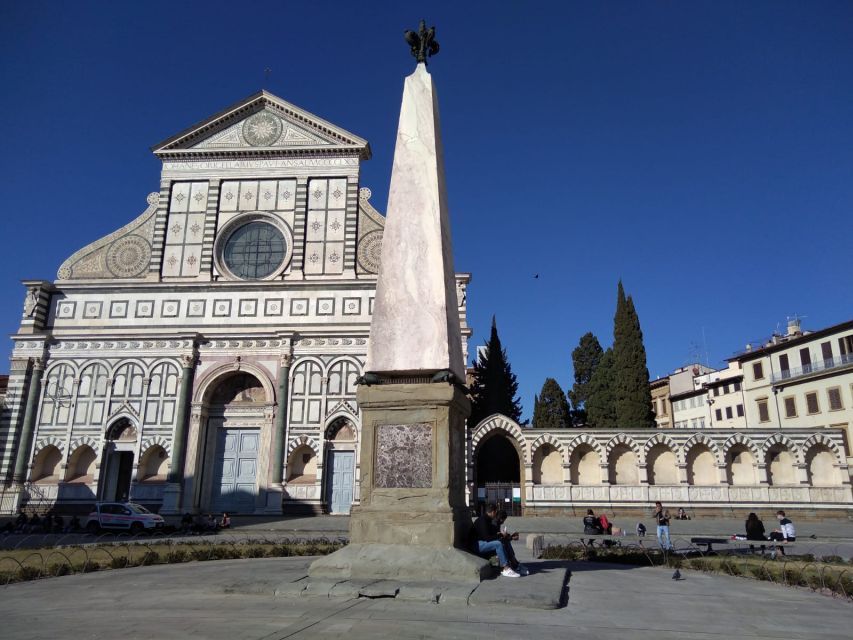
You return to Piazza della Repubblica later with Mila, and it acts like a checkpoint. By this point, you’ve seen how the story moves from legal punishment and civic space into palace influence, bridge life, and church-based moral control.
Hearing the legal history again after walking through the city’s key sites helps the tour stick in a real way. The rules stop feeling like abstract “old stuff,” and start feeling like a system that shaped who could move safely and who couldn’t.
This is also where the tour’s emotional intelligence shows. Mila is described as serious when she needs to be, but warm and funny in her delivery. That matters on a tour like this because the topic includes danger and stigma, yet you still want people to leave feeling informed rather than drained.
If you’re traveling early in your trip, this loop is a nice way to reorient. You’ll come away with a stronger sense of where Florence’s power sat, and where people likely found ways to exist anyway.
You can also read our reviews of more tours and experiences in Florence
Piazza dei Signori and Orsanmichele: art, accusation, and the cost of being seen
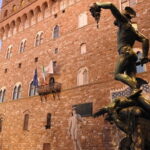
Near Piazza dei Signori, the tour shifts back toward art and symbolism. You’ll see a copy of Michelangelo’s David and also Perseus with the Head of Medusa by Cellini. These works are famous on their own, but here they’re used as anchors for the broader theme: Florence loved to turn human bodies and human desire into meaning—sometimes as celebration, sometimes as warning.
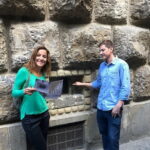
Then you’ll walk to Orsanmichele Church, where Mila points out a harsh detail that makes the tour feel fully grounded in lived consequences. The church hung special boxes meant to denounce members of the LGBTQ community, especially gay men. That’s the moment where the tour stops being only about romantic longing or urban legends and becomes about social control in literal architecture and civic behavior.
This is also where you’ll probably appreciate why Mila’s tone matters. Reviews describe her as balancing humor and education without turning the darker pieces into jokes. The result is that the content lands with weight, but you don’t feel steamrolled.
For art lovers: the value is that you’re not just admiring sculptures. You’re learning how public moral systems used culture to define what was acceptable. Medusa, David, the church spaces—everything becomes part of the city’s message.
For anyone who’s sensitive to heavy topics: you can treat this section as your “pace-adjust” moment. Take a breather where you can, keep water nearby, and let the story unfold without forcing yourself to speed through discomfort.
Making the most of the 2 hours: comfort and timing that matters
A 2-hour walking tour is short enough to fit into almost any Florence schedule, but long enough to feel like more than a quick checklist. The itinerary takes you across a handful of major areas, so you’ll do a steady amount of walking.
Because it runs rain or shine, I suggest planning like it’s always outside. Wear comfortable shoes with grip. If it’s hot, plan your hydration. One review noted that Mila took care with guests in the heat, which matches the reality of Florence afternoons—standing in squares plus slow-moving crowds adds up fast.
Two other practical touches help a lot:
- Headsets are included, so you can hear Mila clearly without having to constantly angle your body toward her.
- It’s wheelchair accessible, which is a big plus if you need flexibility with the walking pace. If you use mobility support, bring your own comfort items since the tour still moves through outdoor streets and plazas.
Price and value: why $29 can be a smart early buy
At $29 per person, this is priced like a budget-friendly city add-on. What makes it feel like a good value isn’t the cost alone—it’s the specificity. You’re not paying for generic “Florence in two hours.” You’re paying for a guided narrative that connects:
- laws and punishments,
- major landmarks,
- the Medici story (including Gian Gastone),
- and queer cruising and denunciation, tied to real locations.
That combination is hard to replicate on your own unless you already know where to look and what to ask. A good guide saves time and turns guesswork into comprehension. With Mila, the delivery is also described as organized, with sources mentioned rather than just vibes. That helps the experience feel credible, not sensational.
If you want to get more out of the rest of your trip, booking this near the start can pay off. You’ll walk into other museums and viewpoints with sharper questions in your head, not just a list of what to see.
Who should book this tour
This tour fits best if you want Florence to feel like a real human story, not only a gallery of famous faces. It’s ideal for:
- queer travelers or allies who want LGBTQ history grounded in place,
- art lovers who like stories that explain why something was made and what it meant,
- anyone who’s curious about how laws and social pressure shaped daily life in Renaissance Europe.
It may be less ideal if you strongly prefer lighter topics or if you want an entirely celebratory tone. The tour covers punishment and denunciation, and Mila handles it responsibly, but the theme is not fluffy.
Should you book the Florence LGBTQ Renaissance Walking Tour with Mila?
I’d book it if you like your sightseeing with context. You’ll see classic Florence icons—Ponte Vecchio, Medici-linked spaces, major public squares—and you’ll also learn how LGBTQ life, policing, and public space intersected in the Middle Ages and Renaissance.
If you’re open to hearing about legal punishment and church-based denunciation, this tour offers a focused, place-based perspective that’s hard to recreate solo. And because Mila is described as funny when appropriate, serious when needed, and attentive to questions, the experience tends to feel both informative and genuinely human.
FAQ
How long is the tour?
It lasts 2 hours.
Where do I meet Mila?
Meet at Piazza della Repubblica, next to the Hard Rock Cafè under the Loggia, where Mila will be holding a sign.
Is the tour wheelchair accessible?
Yes, the tour is listed as wheelchair accessible.
Does the tour run in bad weather?
Yes, it runs rain or shine.
What’s included in the price?
The tour includes a local guide (Mila), headset, and the walking tour itself.
Are there any costs not included?
Entrance fees are not included, so if a stop requires an entry ticket, you’d pay that separately.
You Might Also Enjoy
More Walking Tours in Florence
More Tours in Florence
- The Best tour in Florence: Renaissance & Medici Tales – guided by a STORYTELLER
★ 5.0 · 12,316 reviews

More Tour Reviews in Florence
- Tuscany Day Trip from Florence: Siena, San Gimignano, Pisa and Lunch at a Winery
★ 5.0 · 21,634 reviews - The Best tour in Florence: Renaissance & Medici Tales – guided by a STORYTELLER
★ 5.0 · 12,316 reviews