REVIEW · FLORENCE
Florence: History Walking Tour with Wine Tasting
Book on GetYourGuide →Operated by My Green Tour srl · Bookable on GetYourGuide
Florence, with a sip. This history-focused walking tour pairs fast, smart storytelling with a real wine cellar tasting in the city center. I love how the guide connects major Renaissance names to the streets and squares you’re looking at, and I like that the wine stop comes with typical appetizers for an actual break, not just a sip. One possible drawback: the timing is tight, so if you want a full, slow-burn Medici deep story, you may feel a bit rushed.
You’ll start near Via de’ Martelli 33r (meeting point is in front of Eataly), walk toward Ponte Vecchio and the major art-and-power spots, then finish near Via del Gomitolo dell’Oro. At $105 per person for a guided walk plus tasting, it’s a pretty good value when you want both context and flavor in a short window.
In This Review
- Key Highlights to Know Before You Go
- Why This Florence History-and-Wine Combo Makes Sense
- From Via de’ Martelli to Ponte Vecchio: Starting Where Florence Shows Off
- Duomo Square and Signoria Square: Where the Stories Land
- Medici Power Plays and Renaissance Makers: The City’s Real Engine
- Inside the Wine Cellar: How the Tasting Fits the Day
- Price and Value: What $105 Buys in 1.5 Hours
- How to Prepare So You Actually Get the Most Out of It
- Who This Tour Suits Best (And Who Should Skip It)
- Should You Book This Florence History Walking Tour with Wine Tasting?
- FAQ
- How long is the Florence History Walking Tour with Wine Tasting?
- Where does the tour start?
- Where does the tour finish?
- What is included in the price?
- Is the wine tasting in a wine cellar?
- What languages are available for the live guide?
- Is the tour wheelchair accessible?
- Is a private group option available?
- Can I cancel for a full refund?
- Is pay later available?
Key Highlights to Know Before You Go
- Renaissance stories on your feet: you’ll hear how Michelangelo, Cellini, and other makers connect to what Florence still shows today
- Ponte Vecchio to the big squares: you get a practical route through the areas that shaped the city’s image
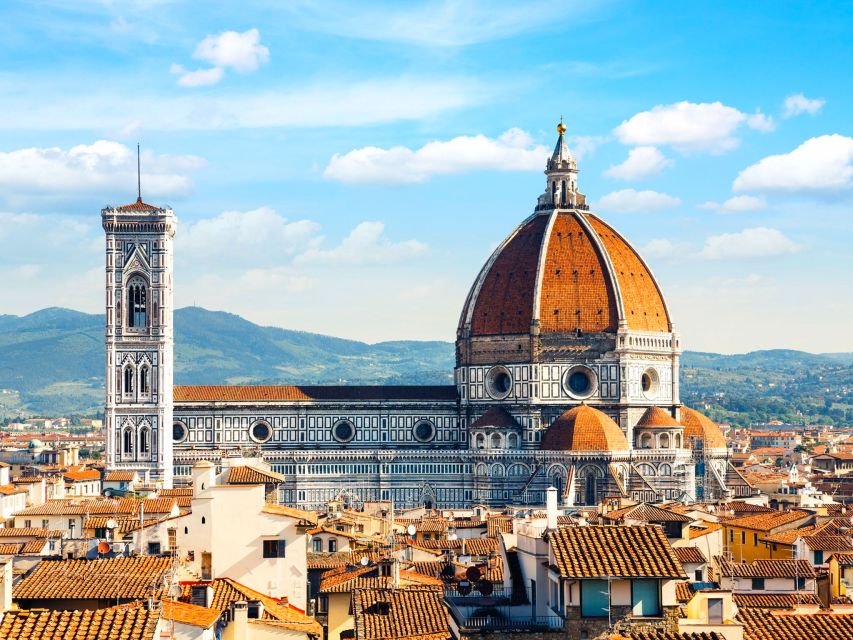
- Duomo Square stop: Santa Maria del Fiore and its famous dome show up in the story even if you’re just passing through
- Signoria Square and its originals: the guide points out public sculpture dating back to the 1500s
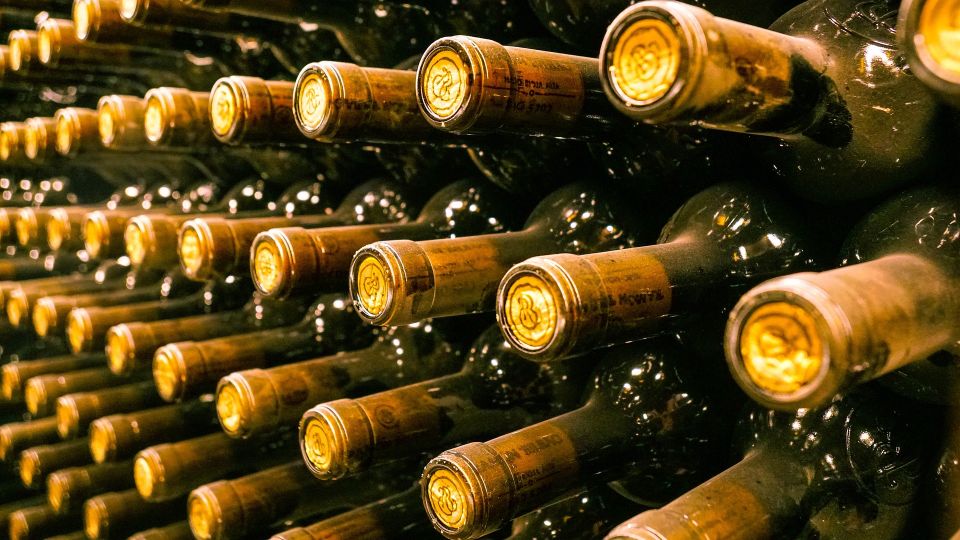
- A wine cellar in the historic center: you don’t just talk wine—you taste it with typical appetizers
- Guides can vary: some people love the entertaining delivery (one praised Edourardo by name), so choose based on what you want from your guide
Why This Florence History-and-Wine Combo Makes Sense
Florence can be overwhelming. One minute you’re staring at the Duomo dome, the next you’re lost in a labyrinth of alleys that all look the same until someone gives you the timeline. This tour does that job. In a short time, you get a framework for how the Renaissance happened here and why it still matters.
What makes it especially practical is the pairing: you walk through the visual anchors of Florence’s story, and then you head into a wine cellar for a tasting that feels like part of the city—not a detached add-on. I also like that the tour isn’t only art lecture. It brings in politics and family power too, especially the rise and fall of the Medici.
The other thing to know up front: the tour is built around a “highlights” style. That’s great for first-time visitors and anyone with limited hours. It’s less ideal if you’re already deep into Florence history and expect an ultra-detailed scholarly version of everything.
You can also read our reviews of more walking tours in Florence
From Via de’ Martelli to Ponte Vecchio: Starting Where Florence Shows Off
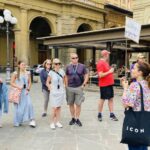
You begin at Via de’ Martelli 33r, with the meeting point in front of Eataly. Arrive about 10 minutes early so you’re not rushing your start while everyone else is already moving. From there, the early focus is on getting oriented fast—how Florence’s street life connects to the big historical moments.
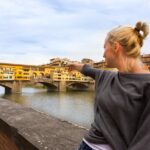
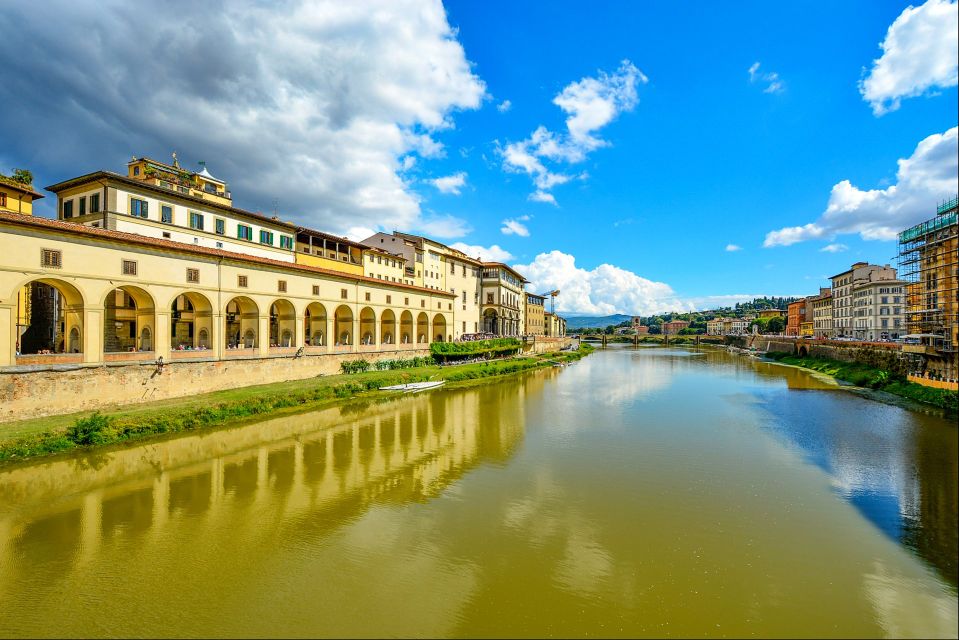
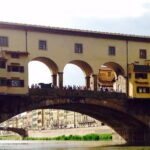
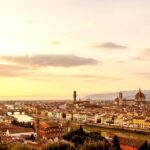
Ponte Vecchio is a logical first “wow” stop. It’s one of those places where you get the feeling of the city’s long memory. Even if you’ve seen photos already, being there in person helps your brain grab the scale of the river crossing and the density of the neighborhood around it. More importantly, the guide uses the setting as a jumping-off point for Florence’s success story and the way Renaissance culture took shape in public spaces.
Also, watch your pace. This is a walking tour, and the format suggests you’ll be covering several key zones rather than lingering at just one. If you’re sensitive to standing and strolling for the duration, bring comfortable shoes and plan for a steady rhythm.
Duomo Square and Signoria Square: Where the Stories Land
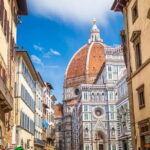
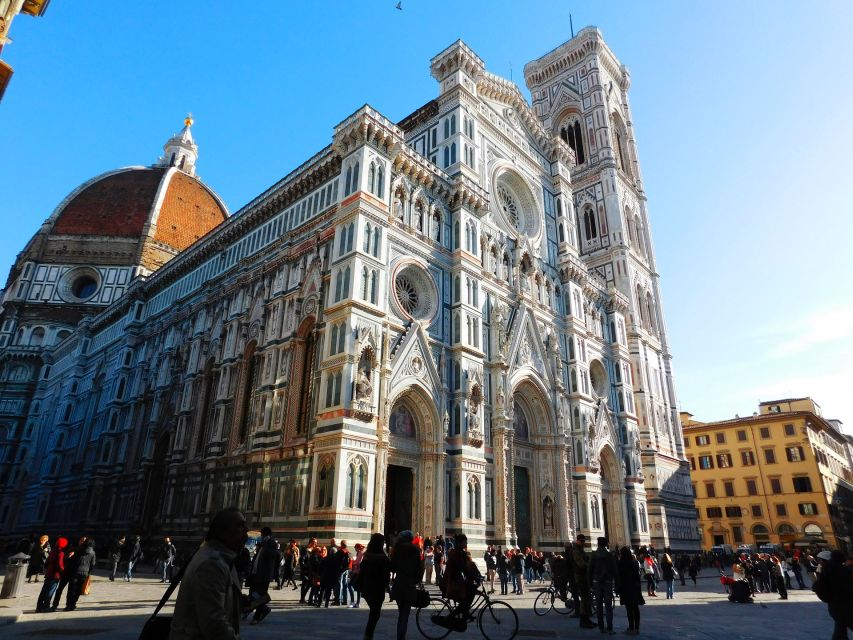
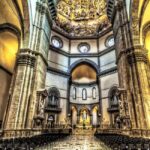
A big reason this tour works is that it ties the city’s most famous landmarks to names you’ll recognize. Duomo Square is one of those anchors. You’ll pass through the area connected to Santa Maria del Fiore and its famously huge dome, and the guide uses it to explain Florence’s Renaissance ambition—why people here invested so heavily in art, architecture, and public identity.
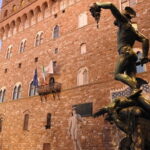
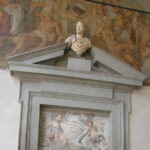
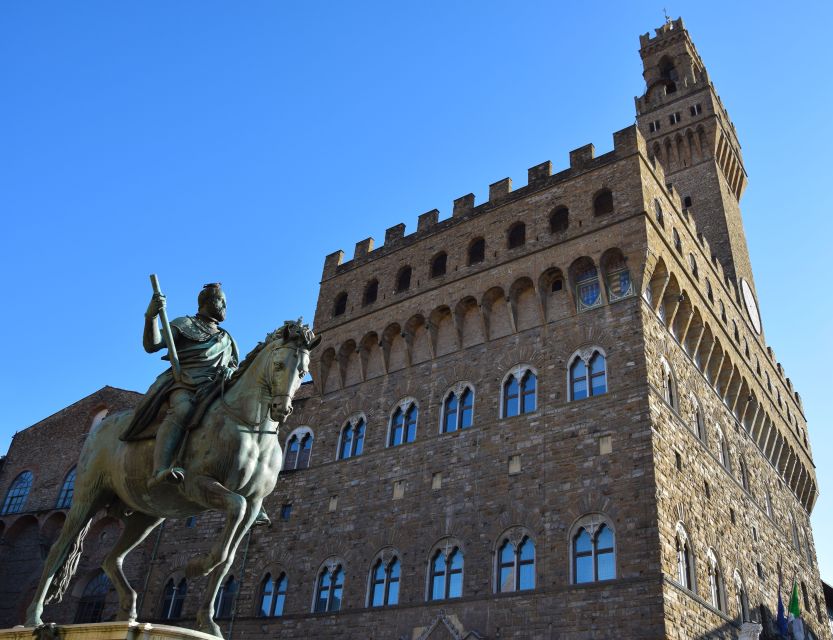
Then you move toward Signoria Square, another must-know location. This is where Florence’s art becomes more than museum content. The tour calls out original public sculptures dating back to the 1500s. That detail matters because it changes what you’re seeing: you’re not just looking at famous pieces. You’re looking at objects that have been part of the city’s everyday public story for generations.
If you’re the type who likes to understand what you’re photographing, this part is gold. By the time you’re near these squares, you’re not just collecting images. You’re collecting context.
Medici Power Plays and Renaissance Makers: The City’s Real Engine
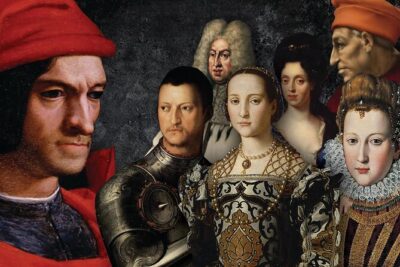
The tour’s historical thread centers on the Medici family—how they shaped Florence’s rise and how that influence later shifted. The guide doesn’t just drop names. You’ll hear about the story of success and the rise and fall of the Medici Family, and you’ll follow traces of dynasty members through the work connected to major Renaissance masters.
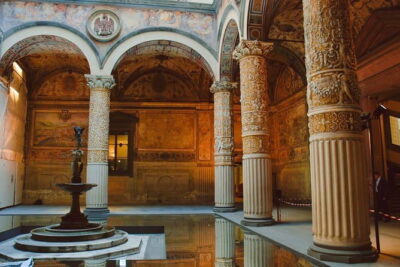
The info you’re given includes references to architecture and art tied to figures like Brunelleschi, Donatello, Michelangelo, and Leonardo. That’s useful because it connects several kinds of creativity—engineering, sculpture, painting, and design—back to the same Florentine power base. You’ll also hear about Palazzo Medici, described as the first Renaissance building in the world. Even if you don’t stop long enough to read every stone, it helps you see the building as a political and cultural statement, not just a pretty façade.
Two more art-related name checks that the tour builds into its storytelling: Michelangelo’s David and Cellini’s Perseus. The key value isn’t whether you’re staring at the sculpture for a long time—it’s that the guide links these legends to the broader Florentine push for greatness. When you later visit museums or see other works across town, these connections help things click.
One consideration from past guests: if you’re expecting a long, specific Medici-focused deep lesson, the tour’s speed may leave you wishing for more. That’s not a fault so much as a mismatch in expectations. Think of this as a well-aimed introduction that gets you oriented, not a full textbook session.
Inside the Wine Cellar: How the Tasting Fits the Day
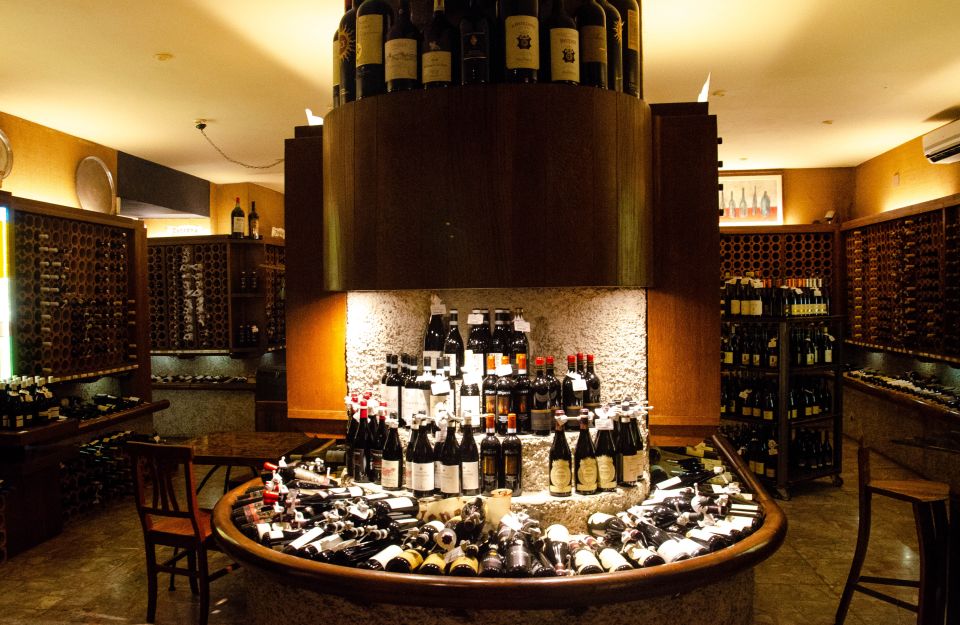
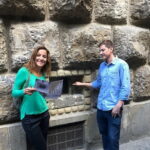
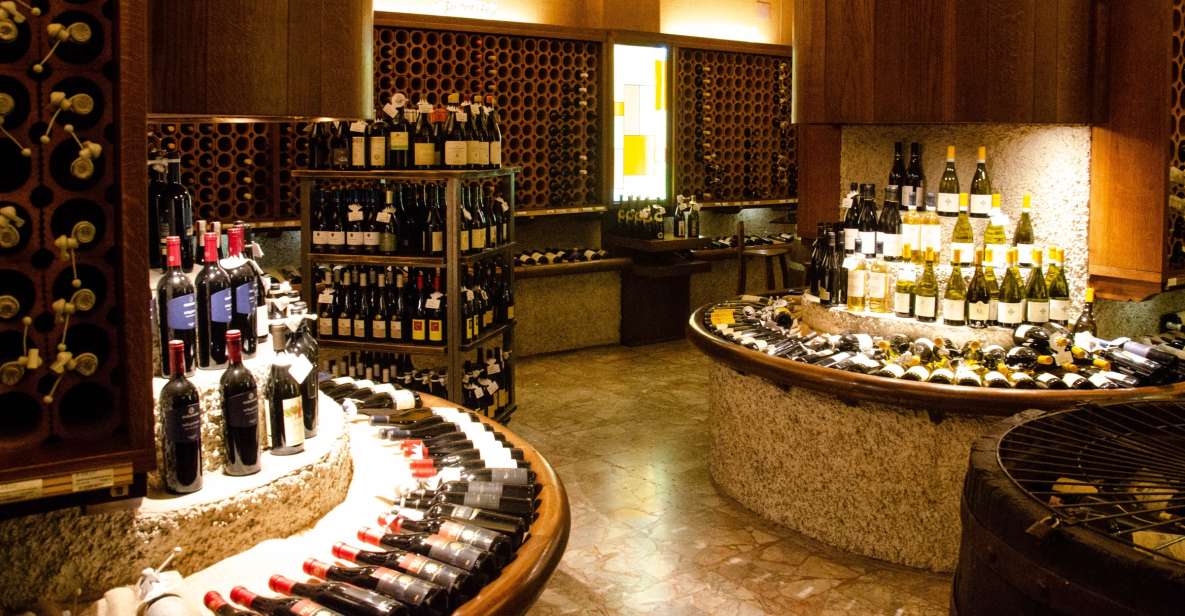
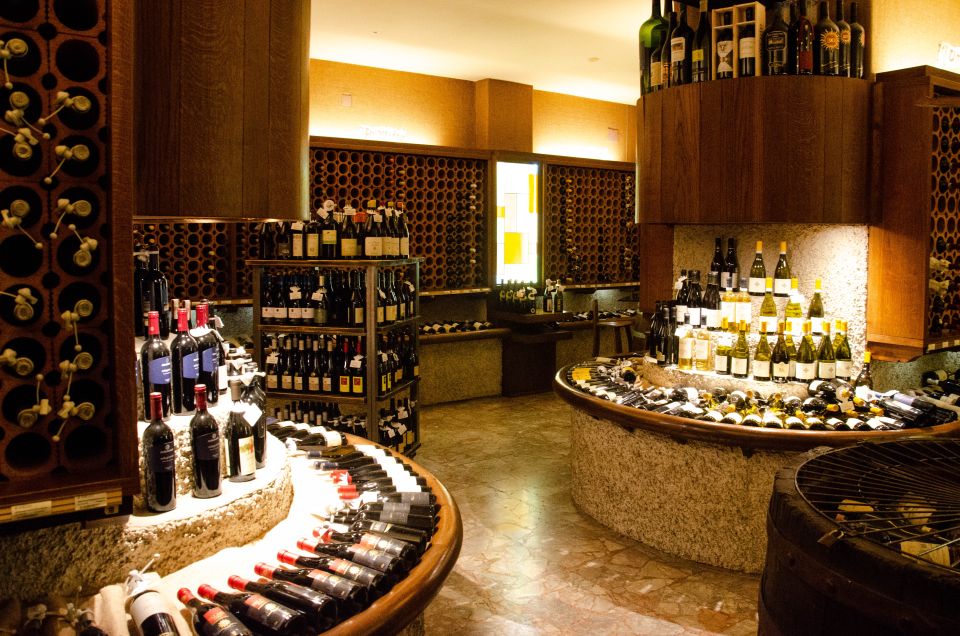
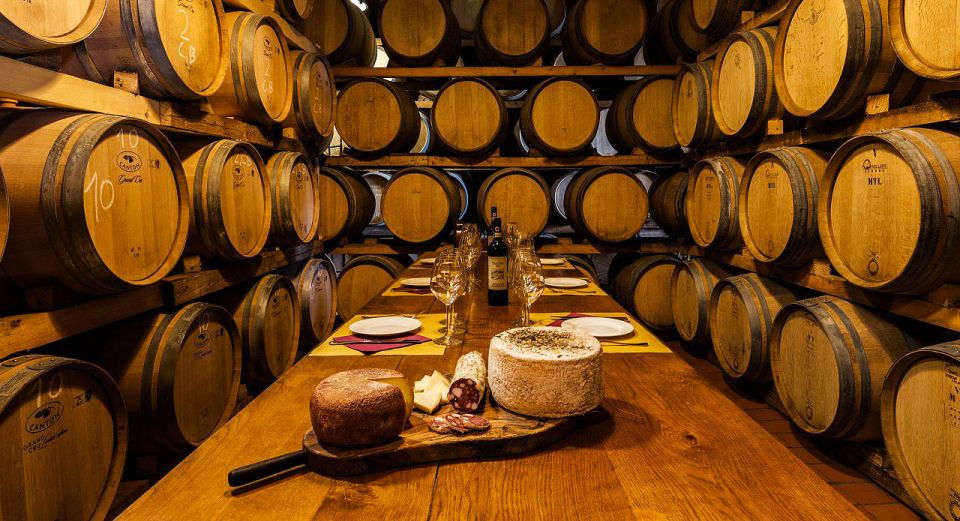
The wine portion is what makes this tour more fun than a standard “art walking loop.” After the city walk, you head to a wine cellar in the historical center—right where the atmosphere of old Florence is part of the experience.
Here, you’ll taste wines connected to Florence’s millennial wine traditions. I like that the guide frames wine as part of the same story as art and architecture. In other words, it’s not just the drink; it’s the reason people stayed, traded, gathered, and celebrated in these streets.
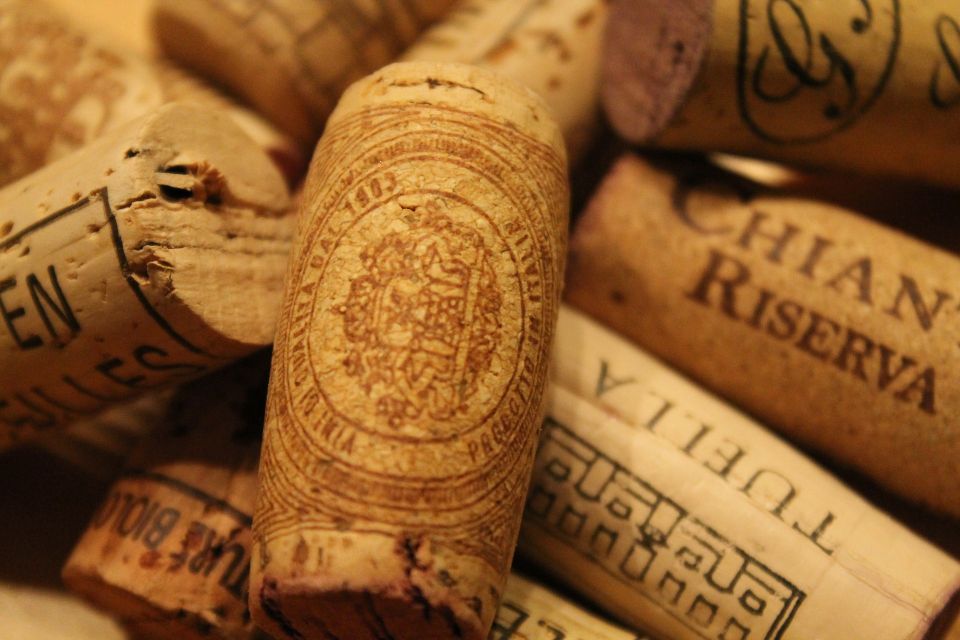
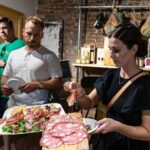
You also get typical appetizers with the tasting. That’s important. A tasting without food can feel like you’re just rushing through sips. With bites, you can slow your senses down and actually notice differences, even if you’re not a wine expert.
Now, a practical note: one past guest reported confusion about whether the wine tasting felt truly included. The tour info here says wine tasting is part of the experience, but I’d still recommend checking your booking details and what’s listed under inclusions so there’s no surprise.
If you enjoy guided culture breaks, this cellar stop is the payoff that turns a history tour into a memory with flavor.
You can also read our reviews of more food & drink experiences in Florence
- San Gimignano, Siena, Monteriggioni, Chianti Day Trip with Lunch & Wine Tasting
★ 4.5 · 4,432 reviews


Price and Value: What $105 Buys in 1.5 Hours
$105 per person for a 1.5-hour experience sounds steep until you match it to what you get. In this case, you’re paying for two things:
1) A live guide who explains Florence’s art and politics as you move through key zones
2) A wine cellar tasting, not just a suggestion to try wine later on your own
If you tried to do this independently, you’d still need a guide (or you’d rely on apps and reading) and you’d still pay for a tasting somewhere. The value here depends on your priorities. If you want structure and storytelling, the guide component is what you’re really buying.
One more timing detail to watch: the published plan reads like a longer sequence than a strict 1.5 hours. The overall duration is listed as 1.5 hours, but the schedule breakdown includes guided walking time plus an hour for wine and tasting time. That doesn’t mean it’s bad; it means you should check your exact time window on the day of booking confirmation so you’re not thrown off by how the operator paces it.
Net-net: if you’re short on time and want both a Florence orientation and wine in one go, $105 is a reasonable price for a guided experience plus tasting.
How to Prepare So You Actually Get the Most Out of It
This isn’t a sit-and-listen-from-a-bench kind of tour. You’ll be walking through Florence’s open-air museum style of history—great shoes help. Also, bring your curiosity. The guide’s job is to connect names and landmarks, but you’ll get more if you’re willing to ask your own questions, even silently: Why does this square matter? Why do these families show up in so many stories?
A couple more practical tips:
- Bring a camera, but also look up. Some of the best “click” moments happen when you pause long enough to see the façade or the square layout.
- If you’re drinking wine, go slow. The point is enjoyment, not speed.
- Wear layers. Florence weather can shift, and you’ll be outside for the walking portion.
Also, if you’re traveling with mixed interests—one person wants art, another wants food and wine—this format helps everyone. It gives the art lovers a timeline, and it gives the food-and-drink people a reason to pay attention.
Who This Tour Suits Best (And Who Should Skip It)
This tour is a great fit if:
- You have limited time in Florence and want a guided route through the most important visual areas
- You want the Medici story in a manageable bite size format
- You like wine experiences that feel tied to place, not stapled on at random
- You prefer a guide who tells stories in an entertaining way (one guest specifically praised Edourardo for exactly that kind of delivery)
It may be less ideal if:
- You’re already extremely well-versed in Florentine history and expect deep, extended coverage of the Medici
- You want long stops at monuments and more time to linger
- You are very sensitive to pacing and standing for a compact, guided route
In short: it’s best for people who want a smart orientation and a fun tasting payoff.
Should You Book This Florence History Walking Tour with Wine Tasting?
I’d book it if you want Florence in one compact package: architecture and art context on the street, plus a wine cellar tasting that turns the day into something you can taste, not just read about.
Before you hit confirm, do two quick checks:
- Confirm your booking includes the wine tasting under what’s provided
- Check the exact timing you’ll receive, since the advertised duration and the time breakdown can read differently
If you’re looking for a simple, guided way to connect Michelangelo-and-Medici Florence to real-world sights like Ponte Vecchio, Duomo Square, and Signoria Square—while ending with a proper wine stop—this is a strong choice.
FAQ
How long is the Florence History Walking Tour with Wine Tasting?
The tour duration is listed as 1.5 hours.
Where does the tour start?
The starting location is Via de’ Martelli, 33r. The meeting point is in front of Eataly.
Where does the tour finish?
The tour finishes at Via del Gomitolo dell’Oro, 50123 Firenze FI, Italia.
What is included in the price?
It includes a 1.5-hour guided tour and a wine tasting in a wine cellar.
Is the wine tasting in a wine cellar?
Yes. The experience includes a wine tasting in a wine cellar in the historic center.
What languages are available for the live guide?
The tour guide is available in English, French, Italian, Spanish, German, Russian, and Armenian.
Is the tour wheelchair accessible?
Yes, the tour is wheelchair accessible.
Is a private group option available?
Yes, a private group is available.
Can I cancel for a full refund?
Yes. Free cancellation is available up to 24 hours in advance for a full refund.
Is pay later available?
Yes. You can reserve now and pay later.
You Might Also Enjoy


More Walking Tours in Florence
More Tours in Florence
- The Best tour in Florence: Renaissance & Medici Tales – guided by a STORYTELLER
★ 5.0 · 12,316 reviews

More Tour Reviews in Florence
- Tuscany Day Trip from Florence: Siena, San Gimignano, Pisa and Lunch at a Winery
★ 5.0 · 21,634 reviews - The Best tour in Florence: Renaissance & Medici Tales – guided by a STORYTELLER
★ 5.0 · 12,316 reviews