REVIEW · FLORENCE
Florence – The Medici’s Private Walking Tour
Book on Viator →Operated by ACCORD Italy Smart Tours & Experiences · Bookable on Viator
Medici power plays, told street by street. This 2-hour private walking tour in Florence uses a guided story line to connect the Palazzo Medici Riccardi, Duomo area, and the route over to Palazzo Pitti, with time for questions as you go. I like two things most: the guide-led focus on how the Medici used art and politics together, and the fact you often get a smoother, less-confusing first pass at big sights. One caution: for the price, don’t assume you’ll walk into every building—most monument entry is not included, so plan to buy tickets if you want interiors.
Because it’s private, you’re not stuck matching someone else’s pace. It’s also a smart pick if you want to understand why Florence looks the way it does—stone by stone, family by family—before you branch off on your own. The only real “gotcha” is expectations: if you’re paying for private passage vibes, you may be disappointed if you’re hoping for guaranteed access to ticketed interiors.
In This Review
- Key things to know before you go
- Your Medici route: Piazza San Marco to Palazzo Pitti in about two hours
- Palazzo Medici Riccardi: where Cosimo’s power shows up in stone
- Piazza del Duomo: the Medici era skyline in one crowded square
- Basilica di San Lorenzo: Medici burial art without the sermon
- Piazza della Signoria and Palazzo Vecchio: Florence’s old power headquarters
- Ponte Vecchio and the Vasari Corridor: the Medici secret path above the shops
- Palazzo Pitti: royal residence energy, with an important ticket reality check
- Price and value: what you’re really paying for
- Guide quality: the name changes, the energy stays
- One possible drawback to plan for: entry expectations
- Who should book this Medici private tour?
- Should you book? My practical take
- FAQ
- How long is the Medici private walking tour?
- What’s the price per person?
- Is this tour private?
- Do they pick you up from your hotel?
- Where do I meet the guide?
- Where does the tour end?
- Is admission to the monuments included?
- Is the tour offered in English?
- Are earphones provided?
- What’s the dress code?
Key things to know before you go
- Medici story thread ties stops together so the city feels connected, not random.
- Good for history + first-timers who want context for big-name places like Palazzo Vecchio and Ponte Vecchio.
- Pickup can be available if you’re centrally located, but it’s on foot and there’s no drop-off.
- Admissions are mixed: Palazzo Medici Riccardi is free; several other major stops are not included.
- English guide, earphones if needed help you keep up outdoors.
- Reviews highlight top guides like Isabela, Irene, Lisa, Giacomo, and Marcello for humor and clear answers.
Your Medici route: Piazza San Marco to Palazzo Pitti in about two hours
This is a walking tour built to move through the Medici story geography of central Florence. It lasts about 2 hours, and it ends near Palazzo Pitti—so you’re finishing in the Oltrarno side rather than looping back to the start.
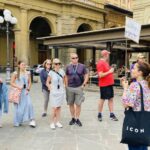
You meet at Piazza San Marco and you’re asked to arrive 15 minutes early. If you’re centrally located, pickup may be offered from your accommodation (they’ll do it on foot), but there’s no drop-off after the tour.
The pacing is a big part of the value. Many people book this when they want a guided “why” first, then the freedom to explore “what” on their own—because once you know the family behind the art, the streets start making sense.
You can also read our reviews of more walking tours in Florence
Palazzo Medici Riccardi: where Cosimo’s power shows up in stone
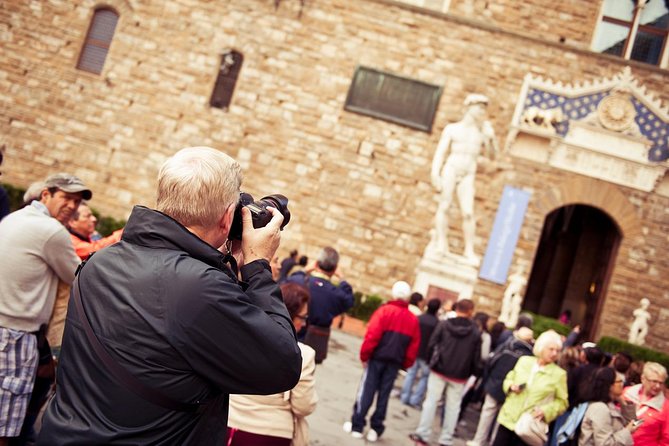
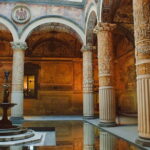
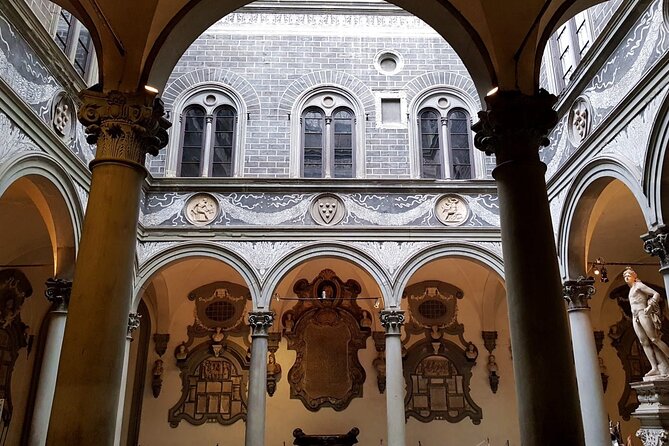
Your first stop is Palazzo Medici Riccardi, a key building for understanding the Medici’s early rise. Cosimo de’ Medici commissioned it in the mid-1400s, and Michelozzo designed a façade that feels plain at first glance—but that sturdiness is the point. It signals power through restraint.
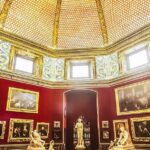
The standout interior feature here is the Magi Chapel, decorated with vibrant frescoes by Benozzo Gozzoli. This is one of the moments where the tour can feel more than “look at buildings,” because you get a direct line to how the Medici used art to project influence.
The time at this stop is short—about 15 minutes—but it’s also the stop where admission is free. If you care about seeing the chapel details up close, I’d treat this as your “pay attention” moment during the tour, not a quick photo stop.
Piazza del Duomo: the Medici era skyline in one crowded square
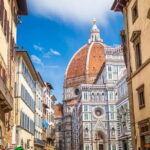
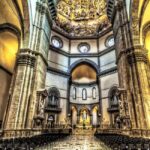
Next comes Piazza del Duomo, Florence’s monumental hub. You’ll be standing in the same place where the city’s big artistic and religious ambition takes physical form: Santa Maria del Fiore with Brunelleschi’s dome, Giotto’s bell tower, and the Baptistery of San Giovanni with its famous marble work and golden Gates imagery.
Expect mostly orientation and visual framing here, not a sit-down tour of inside spaces. The Cathedral area stop is not included for admission on this route, so you’re using the guide’s explanations to help you decide later if you want to add tickets.
This is the kind of stop where a good guide can save you hours. Once you understand what you’re looking at—dome engineering, bell tower role, baptistery artistry—the Duomo area stops being just “pretty stone” and becomes a map.
Basilica di San Lorenzo: Medici burial art without the sermon
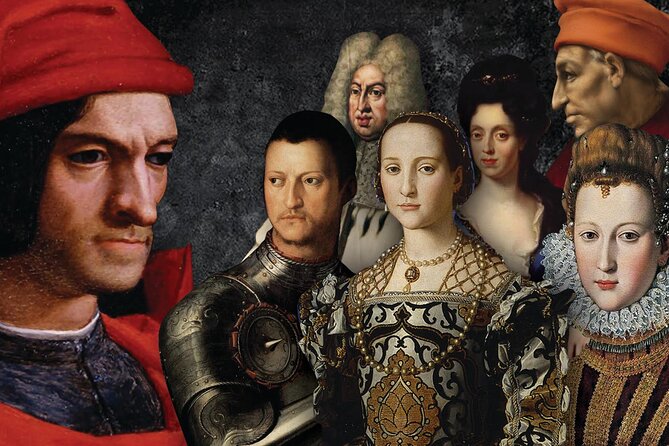
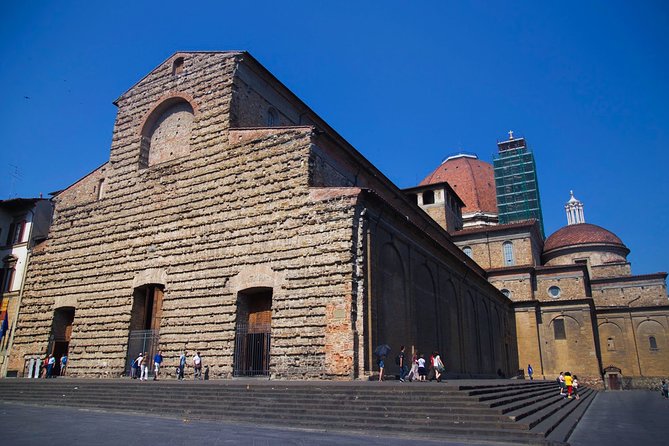
You also visit Basilica di San Lorenzo, strongly tied to Medici legacy. The building traces back to the 4th century, then was rebuilt in the 15th century with design work credited to Brunelleschi. From the outside, it can look almost calm and simple, but the interior is where the art and ambition land.
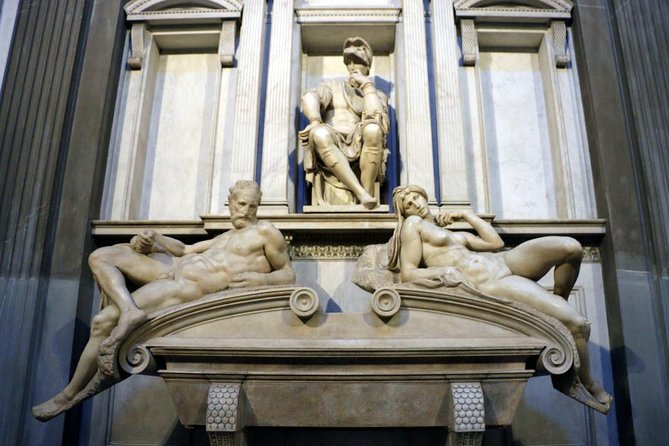
The tour spotlights works you’ll hear about in context, including art by Donatello, along with the Medici Chapels. Those chapels are the big reason people connect San Lorenzo to the Renaissance art machine—because the tombs are credited to Michelangelo, and they turn burial into public power.
One practical note: admission is not included here. So if your goal is to go straight from story to inside viewing, you’ll likely need to plan a separate ticketed visit.
Piazza della Signoria and Palazzo Vecchio: Florence’s old power headquarters
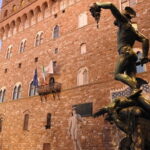
Then you head to Piazza della Signoria, where civic power and Medici-era politics feel close enough to touch. This square sits under Palazzo Vecchio, the heavy-hitting landmark that still defines the area.
You’ll see the square as a sort of open-air museum: a replica of Michelangelo’s David, the Fountain of Neptune, and the statues under the Loggia dei Lanzi. It’s a stop that works even if you’re not an art expert, because the guide can explain why these pieces mattered to a ruling class.
This stop is listed with free admission, and it’s also one of the best places to get your bearings. After you walk here with context, you start to spot symbols on your own when you wander back later.
You can also read our reviews of more private tours in Florence





Ponte Vecchio and the Vasari Corridor: the Medici secret path above the shops
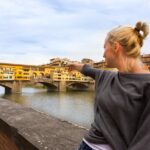
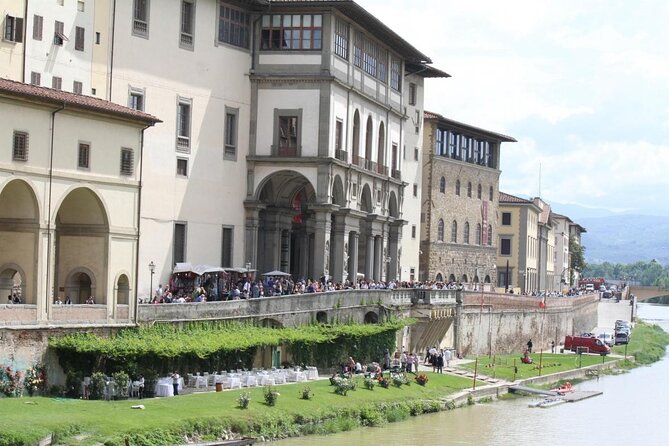
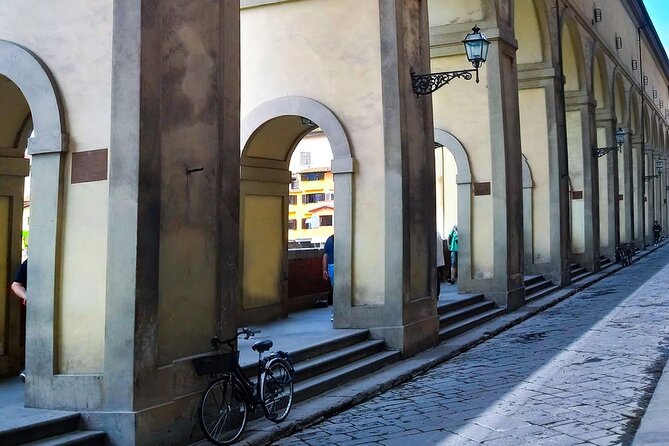
If you’ve only seen Ponte Vecchio from postcards, this stop will recalibrate it. The bridge is Florence’s oldest and most recognizable, and today it’s known for its row of jewelry shops. But the real Medici angle is the Vasari Corridor, built in 1565 to connect Palazzo Vecchio to Palazzo Pitti.
The corridor is described as a hidden elevated passageway that let the Medici move without being seen from street level. Even if you can’t access everything associated with it during a short walking tour, the explanation turns Ponte Vecchio into a story about surveillance, control, and convenience in the Renaissance city.
This stop is also listed as free admission, so you’re mostly absorbing the visual and historical setup. I like this part because it’s where the “scandal and strategy” tone can really land—stone, commerce, and politics in one view.
Palazzo Pitti: royal residence energy, with an important ticket reality check
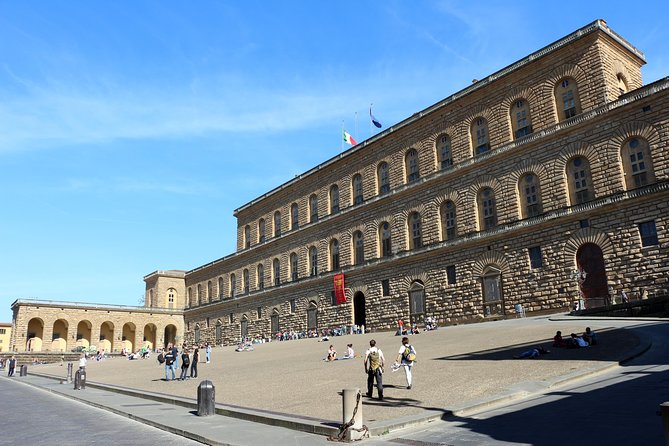
Your final major stop is Palazzo Pitti, once a Medici residence and now a major museum complex. The scale alone makes it feel like a statement. Inside, the palace connects to major art collections like the Palatine Gallery, with works by Raphael and Titian being specifically mentioned for this stop.
The palace also opens onto the Boboli Gardens, a big garden space with sculptures, fountains, and long views across Florence. This is the reason many people end their day here: it’s a natural follow-on once your guide has done the “who and why” work.
But here’s the key practical point: admission for Palazzo Pitti is not included on this tour. In plain terms, you’ll get the storytelling and the look from the outside, plus orientation for what to do next—then you decide whether to buy museum or garden tickets.
This is where the “premium price vs. entrances” issue can matter. If you’re hoping for maximum inside time, you’ll want to pair this tour with at least one ticketed add-on, not treat it as a replacement for museum visits.
Price and value: what you’re really paying for
At $126.16 per person for about 2 hours, you’re paying primarily for the guide, the route planning, and the way the Medici story connects the major landmarks. This can feel like strong value when you’re the type who wants context while you walk.
But if your expectation is that you’ll enter multiple major buildings during the tour, you may feel the pinch. The tour includes free admission at Palazzo Medici Riccardi, and some key square/bridge viewpoints are free, yet other major stops (like the Duomo area, San Lorenzo, and Palazzo Pitti) are not included for admission.
So I’d frame it like this: the tour is great as a story first pass. If you want ticketed interiors without extra cost, you’ll need to plan ahead and expect separate purchases for some monuments.
Guide quality: the name changes, the energy stays
The strongest praise in the reviews centers on guides who are energetic, humorous, and clear. People highlighted Isabela, Marcello, Irene, Lisa, Giacomo, and Marco/Mark for doing more than listing facts—answering questions and building a structured Medici narrative as you walk.
One theme that keeps showing up: people felt the tour made other visits easier. They came away understanding why certain buildings mattered, so later museum time felt less like isolated rooms and more like chapters.
I also like that some guides were described as checking on comfort—shade and sun concerns came up in at least one account—because that matters in Florence. If you tend to get tired quickly outdoors, this is the kind of tour where a good guide can help you keep it enjoyable.
One possible drawback to plan for: entry expectations
A single critical review calls out a mismatch between the way the tour can be described and what’s actually included, especially around admissions and entry into buildings and private passage-type areas. The message wasn’t subtle: some folks felt they paid a premium price for more “walk past” time than expected.
Your best defense is simple: treat this as a guided walking tour with a strong story line, not a guaranteed ticket package. The stop-level info here supports that view: only specific spots are free for admission, and multiple major sights are marked as not included.
If you want interiors, decide in advance which monument(s) you’ll add right after the tour. You’ll get more satisfaction that way, and you won’t feel like you’re paying twice for the same thing.
Who should book this Medici private tour?
Book it if:
- You love the Medici story—power, art, family strategy, and scandal in one thread.
- You want a guided way to see top Florence landmarks without getting lost in names and dates.
- You’re visiting for the first time and want a foundation for later self-guided wandering.
Skip it or adjust expectations if:
- Your main goal is museum and chapel time with included admissions.
- You dislike short stops and prefer long, ticketed interior experiences.
- You’re expecting access to private passageways beyond what’s possible during a short walking format.
Should you book? My practical take
If you want Florence to make sense fast, this tour is a solid way to start. The structure—connecting major buildings with the Medici power narrative—can turn the city into something you understand, not just something you photograph.
I’d still book with eyes open. Expect great explanations and orientation, but plan to buy tickets separately for the big interior moments you care about most. If you do that, you’ll get a lot out of the two hours, and you’ll know exactly where to aim your next visit once you reach Palazzo Pitti.
FAQ
How long is the Medici private walking tour?
It runs about 2 hours.
What’s the price per person?
The price is $126.16 per person.
Is this tour private?
Yes. It’s listed as private, meaning only your group participates.
Do they pick you up from your hotel?
Pickup is offered if your accommodation is centrally located, and pickup is done on foot.
Where do I meet the guide?
You meet at Piazza San Marco, Firenze FI, Italy.
Where does the tour end?
The tour ends at Palazzo Pitti, Piazza de’ Pitti, 1, 50125 Firenze FI, Italy.
Is admission to the monuments included?
Admission is mixed. Palazzo Medici Riccardi is listed as free, while several other major stops are not included for admission.
Is the tour offered in English?
Yes, it’s offered in English.
Are earphones provided?
Earphones are provided if necessary.
What’s the dress code?
Smart casual is requested.
If you want, tell me what day/time you plan to go and which sights you most care about inside (Duomo, San Lorenzo, or Pitti). I can suggest a sensible “tour plus ticket” plan so your money buys maximum time in the places you want to see.
You Might Also Enjoy

More Walking Tours in Florence
More Tours in Florence
- The Best tour in Florence: Renaissance & Medici Tales – guided by a STORYTELLER
★ 5.0 · 12,316 reviews




More Tour Reviews in Florence
- Tuscany Day Trip from Florence: Siena, San Gimignano, Pisa and Lunch at a Winery
★ 5.0 · 21,634 reviews - The Best tour in Florence: Renaissance & Medici Tales – guided by a STORYTELLER
★ 5.0 · 12,316 reviews