REVIEW · FLORENCE
Cooking Art Brunelleschi with Unlimited Wine
Book on Viator →Operated by I Love Tuscany Tours · Bookable on Viator
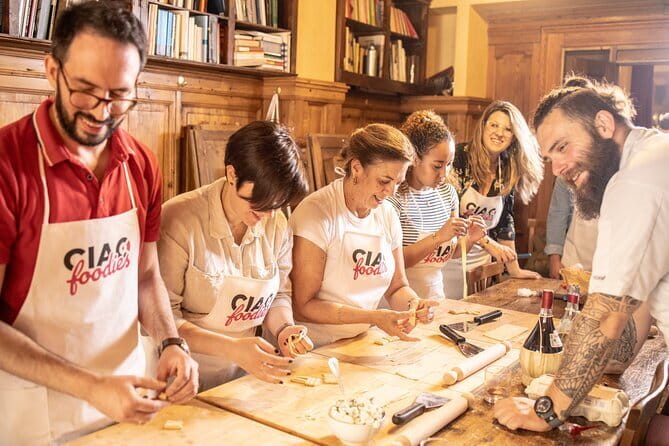
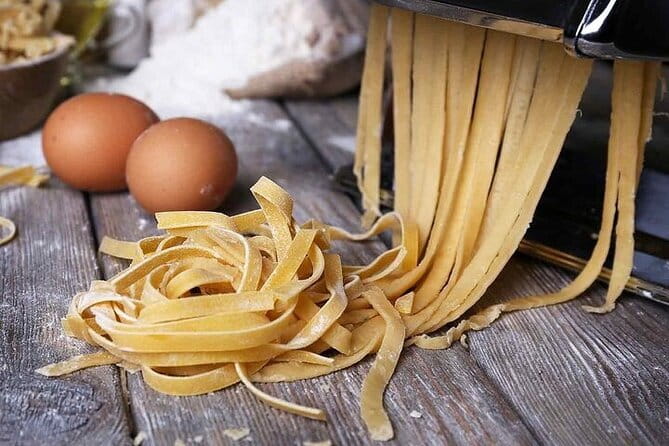
Cooking pasta in Florence is a hands-on kind of fun. This class takes place inside a medieval tower from the 1200s, and you spend the 3 hours learning how to make fresh pasta from scratch. You’ll shape ravioli, tortelli, and pappardelle, then match them with classic sauces like arrabbiata and Tuscan ragù—and you’ll get to eat it all.
I especially like that you work with real ingredients and real techniques instead of just watching. I also like the food-and-wine setup: Tuscan wine is part of the experience, and you pair it with what you made. It’s a practical way to learn Italian cooking habits you can actually use later.
One thing to consider: the class involves a lot of standing and hands-on prep in a historic space, and there’s mention of limited comfort (like no AC). If you want lots of comfortable seating, this is something to weigh first.
In This Review
- What Makes This Pasta Class Worth Your Time
- Inside a 1200s Tower Kitchen: What the Experience Feels Like
- Making Fresh Pasta in Florence: From Flour to Shapes
- The Sauce Workshop: Butter and Sage, Arrabbiata, and Ragù
- Wine Pairing That Actually Fits the Meal
- Lunch: When You Finally Eat What You Made
- Who Teaches You: Chef Personalities Matter
- Price and Value: $35 for Pasta, Wine, and Lunch
- Location: Via de’ Bardi and Getting There Without Drama
- Small Groups, Big Energy: What to Expect with Up to 19 People
- Tips for Making the Most of Your 3 Hours
- Should You Book Cooking Art Brunelleschi with Unlimited Wine?
- FAQ
- How long is the cooking class?
- Where does the class start and end?
- What’s included in the price?
- What pasta and sauces will I make?
- Do I need to bring any cooking supplies?
- Is the class limited to small groups?
- Is the class offered in English?
- Do I need private transportation?
- FAQ
- Can I cancel for a full refund?
- What’s the cancellation cut-off based on?
What Makes This Pasta Class Worth Your Time
- A medieval tower kitchen (1200s setting) that makes the whole thing feel like Florence, not a generic cooking school.
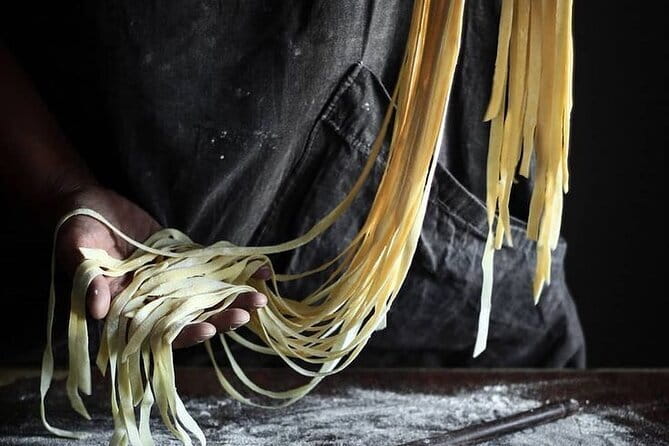
- Three fresh pastas in one session: ravioli, tortelli, and pappardelle—so you leave with multiple techniques, not just one.
- Sauce matching, not sauce afterthoughts: butter and sage, arrabbiata, and old-school Tuscan ragù.
- Small-group energy (maximum 19), with classes effectively broken into smaller working groups.
- Unlimited Tuscan wine plus soft drinks during the experience and meal.
- You don’t need to bring anything because equipment and ingredients are provided.
Inside a 1200s Tower Kitchen: What the Experience Feels Like
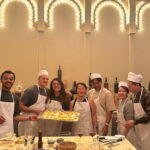
This is the kind of cooking class that starts working on your senses before you ever touch flour. You’re in Florence, but instead of a modern studio, you’re learning in a medieval tower kitchen dating back to the 1200s. That changes the vibe. You feel like you’re cooking in the same kind of environment that shaped Renaissance-era food culture, not in a classroom.
The room also nudges you into a certain rhythm. It’s hands-on, and it’s social. Everyone is doing something—mixing, shaping, learning how dough should look and feel, then moving to sauces and cooking steps. If you’re the type who likes to jump in and learn by doing, you’ll get a lot out of it.
The downside of a historic setting? People do note comfort issues like standing for stretches and limited climate control. Plan for a warm, busy environment. Comfortable shoes matter more than you’d think, especially when you’re bent over dough and repeating motions.
You can also read our reviews of more wine tours in Florence
- Tuscany Day Trip from Florence: Siena, San Gimignano, Pisa and Lunch at a Winery
★ 5.0 · 21,634 reviews
Making Fresh Pasta in Florence: From Flour to Shapes
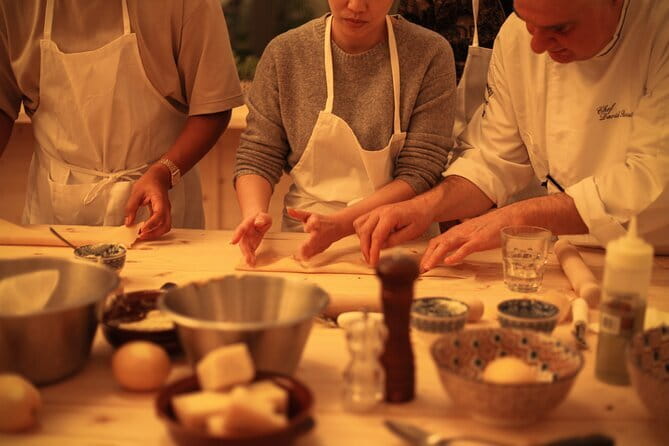
The core of the class is building fresh pasta from scratch, the old way. The session is designed around learning the process step by step—from flour and dough to finished, shaped pasta—so you’re not stuck at the same stage for the whole time.
You’ll prepare three types of fresh pasta:
- Ravioli
- Tortelli (often described as tortello)
- Pappardelle
What makes this valuable is variety. Different pastas ask for different handling. Ravioli and tortelli teach you how to work with filled pasta and how to seal properly. Pappardelle teaches you a different skill set: rolling and cutting into wide ribbons that behave differently in sauce.
Also, the class isn’t just you trying to do everything alone. The chef works alongside you and handles sauces and key cooking steps too. That matters because pasta has a few timing traps. If sauce and dough don’t line up, the meal won’t feel as good. Here, the structure aims to keep everything flowing so you can cook, then eat.
If you’re a beginner, you’ll likely appreciate the pacing and hands-on guidance. If you’re more experienced, you still get something: a chance to refine technique in a real Tuscan kitchen setting with equipment provided for the course.
The Sauce Workshop: Butter and Sage, Arrabbiata, and Ragù
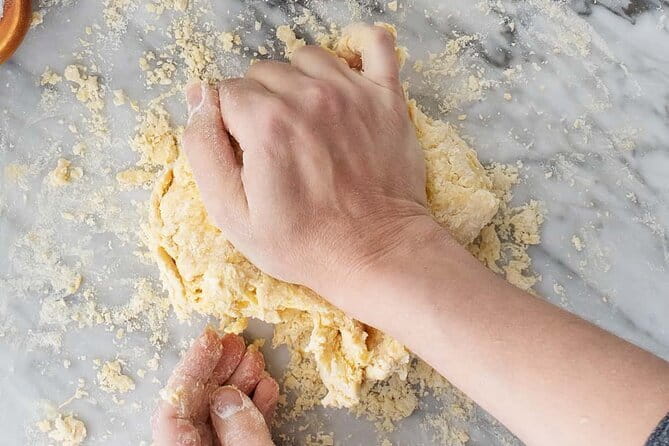
In Italy, sauce isn’t decoration. It’s the point where pasta becomes a full meal. This class treats sauce like a skill you learn, not something you receive pre-made.
You’ll pair your pasta with three sauce styles:
- Butter and sage (simple, aromatic, and great for learning how fat and flavor work together)
- Arrabbiata (a classic spicy tomato sauce style)
- Old-fashioned Tuscan ragù (a slow-cooked meat sauce approach)
Here’s why this matters for your home cooking: you’re not just collecting recipes. You’re seeing how sauce consistency changes when it cooks down, and how different sauces cling to different pasta shapes. That’s the real transferable knowledge.
You’ll also learn that the chef is doing more than “telling you what to do.” The sauces are in motion while you’re working on pasta, and you get a sense for how timing and simmering fit into the full workflow. One review notes that the ragù and wine component can involve a longer simmer, which hints at the style: sauce gets time to develop flavor while the rest of your meal prep happens.
Wine Pairing That Actually Fits the Meal
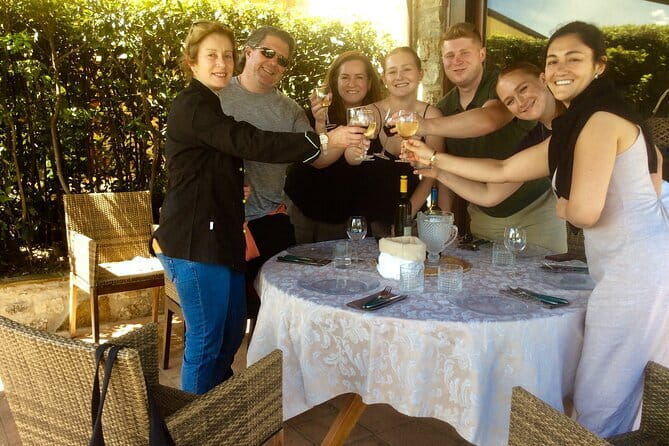
Unlimited wine is often a marketing line. Here, it makes more sense because it’s tied to the cooking and then the meal.
You’ll drink Tuscan wine during the experience, along with unlimited soft drinks. The vibe is relaxed rather than formal. You’re working with your hands, tasting as the class goes, then eating what you made.
What I like about pairing wine with cooking classes is the feedback loop. If you’re enjoying the flavors as you learn them, you’re more likely to remember what worked—how acidity balances richness, how spice changes your perception, how a tomato sauce feels different with each sip.
If you don’t drink wine, you still have soft drinks unlimited, so you can participate comfortably. Just go in knowing the room is lively, and the pacing is built for a food-and-wine meal, not a quiet lecture.
Lunch: When You Finally Eat What You Made
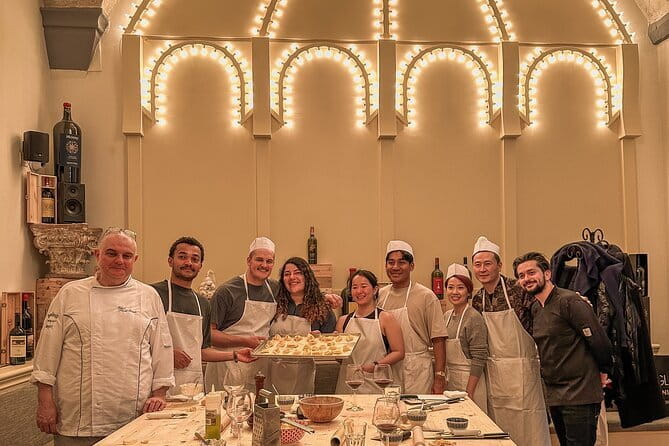
The class ends with you eating the full meal you created. That includes the pasta and the sauces you prepared (and sauces the chef prepared alongside you). It’s not a token bite at the end—it’s the reward for the work.
Your sample menu includes:
- Ravioli with butter and sage
- Tortello all’arrabbiata
- Pappardelle with Tuscan Ragù
This matters because fresh pasta is best when it’s cooked and served right. The best sign of value here is simple: the experience doesn’t stop at the cutting board. You get a real lunch, not just a tasting.
You may also be able to take home recipes. Some people report receiving the recipes after the class, which is helpful if you want to recreate your favorites at home. Even if you forget the exact steps, you’ll still come away with the feel of dough and the logic behind sauce pairing.
- The Best tour in Florence: Renaissance & Medici Tales – guided by a STORYTELLER
★ 5.0 · 12,316 reviews

Who Teaches You: Chef Personalities Matter
One reason this class gets such a strong reputation is the human factor. Different chefs lead different sessions, and the teaching style shows.
Names that have appeared in past experiences include Eduardo, Niccolo, Francesca, Eno, Andrea, Arturo, Jon Marco, Valentino, and Giordano. Across these names, the common thread is clear instruction plus a patient, friendly tone—especially when you’re learning hands-on techniques like sealing filled pasta or getting dough to the right consistency.
If you’re worried you’ll feel rushed or lost, don’t be. The class structure and the chef’s role are built for beginners as well as repeat cooks who want to improve.
Price and Value: $35 for Pasta, Wine, and Lunch
At $35.07 per person, this is priced like a budget-friendly food tour, but it behaves more like a full meal plus a serious skill session.
Here’s what you’re getting for the money:
- A professional chef
- Ingredients for fresh pasta
- Equipment provided
- Lunch (the pasta and sauces)
- Tuscan wine and unlimited soft drinks
When you compare that to what a single sit-down lunch plus wine costs in Florence, the pricing starts to look more like an even trade. What you’re really paying for is the combination of instruction and a meal you can’t easily replicate without the chef’s guidance.
Yes, it’s a short class (about 3 hours). But within that window, the structure hits the core Italian skills most people want: pasta-making basics and sauce pairing.
If you want a high-impact experience on a busy trip, this is a strong value move.
Location: Via de’ Bardi and Getting There Without Drama
The meeting point is Via de’ Bardi, 23 r, in Florence. The location is described as near public transportation, which is helpful because you don’t have to figure out private transport for the class.
That said, there’s a recurring practical note: finding the spot can be confusing at first, since the area doesn’t always feel like it has clear signage. Give yourself a little extra time on arrival, and use a map app rather than relying on street memory.
Your booking covers the class and ends back at the meeting point, so you don’t need to plan where you go after lunch. Just keep in mind: this is a standing, hands-on session, so plan footwear and energy accordingly.
Small Groups, Big Energy: What to Expect with Up to 19 People
The maximum group size is 19. That’s not huge, and it helps keep attention on you and your station. Also, the class breaks into smaller groups, which reduces the feeling of waiting around.
This matters for learning. Pasta skills depend on feedback. If the class is too large, you lose the chance to correct technique. Here, the structure keeps things moving and lets you get hands-on help.
One more note from practical comfort: the room can feel crowded during certain stages, and some people have noted audio volume or a hectic check-in moment. None of that ruins the class—but it does suggest the smart move: arrive on time, stay flexible, and expect a lively start.
Tips for Making the Most of Your 3 Hours
If you want this class to land as a highlight, do these:
- Wear comfortable shoes for a standing-heavy session.
- Come hungry enough to earn lunch. You’ll be cooking and eating, not just nibbling.
- If you’re sensitive to spice, keep an eye on the arrabbiata sauce pairing and pace your tasting.
- Ask questions when you’re shaping pasta. The chef’s feedback during sealing and cutting steps is where your technique improves the most.
- If recipes are offered, grab them before you leave so you can repeat your favorites later.
Also: treat the experience as a skill workshop. You’ll enjoy it more if you see it as learning pasta logic—how texture and sauce style work together—rather than just a fun meal.
Should You Book Cooking Art Brunelleschi with Unlimited Wine?
Book it if you want:
- A hands-on Florence food experience in a historic space
- Learning that goes beyond eating—fresh pasta skills plus sauce pairing
- A fun, social meal with unlimited Tuscan wine and soft drinks
- A class that tends to work for both beginners and intermediate cooks
Skip it (or think twice) if:
- You strongly prefer lots of sitting and quiet comfort
- You hate standing for long stretches
- You’re hoping for an ultra-low-key experience with minimal crowd energy
My take: this is one of those trips-to-Italy moments that feels worth the time because you leave with both knowledge and a full meal. The medieval tower setting is a nice bonus, but the real win is the practical pasta-making skill set plus the classic Tuscan sauces that match what you made.
FAQ
How long is the cooking class?
It runs about 3 hours (approx.).
Where does the class start and end?
It starts at Via de’ Bardi, 23 r, 50100 Firenze FI, Italy, and ends back at the same meeting point.
What’s included in the price?
Lunch, a professional chef, ingredients and equipment for the fresh pasta course, and Tuscan wine plus unlimited soft drinks are included.
What pasta and sauces will I make?
You’ll prepare three types of fresh pasta: ravioli, tortelli, and pappardelle. The sauces include butter and sage, arrabbiata, and old-fashioned Tuscan ragù.
Do I need to bring any cooking supplies?
No. You don’t have to bring anything; all equipment is offered.
Is the class limited to small groups?
Yes. The maximum group size is 19 travelers.
Is the class offered in English?
Yes, it’s offered in English.
Do I need private transportation?
Private transportation is not included. The meeting point is near public transportation.
FAQ
Can I cancel for a full refund?
Yes. You can cancel up to 24 hours in advance for a full refund.
What’s the cancellation cut-off based on?
The cut-off times are based on the experience’s local time.
You Might Also Enjoy

More Wine Tours in Florence
- Tuscany Day Trip from Florence: Siena, San Gimignano, Pisa and Lunch at a Winery
★ 5.0 · 21,634 reviews
More Tour Reviews in Florence
- Tuscany Day Trip from Florence: Siena, San Gimignano, Pisa and Lunch at a Winery
★ 5.0 · 21,634 reviews - The Best tour in Florence: Renaissance & Medici Tales – guided by a STORYTELLER
★ 5.0 · 12,316 reviews