REVIEW · FLORENCE
Florence: Cooking Class with Local Food Market Tour
Book on GetYourGuide →Operated by Towns of Italy · Bookable on GetYourGuide
A kitchen smell you can follow. This Florence cooking class pairs a Central Market walk with real hands-on cooking, so you connect ingredients to the meal on your plate. I like that it leans into family-style teaching, from the market conversations to the pasta steps, with guides like Alice and Federico often noted for clear pasta tips.
I also like the full ritual feel: you shop, taste, cook, then sit down to eat what you made with Chianti. The class even anchors to Nonna Wilma’s tradition through a lasagna workshop tied to homemade technique. One drawback to plan around: it’s not suitable for celiac/gluten intolerance, so if gluten is an issue, you’ll need a different option.
In This Review
- Key Points You’ll Care About
- Market First: How the Central Market Tour Changes Your Cooking
- Nonna Wilma’s Kitchen: What You Cook Hands-On (No Demo Watching)
- Fresh Pasta Skills That Actually Transfer Home
- Lasagna Workshop + Ragù: Why This Is More Than a Pasta Class
- Tiramisù from Scratch: The Coffee Question and the Cream Steps
- Your Meal at the Table: Chianti Pairing and the Best Part
- Price and Value: Is $63 Worth It in Florence?
- Timing, Options, and What to Do If You’re Short on Hours
- Practical Tips So You Get the Most From the Day
- Who Should Book This Florence Cooking Class?
- Should You Book the Florence Market-and-Cooking Class?
- FAQ
- How long is the Florence cooking class with market tour?
- What’s included besides cooking?
- Is it a hands-on class or mostly watching?
- Is there a vegetarian option?
- Can vegans or people with celiac/gluten intolerance join?
- Is the class taught in English?
- Are kids allowed?
Key Points You’ll Care About
- Central Market first: you taste local items like olive oil and truffle products, then cook with what you learn to look for
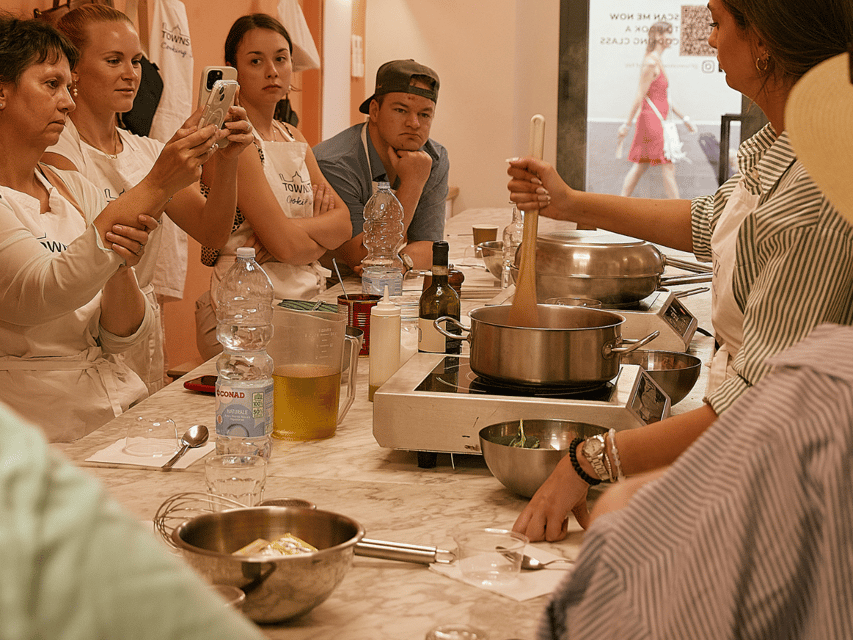
- 100% hands-on pace: you roll pasta and assemble dishes yourself, not just watch a demo
- Nonna-style lasagna workshop: fresh pasta and Bolognese ragù are part of the core experience
- Tiramisu from scratch: you learn the steps end to end, including the coffee-and-cream logic
- Small group energy: some bookings run very small (one noted group size was just 6), so questions get answered
- Lunch with Chianti: the wine pairing is included with your meal, plus a sweet dessert-wine finish
Market First: How the Central Market Tour Changes Your Cooking
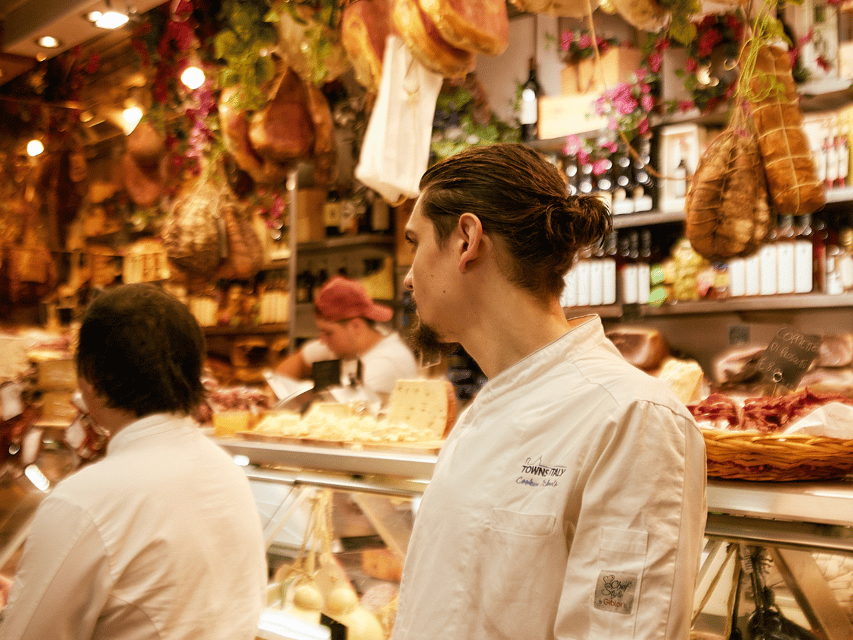
Starting in Florence’s Central Market changes everything. You’re not guessing what ingredients should taste like. You get an expert guide to help you “talk food” with vendors, ask what’s best today, and learn how locals choose seasonal items.
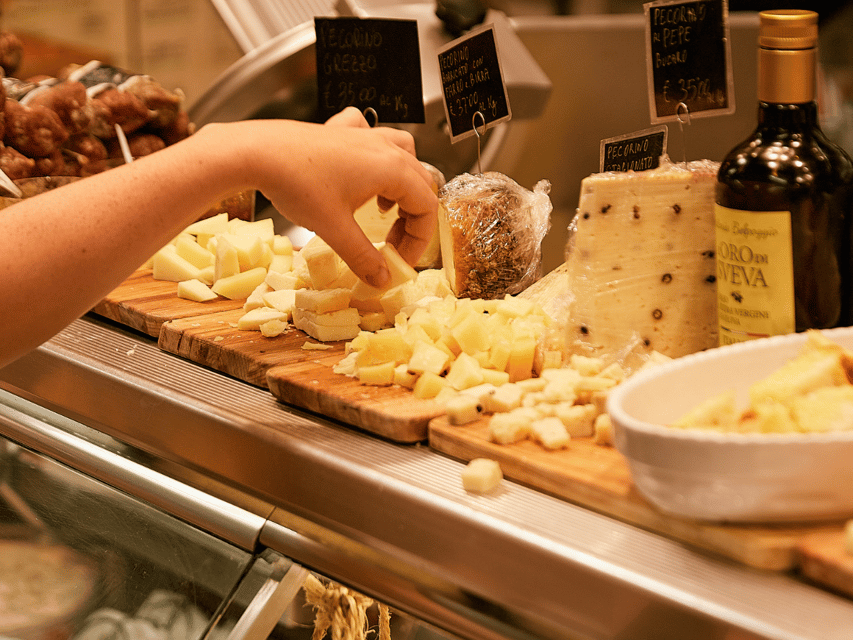
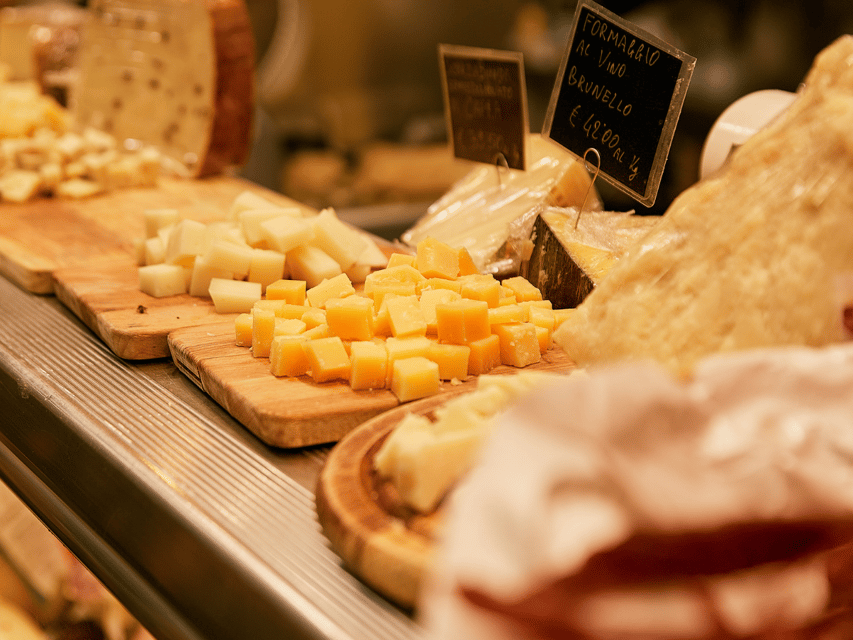
This is where people often mention tastings that make the kitchen make sense later. You might sample cheeses and cured meats, plus small tastes of things like olive oil and balsamic vinegars. Truffle fans especially seem to love the stops—Emily (at a truffle stall) gets named for guiding guests through how to taste and what to look for when products are labeled differently.
The market also gives you practical instincts. You’ll start noticing how much the day’s produce quality matters, and why “fresh” isn’t just a marketing word in Tuscany. If the market lanes are crowded, it can get loud—one person noted that hearing from the back can be hard in narrow walkways—so try to position yourself where you can listen when you can.
You can also read our reviews of more food & drink experiences in Florence
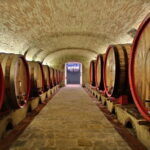
Nonna Wilma’s Kitchen: What You Cook Hands-On (No Demo Watching)
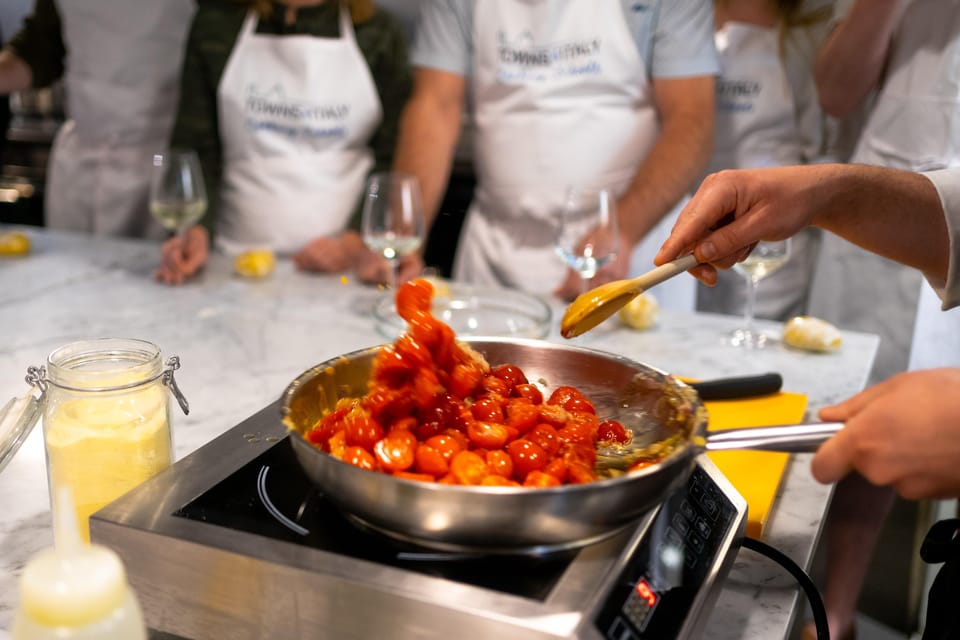
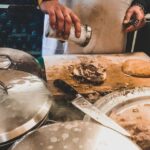
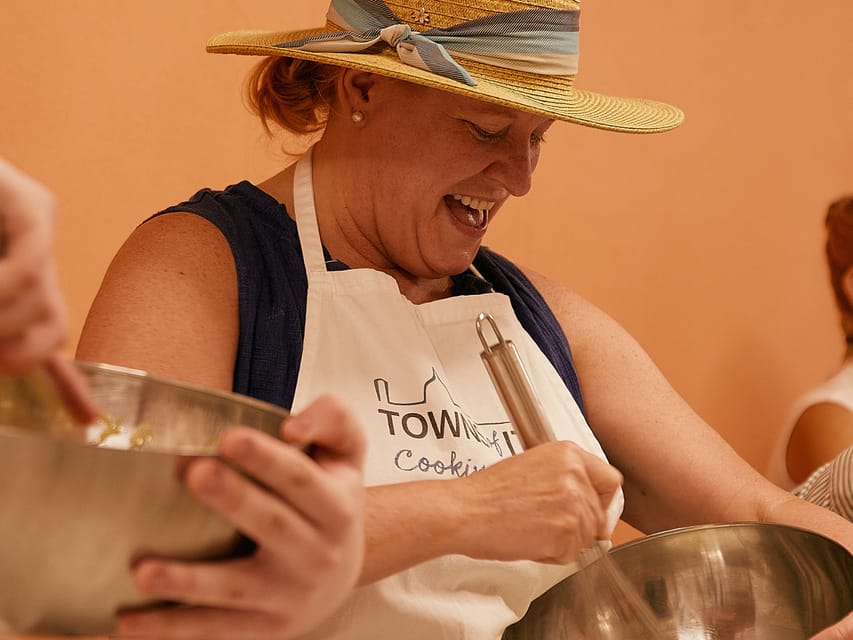
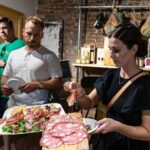
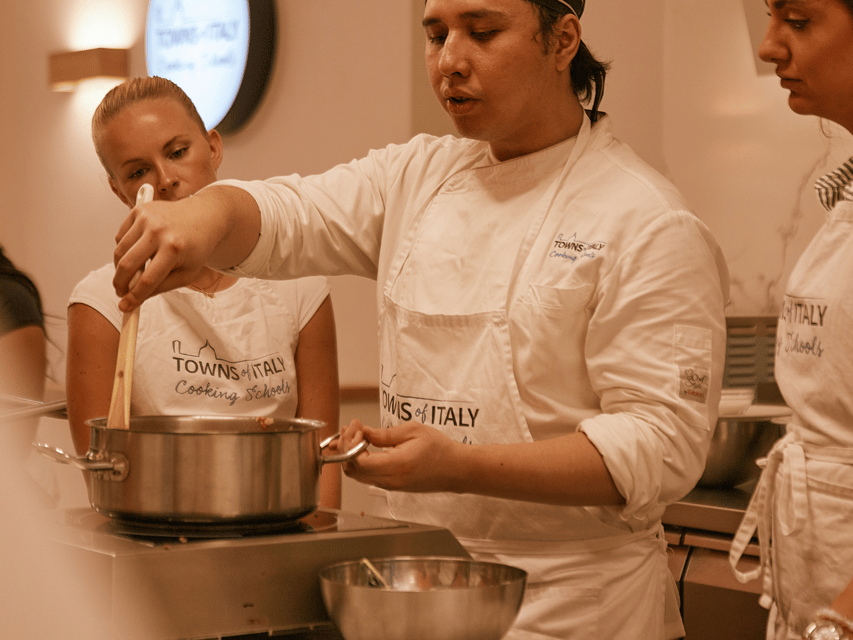
Back at the school, the class shifts from shopping questions to kitchen muscle memory. The format is hands-on from start to finish, with professional chefs guiding you through steps side by side. Reviews consistently praise the teaching style—people mention patience and humor from instructors like Roberta, Victoria, and Lisa, plus focused pasta instruction from Federico.
The centerpiece is Nonna-style lasagna: you work through fresh pasta preparation and Bolognese ragù as part of the workshop. Even if you’ve cooked before, lasagna is a good “reset” dish because it forces you to coordinate dough, sauce, and assembly timing. And because the teaching is step-by-step, you’re not left to guess.
Many bookings also include making and shaping fresh pasta beyond just lasagna components. Some guests mention ravioli or tagliatelle, plus sauces that pair well with what you learned at the market. In plain terms: you’ll likely leave knowing not just a recipe, but a method.
Fresh Pasta Skills That Actually Transfer Home
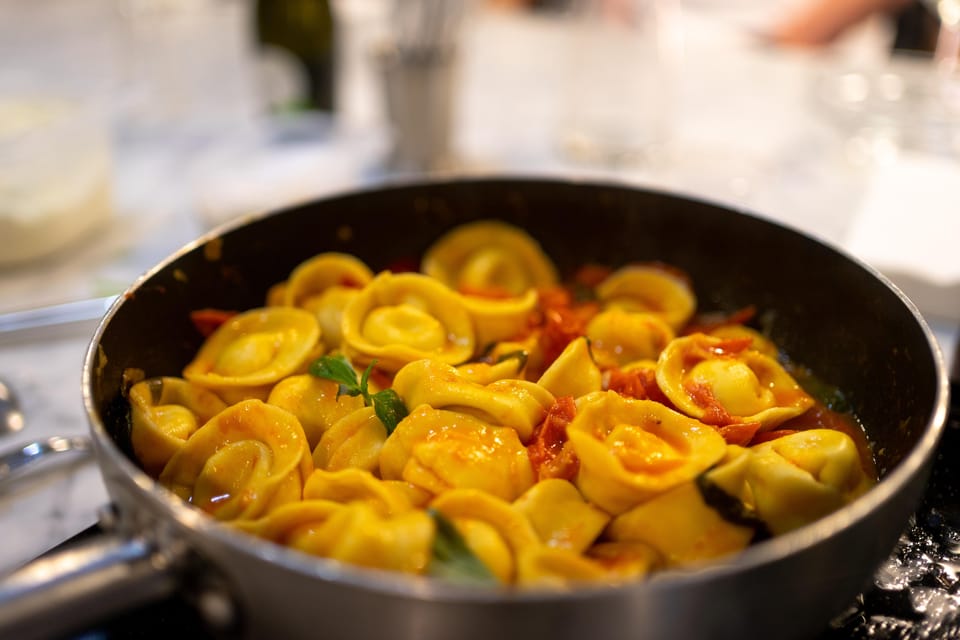
If you remember only one thing from this day, make it the pasta technique. Several people highlight pasta guidance as a standout—like Federico’s tips for preparing pasta correctly. The difference between decent pasta and great pasta often comes down to handling: how you work the dough, how you roll, and how you manage texture and timing.
You’ll also get experience pairing pasta with sauces, not just cooking the dough alone. The class uses traditional ingredients and Tuscan-forward combinations, which helps you recreate flavors at home without needing an Italian pantry miracle. One review also calls out a vegetarian-friendly highlight—ricotta and spinach ravioli with sage butter—so you can see how alternatives still feel like proper Italian comfort food.
If you’re the kind of cook who likes to understand why something works, you’re in the right place. The chefs tend to explain steps as they go, including how to season and prep ingredients properly before heat hits. Even if you’re not confident in the kitchen, that guided rhythm usually makes the process feel doable.
Lasagna Workshop + Ragù: Why This Is More Than a Pasta Class
The lasagna workshop is a smart choice because it’s structured. You’re not thrown into a free-for-all. You learn fresh pasta handling and then you learn ragù as a system: build flavor, manage sauce consistency, and assemble so everything cooks together.
People commonly mention that the pace feels balanced—time working, then time resting, then you jump back in. That matters. When a class is too rushed, you miss technique. When it’s too slow, you stop caring. Here, the timing tends to land in the middle, and many people say the hours fly by.
For most home cooks, ragù is the real prize. It’s easier to reheat and adapt later than a single sauce that only works with one pasta shape. If you ever want lasagna to taste like the ones you remember from Italy, learning the ragù logic is a huge step.
Tiramisù from Scratch: The Coffee Question and the Cream Steps
Tiramisù is the emotional closer. You get a traditional session making it from scratch, not from shortcuts. The process usually covers the coffee component and how it mixes with the creamy layers, plus the assembly rhythm so it sets correctly.
One small detail that can matter for some people: there’s an accommodation possibility if you don’t want coffee in your tiramisù. A guest mentioned an option to make it without coffee, which suggests the chefs are willing to adjust depending on your preference.
This dessert is also a good “souvenir.” It’s one of those recipes where the steps feel special, but the method is learnable. And when you finish your meal in the kitchen, you’re not just making dessert—you’re ending with a dish that matches the family-table spirit of the day.
You can also read our reviews of more tours and experiences in Florence

Your Meal at the Table: Chianti Pairing and the Best Part
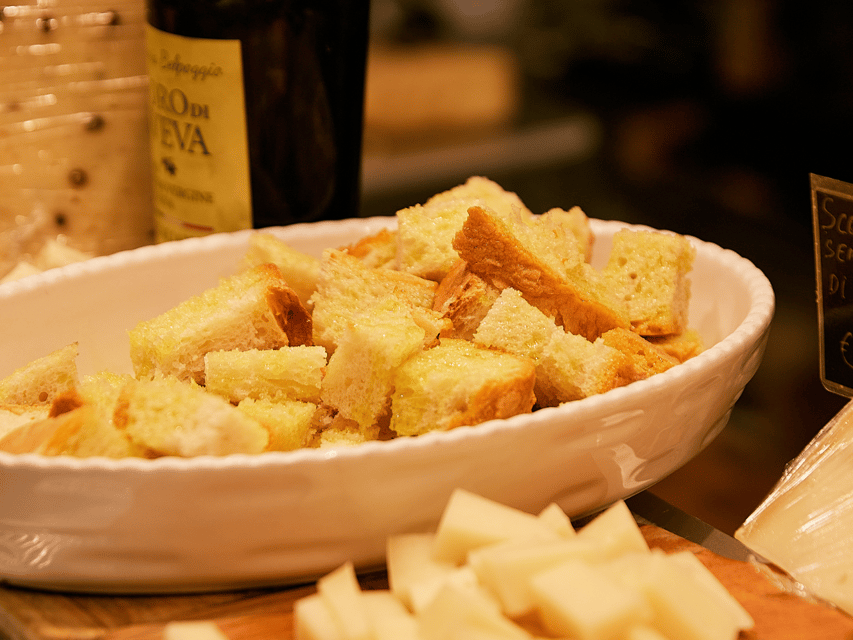
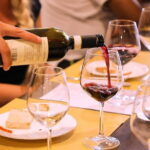
The best moment comes when you sit down and eat what you created. You’ll enjoy a full meal featuring your own cooking, paired with a curated Tuscan wine pairing that includes Chianti. A sweet finish follows with a specialty dessert wine, so the day ends in full “Italy mode.”
This part matters because it locks in learning. When you taste what you made, you immediately understand what seasoning adjustments would help next time. You also get a reality check on portions and timing—because you’re not just tasting samples. You’re eating a proper meal.
If you’re worried about being overwhelmed by wine culture, you probably won’t be. Reviews mention a relaxed atmosphere, plus music and breaks along the way. And since the class is taught in English, you can focus on technique without decoding language barriers.
Price and Value: Is $63 Worth It in Florence?
At $63 per person, this class is priced like a serious food day rather than a quick activity. And it earns that value because it isn’t just “watch and taste.” You get:
- a guided Central Market tour with tastings
- a 100% hands-on cooking session with ingredients and tools
- a Nonna’s lasagna workshop tied to fresh pasta and Bolognese ragù
- tiramisù from scratch
- a full meal you cook, plus Chianti and a sweet wine finish
- a digital recipe booklet so you can actually repeat the dishes
That recipe booklet is underrated. A lot of classes give you vague notes. Here, you leave with a way to recreate the dishes at home, which turns the cost into a “buy once, cook again” type of deal.
Also, small groups can add value. When your group size is small (some were just six people), you get more attention while you work, not just after you’re done.
Timing, Options, and What to Do If You’re Short on Hours
The main experience runs about 3 to 5 hours. Many people mention around five hours, and that it goes quickly because you’re always doing something. If you’re on a tight schedule or you want something shorter, there are alternate versions you can switch to at checkout.
Two common options:
- a 3-hour pasta and gelato class that skips the market (fresh egg pasta making plus gelato demo)
- a cappuccino and tiramisù experience, where you froth a cappuccino (using a moka style) and make your own tiramisù
If you already plan to hit Florence markets on your own, the pasta-and-gelato option can fit. But if you want the “ingredient detective” feeling, the full market-and-class combo is the one to choose.
Practical Tips So You Get the Most From the Day
A few small decisions can make your day smoother.
First, eat before you go. One review suggested having breakfast and coffee because the lunch can land around 1pm, depending on the session. Second, arrive early to the meeting point. The class requires you to be there 15 minutes ahead, because tours start at the scheduled time.
Third, read the dietary notes carefully. Vegetarian options are available if you request them in advance. But the class is not suitable for vegans, and it’s not suitable for celiac/gluten intolerance. If you have other allergies or intolerances, tell the provider ahead of time so they can plan alternatives.
Fourth, bring realistic expectations for mobility. The class is listed as not suitable for mobility impairments, so plan accordingly if stairs or tight spaces are an issue for you.
Finally, for market listening: if your group spreads out, try to stay nearer the guide when you can. The market is loud, and narrow lanes can make hearing harder from the back.
Who Should Book This Florence Cooking Class?
This is a strong fit if you want a real Florence food day instead of a generic cooking show. It works especially well for:
- solo travelers who want an easy social setup (one guest came solo and loved meeting others)
- couples and families who want shared activities and a real meal together
- people who care about technique—fresh pasta steps, ragù logic, and tiramisù assembly
It’s also a good choice if you like tradition with structure. The class is built on a family-kitchen model, with names like Alice, Roberta, Lisa, Victoria, and Federico showing up in feedback for patience, humor, and clear teaching.
Skip it only if your dietary needs fall into the stated limits (no celiac/gluten intolerance, no vegan option).
Should You Book the Florence Market-and-Cooking Class?
If you’re doing Florence once, this is the kind of experience that sticks because it ties ingredients to technique. You’ll leave with a meal you made, wine included, and a digital recipe booklet for repeat cooking at home.
Book it if you want market context plus hands-on pasta skills. Pass if gluten is off-limits for you or if mobility constraints make the market and kitchen setup a bad match.
FAQ
How long is the Florence cooking class with market tour?
The duration is listed as 3 to 5 hours, depending on the option booked and the session timing.
What’s included besides cooking?
You get a historic Central Market tour with tastings, a 100% hands-on cooking class, a Nonna’s lasagna workshop, traditional tiramisù-making, and a full meal with Chianti pairing and a sweet dessert-wine finish. A digital recipe booklet is included too.
Is it a hands-on class or mostly watching?
It’s hands-on. The class is described as 100% hands-on, with cooking done side by side rather than a demo-only format.
Is there a vegetarian option?
Vegetarian-friendly options are available if you request them in advance. The provider notes that alternative recipes are included.
Can vegans or people with celiac/gluten intolerance join?
No. The class is not suitable for vegans and it is not suitable for celiacs or people with gluten intolerance.
Is the class taught in English?
Yes. Instruction is listed as English.
Are kids allowed?
Children and teens under 18 must be accompanied by at least one adult, or they may be excluded without refund.
You Might Also Enjoy

More Food & Drink Experiences in Florence
- San Gimignano, Siena, Monteriggioni, Chianti Day Trip with Lunch & Wine Tasting
★ 4.5 · 4,432 reviews

More Tours in Florence
- The Best tour in Florence: Renaissance & Medici Tales – guided by a STORYTELLER
★ 5.0 · 12,316 reviews




More Tour Reviews in Florence
- Tuscany Day Trip from Florence: Siena, San Gimignano, Pisa and Lunch at a Winery
★ 5.0 · 21,634 reviews - The Best tour in Florence: Renaissance & Medici Tales – guided by a STORYTELLER
★ 5.0 · 12,316 reviews