REVIEW · FLORENCE
From Florence: Cooking Class & Lunch at Tuscan Farmhouse
Book on GetYourGuide →Operated by Walkabout Tours · Bookable on GetYourGuide
A market morning sets the tone. You start in Florence’s Mercato Centrale, then finish in the countryside with hands-on Tuscan cooking and a proper sit-down lunch.
I like the way the market shopping feeds directly into what you cook. I also love the farmhouse setup: you’re not just watching recipes—you’re making them with guidance, from hand-rolled pasta to dessert. One possible drawback: if your group is on the larger side, you may not get as much hands-on time at every single step.
In This Review
- Key highlights (the stuff you’ll remember)
- Mercato Centrale in the morning: why this tour starts in the right place
- Market shopping that actually changes your cooking
- The ride out of Florence and the Tuscan farmhouse setting
- Hand-rolled pasta and ragù: the skills that matter at home
- Bruschetta, Chianti, and the break that keeps you sharp
- Roast pork and herb potatoes: turning the countryside into dinner
- Tiramisù with coffee-and-cream know-how
- The 3-course lunch with wine: what you get after the work
- Guides and chefs: why the personalities affect the learning
- Recipes and a cooking diploma: the value beyond the day
- Who should book this Tuscan farmhouse cooking class
- Quick, practical advice before you go
- Should you book it?
- FAQ
- How long is the Cooking Class and Lunch at a Tuscan Farmhouse?
- Where do I meet the guide in Florence?
- What is included in the price?
- Do you visit Mercato Centrale on Sundays or public holidays?
- Is there a vegetarian option?
- Can you accommodate gluten-free or other dietary requirements?
- Is the tour suitable for wheelchair users?
- What language is the live guide speaking?
- Is this tour suitable for children?
Key highlights (the stuff you’ll remember)
- Mercato Centrale shopping first, so you learn what matters when picking ingredients
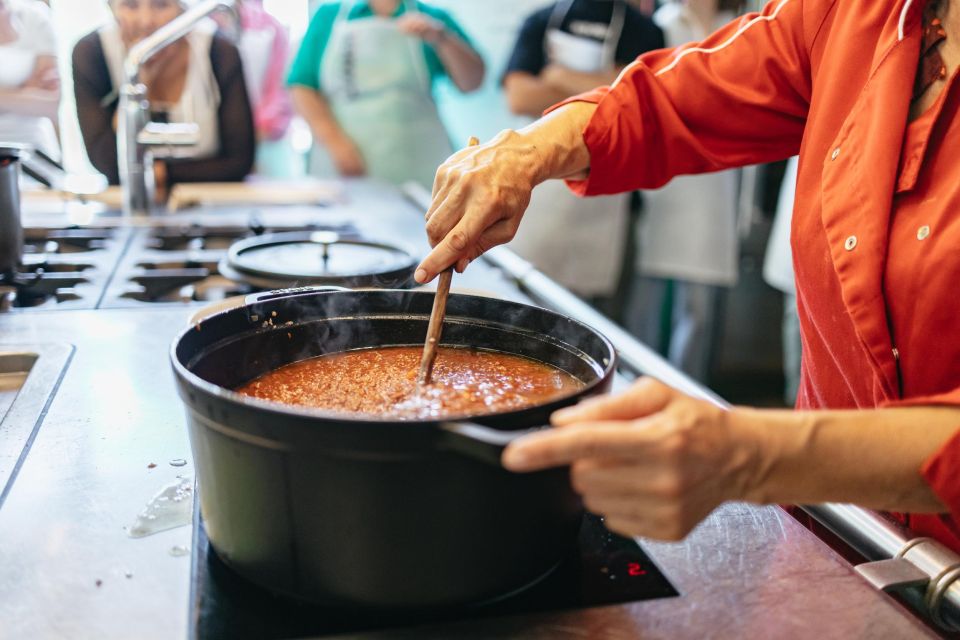
- Hands-on pasta and ragù, with fresh eggs and a hearty, traditional sauce
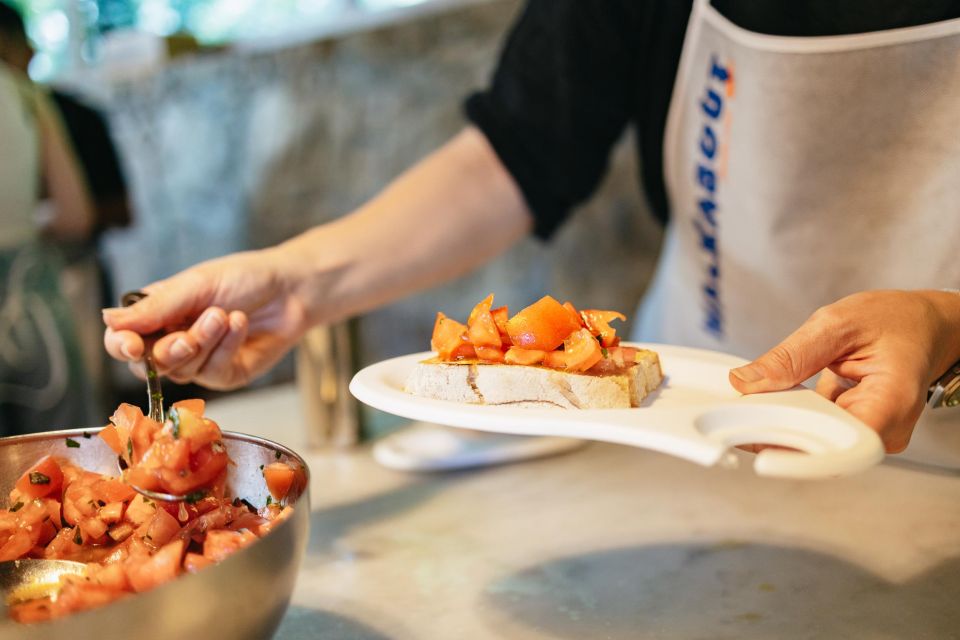
- Bruschetta with farmhouse olive oil, plus tomatoes chosen for peak flavor
- A true lunch on the estate, served as a 3-course meal with local wine
- Tiramisù made with coffee-and-cream know-how, not just instructions
- Recipe handouts and a cooking diploma, so you can cook this again at home
Mercato Centrale in the morning: why this tour starts in the right place
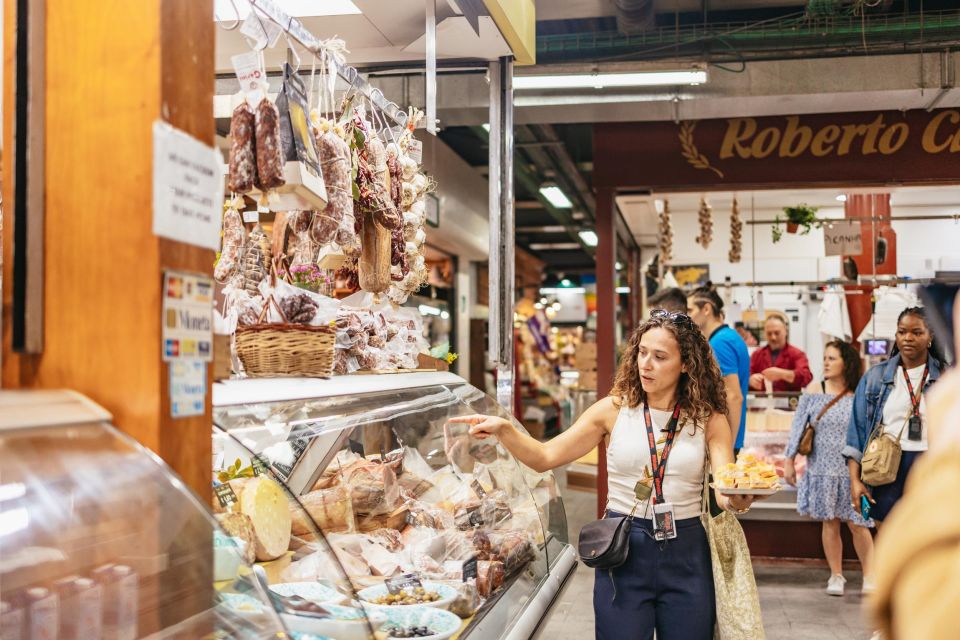
This isn’t a cooking class that drops you into a kitchen with a mystery shopping bag. It begins with a guided walk through Florence’s Mercato Centrale, where you see, smell, and compare ingredients the way locals do.
You’ll cover stalls for the core Tuscan lineup—things like cheeses, cured meats, olives, and vinegar—plus produce that looks like it was picked for today, not shipped for next week. This is a small but important advantage: once you learn how to choose ingredients in the market, you’ll be less stuck later when you try to recreate the dishes at home.
The surface is uneven and the walking can be steep in spots, so it’s not a great match if your mobility is limited. Also, the market stop doesn’t happen on Sundays or public holidays because it’s closed—so plan your dates accordingly.
You can also read our reviews of more cooking classes in Florence
Market shopping that actually changes your cooking
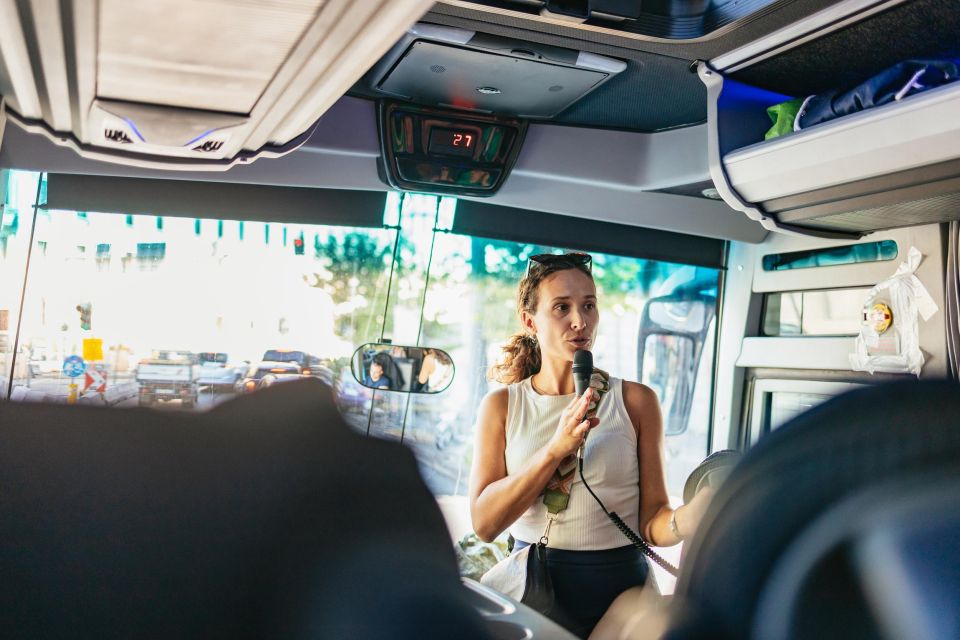
I like that the market portion is tied to the menu. The guide helps you identify what to buy and how to think about quality—seasonal fruit and vegetables, good olive oil, and staples that make Tuscan cooking taste like Tuscany.
You’re not just collecting ingredients. You’re learning what each one is supposed to do in the final dish. For example, you’ll understand why the right bread and tomatoes matter for bruschetta, and why the sauce-building choices matter for ragù.
And yes, you’ll get a sense of how butchers, bakers, and farmers each contribute to the same meal in different ways. It makes the cooking feel less like a script and more like a set of real, practical decisions.
The ride out of Florence and the Tuscan farmhouse setting
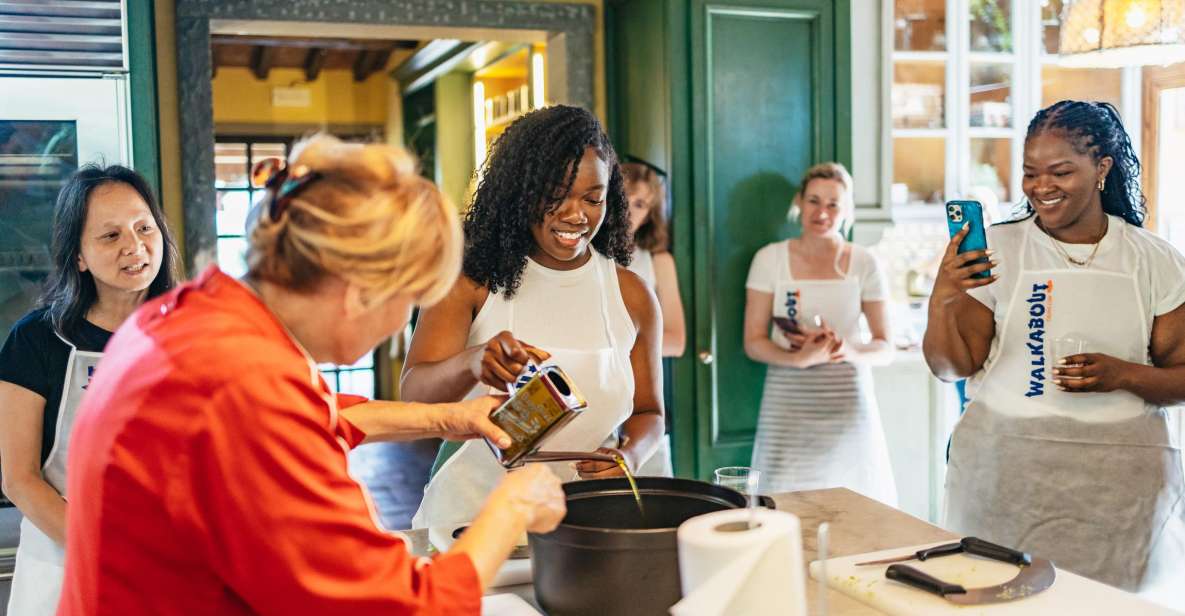
After the market, you board transportation for the drive out to the countryside around Florence. The goal here isn’t speed; it’s atmosphere. You trade city sidewalks for open fields and a quiet farmhouse location where your cooking class can feel like it belongs to the place.
Once you arrive, the setting does what the best country meals always do: it slows you down. In the reviews you can feel how much people enjoy the estate feel—views and outdoor greenery included—because you’re not squeezed into a classroom. You’re set up for a day that moves at a human pace.
This also helps explain why the timing is long enough for real cooking, not just plating. You’ll be there about 6 hours, and you’ll actually go through the sequence of shopping, prepping, cooking, and eating.
Hand-rolled pasta and ragù: the skills that matter at home
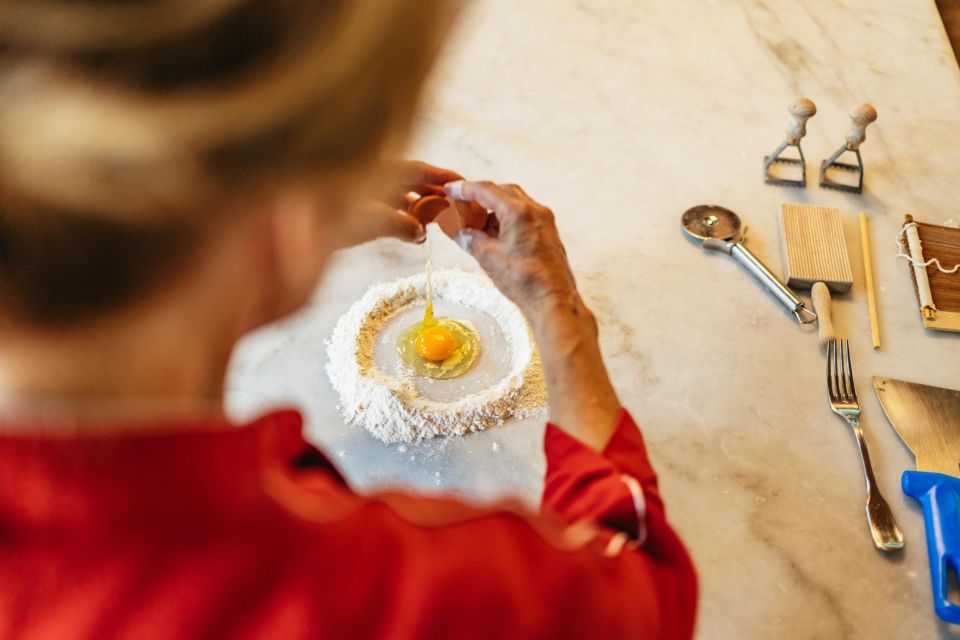
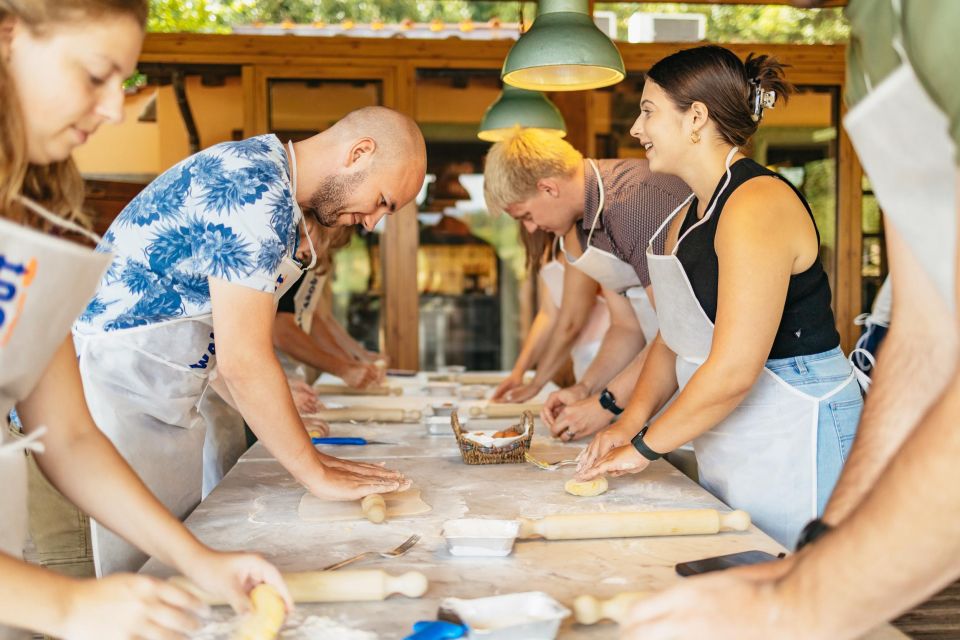
When the chef starts teaching, the big win is that you learn techniques you can repeat. The centerpiece is fresh pasta with eggs, taught in a hands-on way so you can understand dough texture and the logic of shaping.
Then comes ragù, the hearty, traditional sauce that defines comfort Italian cooking. This part is valuable because it teaches you pacing—how to build flavor and not rush what needs time. If you’ve ever tried making ragù at home and wondered why it tastes flat, this is where you get answers.
Even if you don’t nail every step on the first try, you’ll leave with a clearer feel for what the dish should look and taste like. That makes the included recipe sheet more useful later, because you’ll already know what each step is trying to do.
Bruschetta, Chianti, and the break that keeps you sharp
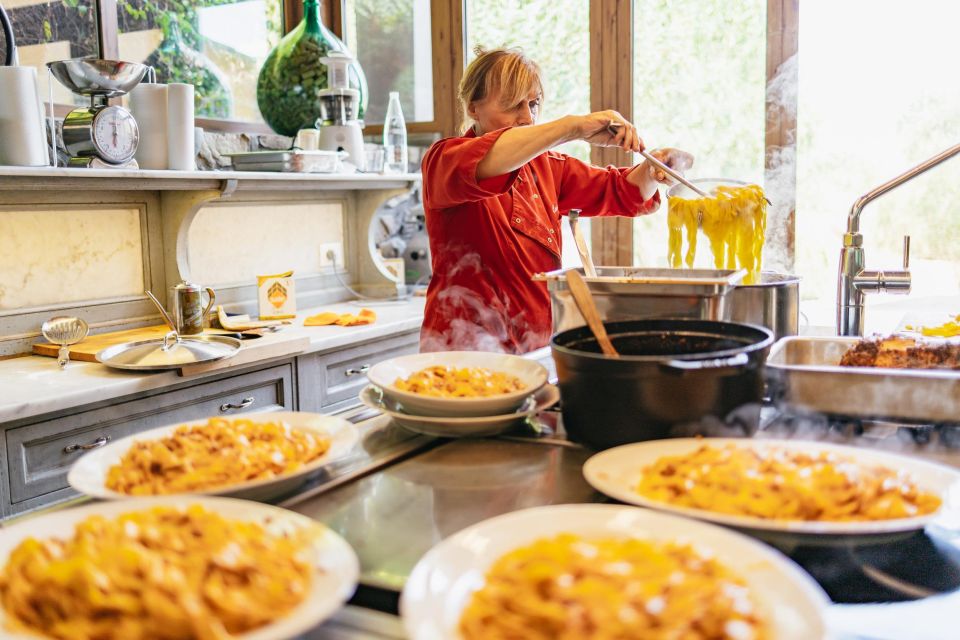
Bruschetta is next, and it’s not the generic version. You’ll make it with fresh bread, homegrown tomatoes, and the farmhouse’s extra virgin olive oil—exactly the kind of ingredient-driven approach that makes simple food taste special.
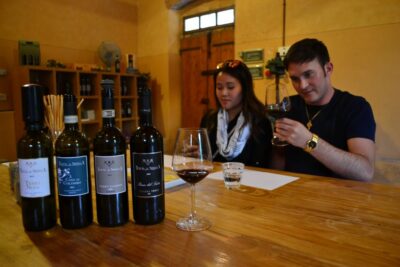
After you’ve been working, you’ll pause for a glass of Chianti. I like these checkpoints. They reset your focus so you don’t spend the rest of the day cooking half-distracted. Plus, it’s a nice reminder that Tuscan meals aren’t just about food prep—they’re about the whole rhythm of a day.
If you care about wine pairing, this is also a preview of what you’ll get again with the lunch courses. The day stays connected instead of turning into separate activities with no payoff.
You can also read our reviews of more tours and experiences in Florence
- Tuscany Day Trip from Florence: Siena, San Gimignano, Pisa and Lunch at a Winery
★ 5.0 · 21,634 reviews - Cooking Class and Lunch at a Tuscan Farmhouse with Local Market Tour from Florence
★ 5.0 · 4,831 reviews - San Gimignano, Siena, Monteriggioni, Chianti Day Trip with Lunch & Wine Tasting
★ 4.5 · 4,432 reviews

Roast pork and herb potatoes: turning the countryside into dinner
Now you’ll shift from Italian comfort classics into the kind of rustic cooking Tuscan farms are known for. You’ll learn how to prepare traditional roast pork and roast potatoes using fresh herbs collected around the farmhouse.
This is one of those steps that’s easy to underestimate. Potatoes roast best when you understand seasoning and heat timing, and herbs change the entire flavor direction. It’s not complicated, but it’s tactile and practical—exactly the type of lesson you can carry home.
And because the setting is rural and quiet, the cooking feels like it belongs there. That matters more than it sounds, especially if you’re tired of tours that feel like they’re rushing you from one photo spot to another.
Tiramisù with coffee-and-cream know-how
Dessert is where many cooking classes lose people, because it becomes either too easy or too vague. Here, you learn the secrets behind tiramisu—especially the coffee-and-cream side that can make or break the final texture and flavor.
What you want at home is consistency: the balance between soaked cake and cream, and the flavor logic behind the coffee. The class approach is designed for that—so you’re not just told what to do, you’re guided through what to watch for.
It’s also the moment when the day feels complete. You’ve made pasta, you’ve made sauce, you’ve made savory dishes, and now you finish with a dessert that actually reflects Italian technique.
The 3-course lunch with wine: what you get after the work
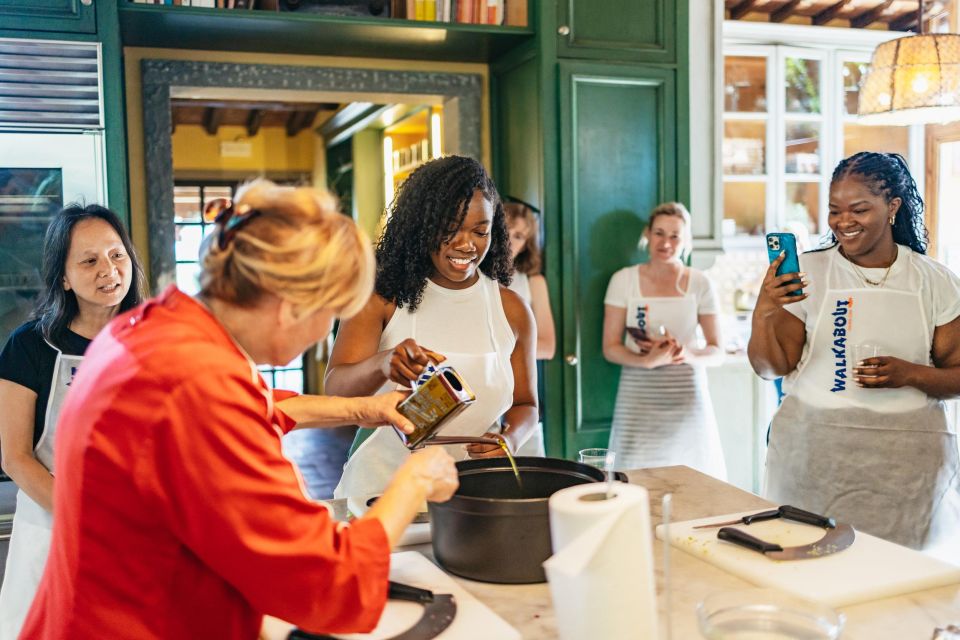
After cooking, you sit down to enjoy the fruits of your labor: a 3-course lunch paired with local wine chosen to match the dishes. This part is more than included food—it’s quality control.
When you eat what you just made, you immediately understand what worked and what you can tweak next time. You also get a better sense of portioning and plating style that you can copy later.
This is also where the group’s energy helps. Many people mention the entertaining nature of the day, including chef personality and lively teaching style. That doesn’t change the recipes, but it changes how the experience lands—like you’re spending a full meal day with a real Italian cooking team.
Guides and chefs: why the personalities affect the learning
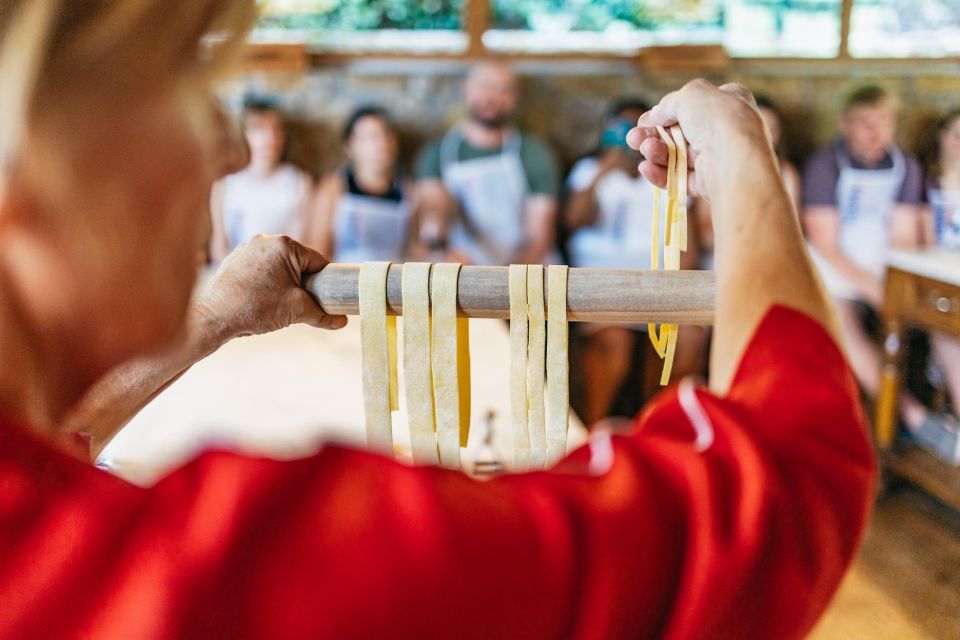
A theme across the strongest feedback is the guide-and-chef combo. Names you may see include Luca, Carmela, Lucia, Lavinia, and Gloria—often with a chef who brings music, humor, and a very hands-on attitude.
I love that this kind of team doesn’t just explain. They keep you moving through each step with confidence, so you’re not standing around waiting for instructions. One thing to watch: some groups can be around the low-to-mid 20s, and a larger group can mean fewer chances to participate at every station. Still, most days seem well managed.
If you want a day that feels fun and not stiff, this is a big reason to choose it. You’re learning technique, but you’re also spending time with people who make the kitchen feel like a place where mistakes are part of the lesson.
Recipes and a cooking diploma: the value beyond the day
The best part of most cooking classes is the food you eat. The best part for your future self is what comes after.
Here, you receive recipes to recreate the dishes at home, plus an Italian cooking diploma. The diploma is a nice touch, but the real value is the combination of written guidance and what you learned by doing it once.
When you cook pasta dough, build ragù, assemble bruschetta, or make tiramisù again later, you’ll remember the “why” behind each step. That makes this more than a souvenir day.
Who should book this Tuscan farmhouse cooking class
This tour fits you best if:
- You want an Italian cooking day with a real ingredient shopping component
- You like hands-on technique (pasta, ragù, and dessert work)
- You want a full lunch experience with wine, not a snack at the end
- You enjoy lively teaching and a relaxed countryside pace
Skip it if:
- You need wheelchair access or have major walking limits, since surfaces are uneven and steep in parts
- You have food allergies, since the tour isn’t suitable for people with allergies
- You need gluten-free (or other alternative dietary requirements), because those can’t be accommodated
- Your child is under 8, since it isn’t suitable for younger kids
- Your trip date falls on a Sunday or public holiday, because Mercato Centrale won’t be visited then
Quick, practical advice before you go
Wear comfortable shoes. You’ll be walking in market areas and on the way around the day’s stops.
Go hungry. The order of events makes it easy to forget lunch timing until you’re already in cooking mode.
If you care about planning your Florence days, keep this in your back pocket early in the trip, when you can still easily use the recipes after you return. It’s also one of those tours that works well on a day when you want something different from museum time.
Should you book it?
If you want a Florence-to-Tuscany cooking day that teaches technique and tastes like a real meal on a real farm, I’d say yes. For most people, the market-to-farmhouse flow is the whole point: you learn ingredients first, cook with intention, and then eat a proper 3-course lunch paired with wine.
That said, the value depends on your needs. If accessibility or dietary limits are in play, or if your date lands on a Sunday/public holiday, you may need to choose another experience. And if you hate the idea of larger groups splitting attention at stations, it’s worth keeping that in mind.
FAQ
How long is the Cooking Class and Lunch at a Tuscan Farmhouse?
The experience lasts about 6 hours.
Where do I meet the guide in Florence?
Meet your guide at the taxi stand outside Santa Maria Novella train station. The guide will be holding a sign with the provider name Walkabout Tours.
What is included in the price?
The price includes a Mercato Centrale walking tour, a guide, transportation to and from the farmhouse, the cooking lesson, a 3-course lunch, wine, recipes, and an Italian cooking diploma.
Do you visit Mercato Centrale on Sundays or public holidays?
No. Mercato Centrale will not be visited on Sundays or public holidays because the market is closed.
Is there a vegetarian option?
Yes, a vegetarian option is available.
Can you accommodate gluten-free or other dietary requirements?
No. Gluten-free or other alternative dietary requirements cannot be accommodated.
Is the tour suitable for wheelchair users?
No. The tour is not suitable for wheelchair users or people with walking difficulties due to uneven and steep surfaces.
What language is the live guide speaking?
The live tour guide is speaking in English.
Is this tour suitable for children?
No. It’s not suitable for children under 8 years old.
You Might Also Enjoy
More Lunch Experiences in Florence
- Tuscany Day Trip from Florence: Siena, San Gimignano, Pisa and Lunch at a Winery
★ 5.0 · 21,634 reviews - Cooking Class and Lunch at a Tuscan Farmhouse with Local Market Tour from Florence
★ 5.0 · 4,831 reviews - San Gimignano, Siena, Monteriggioni, Chianti Day Trip with Lunch & Wine Tasting
★ 4.5 · 4,432 reviews
More Cooking Classes in Florence
- Cooking Class and Lunch at a Tuscan Farmhouse with Local Market Tour from Florence
★ 5.0 · 4,831 reviews
More Tour Reviews in Florence
- Tuscany Day Trip from Florence: Siena, San Gimignano, Pisa and Lunch at a Winery
★ 5.0 · 21,634 reviews - The Best tour in Florence: Renaissance & Medici Tales – guided by a STORYTELLER
★ 5.0 · 12,316 reviews