REVIEW · FLORENCE
Florence by Night Guided Walking Tour:Duomo Old Bridge & All Must-See Highlights
Book on Viator →Operated by Private Tours of Florence · Bookable on Viator
Night lighting turns Florence into a story, and this guided walk strings together the Duomo and Ponte Vecchio when the streets feel calmer. I like that you get a tight route that hits the city’s biggest landmarks without burning half your evening in transit. I also like the way an art historian style of explanation turns what you see into something you can place in time.
The main thing to consider is the moderate walking pace after dark. This is a night stroll through the historic center, so comfortable shoes matter and you’ll want to stay with the group.
In This Review
- Key things I’d watch for
- Why Florence by Night feels worth it
- Meeting at Piazza di Santa Croce and Michelangelo’s resting place
- Piazza della Signoria: Florence’s political heart at night
- Ponte Vecchio after dark: botteghe, history, and the Vasari Corridor
- Piazza del Duomo: marble details and Brunelleschi’s dome overhead
- Ending at San Lorenzo: keep going in the market area
- The role of the guide: why the story matters in only 2 hours
- Price and value: what $217.80 really buys you
- Practical tips for getting the most from the night
- Who this private night tour is best for
- Should you book this Florence by Night guided walk?
- FAQ
- How long is the Florence by Night guided walking tour?
- What are the main sights on the tour?
- Where does the tour start and end?
- Is this a private tour?
- Who guides the tour?
- What’s included in the price?
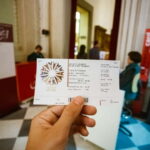
- Is there a mobile ticket?
- Is cancellation free?
- Is the tour suitable for people with limited mobility?
- How do I get to the meeting point?
Key things I’d watch for
- Duomo + Ponte Vecchio, theatrically lit so the night feel actually matches the famous sights
- Four historic squares in about 2 hours, a fast way to orient yourself
- Art historian-led context that helps you connect churches, bridges, and politics
- Vasari Corridor and botteghe changes on Ponte Vecchio, not just postcard views
- Ending at San Lorenzo so you can keep exploring the market area on your own
Why Florence by Night feels worth it
Florence looks great in daylight. At night, it looks different—sharper, quieter, and somehow more readable. The glow on stone makes details easier to spot, and the streets around the center usually feel less crowded than the peak daytime hours. That matters, because Florence’s best-known landmarks can get loud and packed fast.
This tour is designed for people who want a strong first impression. You’re not trying to “see everything.” You’re seeing the right things in a smart order, with an art historian guide and a professional guide keeping the pace and the story clear.
The private-group setup is another real plus. It means you’re not fighting the flow of a huge crowd. Your group can move as a unit, and you can get answers without shouting over dozens of strangers.
You can also read our reviews of more walking tours in Florence
Meeting at Piazza di Santa Croce and Michelangelo’s resting place
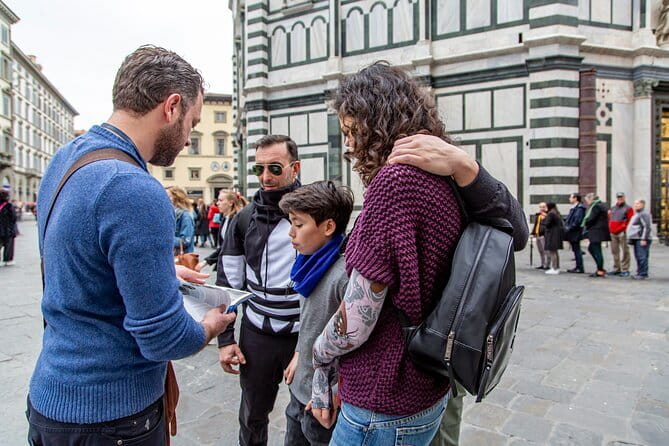
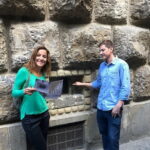
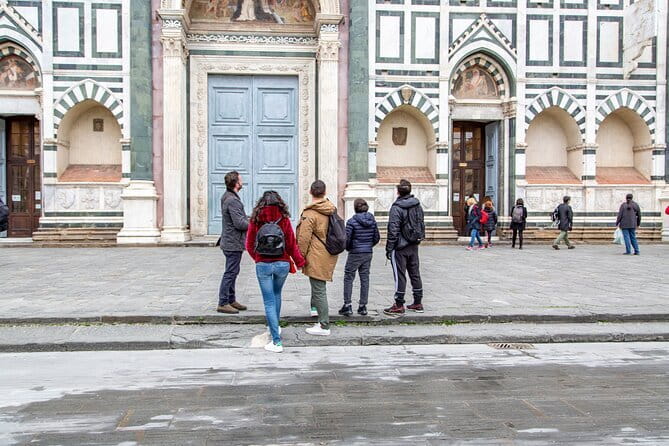
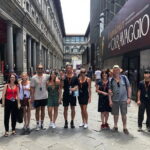
You start in Piazza di Santa Croce, meeting in front of Santa Croce church. This is a smart start because it’s a landmark square you can recognize even if it’s your first evening in Florence. The air feels Florence-y right away: open space, historic facades, and that “now I get it” sense of arrival.
Your guide sets the tone with quick, useful facts about the square itself. Then comes the connection that makes this stop memorable: Michelangelo is buried nearby. You don’t need a museum ticket to feel the weight of Renaissance Florence here. Even from the square, it helps you understand why this area mattered to artists and patrons.
What to expect: a short orientation moment, then you’re moving—no long waits, no sitting around.
Possible drawback: because it’s a walking tour, you’ll want to arrive a few minutes early so you’re not rushed.
Piazza della Signoria: Florence’s political heart at night
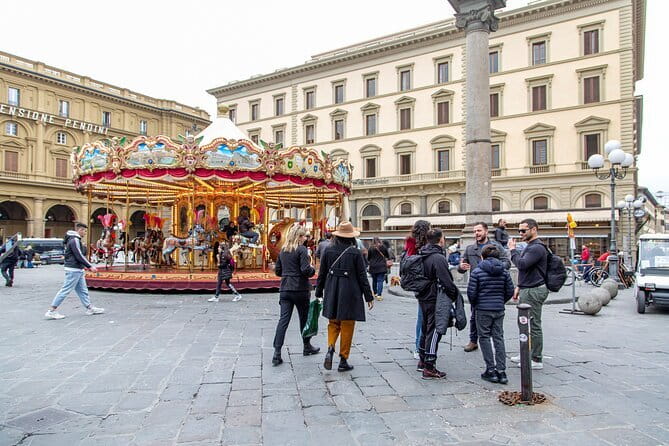
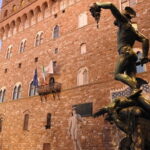
Next is Piazza della Signoria, the political center of Florence. Daytime can turn this square into a traffic jam of tour groups. At night, you get a calmer version of the same space, and that makes the history easier to take in.
This stop is useful because it reframes what you’re seeing. You’re used to thinking of Florence as art first. But this square reminds you that power, government, and public identity were part of the same story. When you understand the “who decided” layer, the art and architecture you’ll see next start to make more sense.
Your guide spends about 30 minutes here. That’s long enough for a real explanation, but short enough that the tour keeps momentum.
What I like about this stop: it’s not just photos. It’s context.
Tip: keep an eye on your surroundings as you listen—the square’s layout gives you “where things fit” clues.
Ponte Vecchio after dark: botteghe, history, and the Vasari Corridor
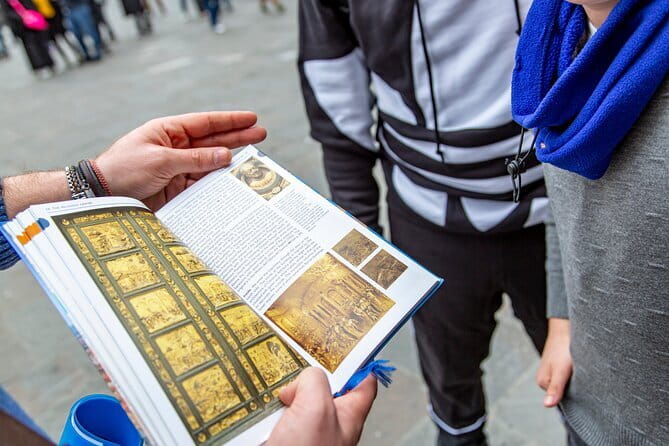
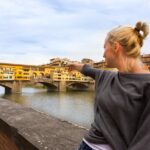
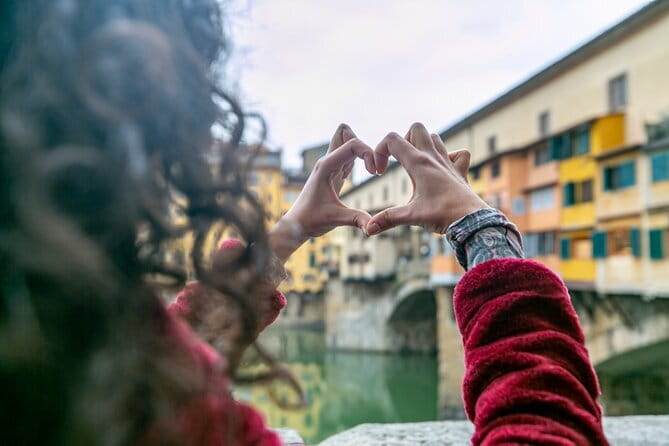
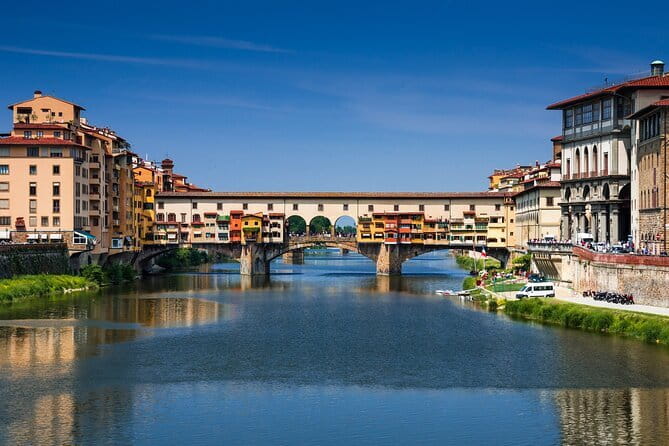
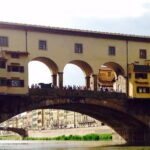
Then you hit the big headline moment: Ponte Vecchio. This is Florence’s oldest bridge, and it has earned its fame for a reason. At night, the bridge feels more intimate. The lighting helps you see why it’s so iconic, and the views out toward the hills help you understand how the river cuts through the city’s shape.
Your guide explains the bridge’s history, including how the Vasari Corridor changed the botteghe—the shops lined along the bridge. That detail is worth paying attention to. It’s one of those explanations that turns Ponte Vecchio from a pretty scene into a living part of Medici-era power and design.
You also get a 30-minute stop here. That’s enough time to appreciate:
- the bridge structure and angles,
- the shop-lined rhythm,
- and the view looking outward toward Florence’s surrounding hills.
Why this matters for value: if you’re going to spend your night outside, you want at least one stop where the explanation makes the scenery feel personal. Ponte Vecchio is that stop.
Small consideration: bridges are public spaces, so it can still feel busy at points. Night usually helps, but do plan for a gentle squeeze if you’re traveling during peak season.
Piazza del Duomo: marble details and Brunelleschi’s dome overhead
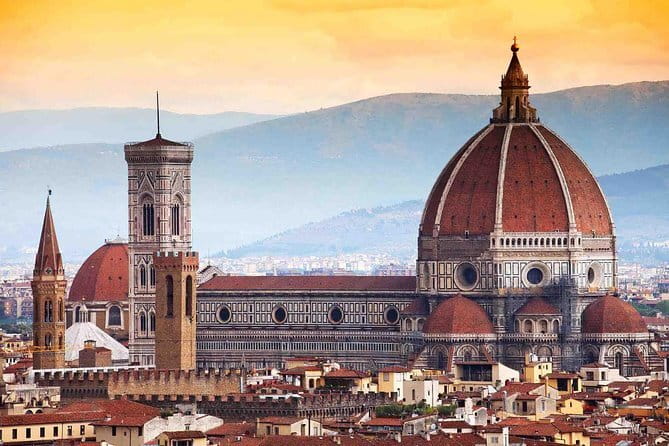
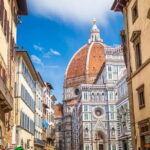
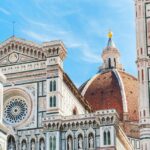
After Ponte Vecchio, you move to Piazza del Duomo. This is where the tour earns its name. The cathedral area is dramatic in daylight, but at night it gets almost cinematic. The highlights you came for—the Cathedral’s marble engravings and Brunelleschi’s Dome—feel larger because the lighting brings out the contours.
This stop lasts about 30 minutes. That sounds brief, but it’s the right amount of time for this kind of tour because the guide’s job is to help you see what you’d miss if you wandered alone.
You’ll learn how the dome became a landmark of Renaissance Florence architecture—so you don’t just look up and move on. You understand why the shape and scale are such a big deal. And the marble engravings aren’t just decoration; they’re part of how the cathedral communicates artistry and identity.
What to watch for: look up at the dome, then back down toward the facade details. The contrast is the whole point of this stop at night.
You can also read our reviews of more guided tours in Florence
- The Best tour in Florence: Renaissance & Medici Tales – guided by a STORYTELLER
★ 5.0 · 12,316 reviews
Ending at San Lorenzo: keep going in the market area
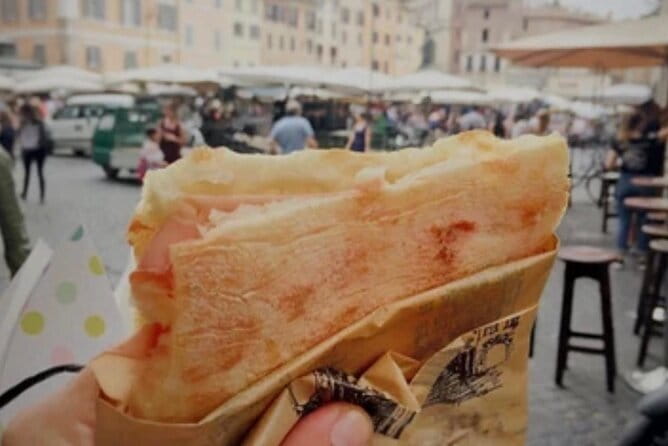
The tour finishes at San Lorenzo, right in front of the church. This is a practical ending point because it naturally connects you to the surrounding market area. Once your guide wraps up, you can keep exploring at your own speed—shopping, browsing, or just soaking up the neighborhood feel.
This final leg takes about 20 minutes. It’s not an extended museum-type send-off. It’s a clean handoff: you leave with direction and options, not a hard stop that sends you out into the dark with no plan.
Why I like this ending: it avoids the “tour dumps you somewhere random” problem. You end where there’s already an atmosphere to continue with.
The role of the guide: why the story matters in only 2 hours
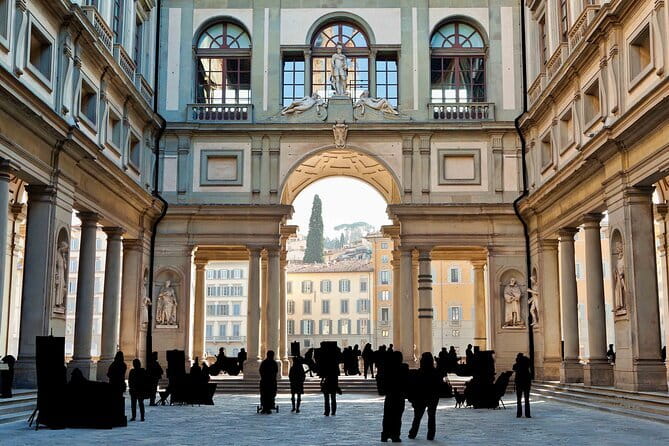
This tour includes a local guide plus a professional art historian guide. That combination matters because you’re getting two kinds of value at once: smooth navigation through the historic center, and explanations that connect art, architecture, and city life.
In a short tour, you need the right facts in the right order. Here, the order is logical:
- Start with an art-adjacent square tied to Michelangelo.
- Move to a political center so you understand power.
- Then to the bridge where Medici-era influence affected everyday shops.
- Then to the Duomo area as the architectural centerpiece.
- Finally, to San Lorenzo for neighborhood exploration.
That structure helps you build a mental map fast. And that’s the secret benefit of night walks: they’re usually your first chance to get oriented without daytime crowds pulling your attention in every direction.
One personal touch you might notice: a recent group recalled a guide named Gorgina giving an excellent explanation. If you’re lucky enough to have a guide with that kind of command, the tour feels like a guided story rather than a checklist.
Price and value: what $217.80 really buys you
At $217.80 per person for a roughly 2-hour private walking tour, you’re paying for more than a route. You’re paying for:
- a guide team including an art historian,
- a private group experience (only your group participates),
- and a night-time “beat the crowds” advantage.
Is it cheap? No. But it’s not overpriced if you compare it to what Florence costs when you add time, frustration, and the price of missing key context. For many people, this tour is the one activity that helps the rest of their trip click into place.
Also, the tour includes local taxes, and you use a mobile ticket. Those details reduce friction and help the evening run smoothly.
If you’re traveling as a small group, the private format can start to feel like a smart trade: you pay more than a mass group tour, but you gain time, attention, and a cleaner experience.
Practical tips for getting the most from the night
This is a moderate physical-activity walk. That doesn’t mean it’s hard, but it does mean you’ll want to plan like it’s an evening stroll with stops—about 20 to 30 minutes at each location, moving between them.
A few practical choices can make the whole night better:
- Wear shoes you can walk in comfortably for 2 hours.
- Keep your phone charged for photos, but don’t let it pull you away from the guide’s points.
- If you’re sensitive to cold, bring a light layer. Night in open squares can feel cooler than you expect.
- Since it’s near public transportation, you can pair it with an easy dinner plan nearby.
Also, service animals are allowed, and the meeting points are in the heart of the historic center—so the tour fits well if you’re already planning to be car-free.
Who this private night tour is best for
This tour is ideal if you:
- want a first-night orientation without spending hours on research,
- prefer guided explanations over wandering,
- and care about seeing the big sights when crowds are lower.
It also works well if you’re the type who learns better with a story. Ponte Vecchio’s Vasari Corridor detail, the Duomo dome context, and the Michelangelo connection at Santa Croce are the kinds of facts that make a city feel “yours” instead of just photographed.
If you hate walking after dark, or you want a long sit-down sightseeing pace, this may feel a bit quick. Two hours is tight by design.
Should you book this Florence by Night guided walk?
Yes—if you want a smart, art-informed introduction to Florence at a calmer hour, this is a strong pick. The biggest selling points are the night lighting on Duomo and Ponte Vecchio and the fact that you get an art historian guide explaining how the pieces connect. For the price, you’re buying time saved, context gained, and a route that ends where you can keep exploring.
Don’t book it if you’re hoping for a slow, choose-your-own-adventure style stroll. This is a guided walk with set stops and a moderate pace, built for people who want to see key landmarks without getting stuck in daytime crowds.
FAQ
How long is the Florence by Night guided walking tour?
It runs for about 2 hours.
What are the main sights on the tour?
You’ll see Piazza Santa Croce, Piazza della Signoria, Ponte Vecchio, Piazza del Duomo, and finish near San Lorenzo.
Where does the tour start and end?
It starts at Piazza di Santa Croce (in front of Santa Croce church) and ends at Piazza di San Lorenzo, in front of the church of San Lorenzo.
Is this a private tour?
Yes. Only your group participates.
Who guides the tour?
You’ll have a local guide and a professional art historian guide, plus a professional guide.
What’s included in the price?
Local taxes, the local guide, the professional art historian guide, and the private tour are included.
Is there a mobile ticket?
Yes, the tour uses a mobile ticket.
Is cancellation free?
Free cancellation is available. You can cancel up to 24 hours in advance for a full refund.
Is the tour suitable for people with limited mobility?
The tour notes a moderate physical fitness level, so comfortable walking ability is important. Service animals are allowed.
How do I get to the meeting point?
The meeting point is near public transportation. You’ll meet at Piazza di Santa Croce, 50122 Firenze FI, Italy.
You Might Also Enjoy
More Walking Tours in Florence
More Tours in Florence
- The Best tour in Florence: Renaissance & Medici Tales – guided by a STORYTELLER
★ 5.0 · 12,316 reviews

More Tour Reviews in Florence
- Tuscany Day Trip from Florence: Siena, San Gimignano, Pisa and Lunch at a Winery
★ 5.0 · 21,634 reviews - The Best tour in Florence: Renaissance & Medici Tales – guided by a STORYTELLER
★ 5.0 · 12,316 reviews