REVIEW · FLORENCE
Florence: Art, History, and Charm – Walking Tour of Florence
Book on GetYourGuide →Operated by Walks in town · Bookable on GetYourGuide
Florence is best learned by walking. In 1.5 hours, this guided route connects Medici influence to what you see today, from street corners to big-name landmarks. I like that it’s tight enough to keep your brain from overheating, yet packed enough to give you a real map of the city.
Two things I really appreciate: the guide’s specific stories about the Medici and the quick, practical flow from one district to the next. You also get headsets, which means you can hear the explanation even when the group is stopped in a noisy piazza.
One consideration: entry tickets aren’t included, so if you want to go inside major sites, you’ll need to plan extra time and separate tickets. Also, no large bags or luggage, and it’s not set up for wheelchair users.
In This Review
- Key things to know before you go
- Starting at Caffè Scudieri Firenze: easy meet-up, smart pace
- San Lorenzo to Palazzo Medici: the Medici story you can see
- The Cathedral Complex: when architecture does the talking
- Dante’s district: Florence as a place where literature lived
- Piazza Signoria: art, politics, and public power in one square
- Ponte Vecchio and Porcellino: river views plus a little theater
- Piazza Repubblica: closing the loop on Florence’s center
- Value and price: what $44 gets you in real terms
- Guide quality is the star: names you may encounter
- Who should book this walking tour
- Should you book this Florence Art, History, and Charm tour?
- FAQ
- How long is the Florence walking tour?
- Where do I meet the guide?
- What’s the price per person?
- Are entry tickets included?
- Does the tour provide headsets?
- What languages are offered?
- What should I bring?
- Is luggage allowed?
- Is it suitable for wheelchair users?
- Should I book it?
Key things to know before you go
- Medici legacy is the thread tying together art, architecture, and politics across multiple neighborhoods
- Headsets are included, so you can follow the guide without shouting over crowds
- Stops include major zones: San Lorenzo, Palazzo Medici area, the Cathedral Complex, Dante’s district, Signoria, Ponte Vecchio, Porcellino, and Piazza Repubblica
- Your guide matters here: reviews highlight leaders like Rosella, Silvia, and Anastasia for clarity, patience, and flexibility
- Comfort and mobility are the real requirements: comfortable shoes, no luggage, and be ready for a walking pace
Starting at Caffè Scudieri Firenze: easy meet-up, smart pace
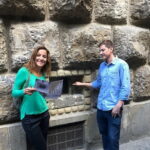
The tour starts at Caffè Scudieri Firenze. Meet a staff member in front of the café and look for the orange flag. It’s a good setup for getting going quickly, since you’re not scrambling across town at the start.
At this point, you’ll also notice how the tour is designed to work in real Florence: streets get busy, groups bunch up, and the guide can’t always be right next to everyone. That’s exactly why headsets are included. With them, you can keep your attention on the buildings and not spend the whole time playing telephone.
The duration is 1.5 hours, which is perfect for a first visit or a “hit the big ideas fast” day. If you’re the kind of traveler who likes to understand what you’re looking at instead of just collecting photos, this format fits you well.
You can also read our reviews of more walking tours in Florence
San Lorenzo to Palazzo Medici: the Medici story you can see
The heart of this walk is the way it explains the Medici legacy as something physical, not just a name in a textbook. You start in the San Lorenzo area and move toward the Palazzo Medici orbit, where the Medici weren’t just patrons of art. They helped shape Florence’s image and power.
This is where a good guide earns their fee. Reviews point again and again to guides like Rosella and Silvia for connecting details you’d otherwise miss. Expect the explanation to stay practical: why certain buildings look the way they do, and how Medici money and politics helped create the Florence people still come to see.
A helpful way to look at this section: treat it like a cause-and-effect lesson. The guide points out how art, architecture, and civic influence moved together. Once you have that framework, every next stop becomes easier to read.
Practical note: this is a walking tour, so the pacing stays active. Bring comfortable shoes, and keep an eye on where you’re stepping when the sidewalks narrow or get crowded.
The Cathedral Complex: when architecture does the talking
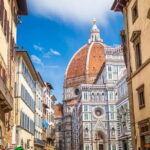
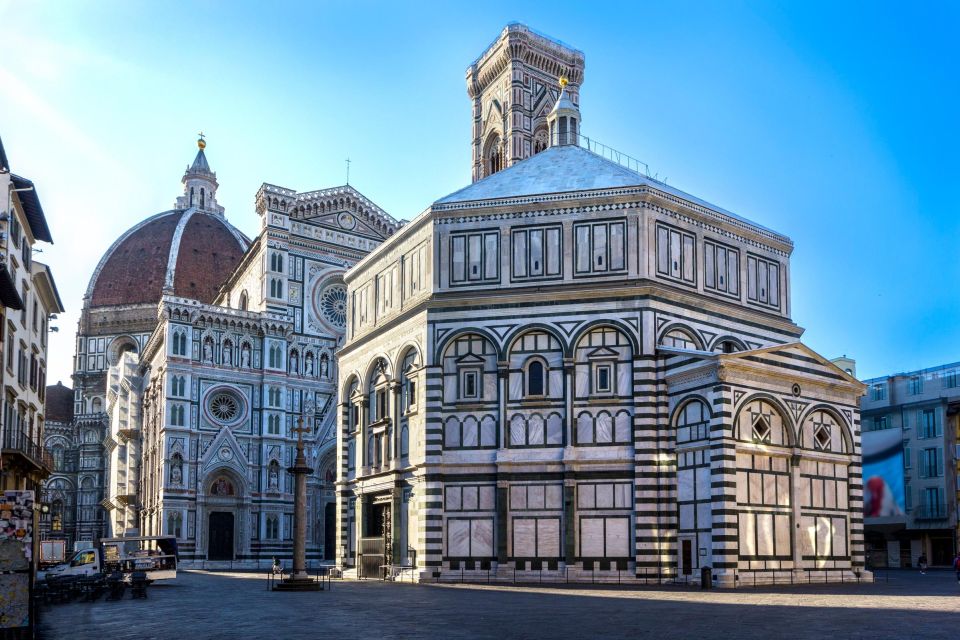
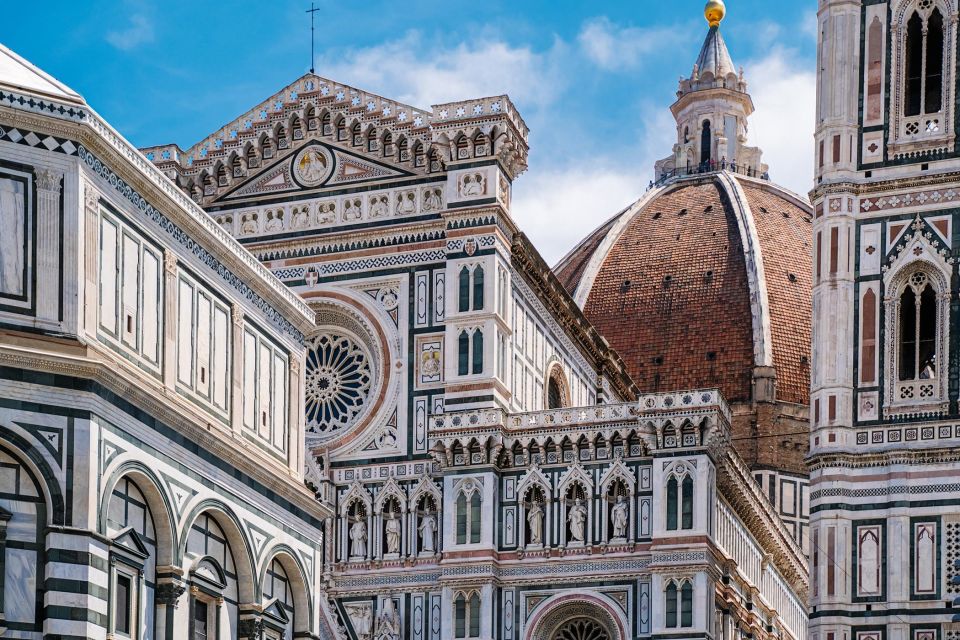
Next you’ll move to the Cathedral Complex, the kind of place where you can feel the scale before you even start reading details. In Florence, churches aren’t only religious buildings. They’re also statements—about wealth, ambition, and how a city wanted to present itself.
The tour approach here is to help you see the complex as a set of choices, not one big icon. The guide’s job is to give you orientation fast: what you’re looking at and why it matters to the bigger story of Florence’s evolution.
Even if you’ve seen photos of these sites before, the live view often surprises people. The proportions can feel different in person, and the surfaces hold details you’d miss scrolling past. With the guide pointing out key elements, the complex stops being just a backdrop and becomes part of the narrative.
One more thing: because entry tickets aren’t included, your time here may focus on what you can observe on the outside or in areas where no separate ticket is required. If you specifically want interior access, plan that separately so you don’t feel rushed.
Dante’s district: Florence as a place where literature lived
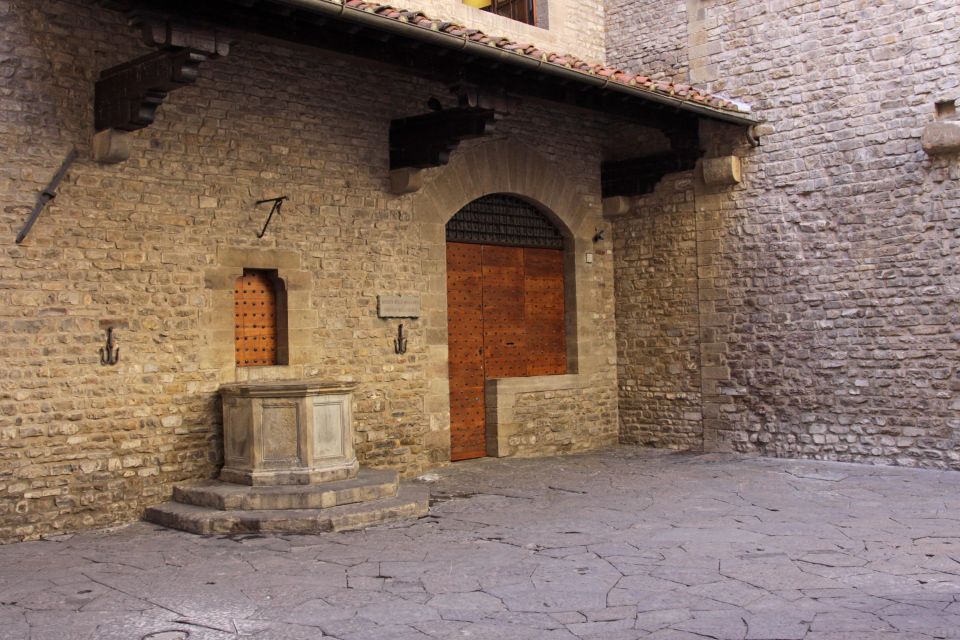
After the Cathedral area, you’ll shift toward Dante’s neighborhood. This part is special because it changes how you think about the city. You stop viewing Florence only as monuments and start seeing it as lived-in space—streets, neighborhoods, and the everyday geography that shaped who read and wrote and gathered.
Dante is a big name, but the tour makes it concrete by tying the ideas of the poet to the places people walked. That’s why this stop works even if you don’t consider yourself a literature person. It turns background knowledge into physical location.
If you like tours that feel “human-scale,” this is one of the better sections. It’s also an easier emotional transition: after admiring stone and art patronage, you get a more intimate sense of place.
Families can like this segment too. One review specifically praised Anastasia for being patient and interactive with younger kids, not rushing the group. If you’re traveling with children, that matters. Short tours can otherwise feel like a blur, but this style aims to slow down enough to keep kids engaged.
Piazza Signoria: art, politics, and public power in one square
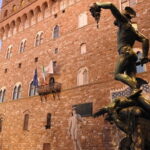
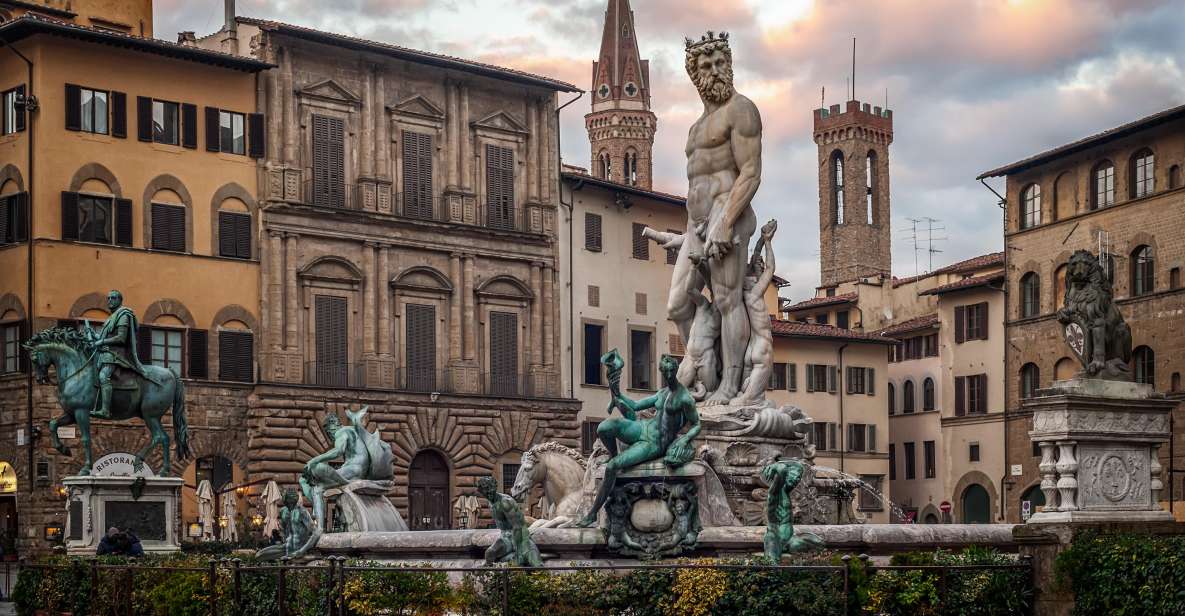
From Dante’s streets, you’ll head toward Piazza Signoria, one of Florence’s central stages. This is where the tour’s Medici focus comes alive in a different way. A grand square like Signoria isn’t only pretty. It’s where civic identity gets performed.
The guide uses this stop to explain how power shows up in art and public space. You’ll likely talk about how patrons and rulers used visible symbols to strengthen influence, and how Florence’s cultural leadership wasn’t separate from its political life.
Even if you’re not stopping at every museum door, you can get a lot from understanding what this square represents. It’s basically Florence’s “big room,” and once you know why it matters, you stand in it with better context.
Time tip: this is a place where photos tempt you to drift. Stay with the group when the guide is talking. The best details happen when you’re positioned where the explanation fits what you can see.
You can also read our reviews of more historical tours in Florence





Ponte Vecchio and Porcellino: river views plus a little theater
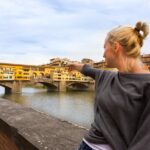
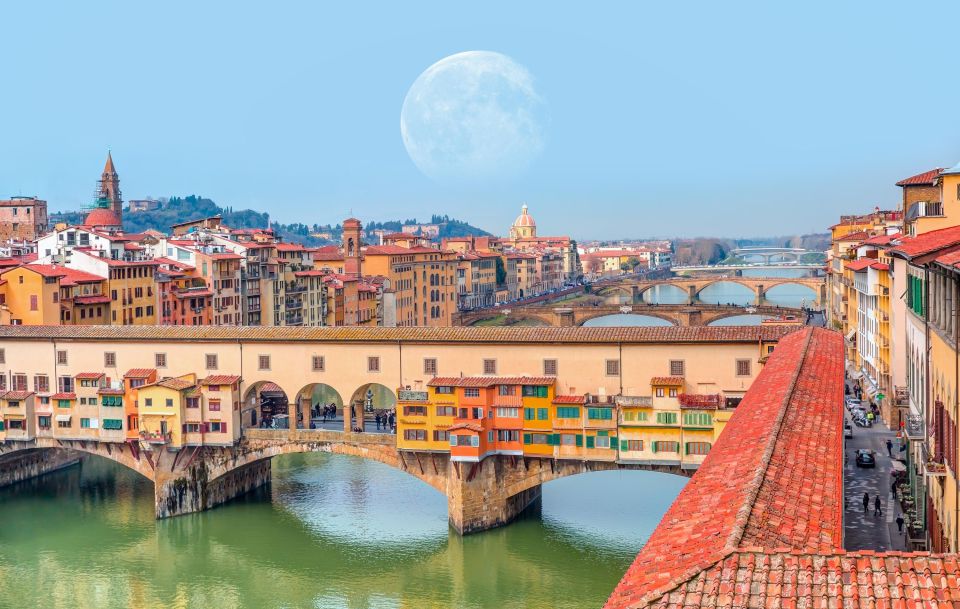
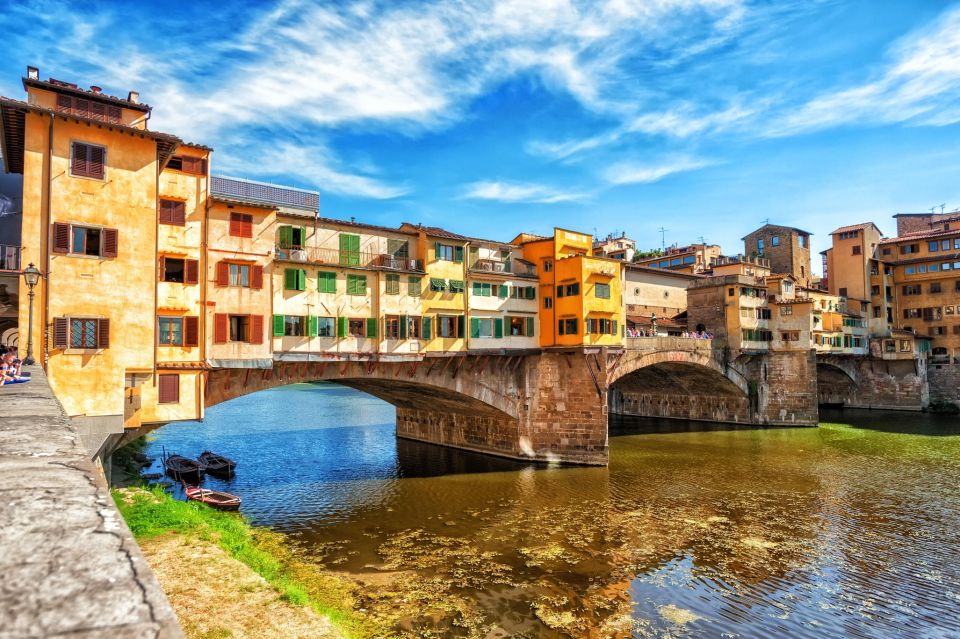
Now you get to one of Florence’s most recognizable stretches: Ponte Vecchio, the old bridge people line up for. But the tour doesn’t treat it as a postcard stop. It uses the bridge area to keep the story tied to the city’s development and how Florence organizes itself around key spaces.
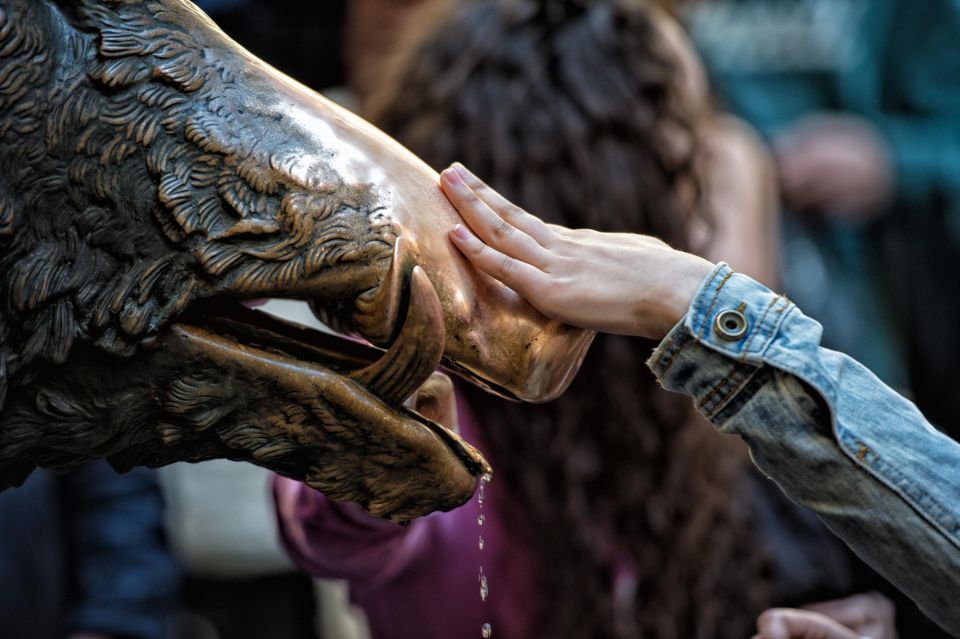
Then comes Porcellino, the bronze figure people visit for luck and tradition. This is where Florence does what it does best: serious art history energy right next to everyday street-life rituals.
You may not need a long stop to enjoy Porcellino, but it helps to know what you’re looking at. The guide’s commentary makes the moment feel less random and more tied to how Florence carries its legends through time.
This section is also a good reality check. Bridges and popular corners can get busy fast. If you don’t like crowds, go with the mindset of short, focused moments rather than lingering. The headset setup helps here too, because you can still hear clearly even when people squeeze around.
Piazza Repubblica: closing the loop on Florence’s center
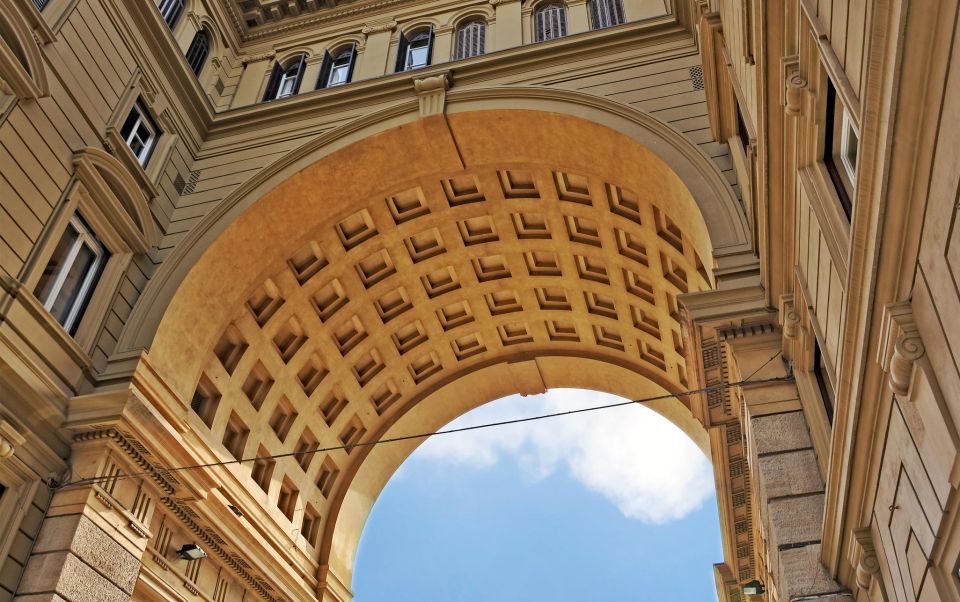
The walk finishes around Piazza Repubblica, another key central landmark. This end point is useful because it gives you a sense of where the city’s major flows converge. After the Medici story and the Dante-to-signoria-to-bridge route, the final piazza helps you mentally stitch the map together.
By the time you reach Repubblica, you’ll usually feel a shift from “I saw buildings” to “I understand the connections.” That’s the value of structuring the tour by themes instead of random sightseeing. Florence can feel like you’re just chasing icons, but a guided storyline helps you keep hold of the bigger picture.
If you still have energy afterward, it’s a strong place to continue wandering on your own. You’ll know which directions make sense and what to look for when you spot another Medici-related detail in the streets.
Value and price: what $44 gets you in real terms
At $44 per person for a 1.5-hour guided walk, you’re paying for three things that make a short trip work: a local guide, headsets, and a route that ties famous locations to one central theme.
If you were to DIY this with a map and a few guidebooks, you’d likely spend more time figuring out what you’re looking at. Here, your guide gives the “why it matters” while you’re actually standing in front of the buildings, not later in your hotel room.
The headset inclusion is a small detail that makes a big difference in Florence. It’s the difference between hearing the story clearly and constantly turning your head to catch a phrase.
The only catch is the one you should plan for: entry tickets aren’t included. So think of this tour as a high-quality overview with excellent context, not as a ticket bundle to every interior site.
Guide quality is the star: names you may encounter
What comes through strongly in the feedback is how much the guide quality drives the experience. Reviews highlight guides like Rosella, Silvia, and Anastasia for being detailed, patient, and able to adjust to the group.
One review praised the tour as well-structured and varied, with the guide clearly enthusiastic about the city, its art, and its stories. Another described Rosella as especially good at bringing Medici details to life in a private setting.
For families, Anastasia stood out for patience with young kids and for keeping the tour interactive without rushing. That’s a rare trait in a short walking tour.
You can’t control which guide you’ll get, but the consistent theme is solid: the people leading this walk tend to teach with clarity and care. That matters because Florence is full of visual noise. A good guide helps you sort the signal from the distractions.
Who should book this walking tour
This tour is a strong fit if you want:
- a guided Florence experience that’s short, focused, and story-driven
- an introduction to the Medici influence on art and architecture
- help understanding what you’re looking at in the Cathedral Complex, Piazza Signoria, and the bridge area
- a tour style that can work even when you have kids, based on past experiences
It’s less ideal if:
- you require wheelchair accessibility, since it’s not suitable for wheelchair users
- you want lots of interior ticket time (tickets aren’t included)
- you need to bring luggage or large bags, since those aren’t allowed
Should you book this Florence Art, History, and Charm tour?
I’d book it if you’re arriving in Florence and want the fast route to understanding how the city got its look and reputation. The Medici-centered approach gives you a framework that makes later wandering more rewarding. You’ll come away seeing Florence with better questions and better answers, not just more photos.
Skip it only if your main goal is ticketed interiors and long museum time. This is designed for smart viewing, guided explanation, and a solid walk through top areas in 1.5 hours.
If you’re trying to decide between a random “see everything” plan and a themed route, pick the themed one. Florence rewards context, and this tour gives it without dragging on.
FAQ
How long is the Florence walking tour?
The tour lasts 1.5 hours.
Where do I meet the guide?
Meet a staff member in front of Caffè Scudieri Firenze and look for an orange flag.
What’s the price per person?
It costs $44 per person.
Are entry tickets included?
No. Entry tickets are not included.
Does the tour provide headsets?
Yes, headsets are included.
What languages are offered?
The live guide is available in French, English, and German.
What should I bring?
Wear comfortable shoes.
Is luggage allowed?
No. Luggage or large bags are not allowed.
Is it suitable for wheelchair users?
No. It is not suitable for wheelchair users.
Should I book it?
If you want a short, well-guided Florence walk with strong Medici storytelling and practical context at major stops, it’s a good choice. If you need lots of ticketed interior time or wheelchair access, look for a different format.
You Might Also Enjoy

More Walking Tours in Florence
More Tours in Florence
- The Best tour in Florence: Renaissance & Medici Tales – guided by a STORYTELLER
★ 5.0 · 12,316 reviews




More Tour Reviews in Florence
- Tuscany Day Trip from Florence: Siena, San Gimignano, Pisa and Lunch at a Winery
★ 5.0 · 21,634 reviews - The Best tour in Florence: Renaissance & Medici Tales – guided by a STORYTELLER
★ 5.0 · 12,316 reviews