REVIEW · FLORENCE
Florence: Accademia Gallery David Entry & Audio Guide App
Book on GetYourGuide →Operated by Tours About · Bookable on GetYourGuide
A single sculpture can anchor an entire museum visit. Here, the ticket gets you into the Accademia Gallery fast so you can focus on Michelangelo’s David and then keep going through the Gipsoteca and painting galleries. Two things I’d prioritize are the range of artworks (not just David) and the skip-the-line entrance with a reserved timed ticket. The main drawback to plan for: the audio guide experience can be finicky, and entry timing can sometimes get slightly delayed when it’s crowded.
This is built for self-paced art time. You’ll move through the main hall, then the Gipsoteca (plaster models), then musical instruments connected to the Medici collection, and finally the painting galleries and top-floor altarpieces. If you want your visit to run smoothly, come ready with a charged smartphone and bring your own headphones.
Finally, this isn’t a full guided tour. It includes the museum ticket plus the POP Guide audio app, but not a guide inside the gallery—so you’ll get background and stories through your phone, not a person.
In This Review
- Key things to know before you go
- Skip-the-line timed entry and the meeting point that actually works
- Michelangelo’s David: how to make the main hall time count
- Gipsoteca plaster models: the sculpture workshop you’ll want to see
- Medici musical instruments and the Stradivari connection
- Painting galleries: Medieval to Renaissance, with Giotto and Botticelli
- Top-floor altarpieces: finishing with bigger religious art
- The POP Guide audio app: useful when it works, stressful when it doesn’t
- How many crowds can your timed slot handle?
- Value check: what $38 buys you (and what costs extra)
- Who should book this Accademia David entry?
- Quick notes on rules inside: bags, pets, and what to bring
- Should you book this Accademia Gallery David entry?
- FAQ
- Where do I meet the host to exchange my voucher?
- What’s included with the ticket?
- Do I need to bring headphones?
- Do I need internet access on my phone?
- Does the audio guide work offline?
- Is this really skip-the-line?
- Can entry be delayed even with a timed ticket?
- What items are not allowed?
- Is this wheelchair accessible?
- Is free cancellation available?
Key things to know before you go
- Reserved timed entry helps you avoid the ticket office chaos and use the separate entrance
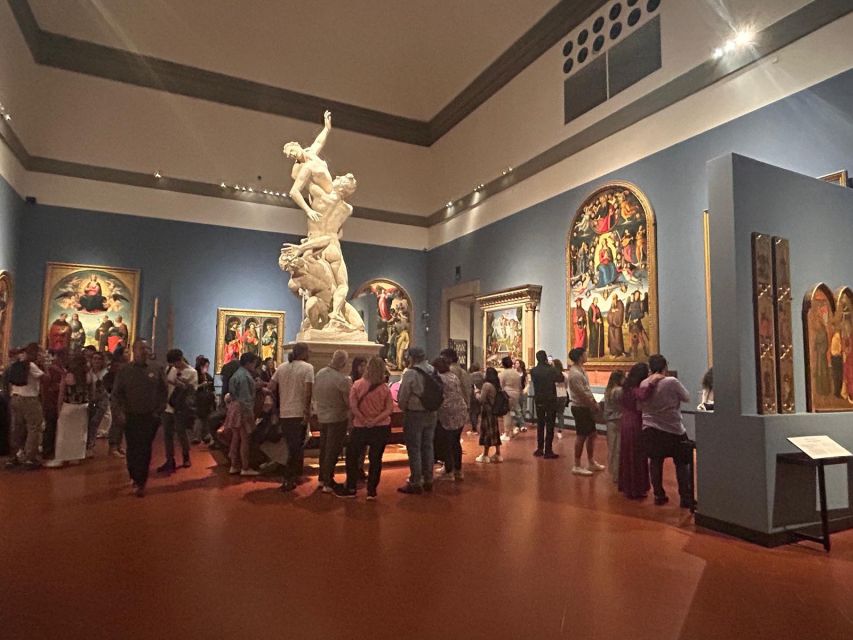
- David plus more: you’re not just buying a one-sculpture visit
- Gipsoteca plaster models show how sculpture ideas become physical form
- Medici musical instruments include original pieces connected to Stradivari
- POP Guide app setup matters: bring charged phone, internet access, and your own headphones
- Expect some crowds: entry can be paused slightly for security when it’s busy
Skip-the-line timed entry and the meeting point that actually works
The big practical win here is that your ticket is pre-arranged with a timed entry slot and a separate entrance. In Florence, that matters. The Accademia can feel like a bottleneck at the start, and losing time at the entrance usually means you lose the best light inside and you rush later.
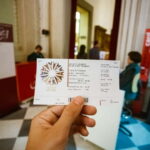
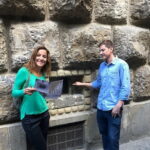
Your job before you enter is simple: meet your host and exchange your GetYourGuide voucher for a physical ticket in front of the Carrefour express supermarket at Via Ricasoli 115 (look for the red number). The staff member holds a white flag that says ENJOY ROME.
A few helpful timing tips based on real-world experience:
- Arrive early enough to swap your voucher without panicking. People reported smoother entry when they queued a bit earlier.
- Be patient if your entry is slightly postponed. The museum can control the number of people inside, and security checks can slow things down when the crowd is high.
- Some organizational issues can extend waiting times, so don’t plan a tight lunch reservation a minute after your entry window.
You can also read our reviews of more guided tours in Florence
- The Best tour in Florence: Renaissance & Medici Tales – guided by a STORYTELLER
★ 5.0 · 12,316 reviews


Michelangelo’s David: how to make the main hall time count
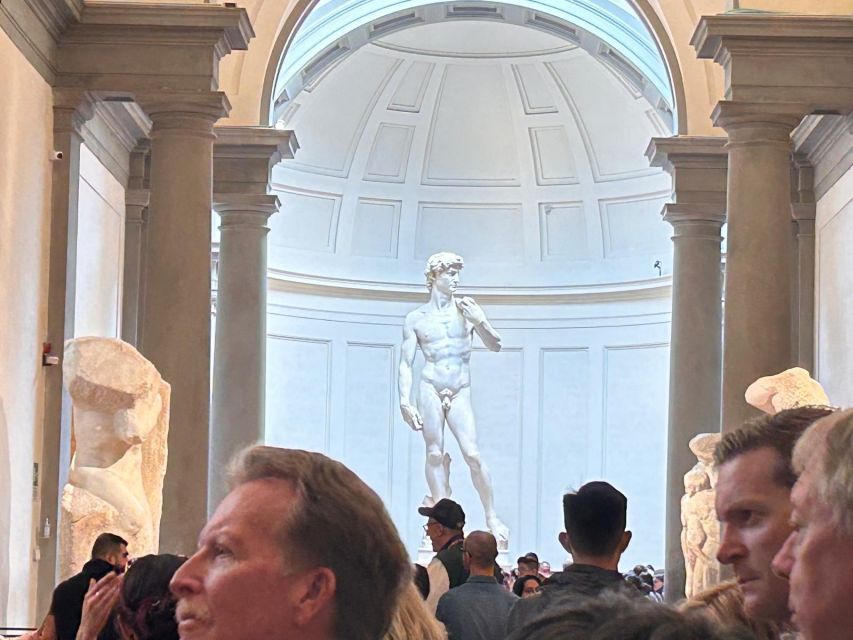
David is the reason most people are here. The museum’s layout makes it easy to treat the rest of the galleries like an afterthought—but that’s a mistake. Your timed entry buys you time to linger in the main hall and then keep momentum.
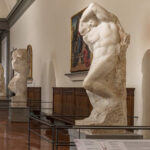
In the main hall, you’ll see Michelangelo’s David plus some of Michelangelo’s unfinished works. That pairing is more valuable than it sounds. A finished masterpiece is impressive, sure. But seeing unfinished sculpture ideas right alongside it helps you notice the craft in a different way: the planning, the shaping, and what changes between concept and final work.
How to enjoy it without getting overwhelmed:
- Give David a full moment before you start moving on. This sculpture is meant to be studied with your feet planted.
- Don’t just glance at the unfinished works and rush to the next room. Take a short breath and compare what’s resolved versus what’s still in progress.
- Then move on with intention. The museum rewards people who treat it like a route, not a sprint.
Gipsoteca plaster models: the sculpture workshop you’ll want to see
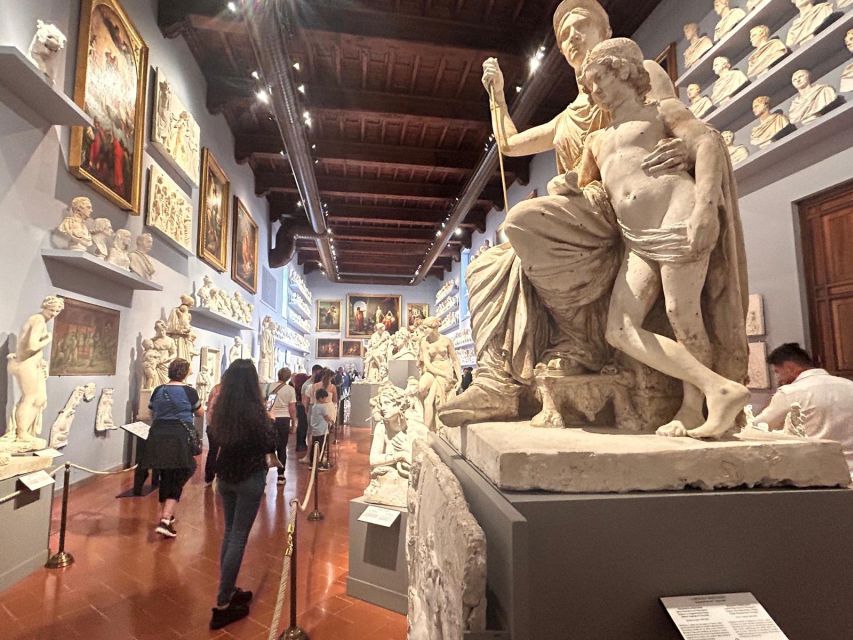
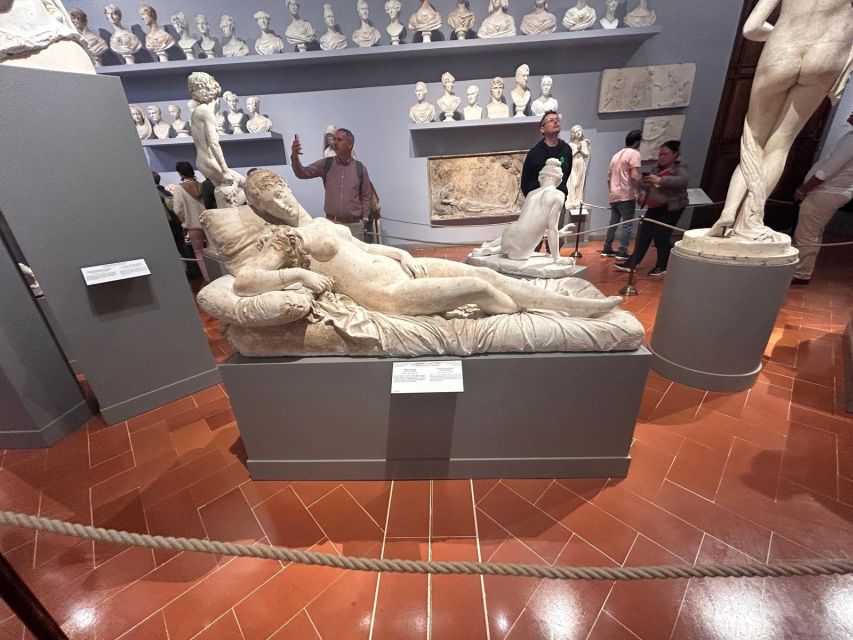
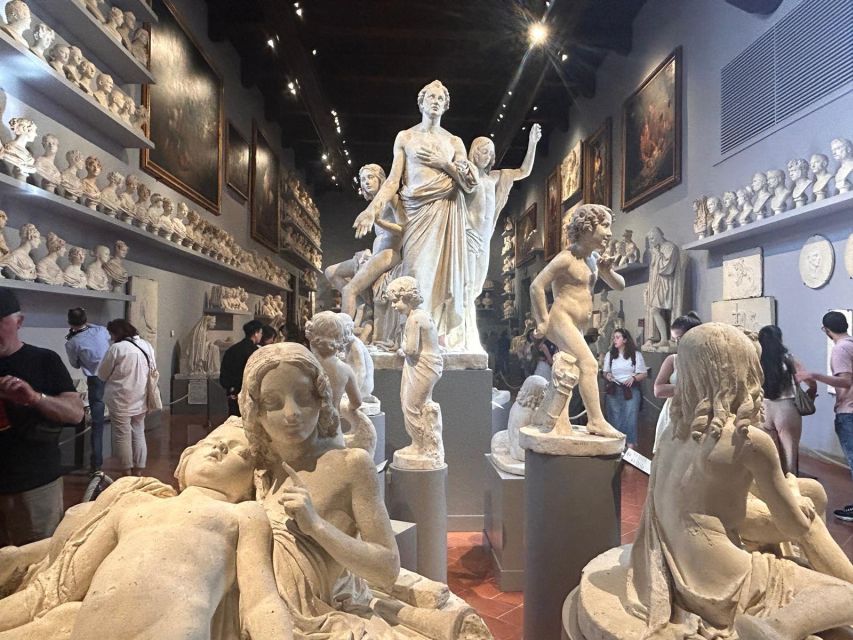
After David, the Gipsoteca section shifts the focus from final masterpieces to the materials and process behind sculpture. Here, you’ll see original plaster models by 19th-century Florentine sculptors.
This stop is worth your attention because it changes what you’re looking at. Instead of treating sculpture as something that appears fully formed, you start thinking about models, proportions, and how artists translate an idea into a physical object.
If you tend to move quickly through museums, this is a great area to slow down. Plaster models can be easier to study than marble from a distance, and they help you understand why museums like this are about more than famous names.
Medici musical instruments and the Stradivari connection
One of the more surprising parts of the Accademia visit is the musical-instrument display. You’ll see original instruments from the Medici collection, including three instruments by Stradivari.
Even if you’re not a music nerd, this is a smart add-on to a sculpture-and-painting museum. It broadens the story of Renaissance and Medici patronage beyond what’s on the canvas. Florence wasn’t only painting buildings and carving stone; it was also shaping cultural life through music and craftsmanship.
Practical tip: take your time here too. People often rush past “special exhibits” because they want the next room’s artwork. But this instrument section is a distinct highlight—an easy way to feel like you’re seeing the Accademia’s full range.
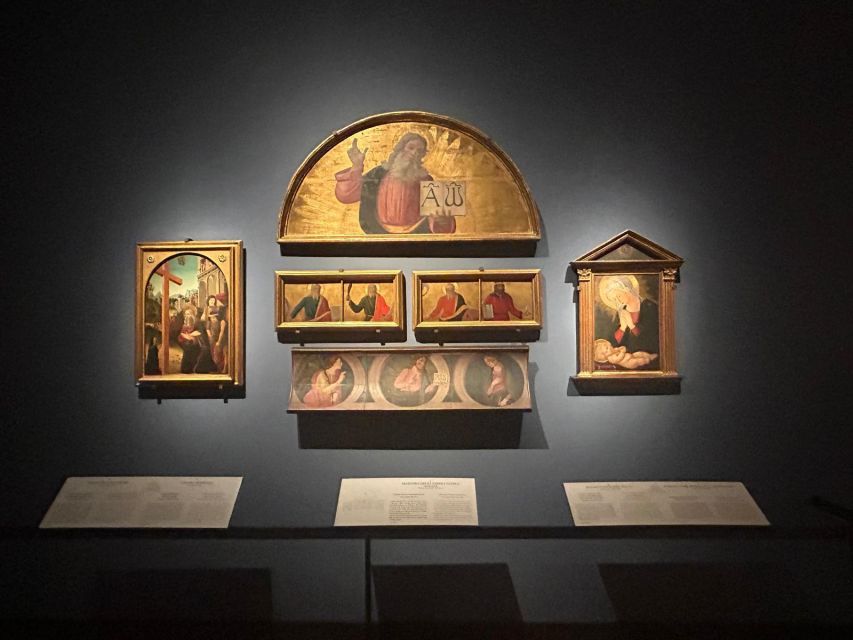
Painting galleries: Medieval to Renaissance, with Giotto and Botticelli
Once you’re done with the sculpture world, the museum’s painting galleries bring you into Medieval and Renaissance-era works. Highlights include works by painters like Giotto and Botticelli.
Here’s what I like about the way you can experience this portion: it’s not just about spotting famous names. It’s about noticing the shift in style as you move from room to room. Even when you don’t know every detail, you can often sense the difference in how figures are portrayed and how scenes are constructed.
If you want to get more out of it, don’t speed through the paintings in one long sweep. Pick a couple and read the story around them using your audio guide. Then move to the next room with a fresh eye. That stops the visit from turning into a blur of frames.
You can also read our reviews of more museum experiences in Florence


Top-floor altarpieces: finishing with bigger religious art
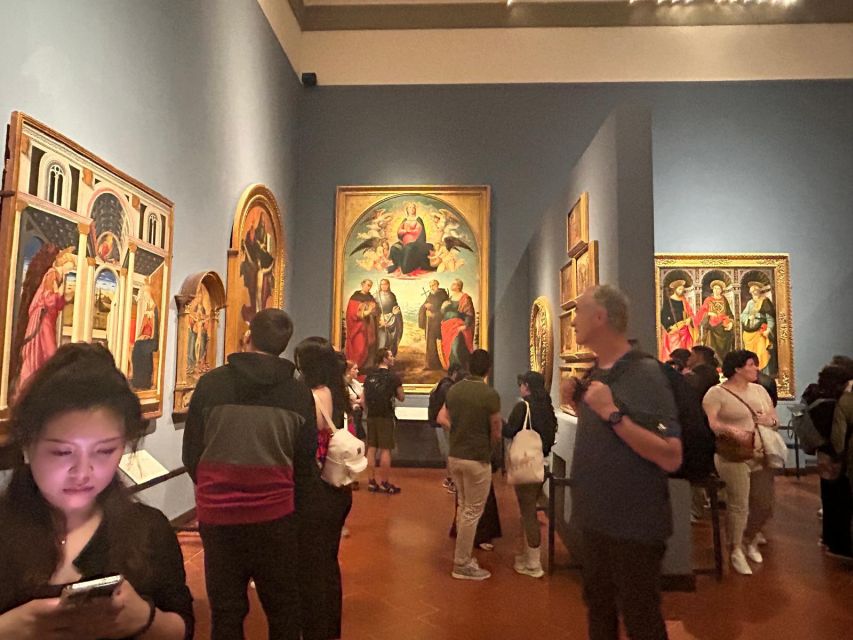
On the top floor, you’ll find magnificent altarpieces. This is a good place to end your visit because the scale and purpose of these works can feel like a natural climax after David and the smaller sculpture details.
Altarpieces can also reset your attention. After studying bodies and technique in sculpture, you get a different kind of visual instruction: composition designed to be read by communities and built for significance. If you’re tired, this is still a strong finish because your eyes get something clear to hold onto—large forms, strong placement, and a sense of ceremony.
The POP Guide audio app: useful when it works, stressful when it doesn’t
This experience includes the POP Guide audio guide app, delivered as part of your ticket. You’re also responsible for headphones (not included) and you’ll want a charged smartphone.
Important setup points before you arrive:
- Download the POP GUIDE app from the App Store or Google Play before you meet your host.
- At the meeting point, staff provide login credentials.
- The instructions emphasize having internet access, and multiple experiences echoed that the audio can require a data connection.
Real-world friction to be aware of:
- One person couldn’t download the tour because the app didn’t work.
- Another noted the audio guide doesn’t work offline, even though it was expected to.
- Someone else mentioned that without data connection you can’t download the audio guide.
- A couple people found the app map confusing compared to the museum layout.
How I’d plan around that:
- Bring your own headphones and make sure they’re functional before you leave home.
- Keep your phone charged and try to get the download done as early as possible.
- If the app struggles at the entrance, don’t panic. In at least one case, the guide provided wifi access when it came time to load the content. That’s not guaranteed, but it’s a real example of how staff can help if things go sideways.
Also note: the host greeter is English-speaking, but you should treat this as self-guided inside the galleries. Reviews show some people prefer a licensed guide for deeper context and richer explanations. If you’re that person, consider pairing this ticket with a separate guided option—or choose a tour that includes a live guide.
How many crowds can your timed slot handle?
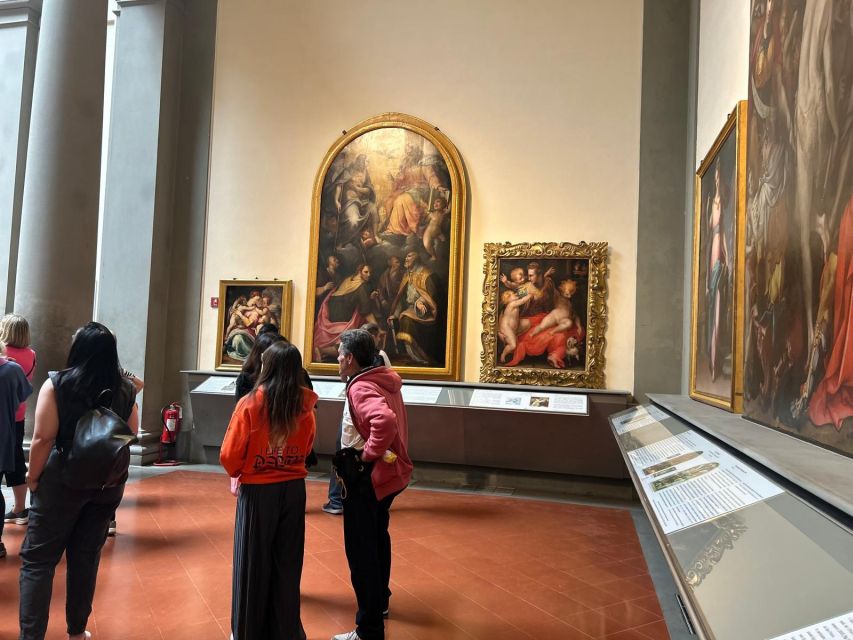
Florence museums are crowd machines, especially at peak hours. Your reserved timed entry helps a lot, but it doesn’t erase the reality of security checks and museum capacity limits.
If you’re planning the rest of your day, aim for a little flexibility around your Accademia entry. The museum can control access based on how many people are inside, and entry might get slightly postponed when it’s busy. Also, some visitors reported extended waiting times due to organizational issues at the gallery.
Good news: the overall experience still rates high, and the separate entrance is often described as worth it. Even when there was a wait, people felt the pre-booked arrangement reduced the worst of the ticketing confusion.
Value check: what $38 buys you (and what costs extra)
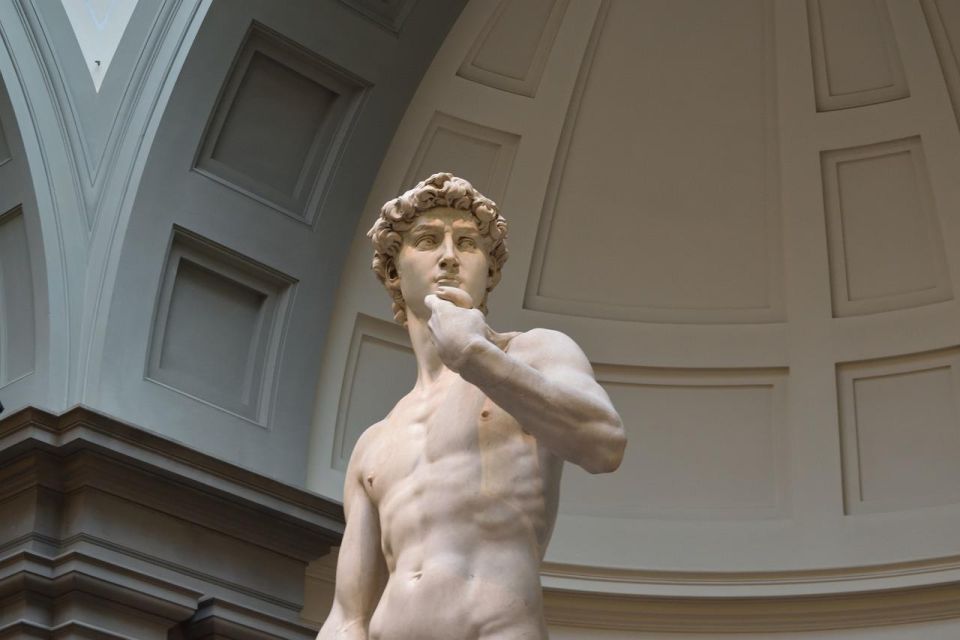
At around $38 per person, you’re paying for three things:
- Entry to the Accademia Gallery
- A pre-reserved timed ticket to reduce line stress
- The POP Guide audio app
What you should budget for:
- Headphones are not included, so factor that cost if you don’t travel with a spare pair
- If your phone setup is weak (low battery, no data), you’ll feel that impact immediately because the audio app depends on your device
Is it worth it? For most art lovers, the value hinges on two questions:
1) Can you use the timed entry efficiently? If yes, the ticket becomes a time-saver and a stress-saver.
2) Can you get the audio working? If yes, you’ll get enough storytelling to connect what you’re seeing—Medieval through Renaissance, plus the unique sculpture and instrument displays.
If you want a live narration and direct answering of questions, then this might feel thin compared with a licensed guided tour. But if you enjoy pacing yourself—stopping when a detail catches your eye—an audio app plus a timed ticket is a solid way to get into one of Florence’s most famous galleries without losing half your day at the entrance.
Who should book this Accademia David entry?
Book it if:
- You care about seeing David and don’t want to waste time figuring out tickets on arrival
- You’re happy with a self-guided visit where the phone gives you structure
- You enjoy getting background as you move room to room, rather than listening to a fixed route
Consider a different option if:
- You strongly prefer a live guide who can explain on the spot
- You hate depending on apps and tech, especially if your phone battery or internet access is unreliable
Families can work well here too, as long as kids can meet the ID requirement for discounted tickets (ages 6–17 need a valid photo ID with birth date). Also, you should plan for some walking; at least one review highlighted that the visit involves plenty of walking and heat.
Quick notes on rules inside: bags, pets, and what to bring
The museum experience comes with straightforward limits:
- No pets
- No luggage or large bags, and bags aren’t allowed
And the practical list you should follow:
- Bring headphones
- Bring a charged smartphone
- Have internet access available
- For kids getting discounted entry, bring a passport or ID with birth date
Should you book this Accademia Gallery David entry?
I’d book it if you want a smooth, time-managed entry to the Accademia and you’re comfortable using an audio app. The reserved timed ticket and separate entrance are the heart of the value, and the museum’s range—David, unfinished works, the Gipsoteca plaster models, Medici instruments with Stradivari, then painting galleries including Giotto and Botticelli—makes it more than a one-stop photo run.
But I’d hesitate if you know your phone setup tends to fail on the spot or if you need guaranteed offline audio and a live guide. This experience can be excellent when the app works and you’re prepared. When it doesn’t, you’ll feel it quickly.
In short: if you travel tech-capable and you like self-guided museum pacing, this is a smart way to do the Accademia.
FAQ
Where do I meet the host to exchange my voucher?
Meet in front of the Carrefour express supermarket at Via Ricasoli 115. Look for a staff member holding a white flag that says ENJOY ROME, and the location uses a red number.
What’s included with the ticket?
You get entrance to the Accademia Gallery plus the POP Guide audio guide app.
Do I need to bring headphones?
Yes. Headphones are not included, and the instructions specifically say to bring your own headset for the best experience.
Do I need internet access on my phone?
The activity information says to have internet access, and experiences also indicate the audio may require data to download.
Does the audio guide work offline?
Some experiences report the audio guide does not work offline, even if it’s expected to.
Is this really skip-the-line?
It’s designed to skip long lines by using a separate entrance and a pre-reserved timed ticket.
Can entry be delayed even with a timed ticket?
Yes. When it’s busy, entry can be slightly postponed due to security, since the number of people inside is controlled.
What items are not allowed?
Pets are not allowed. Also, luggage or large bags are not allowed, and bags aren’t allowed.
Is this wheelchair accessible?
Yes, it’s listed as wheelchair accessible.
Is free cancellation available?
Yes. You can cancel up to 24 hours in advance for a full refund.
You Might Also Enjoy


More Museum Experiences in Florence
More Guided Tours in Florence
- The Best tour in Florence: Renaissance & Medici Tales – guided by a STORYTELLER
★ 5.0 · 12,316 reviews


More Tour Reviews in Florence
- Tuscany Day Trip from Florence: Siena, San Gimignano, Pisa and Lunch at a Winery
★ 5.0 · 21,634 reviews - The Best tour in Florence: Renaissance & Medici Tales – guided by a STORYTELLER
★ 5.0 · 12,316 reviews