REVIEW · FLORENCE
Experience Florence’s Art and Architecture on a Walking Tour
Book on Viator →Operated by Free Tour Florence – Another Florence · Bookable on Viator
Florence makes more sense with a good walk. This English-led route is a fast way to get your bearings in the center, with a leader doing the heavy lifting so you’re not wrestling a map while looking at masterpieces. It’s built to cover major sights in a single morning, about 2 hours 15 minutes from start to finish.
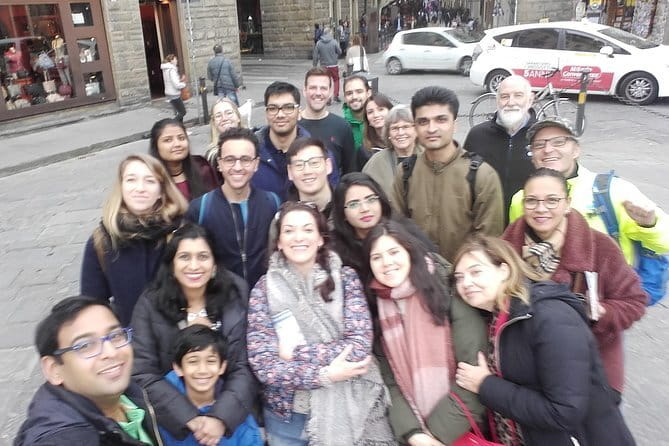
I love the small-group feel here. With up to 20 people, you stay close enough to hear the story, and the pacing feels human even when Florence is loud. Guides such as Ludi and Natalia are praised for clear explanations and for tying the art to real people—especially the Medici world.
One possible drawback: audio. In crowded piazzas, one review noted it was hard to hear even with a small speaker, so where you stand matters. If you want the full experience, position yourself near the guide early and don’t let your attention drift.
In This Review
- Key highlights to look forward to
- Why this 2h15 Florence art walk is such a smart use of time
- Price at $3.63: great value, but treat it like a guided service
- The route: from Santa Maria Novella to Santa Croce (and why that matters)
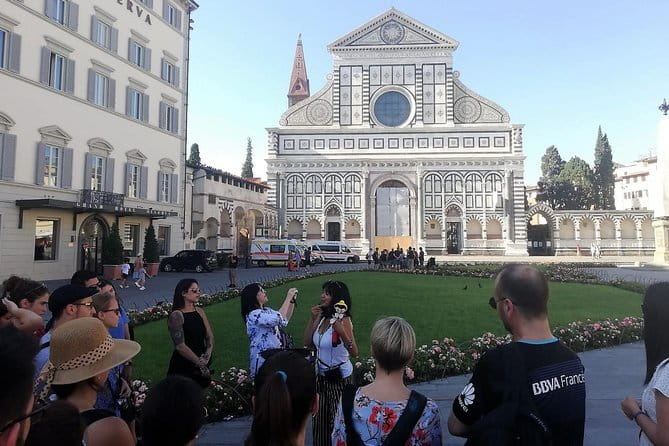
- Stop 1: Basilica of Santa Maria Novella—your quick “Florence orientation” moment
- Stop 2: Via de’ Tornabuoni and Palazzo Strozzi—art meets shopping streets
- Stop 3: Piazza della Repubblica—Roman clues in the center
- Stop 4: Santa Maria del Fiore area—Duomo views, but tickets are on you
- Stop 5: Orsanmichele—an art-history shopping list in one stop
- Stop 6: Piazza della Signoria to Ponte Vecchio—power, myth, and Medici imagery
- Stop 7: Santa Croce and Dante—your final emotional note
- Hearing, crowds, and staying in the right spot
- Who this tour is for (and who should skip it)
- Should you book Florence’s art and architecture walking tour?
- FAQ
- Where does the walking tour start?
- What time does it begin?
- How long is the experience?
- Is the tour in English, and do I need a printed ticket?
- What is the maximum group size?
- Are admissions included for every stop?
- Which major sights will I see?
- Are service animals allowed?
- What happens if the tour is canceled due to weather or not enough travelers?
- What is the cancellation window for a full refund?
Key highlights to look forward to
- A true first-morning orientation: major church façades, power squares, and sculpture stops without wasting time
- Small group advantage: a maximum of about 20 travelers keeps the walk manageable
- Roman-to-Renaissance storytelling: from Roman hints in the center to Medici-era art and politics
- Big-name sculpture talk: Donatello, Ghiberti, Giambologna, and more come up in one focused stop
- Photo-friendly pacing: the tour includes moments for pictures instead of constant motion
- Easy start and finish: it begins near Santa Maria Novella and ends at Santa Croce
Why this 2h15 Florence art walk is such a smart use of time
If you only have one morning in Florence, this style of tour is hard to beat. You’ll see the city’s biggest art-and-architecture landmarks in a logical path, so you leave knowing where things are and why they matter. The goal is quick orientation, not an all-day museum marathon.
The other thing I like: you’re not stuck making decisions every five minutes. Your guide helps you read what you’re looking at—churches as symbols of faith, squares as stages for power, and sculpture as visual messaging. It turns random sightseeing into a sense of pattern.
And because it’s about 2 hours 15 minutes, you can still do your own afternoon plans—whether that’s returning to one favorite site for longer, or just wandering with confidence.
You can also read our reviews of more walking tours in Florence
Price at $3.63: great value, but treat it like a guided service
At $3.63 per person, this tour sits in the “bargain” category, especially compared with the cost of museum tickets and private guiding. The value comes from three places: a real walk route, context for what you see, and the convenience of not having to plan every stop on your own.
One theme that shows up in feedback is that people feel the tour is worth it and that the guide’s work deserves a tip. So if you choose this, budget a little extra for your guide’s effort. Even a small tip can be a big morale boost for the person keeping you moving and informed.
Also, note what’s not included: the big Duomo-area admission isn’t part of the price. That’s not a deal-breaker; it just means you’re mostly getting exterior views and guided explanations, not a full ticketed inside visit.
The route: from Santa Maria Novella to Santa Croce (and why that matters)
The meeting point is right by Piazza di Santa Maria Novella (P.za di Santa Maria Novella, 4n). The tour starts at 10:30 am, and it finishes near Piazza di Santa Croce (Piazza di Santa Croce, 18R). Ending in Santa Croce is a nice payoff because it gives you a natural place to continue exploring on foot.
What makes this kind of route helpful is flow. Instead of bouncing back and forth, you move through the center in a way that mirrors how many first-time visitors want to experience Florence: arrival, big landmarks, a sculpture-and-squares stretch, then an elegant finish.
It’s also practical that the tour is near public transportation. If you’re coming from a hotel outside the center, you’ll likely find it easier to get to the start on time—and easier to continue afterward without a complicated return plan.
Stop 1: Basilica of Santa Maria Novella—your quick “Florence orientation” moment
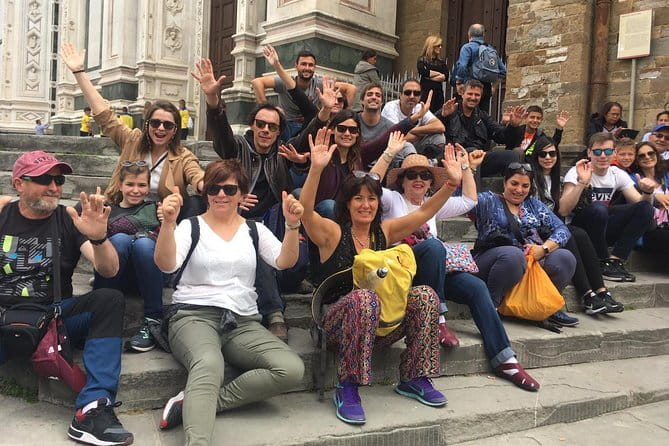
This first stop is Santa Maria Novella, listed as about 10 minutes and free entry for the stop. Even if you’ve never studied Florence, this is a strong starting point because the church helps set the tone for what you’ll see all morning: religious architecture tied closely to civic pride.
What to do here: don’t rush in. Look at the façade details and let the guide connect the dots between the church, the city’s priorities, and the way patrons wanted buildings to communicate status. The early minutes are about building a mental map so later stops make more sense.
A small drawback: since it’s a major site, you can hit crowds. If people are pressing in, hang back slightly and ask your guide where to look first.
Stop 2: Via de’ Tornabuoni and Palazzo Strozzi—art meets shopping streets
Next comes Via de’ Tornabuoni, plus quick views around Piazza Antinori, Palazzo Strozzi, and Piazza Santa Trinita. This is another free stop with about 10 minutes.
This part is fun because it shows Florence isn’t just one monument after another. You get a sense of how the city’s wealthy families used buildings, streets, and prominent squares as a kind of public display.
If you’re the type who loves noticing details, this stop is where you’ll start spotting the “edges” of Florence’s beauty—palaces seen from the street, the feel of a shopping corridor, and the way the city transitions from historic monuments to everyday life.
- The Best tour in Florence: Renaissance & Medici Tales – guided by a STORYTELLER
★ 5.0 · 12,316 reviews
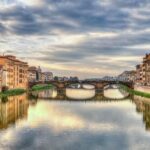


Stop 3: Piazza della Repubblica—Roman clues in the center
Then you hit Piazza della Repubblica, a short 5-minute stop, also free. The name here is linked to Firenze Romana, which is a useful hint: Florence isn’t only Renaissance. Even in the modern center, there are signals of older layers.
In practice, this stop works best as a palate cleanser. You’re moving from one major architectural identity to another, and the guide’s explanation helps you see the city as layered, not frozen in one era.
Don’t expect this to be the longest stop. It’s a quick “look, remember this” moment so the rest of the morning lands harder.
Stop 4: Santa Maria del Fiore area—Duomo views, but tickets are on you
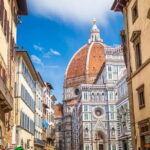
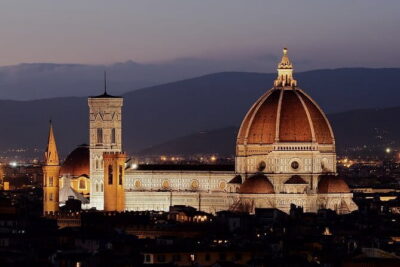
The biggest visual center of gravity is next: Santa Maria del Fiore, including the Battistero, Campanile di Giotto, and the Cupola of Brunelleschi. This stop is about 10 minutes, and admission is not included.
So here’s what you should plan for: you’ll get guided orientation and key sights, but if you want to enter buildings, go up towers, or do an indoor visit, you’ll likely need separate tickets. The value is still strong because the tour helps you understand what you’re looking at from the outside and how the complex fits together.
This is also one of the photo hotspots. Go in with realistic expectations: busy conditions, lots of people, and the need to pause strategically. If you want your best shot, stand where your guide points out the viewing angle.
Stop 5: Orsanmichele—an art-history shopping list in one stop
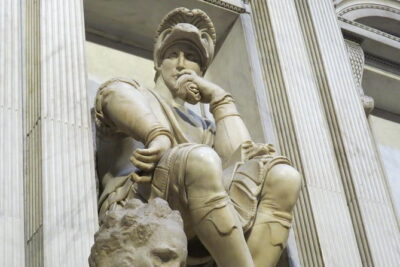
This is one of the most satisfying stops for art lovers: the Church and Museum of Orsanmichele, about 10 minutes with free entry listed. Here, the tour points you toward a lineup of famous names tied to sculpture: Donatello, Ghiberti, Giambologna, plus Brunelleschi, Verrocchio, Sangallo, Orcagna, and more.
Why this stop works: it’s like seeing a condensed “greatest hits” list without spending hours hopping between museums. Even if you’re not an art scholar, you’ll come away with a stronger sense of why these artists mattered—and how Florence built prestige through sculpture and public display.
Possible consideration: museum interiors can be less comfortable than outdoor stops if it’s hot or crowded. Wear light layers and be ready to stand for a bit while the guide explains the key pieces.
Stop 6: Piazza della Signoria to Ponte Vecchio—power, myth, and Medici imagery
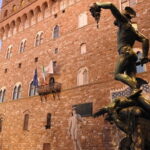
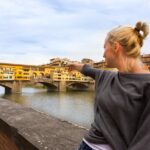
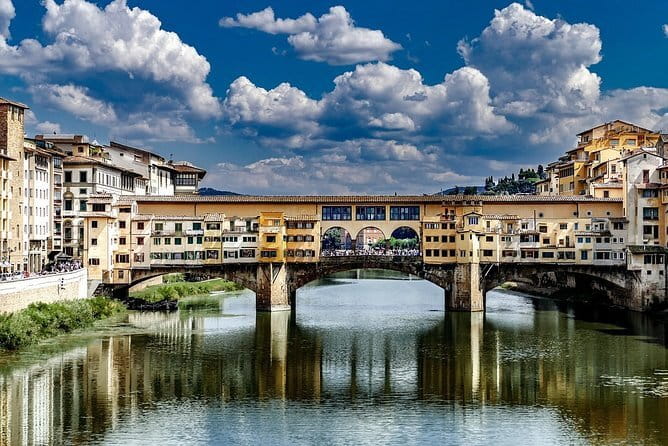
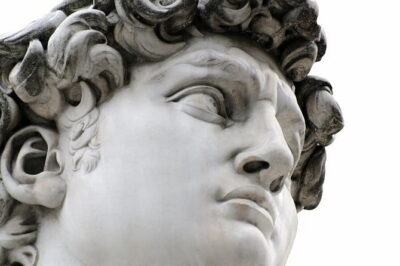
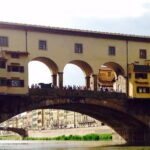
Next is the grand square stretch: Piazza della Signoria with nearby highlights like Palazzo Vecchio, Uffizi, Ponte Vecchio, Loggia de’ Lanzi, Torre di Arnolfo, and major sculptures and symbols such as David, Marzocco, and Perseo. This stop runs about 15 minutes and is listed as free.
This is the part of the morning where Florence feels like a living argument. The square isn’t just pretty—it’s political theater in stone and bronze. The guide’s job is to show you the storyline behind the visuals: who held power, how art was used to legitimize authority, and why certain figures became symbols.
Two details I’d pay attention to here:
- The connection to the Medici: the tour specifically touches on Cosimo de’ Medici, which is a key name if you want to understand why so much art and architecture in Florence has a patron-power backstory.
- The scale of sculpture in public space: you’re not viewing these works in a hushed gallery. You’re seeing them in the “real world” where people gather, talk, and pose for photos.
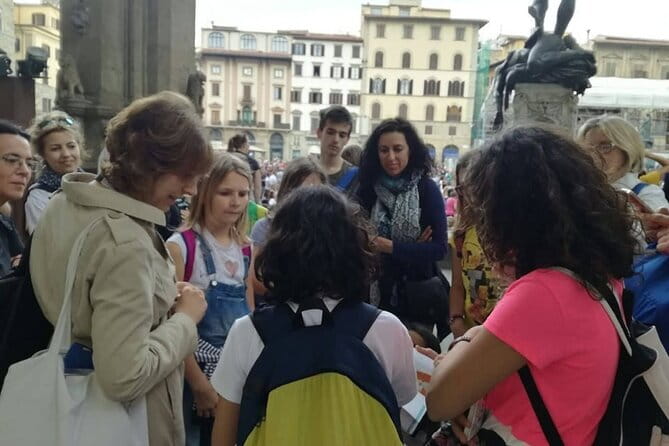
If you’re visiting during a busy week, this is also where the crowd can thicken. Keep your ears open and your feet steady. Good guides tend to route the group through pressure points so you don’t feel stuck.
Stop 7: Santa Croce and Dante—your final emotional note
The morning ends at Basilica of Santa Croce, about 10 minutes, again free. This stop includes the monument to Dante, which makes for a strong wrap-up because it shifts the focus from civic power to cultural legacy.
Santa Croce gives you a different vibe than the earlier squares. It can feel calmer, more reflective. If you’re the type who likes to end a sightseeing block with a meaningful landmark rather than a shopping street, this finish hits the right note.
Practical tip: if you enjoyed the morning’s stories, this is a great moment to decide what you want to return to later on your own—because you’ll likely recognize the major areas by now.
Hearing, crowds, and staying in the right spot
A walking tour lives and dies on sound. The tour uses a speaker system (one review mentions a mini-speaker), but not everyone finds it loud enough in noisy locations. I can’t promise what your exact day will sound like, so plan like this:
- Start near the guide so you catch the main explanations.
- If you notice you can’t hear well, don’t wait. Shift position early.
- Expect the busiest areas to be loud, especially around the most famous façades and squares.
This is also why the group size matters. When the group is smaller, the guide can keep everyone oriented without spending half the time herding people.
Who this tour is for (and who should skip it)
This tour is ideal if you:
- Want a one-morning overview of Florence’s art and architecture
- Like guided context more than reading a guidebook alone
- Are traveling with limited time and want a clear set of “must-see” highlights
- Appreciate public squares and major churches as part of the story, not just photo stops
You might skip it if you:
- Need a fully ticketed interior experience for the Duomo complex during the tour window (since cathedral-area admission is listed as not included)
- Get frustrated when audio is hard to hear in crowds, and you’re the type who needs headsets to stay engaged
Should you book Florence’s art and architecture walking tour?
If it’s your first time in Florence, I think it’s a strong yes. You get an efficient route from Santa Maria Novella to Santa Croce, you’ll see the city’s biggest visual anchors, and the guide helps you understand the art as part of Florentine identity—not just as postcards.
Book it if you want a fast start, a guided storyline, and a morning that leaves you confident to explore on your own afterward. Just be ready for the one tradeoff: in some spots, hearing can be imperfect, so stand closer to the guide when possible.
FAQ
Where does the walking tour start?
The tour starts at P.za di Santa Maria Novella, 4n, 50123 Firenze FI, Italy (meeting point at the Basilica di Santa Croce area).
What time does it begin?
The start time is 10:30 am.
How long is the experience?
It runs about 2 hours 15 minutes (approx.).
Is the tour in English, and do I need a printed ticket?
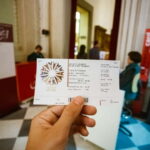
The tour is offered in English, and you receive a mobile ticket.
What is the maximum group size?
The tour has a maximum of 20 travelers.
Are admissions included for every stop?
Most stops are listed as free admission, but the Cathedral of Santa Maria del Fiore stop is listed as not included.
Which major sights will I see?
You’ll pass Santa Maria Novella, Via de’ Tornabuoni and nearby palaces/squares, Piazza della Repubblica, the Santa Maria del Fiore complex area (including the Baptistery, Giotto Campanile, and Brunelleschi’s dome), Orsanmichele, Piazza della Signoria and Ponte Vecchio area sights, and finish at Santa Croce with the Dante monument.
Are service animals allowed?
Yes, service animals are allowed.
What happens if the tour is canceled due to weather or not enough travelers?
This experience requires good weather. If it’s canceled due to poor weather, you’ll be offered a different date or a full refund. If it’s canceled because the minimum number of travelers isn’t met, you’ll be offered a different date/experience or a full refund.
What is the cancellation window for a full refund?
You can cancel up to 24 hours in advance for a full refund. If you cancel less than 24 hours before the start time, the amount paid isn’t refunded.
You Might Also Enjoy
More Walking Tours in Florence
More Tours in Florence
- The Best tour in Florence: Renaissance & Medici Tales – guided by a STORYTELLER
★ 5.0 · 12,316 reviews

More Tour Reviews in Florence
- Tuscany Day Trip from Florence: Siena, San Gimignano, Pisa and Lunch at a Winery
★ 5.0 · 21,634 reviews - The Best tour in Florence: Renaissance & Medici Tales – guided by a STORYTELLER
★ 5.0 · 12,316 reviews