REVIEW · FLORENCE
Essential Florence Walking Tour to discover its history
Book on GetYourGuide →Operated by Walkabout Tours · Bookable on GetYourGuide
Medici drama on a city walk. This 3-hour Florence walk threads Roman, medieval, and Renaissance highlights with real stories you can picture as you go, plus a gelato tasting stop that makes the whole route feel like a local routine. I also like that you get headsets to catch every detail clearly, even when streets get busy.
The main drawback is simple: it’s a real walking tour with steps and uneven ground, so it’s not a match if you have mobility limits or a bad back.
Key things I think you’ll like
- English-only guide that keeps the pace easy to follow
- Headsets included so you won’t miss key facts mid-crowd
- Gelato tasting as part of the experience, not an afterthought
- Big-name sights on foot from Piazza della Repubblica to Ponte Vecchio
- Art and politics in the same story through Medici power and church life
In This Review
- Getting Your Bearings at Piazza della Repubblica
- Roman Roots and the Climb to Medieval Power
- The Medici Story: Art Patronage with Teeth
- Reading Florence in Stone: Churches, Duomo Area, and Religion Everywhere
- Dante’s Home and the Human Scale of Florence
- Orsanmichele, Donatello, and Ghiberti Outside
- Renaissance Palaces: Ruccellai and Strozzi
- Via Tornabuoni and Via Maggio: Fashion and Antiques on the Same Map
- Santa Trinita, Ponte Vecchio, and the Bridges That Define Florence
- Santa Trinita Church Interior: Ghirlandaio Frescoes
- Pitti Palace, Medici Mansions, and the Vasari Corridor From Outside
- Old Churches in Oltrarno: Santa Felicita and Artisan Streets
- David, Workshops, and How Art Actually Happened
- Practical Tips for a Smooth 3-Hour Walk
- Value: Why $41 Can Make Sense for First-Time Florence
- Should You Book This Essential Florence Tour?
- FAQ
- Where does the tour begin?
- How long is the Florence walking tour?
- What’s included in the price?
- Is the tour available in English only?
- Is gelato tasting included?
- Is the tour suitable for children under 8?
- Is it accessible for wheelchair users or people with mobility issues?
- What should I wear, and can I cancel?
Getting Your Bearings at Piazza della Repubblica
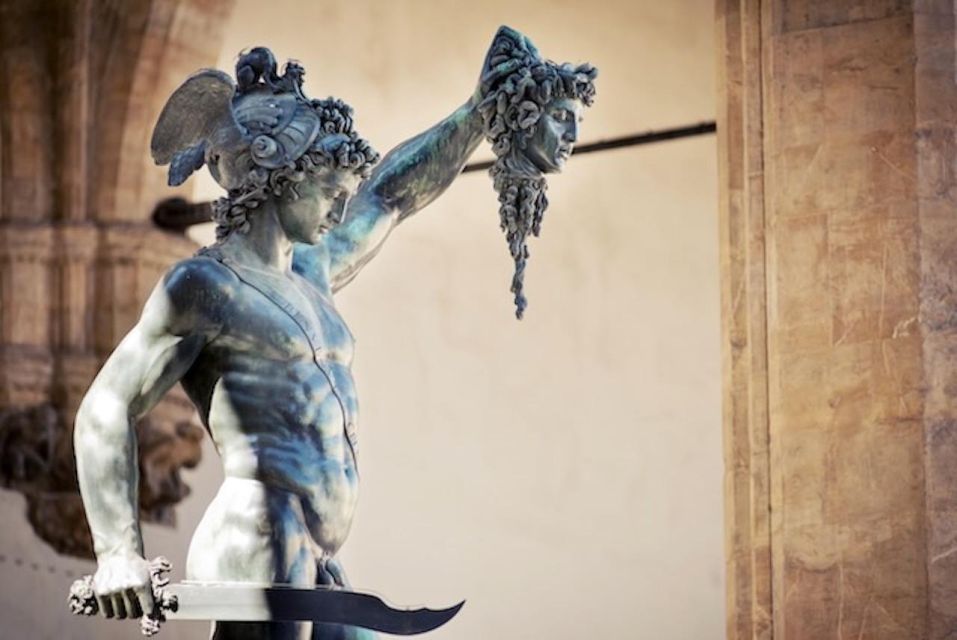
Florence starts by making sense, and this tour begins at Piazza della Repubblica, a handy place to orient yourself. Your guide sets the stage with the city’s Roman founding, which is a smart way to avoid the classic Florence problem: you see beauty first, then history later.
From the first stops, you’ll notice how Florence keeps layering time on top of time. That means your eyes start working differently by the time you reach the “main hits”—you’re no longer just looking at buildings, you’re reading them.
If you’re the kind of traveler who wants a plan for your first day, this is a strong choice. In just a few hours, you’ll gain the mental map that helps you explore on your own afterward—especially around the center.
Roman Roots and the Climb to Medieval Power
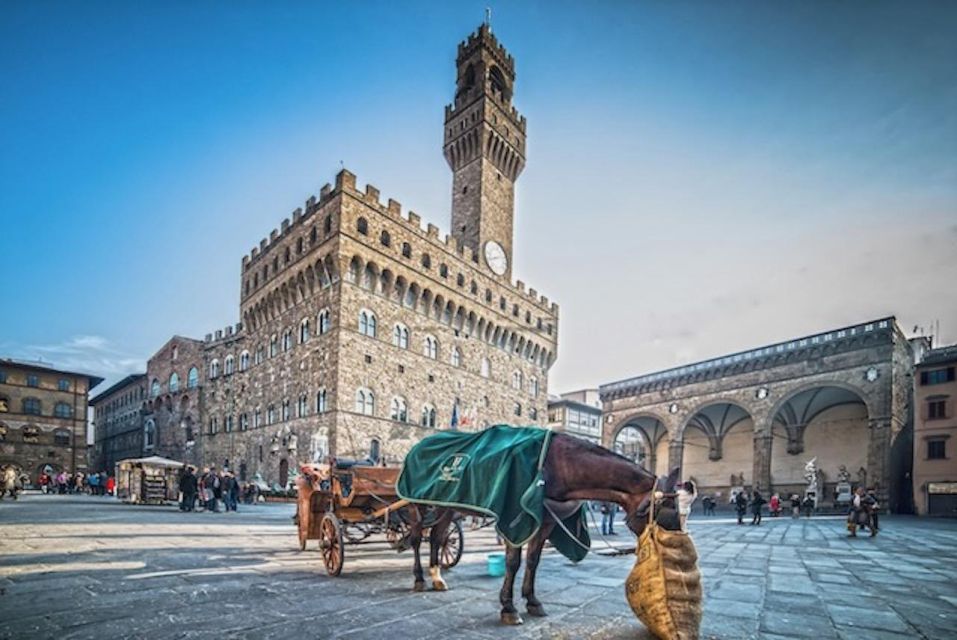
After the opening orientation, the walk moves into medieval Florence and the factors behind the city’s rise in power and wealth. I like this approach because it connects what you’ll see next—streets, palaces, religious spaces—to why people built them in the first place.
You’ll walk through the cobblestone reality of Florence, not the fantasy version. That matters, because the city’s shape and street rhythm affect how you experience everything, from where views appear to how crowds flow near major monuments.
This part of the tour also gives you the useful framework for later stops: Florence wasn’t just an art museum. It was a political machine, and art, religion, and money were all tied together.
You can also read our reviews of more walking tours in Florence
The Medici Story: Art Patronage with Teeth

The Medici family isn’t treated like a school lesson here. The tour frames Medici influence as a driver of what Florence became—who had power, how prestige worked, and how culture got used in real life.
One of the most praised parts is how smoothly the guide connects architecture and art to the story. You might even be with a guide like Becky, who’s described as having an art history background, or Lisa or Andrea on other days. The effect is the same: the city’s famous faces and buildings stop feeling random.
If you’re curious about what made Florence different from other Italian cities, this is where it clicks. You’ll hear about how the city’s wealth and influence shaped everything from major palaces to the kinds of artists Florence supported.
Reading Florence in Stone: Churches, Duomo Area, and Religion Everywhere
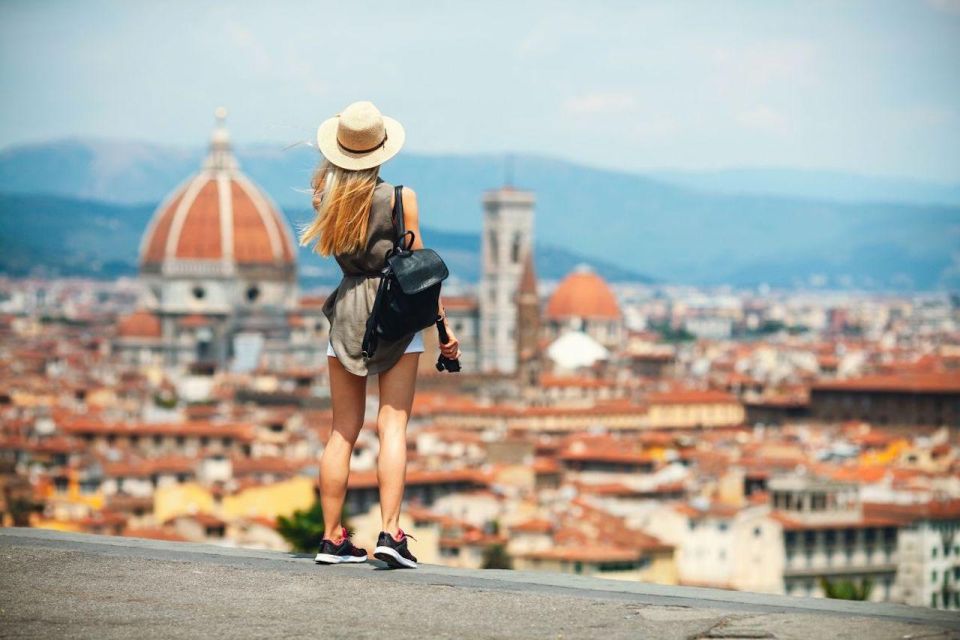
Religion shows up constantly in Florence, and you’ll see that in a practical way—how spaces are positioned, how symbols shape the city’s center, and how major churches dominate the skyline.
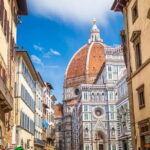
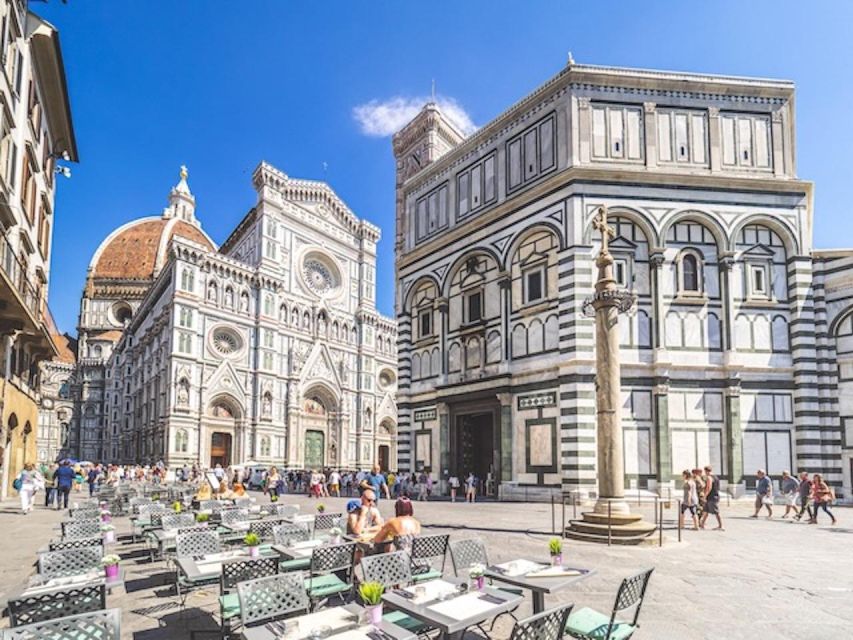
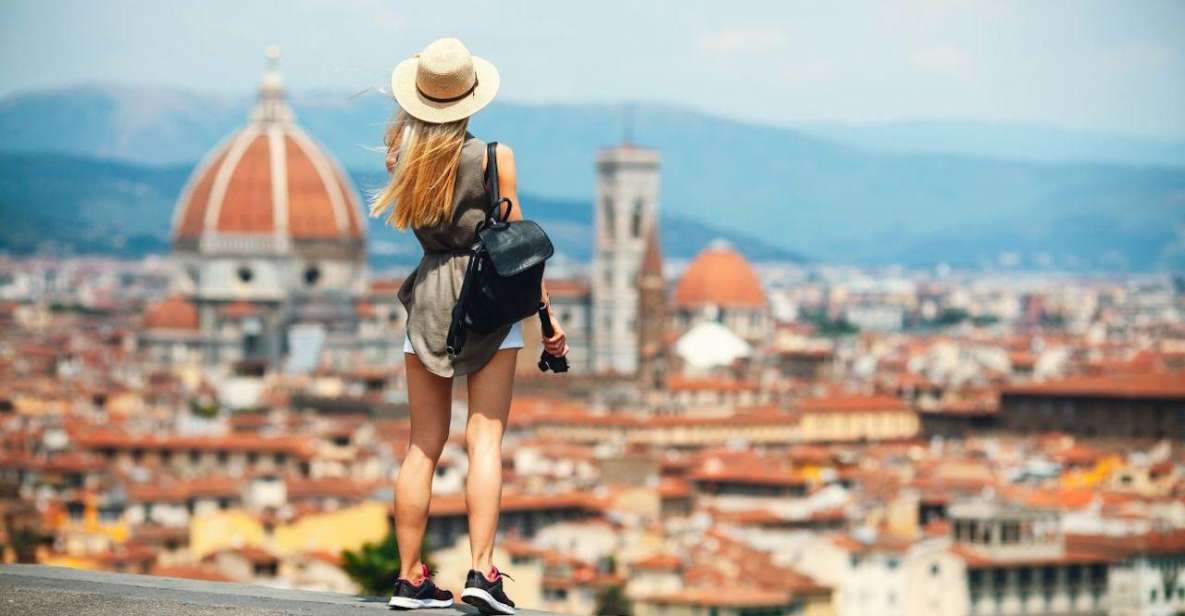
You’ll pass the Duomo area from outside, including the Duomo, the Baptistery, and the Campanile. Even without going inside here, this works because it’s a visual anchor point: once you know what you’re looking at, later you’ll recognize it across town.
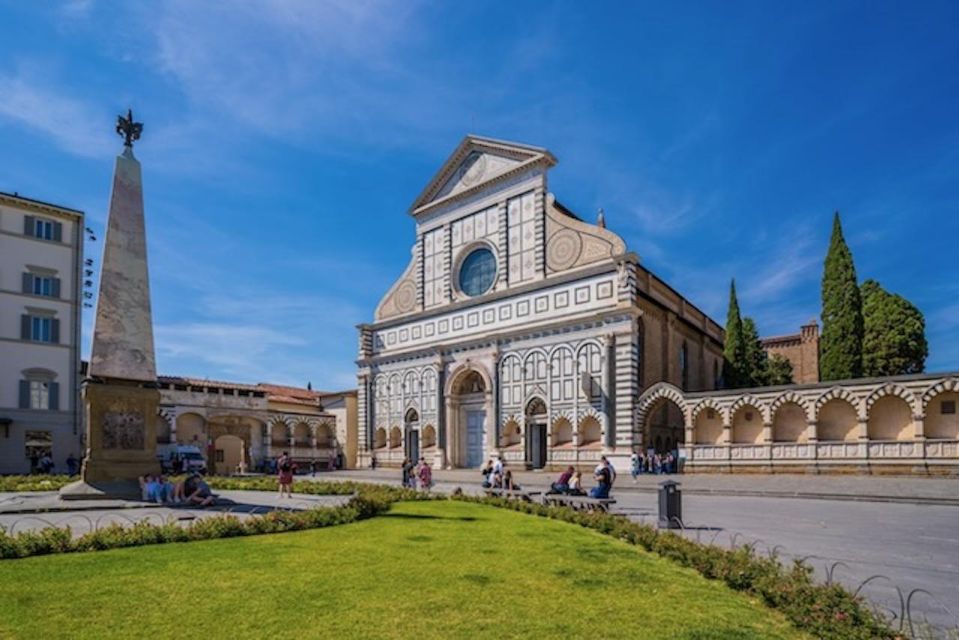
Next comes Santa Maria Novella (from outside), another example of how Florence’s faith architecture creates civic identity. If you’ve ever wondered why these buildings feel like more than churches, this sequence answers it.
Dante’s Home and the Human Scale of Florence
Not everything is grand and monumental. The tour also places you close to the human footprint of Florence with a stop at Dante’s home.
I like this moment because it shifts you from “big history” into everyday geography. It’s a reminder that the Renaissance didn’t appear out of nowhere—it grew in neighborhoods full of real people moving through real streets.
If you’re worried a walking tour will feel like a blur of landmarks, this kind of stop helps break it up. You get a story you can emotionally hold onto.
Orsanmichele, Donatello, and Ghiberti Outside
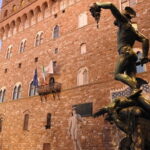
Florence loves outdoor art, and Orsanmichele is a great place to notice it. From the outside, you’ll see its famous statues by artists such as Donatello and Ghiberti.
This is one of those stops that’s easier to appreciate when someone points out what you might otherwise miss. Instead of just seeing stone figures, you start spotting what makes the artists important and why Florence put their work right into the public flow.
And because it’s outdoors, it also keeps the pace moving. No long waits, just a focused look that gives you something to carry forward.
You can also read our reviews of more historical tours in Florence




Renaissance Palaces: Ruccellai and Strozzi
The tour takes you past palaces like Ruccellai Palace and Strozzi Palace, which are great benchmarks for spotting Renaissance architecture. I find palazzo comparisons especially helpful—once you’ve seen a few examples, you’ll start seeing patterns when you stroll on your own later.
If you’re the kind of person who likes to take photos, this section is built for that. You’ll have clean sightlines and enough time to look closely at façades rather than just snap-and-run.
This is also where “history” stops being abstract. You’ll be walking through the visual language people used to signal status, power, and taste.
Via Tornabuoni and Via Maggio: Fashion and Antiques on the Same Map
Florence has shopping streets that are fun even if you don’t buy much. The tour walks along Via Tornabuoni, described as the city’s well-known designer retail strip, and you’ll learn how the architecture and street character shape the experience.
Then you hit Via Maggio, known for antique shopping. Even if you’re not shopping, it’s a smart contrast: Florence doesn’t separate “past” and “present.” It stacks them, and the streets show it.
This part works best if you like wandering with a purpose. You’ll understand what you’re seeing instead of treating it like just another retail corridor.
Santa Trinita, Ponte Vecchio, and the Bridges That Define Florence
Florence bridges aren’t background. They’re landmarks with personality, and walking across them helps you feel how the city is put together.
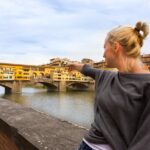
You’ll traverse Santa Trinita and Ponte Vecchio bridges, and you’ll also get a sense of why this area became such an icon. The guide’s storytelling helps you connect the views to the city’s history instead of only admiring the scenery.
From here, you’ll shift toward the Oltrarno side of Florence, where the vibe changes from postcard center to artisan streets. That change of scenery is a real highlight for me—walking tours can feel repetitive, but this keeps it fresh.
Santa Trinita Church Interior: Ghirlandaio Frescoes
Some stops are designed to be quick from outside. This one is the payoff if you like art.
The tour includes an inside visit to Santa Trinita Church to admire magnificent frescoes by Ghirlandaio. Going in adds weight to everything you’ve heard so far. Instead of only talking about Renaissance art, you stand near it and let the work do its job.
If you plan your day around art stops, this is a valuable inclusion because it’s not just “look at the exterior and move on.” It gives you a reason to pause.
Pitti Palace, Medici Mansions, and the Vasari Corridor From Outside
You’ll see Pitti Palace from the outside as the former Medici residence. This matters because it helps you visualize where power lived, not just where it was discussed.
The tour also points out other Medici mansions and palaces, so you’re not stuck with one “Medici landmark.” You get a sense that Medici influence was built into the city’s fabric.
You’ll also see the Vasari corridor from outside. That’s a fascinating piece of Florence architecture to spot, because it highlights how movement, privacy, and influence were designed into the city’s structure.
Old Churches in Oltrarno: Santa Felicita and Artisan Streets
As you move through the charming Oltrarno cobblestone streets, you’ll get an atmosphere shift. Instead of only polished major sights, the walk includes artisan workshops and smaller religious stops.
You’ll admire Santa Felicita Church, noted as one of the oldest churches in Florence. I like this kind of stop because it balances the “famous faces” of Renaissance tourism with something that feels grounded and lived-in.
This section also helps you end the tour with momentum. You’ll finish with a better feel for where to wander next without needing a map of landmarks.
David, Workshops, and How Art Actually Happened
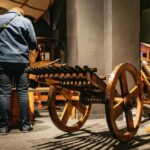
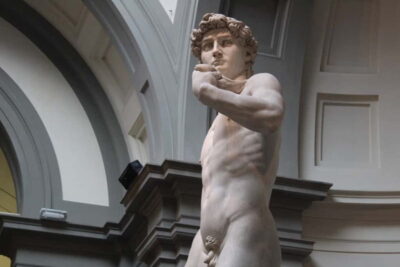
One of the most specific inclusions is the chance to see the creation of David and related workshops used by artists. Even if you know the statue’s story already, Florence is where you start understanding the practical side—how artists worked, and how their craft connected to patrons and institutions.
This matters because it changes how you look at famous works. You start imagining materials, studios, apprenticeships, and the city systems that supported artistic production.
If you’re traveling with someone who loves art but hates museum fatigue, this is a good middle ground. You get art context without turning the day into a nonstop indoor crawl.
Practical Tips for a Smooth 3-Hour Walk
This is built around an active 3-hour pace, and it’s a walking tour through areas with steps and uneven ground. Wear comfortable shoes and skip sandals or flip flops—the ground is cobblestone and you’ll be glad you chose walking footwear.
The tour also isn’t suitable for people with mobility impairments or wheelchair users, and it won’t work well for anyone with back problems or recent surgeries. If that sounds like you, you should consider another format so your day stays enjoyable.
One more practical win: you get headsets to hear the guide clearly in busy areas. That small tool changes the experience a lot. You can keep your eyes on buildings and still catch the story.
Also, it’s English only. If you prefer guided history in English, you’re in the right place.
Value: Why $41 Can Make Sense for First-Time Florence
Let’s talk price without the marketing fog. At $41 per person for 3 hours, you’re paying for three things that add real value: an expert local guide, headsets, and a included gelato tasting.
Is it “cheap”? Not really. But it’s also not just a walking path with a map app voice. The guide’s job is to connect architecture, politics, and art into one understandable route. That kind of guidance saves time and reduces the stress of figuring out what matters.
If you’re only in Florence for a short window, this tour helps you pick up a mental framework fast. That usually means you spend your free time later walking with confidence, not wandering hoping you stumble onto the right story.
Should You Book This Essential Florence Tour?
Book it if you want a history-driven Florence experience with a guide who connects the dots between Medici power, Renaissance art, and the city’s religious center. It’s especially worth it if you like learning while walking and you want your first day in Florence to feel organized.
Skip or rethink it if you need step-free movement or you know your body won’t like uneven cobblestones. Also, this isn’t a kids’ tour; it’s not suitable for children under 8.
If you’re aiming for an efficient, story-first introduction to Florence—one that takes you across major streets and bridges while giving you context—this is a strong choice.
FAQ
Where does the tour begin?
The tour begins in Piazza della Repubblica.
How long is the Florence walking tour?
The tour lasts 3 hours.
What’s included in the price?
The experience includes an expert local guide, a gelato tasting, and headsets so you can hear the guide in English.
Is the tour available in English only?
Yes, it’s an English-only live guide tour.
Is gelato tasting included?
Yes. A gelato tasting is included as part of the tour.
Is the tour suitable for children under 8?
No. It isn’t suitable for children under 8.
Is it accessible for wheelchair users or people with mobility issues?
No. It can’t accept wheelchair users or people with mobility impairments, and it’s also not suitable for those with back problems or recent surgeries.
What should I wear, and can I cancel?
Wear comfortable shoes and comfortable clothes, and avoid sandals or flip flops. If you need to change plans, you can cancel up to 24 hours in advance for a full refund.
You Might Also Enjoy
More Walking Tours in Florence
More Tours in Florence
- The Best tour in Florence: Renaissance & Medici Tales – guided by a STORYTELLER
★ 5.0 · 12,316 reviews



More Tour Reviews in Florence
- Tuscany Day Trip from Florence: Siena, San Gimignano, Pisa and Lunch at a Winery
★ 5.0 · 21,634 reviews - The Best tour in Florence: Renaissance & Medici Tales – guided by a STORYTELLER
★ 5.0 · 12,316 reviews