REVIEW · FLORENCE
Afternoon Access to Accademia Gallery: David & Stradivarius
Book on GetYourGuide →Operated by Keys of Italy · Bookable on GetYourGuide
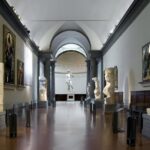
David is waiting, and the line won’t stop you. This 70-minute guided visit to Florence’s Accademia Gallery gives you skip-the-line access and a focused route to the museum’s biggest star, Michelangelo’s David. The tradeoff is simple: 70 minutes is tight, so you will need to keep moving and let the guide set the pace.
I also love that the tour goes beyond the statue. You’ll get to the collection of musical instruments linked to the Conservatorio Luigi Cherubini, including an original Stradivarius violin from 1690, plus an early moment in keyboard history with the first modern piano invented in Florence. That mix of art and sound changes how you see the museum.
If you’re the type who hates being late, this one matters. The meeting point is at 3:00 PM in front of the main entrance (building number 47 blue), and the tour starts 3:15 PM sharp.
In This Review
- Key takeaways before you go
- Accademia access at 3:15 PM: what “skip-the-line” really gives you
- The Conservatorio Luigi Cherubini collection: Stradivarius from 1690
- Florence’s first modern piano: a surprising keyboard moment
- Michelangelo’s David: more than a famous statue
- How the guide keeps a 70-minute tour feeling full
- Price and value: is $80 for 70 minutes fair?
- Who should book this tour
- When it might not be the perfect plan: first Sunday note
- Should you book this afternoon Accademia tour?
- FAQ
- FAQ
- How long is the tour?
- What time does it start, and where do we meet?
- What is included in the price?
- How big is the group?
- What are the main highlights I’ll see?
- Is entrance free on the first Sunday of the month?
Key takeaways before you go
- Skip-the-line entry to the Accademia saves time so you can spend it inside, not waiting outside
- Conservatorio Luigi Cherubini instruments include a 1690 Stradivarius and the first modern piano idea from Florence
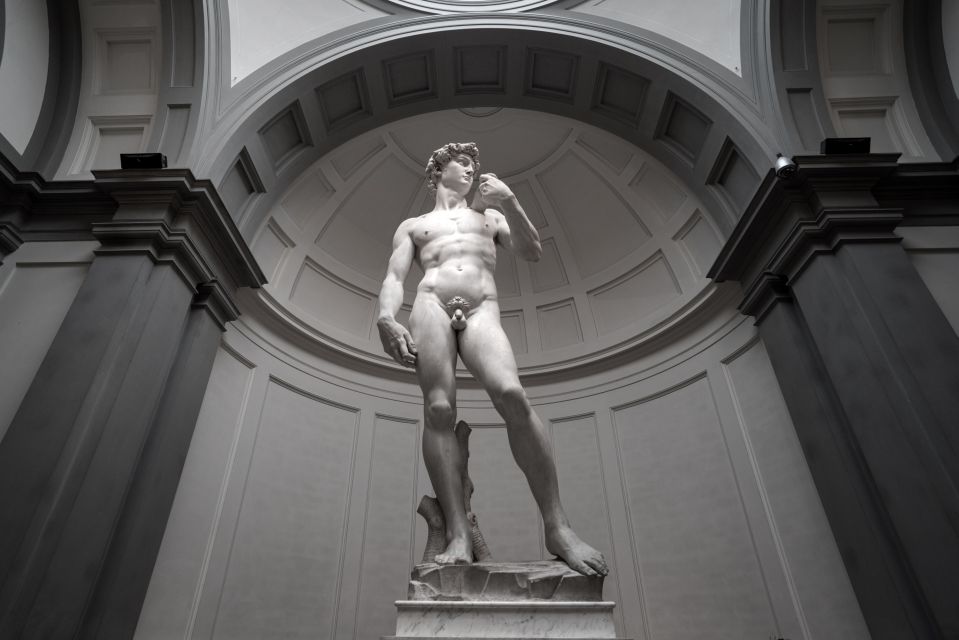
- Michelangelo’s David is treated like the symbol it is, not just a photo stop
- Small group size (up to 9) keeps the guide’s explanations from getting lost in the crowd
- English-speaking guide with engaging anecdotes and specific art-history context
Accademia access at 3:15 PM: what “skip-the-line” really gives you
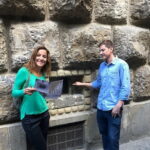
This tour runs in the afternoon, with a meeting time of 3:00 PM outside the Accademia Gallery. Your guide holds a Keys of Italy sign, standing at the main entrance beside the ticket office in front of building number 47 blue. The actual tour start is 3:15 PM sharp, so plan to arrive a few minutes early to get oriented and find your group.
The big practical value of skip-the-line is not just comfort. It’s time control. Accademia can be busy, and once you’re inside, the museum experience moves fast. A timed, guided flow matters when you have one main masterpiece plus extra stops that most visitors miss.
Another thing I like: the tour is short enough to stay sharp. 70 minutes isn’t “wander and hope.” It’s a guided route with a clear payoff—David first in your mind, then the musical-instrument collection that gives the museum a surprising secondary personality.
You can also read our reviews of more museum experiences in Florence

The Conservatorio Luigi Cherubini collection: Stradivarius from 1690
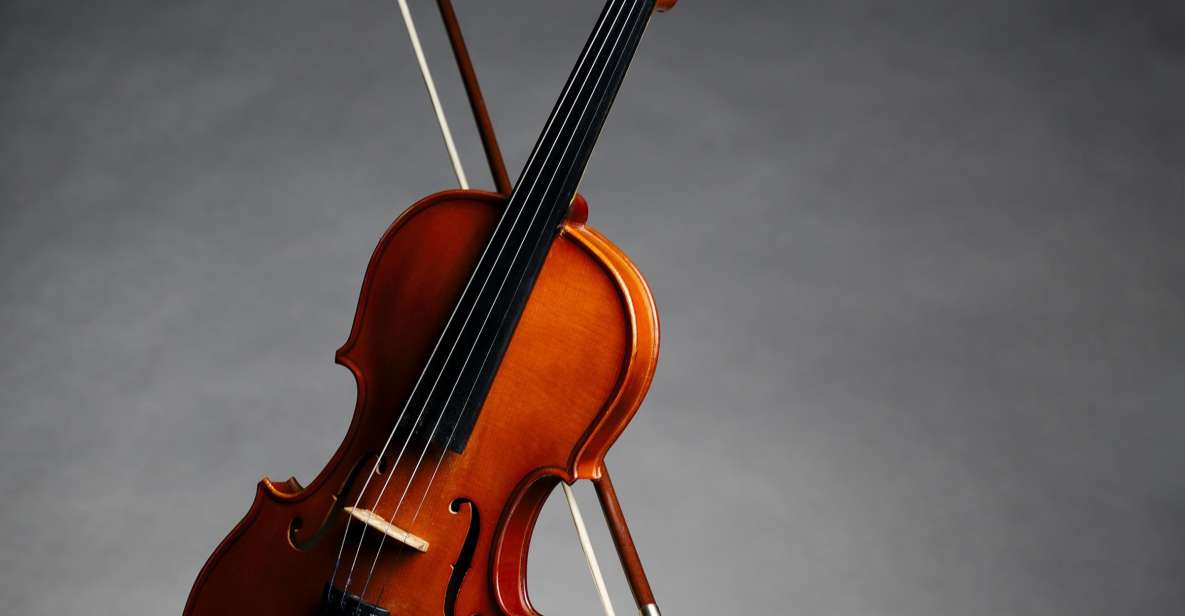
Accademia is famous for sculpture, but this tour pulls a different lever. You’ll be directed to the collection of musical instruments connected to the Conservatorio Luigi Cherubini. This part of the museum is mentioned as a jewel that many people overlook, and you can see why the design of the tour points there early.
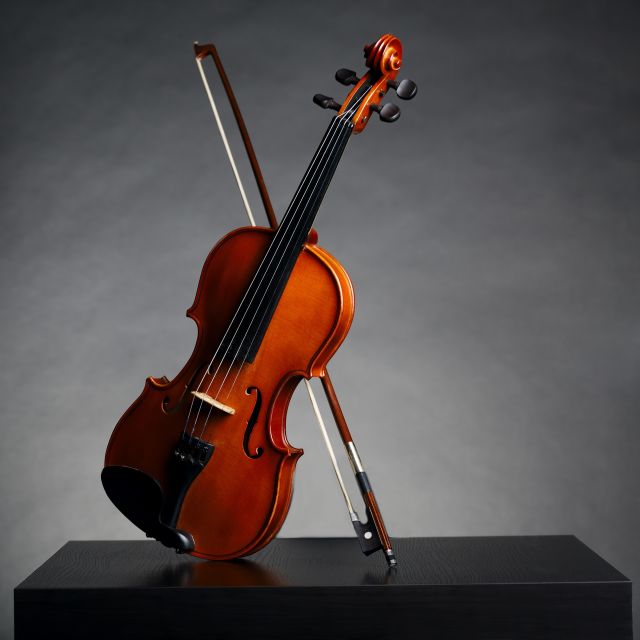
The headline attraction here is an original Stradivarius violin from 1690, made by Antonio Stradivari. The wording matters: it’s not a replica story. You’re looking at a real historical instrument, and it’s described as having been made for the Great Prince. That detail changes the atmosphere. It’s not just an object behind glass. It’s a surviving artifact from the kind of elite musical world that put Florence and Italian craft at the center.
Why this stop feels valuable, even if you’re not a music person: the instrument turns the museum into a place of sound, not only sight. Your guide’s commentary helps connect what you’re seeing to the broader cultural world around the Renaissance and Baroque, when art, court life, and music all traveled together. When the tour includes a Stradivarius like this, you get a break from the “only statues” rhythm that can drain energy.
One practical consideration: museum lighting and display cases can make it harder to focus on fine details from every angle. You’ll still see what you came for, but if you like close-up visual study, take a second to reposition when your guide pauses so you can get a better view.
Florence’s first modern piano: a surprising keyboard moment
From the violin, the tour continues into another “wait, that’s here?” highlight: the first modern piano, described as invented in Florence. This isn’t a generic instrument stop. It’s presented as part of that same Conservatorio-linked collection, which gives the visit a coherent theme: Florence as a maker of artistic tools, not only artistic images.
Even if you only know pianos from modern concerts, this type of historical marker hits differently. The tour frames it as a turning point. Instead of treating music as background culture, it treats Florence as a birthplace of a new musical technology and form.
Here’s the best way to get value out of this stop: listen to what your guide says about why it’s considered the first modern piano (as the tour describes it). That explanation gives you a mental checklist for what to notice, and it keeps the moment from becoming just another object-photo.
If you like hands-on museum moments, note that this is a museum display setting, so you won’t play anything. But the payoff is the story: seeing how “invention” belongs inside art museums too.
Michelangelo’s David: more than a famous statue
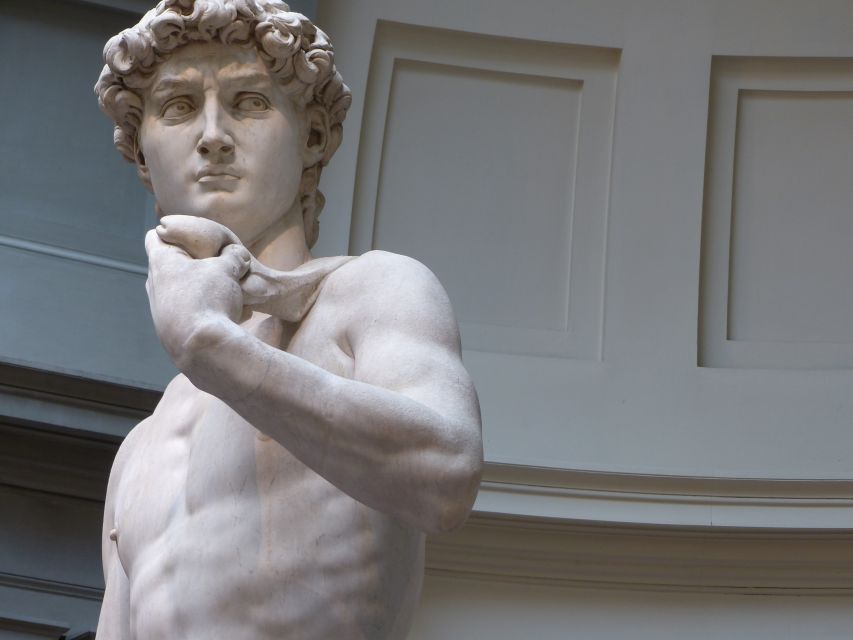
Then the tour shifts back to what most people picture when they think of the Accademia: Michaelangelo’s David. The guide will lead you to it as the centerpiece, and the tour describes it directly as the symbol of Florence. That framing matters because David isn’t only a masterpiece. It’s a civic emblem that people have loved, debated, and returned to for centuries.
On top of the David stop, the tour also moves through a room filled with works connected to Michelangelo. That matters if you want to understand David as part of a larger body of thinking rather than a one-off tourism poster. When you see multiple works in the same area, you start noticing patterns in pose, anatomy, and the way the artist’s intent shows up again and again.
What makes this kind of visit work is the guide’s role. The tour description points to entertaining anecdotes and secrets, and the guide style is part of why this experience earns consistently high ratings. In past tours, guides such as Elisabetta have been described as engaged and nonstop with insights, and another guide named Leonardo was praised for delivering with passion as a native of Florence. When the commentary connects details across rooms, David stops being just a sculpture and becomes a narrative you can follow.
If you want to take photos, do it with intention. Get the overview shot, then allow one extra look to focus on the parts the guide highlights. David’s impact is partly physical scale, but it’s also the tension in expression and stance. Your guide will help you “read” that tension faster.
How the guide keeps a 70-minute tour feeling full
This is a small group tour, limited to 9 participants, and that changes the math. With a bigger group, you get rushed and explanations can turn into generic talking points. With a limited group, you’re more likely to get time for key ideas to land, and you’re more likely to hear your guide clearly without leaning in.
The guide is English-speaking and is described as certified, and the reviews repeatedly stress engagement. Guides like Elisabetta were praised for keeping everyone involved, and Leonardo received specific praise for highlighting facts and adding a distinctly Florentine passion. One review even notes that the guide happily took a picture when asked, which tells you the tone is practical and people-friendly rather than stiff.
A good way to get the most out of a guided museum like this is to decide what you care about before you arrive. Are you there for Renaissance art, or are you curious about Florence’s musical inventions? This tour can satisfy both because it gives you an art climax (David) and two “science of culture” stops (Stradivarius and the modern piano).
Also, don’t sleep on the pacing. A short tour can feel rushed if you expect to linger. Instead, treat it like a guided highlights reel with a clear order: instruments first, then David and Michelangelo-related rooms. That order keeps your attention from flipping back and forth.
- The Best tour in Florence: Renaissance & Medici Tales – guided by a STORYTELLER
★ 5.0 · 12,316 reviews



Price and value: is $80 for 70 minutes fair?
The price is $80 per person for a 70-minute experience, and it includes admission with skip-the-line entrance plus a professional certified guide.
Is that worth it? For me, the value comes from three things you’re paying for, not just one:
- Time saved through skip-the-line access, which matters when you’re trying to see more than one major site in a day
- Curated focus: you see David and also get the Conservatorio-linked instrument collection, including a 1690 Stradivarius and the first modern piano tied to Florence
- Human translation: the guide is what turns “objects” into meaning, especially in a museum where the biggest crowd favorite can distract from other sections
If you love museums but hate paying for someone else’s narration, you might prefer to tour independently and wander. But if you want the Accademia experience to include the musical-instrument story—rather than only David—you’ll likely feel the cost is justified.
Think of this tour as buying less confusion and more clarity. In 70 minutes, that clarity is what you feel in your head when you leave.
Who should book this tour
This experience is a strong fit if:
- You want David plus something extra in the same visit
- You like a guided route that keeps you from missing the musical instruments collection
- You appreciate small-group attention and English commentary
- You’re short on time in Florence but still want more than one highlight
It might be less ideal if:
- You like ultra-slow museum pacing and long lingering at one object
- You need a lot of time for reading labels without a guide moving you along
- You’re visiting right around peak crowds and know you’ll be anxious about timing
The fact that the group is limited to 9 people helps, but it doesn’t change the overall rhythm: this tour is built for a tight and satisfying run.
When it might not be the perfect plan: first Sunday note
There’s one timing twist you should know. On the first Sunday of each month, entrance is free of charge. But because tickets can’t be reserved in advance for that free day, entry is not guaranteed. If you’re traveling for that specific Sunday, you might want to plan with extra flexibility and avoid assuming the tour will be smooth regardless of demand.
Should you book this afternoon Accademia tour?
If you’re choosing between a simple Accademia visit and one that adds music-instrument history, I’d book this. The reason is straightforward: you get David and you also get the tour’s distinctive strength—the Conservatorio Luigi Cherubini instrument collection, including a 1690 Stradivarius and the story of Florence’s first modern piano. That combo is rare in a single, guided, timed outing.
Also, the consistent praise for guides by name—like Elisabetta and Leonardo—points to a real difference in delivery, not just ticket access. In a short 70 minutes, a guide who can keep explanations clear and entertaining makes or breaks the experience.
My advice: if you’re in Florence for a limited number of days, want skip-the-line convenience, and care about seeing more than the obvious, this is a smart purchase.
FAQ
FAQ
How long is the tour?
The tour lasts 70 minutes.
What time does it start, and where do we meet?
You meet at 3:00 PM in front of the main entrance to the Accademia Gallery (beside the ticket office, building number 47 blue). The tour starts at 3:15 PM sharp. Your guide will hold a Keys of Italy sign.
What is included in the price?
The price includes admission with skip-the-line entrance and a professional certified English-speaking guide.
How big is the group?
The group is small, limited to 9 participants.
What are the main highlights I’ll see?
You’ll see Michaelangelo’s David, an original Stradivarius violin from 1690, and the first modern piano invented in Florence, plus other Michelangelo-related works and the musical instruments collection.
Is entrance free on the first Sunday of the month?
Yes, entrance is free on the first Sunday of each month, but tickets can’t be reserved ahead of time, so entry is not guaranteed.
You Might Also Enjoy


More Museum Experiences in Florence
More Tour Reviews in Florence
- Tuscany Day Trip from Florence: Siena, San Gimignano, Pisa and Lunch at a Winery
★ 5.0 · 21,634 reviews - The Best tour in Florence: Renaissance & Medici Tales – guided by a STORYTELLER
★ 5.0 · 12,316 reviews