REVIEW · FLORENCE
Uffizi Gallery Guided Tour: Masterpieces of the Renaissance
Book on Viator →Operated by Star Europe Tours · Bookable on Viator
Renaissance art in 90 minutes is a sprint. This Uffizi guided tour turns a huge museum into a clear, story-led walk through Florence’s power players and their painters. I like that you get an official certified guide plus a radio system (so you can actually hear the story), and I also like that timed entry keeps your morning from getting stuck in a line. The only real catch: the headset quality can be hit-or-miss, and if yours fails early, you’ll have a tougher time following the guide.
You’ll meet at the Statue of Leonardo da Vinci outside the Uffizi area, then head inside for a focused look at major names—from Giotto and Filippo Lippi to Raphael and Caravaggio—plus some standout moments the guide points out in the collections. I especially like the way the tour starts with the Medici legacy, then moves into specific works you can anchor your memory to later when you wander on your own.
One possible drawback to plan for: if you arrive late, you can’t join, and you won’t get a refund or reschedule. Also, the Uffizi can be crowded, so your “study time” for a painting might be shorter than you want unless you’re flexible.
In This Review
- Uffizi Gallery Guided Tour: the highlights you can actually use
- Entering the Uffizi: where you start and why it matters
- The Medici foundation: the story behind the museum
- The masterworks you’ll be pointed to (Botticelli, Leonardo, Michelangelo)
- Giotto to Caravaggio: how the guide connects centuries in real time
- The headset and microphone reality check
- Value at $90.50: what you’re really paying for
- After the tour: revisiting the works that stuck with you
- Who this tour suits best (and who should skip it)
- Should you book the Uffizi Gallery Guided Tour with Star Europe Tours?
- FAQ
- What’s included in the tour price?
- Is the Uffizi admission ticket included?
- How long is the guided tour?
- What language is the tour offered in?
- Where do I meet the guide?
- What’s the group size limit?
- What documents do I need for entry?
- What happens if I arrive after the tour start time?
- Can the tour be canceled for poor weather?
- Is there a minimum number of guests required?
Uffizi Gallery Guided Tour: the highlights you can actually use
- Official guide + radio system means you can follow the explanations without shouting at your group.
- Timed-entry admission included helps you get inside smoothly instead of burning time at the ticket maze.
- Medici-to-Renaissance storyline: the tour connects the collection to the people who paid for art in Florence.
- Your guide points out key masterpieces by Botticelli, Leonardo da Vinci, and Michelangelo, not just random rooms.
- Small group size (max 15) keeps the pace livable and helps you hear the guide more often.
- After the tour, you’re free to go back to whatever grabbed you.
Entering the Uffizi: where you start and why it matters
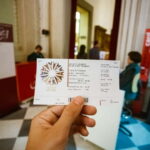
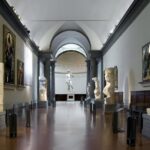
This tour is built around a simple goal: get you inside and moving while the museum is still manageable. You meet at the Statue of Leonardo da Vinci at Piazzale degli Uffizi, 209 (that statue is a solid “I’m in the right place” landmark). From there, you move as a group into the gallery area with your entry handled for you via timed reservation.
Why I think this is worth caring about: the Uffizi is famous, which means it’s also popular. If you arrive without a plan, you can lose a lot of energy just figuring out doors, lines, and which ticket window does what. With timed entry included, you’re aiming for a more museum-first experience and less logistics.
Expect the tour to run about 1 hour 30 minutes (approx.). Some descriptions mention a longer feel (around two hours), so mentally plan for a short, high-impact route rather than a slow, room-by-room museum day.
You can also read our reviews of more guided tours in Florence
- The Best tour in Florence: Renaissance & Medici Tales – guided by a STORYTELLER
★ 5.0 · 12,316 reviews

The Medici foundation: the story behind the museum
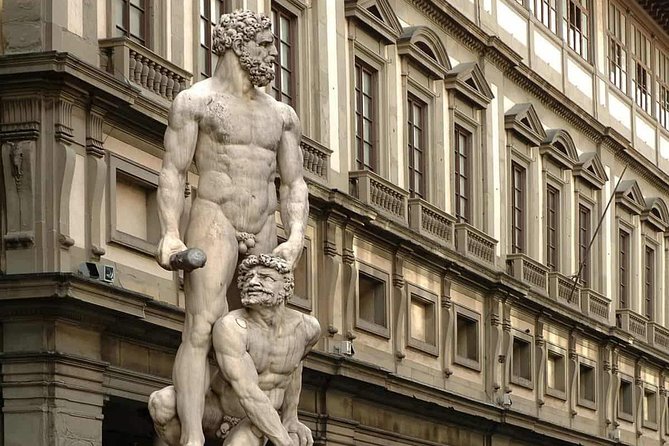
Before you even get deep into paintings, you get the big context: the Uffizi was once tied to the Medici palace world, and the collection grew through the tastes and ambitions of Florence’s ruling patrons.
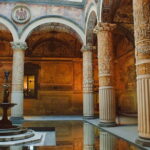
Your guide brings you into the Uffizi and starts with architecture and the collection’s origin points. One moment you’re specifically directed to: a portrait of Anna Maria Luisa de’ Medici, who is credited with gifting the family collection to the city. That detail changes how you look at the gallery. Instead of seeing isolated “greatest hits,” you start to see a political and cultural project—art as power, memory, and identity.
Then you move up the grand staircase. The guide uses that physical change in level to set up what you’re about to see next, with the kind of story that makes the museum layout easier to understand. Even if you never become an art-historian, that helps you connect what you’re looking at to where you are.
If you like your museums with a narrative arc, this first phase is a strong start. If you prefer pure wandering with no structure, this section can feel like “orientation,” but it pays off once you start spotting connections between artists and themes.
The masterworks you’ll be pointed to (Botticelli, Leonardo, Michelangelo)
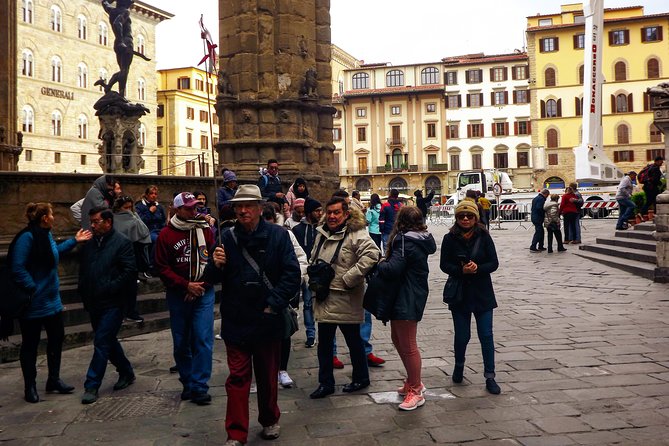
This is a short tour, so the guide focuses on anchoring you with a handful of major works and themes. The lineup includes big Renaissance names and also a wider spread beyond the usual poster art.
You’ll get to see key stops the guide highlights, including:
- Botticelli: the tour material mentions Venus de Milo, but the Uffizi highlight is actually The Birth of Venus. If you hear the wrong title said aloud, don’t panic—just track the painting you’re seeing.
- Leonardo da Vinci: you’ll be directed to The Annunciation.
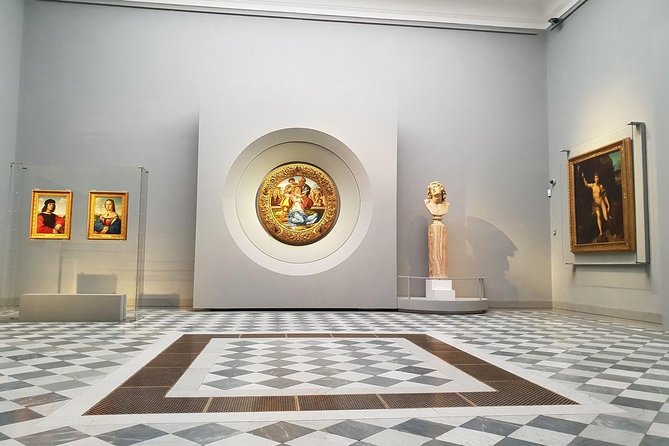
- Michelangelo: you’ll be shown the museum’s special case of his only panel painting (your guide will frame it as unique within his work).
Here’s why that matters for your visit: these paintings are not just famous; they’re reference points. When you stand in front of them with context, you’ll understand what to look for—gesture, lighting choices, symbolism, and how artists borrowed and reinvented earlier ideas.
The tour also frames the broader collection around names you can recognize on your own later, including Giotto, Filippo Lippi, Raphael, and Caravaggio. You won’t get a full lecture on every one, but you’ll leave with a mental map of why the Uffizi feels like a timeline rather than a random warehouse of masterpieces.
A practical note: the Uffizi is crowded. Even when you’re standing close, you might not get a long, quiet minute to study. The best strategy is to use the guide’s stop as your “first look,” then use your free time after the tour to return for longer attention to the works you care about.
Giotto to Caravaggio: how the guide connects centuries in real time
One of the strengths of this tour is that it doesn’t treat Renaissance art like a single style. Instead, you get a sense that Florence’s painters were in conversation—sometimes with classical ideals, sometimes with religious themes, and sometimes with courtly taste.
As you move through the rooms, you’ll likely hear how different artists shaped what came after them. Even in 90 minutes, that kind of sequencing helps you avoid the common museum problem: “I saw a lot, but I remember none of it.”
This is where the guide’s pacing matters. When things go well, you feel like you’re collecting answers:
- Who is this artist and why does the Uffizi have them?
- What changes from one period to the next?
- Why did patrons pay for this kind of painting?
If you’re coming in with general curiosity, this is the right level of structure. If you’re already deep into art scholarship, you’ll still appreciate the focused highlights, but you may want more time on your own afterward.
The headset and microphone reality check
The tour includes a radio system so you can hear the guide while you’re moving. That’s a big deal in the Uffizi because people whisper, groups cluster, and the room noise can make handheld narration hard.
But here’s the honest consideration from the experience: headset quality isn’t guaranteed. Some headsets can fail early, turning the tour into guesswork for a bit. Other times, you might notice the guide using a handheld mic rather than keeping it positioned consistently.
So what should you do?
When your group starts, do a quick audio check immediately:
- Listen for the guide clearly right away.
- If your headset cuts out or sounds faint, request a replacement fast (don’t wait until you’re stuck through multiple rooms).
- If you’re sensitive to audio issues, bring a backup plan for listening on your phone or prepare to read body language while you wait for better audio moments.
If your audio experience is smooth, the tour becomes much more enjoyable. If it’s not, you can still see the art, but the “story value” drops.
You can also read our reviews of more museum experiences in Florence




Value at $90.50: what you’re really paying for
At $90.50 per person, you’re paying for speed, structure, and a guide—not just an entrance ticket. The Uffizi’s direct ticket is around €29, and this tour bundles your timed-entry reservation plus the guided explanation.
Let’s talk about the real value:
- Time savings: timed entry reduces waiting at the ticket area so you can start viewing sooner.
- Context: a good guide saves you from needing to research every room on the spot.
- Hearing aid: the radio system is not a gimmick when you’re trying to follow along in a crowded gallery.
- Reduced decision fatigue: instead of picking where to go first in a sprawling museum, you follow a plan designed to hit major themes.
The main reason this tour might not be the best value for you is simple: if you hate groups, or if you’re the type who wants long, silent, unstructured time in front of many paintings, a 90-minute guided sprint can feel too tight. In that case, you might prefer a self-guided entry and then add your own audio guide.
But if you want to leave the Uffizi feeling like you understand what you saw, the math usually works.
After the tour: revisiting the works that stuck with you
One of the best parts of this setup is that the tour doesn’t trap you. When your guided portion ends, you’re free to return to any artworks that grabbed you. That matters because a guided walk is often your introduction. Your best memory usually comes from the second look—when you’re calmer, and you know what you’re hunting for.
Use the tour stop list as a shortcut. If you fell in love with one painting during the explanation, go back and look again without the pressure of keeping up. If a work surprised you, give it extra time. If something felt confusing, the second pass is where it often starts to click.
Crowds will still be there, but returning with purpose helps you get more from the time you have inside.
Who this tour suits best (and who should skip it)

This is a good fit if you:
- Want Renaissance highlights with a clear narrative in a short visit.
- Like having a guide point out what to look for in famous works like Leonardo’s Annunciation.
- Prefer a small group (max 15) and value a structured start.
- Want timed entry to protect your day from delays.
I’d be more cautious if you:
- Are very sensitive to audio quality and worry about headset failures.
- Want to spend half your day lingering in dozens of rooms without an organized route.
- Plan to arrive late; if you miss the start time, you won’t be able to join.
Should you book the Uffizi Gallery Guided Tour with Star Europe Tours?
Book it if you want an efficient, story-led first visit to the Uffizi and you’d rather pay for direction than spend your morning figuring it out. The combination of official guide, timed entry, and a small group makes this a practical choice for limited time in Florence.
Skip or rethink it if you’re aiming for a slow, quiet, self-paced museum day, or if audio issues would ruin your experience. In that case, you might consider a self-guided ticket and then spend your extra time on the specific paintings you care about most.
FAQ
What’s included in the tour price?
The tour includes an official certified guide, a radio system so you can hear the guide, and the Uffizi Gallery ticket with a timed reservation.
Is the Uffizi admission ticket included?
Yes. Admission and the timed entry reservation are included in the tour price.
How long is the guided tour?
It runs about 1 hour 30 minutes (approx.).
What language is the tour offered in?
The tour is offered in English.
Where do I meet the guide?
You start at the Statue of Leonardo da Vinci at Piazzale degli Uffizi, 209, 50122 Firenze FI, Italy. The tour ends back at the same meeting point.
What’s the group size limit?
The maximum group size is 15 travelers.
What documents do I need for entry?
You must bring a valid passport or ID document matching the name provided during booking. A voucher with all travelers’ full names must be presented at the ticket office prior to entry.
What happens if I arrive after the tour start time?
If you arrive after the tour start time, you won’t be able to join and you won’t receive a refund or a reschedule.
Can the tour be canceled for poor weather?
If it’s canceled due to poor weather, you’ll be offered a different date or a full refund.
Is there a minimum number of guests required?
Yes. The tour requires a minimum of two guests to run. If it doesn’t meet the requirement, you’ll be offered an alternative or a full refund.
You Might Also Enjoy




More Guided Tours in Florence
- The Best tour in Florence: Renaissance & Medici Tales – guided by a STORYTELLER
★ 5.0 · 12,316 reviews


More Tours in Florence
- The Best tour in Florence: Renaissance & Medici Tales – guided by a STORYTELLER
★ 5.0 · 12,316 reviews



More Tour Reviews in Florence
- Tuscany Day Trip from Florence: Siena, San Gimignano, Pisa and Lunch at a Winery
★ 5.0 · 21,634 reviews - The Best tour in Florence: Renaissance & Medici Tales – guided by a STORYTELLER
★ 5.0 · 12,316 reviews