REVIEW · FLORENCE
Academia Gallery: Statue of David Evening Tour
Book on Viator →Operated by The Tour Guy · Bookable on Viator
An evening visit makes the Accademia feel human. You get skip-the-line entry and a guide who helps you spot what matters before you face Michelangelo’s David. It’s a fast, friendly way to see the museum’s big ideas without getting swept up in daytime chaos.
Two things I really like: the small group cap (max 18) keeps the pace comfortable, and the stop at David is timed so you have better chances for closer viewing. One thing to watch: there’s no hotel pickup, so you’ll need to reach the meeting point yourself at Piazza della Santissima Annunziata.
In This Review
- Quick hits before you go
- Evening timing at the Accademia: why it feels different after hours
- Getting started near Piazza Santissima Annunziata (and finding the group)
- Skip-the-line entry: what it saves you in real time
- The Accademia halls before David: what you’ll see first and why it matters
- Gipsoteca Bartolini and the museum of instruments: seeing process, not just results
- Florentine Gothic and the Hall of Prisoners: the story threads your guide pulls
- Michelangelo’s David: what to focus on in the room
- Small group pacing (max 18) and how it changes your experience
- English-speaking art history guide: the explanations that help you remember
- Timing tips: when to book for the best photos and photos-free calm
- Price and value: is $45.45 worth it?
- Who this tour suits best (and who might prefer another option)
- Should you book the Academia Gallery evening tour?
- FAQ
- How much does the Accademia Gallery Evening Tour cost?
- How long is the tour?
- Where do I meet for the tour, and where does it end?
- What’s included in the ticket?
- Is hotel pickup or food included?
- Do I need to speak Italian to enjoy it?
Quick hits before you go
- Evening timing = calmer David views: you’re there as the worst of the daytime crowds fade.
- Skip-the-line entry: you avoid the longest squeeze right at the entrance.
- Max 18 people: easier to hear, move, and ask questions.
- A guided run through key rooms first: Gipsoteca Bartolini, musical instruments, Gothic hall, and more.
- David storytelling, not just staring: you’ll hear how the marble became a symbol of determination.
- English-speaking art guide: the explanations are built for an English audience.
Evening timing at the Accademia: why it feels different after hours
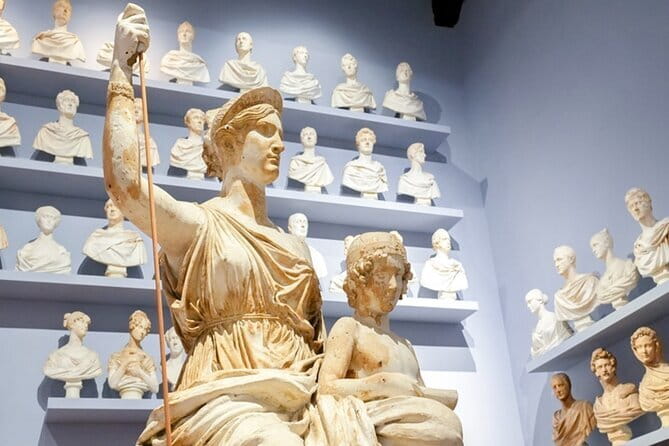
The Accademia Gallery can be a loud place in daylight. In the evening, the mood shifts. You still get the real Florence art atmosphere, but the museum starts to loosen its grip—so you can actually look.
This tour leans into that timing. You’re not just trying to see David; you’re trying to experience him in a calmer room, when you can slow down. The result is that the famous face and hands stop being a quick stop on your itinerary and start feeling like a moment.
You can also read our reviews of more museum experiences in Florence
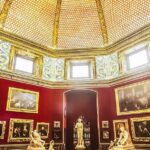

Getting started near Piazza Santissima Annunziata (and finding the group)
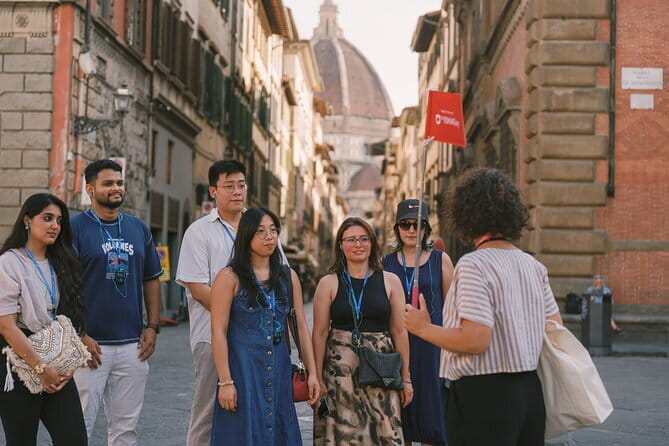
You meet near Piazza della Santissima Annunziata, a solid landmark area that’s easy to understand on arrival in Florence. The square includes the Basilica della Santissima Annunziata, which gives you a good sense you’re in the Renaissance heartbeat of the city before you even reach the museum.
Plan to arrive with a little buffer. One traveler reported a mapping mix-up where the app showed the end point instead of the meeting location, and they missed the tour. That’s rare, but it’s a good reminder: confirm the meeting point address before you walk in the area, and don’t rely on memory alone if your phone is acting weird.
Skip-the-line entry: what it saves you in real time
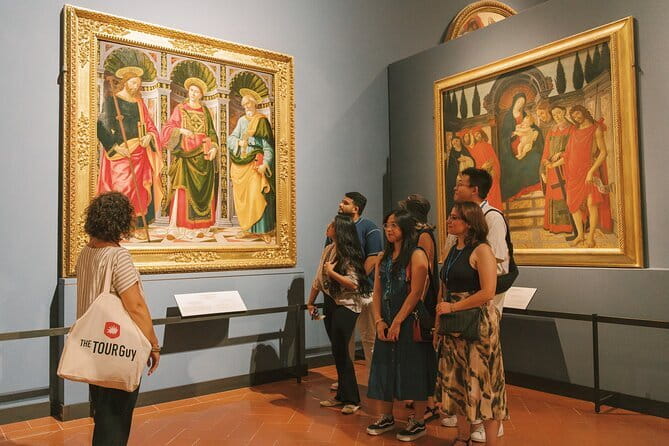
Skip-the-line here is about more than convenience. When you’re on a timed experience, every minute matters—especially at popular museums like the Accademia. Waiting at the door eats the best part of your day, and it also increases stress.
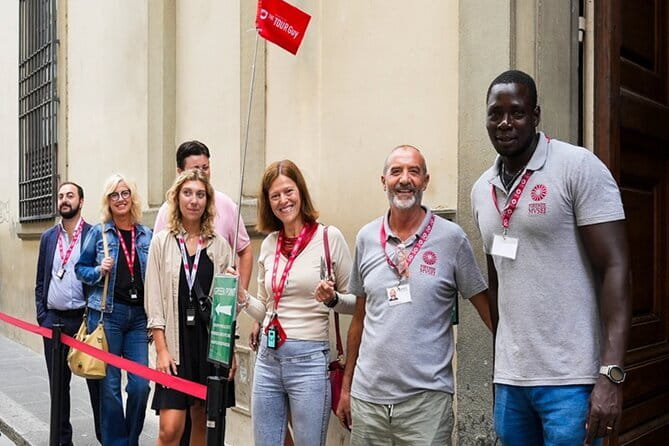
Once inside, your guide gets you moving with a plan. You spend less time guessing where to start and more time seeing the rooms that set up the David moment. If you’ve ever entered a museum and then spent 20 minutes wandering toward the main attraction, you’ll appreciate how this one gets structured fast.
The Accademia halls before David: what you’ll see first and why it matters

You don’t walk straight to David and call it a day. This tour builds context first, so David lands with more meaning.
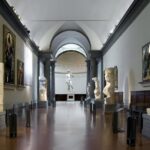
You’ll be guided through several major spaces inside the Accademia, including:
- Gipsoteca Bartolini
- Museum of Musical Instruments
- Florentine Gothic Hall
- Hall of Prisoners
That sequence matters. Florence art isn’t one style living in one room. Your guide connects the dots across sculpture materials, changing artistic styles, and the kinds of crafts that fed bigger masterpieces. Even if you’re not a museum person, it helps you stop seeing art as random famous objects and start seeing it as a system.
Gipsoteca Bartolini and the museum of instruments: seeing process, not just results
The Accademia isn’t only about the headline statue. In the Gipsoteca Bartolini, you get a sense of how models and sculpting studies work—how artists and workshops practiced forms and refined ideas. It’s the kind of behind-the-scenes look that makes later viewing more interesting, because you start noticing details with a sculptor’s eye.
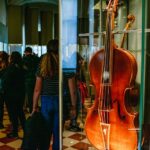
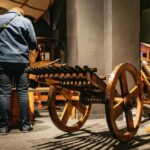
The Museum of Musical Instruments is a surprising bonus if you’re expecting a pure sculpture route. Instruments give you another way to understand Florence culture: the city treated music as part of public life and artistic education. Even if you don’t know much about instruments, you’ll leave with an expanded sense of what the museum contains and how art lived in daily rhythm.
You can also read our reviews of more evening experiences in Florence



Florentine Gothic and the Hall of Prisoners: the story threads your guide pulls
The Florentine Gothic Hall gives you an art-history baseline. David didn’t appear from thin air; it sits in a timeline where older styles and methods influenced what came next. Seeing a different visual language in the same museum helps you understand how Renaissance artists were responding to earlier traditions.
Then there’s the Hall of Prisoners, which makes the pacing worth it. Michelangelo’s work here isn’t just about one statue—it’s about motion, struggle, and the idea that sculpture can seem like it’s freeing itself. Your guide’s job is to connect these themes so that when David appears, you recognize more than surface beauty.
Michelangelo’s David: what to focus on in the room
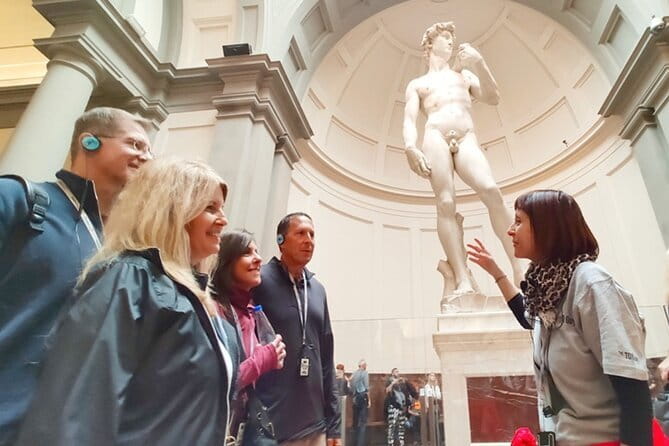
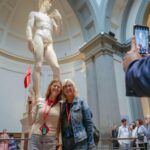
When you finally reach David, it’s hard not to get quiet for a second. The statue’s scale and clarity are the obvious part, but what really hits is the combination of smooth marble finish and the look of determination in his expression.
Your guide also explains the story behind the work: Michelangelo took an abandoned block of Carrara marble, something other artists had set aside, and transformed it into a symbol of pure artistry and resolve. That matters because it reframes David from a trophy statue into a turning point—an artwork that came from persistence and decision.
This tour is timed to reduce the crush. You’re more likely to get uninterrupted viewing and better angles, so you can look longer at the face, hands, and stance instead of catching a glimpse and moving on.
Small group pacing (max 18) and how it changes your experience
Max 18 isn’t a random detail. It affects everything: how long you linger, how often you hear the guide, and how easily you can step back to see David from another side.
The group size also makes the tour feel more like a guided museum walk than a conveyor belt. You’ll likely have enough breathing room to take in the rooms before and after David, and to absorb the explanations without the guide constantly trying to rush the whole group along.
If you’re the type who likes questions, this group size is a big advantage. Even one short question can improve how you interpret what you’re seeing next.
English-speaking art history guide: the explanations that help you remember
This is an English-speaking tour, designed for visitors who want context without drowning in art-history jargon. The best moments usually aren’t the dates—they’re the human stories your guide connects to the artwork.
You may meet guides such as Lucia, Marco, Francesca, or Angela. The common praise is their ability to make the information clear and paced, and their talent for explaining Michelangelo and the surrounding artistic world in a way that stays engaging. Some guides also add extra context on related works and influence in Florence, including the Medici family influence that comes up in the larger Florence story.
If you’re visiting Florence for the first time, this format helps you walk through the Accademia with your eyes open. If you’ve been to other museums already, it still works because the guide’s job is to connect what you see here to why it mattered.
Timing tips: when to book for the best photos and photos-free calm
If you have flexibility, try to choose a later evening slot. One review specifically called out that a 5pm Friday timing felt ideal—enough time for the tour, and then the museum crowd thinned as closing approached, which is a real help for photos and slow looking.
Also, remember that the goal is not just to take pictures. It’s to see details you’d miss if you’re fighting for position. If you want your own angle at David, later tends to be your friend.
Price and value: is $45.45 worth it?
At $45.45 per person, this isn’t a budget add-on—it’s a ticket plus guidance plus skip-the-line value. The “value math” works best if you care about two things: avoiding time-wasting lines and getting someone to interpret what you’re seeing.
Skip-the-line is a big part of the price justification. At a museum like the Accademia, waiting can be long even in off-peak times. Paying for entry time protection can turn a stressful arrival into a smooth start.
Then there’s the guidance. You’re not only going to David; you’re seeing the rooms that set up the David moment, including instruments and Gothic spaces. If you’d otherwise wander without structure, the guide’s storytelling is what converts the ticket into an experience you’ll remember.
Who this tour suits best (and who might prefer another option)
This evening tour fits art lovers who want the main statue experience with less pressure. It’s also a smart choice if you want something efficient: about 1 hour 30 minutes to cover the key rooms and David without turning your evening into a long museum marathon.
It’s especially good if you:
- want Michelangelo’s David without spending half your time in lines
- like a guided narrative rather than self-plodding through rooms
- prefer a smaller group and calmer atmosphere
- travel with kids and want an explanation style that keeps attention
If you prefer total freedom with no structure at all, you might prefer a self-guided ticket. But if you’re trying to make the most of limited time in Florence, this evening format is one of the cleanest ways to do it.
Should you book the Academia Gallery evening tour?
I’d book it if your priority is David plus context, and you care about arriving when the museum is less crowded. The combination of skip-the-line entry, a small group, and a guide who connects the sculpture to the broader Florence story is exactly what turns this from a checklist item into a real evening.
Skip it only if you’re looking for a long, independent museum day where you set your own pace with no guidance. Otherwise, this is a strong value pick for first-timers and repeat Florence visitors alike.
FAQ
How much does the Accademia Gallery Evening Tour cost?
The price is $45.45 per person.
How long is the tour?
It runs about 1 hour 30 minutes (approximately).
Where do I meet for the tour, and where does it end?
You meet at Piazza della Santissima Annunziata, Firenze FI, Italy, and the tour ends inside the museum at Galleria dell’Accademia di Firenze, Via Ricasoli 58/60, 50129 Firenze FI, Italy.
What’s included in the ticket?
You get skip-the-line entry to the Accademia Gallery, a guided evening tour of the Accademia and its halls, a chance to see Michelangelo’s David, an English-speaking art history guide, and a small group of maximum 18 travelers.
Is hotel pickup or food included?
No. Hotel pickup/drop-off and food or beverages are not included.
Do I need to speak Italian to enjoy it?
No. The tour is offered in English, and it’s designed for English-speaking visitors.
You Might Also Enjoy

More Museum Experiences in Florence
More Tours in Florence
- The Best tour in Florence: Renaissance & Medici Tales – guided by a STORYTELLER
★ 5.0 · 12,316 reviews



More Tour Reviews in Florence
- Tuscany Day Trip from Florence: Siena, San Gimignano, Pisa and Lunch at a Winery
★ 5.0 · 21,634 reviews - The Best tour in Florence: Renaissance & Medici Tales – guided by a STORYTELLER
★ 5.0 · 12,316 reviews