REVIEW · FLORENCE
Pitti Palace and Boboli Gardens Private Tour
Book on GetYourGuide →Operated by Florence Tours by Made of Tuscany · Bookable on GetYourGuide
Medici power, right behind Florence’s museum doors. In a tight 3-hour private visit, you pair the Pitti Palace museums with an easy walk through Boboli Gardens, with standout sights like the Fountain of Neptune.
I really like how the route connects court life to the art you see. You start in the Palatine Gallery area, where the tour highlights major painters such as Raphael and Titian, then you move into rooms that explain how the Grand Dukes lived, performed, and displayed status. I also value the skip-the-ticket-line setup, because it protects your time in Florence.
One consideration: there’s no hotel pickup, so you’ll want to plan your arrival for the meeting point near Piazza Pitti (and show up a few minutes early).
In This Review
- Key highlights to look for
- Starting near Piazza Pitti: where the tour feels easiest
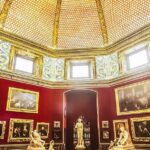
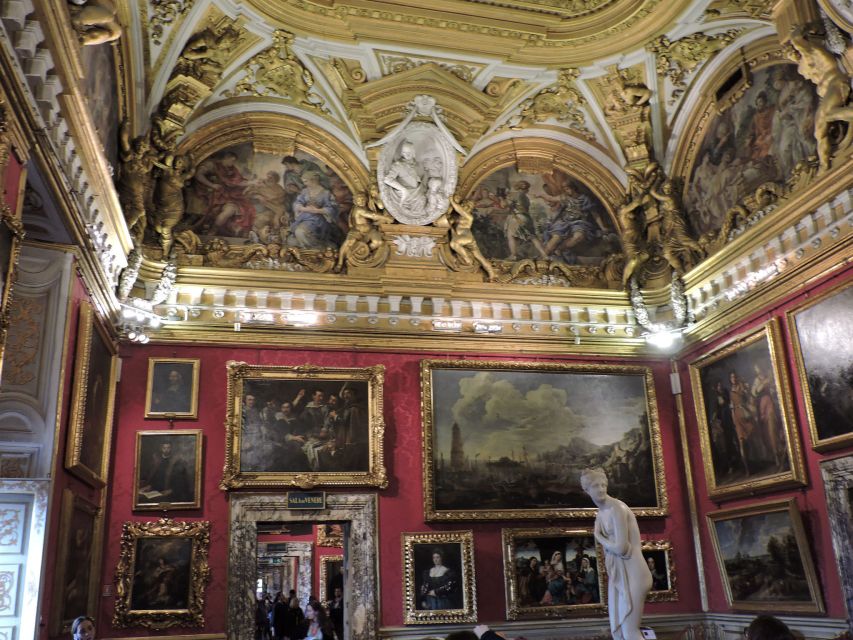
- Palatine Gallery: Medici art you can actually place in context
- The Treasury of the Grand Dukes: court power in smaller objects
- Costume Gallery, Florence: how clothing becomes a historical document
- Pitti Palace interiors: seeing a residence-turned-museum
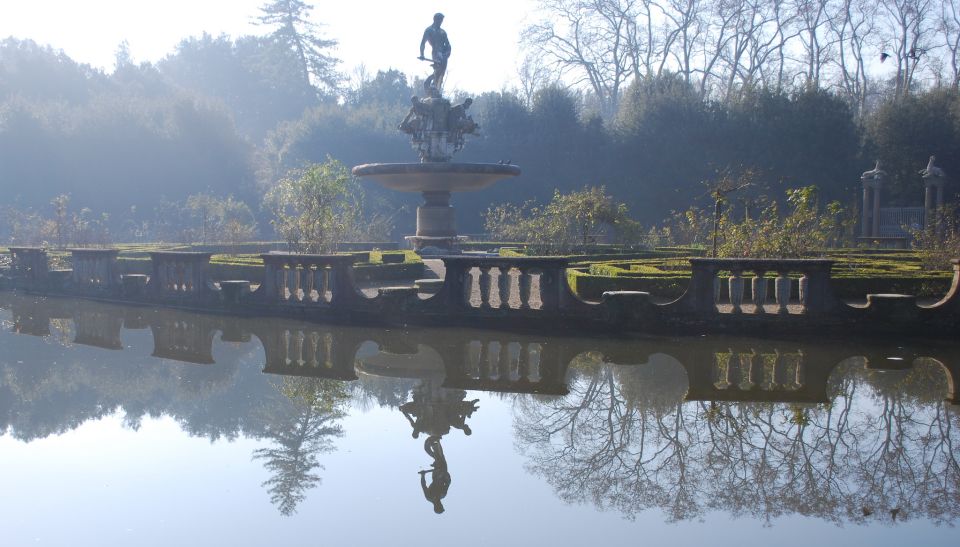
- Boboli Gardens walk: sculptures, water, and a breather
- Fountain of Neptune: the Roman-style amphitheater payoff
- Price and value: is $260 per person fair for 3 hours?
- Who this tour is best for (and who might want a different plan)
- Practical tips for making your 3 hours feel effortless
- Should you book the Pitti Palace and Boboli Gardens private tour?
- FAQ
- Where do we meet for the tour?
- How long is the private tour?
- What’s included in the price?
- Is hotel pickup and drop-off included?
- Do I need to bring anything?
- Is the ticket line skipped?
- What languages are available for the live guide?
- Are pets allowed on the tour?
- What is the cancellation policy?
Key highlights to look for
- Private guide pacing: guides like Anna Maria and Alessio are praised for thoughtful explanations and answering questions.
- Medici-focused viewing: you’ll see the palace through the lens of the ruling families connected to the Medici.
- Palatine Gallery spotlight: expect emphasis on major works tied to artists like Raphael and Titian.
- Court-life rooms, not just paintings: the tour includes the Treasury of the Grand Dukes and the Costume Gallery.
- Boboli Gardens water and statuary: stroll grottoes, walkways, and sculpture areas.
- A “must-stop” photo moment: the Fountain of Neptune in the Roman-style amphitheater is a clear payoff.
Starting near Piazza Pitti: where the tour feels easiest
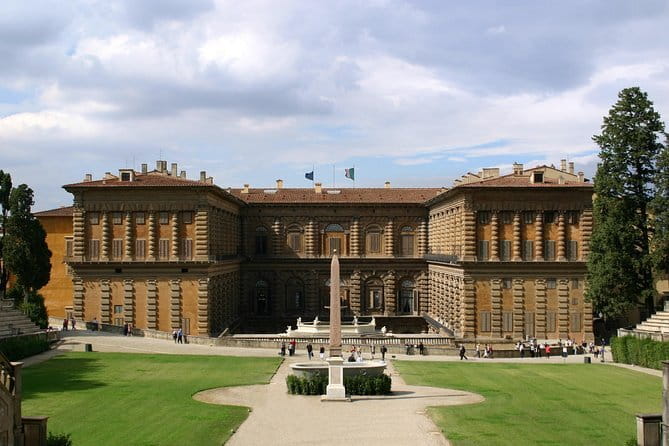
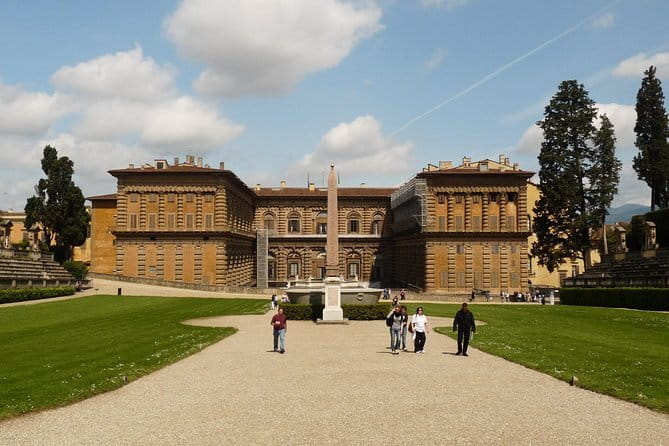
This tour works well because it begins where Florence’s biggest palace energy is concentrated: the Pitti Palace complex area. You meet in front of the Palazzo Pitti Museum on Piazza Pitti, then your guide gets you moving with purpose rather than wandering.
Why that matters: when you’re touring a major museum complex, your biggest enemy is time lost to self-navigation and line delays. With a private guide, you don’t just get access. You get momentum. The “skip the ticket line” part is especially helpful here, since Pitti Palace can be busy and entry procedures can add friction if you’re going solo.
Also, you’ll notice the tour is built around a clear flow: palace interiors for story and context, then the gardens for space and air. That mix is smart for people who want more than a checklist visit. You get court rooms up close, then you step outside where you can reset your eyes and legs.
Before you go, make sure you have a passport or ID card. It’s a small thing, but it prevents a last-minute hassle at check-in points. And since there’s no hotel pickup, I suggest planning your route so you aren’t rushing across the river or across the center of town while juggling tickets and time.
You can also read our reviews of more private tours in Florence



Palatine Gallery: Medici art you can actually place in context
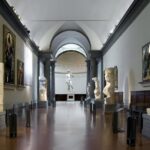
The Palatine Gallery stop is one of the best uses of a short 3-hour window, because it’s where you see the palace as a statement. Instead of treating the collection like random masterpieces, the guide ties what you’re looking at to the ruling family who benefited from that display.
The highlight here is that the tour spotlights works associated with big names like Raphael and Titian. That’s not just star power. It gives you a reference point for understanding why the Medici mattered culturally, not only politically. If you’ve ever felt like Renaissance art tours become one painting after another, this format helps you connect dots.
Expect a guided experience in a focused time block. You’re not stuck inside for hours trying to decode everything on your own. The guide’s job is to point you toward the details that make a palace gallery feel like a living room of power, not a sterile art warehouse.
A practical note: galleries inside large palaces can have lighting that’s different from outdoor light. If you’re photographing, bring a phone that handles low light well. And if you’re sensitive to indoor crowds, consider coming prepared to pause for a breath. The tour’s pacing is designed to keep you moving, but you can still ask your guide to slow down where you want to linger.
The overall effect is that you leave the Palatine Gallery with more than memories of famous names. You understand what the Medici were doing with art: shaping reputation, signaling taste, and reinforcing authority.
The Treasury of the Grand Dukes: court power in smaller objects
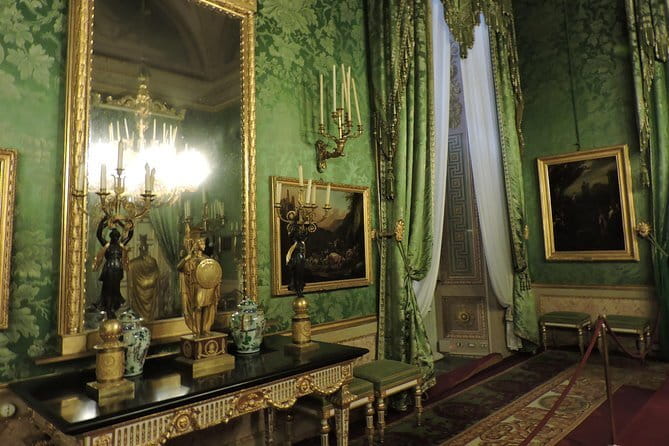
From gallery paintings, the route shifts toward objects that often get overlooked on casual museum visits: the Treasury. This is where the palace angle gets more personal. You start seeing what rulers valued enough to keep close at hand and to display when they wanted to impress.
In a short tour, this kind of stop is a smart balance. Paintings can dominate your attention, but smaller court pieces explain how wealth worked day-to-day: power shown through luxury, materials, and prestige. It’s also a reminder that these weren’t just thinkers and patrons. They were administrators and theater-makers too—people who controlled image.
If you like museum visits that feel like a story, this is one of the stops that delivers. It gives you a different texture of Renaissance life. Instead of only looking outward at grand art, you get a sense of the behind-the-scenes world of a court.
The guide spends around a half hour here on this private route, which is enough time to see the key displays without dragging. The drawback to remember is that treasuries can feel dense if you’re a casual browser who likes wide-open space. But if you enjoy details and symbolism, this is exactly the kind of stop that turns a quick tour into a meaningful one.
Costume Gallery, Florence: how clothing becomes a historical document

Then you step into the Costume Gallery in Florence, and it changes the tone of the visit. Costumes can be an “aha” category because clothing tells you things paintings might not. It can show rank, ceremony, and how identity was performed in public.
This stop makes sense inside a palace tour because court fashion wasn’t only about style. It functioned like visual language. It helped people recognize who mattered, who belonged, and what role someone played in the political and social system.
For you, that means the tour becomes more than art appreciation. You start reading the Renaissance through everyday signals: fabric choices, formality, and presentation. Even in a short time block, a good guide can point out the kinds of details that make costume exhibits click.
One tip for making this stop work: keep your attention on what the guide emphasizes rather than trying to read everything yourself. A private guide can translate what you’re seeing into plain language fast, and that saves your energy for the next room.
Costumes also give you a useful emotional change-of-pace. After the intensity of palace power (and paintings), it’s easier to feel the human side of the era—how people dressed for events, how they moved through status, and how they were meant to be perceived.
Pitti Palace interiors: seeing a residence-turned-museum
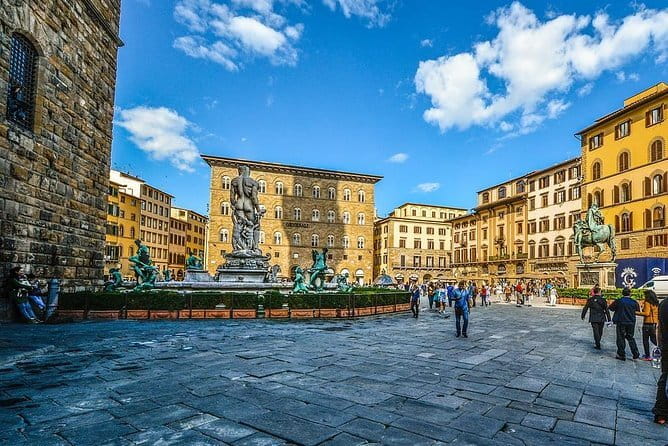
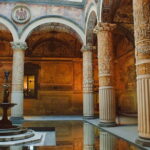
After the focused galleries, the tour brings you deeper into the Pitti Palace experience itself—former residence turned complex of museums. This is where the tour feels most like stepping into a real place, not just ticking off rooms.
The reason I like this stop is that it gives you architectural and spatial context. The palace setting matters because it explains how the Medici and other Grand Duchy rulers used space to demonstrate control. Even if you’re not a structural expert, you can feel the intention: rooms built for display, pathways built for movement, and a layout designed for visibility.
The tour’s emphasis on the Medici family helps anchor what could otherwise feel like a generic museum building. You’re seeing the palace as a former seat of power. That changes how you look at everything around you.
You’ll also notice the tour doesn’t only focus on one art type. It works across categories—paintings, treasury pieces, and costumes—so you get a fuller picture of how a ruling household represented itself. That’s what makes a short private tour worth it: it’s not just access. It’s selection.
For your expectations: time inside major palaces can feel like a workout if you’re visiting in warm weather. The good news is the tour ends with gardens, so you can reset your body after the indoor blocks. Keep an eye on how you feel and ask your guide to adjust the pacing if you need more frequent breaks.
- The Best tour in Florence: Renaissance & Medici Tales – guided by a STORYTELLER
★ 5.0 · 12,316 reviews





Boboli Gardens walk: sculptures, water, and a breather

After palace rooms, the Boboli Gardens portion adds air and movement. This is the part that turns the tour from “museum” into “Florence day out with meaning.”
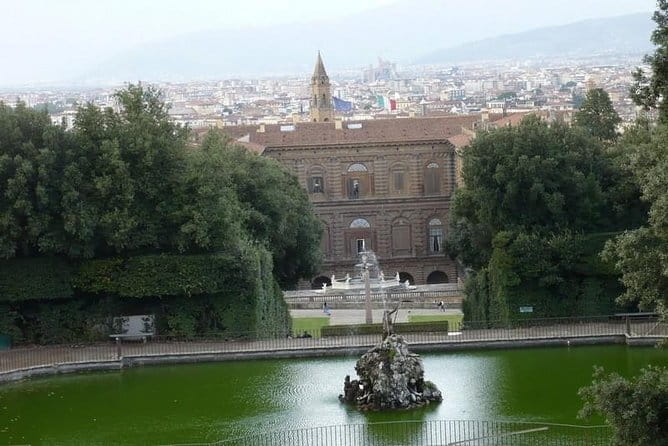
The tour focuses on the Renaissance-style garden setting behind the palace, including grottoes and other features. It’s a satisfying shift because you’re still in the same story of patronage and design, but you experience it with your legs and your senses instead of just your eyes.
You’ll walk among statues and water features, and you’ll also encounter a collection of sculptures spanning the 16th through the 18th centuries. That timeline matters. It shows you how the garden didn’t get stuck at one moment in time. It kept evolving, like a living project tied to changing tastes and rulers.
The garden stop is guided but also allows sightseeing time, and that’s a big deal. In many tours, people rush you through outside areas. Here, you get room to notice details: where water creates a pause, how sculptures guide your route, and how the garden feels like an open-air gallery built for strolling.
Fountain of Neptune: the Roman-style amphitheater payoff
If you only remember one outdoor landmark from this tour, make it the Fountain of Neptune. It sits in a Roman-style amphitheater area, which helps explain why it feels so theatrical.
This is a great moment to slow down, take pictures, and actually look. The guide’s framing helps you see it as more than a pretty stop. It’s part of how the garden created drama and spectacle—something rulers could use to impress and entertain.
For value, this type of anchor sight is essential. It gives you a concrete reason to include the gardens after the palace rooms. You’ll walk from statue to statue, but you’ll end with a central scene that pulls the whole experience together.
If you’re traveling in peak season, outdoors can still get crowded, but this stop tends to be manageable within a guided flow. The private setup matters because it reduces the chance you’ll spend your whole garden time stuck behind other groups.
Price and value: is $260 per person fair for 3 hours?
At $260 per person for a 3-hour private tour, you’re paying for time-saving and for a guide who can connect dots across multiple palace areas. You’re also getting entrance tickets included, plus skip-the-ticket-line access. That combination changes the math.
If you go on your own, you’ll save money but you may lose time in ticket lines and in figuring out what order makes sense inside a big complex. For many people, that’s the tradeoff: you pay more for a guided path that’s built to work within a short window.
This is especially good value if:
- you want the Medici story framed clearly,
- you don’t want to waste your limited Florence time in lineups,
- you like having someone point out what matters rather than reading every sign.
It can be less cost-effective if you’re the type who enjoys slow museum wandering and doesn’t mind doing research on your own. But even then, the garden pairing and the focused indoor stops make it hard to call it overpriced.
Also, the guide language options—Spanish, English, French, German, Italian, Portuguese—mean you can pick a comfort level. Better comprehension equals better value.
Who this tour is best for (and who might want a different plan)
This private Pitti Palace and Boboli Gardens tour suits people who want a high-impact visit without turning Florence into a sprint.
Great fit if you:
- are art-curious and want the Medici context tied to what you see,
- like guided stops that mix paintings with objects and costume displays,
- want a paced walk through Boboli rather than a self-guided shuffle.
Maybe not ideal if you:
- prefer totally free roaming and don’t want a set flow,
- need very long breaks between indoor rooms,
- are expecting a “park stroll only” style experience. The palace portion is real and museum-focused.
One more small insight from guide feedback you can use to your advantage: the guides get praised for matching the group pace. That means you should feel comfortable asking your guide to slow down if you want to linger over sculpture or a specific gallery moment. Names that came up with strong praise include Christina, who went with the group’s pace, and Alessio and Anna Maria, who were praised for detailed, engaging explanations and not leaving questions hanging.
Practical tips for making your 3 hours feel effortless
Here’s how I’d set yourself up so the tour feels smooth rather than rushed.
- Show up a few minutes early at Piazza Pitti. You’re meeting in front of the Palazzo Pitti Museum.
- Bring a passport or ID card. It’s required info for this activity.
- Wear comfortable shoes. Even with a guided route, you’re walking through gardens and moving between palace interiors.
- If you’re traveling with a camera, charge ahead. Low-light indoor areas can make battery use faster.
- Plan a light appetite before you go. Once you’re done, you’ll want time to enjoy lunch nearby without rushing.
And if you’re thinking about rules: pets aren’t allowed and smoking isn’t allowed. That’s the kind of thing you want to know so there are no surprises.
Should you book the Pitti Palace and Boboli Gardens private tour?
I’d book this private tour if you want a focused, well-guided Florence experience that connects the Medici story to both palace art and garden design. It’s not just entry into famous rooms. It’s a planned route that uses your 3 hours efficiently, with entrance tickets and skip-the-ticket-line access already included.
Choose it especially if:
- you want a guide who can explain what you’re seeing in plain language,
- you prefer a private group format over joining a large crowd,
- you’d like the gardens to feel like a reward, not an afterthought.
If you’re the kind of traveler who loves long unguided museum wandering, you might save money with self-guided visits. But for most people, the combination of palace context, curated museum stops, and the Boboli walk makes the price feel reasonable—and the payoff is easy to remember: the Fountain of Neptune, and the Medici power you can see in the rooms.
FAQ
Where do we meet for the tour?
You meet in front of the Palazzo Pitti Museum, Piazza Pitti, Florence.
How long is the private tour?
The tour duration is 3 hours.
What’s included in the price?
Entrance tickets and a private guide are included.
Is hotel pickup and drop-off included?
No, hotel pickup and drop-off are not included.
Do I need to bring anything?
Bring a passport or ID card.
Is the ticket line skipped?
Yes, the tour includes skip-the-ticket-line access.
What languages are available for the live guide?
Spanish, English, French, German, Italian, and Portuguese.
Are pets allowed on the tour?
No, pets are not allowed.
What is the cancellation policy?
Free cancellation is available up to 24 hours in advance for a full refund.
You Might Also Enjoy


More Private Tours in Florence


More Tours in Florence
- The Best tour in Florence: Renaissance & Medici Tales – guided by a STORYTELLER
★ 5.0 · 12,316 reviews



More Tour Reviews in Florence
- Tuscany Day Trip from Florence: Siena, San Gimignano, Pisa and Lunch at a Winery
★ 5.0 · 21,634 reviews - The Best tour in Florence: Renaissance & Medici Tales – guided by a STORYTELLER
★ 5.0 · 12,316 reviews