REVIEW · FLORENCE
Walking Tour in Florence: 2-Hour Private walking tour
Book on Viator →Operated by Irina in Florence · Bookable on Viator
Florence clicks into place on foot. This private 2-hour walking tour with Irina in Florence gives you a street-level intro to the city’s best-known monuments, with several departure times and a low-impact pace. You finish by the Arno at Ponte Vecchio.
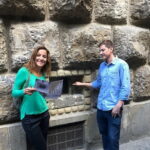
I love the personal attention this is built around, since it’s truly only your group. I also like that the guide doesn’t just point—she explains how the streets connect, answering lots of questions as you walk, using simple visual help to make the big ideas stick.
One thing to consider: at $150.37 per person, it’s a premium way to sightsee. It makes the most sense if you’ll use those two hours well and want one guide steering the story, not a DIY shuffle.
In This Review
- Key highlights to know before you go
- Private Florence in 2 hours: the value in walking it
- Price and timing: when this $150.37-per-person tour is worth it
- Piazza della Repubblica: Roman Florentia and the Florence “belly button”
- Baptistery of San Giovanni: outside views and the Gates of Paradise story
- Santa Maria del Fiore (Duomo) and Brunelleschi’s dome: what to look for
- Dante’s district and Torre della Castagna: language and ballot origins
- Piazza della Signoria: an open-air museum of politics and art
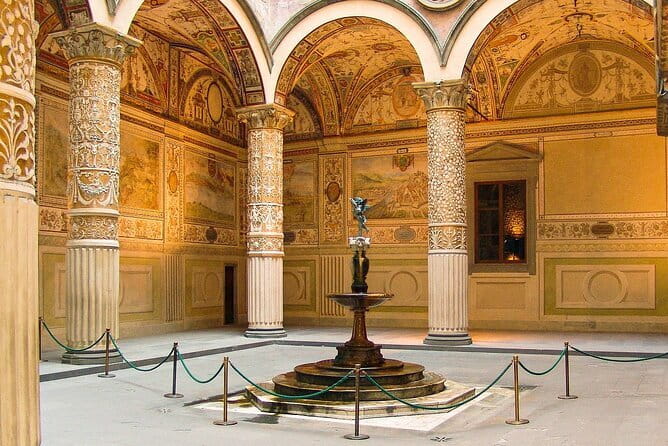
- Palazzo Vecchio and the Medici residence: why this fortress matters
- Ponte Vecchio finale: the oldest bridge and the jewelry-lined Arno
- The guide experience with Irina: pacing, Q&A, and helpful follow-ups
- Who this private walking tour fits best
- Should you book this Florence private walking tour?
- FAQ
- How long is the private walking tour in Florence?
- Where does the tour start and end?
- Is this tour private or shared?
- What language is the tour offered in?
- Are there admission tickets included for the stops?
- Is there a mobile ticket?
- Can I bring a service animal?
- What is the cancellation window for a full refund?
Key highlights to know before you go
- Private, just-your-group pacing for easier questions and fewer crowd bottlenecks
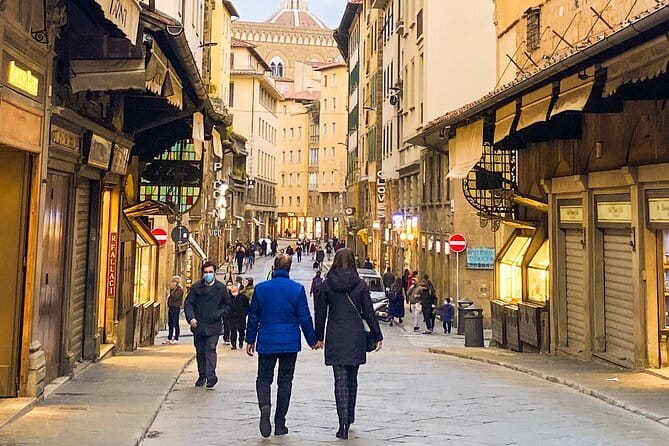
- A tight route from Piazza della Repubblica through Duomo-area icons to Ponte Vecchio
- Outside views that still teach you the why behind the famous buildings
- Dante, Medici, and political Florence packed into a walk that stays under 2 hours
- Irina’s approachable guiding style, with relaxed timing and clear explanations
Private Florence in 2 hours: the value in walking it
If your time in Florence is short, you need more than a photo checklist. This kind of private walking format is useful because it forces order: you cover key neighborhoods in a logical path, and you hear the meaning of what you’re seeing while you’re still standing in front of it.
The big value is that you’re not sharing the experience with a large group. That matters in Florence. Streets are narrow, stops can get crowded, and “keep moving” tours turn history into background noise. With a private tour, you can slow down when something catches your eye and ask follow-up questions without feeling like you’re holding up strangers.
Also, the tour stays lightweight. It’s built around walking and outside viewing, so it’s a solid option if you want culture without spending time waiting for timed entry or lining up for indoor rooms.
You can also read our reviews of more walking tours in Florence
Price and timing: when this $150.37-per-person tour is worth it
At $150.37 per person, you’re paying for three things: a guide, a private format, and a route that hits the strongest Florence hits fast.
For two people, it can feel like a reasonable splurge—especially if you’re trying to save energy for later (Florence is best when you have time to wander too). For solo travelers, it’s pricier, but it can still be worth it when you want direction and interpretation rather than just wandering and hoping you’ll connect the dots.
One scheduling note: the tour offers several departure times, which helps you match the walk to your day. Booking ahead also matters because this is popular (it’s often reserved well in advance).
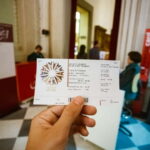
You’ll also get a mobile ticket, and the start/end points are in central, well-known areas. That makes it easier to connect with the rest of your itinerary without adding extra transit complexity.
Piazza della Repubblica: Roman Florentia and the Florence “belly button”
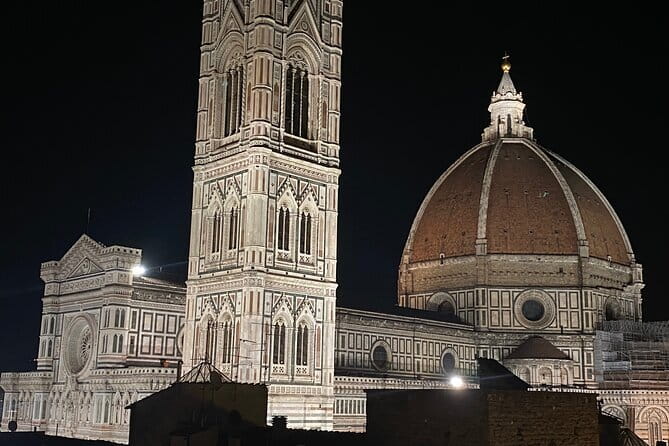
The tour kicks off at Piazza della Repubblica, a great launch pad because it sits right in the historical center. You start with Roman Florence’s legacy—this is where the city’s roots come into focus, long before the Renaissance “brand” takes over your imagination.
There’s also a fun, very Florence-specific detail used to set the tone: the idea of the belly button of Florence. It’s a simple way to help you understand why this piazza matters as the hub of movement. Once you hear that, the rest of the walk makes more sense—you’re not just hopping between monuments. You’re moving through layers of the city.
This first stop is short, so it works even if you’re feeling jet-lagged or you want to keep the energy for later.
Baptistery of San Giovanni: outside views and the Gates of Paradise story
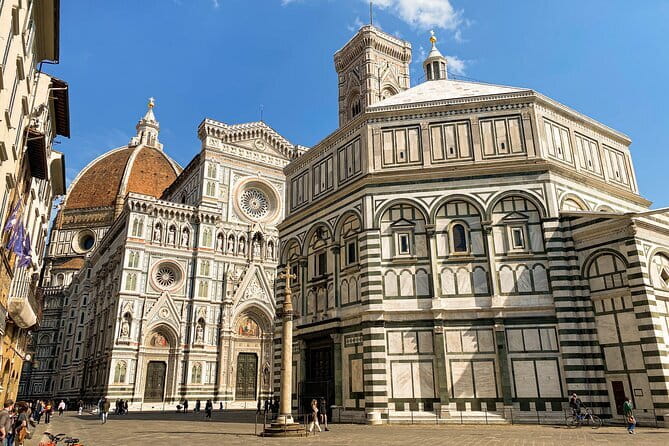
Next up, you take a close look at the Baptistery of San Giovanni from the outside. The key here isn’t just architecture—it’s context. The tour focuses on why this building is considered among the oldest anchors in the city and how it shaped Florence’s identity.
You’ll also hear about the famous Gates of Paradise—the name alone sparks curiosity, but the explanation helps you understand how Florence treated art as a public statement of power, faith, and civic pride.
Even if you don’t go inside, this kind of stop works well because it teaches you what to notice. You start seeing details instead of just admiring scale.
Santa Maria del Fiore (Duomo) and Brunelleschi’s dome: what to look for
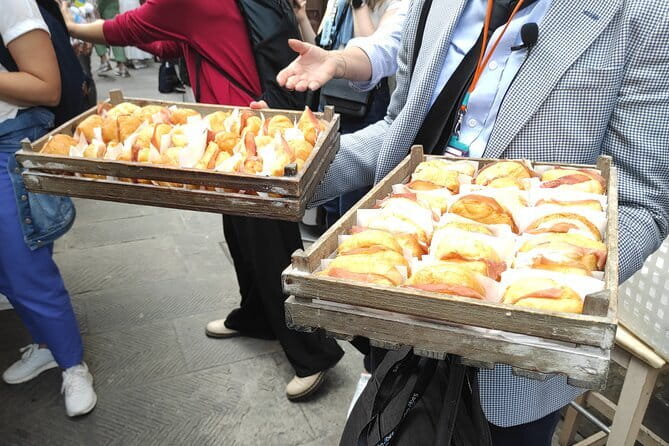
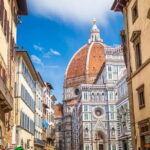
Then you head to Santa Maria del Fiore, the big centerpiece. The tour calls out the Duomo’s flower-shaped plan and the engineering achievement of Brunelleschi’s dome—the biggest masonry dome in the world.
If you’ve ever seen pictures of the dome, you know it’s impressive. The benefit of this stop is that the guide explains why it felt like a breakthrough at the time. You’ll also hear the famous judgment attributed to Michelangelo, phrased in a way that’s easy to remember: hard to match, impossible to surpass.
Practical tip: this is one of the most photographed areas in Florence, so expect crowd energy. The payoff is that you’ll understand what you’re looking at even if you only get quick views through the flow of people.
You can also read our reviews of more private tours in Florence



Dante’s district and Torre della Castagna: language and ballot origins
After the Duomo area, the walk shifts into storytelling mode. The tour heads into Dante’s district, tying the neighborhood to the poet and to the person who inspired his work. You’ll also stop for a look at a 1000-year old church connected to Dante’s meeting with the love and muse central to his life.
This is the part of the tour that tends to surprise people. Florence can feel like museum exhibits stacked on top of streets—but Dante’s neighborhood keeps it human. Suddenly the city isn’t just art and stone. It’s language, relationships, and ideas.
Next, you’ll look at the Medieval Torre della Castagna. The standout here is the explanation tied to politics and everyday language: you learn where the word ballot came from. It’s a clever way to connect Florence’s old power structures to a modern concept most people use without thinking.
If you like your tours to include at least one “wait, that’s where that word comes from” moment, this stop delivers.
Piazza della Signoria: an open-air museum of politics and art
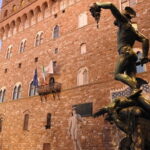
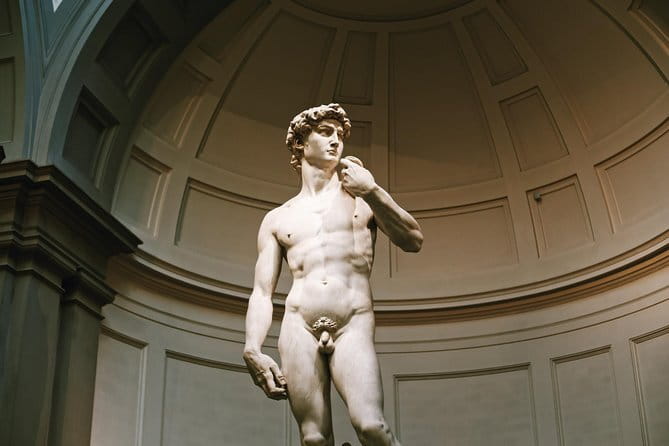
Your second major stop is Piazza della Signoria, which functions like an outdoor museum. The tour frames it as Florence’s political center and points you toward the sculptures tied to Renaissance artists.
This is a smart stop for a first-time visitor because the piazza sits at the crossroads of art and civic life. You’re not just seeing beauty. You’re seeing how Florence used public spaces to project authority.
The timing is also useful: you get enough time to take in the sights without the tour dragging. And because the explanations connect the monuments, you come away with a clearer sense of where “power” lived in the city.
Palazzo Vecchio and the Medici residence: why this fortress matters
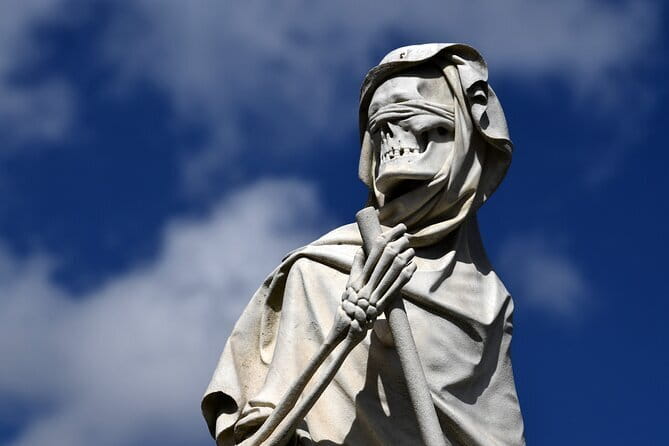
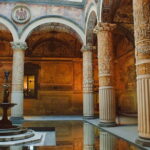
Right in the same orbit is Palazzo Vecchio, described as a medieval fortress. The tour highlights two themes that help you “read” the building: it included a prison for dangerous criminals, and it was also the old residence of the Medici family.
Those details matter because they stop the palace from feeling like a backdrop. You start to understand it as a machine for control—physical control through walls and imprisonment, and cultural control through the Medici’s role in shaping Florence.
This is also where the private format helps. You can ask questions like how the Medici used art in public life, or why Florence’s leaders took such an aggressive stance toward governance. You’ll get straight answers rather than a rapid script.
Ponte Vecchio finale: the oldest bridge and the jewelry-lined Arno
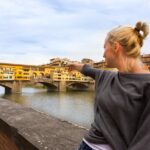
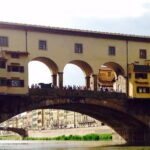
The tour ends at Ponte Vecchio, Florence’s symbol and the oldest bridge in town, famous for its jewelers’ shops over the Arno.
This is a strong finish for two reasons. First, it gives you a satisfying visual payoff after the politics and architecture stops. Second, it places you right where you’ll likely want to keep walking afterward. Ponte Vecchio is central, scenic, and easy to use as a jumping-off point for dinner or a casual stroll along the river.
Expect the classic Ponte Vecchio crowd atmosphere, especially in peak hours. The good news: you’ll have just enough context to appreciate why the bridge became a trading stage rather than just a photo stop.
The guide experience with Irina: pacing, Q&A, and helpful follow-ups
The tour is led by Irina in Florence, and what stands out is her approach: she’s personable, she explains clearly, and she handles questions as you go. In this kind of walking tour, that’s huge. If the guide only recites facts, you can still enjoy it. But when she connects facts to street-level reality, the tour becomes more than a highlight reel.
Irina also shows up ready to make the start easy. People have noted she checks in right before the specified time so you can find her quickly in the middle of the crowd. That kind of on-the-ground attention helps when you’re trying to meet a guide at a busy piazza.
Another practical plus: the pace is relaxed. It doesn’t feel like you’re being rushed through stops. You get room to ask things like how Florence evolved from Roman roots into Renaissance power, or what specific design choices mean in the Duomo area.
And because it’s a private format, the guide’s recommendations can be tailored to your interests—perfect if you want ideas for what to do after you’re done walking.
Who this private walking tour fits best
This tour is a great match if:
- You want a quick, meaningful introduction to Florence without spending your whole day in transit
- You’re the type who likes asking questions and getting answers on the spot
- You prefer learning the city as you walk it, rather than reading signs at random
- You want a route that links Roman, medieval, and Renaissance Florence into one coherent storyline
It may be less ideal if you want deep museum time or you’re hoping for a long list of indoor tickets. This is built around outside viewing and guidance through the streets.
Should you book this Florence private walking tour?
I’d book it if you’re visiting Florence for the first time and you want your bearings fast. In about two hours, you cover the core Florence loop: Roman-area centrality, the Duomo’s dome and design, Dante-connected corners, Medici-era political power at Palazzo Vecchio, and a satisfying end at Ponte Vecchio.
It’s also a smart pick for anyone who hates “rushed” tours and values conversation. If you’re traveling as a couple or small group, the private price starts to make more sense, because you’re buying time with one guide and fewer compromises.
If you’re on a tight budget, you might choose a self-guided walk with a map. But if you want the city explained while you’re standing there, this private format is the kind of spending that usually pays off in how much you remember later.
FAQ
How long is the private walking tour in Florence?
It lasts about 2 hours.
Where does the tour start and end?
It starts at Piazza della Repubblica, 50123 Firenze FI, Italy and ends at Ponte Vecchio, 50125 Firenze FI, Italy.
Is this tour private or shared?
It’s private. Only your group participates.
What language is the tour offered in?
The tour is offered in English.
Are there admission tickets included for the stops?
The itinerary’s listed stops are marked as admission ticket free for the viewing points included in the route.
Is there a mobile ticket?
Yes, it uses a mobile ticket.
Can I bring a service animal?
Yes, service animals are allowed.
What is the cancellation window for a full refund?
You can cancel up to 24 hours in advance for a full refund. If you cancel less than 24 hours before the start time, the amount paid is not refunded.
You Might Also Enjoy

More Walking Tours in Florence
More Tours in Florence
- The Best tour in Florence: Renaissance & Medici Tales – guided by a STORYTELLER
★ 5.0 · 12,316 reviews



More Tour Reviews in Florence
- Tuscany Day Trip from Florence: Siena, San Gimignano, Pisa and Lunch at a Winery
★ 5.0 · 21,634 reviews - The Best tour in Florence: Renaissance & Medici Tales – guided by a STORYTELLER
★ 5.0 · 12,316 reviews