REVIEW · FLORENCE
Tuscan Cooking Course with Florence Central Market Visit
Book on GetYourGuide →Operated by CAF Tour & Travel · Bookable on GetYourGuide
The market-to-kitchen setup is the whole point here. You start at Piazza San Lorenzo, pick ingredients with a guide, then cook a four-course Tuscan meal with a chef and sit down to eat what you make. It’s a great way to experience Florence through food, not just photos.
I especially like two things: first, the hands-on market visit where you learn what to buy and why; second, the cooking school format that turns those ingredients into a full appetizer-to-dessert lunch. Guides such as Caterina, Greta, and Francesco also bring the kind of energy that makes small techniques feel doable.
One thing to consider: it’s not designed for everyone. The class isn’t suitable for children under 10, wheelchair access isn’t available, and people with a cold are not recommended to attend.
In This Review
- Key highlights to look for
- San Lorenzo Market: your ingredient hunt in Florence
- A practical tip for enjoying the market part
- Inside the cooking school: how the lesson stays hands-on
- What you’ll do in the kitchen
- Four courses of Tuscan cooking: appetizer, pasta, main, dessert
- Appetizer: start with something simple and ingredient-driven
- First course: often pasta-focused
- Main course: a hearty Tuscan-style centerpiece
- Dessert: keep it sweet, not complicated
- What if you’re vegetarian?
- Techniques that actually help you cook at home
- Lunch with Tuscan wine: the payoff meal
- Price and time: is $93 good value for a 5-hour food course?
- Who this Tuscan cooking course suits best
- Should you book the Florence Tuscan Cooking Course with San Lorenzo market visit?
- FAQ
- How long is the Tuscan cooking course in Florence?
- Where do I meet for the course?
- What’s included in the price?
- What languages are the instructors/guides available in?
- What will I cook during the lesson?
- Is this activity suitable for wheelchair users or children?
Key highlights to look for
- San Lorenzo market shopping focused on seasonal, fresh ingredients you’ll actually use in class
- Small group feel with one professional chef per 15 participants
- Four-course cooking lesson (appetizer, first course, main, dessert) plus the recipes to take home
- Market tastings like olive oil (including a water-and-olive-oil trick in some groups) and items such as truffle oil and balsamic vinegar
- Lunch with drinks and Tuscan wine while you enjoy your results
San Lorenzo Market: your ingredient hunt in Florence
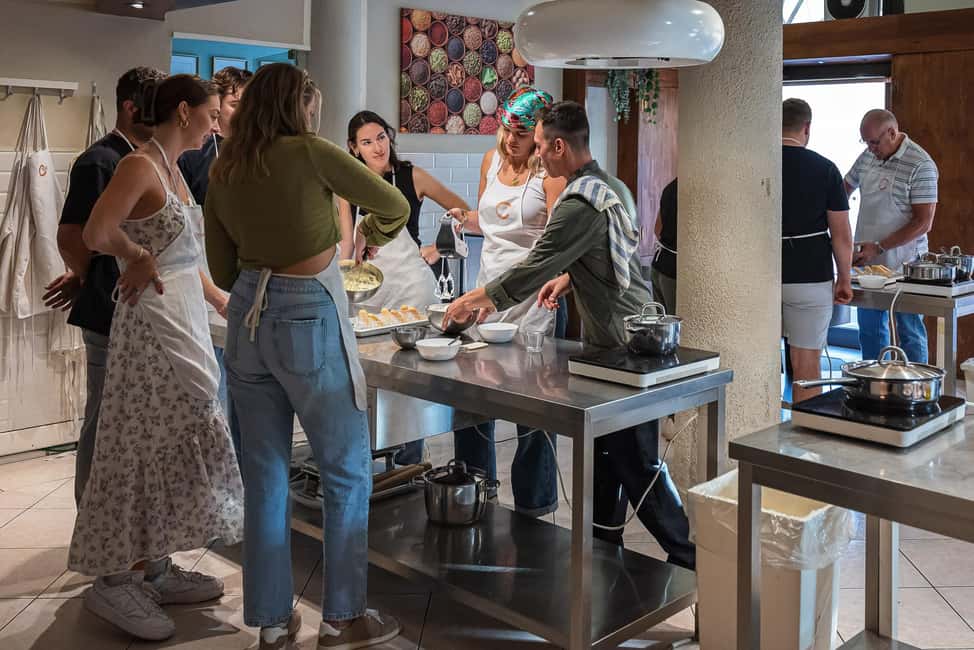
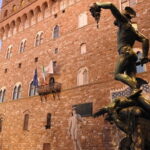
Your experience starts where locals would start: Piazza San Lorenzo, at the statue in the middle of the square. Look for an assistant in blue clothing. From there, you head into the historic food market area to shop with a multilingual guide.
This is more than a walk-through. The value is that you’re not just buying random souvenirs of food. You’re learning how Tuscan cooking begins: with ingredients that taste right on their own—olive oil, cured and fresh produce, and pantry items that can carry a simple dish.
In particular, the market portion often includes tasting-style learning. Some courses include small samplers so you can compare flavors and understand what you’re shopping for. Based on what’s been shared, expect tastings that can include olive oil (and sometimes truffle oil) plus balsamic vinegar. These stops make the later cooking easier because you’ve already connected flavor to ingredient.
You can also read our reviews of more shopping tours in Florence
A practical tip for enjoying the market part
Wear comfortable shoes and plan on moving at a walking pace. Markets can be uneven and crowded, and the point is to stay close to your group while you shop and ask questions.
Inside the cooking school: how the lesson stays hands-on
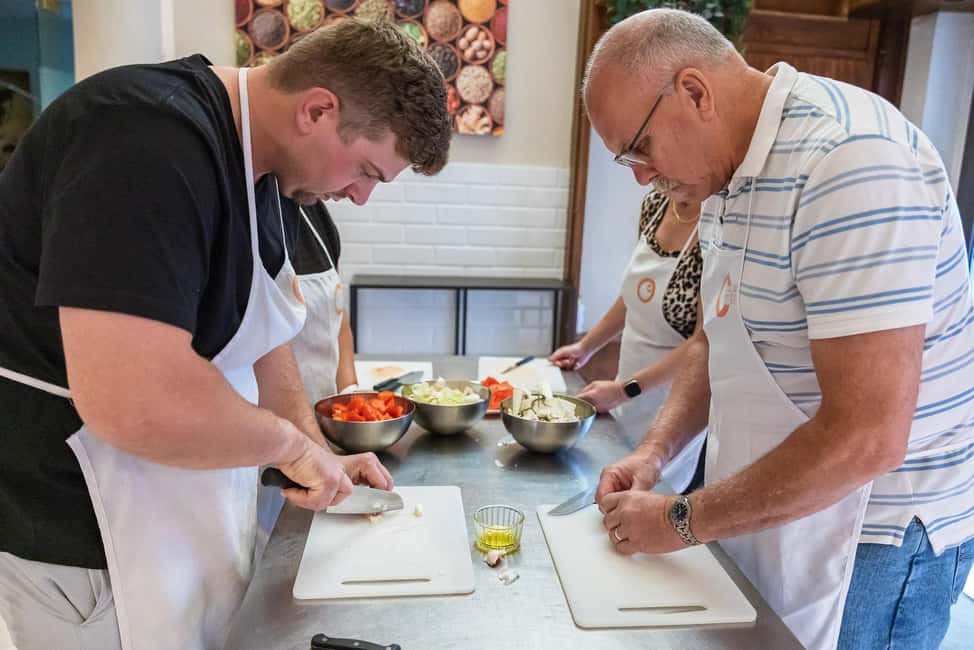
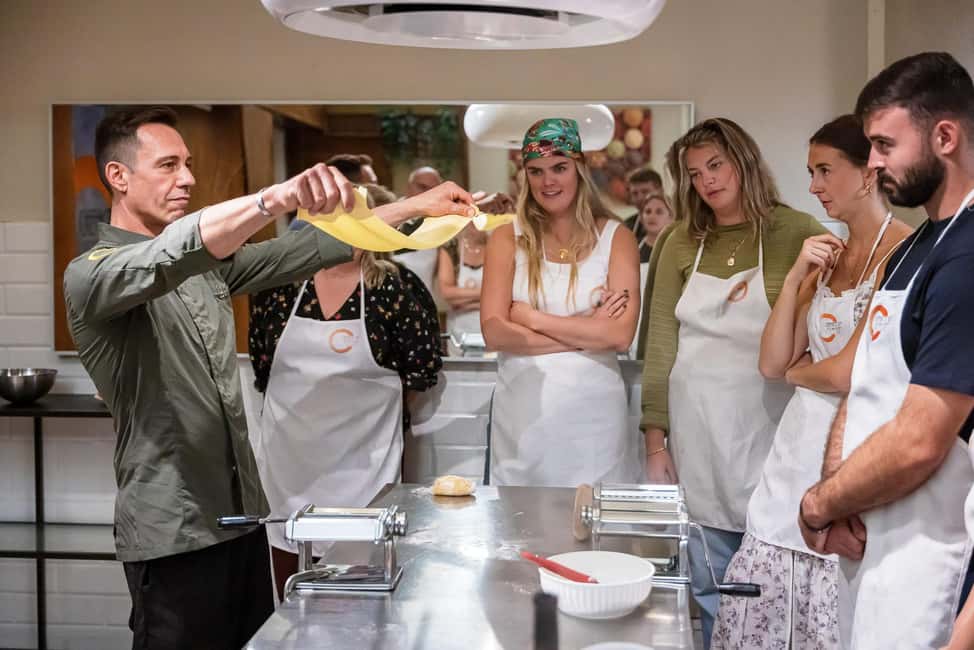
Once you’ve gathered ingredients, you move into a clean, organized culinary school kitchen. The class is designed so most skill levels can participate. In past groups, cooks ranged from people with limited experience to more confident home cooks, and the instruction tends to meet you where you are.
A key detail: it’s a small-group activity with one professional chef for each 15 participants. That matters because the best part of cooking classes isn’t the recipe list—it’s getting feedback while your hands are actually doing the work. When you can ask a question and get a direct answer, you walk away with technique, not just food.
Chefs and instructors named in this experience include Caterina, Greta, and Francesco. That’s a good sign: the teaching style described tends to be upbeat and practical, with lots of encouragement and clear guidance on prep and cooking steps.
What you’ll do in the kitchen
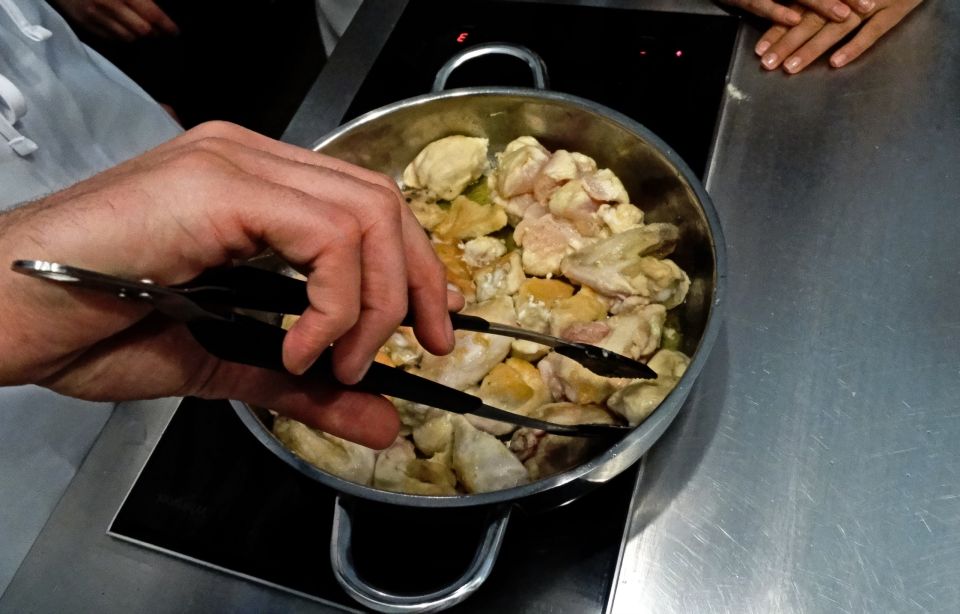
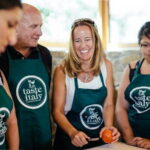
You’ll transform the ingredients you selected into a full four-course Tuscan meal. Translation: you’re not waiting around for other people to cook while you watch. You’ll be actively cooking, then eating what you made together as a group.
Four courses of Tuscan cooking: appetizer, pasta, main, dessert
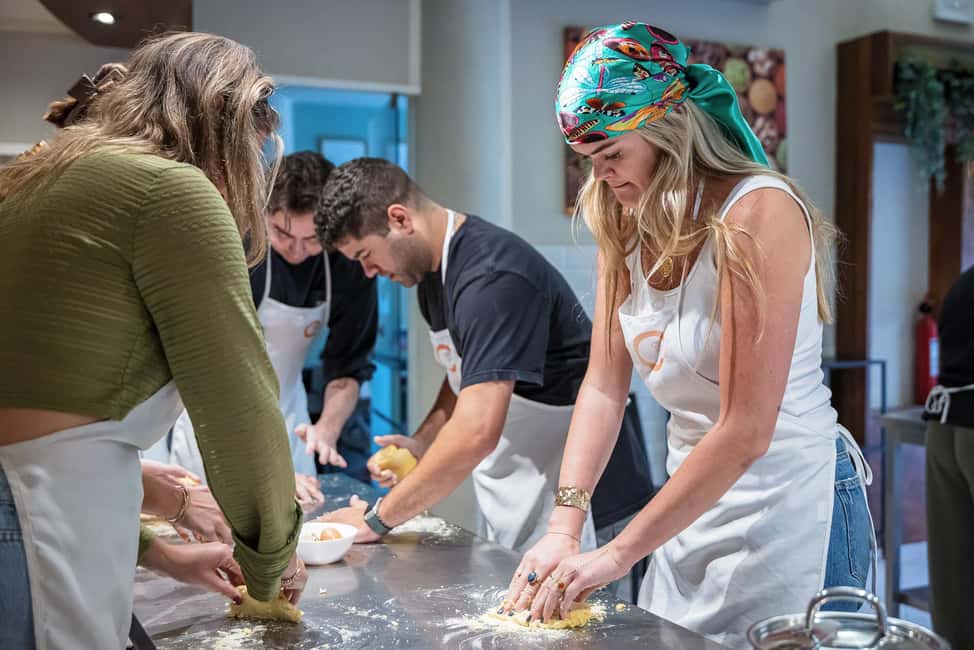
This course is built around a four-course structure, so you get a complete meal arc, not a single dish demo.
Here’s how that plays out in real terms:
You can also read our reviews of more tours and experiences in Florence
Appetizer: start with something simple and ingredient-driven
The appetizer course usually focuses on flavor-building without requiring advanced technique. It’s a good place to learn how Tuscan-style cooking leans on fresh ingredients and careful seasoning rather than complicated sauces.
First course: often pasta-focused
The first course is frequently where you get the most recognizable payoff: pasta. Some groups have prepared dishes like truffle sauce potato gnocchi, which is a strong Tuscan-leaning intro to Italian comfort food. Even when the exact dish differs day to day, you’ll be learning the kind of pasta handling and sauce thinking that transfers to your own kitchen.
Main course: a hearty Tuscan-style centerpiece
For the main, some groups have cooked something like bell pepper and onion balsamic chicken. That’s a great example of what you’ll want to look for at home: flavor that builds from sautéing and reductions, not shortcuts. If you prefer a lighter approach, you might still find that mains in this style use seasonal vegetables and bold vinegar-and-olive-oil balance.
Dessert: keep it sweet, not complicated
Dessert in past sessions has included items such as milk and vanilla jello with a mixed berry topping. This matters because it shows you how Italian cooking can be both playful and straightforward. It’s also a nice ending after a meal that starts savory and slowly turns more dessert-like and bright.
What if you’re vegetarian?
Vegetarian adaptation has been mentioned as possible in the context of this experience. You should confirm specifics with the operator ahead of time so you know what changes will actually happen for your group’s menu.
Techniques that actually help you cook at home
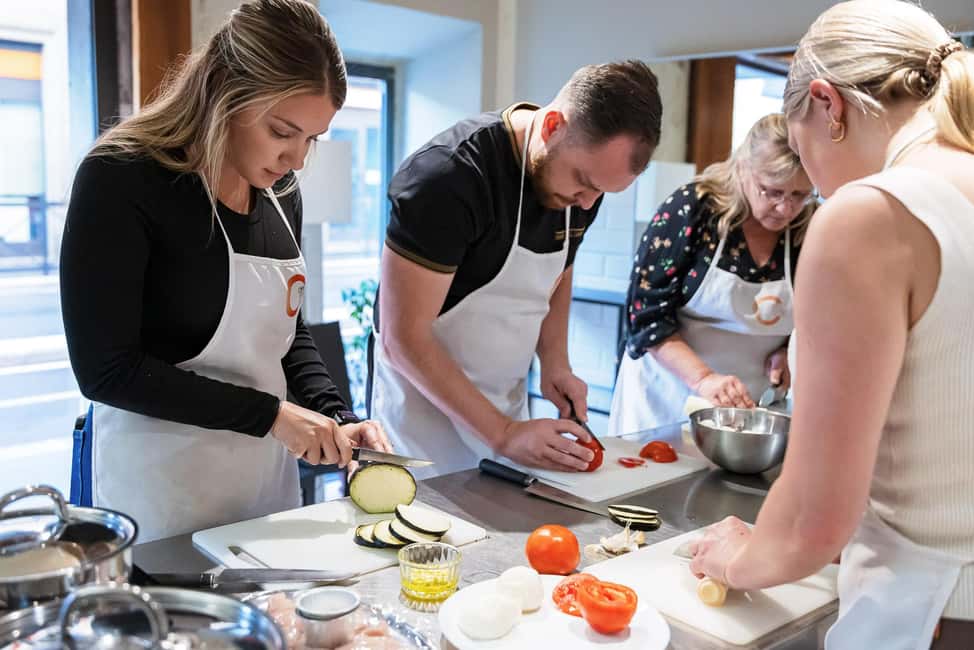
A good cooking class leaves you with two things: a recipe and a method. This one aims to deliver both.
From what’s been described, the teaching doesn’t stop at telling you what to do. In some sessions, instructors shared small but useful tricks—like an olive oil and water technique—that helps you understand how oil behaves in a mixture. Even if you never recreate it exactly, the lesson gives you a mental model for flavor balance and texture.
You’ll also likely get guidance on:
- basic cutting and prep rhythm (so you don’t fall behind)
- how to build flavor step-by-step in a sauce
- how to time multiple components so the meal lands together
And because you get recipes to take home, you can translate what you did in the kitchen into a repeatable version later. That’s where value really shows up: if you cook even one of the courses again at home, the class has paid for itself in enjoyment.
Lunch with Tuscan wine: the payoff meal
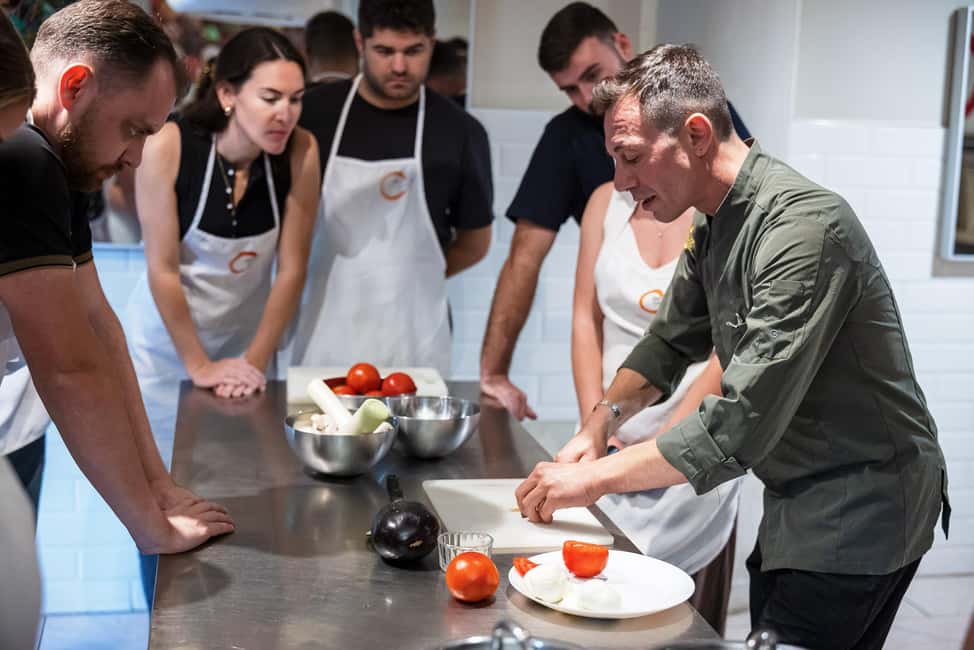
After cooking, you sit down for lunch with drinks and Tuscan wine. This part matters because it turns the class from a lesson into an actual shared experience.
You’re eating the results of your work, and that changes how you remember the steps. Instead of thinking, I cooked something, you think, I built flavor that tasted like this. That makes later cooking easier because you can calibrate your preferences: more acidity, better seasoning, different olive oil intensity, or a sauce thickness you liked.
The atmosphere described as lively and friendly also seems tied to the structure: you’re not separating “the students” and “the chef.” You’re working together, then sharing the table.
Price and time: is $93 good value for a 5-hour food course?
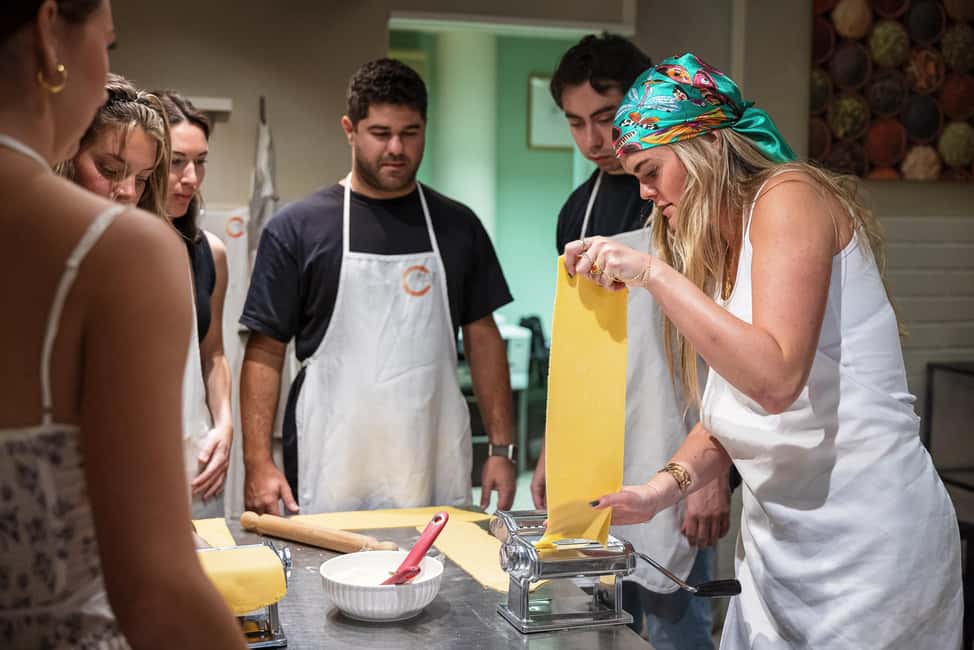
At $93 per person for about 5 hours, you’re paying for an entire food experience, not only a recipe workshop. Here’s what that rate covers in practical terms:
- market shopping guidance for ingredient selection
- a chef-led cooking lesson (four courses)
- the meal you cook
- lunch with drinks and Tuscan wine
- recipe handouts to take home
- a multilingual guide and agency fee
Whether it feels like a steal or a splurge depends on what you compare it to. If you’ve been planning to do a market visit and then separately find a cooking class, bundling them is usually the smarter move. Time is also real: in one afternoon, you get both the cultural ingredient context and the technique.
One note from the broader set of experiences: a few people felt there wasn’t as much cooking time as they wanted, which suggests this is well-paced but not necessarily a marathon of labor. If you love hands-on cooking for hours, you might wish the cooking window were longer. If you want a mix of market culture plus a well-guided lesson, this length is often a good fit.
Who this Tuscan cooking course suits best
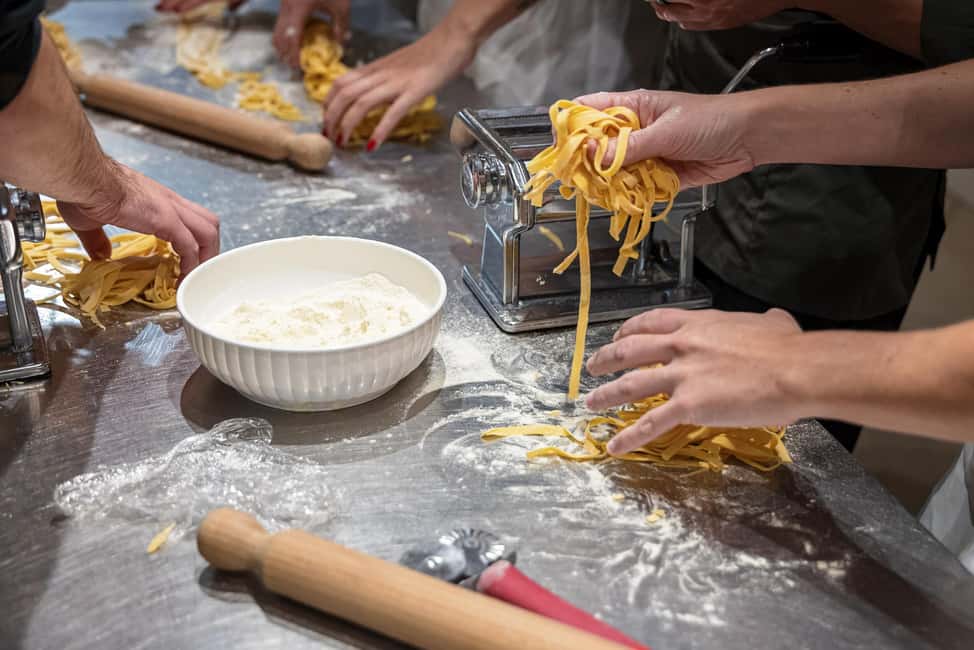
This course is a strong match if you want Florence through food that you can recreate.
You’ll likely enjoy it if you:
- like learning by doing, with guidance while you cook
- want to understand what to buy at the market for Tuscan-style meals
- enjoy pasta and simple classic Italian dishes
- value getting recipes so you can repeat the experience later
It’s less ideal if:
- you need wheelchair access (the class can’t accommodate wheelchair clients)
- you’re traveling with small children under 10
- someone in your party has a cold and you were hoping to bring them along anyway
- you require strict food safety adjustments for celiac needs (severe and contact celiacs may not attend due to probable contamination)
Should you book the Florence Tuscan Cooking Course with San Lorenzo market visit?
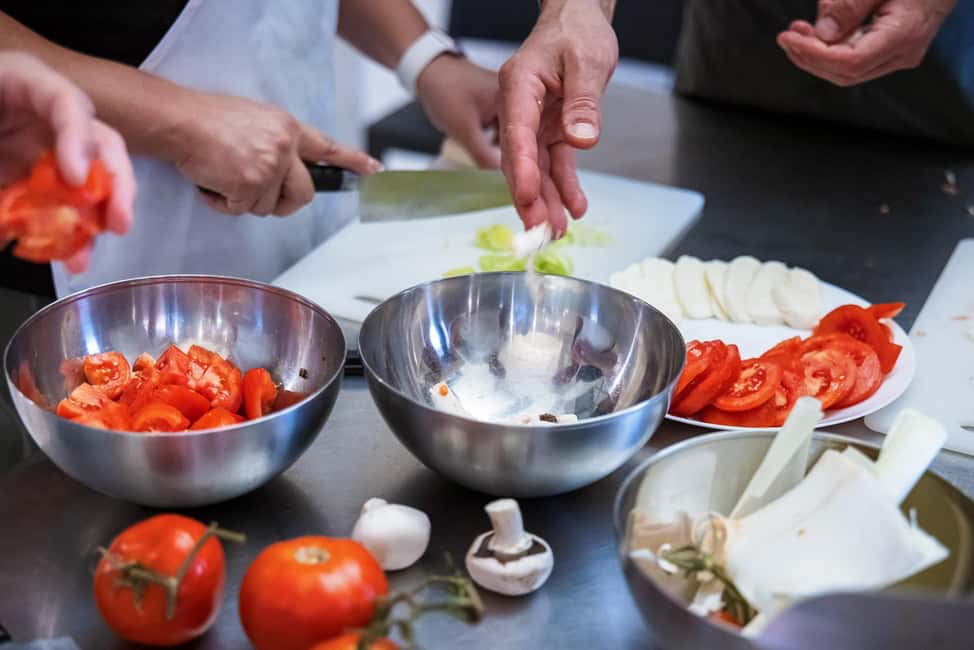
Yes—if your goal is a real Florence food day that connects market shopping to a full meal you make yourself.
I’d book it if you care about technique you can repeat, and if you want a structured afternoon with clear steps, a chef who can answer questions, and a lunch payoff that goes beyond snacks. The market portion, plus the small cooking-skill additions people highlight (like olive oil knowledge and pasta comfort), is exactly the kind of “useful tourism” that tends to stick.
I’d think twice if you’re counting on maximum cooking time and nothing else, or if mobility and dietary needs in your group don’t align with the class setup.
If you’re ready for a guided ingredient hunt plus a chef-led four-course lunch, this is one of those experiences that fits perfectly into a Florence itinerary without turning your day into a long slog.
FAQ
How long is the Tuscan cooking course in Florence?
The duration is 5 hours.
Where do I meet for the course?
Meet in Piazza San Lorenzo (San Lorenzo Square) at the statue located in the center of the square. An assistant wearing blue clothing will be there.
What’s included in the price?
The package includes a multilingual speaking guide, the cooking lesson, recipes, lunch with drinks (including Tuscan wine), and an agency fee.
What languages are the instructors/guides available in?
The instructor is available in English, Italian, Spanish, and German.
What will I cook during the lesson?
You’ll prepare a four-course Tuscan meal: an appetizer, a first course, a main course, and a dessert.
Is this activity suitable for wheelchair users or children?
No. It cannot accommodate wheelchair clients, and it is not suitable for children under 10. Pets are also not allowed.
You Might Also Enjoy

More Markets in Florence
- Cooking Class and Lunch at a Tuscan Farmhouse with Local Market Tour from Florence
★ 5.0 · 4,831 reviews
More Shopping Tours in Florence
- Cooking Class and Lunch at a Tuscan Farmhouse with Local Market Tour from Florence
★ 5.0 · 4,831 reviews
More Tour Reviews in Florence
- Tuscany Day Trip from Florence: Siena, San Gimignano, Pisa and Lunch at a Winery
★ 5.0 · 21,634 reviews - The Best tour in Florence: Renaissance & Medici Tales – guided by a STORYTELLER
★ 5.0 · 12,316 reviews