REVIEW · FLORENCE
Florence: Market to Table Cooking Lesson
Book on GetYourGuide →Operated by My Tour in Italy · Bookable on GetYourGuide
A market visit, then real cooking, then lunch you made. That’s the charm here: you start at Florence’s central food market, shop with a chef, and end with a full Tuscan meal served with Italian wine.
Two things I really love: first, the market-to-kitchen link. You’re not just learning recipes—you’re learning what to buy and why, from the people selling the food. Second, the class is hands-on, so you’ll make pasta and sauces from scratch and leave with practical skills you can actually use at home.
One consideration: the experience involves climbing and descending stairs, so plan accordingly if that’s hard for you.
In This Review
- Key highlights you can count on
- Getting Your Bearings: the Florence Meet-Up and Market Flow
- Market to Table: Shopping With a Chef at Florence’s Central Food Market
- From the Market to the Cooking School: the Minivan Transfer Reality
- Hands-On Pasta: Rolling Dough and Making Tuscan Sauces
- Fresh pasta work (yes, you’ll do it)
- Sauce making: ragù, bolognese, tomato, pesto
- Cutting and prep skills
- Meat or Fish Course Techniques That Actually Translate
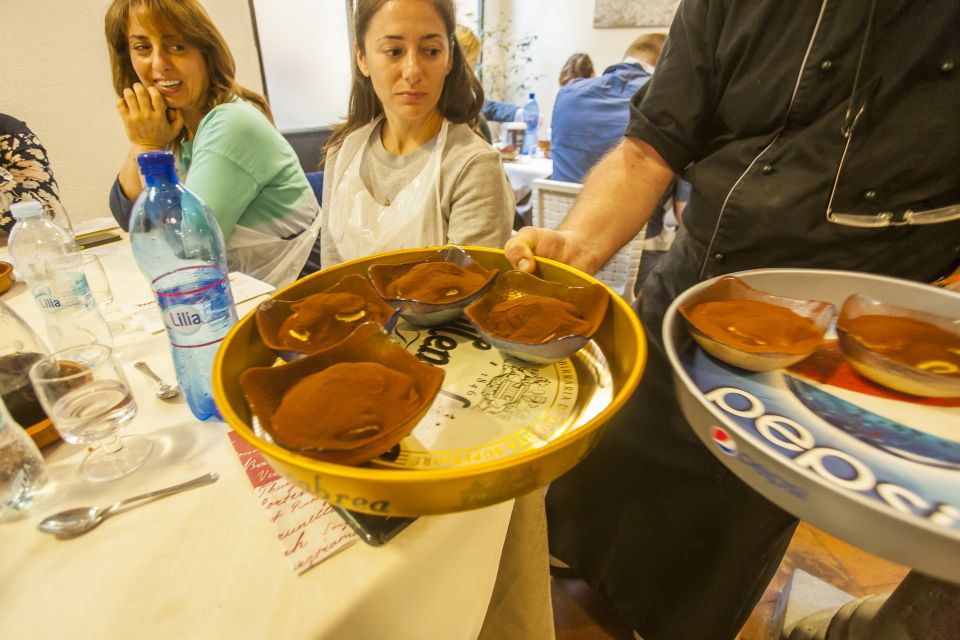
- Dessert From Scratch: When Tiramisu Hits the Table
- Wine, Lunch, and the Final Certificate Moment
- How to Get the Most Value (Without Overpromising Yourself)
- Who Should Book This Florence Cooking Lesson?
- Should You Book It?
- FAQ
- Where is the meeting point for the class?
- How long is the Florence market-to-table cooking lesson?
- What happens on Sundays and bank holidays?
- Is the class suitable for gluten intolerance?
- What languages are supported during the tour?
- Will I be able to participate in cooking, or is it mostly watching?
- Do we eat the dishes we cook, and is wine included?
- Is there a certificate at the end?
- What if stairs are an issue for me?
Key highlights you can count on
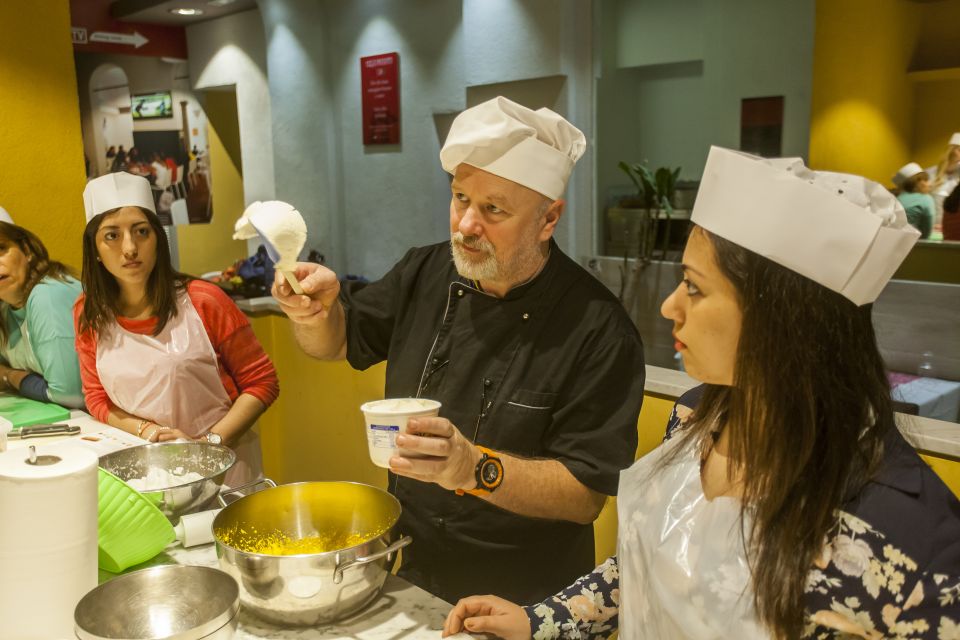
- Market meeting with local sellers: you’ll see how butchers, bakers, and vegetable sellers work up close.
- Hands-on pasta work: you’ll help roll dough and prepare components of the meal.
- Tuscan sauce focus: recipes revolve around sauces like tomato, ragù, bolognese, or pesto.
- Meat-or-fish technique lessons: you’ll get tips meant for Italian home cooking, not restaurant shortcuts.
- Tiramisu and dessert building: dessert is part of the main event, not a last-minute add-on.
- Lunch with Italian wines + certificate: you eat what you made, then pick up a graduation certificate.
Getting Your Bearings: the Florence Meet-Up and Market Flow
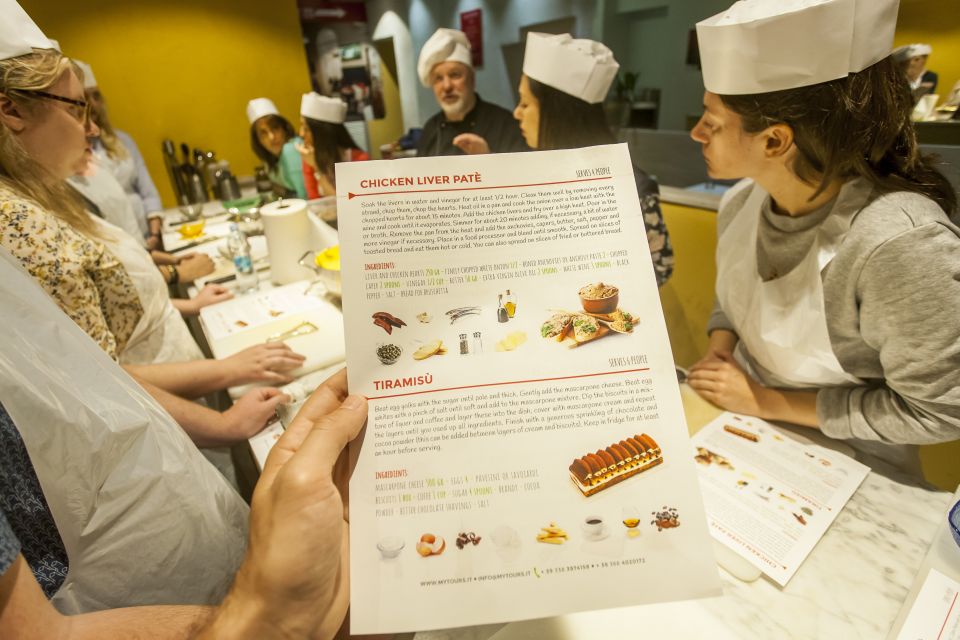
The experience starts at Via Panicale 43/r, in central Florence (near 43.77748, 11.25364). Meet your English-speaking guide and chef, then begin with the food market visit.
This is one of those tours where the timing makes sense. The market is where your chef can point to real ingredients—how they look, how they smell, and how you can tell if something is worth buying. Then the cooking part feels less like school and more like a direct continuation of what you just saw.
A nice detail from past classes: different chefs have run the lesson (for example, names like Thomas and Emanuele show up in prior feedback), and the market part is often described as region-focused. In practice, that means you’ll get guidance tied to Tuscany rather than generic Italian food talk.
Market tip: wear shoes you can stand in. Even if the cooking portion is structured, the market walk and ingredient shopping can involve a fair amount of moving around.
You can also read our reviews of more shopping tours in Florence
Market to Table: Shopping With a Chef at Florence’s Central Food Market
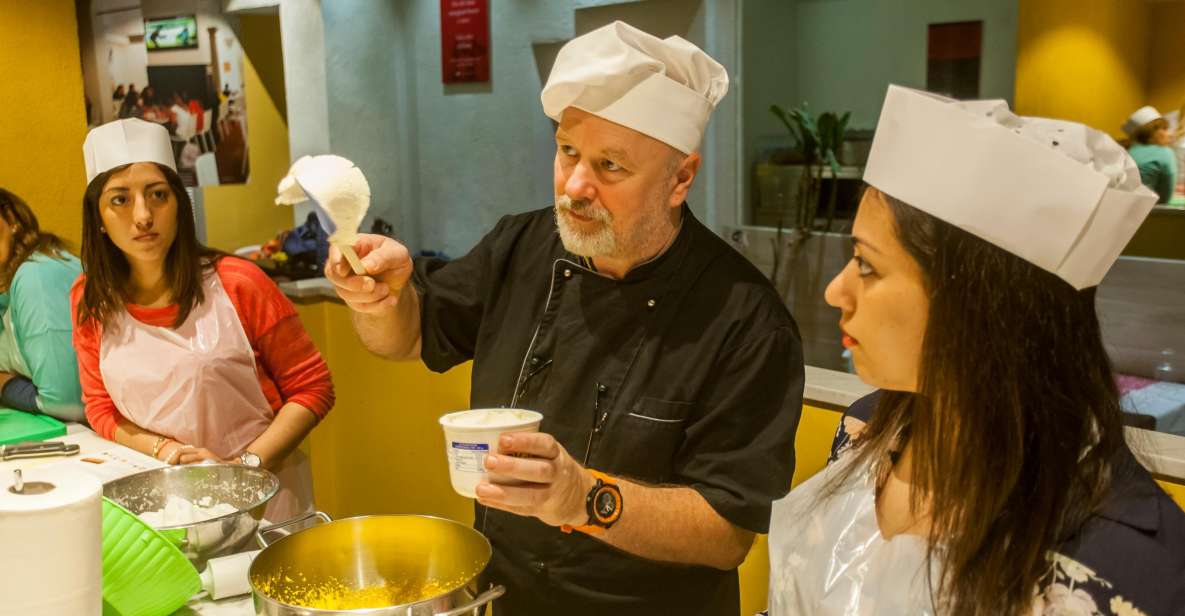
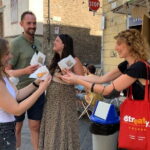
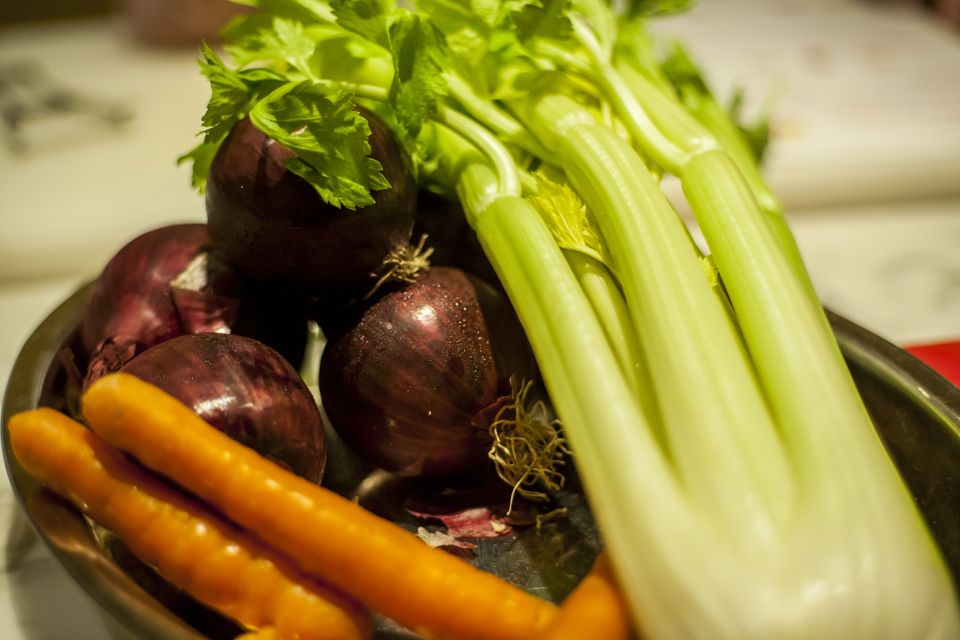
Once you’re at the central food market, expect more than a quick look around. You’ll shop for the ingredients your menu will use. That might sound obvious, but it changes how you cook later—because you learn what’s seasonal and how different ingredients behave in a real Tuscan kitchen.
From the descriptions and feedback, the market segment includes time with different vendors:
- Butchers (for meat choices and how to handle them)
- Bakers (for bread and pantry items)
- Farmers and vegetable sellers (for what’s fresh and what’s worth building a sauce around)
This is also where you can get a reality check on Italian ingredients. For example, you’ll hear guidance that connects flavor to technique—like why a tomato sauce tastes different when the ingredients are chosen differently.
Important note for schedule: on Sundays and bank holidays, the central market is closed. In that case, the market visit is skipped, but the cooking lesson still runs. If market shopping is a big reason you booked, plan your dates with that in mind.
From the Market to the Cooking School: the Minivan Transfer Reality
After the market, you’ll be driven by minivan to the cookery school. This matters because it saves time and keeps the experience from turning into one long walking day.
You’ll also want to mentally reset here. The market is fast, crowded, and sensory. The cooking school is where you slow down and turn those ingredients into actual dishes.
Two practical things to keep in mind:
- The location involves stairs—you’ll need to climb and descend them during the experience.
- This is a half-day (about 4.5 hours), so it moves. You’ll be cooking most of the way, not just watching.
Hands-On Pasta: Rolling Dough and Making Tuscan Sauces
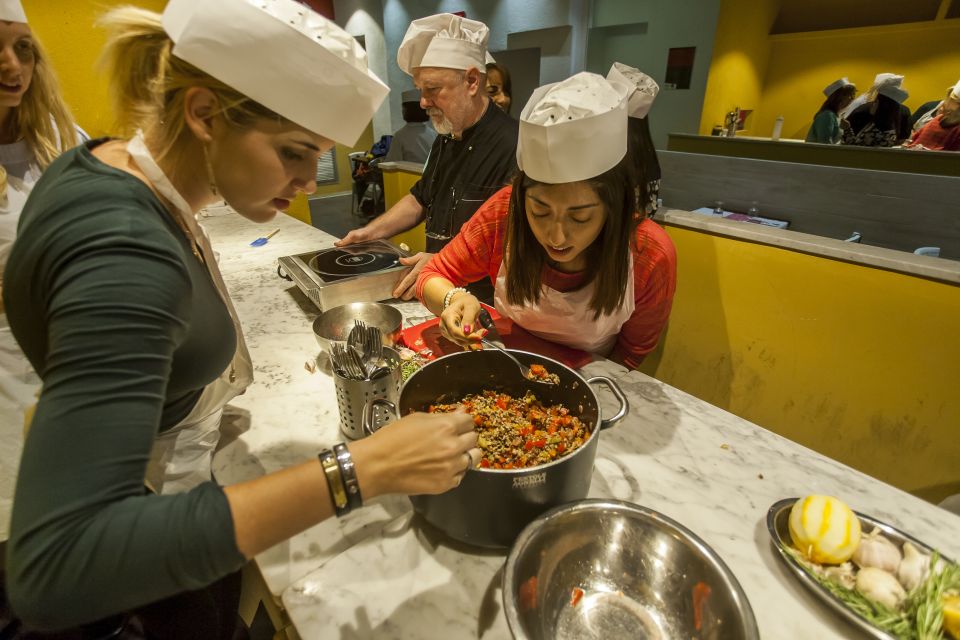
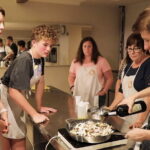
This is the heart of the class. You’ll learn how to make pasta and work on sauces that represent Tuscan cooking. The exact menu can vary, but what’s consistent is the approach: fresh ingredients, simple but deliberate technique, and enough hands-on participation that you’ll remember what to do next time.
Fresh pasta work (yes, you’ll do it)
You should expect to participate in the pasta process. One of the most praised parts in feedback is that people weren’t just passively watching—many students reported rolling their own pasta dough and working through steps as a group.
That matters because pasta dough is touch-based. If you only watch someone else knead and roll, you never learn what the dough should feel like. But if you do it yourself, you start to recognize cues: when it’s too dry, when it needs more working, and how thickness affects the final bite.
You can also read our reviews of more tours and experiences in Florence

Sauce making: ragù, bolognese, tomato, pesto
You’ll likely make or contribute to sauces such as:
- Tomato sauce
- Ragù (slow-cooked meat sauce style)
- Bolognese
- Pesto
What I like about the way sauces are taught here is the underlying idea: flavor comes from ingredients and method, not from piling on spices. In feedback, students specifically mention learning an Italian philosophy of using minimal herbs and letting the core ingredients carry the flavor. You can take that home and apply it even if you cook with different local produce.
Cutting and prep skills
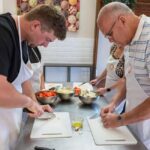
Several past students highlighted knife skills and prep technique as a learnable takeaway. Even if you’re comfortable in the kitchen, you’ll probably pick up a couple of “small moves” that make cooking smoother.
Meat or Fish Course Techniques That Actually Translate
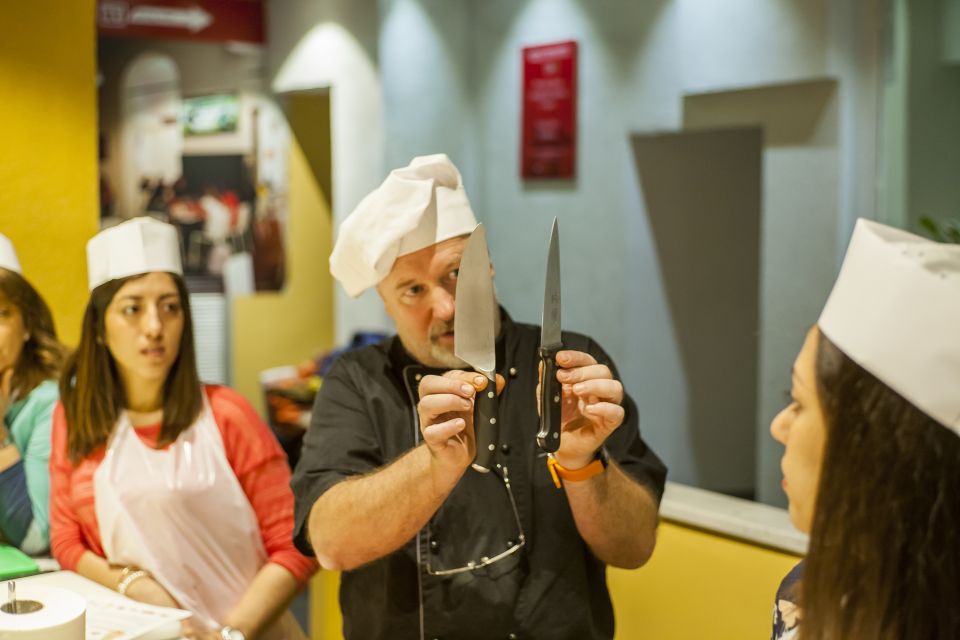
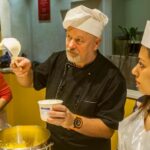
After the pasta and sauces, the lesson shifts to a meat or fish dish. This part is designed to show you technique, not just ingredients—how to handle the protein and how to build flavor in an Italian way.
From the class descriptions, you’ll get tips and techniques for the meat and fish course. In practice, this is where you learn how Italian cooking often works: fewer complicated steps, but careful attention to how you season and cook.
A few examples from the feedback swirl around what students ended up making, including dishes like bruschetta and pasta paired with meat sauce. Even when the exact protein dish differs, the skills you practice—timing, seasoning approach, and how to coordinate multiple components—are the kind you can use again when you cook dinner at home.
Dessert From Scratch: When Tiramisu Hits the Table
Dessert isn’t treated as a separate event. It’s part of the main cooking flow, and that’s one reason this class gets strong recommendations.
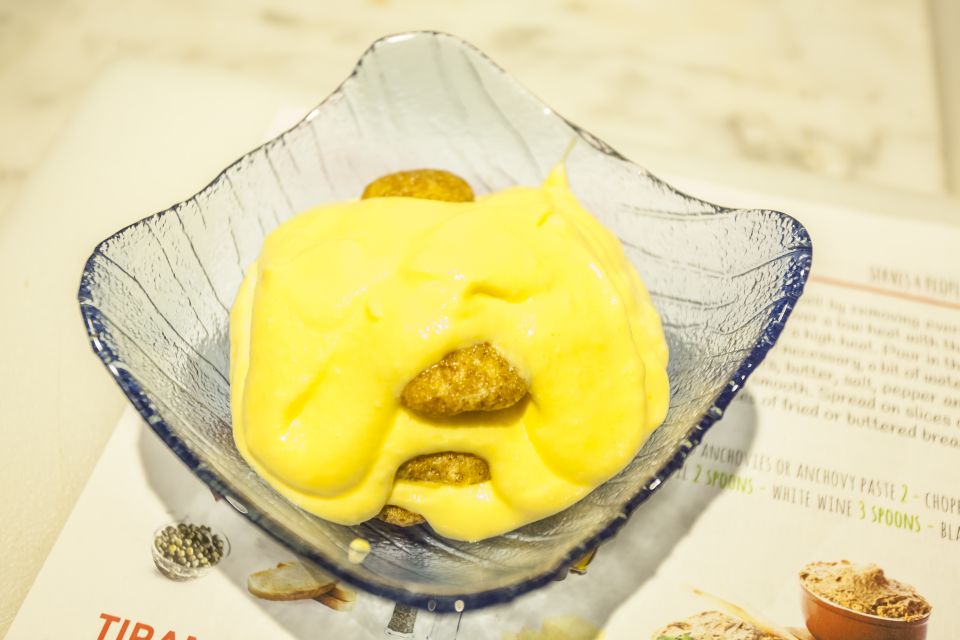
Tiramisu comes up again and again in feedback as a dish people made from scratch, and students repeatedly mention being amazed at what they produced in just a few hours. That’s a realistic goal if you follow the process step-by-step and don’t try to multitask like a TV chef.
If you’ve never made tiramisu before, you’ll likely learn how to assemble it without overthinking it. If you have made it before, you’ll still benefit from the method and ingredient-handling tips taught during the class.
Wine, Lunch, and the Final Certificate Moment
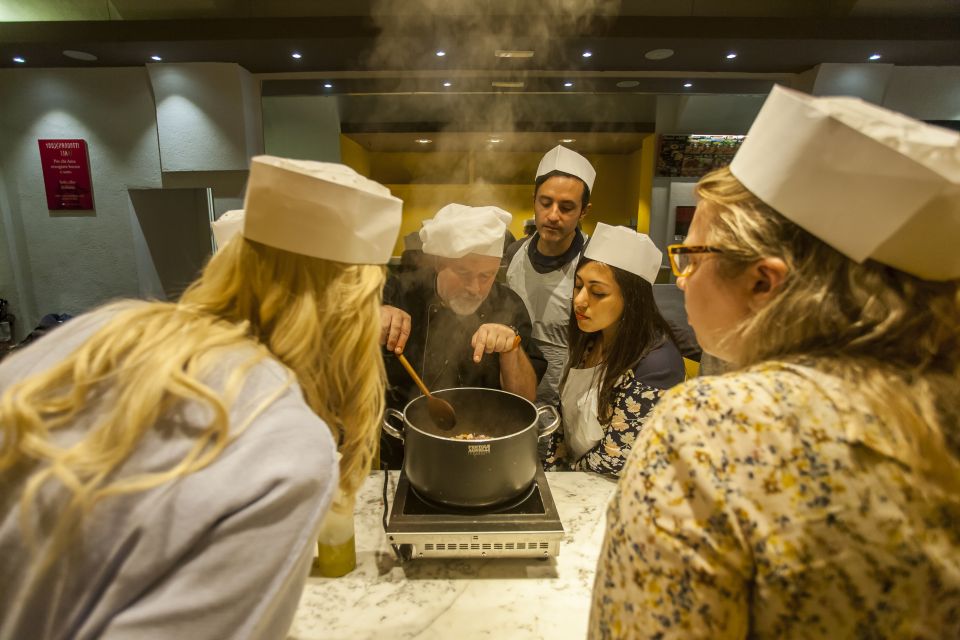
Once the cooking is done, you sit down and eat the meal you made. Lunch is served as a result of your work, and it comes with quality Italian wines.
This is important for your motivation during class. When you’re standing, rolling dough, chopping, and stirring, it’s helpful to know you’ll get to taste the outcome immediately. Many students mention the experience feels fast because the work is structured and engaging—and then you get the reward right away.
After the meal, you collect a graduation certificate. That might sound like a gimmick, but it actually gives the experience a clean ending point. You’ll have something to show at home, or at least something to take a photo with.
When the class finishes, you’ll be driven back to the departure point in the center of Florence.
How to Get the Most Value (Without Overpromising Yourself)
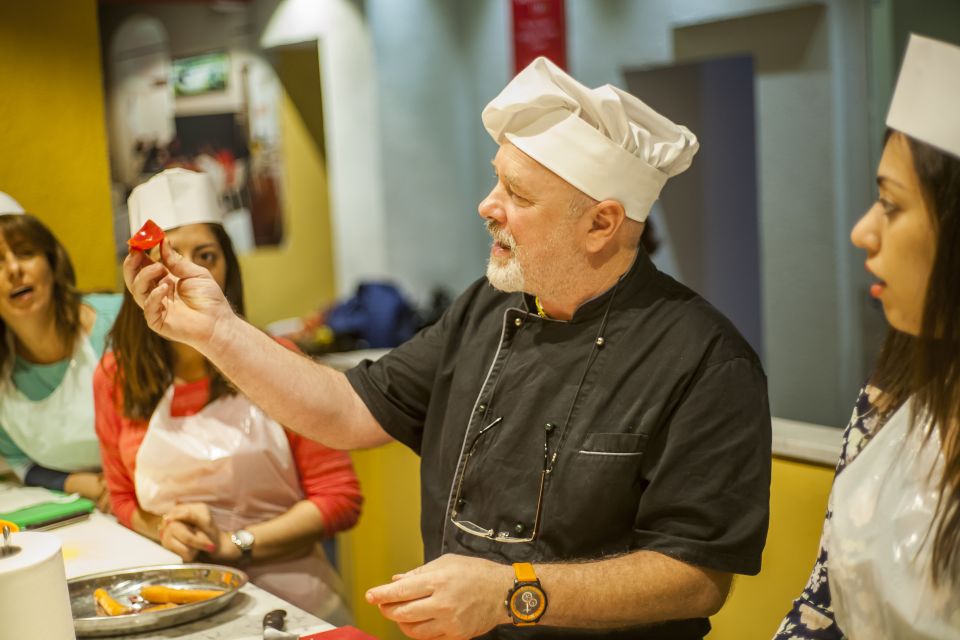
A cooking class can go one of two ways: you learn a little, or you leave with skills. This one tends to land on the better side because it’s both ingredient-based and technique-based.
Here’s how I’d maximize the value:
- Pay attention in the market section, not just the cooking. The choices you make at the market are the choices that create flavor later.
- In the kitchen, take the chef’s cues seriously, especially for dough and sauce consistency. Pasta and sauce are where tiny changes matter.
- During the dessert stage, keep things simple. Tiramisu is about assembly and timing, not complicated cooking.
One practical reality: recipes and details have sometimes been promised for later, and there have been occasional complaints about not receiving them after the fact. The certificate is collected before you leave, so you won’t leave empty-handed on that. If having recipes in writing is critical for you, it’s worth asking the chef or organizer how they handle recipe delivery after class.
Who Should Book This Florence Cooking Lesson?
This is a strong fit if you want:
- A hands-on cooking experience in Florence (not a “watch and snack” class)
- A Tuscan-style meal with real technique (pasta, sauces, a protein dish, dessert)
- A market-and-cooking combo that makes ingredients feel personal and local
It may be less suitable if:
- You have gluten intolerance, since the class is not suitable for people with gluten intolerance
- You need an experience with minimal stairs, since climbing and descending stairs is required
- You’re traveling on a Sunday or bank holiday and want the central market shopping component (the market visit is skipped)
Group size can vary by session. In feedback, I’ve seen mentions ranging from small groups (like 6 or 7) to larger groups (around 17). Either way, the structure is built so you’re part of the work, not just watching.
Should You Book It?
Yes, if your goal is to leave Florence with skills you can repeat: fresh pasta, Tuscan sauces, and a dessert you can bring to the table with confidence. The best reason to book is the balance—market learning + actual cooking + you eat what you make, with wine and a certificate at the end.
Don’t book it if gluten intolerance affects you, or if stairs are a deal-breaker. And if your dates fall on Sunday or a bank holiday, go in knowing the central market stop won’t happen.
If you like the idea of cooking with a chef who talks through choices and technique (and you’re happy to work in a lively kitchen for a few focused hours), this is one of the most practical ways to turn Florence into something you can taste again at home.
FAQ
Where is the meeting point for the class?
The meeting point is Via Panicale, 43/r, 50123 Firenze, at the coordinates 43.77748489379883, 11.253640174865723.
How long is the Florence market-to-table cooking lesson?
The duration is listed as 4.5 hours.
What happens on Sundays and bank holidays?
On Sundays and bank holidays, when the central market is closed, the visit to the market is skipped.
Is the class suitable for gluten intolerance?
No. The experience is not suitable for people with gluten intolerance.
What languages are supported during the tour?
The class includes a live tour guide in English.
Will I be able to participate in cooking, or is it mostly watching?
You should expect hands-on participation. The format is built around learning techniques and preparing dishes, including pasta and sauces, followed by eating what you made.
Do we eat the dishes we cook, and is wine included?
Yes. After cooking, you enjoy a lunch of the dishes you prepared, served with quality Italian wines.
Is there a certificate at the end?
Yes. You collect a graduation certificate before leaving.
What if stairs are an issue for me?
Customers must be able to climb and descend stairs. If that is a concern, plan accordingly before booking.
You Might Also Enjoy
More Markets in Florence
- Cooking Class and Lunch at a Tuscan Farmhouse with Local Market Tour from Florence
★ 5.0 · 4,831 reviews
More Shopping Tours in Florence
- Cooking Class and Lunch at a Tuscan Farmhouse with Local Market Tour from Florence
★ 5.0 · 4,831 reviews
More Tour Reviews in Florence
- Tuscany Day Trip from Florence: Siena, San Gimignano, Pisa and Lunch at a Winery
★ 5.0 · 21,634 reviews - The Best tour in Florence: Renaissance & Medici Tales – guided by a STORYTELLER
★ 5.0 · 12,316 reviews