REVIEW · FLORENCE
Skip the Line: Guided Tour of Michelangelo’s David at Accademia
Book on Viator →Operated by Crown Tours · Bookable on Viator
Florence’s David hits different in person. This guided skip-the-line experience at the Accademia is built around the statue you came for, with just enough context to make it click, plus extra stops that most people miss. You’ll start at Via Ricasoli 39, meet your group, and move through the museum in a focused, timed loop.
I like two things in a big way: the priority entrance that saves you from the worst of the waiting, and the way a real guide helps you read David instead of just looking. You also get a downloadable audio guide that’s handy if you want to linger a bit after your main stop.
One thing to consider: Accademia can get chaotic during peak days, and the museum crowd can affect how smooth the flow feels. If you’re visiting around a holiday weekend, I’d plan to arrive early enough to stay calm when you’re hunting for the Crown Tours group.
In This Review
- Key Things to Know Before You Go
- Via Ricasoli 39: The Meeting Point and What “Skip the Line” Really Means
- Priority Entrance into Accademia and Colosso Hall’s Big-Show Start
- Galleria dell’Accademia’s Musical Instruments: Medici-Era Sounds You Can’t Picture from Photos
- Michelangelo’s Prisoners: Why Unfinished Works Still Feel Intense
- Facing David: The Details a Guide Helps You Catch
- The Plaster Cast-Making Gallery: How Artists Trained Before They Carved Marble
- Renaissance and Baroque Paintings, Then Late Gothic Finish with Lorenzo Monaco
- Price and Value: Why This Often Beats a Ticket-Only Strategy
- Group Size and Pacing: What “Up to 19” Changes for You
- Practical Tips to Make This Go Smoothly
- Should You Book This Accademia Guided Tour?
- FAQ
- Where does the tour start?
- How long is the tour?
- Is the tour offered in English?
- What’s included with the ticket price?
- How big is the group?
- When should I book?
Key Things to Know Before You Go
- Priority entry at Accademia to cut down on the hardest waiting
- David explained with precision, not just facts on a wall
- Music-in-the-museum stop, including Medici-era instruments and Stradivari names you’ll recognize
- Unfinished Michelangelo sculptures, where the guide turns plaster and stone into a story
- Small-group pace (maximum 19) that helps you actually hear the guide
- Short visit, long payoff: you’re moving, but nothing feels rushed in the wrong way
Via Ricasoli 39: The Meeting Point and What “Skip the Line” Really Means
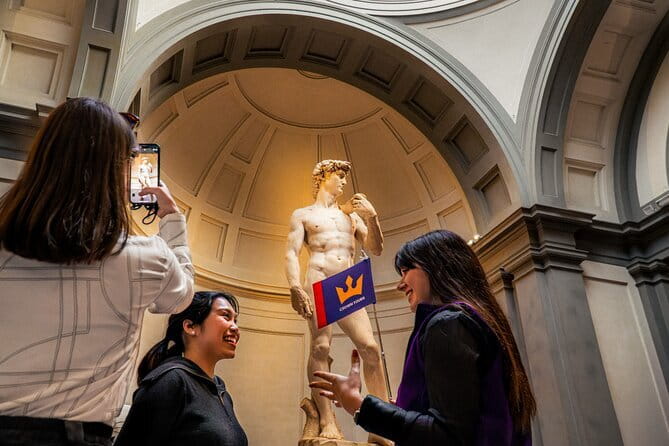
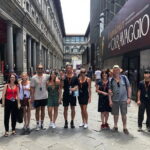
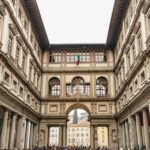
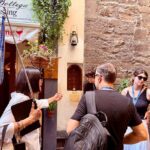
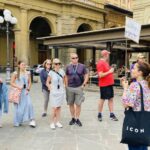
Your tour starts at Via Ricasoli 39. It’s a practical location because you’ll have an easier time syncing with transit and other sights in central Florence. Look for the Crown Tours flag and the team in purple attire. That’s not just for style—it matters when the front of the Accademia gets crowded and everyone looks like they’re headed to the same entrance.
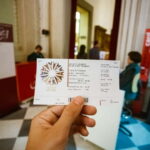
The timing here is the whole point. This is a one-hour guided experience (roughly), and it works because you begin with a smooth check-in and then move as a group. In other words, “skip the line” doesn’t mean no waiting ever—it usually means you’re placed better than people buying things on the spot, which can make a huge difference when Florence is at capacity.
If you’ve ever tried to meet a group outside a major museum in peak season, you already know the drill. I’d give yourself a little buffer so you’re not stressed at the exact moment you should be enjoying the art.
You can also read our reviews of more guided tours in Florence
- The Best tour in Florence: Renaissance & Medici Tales – guided by a STORYTELLER
★ 5.0 · 12,316 reviews
Priority Entrance into Accademia and Colosso Hall’s Big-Show Start
Once you’re in, the first trick is momentum. You head into the Accademia area with priority entrance, which sets the tone for the whole visit: fewer bottlenecks early, more time to actually take in what you’re seeing.
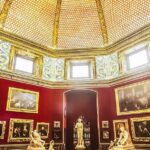
A standout early stop is Colosso Hall, named for its centerpiece: The Rape of the Sabines. This is a smart start because it reminds you that the Accademia isn’t just about one famous statue. The guide uses this moment to frame Florence’s art world—how artists built on earlier styles and how the city developed a visual language that later fed into the Renaissance giants.
What I like about starting here: it gives you a warm-up before you reach David. You see craftsmanship and drama first, so when you finally get to Michelangelo, your brain already has the right lens on.
Galleria dell’Accademia’s Musical Instruments: Medici-Era Sounds You Can’t Picture from Photos
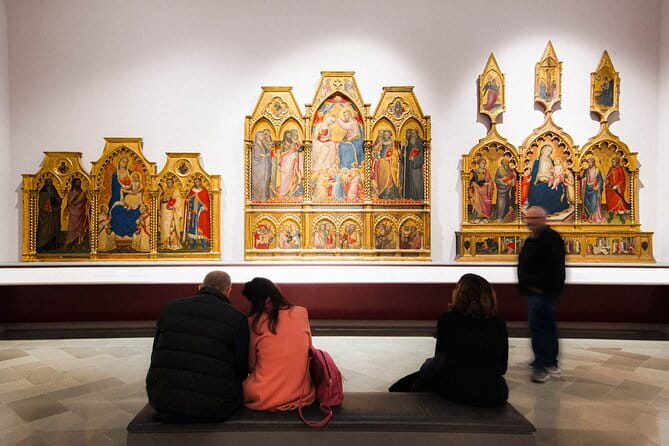
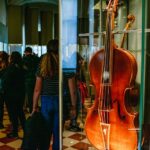
Next comes one of the more “wait, really?” parts of the Accademia visit: the Museum of Musical Instruments. You’ll spend time in the instrument gallery, where you can spot Medici-era violins and antique pianos, plus the big-name pull of Stradivari-style craftsmanship.
This stop is valuable because it adds a second angle to Renaissance culture: art wasn’t only visual. It was also performance, status, and education. A guide connects those dots in plain language—so you don’t just see objects, you understand why a patron like the Medici court would care so much about instruments.
A practical bonus: this is a calmer-feeling section than the areas directly tied to David. If you need a short mental break from crowds, this is usually where you’ll feel it most.
Michelangelo’s Prisoners: Why Unfinished Works Still Feel Intense
Then you hit the sculptures that most people rush past on their own: Michelangelo’s Prisoners. These figures can feel almost alive, like they’re straining against the stone. The guide’s job here is to make the meaning readable—especially the question of why these sculptures were left unfinished.
This is one of my favorite kinds of museum moments: when you get permission to ask a real question. Unfinished doesn’t mean careless. It can mean process. It can mean experimentation. And in Michelangelo’s case, the bodies, torsos, and gestures communicate effort in a way that finished surfaces sometimes hide.
If you’re the type who gets stuck staring at marble details, this is the stop that gives your staring a purpose. You’ll leave understanding what to look for next time you see unfinished work—or any sculpture that doesn’t look “complete” in the usual sense.
Facing David: The Details a Guide Helps You Catch
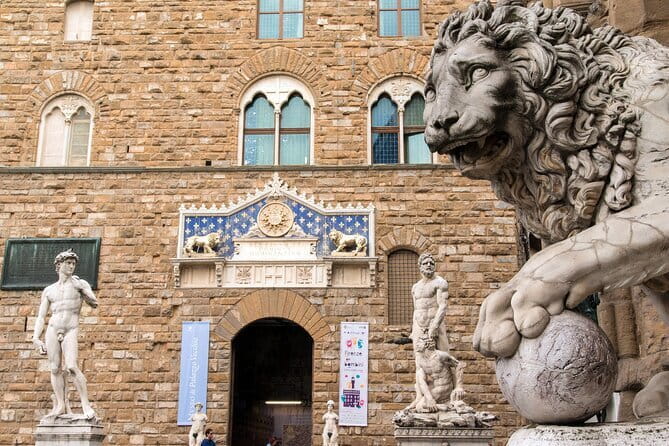
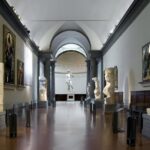
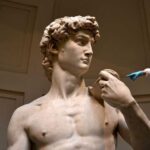
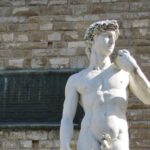
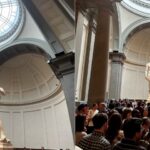
Finally: David di Michelangelo. Standing there is the obvious highlight, and yes—pictures still don’t prepare you for the scale and the intensity.
But what makes this tour worth it isn’t just that you get to see David. It’s the way the guide helps you decode the statue’s choices: the expression, the tension in the pose, the precision of muscle definition. When you’re standing in front of him, it’s easy to think you’re looking at one image.
Your guide helps you see it as a moment in time—like he’s mid-breath, mid-focus.
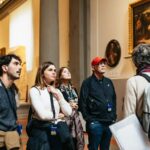
I also like that the group is small enough for the guide to keep things moving without turning David into a lecture you can’t enjoy. In smaller groups (I’ve seen groups of four or five mentioned), it’s easier to hear, easier to ask, and easier to take your time without losing everyone.
If your only goal is “see David,” you might feel tempted to just grab entry tickets and go. The difference with this tour is that you’ll know what you’re actually looking at when you’re in front of it.
You can also read our reviews of more tours and experiences in Florence
The Plaster Cast-Making Gallery: How Artists Trained Before They Carved Marble
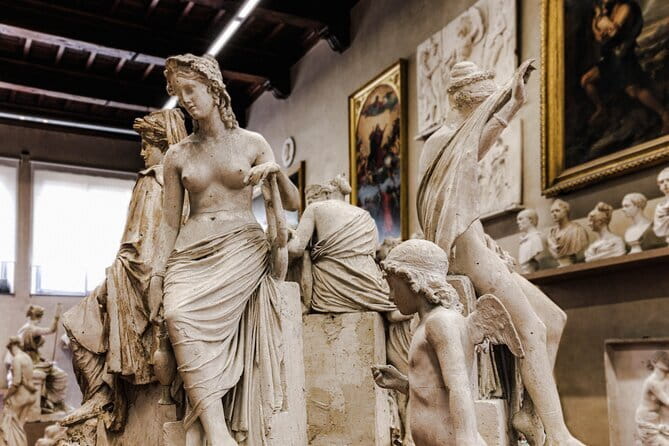
After David, you’re shown another angle on sculpting: the plaster cast world. This gallery focuses on how lifelike replicas were made and used over time, including the idea that artists refined their craft before committing to carving into marble.
This stop matters because it turns Michelangelo from a lone genius into a master of technique and training. You’ll get a clearer picture of how Renaissance artists studied form, tested proportions, and prepared for the “real thing.”
It’s also a quiet kind of rewarding. You’re not just looking at famous objects—you’re understanding how objects get made. That’s where the museum becomes more than sightseeing.
Renaissance and Baroque Paintings, Then Late Gothic Finish with Lorenzo Monaco
The last stretch broadens the lens again, moving from sculpture into paintings and transitions.
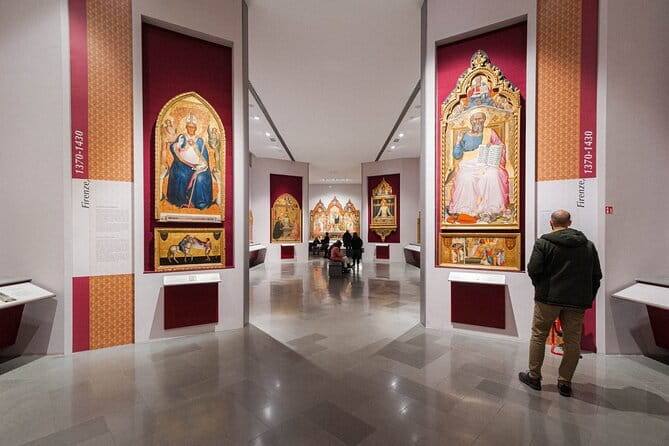
You’ll see works associated with Renaissance and Baroque masters, which helps you connect the themes and styles to Florence’s cultural heartbeat across time. Then the tour ends in the Late Gothic Hall, including works by Lorenzo Monaco. That finale is a smart transition because it shows a shift—how medieval art sensibilities moved toward Renaissance clarity and color.
You end with a sense of continuity rather than a single “highlight day.” Even if you came for one statue, you leave with a stronger understanding of the artistic pathway that brought Florence to Michelangelo’s world.
Price and Value: Why This Often Beats a Ticket-Only Strategy
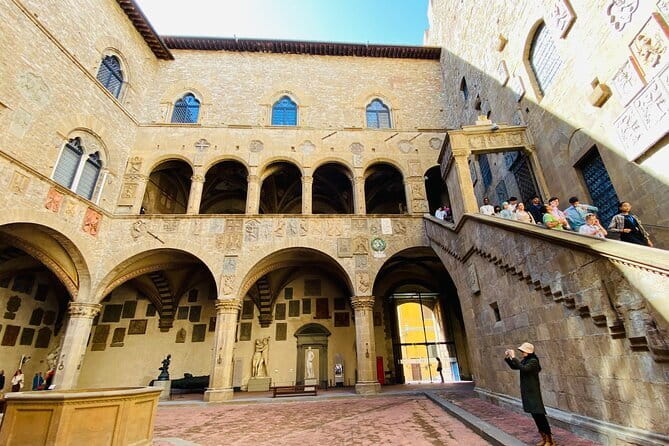
At $32.44 per person for about 1 hour and English guidance, the price is less about luxury and more about time. You’re paying to replace slow, uncertain museum navigation with an organized path and interpretation.
Here’s where it can feel like good value:
- Priority entrance can cut the waiting pain that makes major sites miserable.
- Admission is included, so you’re not constantly budgeting for separate ticket hurdles.
- The guide adds meaning at the stops that matter most (David, Prisoners, and the instrument and craft sections).
- The downloadable audio option gives you a safety net if you want to slow down in one area.
If you’re traveling solo or with someone who wants facts quickly, you’ll feel the value immediately. If you’re the type who enjoys museums on your own at your own pace, you can still enjoy Accademia independently—but you’ll likely miss the “why this matters” connections that make a guided visit feel like more than just standing in line with a headset.
Group Size and Pacing: What “Up to 19” Changes for You
This tour caps at 19 travelers, and that small-group cap shows up in how the tour feels. You’re not shoved into a long human chain. You can generally hear the guide better, and you get to actually see details instead of only glimpsing them between shoulders.
From the feedback pattern, the best moments tend to happen when groups are on the smaller side. I’ve seen comments about groups around five people, which naturally improves the experience. Even if you end up in a fuller group, the short duration keeps the schedule tight and predictable.
Also, the itinerary is arranged so you’re not bouncing randomly around the building. You move logically through halls that support each other: context first, then David, then technique, then paintings for closure.
Practical Tips to Make This Go Smoothly
I’d plan for three things:
- Arrive early enough to find the group fast. Look for the Crown Tours flag and purple outfits at Via Ricasoli 39. In crowded conditions, that matters.
- Use the audio guide as a supplement, not a replacement. The best parts are when you’re standing in front of the work and the guide is pointing out what to notice.
- Decide how you want to experience David. If you love detail, pause where the guide tells you to look; if you love the overall impact, let your eyes go wide for a few seconds before you focus on faces and hands.
Should You Book This Accademia Guided Tour?
I’d book it if you want David plus context, without turning your trip into a fight with museum lines. This is a strong choice when you value interpretation—especially if you care about Michelangelo’s creative process, not just the finished masterpiece.
Skip it only if you’re perfectly happy with a self-guided visit and you’re willing to lose the guided clarity at the most important stops. If you do go independent, you’ll still see the art—but you’ll miss the connections that make this museum feel bigger than one statue.
One more note: the tour is run by Crown Tours, and the best experiences come from showing up on time and finding the group quickly at Via Ricasoli 39. If Florence is throwing heavy crowds your way, arriving early is your simplest insurance policy.
FAQ
Where does the tour start?
The meeting point is Via Ricasoli 39, 50122 Firenze FI, Italy. The tour ends back at the meeting point.
How long is the tour?
It’s about 1 hour (approx.).
Is the tour offered in English?
Yes, this experience is offered in English.
What’s included with the ticket price?
Your ticket includes admission (with priority entrance) and a guided tour through the Accademia highlights. There’s also mention of a downloadable audio guide.
How big is the group?
The tour has a maximum of 19 travelers.
When should I book?
On average, this is booked about 30 days in advance.
You Might Also Enjoy

More Guided Tours in Florence
- The Best tour in Florence: Renaissance & Medici Tales – guided by a STORYTELLER
★ 5.0 · 12,316 reviews
More Tours in Florence
- The Best tour in Florence: Renaissance & Medici Tales – guided by a STORYTELLER
★ 5.0 · 12,316 reviews




More Tour Reviews in Florence
- Tuscany Day Trip from Florence: Siena, San Gimignano, Pisa and Lunch at a Winery
★ 5.0 · 21,634 reviews - The Best tour in Florence: Renaissance & Medici Tales – guided by a STORYTELLER
★ 5.0 · 12,316 reviews