REVIEW · FLORENCE
Santa Croce Church Guided Tour in Florence
Book on GetYourGuide →Operated by StarEurope Tours · Bookable on GetYourGuide
Giotto hits different in Santa Croce. I love how the guide makes the big paintings feel readable fast, especially the Giotto frescoes in the Bardi and Peruzzi Chapels and the way you get a close-up explanation of Donatello’s crucifix. For a one-hour visit, it’s a smart way to see what usually takes people much longer to piece together.
One catch: the dress code is strict, and you can be refused entry if you show up with uncovered knees or shoulders. Add the fact that you need to be on time (no late joining), and this is a tour that rewards good planning more than casual wandering.
In This Review
- Key highlights worth planning around
- From Dante’s Statue to Santa Croce Square: getting your bearings quickly
- Santa Croce Basilica: where the art story stays in order
- Donatello’s crucifix and Franciscan details you might miss
- Dante and Niccolini: literature in stone and public space
- Cappella de’ Pazzi: Brunelleschi’s balance you can feel
- The cemetery and the restoration story: why conservation matters
- Bell Tower, Crypt, and the full spread of chapels
- Price and value: what you actually pay for at $69
- Wine tasting upgrade at Vino Tasting Global Srl: a Tuscan add-on that fits
- The guide quality is the swing factor (and it varies)
- Who this tour suits best
- Should you book the Santa Croce Church guided tour?
- FAQ
- How long is the Santa Croce Church guided tour?
- Where do I meet for the tour?
- What is included in the price?
- What languages are available for the live tour guide?
- Is the tour wheelchair accessible?
- What dress code do I need to follow?
- Does the tour run in bad weather?
- What is the cancellation policy?
Key highlights worth planning around
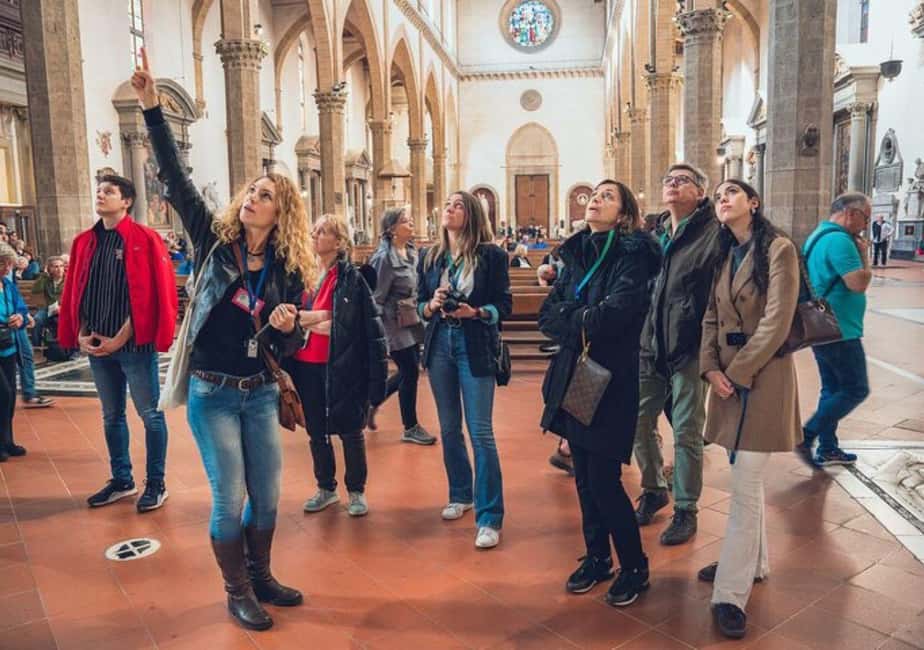
- Giotto’s St. Francis and St. John scenes in the Bardi and Peruzzi Chapels, explained so you can actually follow the storytelling
- Donatello’s jewel-like crucifix, with context that makes it more than just a famous name
- Dante Alighieri’s monument, plus the Florence-literature-to-public-life vibe starts right at your meeting spot
- Cappella Maggiore frescoes by Gaddi and the Basilica’s Renaissance art flow from start to finish
- Flood-damaged cemetery paintings, restored, where you can see conservation work up close
- Optional Tuscan wine tasting with appetizers after the church visit, led by a wine expert
From Dante’s Statue to Santa Croce Square: getting your bearings quickly
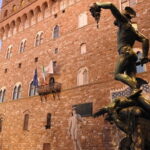
Your tour starts in Piazza della Santa Croce, right by the monument to Dante Alighieri. It’s a useful choice because Dante is already a big theme in this area, so your walk into the Basilica doesn’t feel random. (Also, if you’re visiting in June, the square is known for the Calcio Storico spectacle—so the place clearly knows how to put on a show.)
Before you step inside, you’ll also pass the memorial connected to Niccolini, described in the tour as a forerunner of the Statue of Liberty. It’s the kind of detail that makes Santa Croce feel like a living civic stage, not a museum that only operates behind glass.
Practical tip: wear comfortable shoes and arrive early. This tour begins on time, and arriving late means you won’t be able to join and won’t get your money back.
You can also read our reviews of more guided tours in Florence
- The Best tour in Florence: Renaissance & Medici Tales – guided by a STORYTELLER
★ 5.0 · 12,316 reviews
Santa Croce Basilica: where the art story stays in order
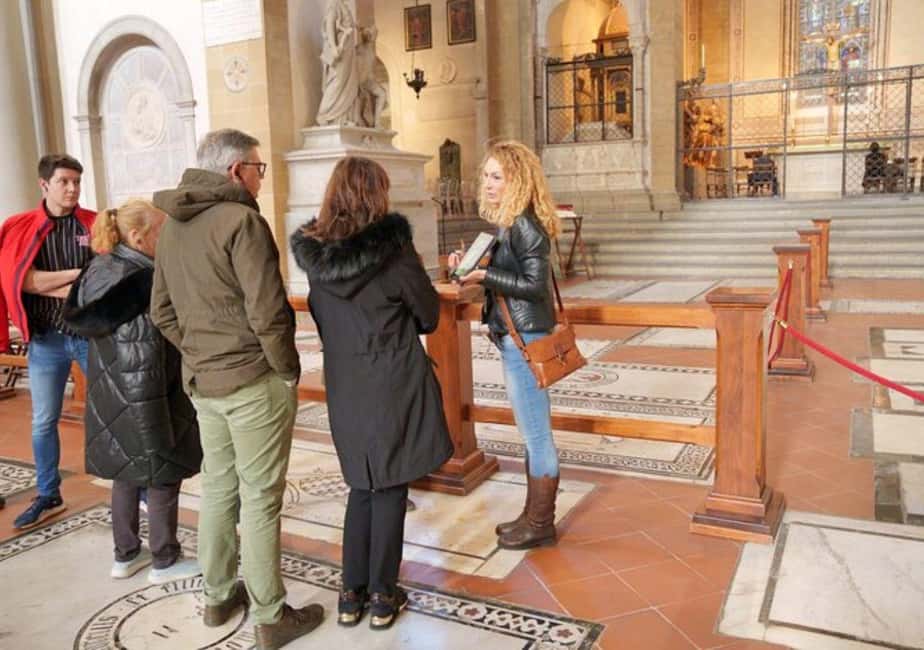
Inside the Basilica of Santa Croce, the guiding approach matters. This isn’t just a look-and-go checklist. The experience is built around following visual threads, so you leave with a clearer map of what you saw and why it matters.
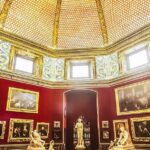
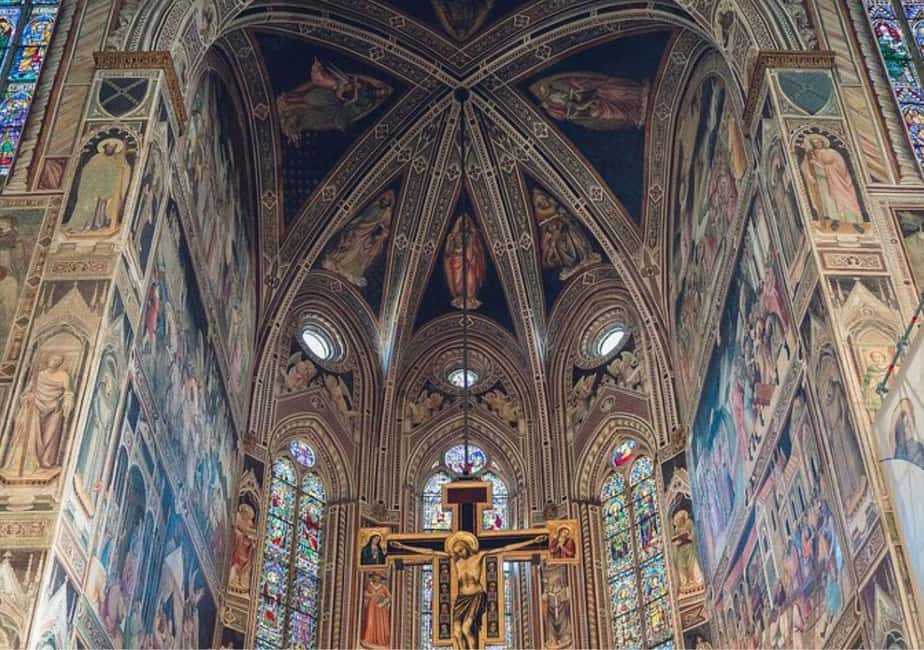
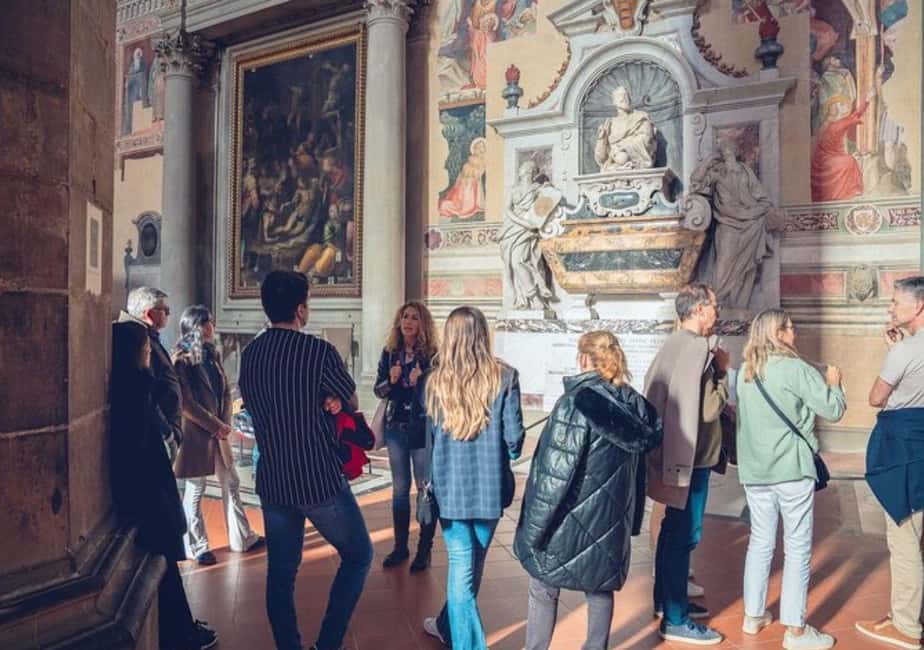
In the Cappella Maggiore, you’ll see frescoes attributed to Gaddi, with scenes that tell the story of Santa Croce itself. These are big, narrative-style images, and a good guide will help you spot what to look for first—figures, gestures, and the emotional tone of the story.
Then the tour shifts into the Bardi and Peruzzi Chapels, where Giotto provides those famous scenes from the lives of St. Francis and St. John. This is one of the stops where you’ll feel the value of the guided format. Giotto can look “obvious” only after someone points out how the images are built to communicate movement and meaning, not just decoration. You also get to see the chapels as part of a larger walk, instead of as isolated rooms you rush through.
If you like religious art but hate getting lost in it, this portion is a strong match. You come in with questions, and the guide turns the chapel walls into something you can follow.
Donatello’s crucifix and Franciscan details you might miss
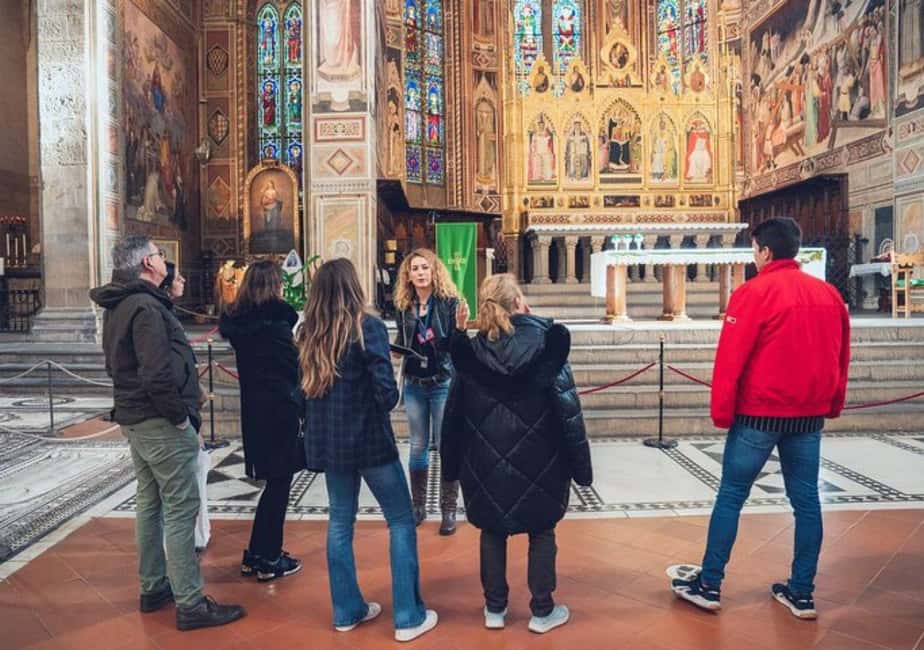
Donatello’s presence in Santa Croce isn’t just about fame; it’s about craft. During the walk, you’ll learn about Donatello’s jewel-like crucifix, and the tour frames it in a way that makes you slow down. The goal is to help you see how Renaissance artists used form and finish to intensify emotion in sacred objects.
And there’s more than just the main artworks. One booking highlighted that the Sacristy includes small, significant devotional items—a fragment connected to the Cross of Jesus, an involved relic described as an espina of his Crown, and a habit of San Francisco. Whether you see these points depends on what’s accessible during your visit, but it’s exactly the kind of detail that can turn a famous church into something personal and surprising.
Even if you’re not a “relic person,” I think you’ll appreciate the reminder that this wasn’t built only for tourists. It functioned as a working religious space with objects that mattered to real people.
Dante and Niccolini: literature in stone and public space
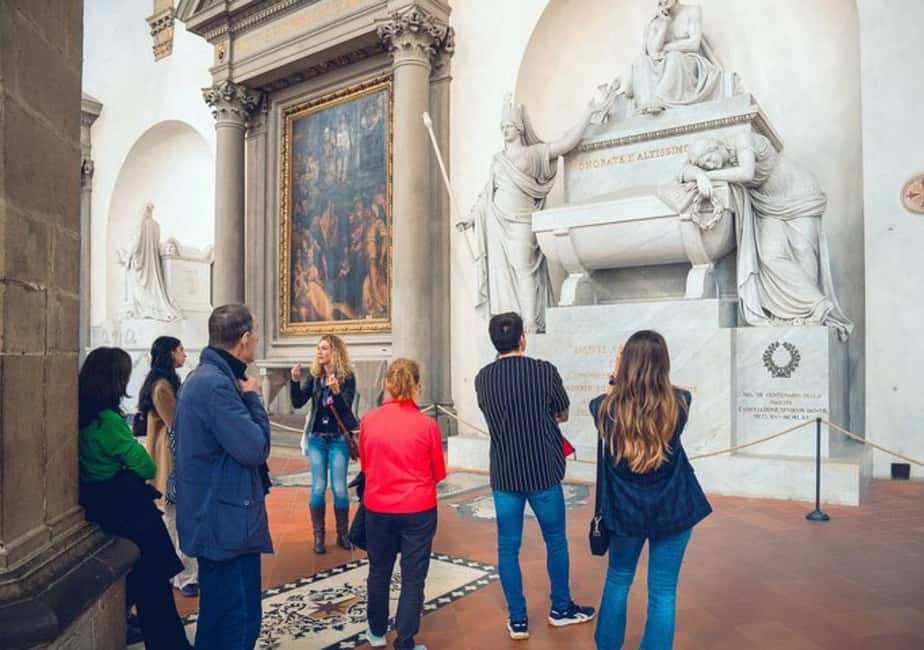
You’re already outside by Dante’s monument at the start, and inside you’ll be guided toward the monument dedicated to Dante Alighieri, author of the Divine Comedy. That framing does something I like: it connects literary history to physical space.
Florence has a habit of keeping its intellectuals close. Dante isn’t parked in a textbook. He’s anchored in a civic landscape you can walk to, stand near, and then move into the church that holds memorials of major figures. That helps you understand why Santa Croce gets called a place of “Italian glories.”
The Niccolini memorial point also supports this idea. You’re learning how writers and public figures influenced how Florence imagined its identity. For first-time visitors, this is a fast way to connect the dots between art, ideas, and power.
Cappella de’ Pazzi: Brunelleschi’s balance you can feel
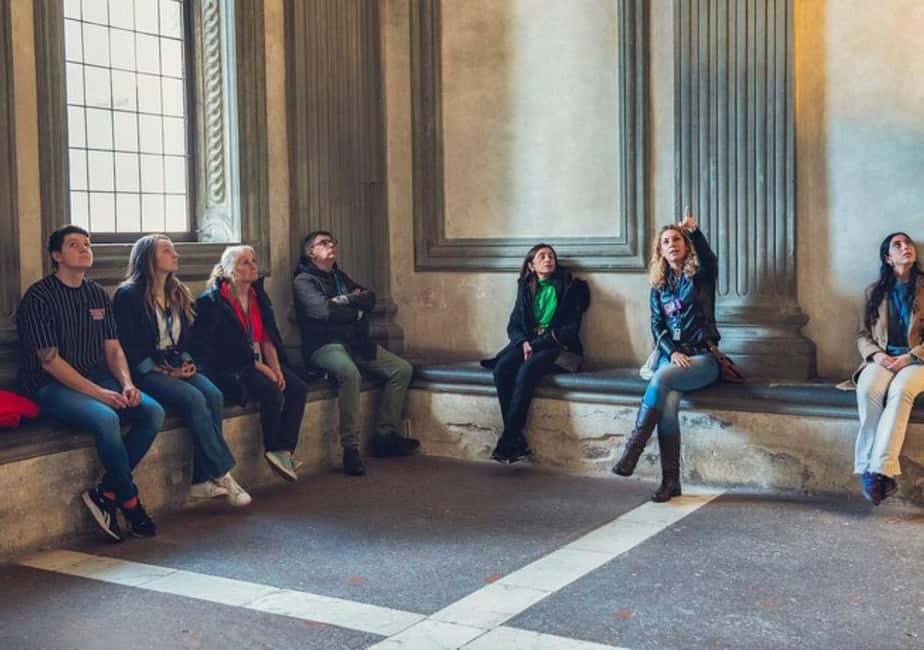
At some point during the route, you’ll reach the Cappella de’ Pazzi, credited with architectural perfection associated with Brunelleschi. This stop is especially good if you’re the type who thinks, I like paintings, but I don’t know what to do with architecture.
The guide’s job here is to help you notice the structure—how proportions and geometry create a sense of calm. You’re not meant to stare at it like a homework assignment. You’re meant to walk in, look around, and feel that the room is built to guide your eye.
If you’ve been rushing through Florence galleries all day, this chapel can work like a reset button.
- The Best tour in Florence: Renaissance & Medici Tales – guided by a STORYTELLER
★ 5.0 · 12,316 reviews




The cemetery and the restoration story: why conservation matters
Santa Croce isn’t only about art on walls. You’ll also see the monumental cemetery, where restoration after flood damage has brought paintings back to life. This matters because it shows the church as an ongoing project, not a frozen “before and after.”
In practical terms, it also gives your eyes a break. You’re not trapped in chapel corridors staring at masterpieces nonstop. The cemetery section adds scale and context. It turns the experience from sightseeing into understanding how institutions protect cultural memory over time.
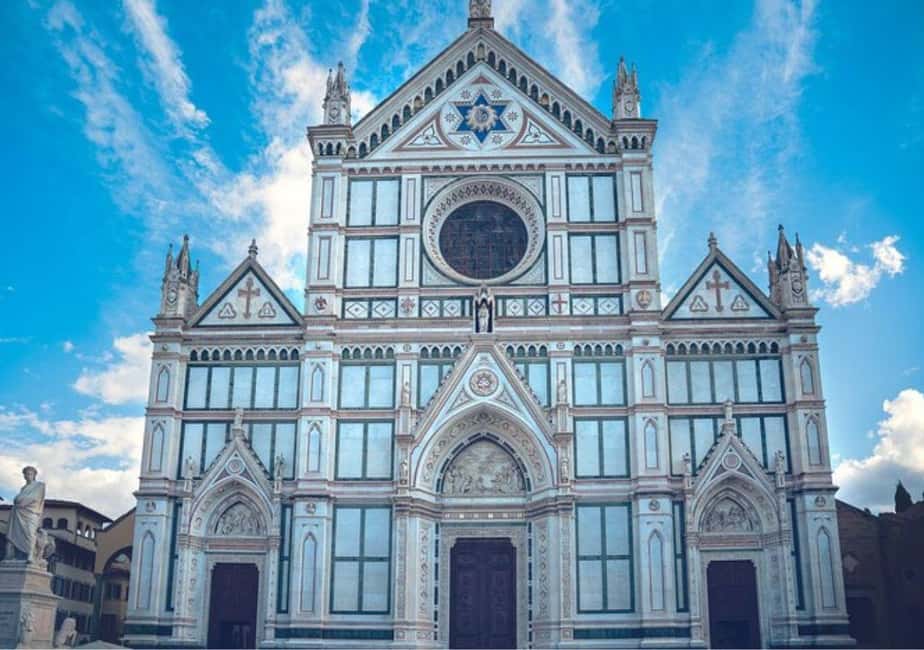
You’ll also spend time looking at the exterior’s polychrome marble façade outside before continuing the route. That exterior view helps you remember the building isn’t just a container; it’s part of the visual language of Florence.
Bell Tower, Crypt, and the full spread of chapels
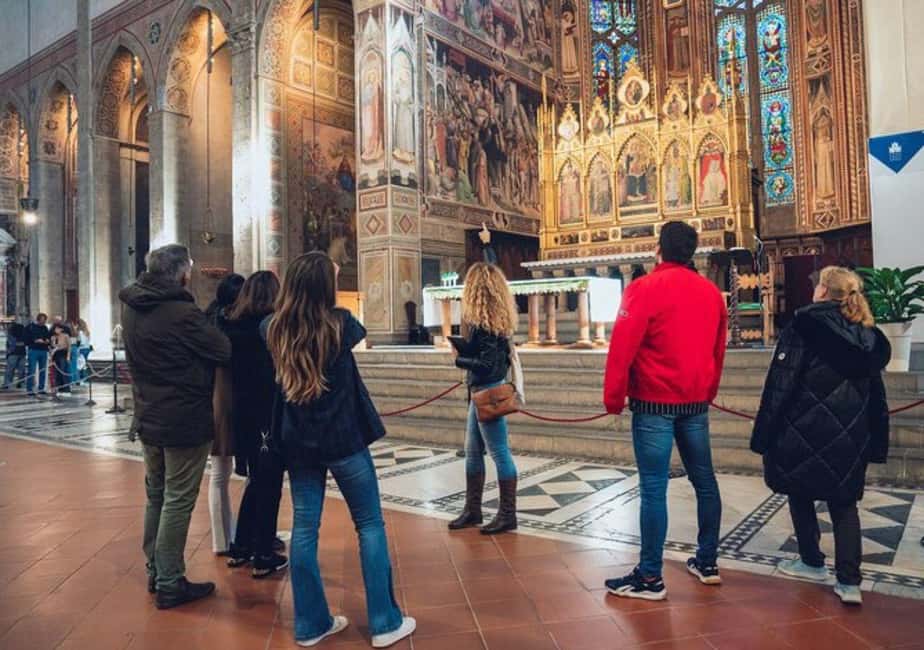
As the tour wraps, you’ll head to the Bell Tower, the Crypt, and you’ll visit all 16 chapels as part of the route. The duration is about one hour for the church experience, so this part moves efficiently.
Here’s what to expect: you’ll see a lot of spaces, and the guide’s role is to keep you oriented. If you go in expecting every room to be a slow masterpiece moment, you may feel the pace. But if you go in ready to learn what each space represents, it works. Think of it like getting the quick, structured “why” behind the “what.”
One practical advantage of the official setup: you’ll have a radio system so you can hear the guide. In a church this busy, that’s huge. You don’t want to strain to catch a key explanation.
Price and value: what you actually pay for at $69
At $69 per person for a one-hour guided church visit, the value isn’t just “someone talks to you.” You’re paying for three concrete things that add up in Florence:
First, you get an official certified guide. The guide is the difference between walking past famous names and understanding what you’re looking at—especially around stops like Giotto, Donatello, and the chapel narratives.
Second, you get entrance tickets and reservations handled with the group. In a city full of lines and timed entries, that matters.
Third, the radio system prevents the classic waste: paying to learn but spending half your attention trying to hear over other visitors.
If your time in Florence is limited, or you want a structured introduction to Santa Croce, this price makes sense. If you already know the church well and prefer quiet solo time, you might feel the tour is too structured. But for most first-timers, it’s a clean way to get a high return on a short slot.
Wine tasting upgrade at Vino Tasting Global Srl: a Tuscan add-on that fits
There’s an optional upgrade: wine tasting with appetizers after the church. If you choose it, you’ll join a wine expert and taste different Tuscan wines while enjoying a platter of Tuscan appetizers.
This works well because it keeps the day cohesive. You’re still in the Santa Croce area and you’re not forced to make a whole second plan elsewhere. The upgrade also gives you a slower, social break after the art rush.
Timing-wise, the added wine tasting experience runs longer—about 1.5 hours for the tasting portion. If you’re hungry, it can turn your Santa Croce stop into a fuller half-morning or afternoon block.
The guide quality is the swing factor (and it varies)
One reason the tour can feel great is the person leading it. Recent feedback praised guides like Cinthia, described as excellent and very friendly, and Ilaria, praised for being patient and answering questions with strong English.
That’s encouraging, but it also points to a reality: group tours live and die on the guide. If you want more of the “teach me how to look” experience, show up ready with questions. And if you’ve got a tight itinerary, plan to be there early so you’re not dealing with last-minute stress.
Who this tour suits best
I’d book this Santa Croce guided experience if you:
- Want a high-impact introduction to Renaissance art in a short time
- Like when someone explains the story behind the images, not just names and dates
- Prefer guided pacing across many chapels instead of picking a couple and missing the rest
- Want the option to tack on Tuscan wine tasting with appetizers afterward
I’d think twice if you:
- Want a totally quiet, self-directed church visit
- Are likely to struggle with strict dress rules
- Hate scheduled starts and tight timing
Should you book the Santa Croce Church guided tour?
Yes, if you’re going to Santa Croce anyway and you want a fast, structured understanding of the key artworks. The combination of Giotto, Donatello, and the Dante connection gives you more than a generic “Famous church” experience. The radio system and official guide are practical boosts that make the tour feel worth the time.
Book it with a few precautions: dress correctly (shoulders and knees covered), arrive early at the statue meeting point, and be ready for the pace because the route covers a lot in about an hour. If you’re the type who enjoys revisiting highlights afterward, you’ll likely appreciate the option to go back and look again once you have the bigger picture.
If you want to make the most of it, consider the wine tasting upgrade. It turns the visit from a cultural checklist into a more complete Tuscany moment.
FAQ
How long is the Santa Croce Church guided tour?
The church portion is about 1 hour. If you add the wine tasting option, the tasting experience runs about 1.5 hours.
Where do I meet for the tour?
Meet next to the Statue of Dante Alighieri in Piazza della Santa Croce, 1 Firenze. Plan to arrive 15 minutes early.
What is included in the price?
You get an official certified guide, a radio system to hear the guide, and entrance tickets with reservations. If you select the wine option, wine tasting and appetizers are included.
What languages are available for the live tour guide?
Tours are available in French, Italian, English, German, and Spanish.
Is the tour wheelchair accessible?
Yes. The tour is wheelchair accessible, and it is also listed as wheelchair and stroller accessible.
What dress code do I need to follow?
No shorts or sleeveless shirts. Knees and shoulders must be covered for both men and women. You can be refused entry if you don’t meet the dress requirements.
Does the tour run in bad weather?
Yes, it operates in all weather conditions. Dress appropriately for the conditions.
What is the cancellation policy?
Free cancellation is available up to 24 hours in advance for a full refund.
You Might Also Enjoy

More Guided Tours in Florence
- The Best tour in Florence: Renaissance & Medici Tales – guided by a STORYTELLER
★ 5.0 · 12,316 reviews
More Tours in Florence
- The Best tour in Florence: Renaissance & Medici Tales – guided by a STORYTELLER
★ 5.0 · 12,316 reviews


More Tour Reviews in Florence
- Tuscany Day Trip from Florence: Siena, San Gimignano, Pisa and Lunch at a Winery
★ 5.0 · 21,634 reviews - The Best tour in Florence: Renaissance & Medici Tales – guided by a STORYTELLER
★ 5.0 · 12,316 reviews