REVIEW · FLORENCE
Pitti Palace, Palatina Gallery and the Medici: Arts and Power in Florence.
Book on Viator →Operated by FlorencePass · Bookable on Viator
Florence can feel like an art marathon. This tour gives you a tight route through Pitti Palace and the Palatine Gallery, with Medici history threaded into the paintings.
I love the way the rooms are organized by style and beauty, not a textbook timeline. I also love the guide format: a licensed English speaker, small group size, and earsets (so you can actually hear the story).
One thing to consider: this visit is focused on the gallery experience. If you’re hoping for a full walk through the Boboli Gardens, plan for that separately since the views come from inside the palace.
In This Review
- Key things to know before you go
- Why Pitti Palace Feels Like Medici Power in Stone
- Value and Price: What $82.27 Really Covers
- Timed Entry and Earsets: Comfort in a Big Palace
- Piazza Pitti: Quick Context Before You Enter
- Palazzo Pitti: The Building That Made the Medici Look Untouchable
- Palatine Gallery Layout: Art Without the Usual Chronology Trap
- Masterpieces You’ll See (and Why the Guide’s Stories Matter)
- How the Medici Thread Gets Built Into the Rooms
- Views From the Palace: Florence Through Palace Windows
- Small Group Size: Why 14 People Makes a Real Difference
- What I’d Watch Out For (So You Don’t Leave Slightly Disappointed)
- Who This Tour Suits Best
- Should You Book This Pitti Palace and Palatine Gallery Tour?
- FAQ
- How long is the tour?
- What group size is this tour?
- Is the tour offered in English?
- Where does the tour start and end?
- What’s included in the tour price?
- Do I need to bring a passport or ID?
- What art styles and artists will I see?
- Does the tour include a visit to Boboli Gardens?
Key things to know before you go
- Small group (max 14) keeps the experience from turning into shoulder-to-shoulder viewing
- Timed entry helps you bypass long lines at the main entrance
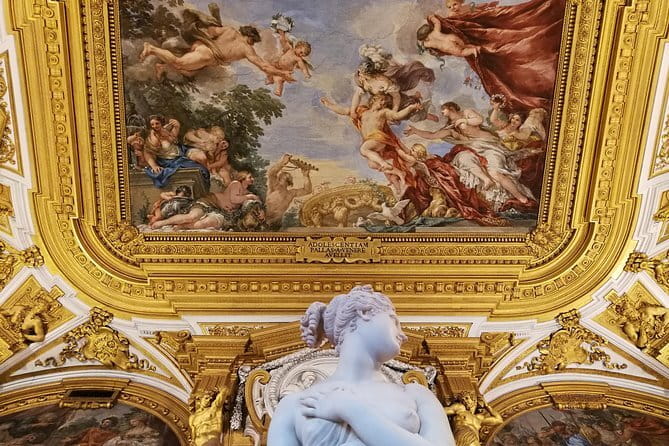
- Palatine Gallery is arranged for aesthetics, so you’ll move room to room on visual impact
- Medici art highlights include Raphael, Caravaggio, Titian, Pietro da Cortona, and Rubens
- Headsets for groups of 4+ make the guide’s commentary easy to follow
- Windows frame Florence with views toward Santo Spirito and the Boboli Gardens
Why Pitti Palace Feels Like Medici Power in Stone
Pitti Palace is where Florence’s wealth looks less like a rumor and more like a physical thing. From the outside it’s grand and a little severe, but inside you get that Medici-era sense of control—space, money, taste, and politics all in the same rooms.
I like that the tour treats the palace as more than a backdrop. You’re shown how the Medici turned a massive Renaissance building into a stage for art and authority, then watched their power fade by the 18th century.
You can also read our reviews of more museum experiences in Florence


Value and Price: What $82.27 Really Covers
At $82.27 per person, you’re paying for more than entry. Your ticket comes with timed access and a licensed English-speaking guide, plus small-group control and earsets when the group is larger.
It also helps to think about the headline ticket cost. Palazzo Pitti’s admission is listed at €19, so your paid amount is basically the public entry plus the experience layer: curated routing, interpretation, and a smoother arrival thanks to the timed window.
If you’re the type who likes to get your bearings fast—without sorting through hundreds of paintings on your own—this price usually makes sense. If you mainly want to wander casually with minimal guidance, you might decide differently.
Timed Entry and Earsets: Comfort in a Big Palace
You start outside at Piazza de’ Pitti, 1. Then the goal is simple: get in at your scheduled time and skip the main line pressure. That’s huge in Florence, where timing can decide whether a museum day feels calm or chaotic.
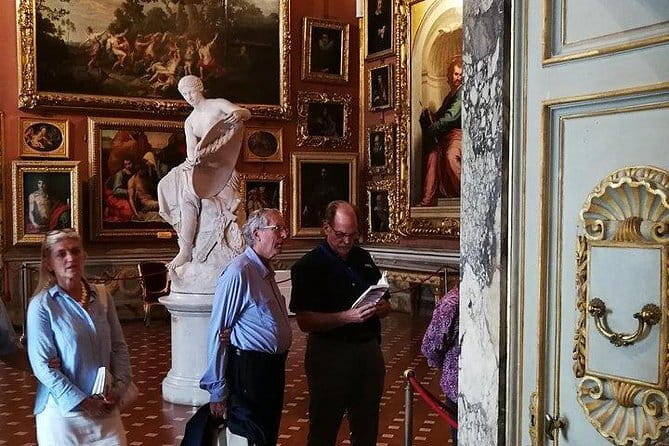
Once inside, earsets kick in for groups of 4+ participants. That matters more than people think—Palatine Gallery rooms can be echo-y, and you don’t want to miss the guide’s explanations of technique and symbolism.
Piazza Pitti: Quick Context Before You Enter

The tour begins with a short stop in front of the palace at Piazza Pitti. Even in those first minutes, you’re given a framework for what you’re about to see, instead of walking into a gorgeous mess.
This is also where you get the sense of scale. Pitti isn’t a tidy, one-corridor museum. It’s a major palace complex, so those early orientation notes pay off later when your route feels logical.
Palazzo Pitti: The Building That Made the Medici Look Untouchable
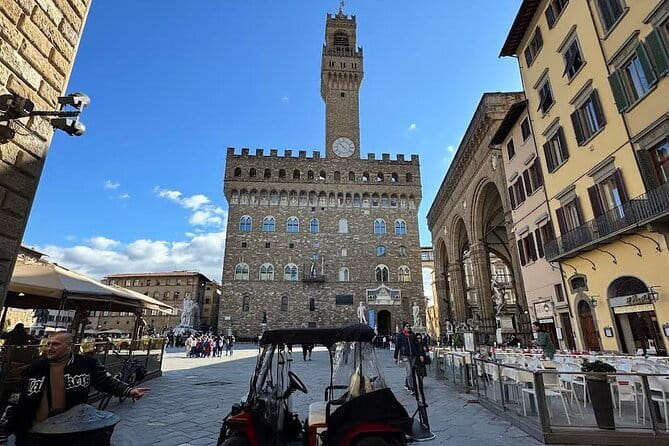
Inside, you get a focused overview of the palace and what made it such a statement for its owners. The Medici took control in the 16th century, turning Pitti into their power center, and they held it until their decline in the 18th century.
I like that the tour doesn’t treat the palace as a random collection of rooms. You’re nudged to connect architecture and politics: why such a place was worth building and why art mattered to people trying to manage reputation.
A practical note: the palace is big. Your guided time here is short (about 15 minutes at this first stage), so it works best when you’re ready to move with the group and trust the flow.
- The Best tour in Florence: Renaissance & Medici Tales – guided by a STORYTELLER
★ 5.0 · 12,316 reviews




Palatine Gallery Layout: Art Without the Usual Chronology Trap
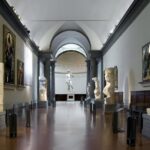
The real heart of the tour is the Palatine Gallery. You’ll spend about 1 hour 30 minutes there with your English-speaking certified guide.
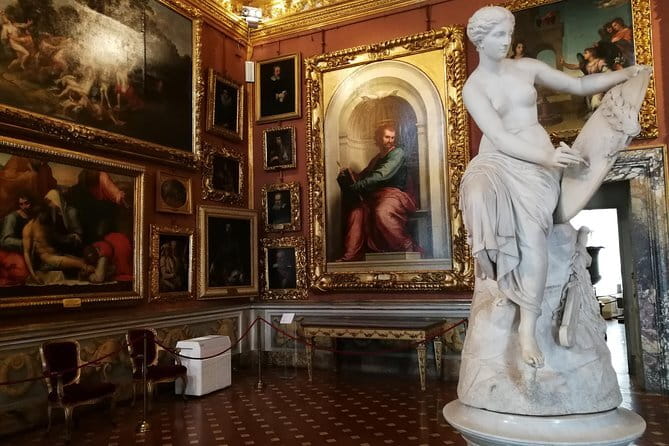
Here’s the approach that makes this special: the gallery is arranged for visual and aesthetic value, not strict chronological order. That means you’re not forced to march through history like a lecture. Instead, you’ll see how tastes, themes, and styles shaped what the Medici wanted to surround themselves with.
For many visitors, this is a relief. The Uffizi can be a timeline overload. Pitti’s Palatine Gallery feels more like stepping into curated taste—some rooms are intense, some calmer, and the guide helps you notice what you’d likely miss alone.
Masterpieces You’ll See (and Why the Guide’s Stories Matter)
The highlight isn’t just the big-name artists. It’s how the guide connects a painting’s subject to the Medici world—what it meant, how it was made, and why it fit the palace’s image.
You’ll encounter major names including:
- Raphael: admired for balance and clarity, often used to project cultivated authority
- Caravaggio: dramatic light and hard emotional impact that grabs you in person
- Titian: rich color and painterly power that changes how you see skin, fabric, and mood
- Pietro da Cortona: dynamic compositions that fit the palace’s theatrical vibe
- Rubens: energy, scale, and crowd-pleasing storytelling through paint
One reason this tour gets high praise is the way the guide talks about technique and meaning, not just who painted what. In some cases, guides described as working in restoration share extra detail about color, surface, and craftsmanship, which makes the paintings feel less like icons and more like objects you can almost study up close.
How the Medici Thread Gets Built Into the Rooms
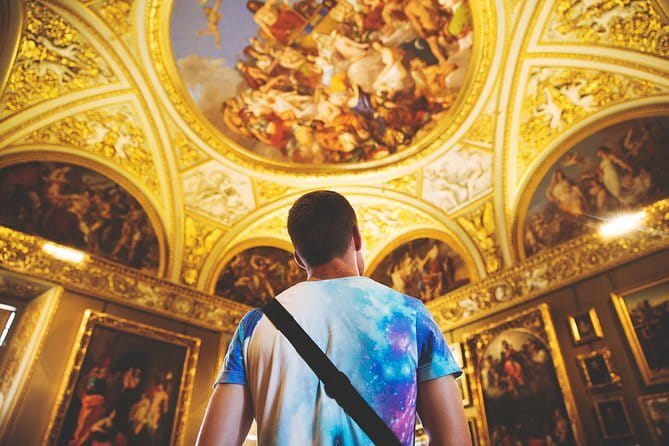
The title promises Medici history, and the tour mostly delivers that through art ownership and palace use. You’ll hear how the Medici turned the building into their residence and power base, and you’ll also learn about their eventual fall from political dominance.
A fair balance point: some visitors want more about daily life, original furnishings, and the feeling of the court. The tour is focused on what you can see now—art works placed in the apartments—so you may not get the full story you’re imagining about how the Medici rooms looked when they were lived in.
If your top priority is Medici politics and family drama, plan to use the guide’s art connections as your main entry point. If your priority is masterpieces and interpretation, you’re in the right place.
Views From the Palace: Florence Through Palace Windows
You’re not trapped indoors all the time. From the windows, the tour includes views toward Brunelleschi’s Santo Spirito Basilica and the Boboli Gardens.
This helps break up museum fatigue. It also gives you a sense of geography—Florence’s “layers” become visible, with church domes and garden terraces sitting in the background of Medici-era power.
Just remember: you’re viewing these spaces from inside. The garden portion isn’t the focus of this specific tour.
Small Group Size: Why 14 People Makes a Real Difference
Max 14 participants is a big deal here. With a palace this full and a gallery this dense, smaller groups mean you can actually see what the guide points out instead of drifting two rooms behind.
That also explains the consistent praise about hearing the guide clearly. Earsets help, but so does pacing. A good guide slows down when you need time to look, and moves on before you get bored.
If you’re visiting during peak season, this is the difference between an art experience and an art blur.
What I’d Watch Out For (So You Don’t Leave Slightly Disappointed)
Even when the tour is well-run, it’s still a museum tour inside an enormous palace. That means there’s a lot to look at, and the guide has to pick a path through it all.
Some people find the commentary very detailed and prefer faster pacing. If you’re more of a skim-and-savor visitor, you might find the deep explanations a bit long, especially when the guide spends extra time walking through specifics of individual paintings.
Also, the tour is about the gallery. If you want to also do gardens, don’t assume it’s automatically included. You’ll see Boboli from the palace, but you’ll need a separate plan to walk the gardens fully.
Who This Tour Suits Best
This tour is a great fit if you want:
- Top-tier Renaissance and Baroque works (Raphael, Caravaggio, Titian, and more) explained in context
- A smaller group experience that keeps you focused
- A guide who can answer questions and talk about both art and Medici politics
It’s also a strong choice if you feel overwhelmed by Florence’s big museums. Pitti’s Palatine Gallery is dense, but the structure and guidance keep it manageable.
If you’re traveling with kids, the tour allows children age 6+, as long as they’re with an adult.
Should You Book This Pitti Palace and Palatine Gallery Tour?
I’d book it if you want a guided route through one of Florence’s most impressive art rooms, without spending your whole day lost in a pile of paintings. The timed entry, small group size, earsets, and Medici-focused storytelling create real value—especially when you care about both masterpiece viewing and meaning.
I’d think twice if your main goal is a full Medici lifestyle experience with tons of original furnishings, or if you’re expecting Boboli Gardens included. This is about palace art, palace power, and the gallery experience first.
If that matches your style—go for it.
FAQ
How long is the tour?
It runs about 2 hours total, with around 1 hour 30 minutes spent in the Palatine Gallery.
What group size is this tour?
It’s a small-group experience with a maximum of 14 participants.
Is the tour offered in English?
Yes, it’s offered in English.
Where does the tour start and end?
It starts at Palazzo Pitti, Piazza de’ Pitti, 1, 50125 Firenze FI, Italy. It ends back at the same meeting point.
What’s included in the tour price?
Included are an experienced licensed English-speaking guide, a timed entry ticket for Pitti Palace and Palatine Gallery, small-group access, and earsets for groups of 4+.
Do I need to bring a passport or ID?
Yes. Each traveler must present a valid passport or ID document that matches the name provided at booking for entry to Palazzo Pitti and the Palatine Gallery.
What art styles and artists will I see?
You’ll see works by artists such as Raphael, Caravaggio, Titian, Pietro da Cortona, and Rubens.
Does the tour include a visit to Boboli Gardens?
This tour includes views toward Boboli Gardens from the palace windows, but the gardens themselves are not listed as part of the included experience.
You Might Also Enjoy



More Museum Experiences in Florence
More Tour Reviews in Florence
- Tuscany Day Trip from Florence: Siena, San Gimignano, Pisa and Lunch at a Winery
★ 5.0 · 21,634 reviews - The Best tour in Florence: Renaissance & Medici Tales – guided by a STORYTELLER
★ 5.0 · 12,316 reviews