REVIEW · FLORENCE
Journey through Italian Cheese
Book on Viator →Operated by Tuscany in a Bottle · Bookable on Viator
Cheese and wine lessons beat aimless tastings. This Florence session is based in Formaggioteca Terroir, where Rebecca—an ONAF-certified cheese taster—walks you through the Italian cheese world and pairs it with a wine lesson focused on Italian wine designations. You come away with practical knowledge you can actually use when you’re ordering in a shop or restaurant.
I especially like the small group size (max 9). It makes it easier to ask questions and get tasting guidance instead of feeling rushed. I also like the hands-on tasting: you start with a cheese platter of five Italian cheeses and you taste wines alongside, which helps everything stick in your head.
One possible drawback: if you’re craving a heavy, pour-every-five-minutes wine marathon, this is more cheese-first than wine-only, with two wine tastings folded into the pairing in about 1.5 hours.
In This Review
- Key takeaways
- Formaggioteca Terroir: the cheese bar that sets the tone
- Meeting Rebecca: learning how Italian cheese is made (and tasted)
- The pairing format: five cheeses, different milks, different ages
- The wine lesson: how to read Italian designations like a local
- What you’ll taste: Chianti Classico, Brunello di Montalcino, and real pairing context
- Timing and logistics in Florence: plan for 1.5 focused hours
- Price and value: what $46.13 buys you (and why it’s not just a snack)
- Who this is best for (and who should skip it)
- A few practical tips for getting more out of the class
- Should you book Journey through Italian Cheese in Florence?
- FAQ
- Where does the experience start?
- What time does it start in Florence?
- How long is the experience?
- Is it offered in English?
- How many people are in the group?
- What’s included in the tasting?
- Are there age requirements?
- Is the ticket mobile?
- Can I cancel and get a refund?
Key takeaways
- Florence-based cheese bar setting at Formaggioteca Terroir, recognized as a top cheese spot in Italy
- Rebecca’s ONAF cheese-taster angle means you’ll learn what to look for, not just what to eat
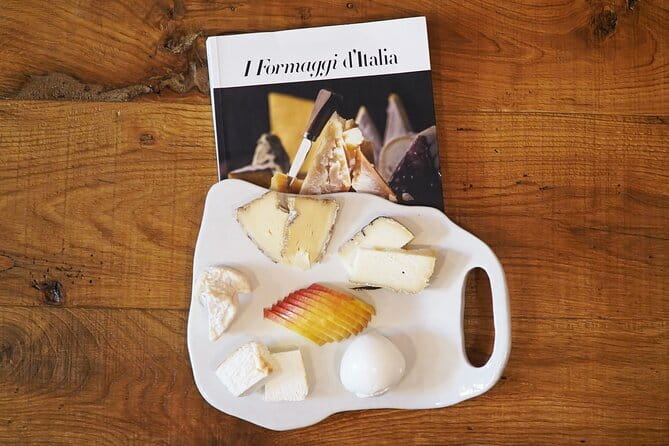
- Five-Italian-cheese platter using different milk types, styles, and ages
- A practical wine-label lesson so you can order Italian wines with less guessing
- Small groups (up to 9) for a more personal pace and Q&A time
- Follow-up materials may be available, including downloadable tasting info from prior classes
Formaggioteca Terroir: the cheese bar that sets the tone
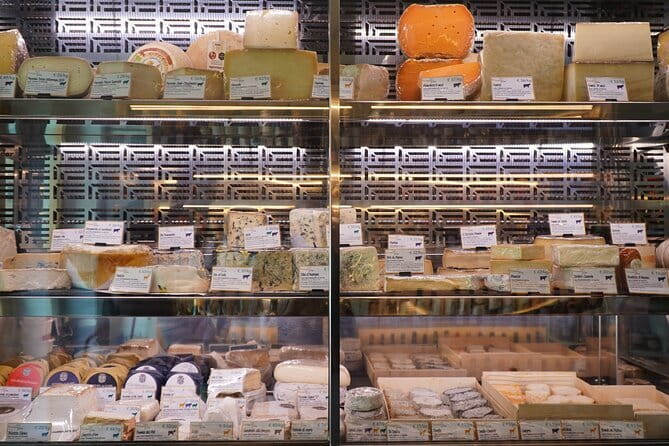
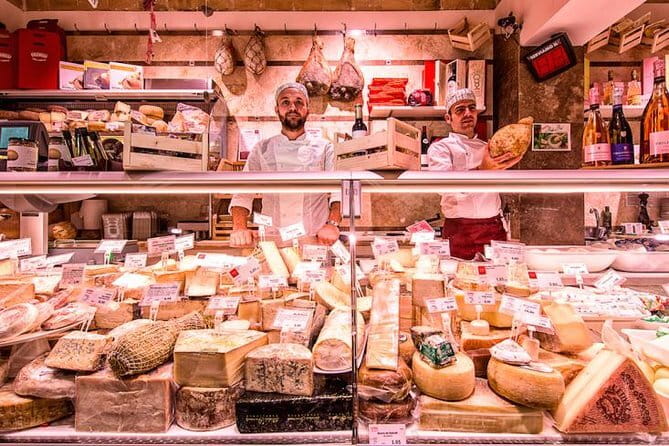
This experience is built around a real cheese shop, not a generic classroom. Formaggioteca Terroir sits in central Florence at Via dei Renai, 19 (50125 Firenze), and the whole vibe is “start with the product.” The shop is known for carrying more than 50 selected cheeses, so you’re surrounded by what you’ll be learning.
In 2023, this location won Best Cheese Bar at the Italian Cheese Awards. That matters because it signals something practical: the staff and selection are taken seriously. In a place like this, the tasting doesn’t feel like a performance. It feels like a guided way to make sense of what’s already in front of you.
You can also read our reviews of more tours and experiences in Florence
Meeting Rebecca: learning how Italian cheese is made (and tasted)
You’ll meet your host at the shop at the scheduled start time, and your guide is Rebecca. She’s a certified cheese taster with ONAF, which is the kind of credential that usually translates into one thing: structured tasting.
The session is designed as a walk through the Italian cheese world. Rebecca talks through the history and the “why” behind different cheeses, then points out what’s characteristic of Italian cheese-making. That’s useful because most people taste cheese and stop at flavor. You’ll learn to think about style, texture, and aging too.
One bonus from prior classes: the wine side has been led by a sommelier named Caterina, described as friendly, funny, and easy to follow. Even when the guide changes, the goal stays the same—clear explanations and a tasting method you can repeat later.
The pairing format: five cheeses, different milks, different ages
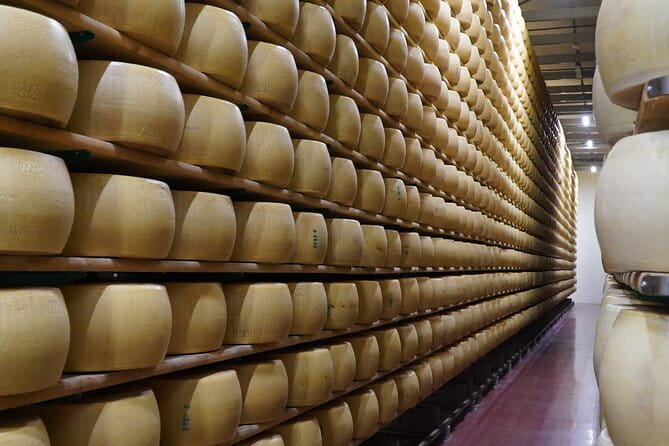
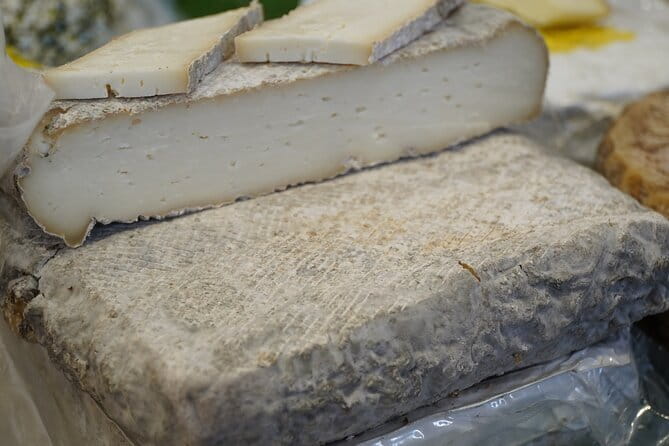
The core food piece is simple and smart: a starter cheese platter with five Italian cheeses. Each cheese is chosen to show a different angle of Italian production—different types of milk, different styles, and different ages.
That matters because cheese is all about contrast. When you taste only one style, you end up with a vague memory like “I liked it.” When you taste across milk types and aging ranges, you start noticing patterns: what gets stronger, what gets creamier, and what tastes more nutty versus more sharp.
Expect your guide to connect those patterns back to how the cheese is made. Even if you’re not a cheese nerd, you’ll leave knowing what questions to ask next time—like what aging changes, and why some cheeses feel smoother while others feel more intense on the tongue.
The wine lesson: how to read Italian designations like a local
This is not just a sit-and-smile tasting. You’ll learn about the various wine regions of Tuscany and the Italian wine designation system—exactly the type of info that helps when you’re shopping or ordering.
Most visitors see labels like Chianti or Brunello and think they mean similar things. They don’t. The designation system helps you understand what kind of wine you’re likely to get, and why. In a city full of wine bars and bottles stacked like puzzles, that knowledge is gold.
Your class also includes tasting notes and the “what makes it unique” explanation. In practice, that gives you a framework:
- What to look for in aroma and flavor
- How to describe what you’re tasting
- How to connect a wine’s identity to the choices behind it
In one past class, guests highlighted that the lesson included practical instructions on the proper way to taste wine—and even how to make sure you’re drinking something that’s actually in good shape. That kind of guidance is way more useful than just naming wines.
What you’ll taste: Chianti Classico, Brunello di Montalcino, and real pairing context
The program highlights famous Tuscan examples like Chianti Classico and Brunello di Montalcino. Even if you’re not trying to memorize every rule of the designation system, hearing these names in context helps you stop treating Italian labels as random.
Here’s how the tasting seems to work in real life: you’re in a cheese shop tasting multiple cheeses, and you also have wine pours paired alongside the experience. The information you’re given includes two wine tastings with the cheese pairing, while the highlights emphasize famous wine examples from the Tuscany world. Either way, the goal is consistent—learn enough to make smarter choices while traveling.
So don’t treat the wine as an afterthought. Treat it like a tool for understanding the food. When wine pairing clicks, you start tasting differences more clearly in both directions.
- The Best tour in Florence: Renaissance & Medici Tales – guided by a STORYTELLER
★ 5.0 · 12,316 reviews
Timing and logistics in Florence: plan for 1.5 focused hours
The experience runs about 1 hour 30 minutes. That’s long enough for an actual lesson and tasting progression, but short enough that it won’t swallow your whole afternoon.
The start time is listed as 4:30 pm, and the meeting point is fixed at Formaggioteca Terroir on Via dei Renai, 19. One part of the program notes a noon meeting time, so do yourself a favor: rely on your confirmation for the exact start. In Florence, small timing mismatches happen, and a quick check saves stress.
The shop is near public transportation, which is handy if you’re moving across the city for other sights. Also note the group limit: maximum 9 people. That small size helps keep the pace from feeling like a production line.
Price and value: what $46.13 buys you (and why it’s not just a snack)
At $46.13 per person, you’re paying for more than cheese samples. You’re paying for:
- A guided walk through Italian cheese styles (milk, age, and technique)
- A structured introduction to Tuscan wine regions and designation rules
- Wine pours as part of the pairing
- A tasting approach you can use again when you shop later
In other words, you’re buying an education that stays with you. When you spend money in Italy, the best value is often the knowledge that helps you choose better bottles on your next stop. This class aims right at that.
If you’re the type who usually orders by instinct and ends up unsure later, this is a good “reset button.” If you only care about quantity of alcohol or a full-day winery run, you may feel it’s too short or too cheese-centered.
Who this is best for (and who should skip it)
This works best if you enjoy learning and you like tasting with context. It’s also great for people who want to feel confident ordering Italian wine without turning the bottle label into a guessing game.
It’s also a solid option if you’re pairing this with other Florence plans. Because it’s city-based and about 1.5 hours, you can still do dinner nearby without racing the clock.
Skip it if you want a large, long, multi-stop tour. This is focused: one shop, one guided session, and a tasting lesson built around that setting.
A few practical tips for getting more out of the class
A tasting works best when you’re ready to pay attention. I recommend you go a little hungry but not stuffed. You’ll taste five cheeses plus wine, and comfort matters.
Also, treat this like a mini workshop. If something surprises you—like a cheese you expected to be mild but found intense—ask why. The structure of the session is meant to answer those exact questions.
Finally, bring a short list of what you want to be able to order later. If you’re into red wines, or you mostly want to understand labels, tell the guide early. With a max group size of 9, you’re more likely to get tailored guidance than in big group formats.
Should you book Journey through Italian Cheese in Florence?
Yes, if you want a compact, high-impact lesson that connects Italian cheese styles with practical Tuscan wine knowledge. The setting at Formaggioteca Terroir gives you real context, and the tasting structure (five cheeses plus wine pairing) makes the information memorable.
Book it especially if you like small groups and clear teaching, and if you want to leave with confidence ordering Italian wine instead of relying on guesswork. If you’re chasing a wine-heavy itinerary or a long day out of town, you might prefer a different style of wine tour.
FAQ
Where does the experience start?
It starts at Formaggioteca Terroir, Via dei Renai, 19, 50125 Firenze FI, Italy.
What time does it start in Florence?
The start time is listed as 4:30 pm.
How long is the experience?
Plan on about 1 hour 30 minutes.
Is it offered in English?
Yes, it’s offered in English.
How many people are in the group?
The group has a maximum of 9 travelers.
What’s included in the tasting?
You’ll taste five Italian cheeses (cheese platter) and also taste two wines with the cheese tasting.
Are there age requirements?
The minimum age is 18, and the minimum drinking age is 18.
Is the ticket mobile?
Yes, the experience includes a mobile ticket.
Can I cancel and get a refund?
Free cancellation is available. You can cancel up to 24 hours in advance for a full refund. If you cancel less than 24 hours before the start time, the amount paid is not refunded.
You Might Also Enjoy
More Cheese in Florence
More Tour Reviews in Florence
- Tuscany Day Trip from Florence: Siena, San Gimignano, Pisa and Lunch at a Winery
★ 5.0 · 21,634 reviews - The Best tour in Florence: Renaissance & Medici Tales – guided by a STORYTELLER
★ 5.0 · 12,316 reviews