REVIEW · FLORENCE
Architectural Florence: Private Tour with a Local Expert
Book on Viator →Operated by LocalBini - The go-to platform for Experiences by Locals in Europe · Bookable on Viator
Florence looks different when you know how to read it. This private architectural walk brings you from church fronts to Renaissance masterpieces with a local expert who keeps the details clear, not vague. I especially like the way the route links style to place, so the city feels like one big design story, not a random list of sights.
You’ll also get easy access to Uffizi Gallery as part of the bigger plan, so you’re not just “in and out.” The main drawback to plan around is that this is a walking tour and it’s not recommended for guests with impaired mobility, plus monument and museum entry tickets aren’t included.
In This Review
- Key things you’ll notice on this architecture-focused route
- A 2-hour plan that actually fits Florence
- Starting at Basilica di Santo Spirito: get your bearings fast
- Piazza Santo Spirito’s Renaissance simplicity by Brunelleschi
- Santa Maria Novella: where Gothic and Renaissance shake hands
- Duomo time: Brunelleschi’s dome and the cathedral skyline
- Giotto’s Bell Tower: Florentine Gothic from above
- Piazza della Signoria: medieval civic power in stone
- Santa Croce: Franciscan church, tombs, and mixed styles
- Uffizi Gallery: art in a historic architectural setting
- Ponte Vecchio: the arched bridge as an architectural feature
- Pitti Palace: Medici grandeur and museum buildings
- Villa and gardens: Renaissance art meeting nature and views
- Price and value: what $786.04 buys you
- Who this tour fits best (and who should skip it)
- Should you book this Florence architectural private tour?
- FAQ
- How long is the private architectural tour?
- What is the group size and price?
- Is the tour offered in English?
- Are museum and monument entry tickets included?
- Where does the tour start and end?
- What if I need to cancel?
Key things you’ll notice on this architecture-focused route
- Santo Spirito to Santa Maria Novella: two major church stops that show how Florence shifted between Gothic and Renaissance ideas
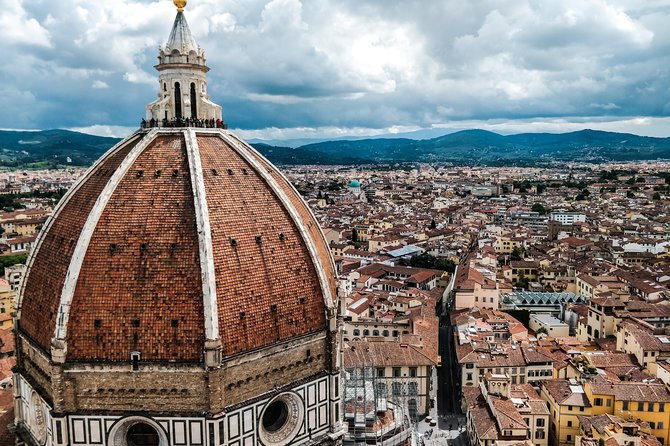
- Brunelleschi’s Duomo dome and the Campanile: you’ll see the engineering story and then get panoramic payoff
- Civic power around Piazza della Signoria: palace architecture that explains who ruled the city
- Santa Croce’s mix of styles and tombs: Gothic + Renaissance art and memorials in one place
- Ponte Vecchio on foot: the famous arched bridge with shops as a design feature, not just a photo spot
- Pitti area to the villa and gardens: you finish with views that help you understand how power and art shaped the skyline
A 2-hour plan that actually fits Florence
This is a private tour for up to 2. That matters in Florence, where big groups slow everything down. With a tailored itinerary and a walking pace set to you, you can spend your time where your curiosity lives.
At about 2 hours, the goal isn’t to cover every museum room. It’s to sharpen your eye. You’ll walk through the big architectural chapters—Renaissance engineering, Florentine Gothic details, and the civic buildings that shaped daily life.
You’ll also feel the benefit of a local expert who can connect the style to the city’s politics, religion, and artistic ambition. When the buildings are the main character, that kind of guidance is the difference between seeing facades and understanding what you’re looking at.
You can also read our reviews of more private tours in Florence


Starting at Basilica di Santo Spirito: get your bearings fast
The tour begins at Basilica di Santo Spirito in Piazza Santo Spirito. That’s a smart start because it sets the Renaissance tone quickly, with a calm exterior and an interior that rewards slowing down.
Before you even hit the Duomo area, your guide helps you notice the design logic. Look for how light and proportions shape the experience. Florence does that a lot: architecture isn’t just decoration—it’s built to guide movement and attention.
If you’re the kind of traveler who likes context, you’ll appreciate the early orientation. If you’re rushing for photos only, you might want to set expectations: this one is about learning what you’re seeing as you go.
Piazza Santo Spirito’s Renaissance simplicity by Brunelleschi
One of the first stops is a church in Piazza Santo Spirito linked to Filippo Brunelleschi, famous for elegant simplicity. That phrase is key. Florence Renaissance architecture often strips away excess and lets structure and harmony do the talking.
From an experience standpoint, this stop is useful because it gives you a “baseline.” After you understand what Renaissance simplicity looks like here, the later Gothic elements and later civic buildings will make more sense.
Practical tip: give yourself a minute to look beyond the obvious front. Churches in Florence often reward small changes in angle and shadow, especially when you’re near open squares.
Santa Maria Novella: where Gothic and Renaissance shake hands
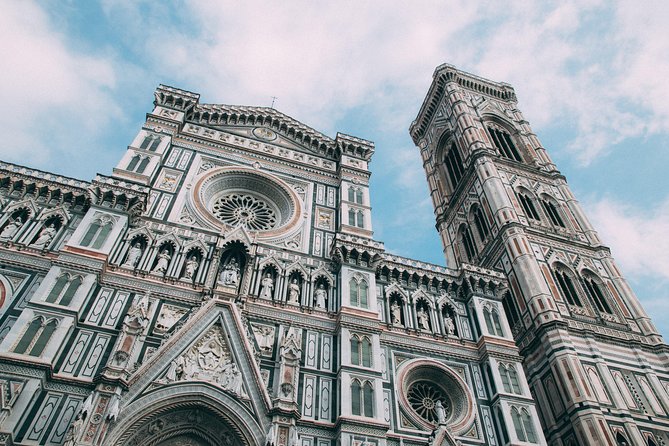
Next you’ll head to Piazza di Santa Maria Novella, home to a basilica known for both Gothic and Renaissance elements. This is the kind of landmark that helps you understand Florence as a transitional city, not a single-style museum.
The façade is the headline, but your guide can help you read it as a design statement—why certain lines feel Gothic, why other parts feel more Renaissance, and what that mix says about the era.
If you like religious art and architecture together, this stop works well. If you’re less interested in façades and more interested in interiors, you’ll still get enough to make it worthwhile because the architecture is the story.
Duomo time: Brunelleschi’s dome and the cathedral skyline
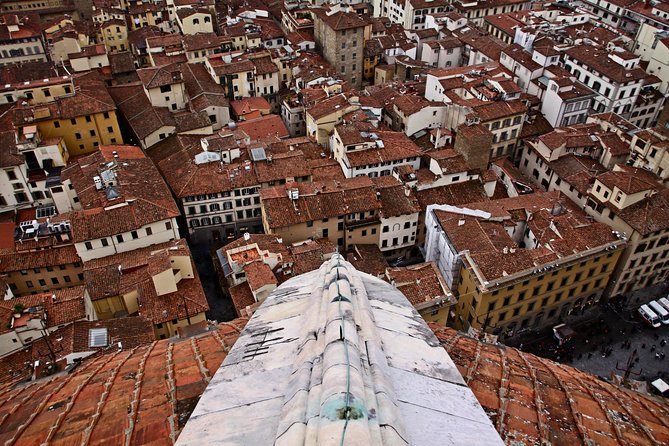
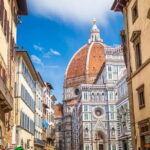
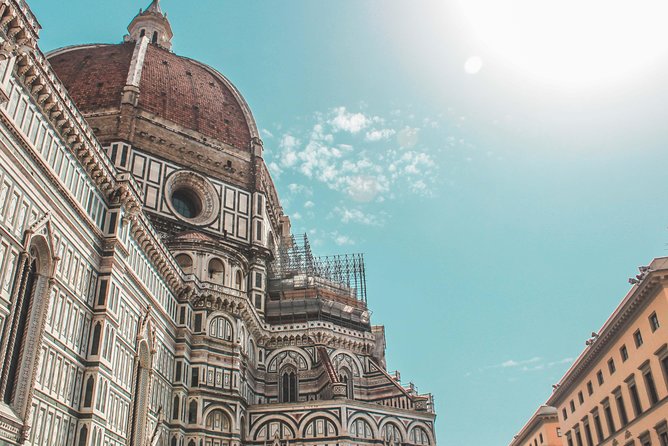
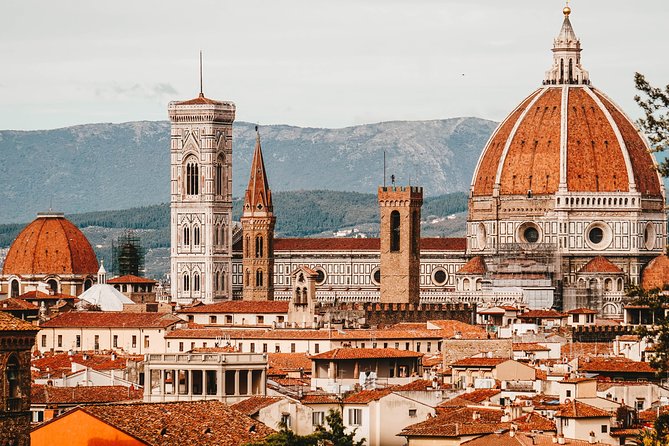
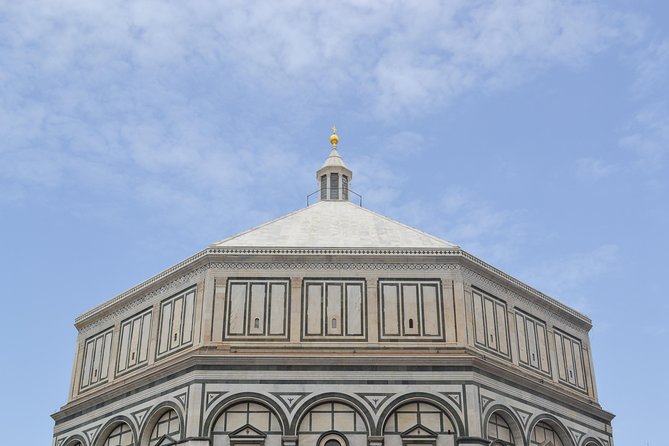
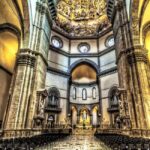
Then you hit the biggest visual anchor in Florence: the cathedral that dominates the skyline, crowned by Brunelleschi’s famous dome. Even if you’ve seen photos before, being close changes the scale and the engineering feel.
This stop matters because the dome is not only a symbol. It’s a technical achievement that helped define Renaissance confidence. Your guide’s job here is to translate that into plain language you can actually picture as you stand in the square.
If you’re planning your photos, watch the light. The cathedral area can look dramatic in different ways depending on weather. Since stops may shift with weather conditions, keep a flexible attitude and focus on the architecture, not just the shot.
- The Best tour in Florence: Renaissance & Medici Tales – guided by a STORYTELLER
★ 5.0 · 12,316 reviews




Giotto’s Bell Tower: Florentine Gothic from above
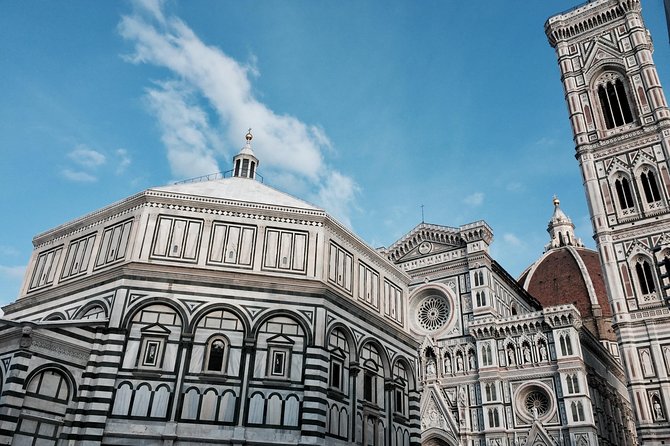
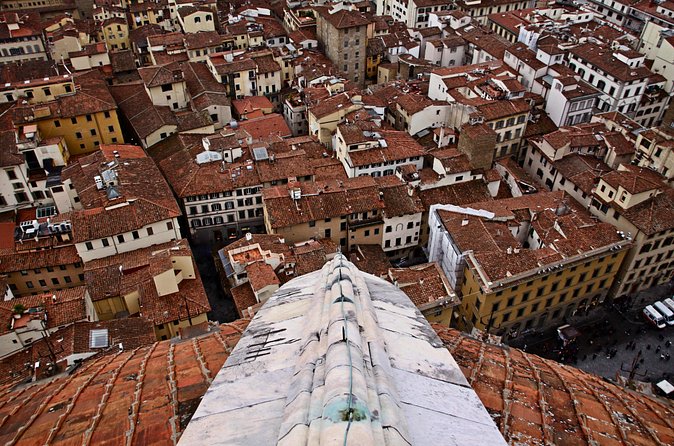
Part of the Cathedral complex is the bell tower with Florentine Gothic architecture. This stop gives you two benefits: a visual study of Gothic vertical energy and, when you’re up for it, a panoramic payoff over Florence.
From a planning perspective, this is where you learn the “map” of the city. Once you can look down and match towers and rooftops to what you just walked past, the rest of Florence clicks faster.
The drawback is simple: if you hate heights or you’re short on time, this is the part where you may have to choose. Since museum and monument entries aren’t included in the tour price, you’ll also want to budget for any ticketed experiences you choose here.
Piazza della Signoria: medieval civic power in stone
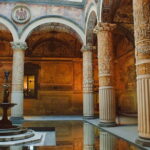
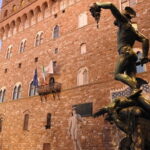
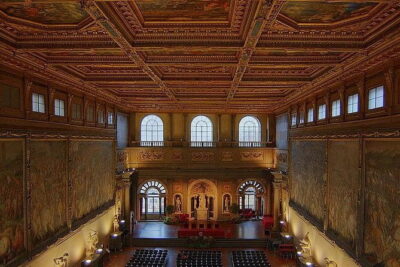
Overlooking Piazza della Signoria, you’ll see a medieval palace with a crenellated tower. This is civic architecture—power made visible, not hidden behind private walls.
This stop is one of the best “meaning” moments of the tour. You’ll stop thinking of architecture as only religious or artistic. You’ll start seeing it as a public language: who held authority, and how that authority looked in public space.
Even if you don’t know Italian political history, your guide can help you read the building features. Crenellations and tower silhouettes aren’t random. They’re part of the story of control and defense that still shapes how Florence feels.
Santa Croce: Franciscan church, tombs, and mixed styles
Next is Piazza di Santa Croce, where the principal Franciscan church holds art treasures and tombs of illustrious Italians. This is a stop that combines architecture with memory.
Santa Croce is known for a blend of Gothic and Renaissance styles, which is exactly why it works in this tour format. You’re not just collecting “pretty buildings.” You’re tracing how styles overlap across real time and real institutions.
If you’re drawn to grand interiors or you like standing where famous people are remembered, this stop will stick with you. If your focus is strictly on exterior form, spend a few extra minutes inside—or at least linger at doorways and side spaces where details become easier to spot.
Uffizi Gallery: art in a historic architectural setting
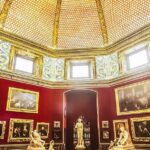
The tour includes the chance to explore the Uffizi Gallery with ease, near Piazza degli Uffizi. Uffizi is one of those places where architecture matters because the building itself frames the art.
In practical terms, this stop fits well because it changes the pace. Up to now, you’ve been reading building exteriors and major squares. Now you move into an art museum setting, but with the earlier context in your head, you’ll notice how the architecture shapes your movement and attention.
Since entry tickets for museums aren’t included, I recommend planning ahead for timing. Uffizi can involve waiting depending on the day and any special access rules. If you want the smoothest experience, treat the museum as a ticketed plan, not an afterthought.
Ponte Vecchio: the arched bridge as an architectural feature
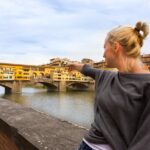
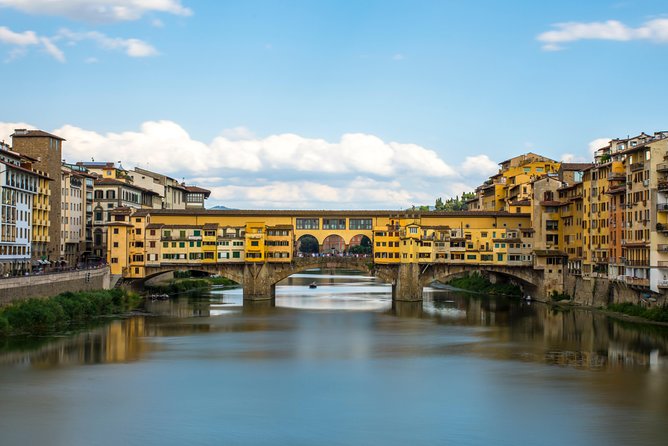
Then comes Ponte Vecchio, the medieval stone bridge over the Arno River, famous for shops built along it. Here, the architecture is practical and commercial at the same time—an unusual combination that makes Florence feel both historic and functional.
This stop is great for getting that “Florence resilience” feeling people love about the city. The bridge survived shifts in time and kept its identity. The result is a streetscape you can walk through, not just stand beside.
Practical tip: slow down on the bridge. It’s easy to turn this into a rush-photo-and-go moment. Instead, look at how the shops align with the arch and how the bridge affects sightlines across the river.
Pitti Palace: Medici grandeur and museum buildings
Next you’ll reach a Renaissance palace in Piazza de’ Pitti, home to several important museums. This is where the city’s power story expands—Florence’s art patronage and political influence are written into the scale.
Even if you don’t plan to visit every museum room, the palace stop helps you understand Florence as an artistic machine. The Medici weren’t only buying art. They were shaping the setting where art could live, display, and signal status.
One consideration: if you’re museumed out by now, you might feel time pressure. Because this tour is time-limited at around two hours, think of Pitti as a meaningful architectural and area highlight, not a full museum day.
Villa and gardens: Renaissance art meeting nature and views
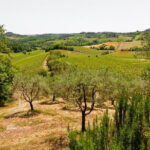
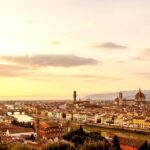
The route ends with a villa and its beautiful gardens, an area that represents Florence’s Renaissance culture and the integration of art, architecture, and nature. This is the stop that helps you put the whole city into perspective.
From a visual standpoint, the payoff is often the views. You start connecting the skyline dots: domes, towers, and the way the city’s built forms rise out of the terrain.
This last segment also gives you a satisfying change of pace. After churches, palaces, and bridges, gardens feel like a breath—especially if you’re the type who likes architecture best when it’s framed by light and open space.
Price and value: what $786.04 buys you
The price is $786.04 per group for up to 2 people, with 2 hours on the clock. That’s not a budget number. But it can be good value if you’re a pair who wants a guided architectural route without the group churn.
You’re paying for three things that matter in Florence:
- A private local expert who adapts the route to your walking pace and interests
- A high-impact sequence of major architecture stops in a short time window
- A plan that helps you understand what you’re seeing, especially with style shifts like Gothic to Renaissance
Also keep your expectations aligned with what’s included. The tour includes the guide, exclusive private format, and tailored itinerary. It does not include entry tickets for transportation, museums, and monuments, so you’ll want to add those costs into your total trip budget.
Who this tour fits best (and who should skip it)
This is a strong match if you love architecture and you want a guide who can explain design features in plain terms. It’s also ideal for couples or friends who want a quiet, focused walk across the Duomo, cathedral complex, Uffizi area, and Ponte Vecchio.
It’s less ideal if you have mobility limitations, since it’s not recommended for impaired mobility and it’s built around walking between major sights. It’s also not designed as a full museum day; if your goal is only Uffizi, you might prefer a museum-only ticket plan instead.
Should you book this Florence architectural private tour?
If you want a short, guided architecture route that gives you meaning fast, I’d say yes. The value is strongest for two people who want clarity from a local expert and a paced walk through Florence’s architectural “chapters,” ending with a view and gardens that make the skyline feel understandable.
If you’re tight on walking tolerance or you want only museum time, you might get more out of a different format. But for the right kind of traveler—architecture-first, two people, and ready to learn while you walk—this one hits the sweet spot.
FAQ
How long is the private architectural tour?
It lasts about 2 hours.
What is the group size and price?
It’s priced at $786.04 per group for up to 2 people.
Is the tour offered in English?
Yes, the tour is offered in English.
Are museum and monument entry tickets included?
No. Entry tickets for transportation, museums, and monuments are not included.
Where does the tour start and end?
It starts at Basilica di Santo Spirito, Piazza Santo Spirito and ends at Costa S. Giorgio, 2.
What if I need to cancel?
You can cancel for a full refund up to 24 hours before the experience starts.
You Might Also Enjoy
More Private Tours in Florence


More Tours in Florence
- The Best tour in Florence: Renaissance & Medici Tales – guided by a STORYTELLER
★ 5.0 · 12,316 reviews

More Tour Reviews in Florence
- Tuscany Day Trip from Florence: Siena, San Gimignano, Pisa and Lunch at a Winery
★ 5.0 · 21,634 reviews - The Best tour in Florence: Renaissance & Medici Tales – guided by a STORYTELLER
★ 5.0 · 12,316 reviews