REVIEW · FLORENCE
Florence: Uffizi Gallery Private Treasure Hunt for Families
Book on GetYourGuide →Operated by Florence Tours by Made of Tuscany · Bookable on GetYourGuide
Kids hunt for art at the Uffizi. This private family treasure hunt turns one of Europe’s oldest museums into a game you can actually manage with children, without sacrificing the big names. You’ll start at the Neptune Fountain and work your way through key Florence stops before settling into the gallery for hands-on clue solving.
I love how the hunt trains your eye. You’re not just looking at famous works by Leonardo, Botticelli, and Michelangelo—you’re hunting for details and symbols the guide points out as you go. I also like the practical setup: a booklet to record answers, earphones for up to 8 people, and a family portrait at the end, so the day feels like more than a hurried checklist.
One possible drawback: you only have 3 hours in the museum. That’s perfect for families, but if you want lots of quiet time to linger on your favorite single painting, you’ll likely need extra unstructured time afterward.
In This Review
- Key things to know before you go
- The flow of the day: from Neptune Fountain to Uffizi masterpieces
- Piazza della Signoria: where the lesson starts in the open air
- Loggia dei Lanzi: statues that feel like clues, not clutter
- Entering the Uffizi: how the treasure hunt works for families
- The big-name works you’ll actually understand: Leonardo, Botticelli, Michelangelo
- The detail hunts that make kids care: animals, objects, and weird-but-true questions
- Carving Florence into memory: the guide’s myths and legends angle
- The family portrait at the end: a souvenir that feels earned
- Price and value at $286.04 per person
- Practical tips for parents: getting the most from 3 hours
- Who this tour suits best
- Should you book this Uffizi family treasure hunt?
- FAQ
- How long is the Uffizi Gallery private treasure hunt for families?
- Where does the tour start and where does it end?
- Is this tour private?
- What is included with the tour ticket?
- What languages are available for the live guide?
- What do we need to bring?
- Is the tour wheelchair accessible?
- Is this tour suitable for families and children?
- Is Uffizi free on the first Sunday of the month?
Key things to know before you go
- Start at Neptune Fountain in central Florence, then walk through major public-square sights on the way to the Uffizi
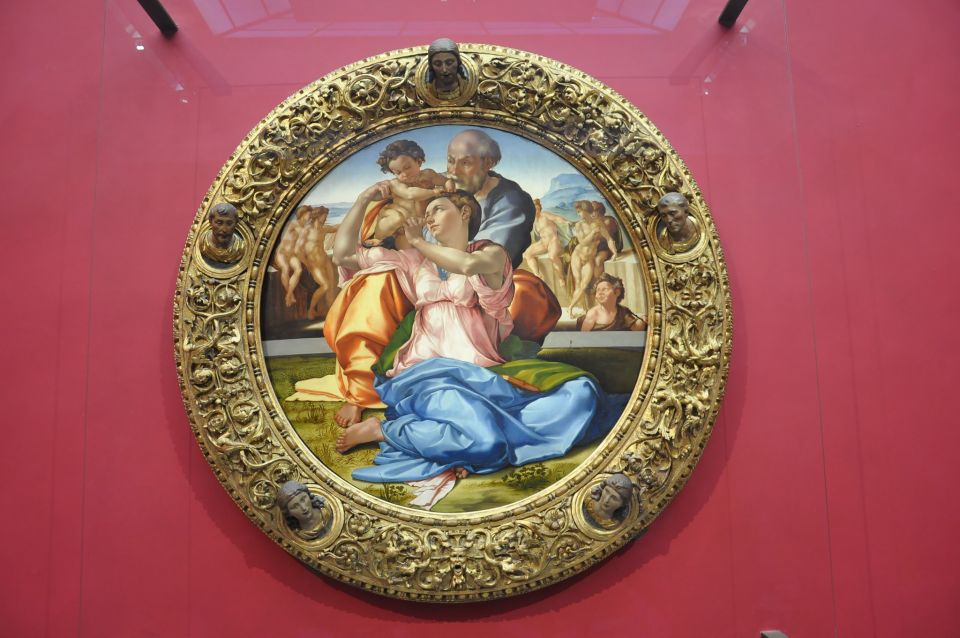
- Michelangelo Tondo Doni clues focus on hidden sculptures, which helps kids stay engaged while learning
- Family portrait at the end turns the hunt into a real souvenir, not just a few photos on your phone
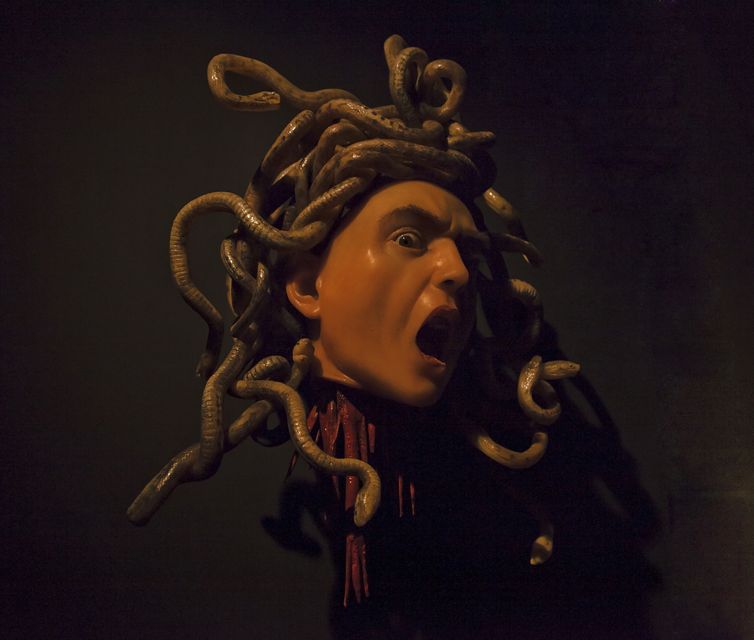
- Symbol spotting across famous works includes specific hunts like Caravaggio’s Medusa details and Botticelli’s Annunciation
- Multilingual expert guides are available in English, French, German, Spanish, Italian, and Russian
- Earphones for groups up to 8 mean you can hear the guide even in busier parts of the museum
The flow of the day: from Neptune Fountain to Uffizi masterpieces
I like that this experience gives you an easy rhythm. You meet at Fontana del Nettuno, then move through Florence in a way that feels like a guided story, not a stressful scramble between stops.
Florence is one of those places where you can look at a statue and still wonder, So what is this supposed to mean? The guide uses the walk to set the theme: myths, legends, and symbols. That matters because once you’re inside the Uffizi, you’ll recognize more than just the title on the wall.
You also get the value of “warm-up sightseeing.” By the time you hit the gallery, your family is already in the right headspace for the clue hunt. Kids tend to do better when the first minutes aren’t staring-at-art with no mission.
You can also read our reviews of more private tours in Florence



Piazza della Signoria: where the lesson starts in the open air
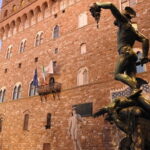
Piazza della Signoria is a strong choice for kicking off the day. It’s a public space where the Renaissance isn’t behind glass, and it helps children understand that art and power were part of everyday life, not only museum air-conditioning.
On this guided portion, the guide helps you connect the dots between Florence’s outdoor drama and what you’ll later see indoors. You’ll hear myths and legends, and those stories become your “handles” for remembering the later artworks.
A practical note for families: outdoors, you can move. If your kids need a stretch between gallery rooms, this opening stop gives you a natural break before you enter the slower pace of museum corridors.
Loggia dei Lanzi: statues that feel like clues, not clutter
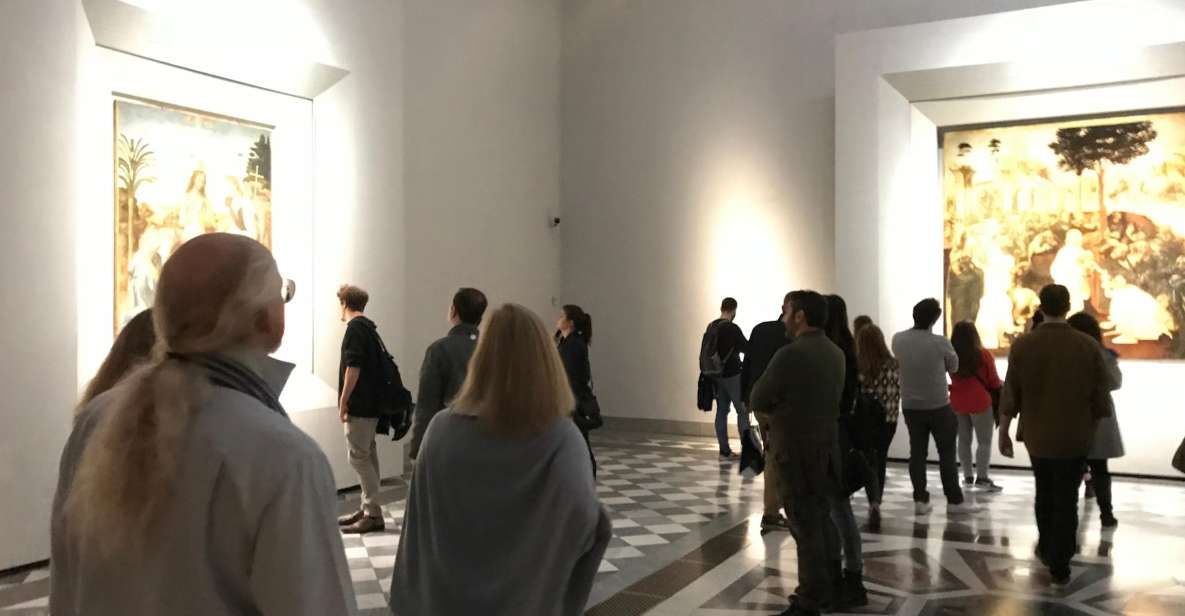
Then you head to Loggia dei Lanzi, another outdoor area that works well for a treasure-hunt format. The guide’s job here is to make the sculptures feel like prompts rather than random stone people.
For kids, it’s a win because they’re not asked to sit still and absorb facts. They’re learning to notice. That skill becomes the whole point later when you’re searching for smaller details in famous Renaissance paintings and sculptures.
For adults, this is the moment you realize the hunt isn’t just about fun. It’s a way to train attention. Once you know what to look for—objects, animals, odd symbols—you start seeing the deeper storytelling built into the art.
Entering the Uffizi: how the treasure hunt works for families
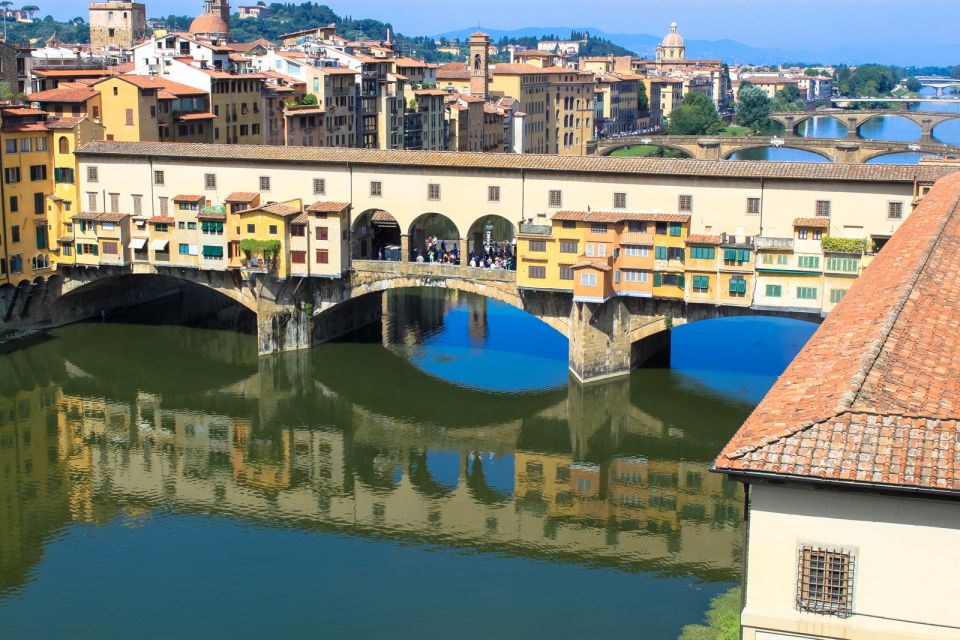
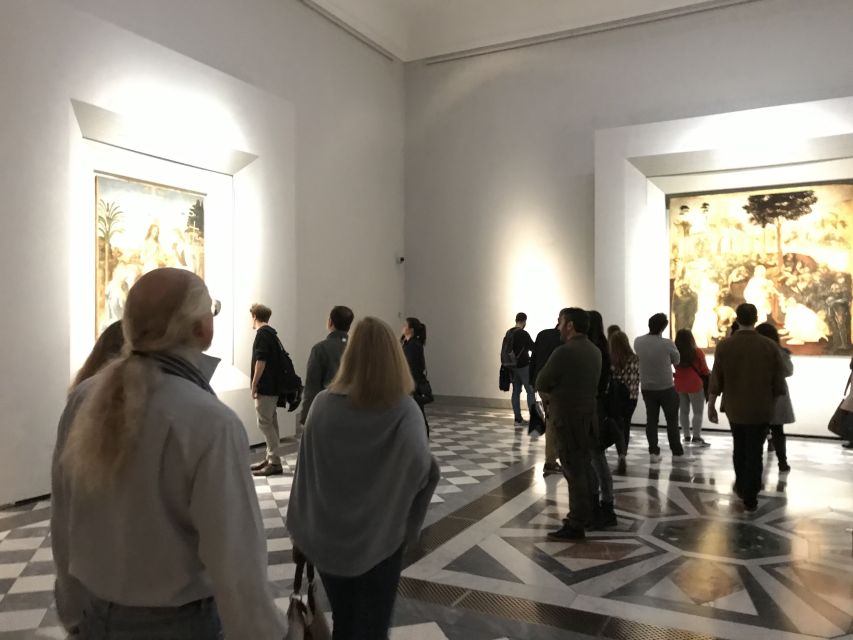
Inside the Uffizi Gallery, the guide runs your family like a team. You play and learn together, and you’ll use the booklet to note your answers as you track down the clues.
This is where the format pays off. Art museums can be tough with children because the default experience is “stand here and wait.” Here, the experience is “find this detail, interpret what it might mean, and then keep moving.”
You’ll also have earphones for up to 8 people, which is a big comfort feature for families. It helps everyone hear the guide without everyone having to crowd around or compete with background noise. That’s not just convenient—it improves the quality of the learning.
The visit is guided for about 3 hours. The key is that the time is spent with a purpose, so you’re not burning half the day deciding where to go or what matters.
The big-name works you’ll actually understand: Leonardo, Botticelli, Michelangelo
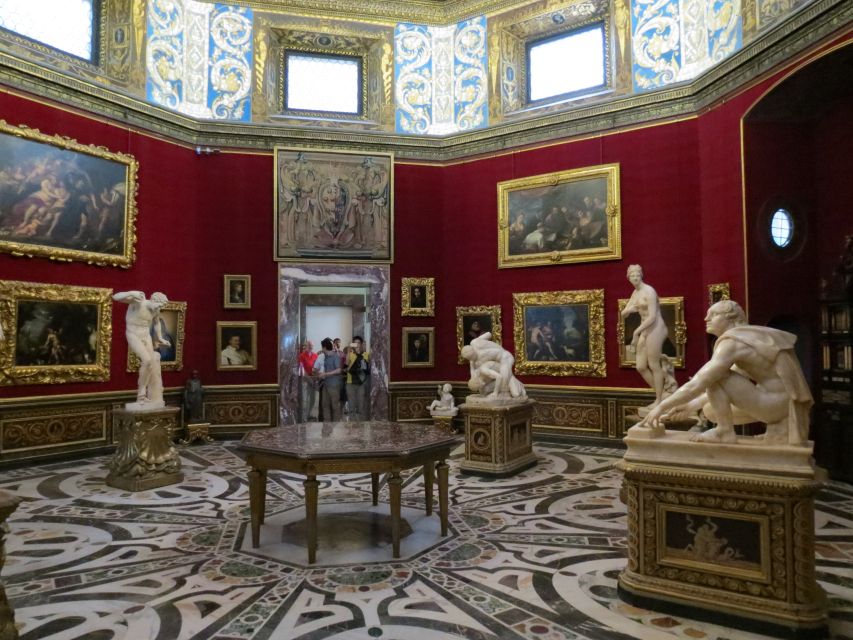
The Uffizi is packed with masterpieces, which is exactly why a guided treasure hunt is useful. Instead of trying to absorb everything, you focus on specific works and specific details.
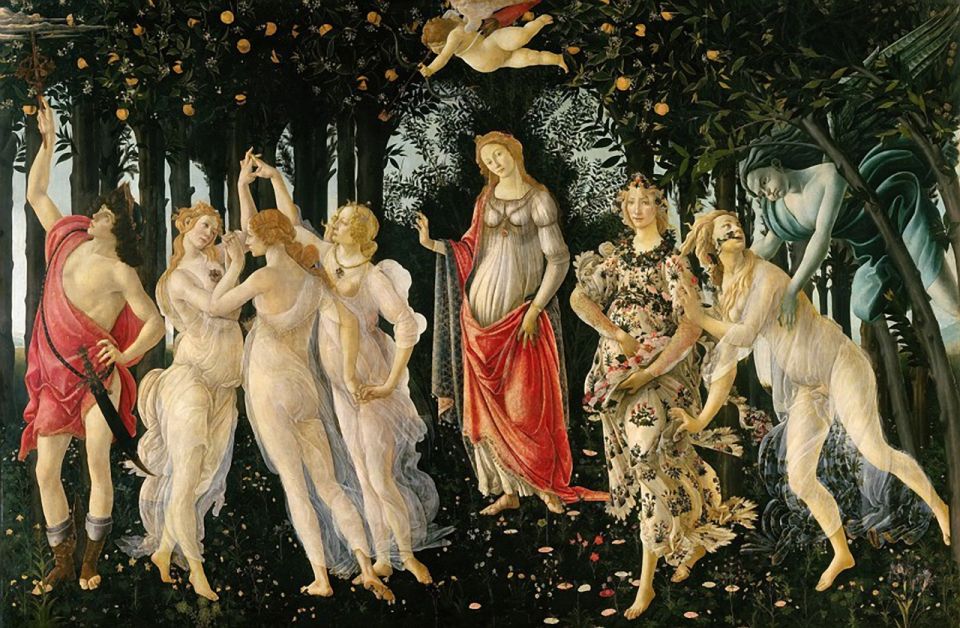
You’ll meet works connected to Leonardo, Botticelli, and Michelangelo during the hunt. The guide doesn’t treat them like distant icons. You’re asked to search for meaningful elements tied to the stories inside the paintings and sculptures.
One of the most memorable components is the clue search around Michelangelo’s Tondo Doni, where you’ll look for hidden sculptures. Even without being an art expert, kids can participate because the task is concrete: look closely, spot the special form, and connect it to the theme the guide is building.
And since Florence is tied to patrons and power, you’ll also get a taste of Medici connections through commissions shown close up. That context can turn a painting from pretty to purposeful.
You can also read our reviews of more museum experiences in Florence




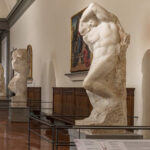
The detail hunts that make kids care: animals, objects, and weird-but-true questions
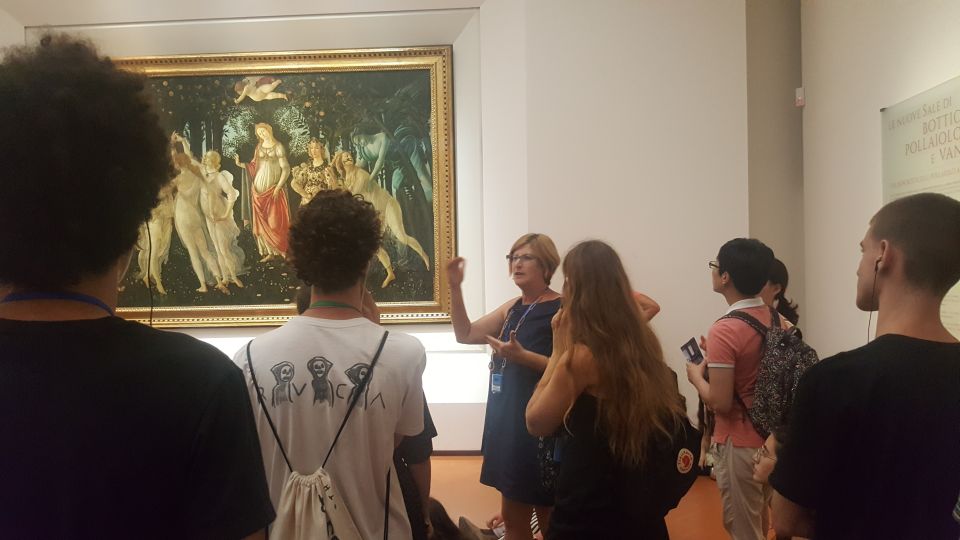
This tour doesn’t rely on generic explanations. It feeds you specific questions that kids can answer, and adults can enjoy too because the answers change how you see the art.
You may search for small recurring elements in Renaissance paintings—things like dogs, cats, flowers, and chairs—and talk through what those symbols might be doing in the story. It’s the kind of scavenger hunt that feels like play, but it also trains you to notice how Renaissance artists built meaning into everyday objects.
There’s also a hands-on curiosity moment: you’ll consider what lurks inside Caravaggio’s Medusa’s mouth. The point isn’t just shock value. It’s about how artists used imagery to control emotion and attention.
And then comes a wonderfully specific puzzle: why does Botticelli’s Annunciation show the Virgin Mary’s bed with only one pillow? That kind of question sticks, because it’s odd in a memorable way. Even if you don’t know the answer ahead of time, the hunt format makes you care enough to listen.
These are the moments I’d want for my own family. They create participation. When kids feel involved, you get more listening, and adults usually pay attention more too.
Carving Florence into memory: the guide’s myths and legends angle
One thing I appreciate here is how the guide uses myths and legends as a thread. Florence has a way of layering art over story. If you only read plaques, you can miss the human drama that shaped the art.
By giving you stories along the walk and clues inside the museum, you leave with a memory map. You can remember a painting because you remember the question the guide asked, and the family booklet gives you a neat trail of what you found.
That’s also where the tour earns its “treasure hunt” label. A hunt without a narrative is just noise. Here, the narrative helps the hunt make sense.
The family portrait at the end: a souvenir that feels earned
At the end of the tour, you’ll get a family portrait. I like this part because it’s not random. It happens after the hunt, so the photo feels like a wrap-up to an experience.
Also, you’ll have the booklet to mark your answers. That creates a tangible way to keep the day alive after the museum glow fades and you’re back to sorting laundry and jet lag.
If you’ve ever left a major museum with only photos of ceilings, you’ll appreciate the “we did something” feeling here.
Price and value at $286.04 per person
Let’s talk money plainly. At $286.04 per person, this isn’t a budget activity. But it can still be good value for the right family, because you’re buying several things at once: an entrance ticket, a guided hunt built for families, earphones for group listening, and a printed keepsake through the booklet and portrait.
The private format also matters. In a crowded museum like the Uffizi, a guide who can manage a family’s pace is worth more than people expect. Instead of spending your energy negotiating lines, you spend it on the art clues and the stories.
When I evaluate a tour at this price, I look for whether it reduces stress and increases learning. This one does both because the treasure-hunt structure keeps everyone moving with purpose and gives you a reason to look closely.
That said, if you have older teens who want full freedom and long stays in galleries, you might get more value by doing it independently. The 3-hour structure is tight by design.
Practical tips for parents: getting the most from 3 hours
You’ll want to show up ready for close-looking time. Bring your passport or ID card since it’s required.
Once inside, lean into the rules of the game. If your kids want to race for clues, let them. When parents try to slow the hunt down too much, it can turn back into a typical museum visit.
A simple strategy: before you start, pick one “job” for each family member. One person can scan for animals and objects; another can watch for the odd puzzle details like the one-pillow question. That spreads attention and prevents everyone from staring at the same spot.
Also, headphones help. So put the earphones on early and keep them on. It’s the easiest way to avoid repeating the guide’s explanations.
Who this tour suits best
This experience fits families who want learning without forcing kids into quiet boredom. It’s also a good choice if your family tends to enjoy games, puzzles, and “find the detail” challenges.
I think it’s especially strong for:
- Families with children who need movement and an activity goal
- Adults who want a guided path through the Uffizi without trying to master everything alone
- Visitors who like art more when it’s tied to stories and symbolism
If your group only wants long, self-paced wandering through multiple rooms, the 3-hour guided hunt may feel too structured. You’ll likely need to plan extra time after.
Should you book this Uffizi family treasure hunt?
If you’re traveling with kids and you want the Uffizi to feel interactive, I’d book it. The hunt format, the concrete clue searches (including Tondo Doni details and the Annunciation pillow question), and the family keepsakes make it feel like a real experience, not just museum time.
If you’re the type who wants to linger for hours on your favorite painting with zero pressure, consider booking this only if you also plan separate free time afterward.
Bottom line: for many families, the price is justified by how well the tour turns attention into participation. You leave with more understanding and a better family story than you’ll get from a quick walk-through.
FAQ
How long is the Uffizi Gallery private treasure hunt for families?
The tour lasts 3 hours.
Where does the tour start and where does it end?
It starts at Fontana del Nettuno and ends back at the same meeting point.
Is this tour private?
Yes, it’s a private group experience.
What is included with the tour ticket?
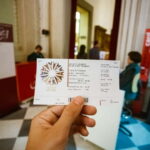
The tour includes an entrance ticket, a booklet to note your answers and add a family picture, and earphones for up to 8 people.
What languages are available for the live guide?
The live guide is available in English, French, German, Spanish, Italian, and Russian.
What do we need to bring?
You should bring your passport or ID card.
Is the tour wheelchair accessible?
Yes, the activity is wheelchair accessible.
Is this tour suitable for families and children?
Yes. It’s designed as a family-orientated guided tour meant to keep kids entertained while they play and learn.
Is Uffizi free on the first Sunday of the month?
Entrance is free on the first Sunday of each month, but tickets can’t be reserved ahead of time, so entry is not guaranteed.
You Might Also Enjoy

More Museum Experiences in Florence
More Private Tours in Florence



More Tour Reviews in Florence
- Tuscany Day Trip from Florence: Siena, San Gimignano, Pisa and Lunch at a Winery
★ 5.0 · 21,634 reviews - The Best tour in Florence: Renaissance & Medici Tales – guided by a STORYTELLER
★ 5.0 · 12,316 reviews