REVIEW · FLORENCE
Uffizi Gallery: Guided Tour with Skip-the-Line Entry
Book on GetYourGuide →Operated by My Tour in Italy · Bookable on GetYourGuide
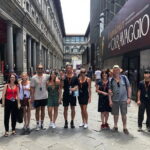
Uffizi lines can test your patience, so I love this tour’s skip-the-line entry and the way a guide helps you see Renaissance art with purpose. I also like the small group size (up to 9), which keeps the experience relaxed enough for questions and real explanations. One watch-out: spotting your guide at entrance 3 can be a quick scavenger hunt, even though they wear a white shirt and green foulard with the My Tour logo.
You meet at the Uffizi Gallery entrance number 3, then spend about 135 minutes with an expert in the Giorgio Vasari building by the Arno River, moving through the Medici collections and major highlights like Primavera and Birth of Venus. When the guided portion ends, you get freedom to explore more antiques and sculptures on your own.
In This Review
- Key things I’d plan around
- Skip-the-Line Entry at Uffizi Entrance 3 (and why it matters)
- Meeting Your Guide: Small Group Energy in a Crowded Museum
- Giorgio Vasari’s Building and the Medici Backstory You’ll Actually Use
- Botticelli, Primavera, and Birth of Venus the Right Way
- Michelangelo and Leonardo da Vinci: Turning Fame Into Meaning
- Caravaggio at the Uffizi: A Different Kind of Punch
- The Headphones Detail: When You Might Actually Need Them
- After the Guided Portion: How to Spend Your Free Time Like a Pro
- Price and Value: $108.75 for a Reason
- Who This Tour Fits Best (and who should think twice)
- Plan Around the First Sunday Free Entry Note
- Should You Book This Uffizi Guided Skip-the-Line Tour?
- FAQ
- Where do I meet the guide?
- How can I recognize the guide?
- How long is the tour?
- What languages are offered?
- Is museum entry included?
- Is it a small group?
- Does the tour include headphones?
- What should I bring and do I need ID?
Key things I’d plan around
- Queue-free start at Entrance 3: you enter through the reserved ticket gate to save time.
- Small-group pacing (max 9): easier conversations, less waiting, more attention to detail.
- Big-name art with real context: Botticelli, Michelangelo, Leonardo da Vinci, and Caravaggio.
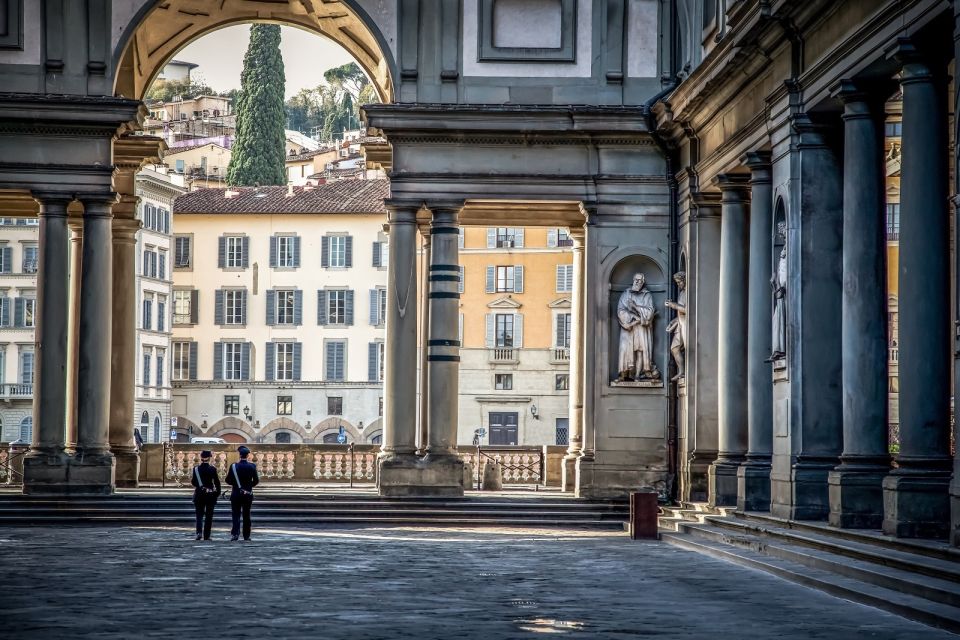
- Medici story right from the building: the museum’s roots as an administrative center shape what you see.
- Time to stay after the tour: you get a guide for the essentials, then you’re on your own for the rest.
- Guides who explain how to look: examples like Emanuele, Enrica, and Mariana stand out for making masterpieces feel readable.
Skip-the-Line Entry at Uffizi Entrance 3 (and why it matters)
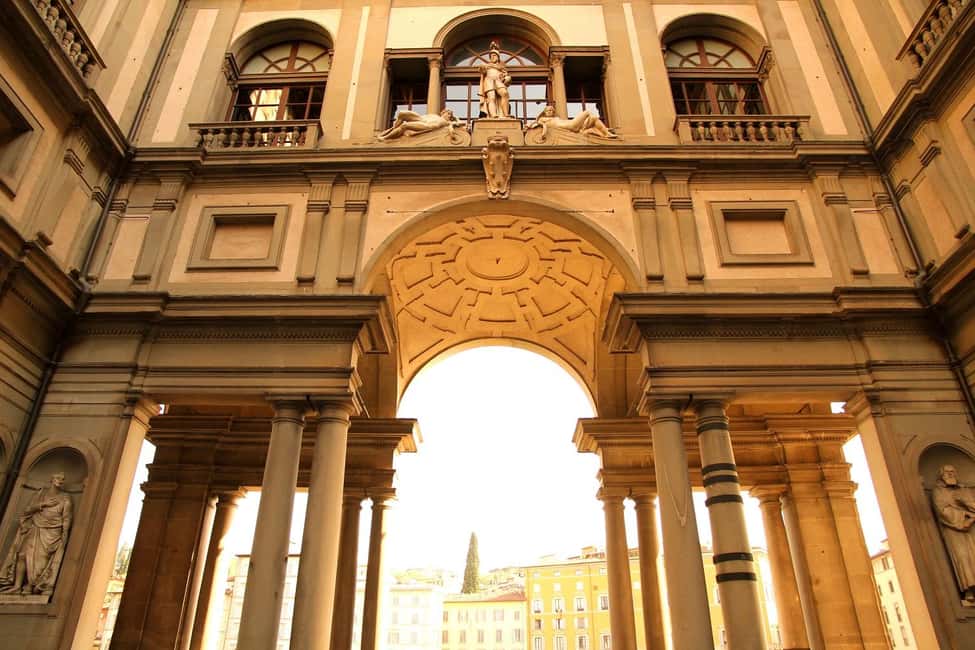
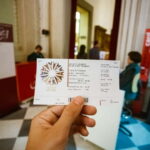
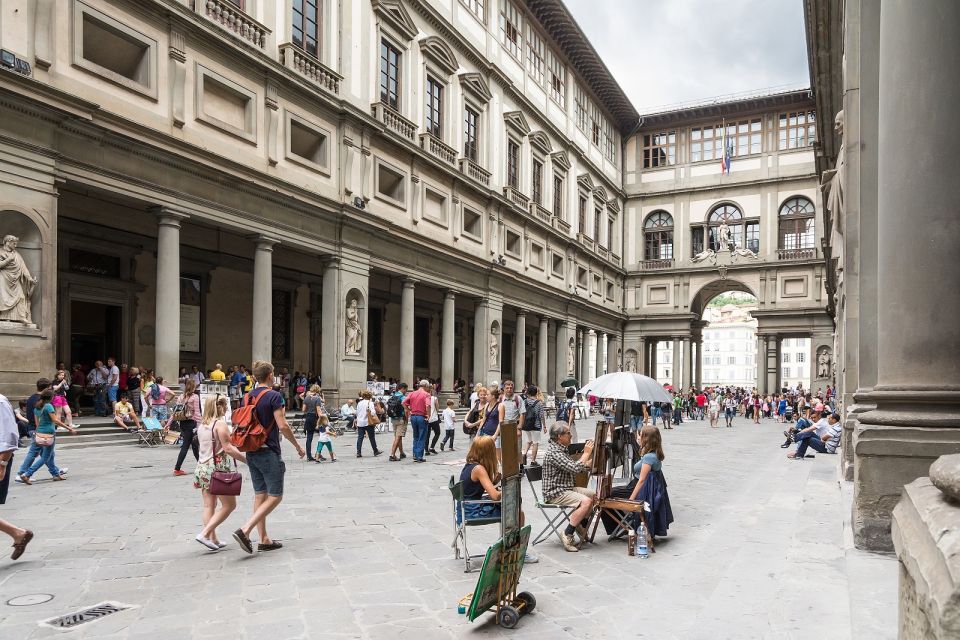
If you’ve ever tried to enter major museums in Florence, you know the worst part is often not the art. It’s the standstill outside. This tour handles the friction for you with skip-the-line entry, using a reserved ticket gate at Uffizi entrance number 3.
That single detail changes your whole visit. Instead of spending precious museum time waiting, you’re walking in and getting oriented. It’s also a confidence boost for first-timers: you get a clear start, then the guide does the hard part—turning an overwhelming building of paintings into something you can actually track.
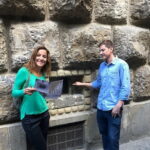
Just be ready to find your guide. The meeting instructions are specific: look for a white shirt and green foulard with the My Tour logo at Gate 3 (the reserved ticket gate area). If you’re flustered, take a breath and double-check that you’re in the right entrance zone before you start guessing. One simple misstep can cost you time you’d rather spend inside.
You can also read our reviews of more guided tours in Florence
- The Best tour in Florence: Renaissance & Medici Tales – guided by a STORYTELLER
★ 5.0 · 12,316 reviews
Meeting Your Guide: Small Group Energy in a Crowded Museum

This is set up as a small group tour, limited to 9 participants. That number matters. In large museum groups, you often become a spectator to someone else’s pace. Here, you tend to stay closer to the guide’s path and get more of the explanation that makes the art click.
The tour runs in Spanish, English, or Italian. You choose your language ahead of time, and the narration stays in that language throughout. That helps a lot at the Uffizi, where you don’t want to be translating while you’re also trying to understand symbolism, patronage, and artistic technique.
A few guide names have been especially praised—Emanuele, Enrica, and Mariana. The common thread in that kind of feedback is usually not just facts. It’s how the guide teaches you how to look: where to focus first, what details matter, and how the painting’s choices connect to the world that made it.
And yes, if you ever get stuck finding the guide, there’s support for fixing the situation. In at least one case, the issue was quickly sorted out through direct messaging once everyone confirmed the right meeting spot.
Giorgio Vasari’s Building and the Medici Backstory You’ll Actually Use
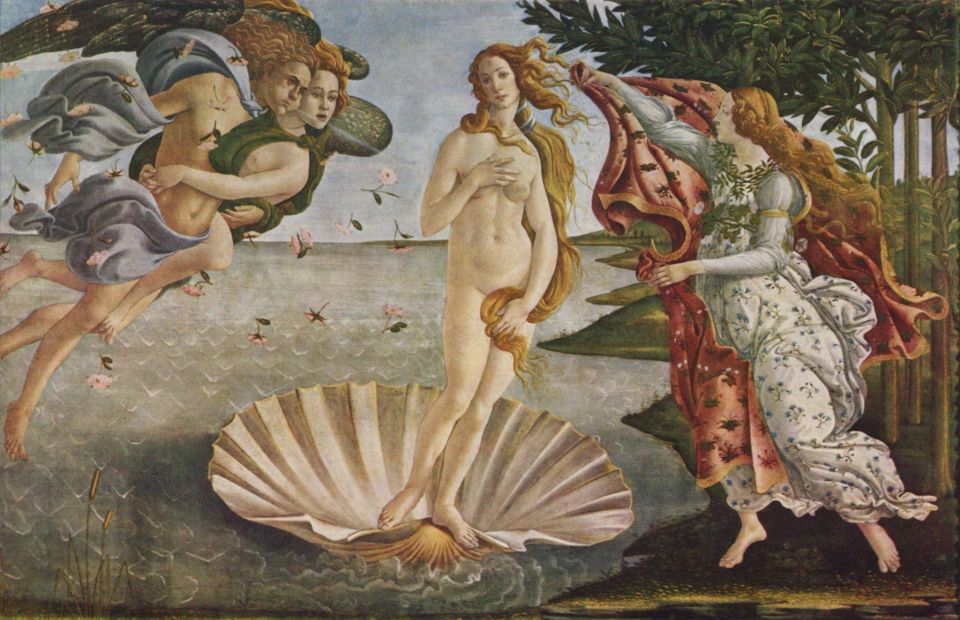
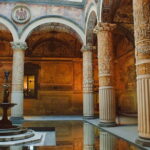
The Uffizi isn’t just a warehouse of famous paintings. This museum lives inside a specific piece of Florentine power: a 16th-century building by Giorgio Vasari, developed near the Arno River, and strongly tied to the Medici story.
During the tour, your guide connects that setting to what you’re seeing. You’ll learn how the site started as Medici’s administrative center, not as a museum. That background helps you understand why so many of these works feel purposeful—commissioned, arranged, and chosen to send messages about status, taste, and influence.
Here’s the practical part: once you know the museum’s Medici roots, you stop treating each room as a random gallery stop. Instead, you start reading the museum like a guided walk through power—who controlled culture, who shaped patronage, and how artists were selected to represent the city’s ambitions.
It also sets up the tone for the big masterpieces. When the guide explains the why behind the paint, it becomes easier to notice the what—the brushwork, the symbolism, and the storytelling choices that you’d otherwise miss if you were just hunting for famous names.
Botticelli, Primavera, and Birth of Venus the Right Way
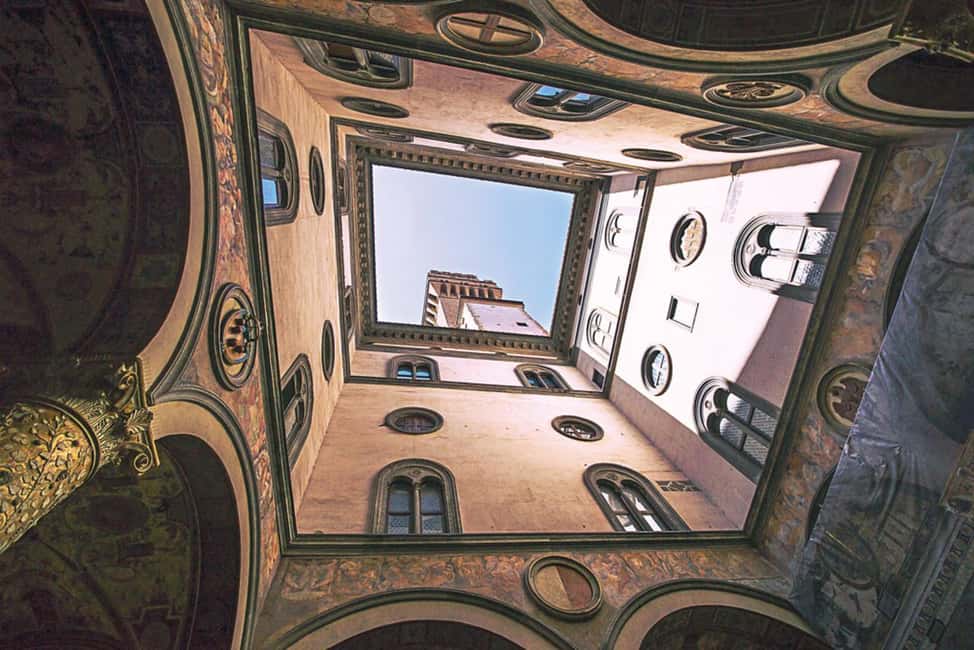
The Uffizi’s Botticelli rooms can feel like a greatest-hits album, which is both fun and risky. Fun, because you’ll recognize images. Risky, because you might just skim.
This tour nudges you past the skim. Your guide points out what to look for in major works such as Primavera and Birth of Venus, using narration that connects imagery to the culture around the Medici court.
What you gain here is not a history lecture for the sake of it. You gain a quick method:
- Identify the theme your eyes keep landing on.
- Learn what details are commonly misunderstood or overlooked.
- Understand how the work fits into the Renaissance worldview.
And because it’s a guided, small-group experience, you can actually follow along without feeling lost in a sea of audio guides and people in line-of-sight conflict.
If you’re a first-time Uffizi visitor, this kind of Botticelli-focused guidance is often where the whole trip becomes satisfying. Without it, these masterpieces can feel like famous posters pinned to museum walls. With it, they start behaving like stories.
Michelangelo and Leonardo da Vinci: Turning Fame Into Meaning

Michelangelo and Leonardo da Vinci are names you can’t avoid in Florence. But names alone don’t make the museum memorable. The goal is to see why their work still hits—how the artists built impact with composition, figure work, and storytelling choices.
On this tour, you’ll follow your guide to see major works connected to Michelangelo and Leonardo da Vinci, with explanations that help you slow down. The guide’s job is to translate the big, famous reputation into specific visual decisions you can spot with your own eyes.
In real-world terms, that means you’re less likely to end the tour thinking, I saw the famous paintings, and more likely to walk away thinking, I know what I noticed and why it mattered.
It also helps that the group stays small. In a bigger setting, you often reach a masterpiece and immediately feel rushed. In this format, you can spend the extra few minutes needed to match your eyesight to what the guide just pointed out.
You can also read our reviews of more museum experiences in Florence


Caravaggio at the Uffizi: A Different Kind of Punch
Caravaggio’s presence in the Uffizi adds contrast. His style tends to feel more direct and dramatic than what many visitors expect from Renaissance galleries that lean toward idealized beauty.
This tour includes a stop to see Caravaggio as part of the guided route, and your guide uses that moment to help you compare. You’ll get a sense of how artistic choices can shift from one era to the next, and why the same museum can feel like more than one world.
This contrast is one of the reasons a guided visit helps. Without interpretation, you might miss the fact that the museum is showing changing tastes and different approaches to realism and emotion. With the guide’s narration, that shift feels purposeful instead of random.
The Headphones Detail: When You Might Actually Need Them
The tour includes headphones for groups with over 15 participants. Even though the tour is described as a small group limited to 9, the practical point is this: the format aims to keep your guide’s voice clear.
In museums, audio can be tricky—stone echoes, people shifting around you, and the constant human noise of a large building. If you end up in a slightly bigger group at a particular time slot, headphones help you stay connected to the story instead of half-hearing it while you try to look at the painting.
Even if you hate wearing headphones in general, it’s worth considering the trade-off: you get better narration, and better narration makes the Uffizi’s famous works easier to remember later.
After the Guided Portion: How to Spend Your Free Time Like a Pro

One of the best parts of this tour is that you’re not forced to leave right after the highlight circuit. After the guided portion, you’re free to explore more on your own.
That freedom matters because the Uffizi rewards repeat visits. Not because you have to see everything, but because the longer you stay, the more connections you notice: themes shared across rooms, recurring artistic motifs, and the way sculptures and antiques add texture to the paintings.
The tour also specifically sets you up for that self-guided time by leaving you with the foundations—where to look first, what to pay attention to, and how to approach the museum’s scope. You’re already oriented, so wandering becomes easier and less tiring.
Practical tip: don’t try to outrun fatigue. This museum is big and you’ll walk. Use your self-time to choose 1 or 2 extra areas you care about, rather than attempting a full sweep. You’ll get more satisfaction from understanding than from checking boxes.
Price and Value: $108.75 for a Reason
At $108.75 per person, this is not the cheapest way to visit the Uffizi. So the question is: what are you paying for?
You’re paying for three things that add real value:
- Skip-the-line entry, which saves time and lowers stress.
- A live guide, which turns famous paintings into something you can decode.
- A guided 135-minute focus, which is long enough to learn how to look, not just quick-photo long enough.
If you’re the type of visitor who likes museums in silence with a pamphlet, you might decide to DIY. But if you want the works explained in a way that changes how you see them—Primavera, Birth of Venus, the links around Medici collections, and the contrast of artists like Michelangelo, Leonardo da Vinci, and Caravaggio—this price starts to look more fair.
I think the value is strongest when you have limited time in Florence. In that case, paying for a guided structure helps you avoid the most common problem: spending hours walking but leaving still unsure what you just saw.
Who This Tour Fits Best (and who should think twice)
This tour fits best if:
- You want expert guidance to understand major Renaissance masterpieces.
- You’re visiting with limited time and want a focused route.
- You enjoy small-group conversations and don’t want to fight for attention in a large crowd.
- You want a format that works for kids too, since younger visitors have enjoyed the guide’s explanations (including children around 7 and 11).
You might think twice if:
- You strongly prefer self-guided museums with zero structure.
- You hate being in a group setting for about 2 hours 15 minutes.
- You arrive late and risk missing the tight meeting setup at Entrance 3.
Plan Around the First Sunday Free Entry Note
There’s one scheduling twist to know. On the first Sunday of each month, entrance is free of charge, but tickets cannot be reserved ahead of time, so entry is not guaranteed.
If you’re traveling on that day, don’t treat the free entrance note like a sure thing. This is one of those times where a planned, guided entry approach can help you avoid the uncertainty that comes with walk-up demand.
Should You Book This Uffizi Guided Skip-the-Line Tour?
Yes—if your goal is to understand what you’re looking at, not just collect photos. I especially recommend it when you’re short on time in Florence, when you want help reading the Medici-era meaning behind the collections, or when you’d rather spend your energy on the art than on the line.
Skip the line is the obvious perk. The less obvious win is the way the guide shapes your attention—Botticelli works like Primavera and Birth of Venus make more sense, Michelangelo and Leonardo da Vinci feel less untouchable, and Caravaggio lands with the contrast it deserves. Then you get your own time back to wander and follow what you liked.
If you’re a strict do-it-yourself museum person, you could choose to go without a guide. But for most people coming to Florence for the first time, this tour is a smart use of time, built around what makes the Uffizi satisfying.
FAQ
Where do I meet the guide?
Meet your guide in front of the Uffizi Gallery Entrance number 3, the reserved ticket gate.
How can I recognize the guide?
They will wear a white shirt and a green foulard with the My Tour logo.
How long is the tour?
The duration is 135 minutes.
What languages are offered?
The live tour guide is available in Spanish, English, and Italian.
Is museum entry included?
Yes. The tour includes a ticket to the Uffizi Gallery and skip-the-line entry.
Is it a small group?
Yes. It is limited to 9 participants.
Does the tour include headphones?
Headphones are included for groups with over 15 participants.
What should I bring and do I need ID?
Bring a passport or ID card, wear comfortable shoes and clothes, and note that an identity document is required for children under 18 to be shown to the guide.
You Might Also Enjoy



More Guided Tours in Florence
- The Best tour in Florence: Renaissance & Medici Tales – guided by a STORYTELLER
★ 5.0 · 12,316 reviews

More Tours in Florence
- The Best tour in Florence: Renaissance & Medici Tales – guided by a STORYTELLER
★ 5.0 · 12,316 reviews



More Tour Reviews in Florence
- Tuscany Day Trip from Florence: Siena, San Gimignano, Pisa and Lunch at a Winery
★ 5.0 · 21,634 reviews - The Best tour in Florence: Renaissance & Medici Tales – guided by a STORYTELLER
★ 5.0 · 12,316 reviews