REVIEW · FLORENCE
Florence: Timed Entrance Ticket to San Marco Museum
Book on GetYourGuide →Operated by GetYourGuide Tours & Tickets GmbH · Bookable on GetYourGuide
San Marco feels like a monastery you can visit. This ticket gets you into San Marco Museum fast, then you spend your time in quiet rooms where Renaissance art and Dominican life overlap. If you care about Florence beyond the headline sights, this one makes the case.
What I love most is the art in its real setting. Fra Angelico paintings land differently when you’re walking through a former Dominican convent, not a warehouse gallery. I also like the emotional punch of the cell of Girolamo Savonarola, where history is not abstract.
One possible drawback: this is admission, not a guided tour. If you want a full narration (dates, theology, behind-the-scenes stories), you’ll need to read closely on site or add a separate guide.
In This Review
- Key highlights you’ll actually feel
- San Marco’s real appeal: it’s art in a still-living monastery
- Timed entrance logistics that keep the day calm
- The building itself: church + Dominican convent (and why it matters)
- Cloister of St. Anthony: where you slow down without trying
- Fra Angelico’s frescoes: why the monastery setting changes the art
- The cell of Girolamo Savonarola: where the story turns sharp
- Great Refectory and Fra Bartolomeo: meals, work, and paintings in the same spaces
- Price and value: what you get for about $15
- Who should book this San Marco ticket?
- Should you book this timed San Marco ticket?
- FAQ
- Where is the meeting point for the San Marco timed entrance ticket?
- What if I arrive outside my booked time slot?
- How long is the San Marco museum ticket valid?
- What’s included with the $15 per person ticket?
- Is a guided tour included?
- Is San Marco Museum wheelchair accessible and does it help you avoid lines?
Key highlights you’ll actually feel
- Timed entrance that helps you avoid the worst line moments at Piazza San Marco
- A working Dominican space, with the convent still tied to monks living there
- Cloister of St. Anthony and frescoed details that reward slow walking
- Fra Angelico (Beato Angelico) frescoes in an intimate, monastery-like layout
- Savonarola’s cell and the story of his final stand in Piazza della Signoria
- Great Refectory and Fra Bartolomeo paintings in the convent’s everyday spaces
San Marco’s real appeal: it’s art in a still-living monastery

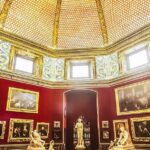
Florence has plenty of huge-ticket museums. San Marco is different because it doesn’t feel like a mega-attraction first. It feels like a monastery that happens to contain major art.
The complex is made of a church plus a 15th-century Dominican convent. The convent side matters. It was commissioned by Cosimo I de’ Medici and renovated by Michelozzo, one of the great Renaissance architects. So you’re not just looking at famous paintings. You’re looking at a place designed for religious life, built with Renaissance taste, and kept with continuity.
That’s why the vibe hits. The spaces tend to feel austere—less showy, more focused. You notice the rhythm of corners, courtyards, stone, and corridors. Even before you reach the paintings, the architecture sets the tone.
You can also read our reviews of more tours and experiences in Florence
Timed entrance logistics that keep the day calm
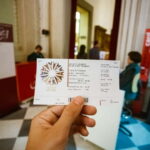
This experience is a timed entrance ticket to San Marco Museum. You pick a date and time slot, and that choice is binding. If you show up late or outside the window, you can be refused entry. So treat your time slot like a reservation, not a suggestion.
The ticket lets you skip the ticket line, which is a big deal in Florence where lines can eat time. Your start point is the ticket office inside the museum at Piazza San Marco, 3, 50121 Firenze. The activity ends back at the meeting point.
A small detail worth planning for: accompanying persons still need their own admission ticket. So don’t assume that one ticket covers a group.
Also, the museum is wheelchair accessible, which helps if you’re managing mobility needs. Timed entry can reduce stress for anyone who doesn’t want to wait in a crowded queue.
The building itself: church + Dominican convent (and why it matters)
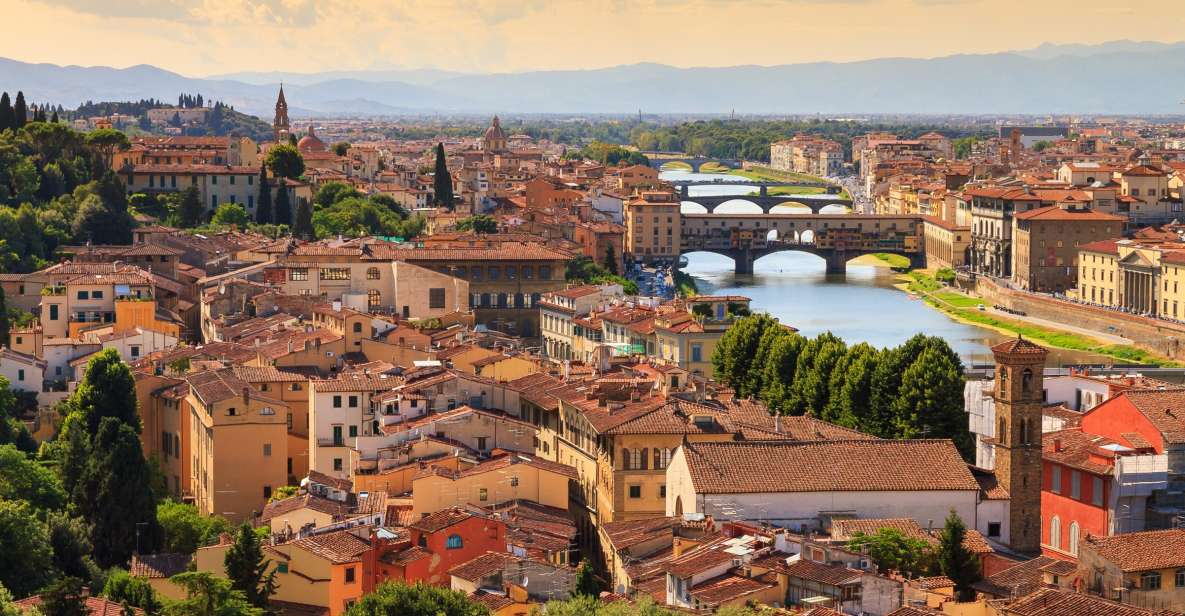
When you arrive, don’t rush past the exterior. The complex’s exterior is part of the experience. Then you move into the way the building is organized: church spaces connected to convent spaces.
Here’s what I find useful to understand before you go inside. A convent isn’t a random container. It’s designed for daily routines—silence, reflection, prayer, work, and community meals. That means when you reach the art, it’s not separated from life the way it often is in museums.
San Marco’s convent is one of the most distinguished examples of Florentine architecture. Michelozzo’s renovation style keeps the spaces practical and human-scaled. You end up with pathways that make sense, courtyards that open the air, and rooms that feel like they were built for people moving through the day.
If you’re the type who likes architecture as much as paintings, you’ll probably start noticing doorframes, thresholds, and the logic of the cloister long before you reach the big fresco rooms.
Cloister of St. Anthony: where you slow down without trying

One of the first standout stops inside is the Cloister of St. Anthony. Even if you’re not “a cloister person,” it works. Cloisters are built to give you air and order inside heavy buildings. Here, it also acts like a transition space: you move from outside Florence into a different pace.
Then look for the age-old doors decorated with stunning frescoes. The convent’s art isn’t only in major galleries. It shows up on surfaces you might otherwise ignore—doors, passages, the small elements that make a place feel intentionally decorated.
This is the moment where you can set your pace. If you want the quiet monastery feeling, don’t sprint to the famous paintings. Spend a little extra time here and your whole visit will feel more connected.
Fra Angelico’s frescoes: why the monastery setting changes the art
San Marco is especially famous for works by Beato Angelico (Fra Angelico), one of the most important Renaissance painters. You’ll spend time in an ancient hall filled with his work.
What I like about this setup is the intimacy. Instead of a giant crowd channeling you through highlights, you’re walking through a layout that feels more like rooms you could actually inhabit. Many people end up describing San Marco as quieter and more intimate than the big names like the Uffizi or Academia. I get why. The museum doesn’t demand your attention by volume; it earns it by atmosphere.
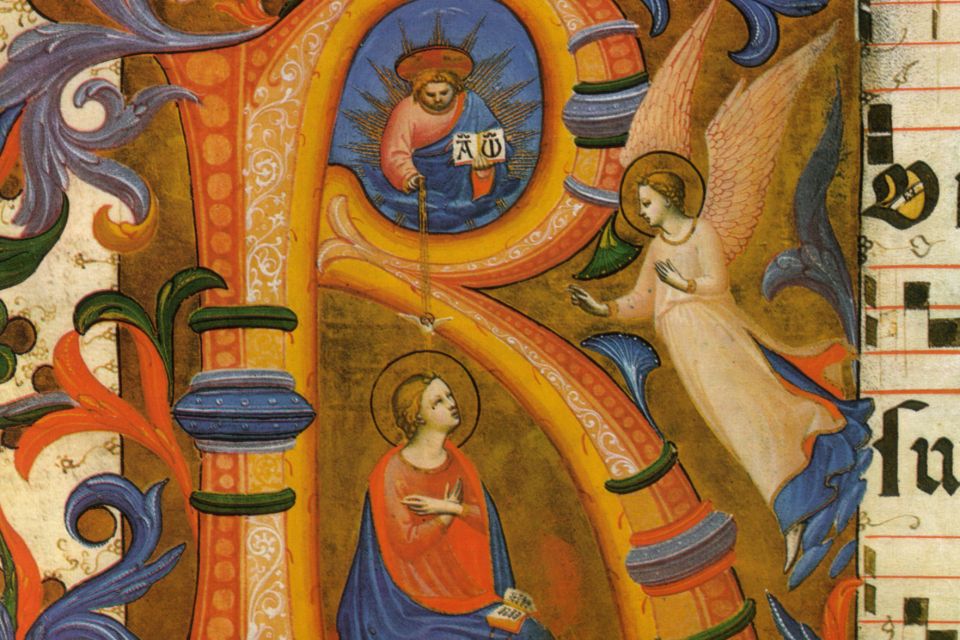
A specific painting you’ll want to keep an eye out for is Annunciation. It’s often singled out as a must-see, and for good reason. In a convent setting, the subject isn’t just a theological image. It becomes something more immediate, like a message designed to be seen by people living in the same walls.
As you look, notice the combination of restraint and emotion. Fra Angelico’s style tends to feel calm, yet it carries strong religious feeling. The convent setting amplifies that. You’re not staring at a painting detached from ritual life. You’re viewing it inside a former religious environment meant for reflection.
One practical note: this ticket is admission without a guided tour. That can be totally fine if you’re comfortable reading labels. If you want deeper interpretation, you might feel the lack of explanation most in the art rooms. You can still get a lot from the visuals and the on-site information, but be realistic about what this entry includes.
You can also read our reviews of more museum experiences in Florence

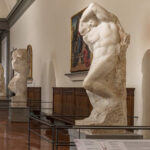
The cell of Girolamo Savonarola: where the story turns sharp
Then you reach the part of San Marco that feels less like art history and more like human drama: the cell where Girolamo Savonarola lived.
Savonarola was a passionate preacher who criticized corruption and moral decay among the clergy. His life ended violently. He was hanged and burned at the stake in Piazza della Signoria.
Seeing his cell changes the tone of the museum. You go from looking at religious art to encountering the intensity of real religious conflict. It’s a powerful emotional stop because the museum connects a painted faith to lived consequence.
If you like history that has stakes, don’t treat this as a quick photo stop. Read what’s there, then sit for a minute in your head. The walls don’t feel like they’re acting for visitors. They feel like they remember.
Great Refectory and Fra Bartolomeo: meals, work, and paintings in the same spaces
San Marco also includes parts of the convent’s “everyday” anatomy. You’ll visit the Great Refectory, the old kitchen, and service areas. These spaces display works by Fra Bartolomeo, another Dominican monk and painter active in the early 16th century.
This section helps you understand something about Renaissance art. Paintings weren’t only for grand ceilings and formal altarpieces. They also belonged to daily routines—meals, communal life, workspaces, and shared worship.
One painting that many people focus on is The Lord’s Supper on the main floor. It fits the refectory setting in a way that feels logical, not forced. When you see that kind of work in the room it was meant to complement, it becomes easier to grasp why religious communities cared about images.
There can be closures in some museums, and you might find that certain rooms are not accessible on your date. If you hit a closed area, don’t assume you missed the core experience. The Fra Angelico rooms and Savonarola cell are the heart, and they’re the main reasons most people plan San Marco at all.
Price and value: what you get for about $15
The price is listed at $15 per person, with a booking fee included. For Florence, that’s a reasonable amount for a focused museum experience.
Here’s the value logic I’d use if you’re deciding whether to spend your limited time in Florence:
- If you want timed entry and skip-the-line access, you’re paying to protect your schedule.
- If you care about Fra Angelico (and you want him in a monastery context), San Marco is one of the best ways to see that kind of work.
- If you’re hoping for a place that feels quieter than the major art megahubs, San Marco offers that shift.
There’s also extra value built into the ticket: 10% discounts at two Hard Rock spots in Piazza della Repubblica (Via dei Brunelleschi, 1). One is the Hard Rock Shop. The other is the Hard Rock Cafe Restaurant. The shop discount excludes limited edition and charity items. The cafe discount applies to the à la carte menu and excludes alcohol.
That won’t matter for everyone, but if you already plan a souvenir stop or a casual meal near Piazza della Repubblica, it turns the ticket into something closer to a bundle.
Who should book this San Marco ticket?
Book this if you want:
- Fra Angelico and monastery architecture in one visit
- A museum with a calmer pace than Florence’s biggest crowd magnets
- A history stop with real tension through Savonarola’s cell
- A meaningful art experience without committing to a full guided tour
Skip (or plan something extra) if you:
- Want a full narration of religious symbolism and the convent’s specific history
- Rely on audio guides for your museum experience, since a guided tour and audio-style support may not be part of what this admission ticket gives you
Should you book this timed San Marco ticket?
Yes, if your goal is a high-impact Florence day without turning it into a sprint. The combination of timed entry, skip-the-line access, and the monastery setting makes San Marco feel like a place you remember, not just another checklist stop.
If you’re even mildly interested in Fra Angelico, I’d prioritize this over any generic museum hour. The Savonarola cell also adds a sharper edge than you’ll get in many art-only stops.
Just be honest about the format: this is admission. If you want guided commentary, you may want to add that separately.
FAQ
Where is the meeting point for the San Marco timed entrance ticket?
You redeem your ticket at the ticket office inside the museum, at Piazza San Marco, 3, 50121 Firenze.
What if I arrive outside my booked time slot?
The date and time slot you choose is binding. You can be refused entry if you do not respect the allotted entry time.
How long is the San Marco museum ticket valid?
The ticket is valid for 1 day, and you can check availability to see the starting times.
What’s included with the $15 per person ticket?
Included: the timed entrance ticket to San Marco Museum and the booking fee. It also includes 10% discounts at the Hard Rock Shop and Hard Rock Cafe Restaurant in Via dei Brunelleschi, 1 (Piazza della Repubblica), with exclusions noted for limited edition/charity items (shop) and alcohol (cafe).
Is a guided tour included?
No. A guided tour is not included with this activity.
Is San Marco Museum wheelchair accessible and does it help you avoid lines?
Yes, the activity is wheelchair accessible, and it includes skip the ticket line entry.
You Might Also Enjoy


More Museum Experiences in Florence
More Tickets in Florence

More Tour Reviews in Florence
- Tuscany Day Trip from Florence: Siena, San Gimignano, Pisa and Lunch at a Winery
★ 5.0 · 21,634 reviews - The Best tour in Florence: Renaissance & Medici Tales – guided by a STORYTELLER
★ 5.0 · 12,316 reviews