REVIEW · FLORENCE
Florence Renaissance walking tour
Book on Viator →Operated by Slow Tour Tuscany · Bookable on Viator
Florence can feel endless fast. This Duomo-focused Renaissance walk adds expert context to the sights most people race past. You start in the medieval heart, clock views of Giotto’s Campanile and the Baptistery, then step inside the Florence Cathedral with a professional art historian guiding the story.
What I like most is the pacing: 2 hours that move from square to square without turning into a museum sprint. You also get earphones, so even if you stand a bit back you should still catch the guide’s explanations.
One thing to consider: not every stop includes tickets. A few key areas you’ll pass through require separate admission, so plan a little extra budget if you want to enter everything beyond what’s included.
In This Review
- Key moments that make this tour worth your time
- A 2-hour Florence plan that keeps you oriented
- Meeting point to final square: how the route flows
- The Duomo finale starts before you reach the Duomo
- Ponte and the Arno views: the city’s best warm-up
- Uffizi stop: short look, Medici story included
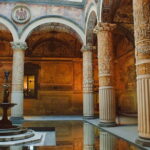
- Piazza della Signoria: where art, politics, and replicas meet
- Palazzo Pitti and the Medici footprint
- Oltrarno craft labs: Tuscan artisan culture in small doses
- The road of fashion and everyday Florence rhythm
- Piazza della Repubblica: Roman roots in plain sight
- Inside Piazza del Duomo: Brunelleschi’s cupola and the Baptistery door
- Price and value: does $40.33 make sense?
- The biggest strength: real explanation, not just sight-seeing
- Practical tips to get the most from the 11:00 am start
- Who this Florence Renaissance tour suits best
- Should you book this tour?
- FAQ
- How long is the Florence Renaissance walking tour?
- What time does the tour start, and where does it begin?
- Where does the tour end?
- What is included in the tour price?
- Is admission included for the Duomo?
- Are tickets included for Uffizi and Palazzo Pitti stops?
- What about Oltrarno and Piazza della Repubblica?
- How big is the group?
- Can I cancel for free?
- Is it suitable for children?
Key moments that make this tour worth your time
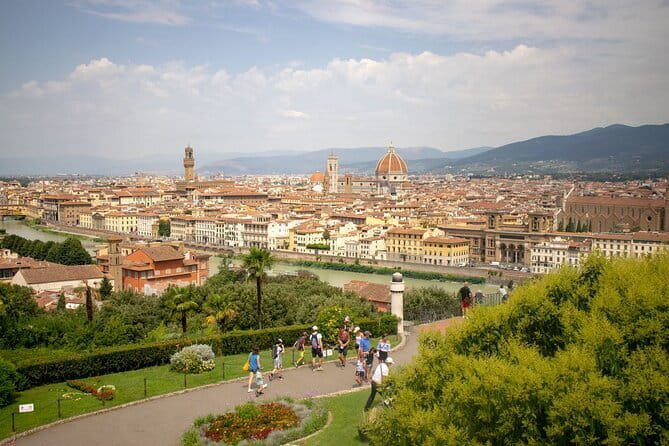
- Art historian guidance that explains the Renaissance design and Gothic structure, not just what to look at
- Earphones included, which makes group storytelling actually work in busy plazas
- UNESCO Florence Cathedral (Duomo) visit, with entry included for the cathedral experience
- Medici power shown in real locations, from Medici-linked squares to Palazzo Pitti viewpoints
- Oltrarno artisan stops, where you get a taste of Tuscan craft culture rather than only monuments
- Practical small-group feel, with a private party capped at 12 adults (and a total tour cap of 15)
A 2-hour Florence plan that keeps you oriented
This tour is built for people who want to see a lot of Florence, but still understand what they’re seeing. The route is short enough to be manageable, yet long enough to cover multiple neighborhoods and the major “first-timer” landmarks.
The walk starts at Lungarno degli Acciaiuoli 10 and ends at Piazza del Duomo. That end point matters: after the tour, you’re already positioned where the city’s next moves make sense, whether you want to linger by the cathedral area or head toward nearby streets.
Timing is straightforward. It runs for about 2 hours, and the start time is 11:00 am. You’ll be walking at a pace that fits a typical guided stroll, not a workout course.
You can also read our reviews of more walking tours in Florence
Meeting point to final square: how the route flows
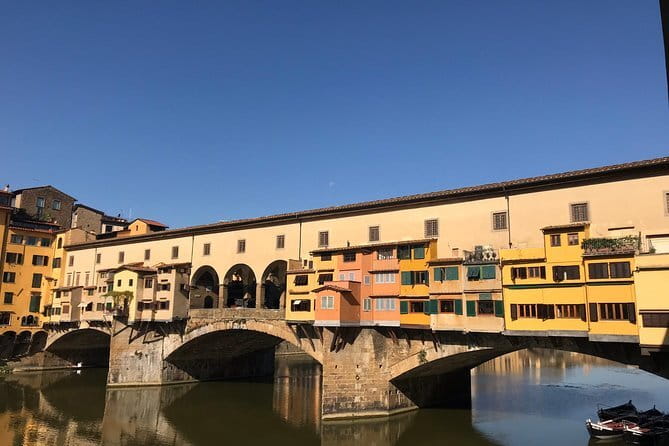
You begin on the Arno-side area near Lungarno degli Acciaiuoli, which is a good “launch pad” for getting your bearings. Early on, you’ll get a view connection to one of Florence’s most important river crossings, described as the oldest bridge in the city.
From there, the tour moves through major landmarks in a logical sequence: squares for big-picture context, then neighborhood streets where craft culture and daily life show up. The big finish is the cathedral complex, which is where you’ll spend the most time on the architecture itself.
Group size stays human. Your private party is limited to a maximum of 12 adults, even though the overall maximum for the activity is listed as 15 travelers. That combination usually helps keep questions possible and keeps the guide from turning into a one-way lecture.
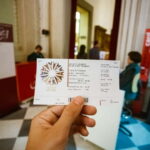
Also, you get a mobile ticket. That’s one less thing to worry about at a busy meeting point.
The Duomo finale starts before you reach the Duomo
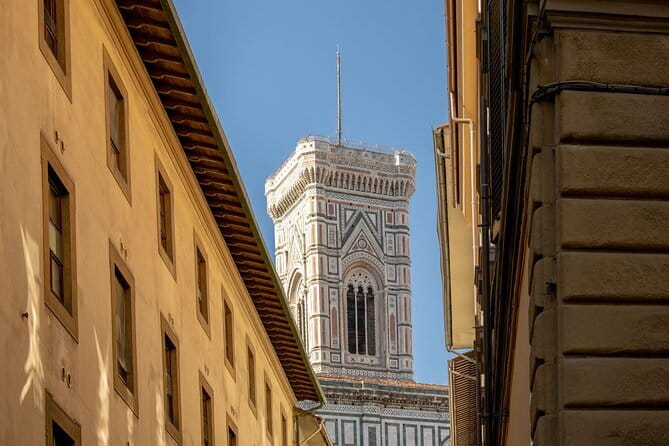
Even though the big-ticket moment is inside the cathedral area, the tour sets you up for it by pointing out context along the way. Your guide is an art historian, and the tour is designed around understanding how the building reads as both Renaissance design and Gothic structure.
That matters because the Duomo complex can look like one “big beautiful thing” until someone explains what you’re actually looking at. When you arrive with the right framing, the details land faster: proportions, design shifts over time, and why certain elements stand where they do.
The guided cathedral portion is listed as a 1-hour visit to the UNESCO-listed Florence Cathedral, with entry included as part of the tour experience. That’s a big value point for a short walking tour, because Duomo entry and a guided architectural walkthrough tend to eat time and energy when you plan alone.
Ponte and the Arno views: the city’s best warm-up
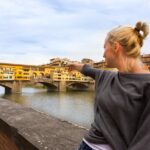
One of the early highlights is the walk that includes Florence’s river bridge story. You start by marveling at the oldest bridge in Florence, which is a smart first move.
Why it works: it gives you a clear mental map of the city’s layout. Florence’s neighborhoods feel different on each side of the Arno, and a bridge view helps you understand why the route makes sense.
Later, you also get a dedicated moment for a bridge experience described as the bridge designed by Michelangelo. You’ll pause with a stunning view toward Ponte Vecchio. Even if you’ve seen photos, it’s the kind of view that helps you remember Florence as a working city, not a postcard collection.
Uffizi stop: short look, Medici story included

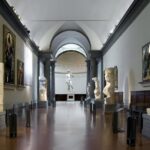
The route includes a stop at Gallerie Degli Uffizi for about 10 minutes. The focus is not a full gallery visit. It’s the Medici family and their art collections, which gives you a quick power-and-patronage explanation for why so much Renaissance art is tied to Florence’s elite.
Important detail: admission isn’t included for this stop. So don’t count on using this tour as your Uffizi ticket plan. If you want to actually go inside for longer, you’ll need to arrange that separately.
Still, that short guided context helps a lot. Even a quick framing on the Medici makes the city’s art ecosystem feel less random. Instead of wandering through titles and dates, you start understanding who paid for the art and why.
- The Best tour in Florence: Renaissance & Medici Tales – guided by a STORYTELLER
★ 5.0 · 12,316 reviews





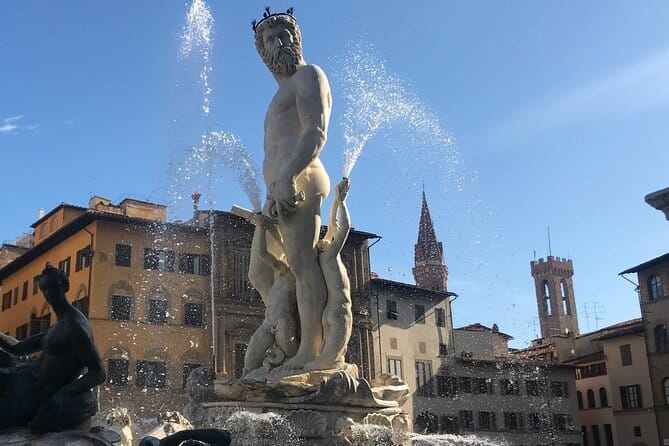
Piazza della Signoria: where art, politics, and replicas meet
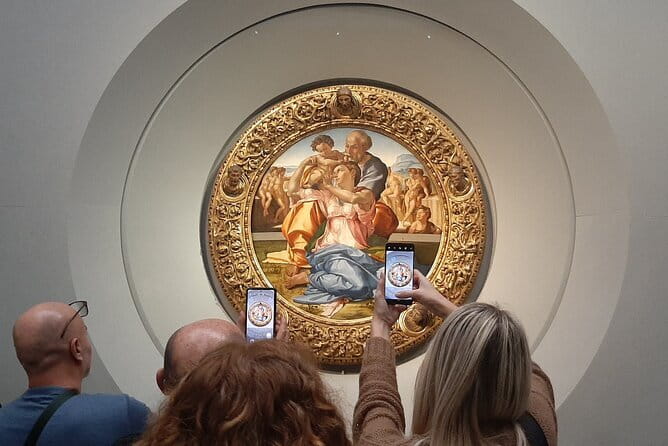
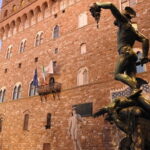
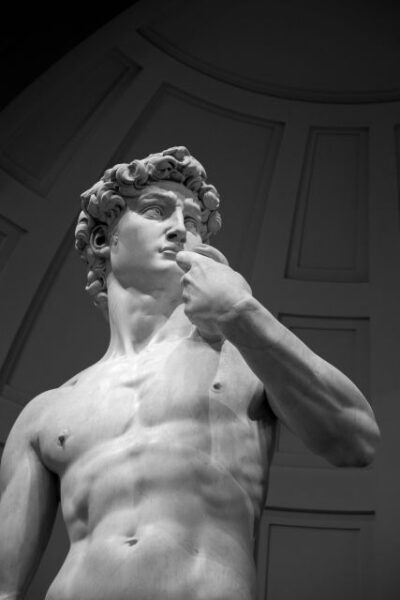
Next comes Piazza della Signoria, where you’ll admire one of the standout elements called out on this tour: a replica of Michelangelo. The stop is about 10 minutes, and ticket access for this part is listed as included.
This is one of those Florence squares where the architecture and sculpture feel like they’re arguing with each other. That’s why a guide helps. You’re not just seeing an impressive statue. You’re getting the Renaissance context that explains why Florence placed art and symbolism in public view.
If you’re traveling with anyone who enjoys history more than shopping, this square can become a highlight fast.
Palazzo Pitti and the Medici footprint
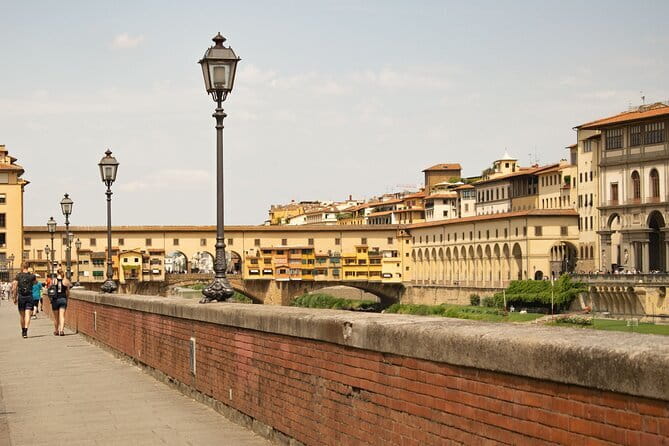
You’ll also walk along a renewed passage leading up toward Pitti Palace, and you’ll stop at Palazzo Pitti for around 10 minutes. The emphasis here is how the palace connects to the Medici family and also to the King of Italy.
But again, this is a viewing and orientation stop. Admission isn’t included for Palazzo Pitti. That’s a common pattern on high-value walking tours: you see the big places, get the story, and then decide on your own whether to pay for a longer interior visit later.
If you like the idea of saving time on ticket lines while still understanding what you’re seeing, this stop does the job.
Oltrarno craft labs: Tuscan artisan culture in small doses
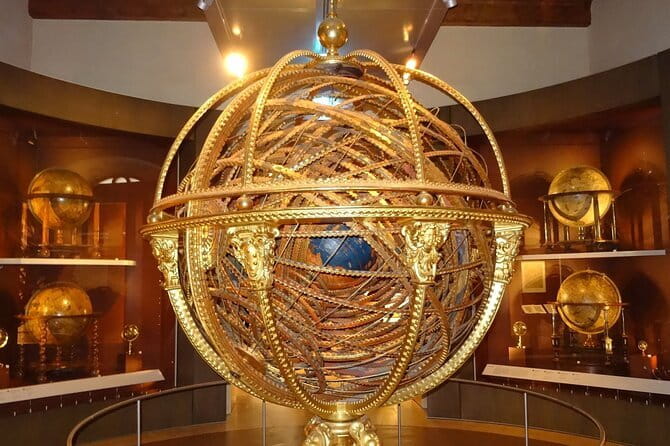
One of the more charming parts of the route is Oltrarno, with a stop that includes a look at artcrafts lab settings. This segment is about 15 minutes and lists admission included.
This is the side of Florence that balances monument photography. Instead of only studying famous facades, you get a peek at how Tuscan artisans operate and the kind of skills that keep local traditions alive.
Practical takeaway: don’t expect this to replace a proper craft market hour. It’s a quick cultural add-on. But it’s also the part that can make the day feel less like a checklist.
The road of fashion and everyday Florence rhythm
The tour also includes time described as the road of fashion. It’s not a sit-down segment with tickets, but it’s a meaningful shift in feel.
Florence’s most famous streets often feel polished and touristy. A guided walk through this zone helps you keep your head up and notice details beyond storefronts—street layout, building scale, and how people actually move through the area.
If your goal is to see Florence as a living city, not just an art catalog, this portion helps.
Piazza della Repubblica: Roman roots in plain sight
Next up is Piazza della Repubblica, with about 10 minutes of time and admission included. This stop is described as the ancient Roman city center where a community is said to have lived.
Even if you’re not able to spot Roman details instantly (Florence has layers, and not every clue is obvious), the guide framing is the point. Without that context, Roman references can feel like trivia. With it, you start reading the city as a timeline.
This square also works as a mid-walk breather. It’s a wide-open space where you can reset your bearings before heading to the cathedral area.
Inside Piazza del Duomo: Brunelleschi’s cupola and the Baptistery door
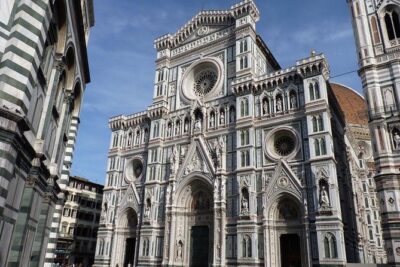
The final stop is Piazza del Duomo, with about 15 minutes. This is where the tour pays off visually.
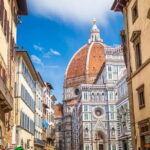
You’ll admire the cathedral, the Cupola by Brunelleschi, and the golden door of the Baptistery. The Baptistery is specifically called out here, and you’ll also see the Campanile mention tied to Giotto earlier in the tour description.
One important budgeting note: for this piazza segment, the information lists admission not included. That doesn’t mean you get nothing from this stop. You’ll still see the architecture and key features from the exterior viewpoint. The major inclusion for the day is the cathedral entry experience, which is part of the UNESCO cathedral visit.
If you want to maximize the payoff, arrive mentally ready to look up. The Duomo complex rewards attention to angles, vertical lines, and the way different periods mix in one scene.
Price and value: does $40.33 make sense?
The price is listed at $40.33 per person, and bookings average around 73 days in advance. For a short, guided walking tour, the value comes from what’s included versus what’s optional.
Here’s the core value you’re paying for:
- A professional art historian guide
- Guided walking through central Florence
- Earphones, which improve the experience in loud squares
- Entry included for the UNESCO-listed Duomo visit
Some other stops—like Uffizi and Palazzo Pitti—list admission not included. That means the tour price covers the structure of the day and the included cathedral time, but not every major attraction you pass.
In practice, that’s fine for many travelers. You’re basically buying expert navigation and interpretation for a compact route. If you’re the kind of traveler who only wants to pay for what you’ll truly use, this setup can be cost-smart. If you want to enter everything everywhere, you’ll likely spend more on top.
Also, the small group size helps justify the price. You’re not competing with a giant crowd for a few minutes of explanation.
The biggest strength: real explanation, not just sight-seeing
The standout praise in the feedback points to how well the guide handled questions and history. The vibe you should expect is: you’re not just hearing a script; you’re getting answers.
There’s also a clear note to keep in mind. One review says the guide was a bit soft spoken, which can make hearing harder at times. The tour includes earphones, which should help, but if you’re someone who struggles in noisy open spaces, come prepared to adjust your position slightly to hear clearly.
That’s the main “trade-off” in any walking tour with talking outdoors. The solution is simple: stand where you can face the guide and don’t assume you’ll hear from across a square.
Practical tips to get the most from the 11:00 am start
Start with your expectations. This is a walking tour with stops, not a single building tour all the time. Build in the idea that you’ll get brief looks at major places and then the guide will connect the dots.
Wear shoes you trust. Florence surfaces can be uneven around historic centers, and the route spans multiple streets and squares. You’ll want grip and comfort more than style.
Bring a little money mindset for optional admissions. Tickets for some stops are marked not included, including areas like Uffizi and Palazzo Pitti in particular. If you hate surprises, decide in advance which “maybe” attractions you actually want to pay for.
And if you’re traveling with anyone who needs more quiet or breaks, this tour’s pacing can feel fast. You’ll spend time in plazas, but the main structure is continuous movement between them.
Who this Florence Renaissance tour suits best
This is a great match if you’re:
- A first or early trip to Florence who wants the cathedral area plus key surrounding landmarks
- Interested in how Renaissance and Gothic design connect, not just where the buildings are
- Traveling with someone who likes asking questions and wants a real guide back-and-forth
It’s also a good fit for couples. One of the feedback notes the tour worked well when it effectively became just two people, which is exactly what small-group setups can enable.
If you’re a hardcore museum-goer, you might find the Uffizi and Pitti time short because admission isn’t included and the stops are brief. You’ll get the story, but you won’t replace a full museum day.
Should you book this tour?
I think it’s a solid choice for most visitors who want meaning with their photos. The art historian angle and the Duomo entry inclusion make the price feel earned, especially since the route keeps you oriented across multiple Florence highlights.
Book it if you want a guided thread that connects Medici-era influence, Renaissance design, and Gothic cathedral structure in a compact 2-hour format. Don’t book it if you want a full-day museum plan or if you refuse any extra ticket costs for major sights along the way.
If your priority is understanding Florence quickly and comfortably, this tour does that job.
FAQ
How long is the Florence Renaissance walking tour?
It lasts about 2 hours.
What time does the tour start, and where does it begin?
The tour starts at 11:00 am at Lungarno degli Acciaiuoli, 10, 50123 Firenze FI, Italy.
Where does the tour end?
The tour ends at Piazza del Duomo, 50122 Firenze FI, Italy.
What is included in the tour price?
Included are the professional art historian guide, the guided walk, a single-language tour, earphones, and entry as part of the UNESCO-listed Duomo visit.
Is admission included for the Duomo?
Yes. The tour includes entry to the UNESCO-listed Florence Cathedral (Duomo).
Are tickets included for Uffizi and Palazzo Pitti stops?
No. Both Gallerie Degli Uffizi and Palazzo Pitti are listed with admission not included.
What about Oltrarno and Piazza della Repubblica?
Oltrarno is listed with admission included, and Piazza della Repubblica is also listed with admission included.
How big is the group?
Your private party is capped at a maximum of 12 adults. The activity also lists a maximum of 15 travelers.
Can I cancel for free?
Yes. You can cancel for a full refund, as long as you cancel at least 24 hours before the experience’s start time.
Is it suitable for children?
Children must be accompanied by an adult.
You Might Also Enjoy

More Walking Tours in Florence

More Tours in Florence
- The Best tour in Florence: Renaissance & Medici Tales – guided by a STORYTELLER
★ 5.0 · 12,316 reviews


More Tour Reviews in Florence
- Tuscany Day Trip from Florence: Siena, San Gimignano, Pisa and Lunch at a Winery
★ 5.0 · 21,634 reviews - The Best tour in Florence: Renaissance & Medici Tales – guided by a STORYTELLER
★ 5.0 · 12,316 reviews