REVIEW · FLORENCE
Florence: Private City Walking Tour
Book on GetYourGuide →Operated by Florence Tours by Made of Tuscany · Bookable on GetYourGuide
Florence rewards slow walking, and this private route is built for it. You’ll get an expert guide walking you through the Duomo complex and the big political and art stops that made the Renaissance happen in the first place. I especially like how the tour connects places to names and ideas, from Filippo Brunelleschi’s dome to Cosimo the Elder and Lorenzo the Magnificent. The only real drawback to plan for is pacing: it’s a lot of ground in 3 hours, so the experience favors seeing and learning over long museum time.
In practice, this is the kind of tour that helps you get your bearings fast. You’ll move from religious Florence to civic power, then into the art world and across the Arno via Ponte Vecchio, finishing back at the Duomo area. You’ll also appreciate that the group is private, so you’re not stuck matching someone else’s pace. Wear comfortable shoes—Florence is stone-on-stone all day.
In This Review
- Key Takeaways Before You Go
- Why This 3-Hour Private Walk Makes Florence Click
- Starting at Santa Maria del Fiore: The Duomo Complex as Your Anchor
- Plaza to Palazzo: How Renaissance Power Shows Up in the Streets
- Via Renaissance on Foot: Medici at Palazzo Medici Riccardi
- Dante, Towers, and Medieval Florence’s Rival Lines
- Piazza della Repubblica: Roman Roots to 19th-Century Florence
- Uffizi Gallery Without the Full-Museum Commitment
- Ponte Vecchio to Oltrarno: The Arno Crossing That Changes the Mood
- Piazza Santa Trinita, Palazzo Pitti, and Santo Spirito Stops
- Price and Value: What $192.58 Buys You in Florence
- Languages, Private Group Pace, and Practical Comfort
- Who Should Book This Tour (And Who Might Want More)
- Should You Book This Florence Private City Walking Tour?
- FAQ
- FAQ
- How long is the Florence private city walking tour?
- Where does the tour start and end?
- What is included in the price?
- Is this tour private?
- What languages are the live guides available in?
- Is the tour wheelchair accessible and can I cancel?
Key Takeaways Before You Go
- Expert guide-led structure keeps the story clear across multiple neighborhoods
- Duomo to Uffizi to Ponte Vecchio covers Florence’s must-know anchors in 3 hours
- Named art and architecture stops include Brunelleschi’s dome and Renaissance sculpture at La Loggia dei Lanzi
- Private group pace means you can ask questions without the crowd squeeze
- Many languages available (French, German, Italian, English, Spanish) for comfortable explanations
- Not food-and-drink included, so plan a snack strategy if you’re hungry
Why This 3-Hour Private Walk Makes Florence Click
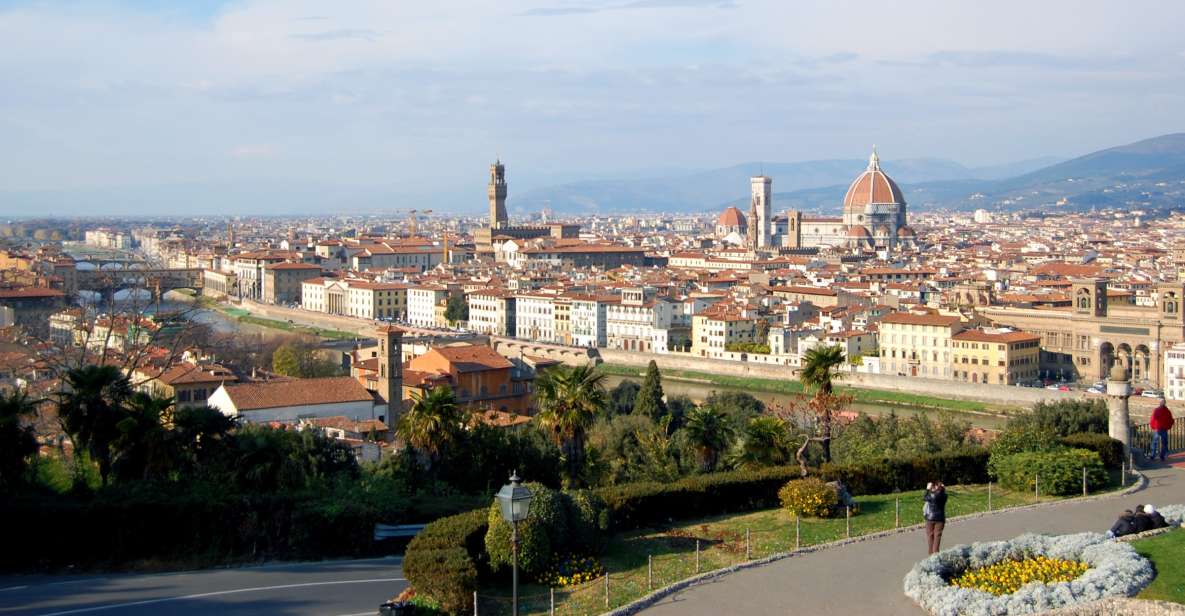
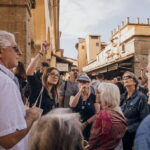
Florence can feel like a greatest-hits album—beautiful, crowded, and a little overwhelming. What I like about this tour is that it gives you a guided map in story form. You’re not just ticking off monuments; you’re learning how the city’s religious center, ruling families, and art institutions connect.
Because it’s private, you also avoid the usual problem with first-time tours: waiting, rushing, or getting lost in the shuffle. The timing is compact—around 15 minutes at most key stops—so you see a lot without spending the entire day in transit.
One more thing: the route is practical for many travel styles. If you want a first-day orientation, it works. If you already visited a site or two on your own, the guide can still fill in what you missed.
You can also read our reviews of more walking tours in Florence
Starting at Santa Maria del Fiore: The Duomo Complex as Your Anchor
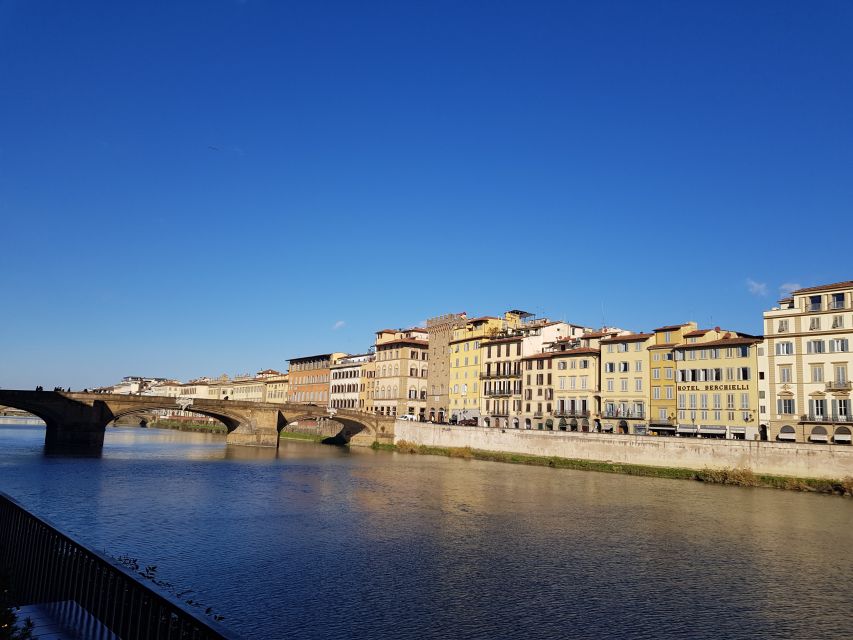
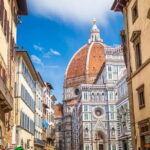
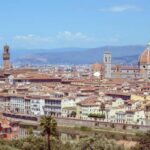
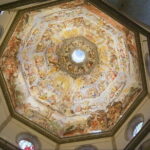
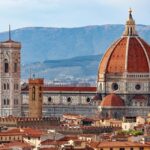
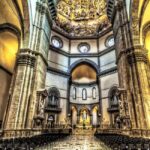
The tour starts in front of the central door of the Cathedral of Santa Maria del Fiore, right where Florence’s Renaissance identity gets loud and visible. From there, the first guided focus is the Duomo complex, including the Baptistery of San Giovanni, the Cathedral itself, Giotto’s bell tower, and the octagonal dome designed by Filippo Brunelleschi.
This is a smart opening because it sets a visual baseline. Even if you’ve seen photos, your brain needs a real sense of scale: domes, towers, façades, and the way the complex dominates the surrounding square. A guide matters here because the architectural names and relationships can be hard to place on your own.
After the Duomo area, you’ll walk through Via dei Calzaiuoli, a key street that helps you transition from the cathedral’s spiritual gravity into the city’s everyday life. You get the feeling of Florence as a working urban center, not just a museum.
Plaza to Palazzo: How Renaissance Power Shows Up in the Streets
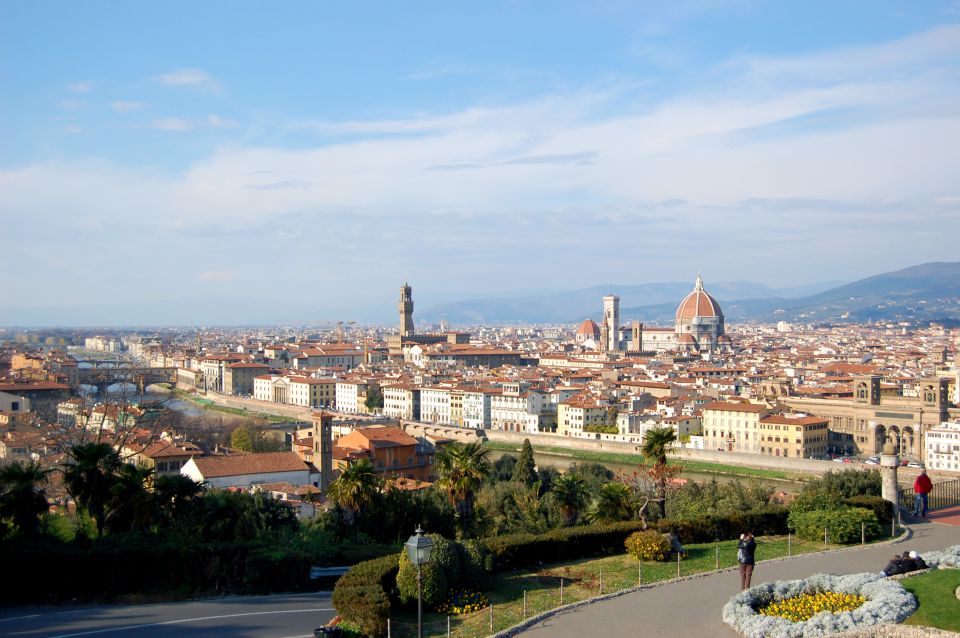
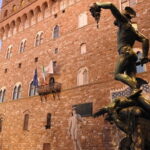
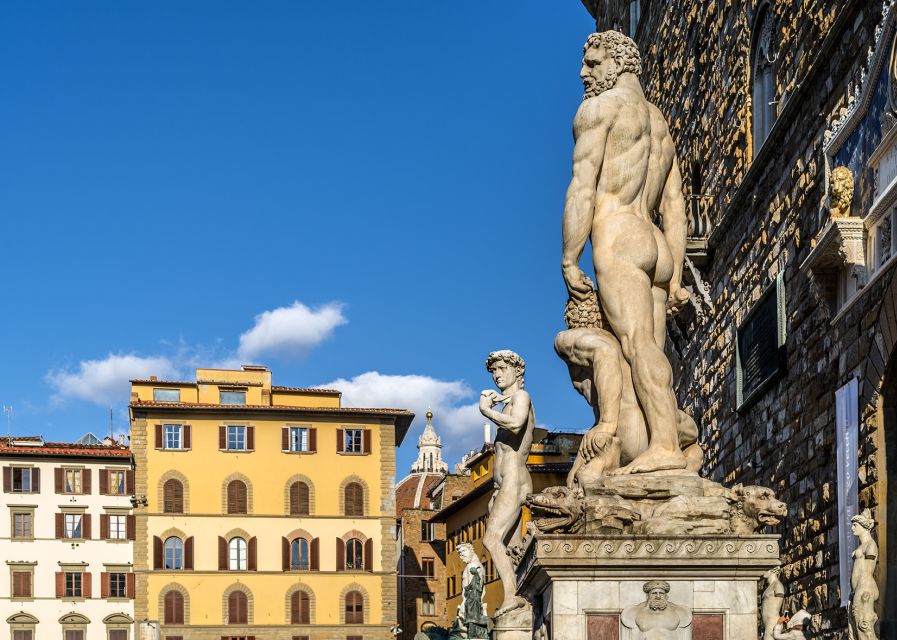
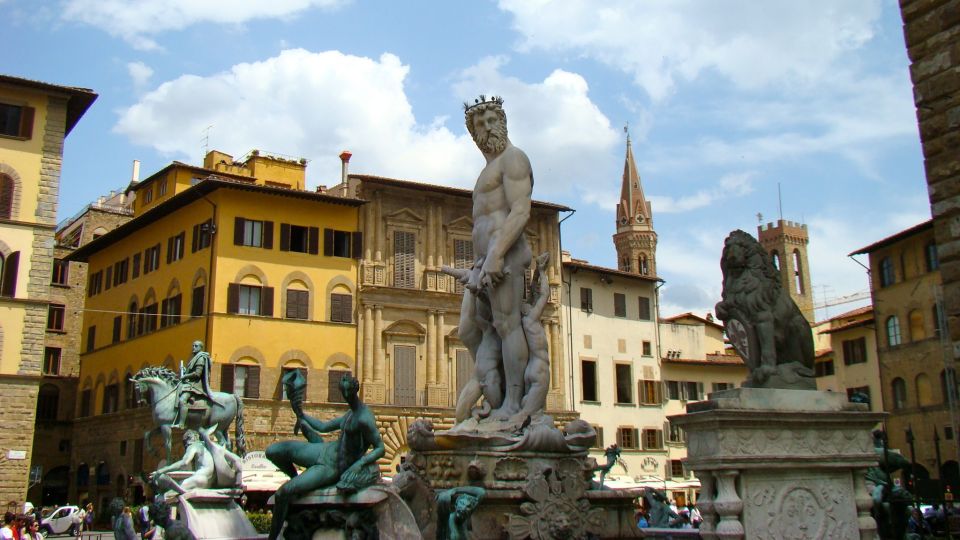
Next, you’ll head toward the civic heart at Piazza della Signoria. This is where Florence’s political life takes physical form. The focus lands on Palazzo Vecchio, described as a symbol of civil power, plus the Statue of David.
This mix matters. Florence isn’t only about painters and sculptors. The Renaissance was also patronage, politics, and public display. Seeing civic space right next to art-themed landmarks helps you understand why so many masterpieces were commissioned in the first place.
From there, you’ll visit La Loggia dei Lanzi, where sculpture becomes a public language. The lineup you’ll see includes The Rape of the Sabine Women, Hercules and Centaur by Giambologna, and Perseus by Benvenuto Cellini. Even if you’re not a sculpture superfan, this is a great stop because the guide can point out the storytelling and the artistic intent behind the figures.
Via Renaissance on Foot: Medici at Palazzo Medici Riccardi
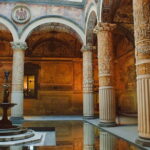
The tour then brings you into the orbit of the Medici, one of the most important patron families in Renaissance Florence. You’ll visit Palazzo Medici Riccardi, noted as the first Medici palace, home of Cosimo the Elder and Lorenzo the Magnificent.
This stop is valuable because it ties art to the people who financed it. The palace is also described as a workplace for artists including Donatello, Michelangelo, Benozzo Gozzoli, and Botticelli. Having those names in your head while you look at the surroundings makes the whole Renaissance story feel less abstract.
A quick 15-minute guided segment sounds brief, but in a private tour it can be used well: the guide can focus on the most important elements you’d otherwise miss—like how the space functioned within Medici life and why artists mattered to ruling prestige.
Dante, Towers, and Medieval Florence’s Rival Lines
Florence wasn’t always a Renaissance success story. You’ll get a medieval angle with a stop connected to Dante Alighieri—specifically his house and church—and you’ll also learn about the Guelphs and Gibellini towers.
Why this works: it adds tension to the timeline. The Renaissance didn’t appear out of nowhere. Florence’s political factions shaped who had influence, where power clustered, and how stories were told in public spaces. Even on a walking tour that’s mostly about major sights, this kind of medieval context helps your understanding stick.
If you like cities with layers, you’ll enjoy how the tour moves from church-linked architecture to family power to factional history. It’s the kind of timeline that turns “old buildings” into a map of real conflicts and real stakes.
You can also read our reviews of more city tours in Florence
Piazza della Repubblica: Roman Roots to 19th-Century Florence
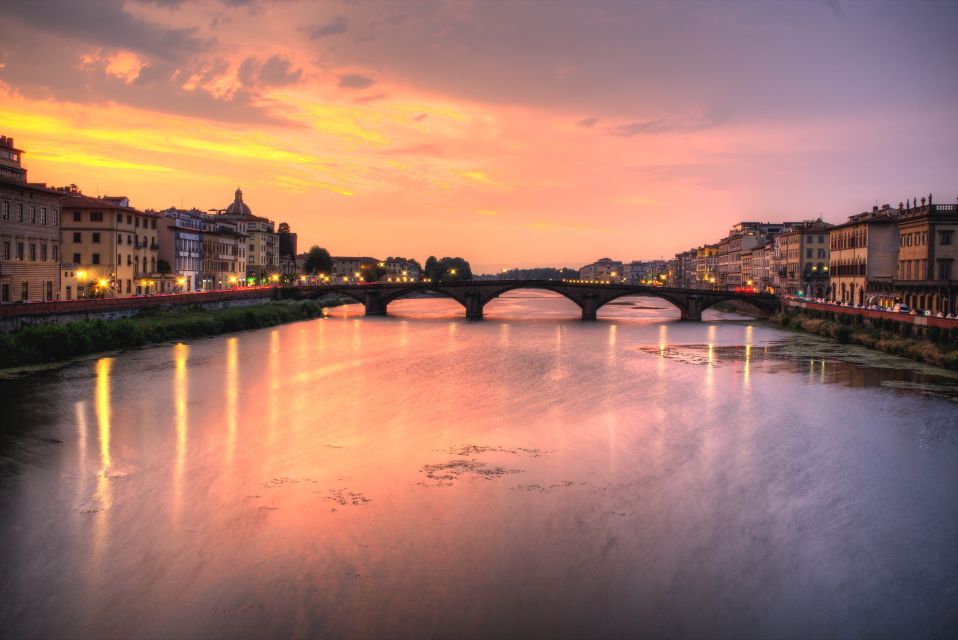
Piazza della Repubblica is one of those squares where it’s easy to look and not fully understand. Here, the guide connects it to both the Roman era and the 19th century, helping you see the square as a place that has been rebuilt and reinterpreted over time.
This isn’t just trivia. When you know the time layers, the square stops being a “pretty place to pass through.” You start seeing it as a living city space that absorbed history in waves.
The tour uses this time well: you’ll have guided context and some sightseeing walking. That’s useful because you can take a few minutes to look around the corners yourself, then use the guide’s framing to make sense of what you’re seeing.
Uffizi Gallery Without the Full-Museum Commitment
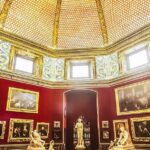
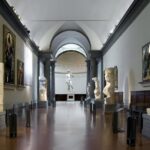
One of the biggest “value” points of this tour is how it handles art. You stop at the Uffizi Gallery, described as one of the main art museums in the world and the place where many Renaissance masterpieces are kept.
But here’s the practical catch: the tour’s Uffizi segment is listed as a sightseeing walk, about 15 minutes. So you should treat this stop as an orientation and a taste of the museum’s importance, not a full museum visit.
If you’re an art-first person who wants to spend hours inside, you might still want a separate Uffizi ticket and a longer plan. If you want a guided art context that fits inside a 3-hour city overview, this stop hits the sweet spot.
Ponte Vecchio to Oltrarno: The Arno Crossing That Changes the Mood
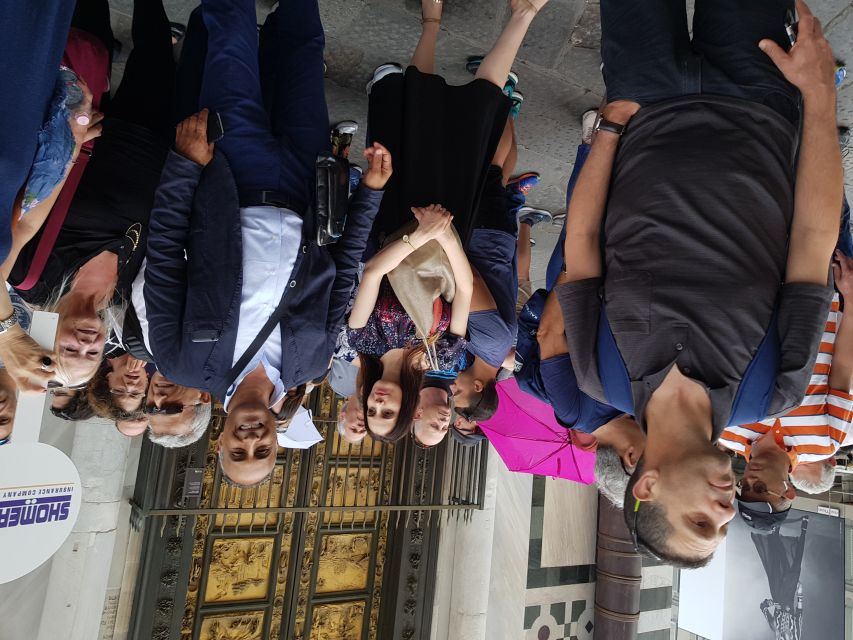
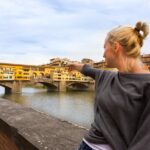
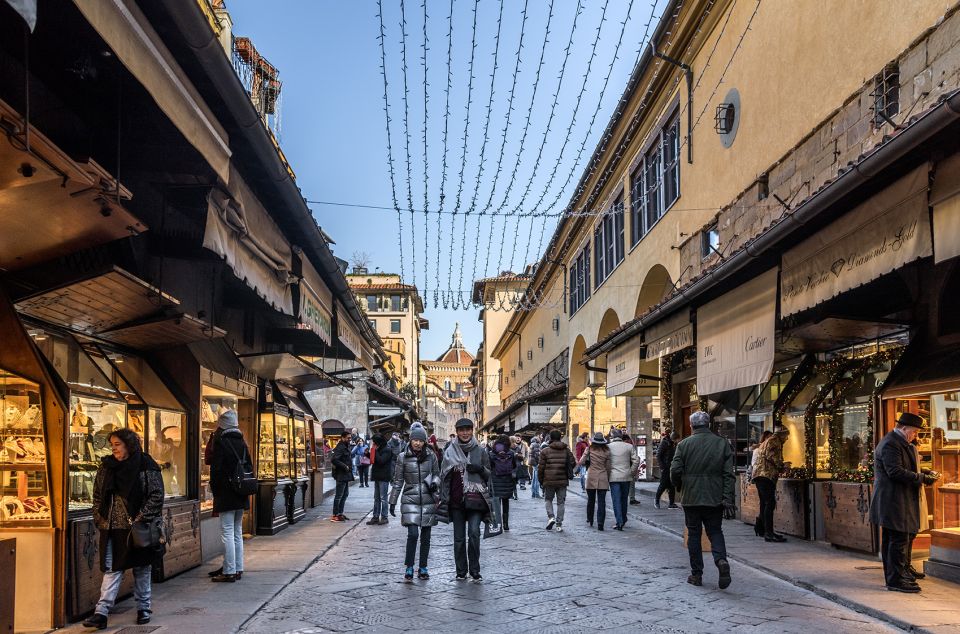
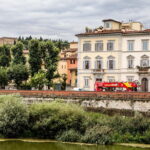
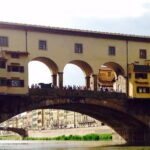
Then comes one of Florence’s most iconic transitions: Ponte Vecchio, which connects the center with the Oltrarno. The tour includes guided plus sightseeing walking time here, also about 15 minutes.
Why this bridge stop matters: bridges are natural psychological shifts in a city. You cross, the view changes, and the neighborhoods start to feel different. Ponte Vecchio is especially good for that because it’s famous enough that you’ll instantly recognize it, even before the guide starts talking.
After crossing, you’ll move into Oltrarno for guided time. This helps you feel Florence beyond the main postcard cluster. Even though the segments stay short, Oltrarno’s placement in the route makes the city feel more like a lived-in set of neighborhoods.
Piazza Santa Trinita, Palazzo Pitti, and Santo Spirito Stops
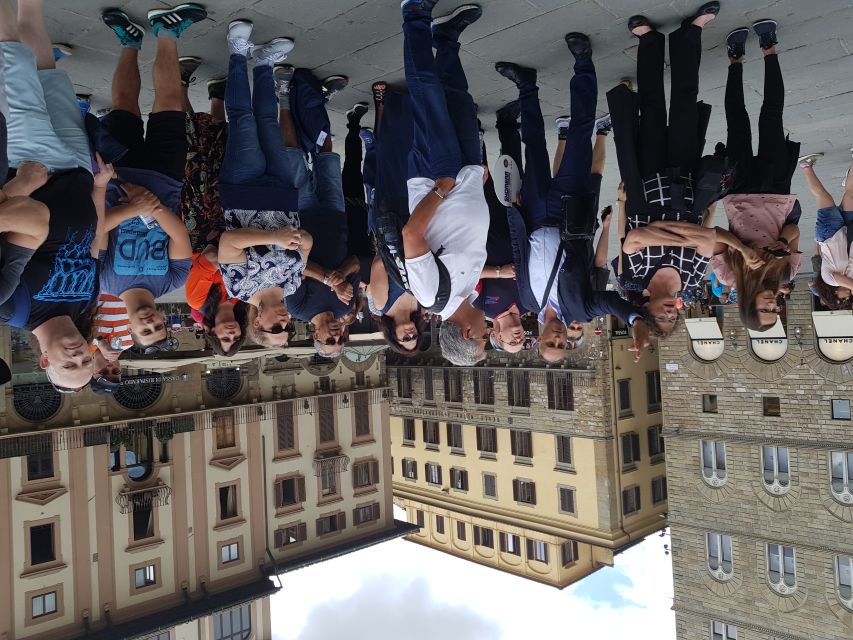
The tour doesn’t keep you locked into just one theme. You’ll pass through Piazza Santa Trinita, then continue toward sights connected with Palazzo Pitti and the Basilica of Santo Spirito.
The information you’ll get here points to the visual details that make these stops feel “Florentine,” including splendid windows of the antiques around the area. That’s a real-world kind of sightseeing payoff: you’re not only learning; you’re also noticing the textures of the city—shops, décor, and street-level style.
Because these are later in the tour, they also work as a change of pace. After squares and major landmarks, you get a more human scale feel.
Price and Value: What $192.58 Buys You in Florence
At $192.58 per person for a 3-hour private walking tour, you’re paying for three things: a professional guide, private pacing, and a focused Renaissance-and-landmarks route.
What’s included is simply the expert guide. Food and drinks aren’t included, so plan for your own snack timing—especially if you’re the type to get hungry mid-walk. That’s not a downside; it’s just useful to know so you don’t assume you’ll be stopping for a meal.
Where the price starts to feel reasonable is in the concentration of sights. In a short time, you cover the Duomo complex, civic Florence at Piazza della Signoria and Palazzo Vecchio, sculpture at La Loggia dei Lanzi, an art-world stop at Uffizi Gallery, and the crossing via Ponte Vecchio into Oltrarno—plus Piazza Santa Trinita and Piazza della Repubblica. If you tried to do this solo without a guide, you’d spend a lot more time figuring out what to look at and why it mattered.
Languages, Private Group Pace, and Practical Comfort
The tour is offered with a live guide in French, German, Italian, English, and Spanish. That matters because Florence history and art terms can get confusing fast. When the explanation is in your language, you’ll retain more and enjoy the walk more.
You’ll also appreciate that it’s wheelchair accessible, and it’s a private group. Private doesn’t just mean comfort; it means the guide can adjust to the group, so you’re less likely to feel dragged through key points.
Lastly, the tour is explicitly built around walking, so the biggest practical recommendation is simple: comfortable shoes.
Who Should Book This Tour (And Who Might Want More)
This tour is a strong fit if you want:
- A first-time orientation to Florence’s main Renaissance landmarks
- A guided way to understand the city’s connection between church power, Medici influence, civic life, and art
- A private format where you can ask questions without crowd pressure
It may not be the best choice if you want long museum time inside Uffizi. Since the Uffizi visit here is a sightseeing walk segment, you’ll likely still want a deeper museum plan later if you’re determined to see specific works for extended time.
Should You Book This Florence Private City Walking Tour?
If you’re trying to choose between a random walk and a structured experience, I’d book this. It’s focused, it teaches you names and places that actually connect, and it moves efficiently through the city’s most important squares and landmark areas.
Book it especially if you’ll only have a limited amount of time in Florence and you want the Renaissance story explained in a way that makes the buildings and sculptures feel understandable, not just impressive. If you’re unsure, think about your goal: orientation and context in 3 hours? This tour is built for that. Full-on museum immersion? Pair it with a longer, separate Uffizi plan.
FAQ
FAQ
How long is the Florence private city walking tour?
The tour lasts 3 hours.
Where does the tour start and end?
It starts in front of the central door of the Cathedral of Santa Maria del Fiore, and it ends back at the same meeting point.
What is included in the price?
The expert guide is included.
Is this tour private?
Yes, it’s listed as a private group.
What languages are the live guides available in?
The tour offers live guiding in French, German, Italian, English, and Spanish.
Is the tour wheelchair accessible and can I cancel?
It is wheelchair accessible. You can cancel up to 24 hours in advance for a full refund.
You Might Also Enjoy
More Walking Tours in Florence
More Tours in Florence
- The Best tour in Florence: Renaissance & Medici Tales – guided by a STORYTELLER
★ 5.0 · 12,316 reviews



More Tour Reviews in Florence
- Tuscany Day Trip from Florence: Siena, San Gimignano, Pisa and Lunch at a Winery
★ 5.0 · 21,634 reviews - The Best tour in Florence: Renaissance & Medici Tales – guided by a STORYTELLER
★ 5.0 · 12,316 reviews