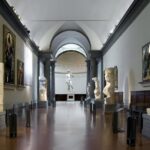
REVIEW · FLORENCE
Florence: National Archeological Museum of Florence
Book on GetYourGuide →Operated by Florence Tours by Made of Tuscany · Bookable on GetYourGuide
A museum that tackles time travel. This guided visit packs Florence’s National Archaeological Museum into a focused 2 hours, starting with its convent past and moving through major Greek, Roman, Etruscan, and Egyptian highlights. I especially love the way the guide connects objects to the people who made them, instead of letting the rooms blur together.
Two things I really like: the Chimera bronzes on the first floor, including the ones restored in 1500 by Benvenuto Cellini, and the upstairs sweep through bronze sculpture and Greek myth. One small consideration: 2 hours is tight, so you’ll see the key stars, not every room.
If you want a museum visit that feels guided and efficient, this one fits. You’ll get skip-the-line entry and a live guide in multiple languages, including English and Italian, with a private group feel.
In This Review
- Key highlights to know before you go
- Entering Florence’s National Archaeological Museum through its convent past
- Piazza della Santissima Annunziata: a quick start that prevents confusion
- First floor: the Chimera bronzes and Etruscan burial goods
- What you’ll likely notice (and how to look)
- Second floor: Greek and Roman bronzes, plus the Torso of Livorno
- Why this floor is worth your time
- The François Vase: the one stop you’ll talk about later
- A practical way to enjoy it
- The Egyptian Museum finale: 14,000 artifacts and preserved mummies
- The second-largest collection note that matters
- In the garden: the Inghirami tomb reconstruction and alabaster urns
- Guide quality and pacing in a private 2-hour format
- Languages and what that means for you
- Timing reality check
- Price and value: what you’re really paying for
- Who should book this museum tour in Florence
- Should you book it? My practical verdict
- FAQ
- How long is the Florence National Archaeological Museum guided tour?
- Where do we meet for the tour?
- Does the tour include skip-the-ticket line entry?
- Is the tour private or group-based?
- What languages are available for the live guide?
- Is the tour wheelchair accessible?
- What are the main parts of the itinerary inside the museum?
- How many Egyptian artifacts are included in the Egyptian Museum stop?
- Which Egyptian highlights are specifically mentioned?
- What happens at the garden stop?
Key highlights to know before you go
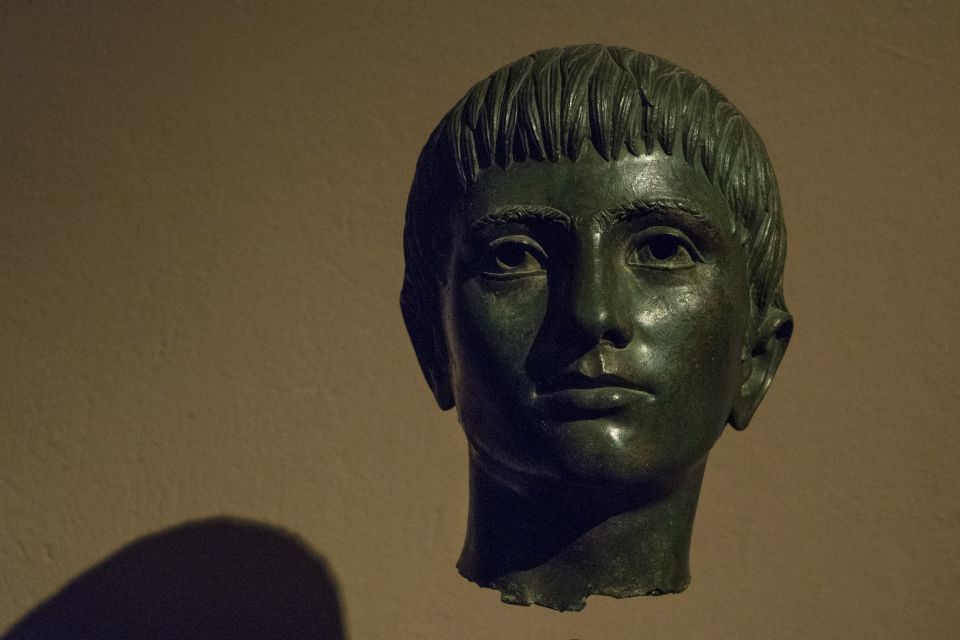
- Convent origins in the building itself: you start with the museum’s past, once the Crocetta convent where Maria Maddalena de Medici lived.
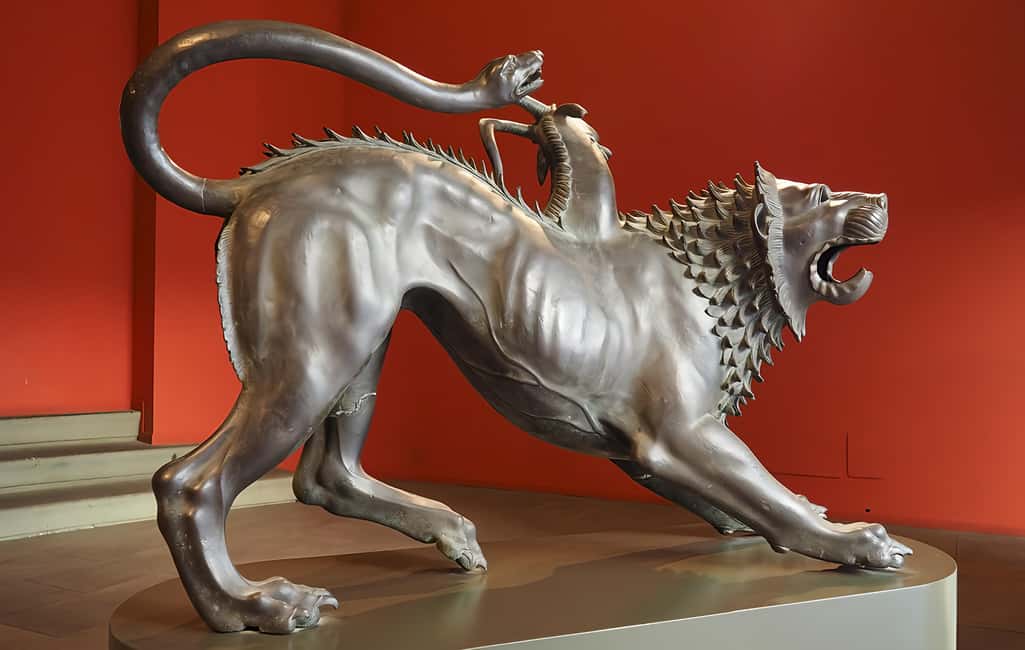
- The Chimera story is part art, part repair: look for the bronze statues restored in 1500 by Benvenuto Cellini.
- Greek myth you can actually see: the François Vase comes with a guided look at mythical scenes from Ancient Greece.
- Egyptian collection scale: you’ll spend time in the Egyptian Museum with over 14,000 artifacts, including mummies.
- A “real outdoors” stop: the garden includes a reconstruction of the Etruscan tomb Inghirami of Volterra, with original alabaster urns.
Entering Florence’s National Archaeological Museum through its convent past
Florence’s National Archaeological Museum doesn’t start like a typical museum. Before you reach the famous objects, you learn what the building used to be. The site was once the Crocetta convent, tied to Maria Maddalena de Medici. That’s a big deal for how the visit feels. The museum is not just a storage room for antiquity; it’s housed in a place with its own long life.
Your guide uses that context to set the tempo. You’re not only learning dates. You’re learning why certain objects ended up here and what the building has witnessed over centuries. Even if you’re not a “museum person,” this makes the walls feel less like filler and more like part of the story.
And yes, you’ll still get the big-ticket artifacts. The balance is what makes this tour work: historical framing early, standout sculptures and vases in the middle, and a real Egyptian finale.
You can also read our reviews of more museum experiences in Florence



Piazza della Santissima Annunziata: a quick start that prevents confusion
You meet in front of the Archeological Museum on SS. Annunziata square. Expect a short orientation visit around Piazza della Santissima Annunziata—about 15 minutes. It’s enough time to get your bearings without dragging.
This matters because the museum has multiple floors and strong “do-not-miss” rooms. If you walk in on your own, it’s easy to pick one wing and accidentally skip the rest of the best stuff. With a guide, you get a clean route through the main highlights, in a logical order that matches how the collection is arranged.
First floor: the Chimera bronzes and Etruscan burial goods
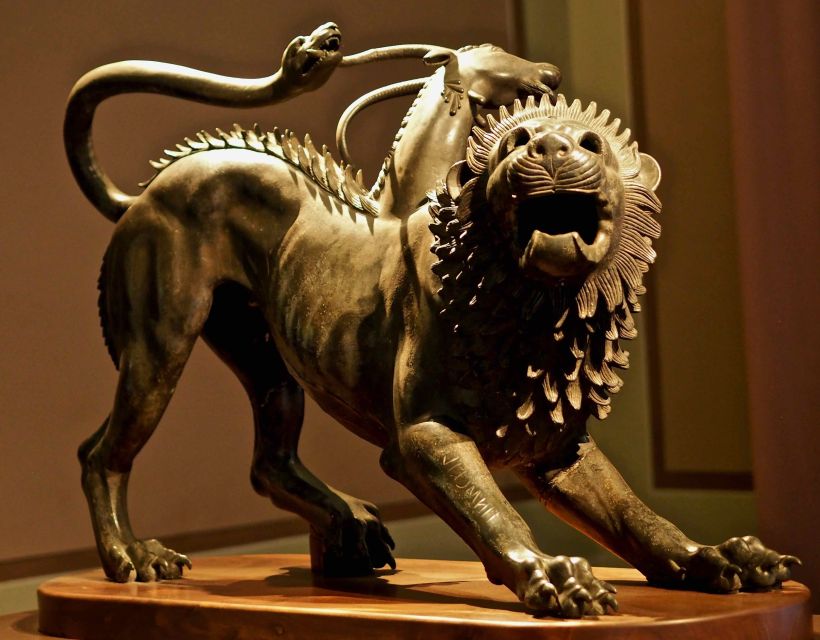
The first stop inside helps you shift gears from Renaissance Florence to earlier civilizations. You begin with the building’s history again briefly, then move to the artifacts linked to Etruscan aristocratic life—burial goods from the region between Populonia and Vulci.
Then comes a moment most people remember: the bronze statues of the Chimera. These aren’t just any bronzes. They’re restored in 1500 by Benvenuto Cellini, which gives you a useful “two-layer” lesson. First, what the ancient artists made. Second, how later generations cared for, repaired, and displayed the past.
The Chimera piece is a great object for a short attention span too. It’s dramatic. It’s sculptural. And once your guide points out the details to watch for, you stop seeing it as one general shape and start seeing it as a real artwork.
What you’ll likely notice (and how to look)
Pay attention to the relationship between the object and its restoration. Your guide’s job here is to point out what remains from the original and what came later. If you’ve ever seen an artifact and thought, I wonder how much is original, this is exactly the kind of setup that helps you read what you’re seeing.
Second floor: Greek and Roman bronzes, plus the Torso of Livorno
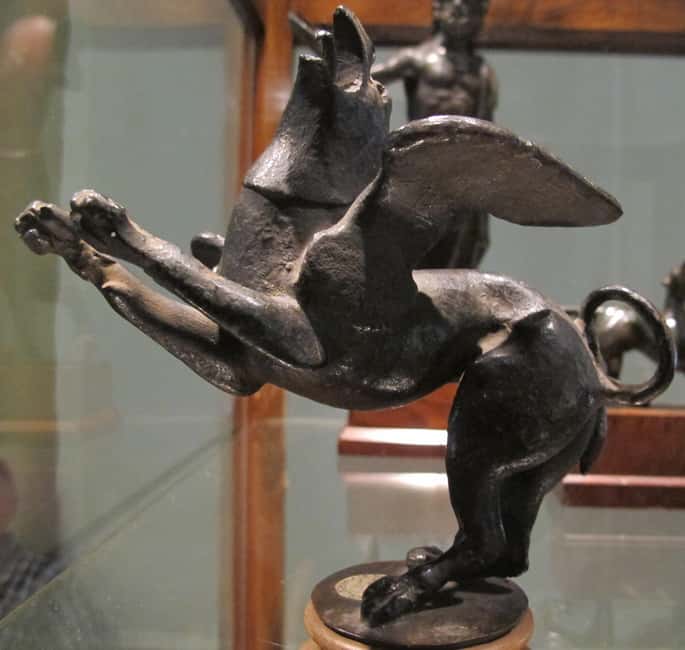
The second-floor portion is where the tour really turns into a “greatest hits” route for bronze sculpture. You’ll see ancient Greek, Roman, and Renaissance bronze works, which is a smart mix. It shows how different periods valued similar materials and how Renaissance artists responded to classical forms.
Among the standout names your guide will help you locate are:
- the Torso of Livorno
- the Medici Riccardi horse head
- the Idolino of Pesaro
Even if you’re not fluent in sculpture terminology, these titles give you anchors. You can remember the pieces because each one has a clear identity and a role in the story the guide is telling.
- The Best tour in Florence: Renaissance & Medici Tales – guided by a STORYTELLER
★ 5.0 · 12,316 reviews





Why this floor is worth your time
Bronzes can be tricky to appreciate quickly because they’re often dark and detailed. In a self-guided visit, you might skim. On a guided tour, you get prompts on what to look for: proportion, pose, surface wear, and the way Renaissance artists used classical models. That extra “how to see it” transforms what would otherwise be a blur of metal into something more personal.
The François Vase: the one stop you’ll talk about later
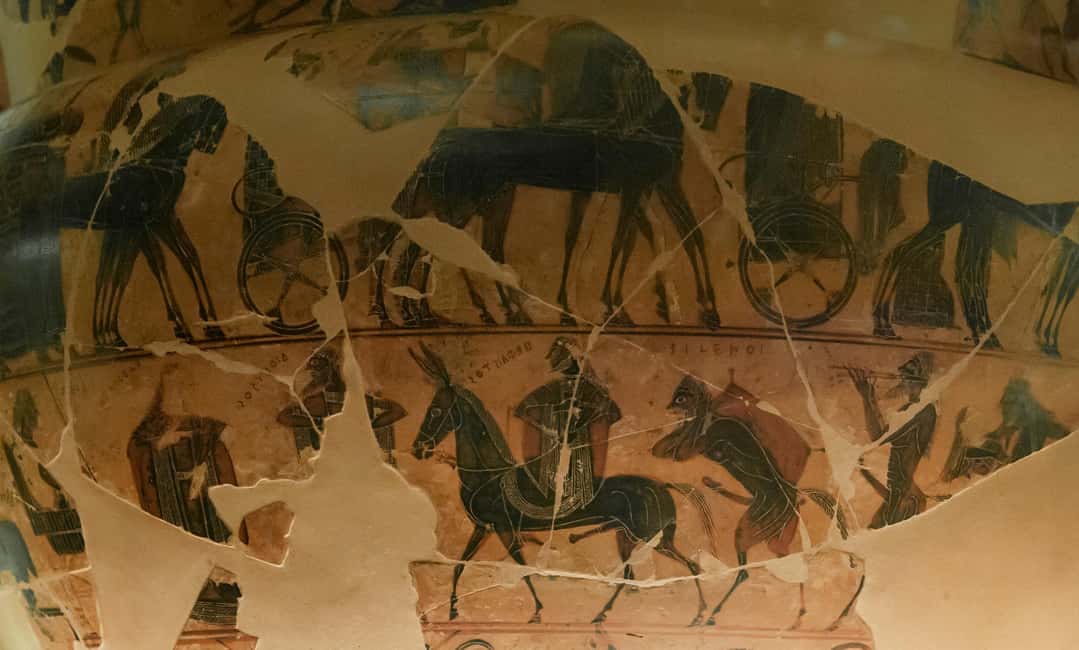
If you like myth, family stories, or just objects that feel alive, the François Vase should be your focus. Your guide will take you to this major piece of Greek art and explain why it matters.
This vase is described as one of the most important finds in the world of Greek art. You’ll also get a closer look at the scenes: mythical tales from Ancient Greece depicted across the surface. It’s not just decoration. It’s narrative.
A practical way to enjoy it
When your guide points to sections of the vase, don’t try to memorize everything. Instead, choose one character or episode and follow it. The vase becomes easier to read when you treat it like a comic strip rather than like an encyclopedia.
If you’re traveling with kids, this is also a strong pick. The story format helps them stay engaged, and the guide can tailor explanations without making it feel watered down.
The Egyptian Museum finale: 14,000 artifacts and preserved mummies
Then you move into the Egyptian Museum. This is the big sensory pivot: different materials, different symbols, different atmosphere.
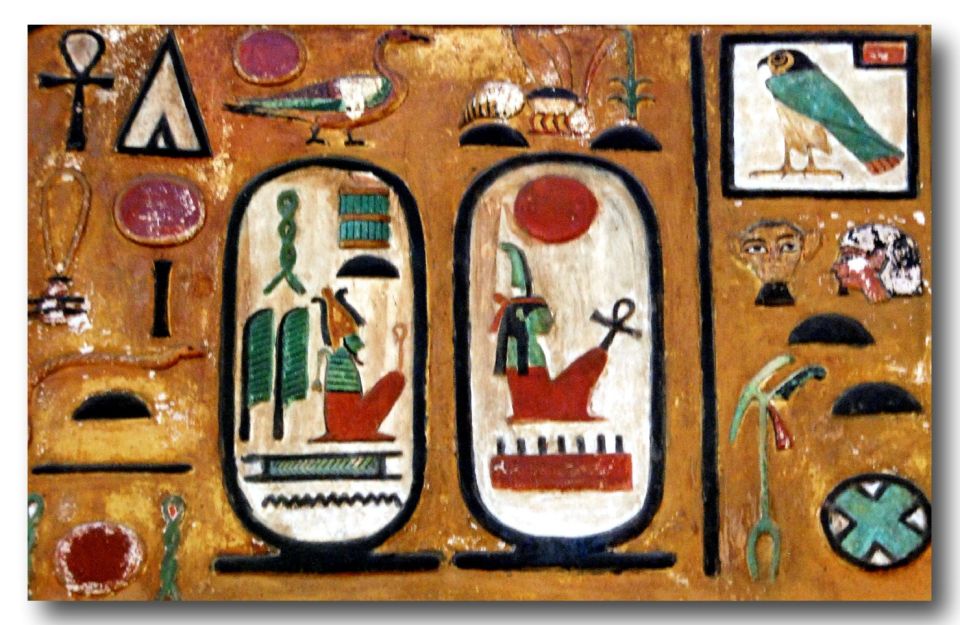
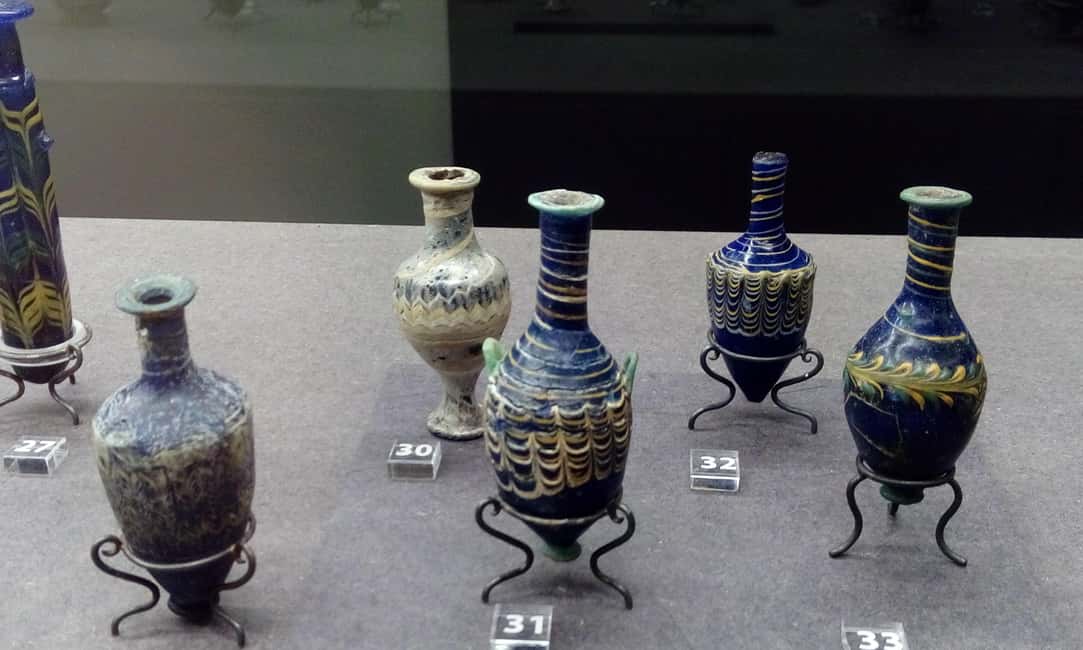
What you can expect is scale. The Egyptian Museum houses over 14,000 artifacts, including steles, vases, ushabti, amulets, and bronzes. That’s a lot to take in, and it’s exactly why a guided route is useful. Without it, you might wander and still miss the connections that make the collection memorable.
The tour highlights include:
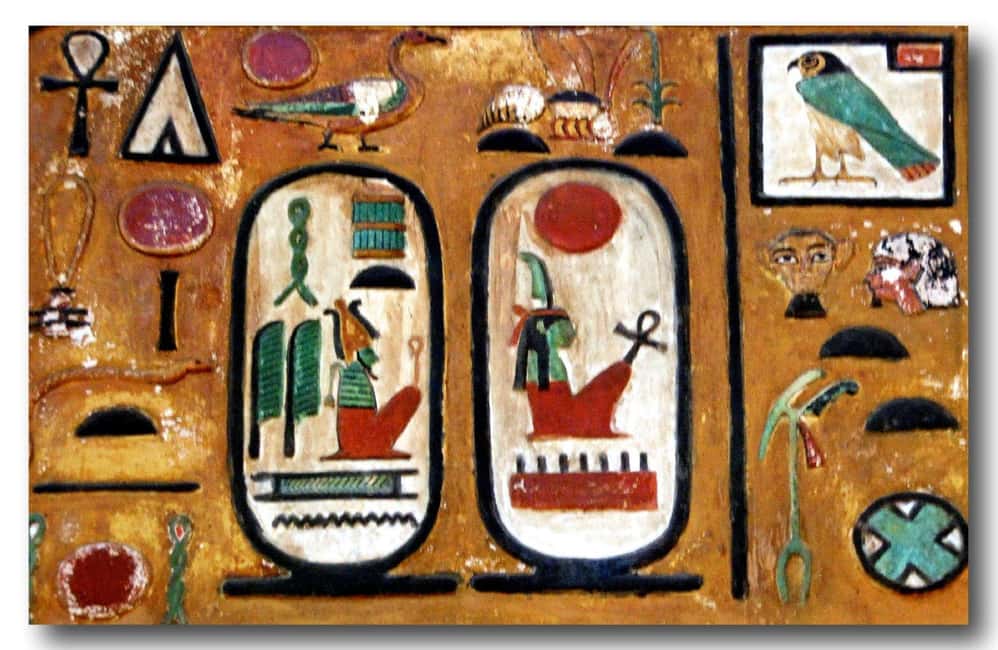
- the statue of Amenophis III
- a war chariot from the seventeenth dynasty
- perfectly preserved mummies
The Amenophis III statue is the type of object that benefits from a guided explanation. It’s imposing on its own, but the meaning lands faster with context. Same with the mummies: the guide’s role is to help you see them as more than “ancient bodies,” and more like parts of a belief system with rituals and meaning.
The second-largest collection note that matters
The museum is home to one of the largest collections of Egyptian artifacts in Italy, and specifically the second largest collection in the country. That matters for value. You’re not looking at a small corner collection. You’re getting a serious Egyptian section, with enough variety that it doesn’t feel repetitive.
In the garden: the Inghirami tomb reconstruction and alabaster urns
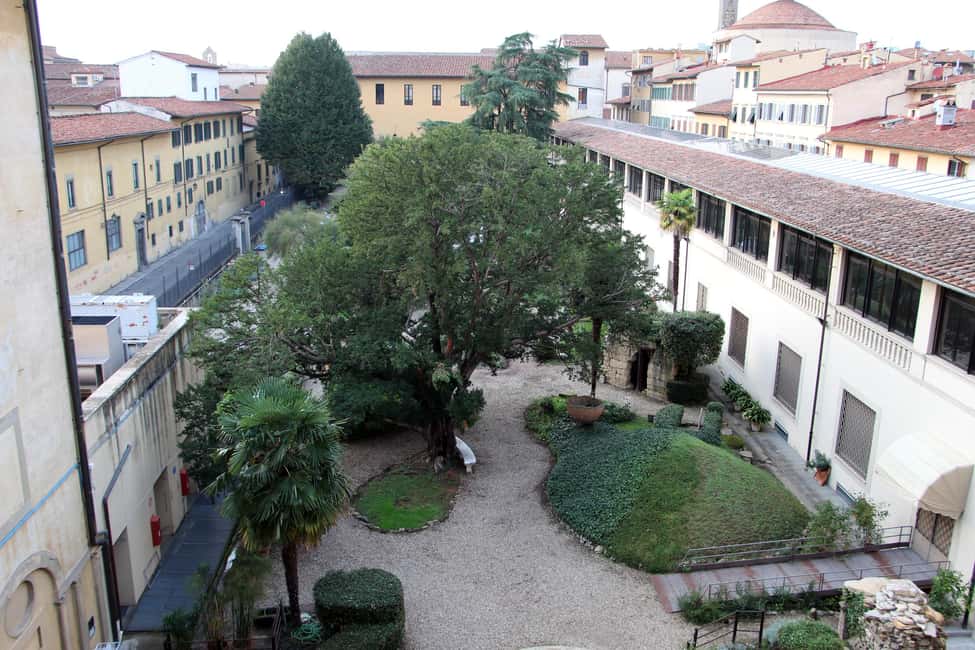
After the indoor galleries, you step into the garden. This is a smart break from pure museum rooms.
Here you can observe the reconstruction of the Etruscan tomb Inghirami of Volterra. The key detail is that the reconstruction includes original alabaster urns that were placed there in old times. Even though it’s a reconstruction, that “original items” element is what makes it more than set dressing.
It’s also a good reminder that archaeology isn’t only about what’s found. It’s also about how museums present context—how they attempt to recreate space so you can imagine how the objects were used.
If you’re the type who loves when museums show you the real setting (or at least an honest attempt), this garden stop is a nice payoff.
Guide quality and pacing in a private 2-hour format
This is a private group tour, designed for a practical pace in about 2 hours total. The route gives you a guided sequence: meeting point orientation, then about 105 minutes in the museum, with the key galleries and major objects included.
The guide experience stands out in the way the explanations land. In particular, the guided approach is praised for being patient and precise, with details that hold attention even for teenagers and younger kids. That’s a sign you’ll probably get more than memorized facts; you’ll get clear explanations that connect objects to human choices.
Languages and what that means for you
You can choose live guidance in English, Italian, Spanish, German, and French. If you’re traveling with mixed language needs, this is a big plus. It also means the guide can adjust how the story is told, rather than you getting stuck with a translation that’s only half as helpful.
Timing reality check
Two hours sounds generous until you see the building and realize how much there is. The upside is focus: you won’t waste time getting lost. The downside is that you can’t expect to see every single wing or minor work. This tour is best if you want the best examples, explained well, in a tight window.
Price and value: what you’re really paying for
You’re paying for three main things, not just “entry to a museum.”
First, you get skip-the-line access. That saves time in a museum that can be busy.
Second, you’re buying interpretation. The value is in the guided connections: Chimera bronzes plus restoration history, bronze floors plus what changes across Greek, Roman, and Renaissance taste, and Egyptian objects tied to mummies, ritual objects, and major figures like Amenophis III.
Third, you’re buying a route. In a big museum, route is everything. The guided order helps you get to the best rooms without turning your day into a scavenger hunt.
If you’re deciding between a guided route and free roaming, ask yourself what you want most: discovery at your own pace, or a fast, high-yield tour that hits the museum’s headline pieces with solid context.
Who should book this museum tour in Florence
I’d point you toward this tour if you fit any of these profiles:
- You want Egypt, Etruscans, and classical bronzes in one concentrated visit.
- You’re short on time in Florence and want a plan that makes sense.
- You like clear explanations, not just labels.
- You’re traveling with kids or teens who do better when someone keeps the story moving. The myth-and-vase combination is particularly friendly for younger attention spans.
You might skip it if you’re trying to cover the entire museum in one visit or if you prefer long, slow wandering without prompts. For deep-only collectors and ultra-completists, you’ll still want extra time on your own after this tour.
Should you book it? My practical verdict
Book it if you want the museum’s headline objects explained in a tight 2-hour route. The Chimera bronzes, the François Vase, and the Egyptian Museum with its mummies and huge artifact count are the kind of “worth it” stops that a good guide helps you appreciate quickly.
Skip it only if you know you’ll be irritated by time limits. This tour is built around selection, not completion. But if selection is what you want, you’ll come out with a clearer picture of how Etruscans, Greeks, Romans, and Egyptians get presented in one of Italy’s oldest museum spaces.
FAQ
How long is the Florence National Archaeological Museum guided tour?
The duration is 2 hours, with about 105 minutes inside the museum plus a 15-minute visit at Piazza della Santissima Annunziata.
Where do we meet for the tour?
Meet your guide in front of the Archeological Museum at SS. Annunziata square.
Does the tour include skip-the-ticket line entry?
Yes, it includes skip the ticket line.
Is the tour private or group-based?
It is a private group.
What languages are available for the live guide?
Live tour guide options include English, Italian, Spanish, German, and French.
Is the tour wheelchair accessible?
Yes, the tour is wheelchair accessible.
What are the main parts of the itinerary inside the museum?
You’ll see the Etruscan burial goods, Chimera bronze statues on the first floor, bronze works on the second floor including the Torso of Livorno, the François Vase, the Egyptian Museum with thousands of artifacts, and finally the garden reconstruction of the Inghirami tomb.
How many Egyptian artifacts are included in the Egyptian Museum stop?
The Egyptian Museum section includes over 14,000 artifacts.
Which Egyptian highlights are specifically mentioned?
Highlights include the statue of Amenophis III, a war chariot from the seventeenth dynasty, and perfectly preserved mummies.
What happens at the garden stop?
You’ll observe the reconstruction of the Etruscan tomb Inghirami of Volterra, including the original alabaster urns placed there in old times.
You Might Also Enjoy


More Museum Experiences in Florence


More Tour Reviews in Florence
- Tuscany Day Trip from Florence: Siena, San Gimignano, Pisa and Lunch at a Winery
★ 5.0 · 21,634 reviews - The Best tour in Florence: Renaissance & Medici Tales – guided by a STORYTELLER
★ 5.0 · 12,316 reviews