REVIEW · FLORENCE
Florence: Heart of Florence Guided Walking Tour
Book on GetYourGuide →Operated by CAF Tour & Travel · Bookable on GetYourGuide
Florence can feel like a pile of art and stone until someone stitches it together. This guided walk connects the city’s Medici roots, the Duomo complex, and the square where Florence governed itself, all in one easygoing route from San Lorenzo through Piazza Signoria.
I especially like how the guide turns landmarks into a story you can walk through. You’re not just looking at buildings; you’re hearing why they mattered, from the narrow Medici streets and the Palazzo Medici Riccardi area to the religious center with Brunelleschi’s dome and the Baptistery of San Giovanni.
The main drawback to think about is logistics. The meeting point can vary by option, and the tour can be provided in one language (Apr–Oct) or two languages at once—so arrive a bit early and double-check you’re at the right place so you do not lose time.
In This Review
- Key highlights I’d circle first
- A 1.5–2.5 Hour Route Through Florence’s Church and Power Centers
- Start at San Lorenzo and the Medici Footprints in Stone
- Cathedral Area: Brunelleschi’s Dome, San Giovanni, and Giotto’s Bell Tower
- Via Calzaioli, Orsanmichele, and Mercato della Paglia
- Piazza Signoria: The Outdoor Museum of Politics
- Arnolfo Tower to Ponte Vecchio: From Government to Trade
- Guide Style, Two-Language Setups, and Headphones
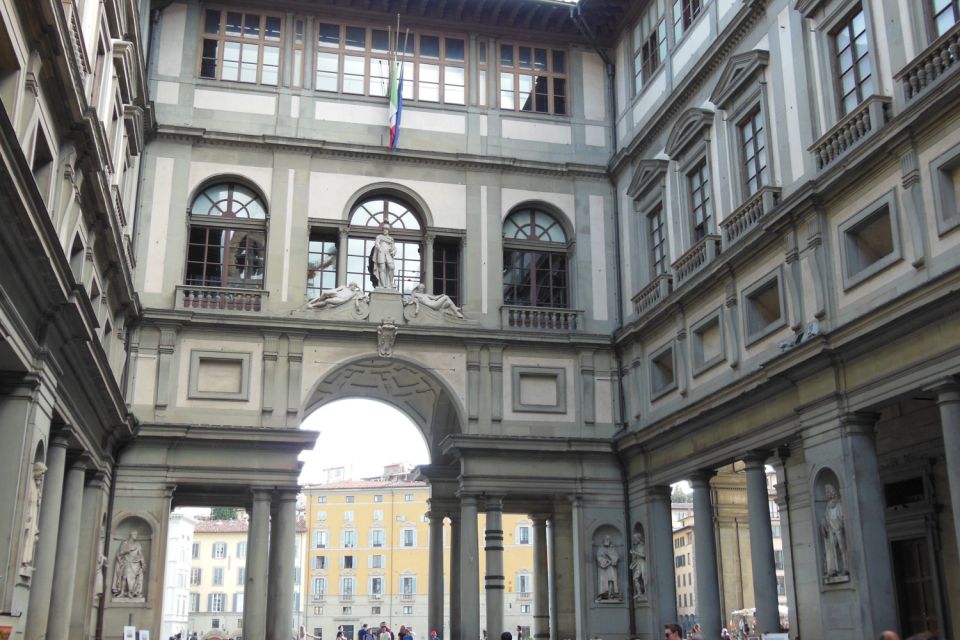
- When to pair this with Uffizi and a Duomo add-on
- Price and what $27 really buys you
- What to wear and what to bring
- Should you book this Florence walking tour?
- FAQ
- How long is the Florence: Heart of Florence Guided Walking Tour?
- Where is the meeting point?
- What languages are offered on the tour?
- Are headphones included?
- Do I need special clothing for the churches?
- Is lunch included, and what does it include?
Key highlights I’d circle first
- Medici streets and stone details that help you picture how power worked in Florence
- Duomo complex stops that connect Brunelleschi, San Giovanni, and Giotto into one coherent theme
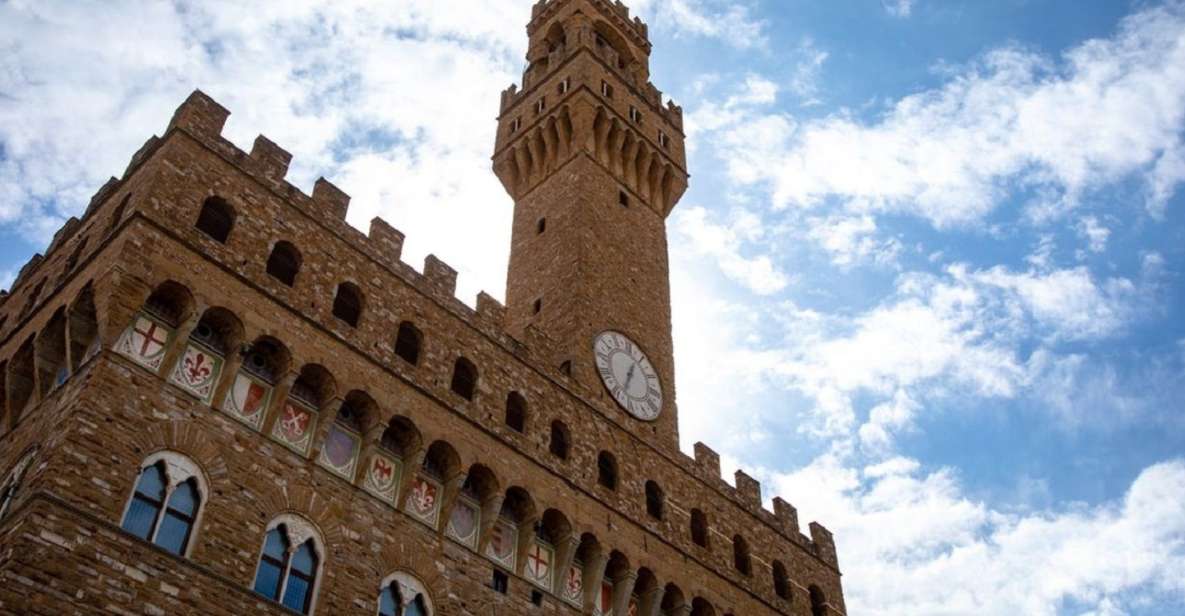
- Piazza Signoria as an open-air political museum, with Fountain of Neptune, Loggia dei Lanzi, and Palazzo Vecchio
- Stops that keep you moving along Via Calzaioli, Orsanmichele Church, and Mercato della Paglia
- Ponte Vecchio at the right moment, when the walk naturally turns from government to commerce
A 1.5–2.5 Hour Route Through Florence’s Church and Power Centers
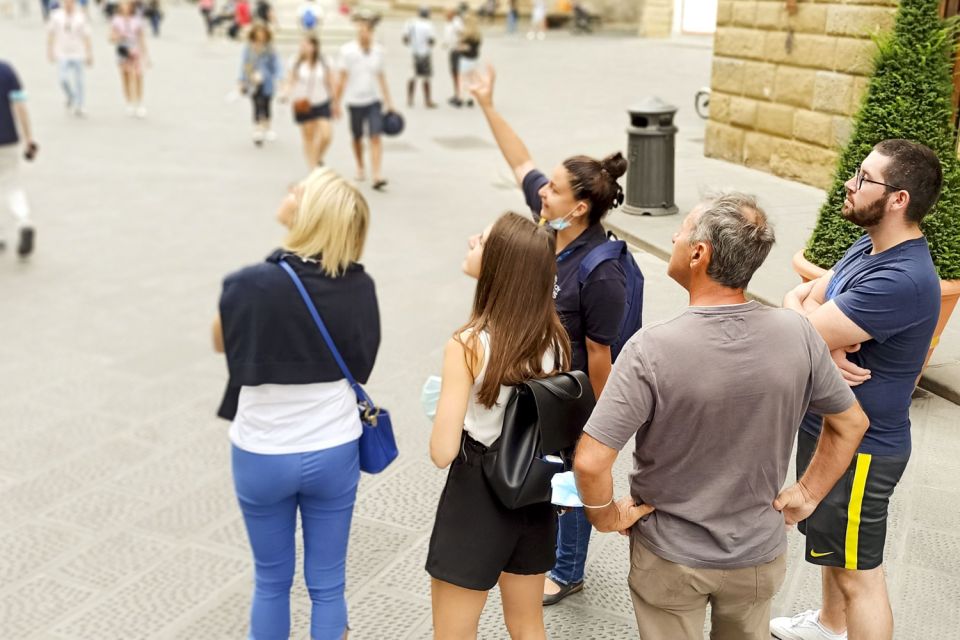
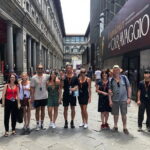
This is a guided walking tour built for people who want Florence’s big-picture map, not just a photo checklist. Plan on about 1.5 to 2.5 hours on your feet, weaving through the religious and political core. If you like your sightseeing with context, the pace usually works well for both first-timers and repeat visitors who want cleaner connections between sites.
You’ll meet at a location that can vary depending on the option booked, with multilingual help at the meeting point. That variation isn’t unusual in Florence, but it matters here because the tour window is short—so you want to start on time.
One practical note: when groups get larger than 10, the tour includes headphones. Even if you speak English or Spanish well, headphones can still help when you’re moving through busy squares and the guide is talking at a steady rhythm.
You can also read our reviews of more walking tours in Florence
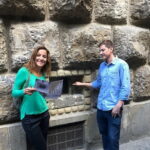
Start at San Lorenzo and the Medici Footprints in Stone
The tour begins in the Medici Family District around San Lorenzo. This part is valuable because it gives you something most people skip: the physical texture of Florence’s old neighborhood. You’ll walk the narrow streets and, rather than treating them as scenery, the guide helps you understand why the Medici presence was more than name recognition.
A key stop here is the area connected to the Palazzo Medici Riccardi, plus the Medici Chapels and a church setting tied to that world. Even if you’ve heard of the Medici, seeing how their influence sits next to everyday streets makes it easier to grasp how politics, religion, and money overlapped in Renaissance Florence.
Why this works for you: when you later stand at the Cathedral or Piazza Signoria, the city stops being separate blocks of attractions. It becomes one story of who shaped Florence and how they displayed authority.
What to watch: this portion is still a walking tour through real streets. Bring comfortable shoes, because you’ll do better when your legs aren’t fighting you.
Cathedral Area: Brunelleschi’s Dome, San Giovanni, and Giotto’s Bell Tower
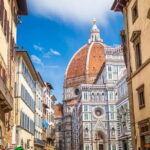
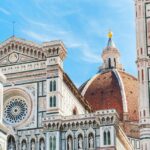
Next comes the religious center, and the walking route is designed so the sites start speaking to each other. You’ll see the Cathedral complex linked to Brunelleschi’s dome, then move through the Baptistery of San Giovanni and the view line that includes Giotto’s bell tower.
This is one of the most rewarding parts of a short tour because you’re not only seeing famous architecture—you’re getting a guided explanation that helps you spot what makes it distinct. Florence’s Cathedral area is crowded in high season, so having a guide keep the focus on the right details can save you from spinning your wheels trying to figure out what you’re looking at.
Dress code matters here. For visits to places of worship, you’ll need to dress accordingly. If you’re traveling with shorts and a light shirt, plan ahead so you do not get stuck outside waiting for adjustments.
Via Calzaioli, Orsanmichele, and Mercato della Paglia
After the Cathedral area, the tour shifts gears toward everyday Florence. Along Via Calzaioli, you’ll keep moving through the city’s layers, not just its monuments. This is where the walk starts to feel more local because you’re close to street life and the kind of busy that never fully stops in Florence.
You’ll pass by and hear about the Orsanmichele Church, a stop that often surprises people. It’s a reminder that Florence’s religious and civic worlds were intertwined and that important spaces weren’t always the grandest ones.
Then there’s Mercato della Paglia, one of those market moments that adds atmosphere fast. Markets help you understand a city as a living place, not a museum. If you time your day well, you can grab a quick bite nearby after the tour, using your guide’s context to decide what looks good.
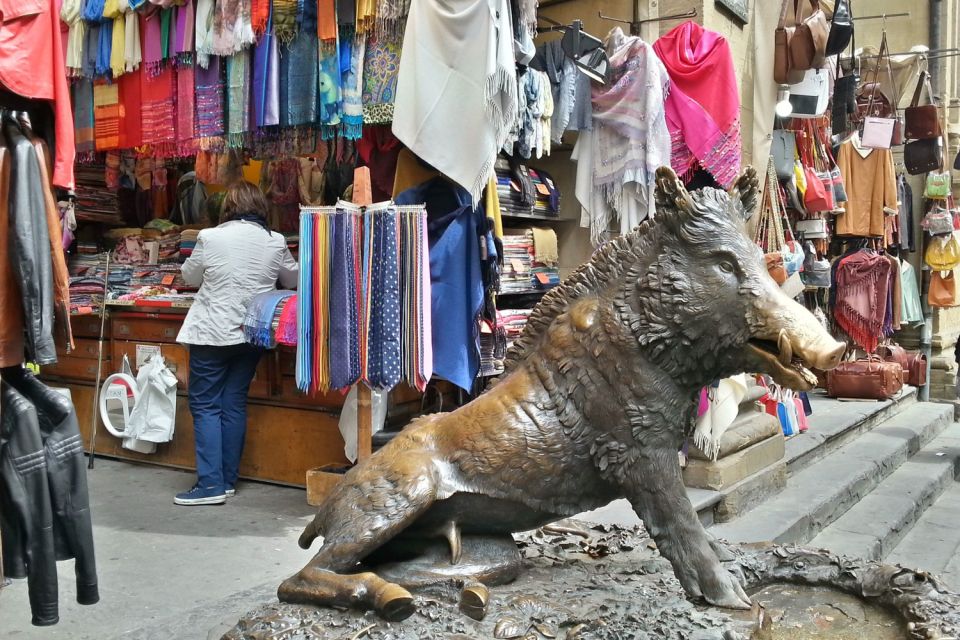
And don’t skip the small tradition: you’ll reach the famous porcellino and can rub its nose for good luck. It’s an old superstition, but it’s also a good photo moment and a quick reset before the walk moves into the big square.
Piazza Signoria: The Outdoor Museum of Politics
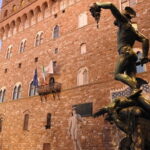
Now the tour turns to the political heart of the city at Piazza Signoria. This is where Florence’s identity shifts from spiritual statement to civic power. The square functions like an open-air museum, and you’ll see major pieces of the city’s governmental story without needing to buy a ticket for a separate building.
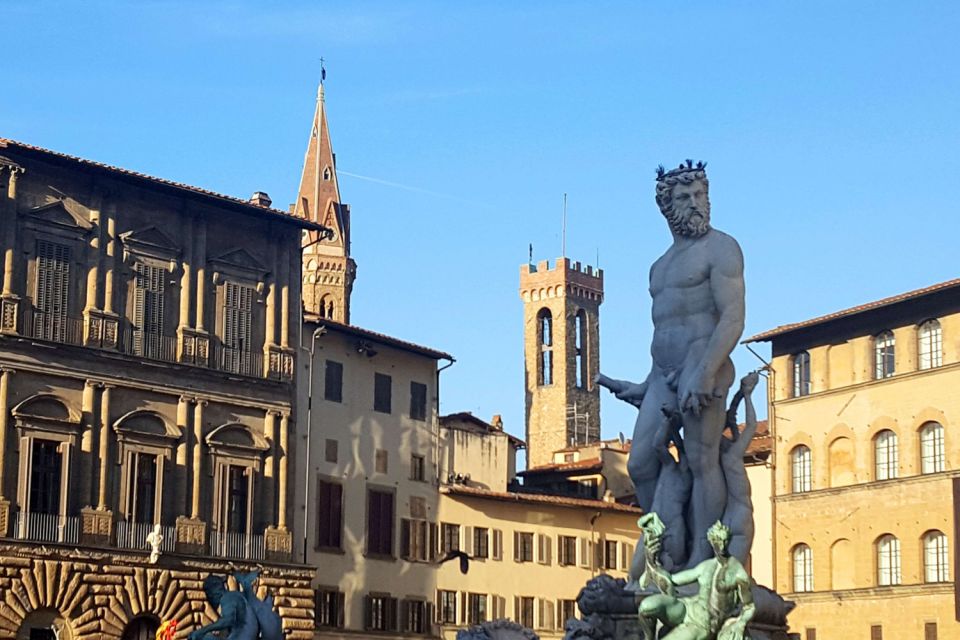
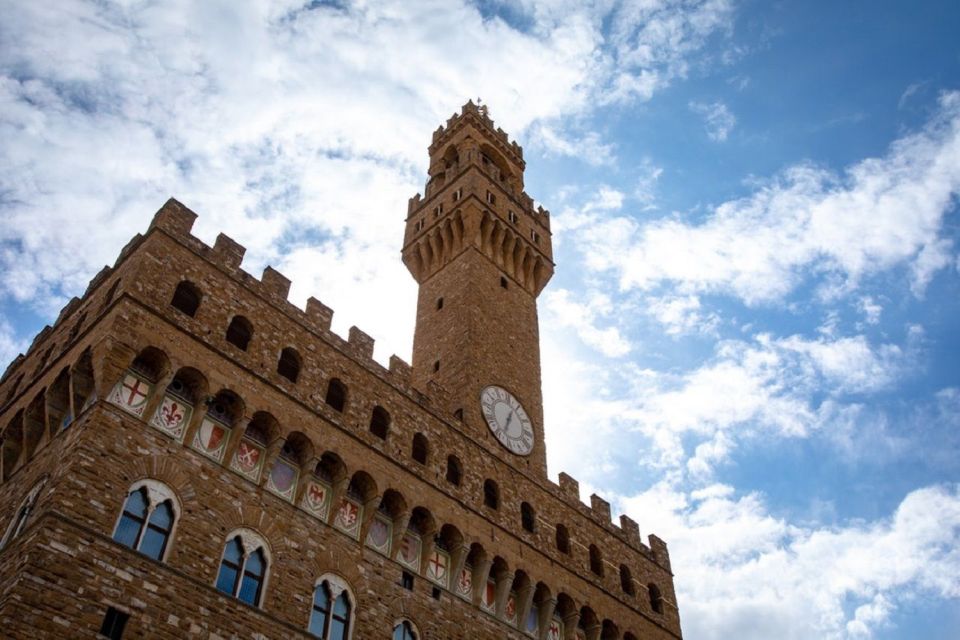
Stops include the Fountain of Neptune, the Loggia dei Lanzi, and Palazzo Vecchio, including the Arnolfo tower. The guide’s job here is especially important. These sites can look like impressive backdrops if you do not know what they represent. With a guide, you start connecting symbols, public space, and how leaders wanted to be seen.
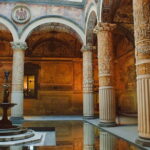
You’ll also have time to explore parts of Palazzo Vecchio’s environment, including the Michelozzo courtyard. Even when you’re not going inside specific rooms, the courtyard setting helps you read the scale and intention of the complex.
Practical thought: Piazza Signoria is busy. Your best bet is to go with the flow, keep moving when the guide directs you, and do your longer photos at the spots where the guide pauses the group.
You can also read our reviews of more guided tours in Florence
- The Best tour in Florence: Renaissance & Medici Tales – guided by a STORYTELLER
★ 5.0 · 12,316 reviews
Arnolfo Tower to Ponte Vecchio: From Government to Trade
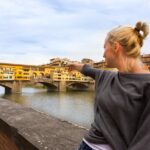
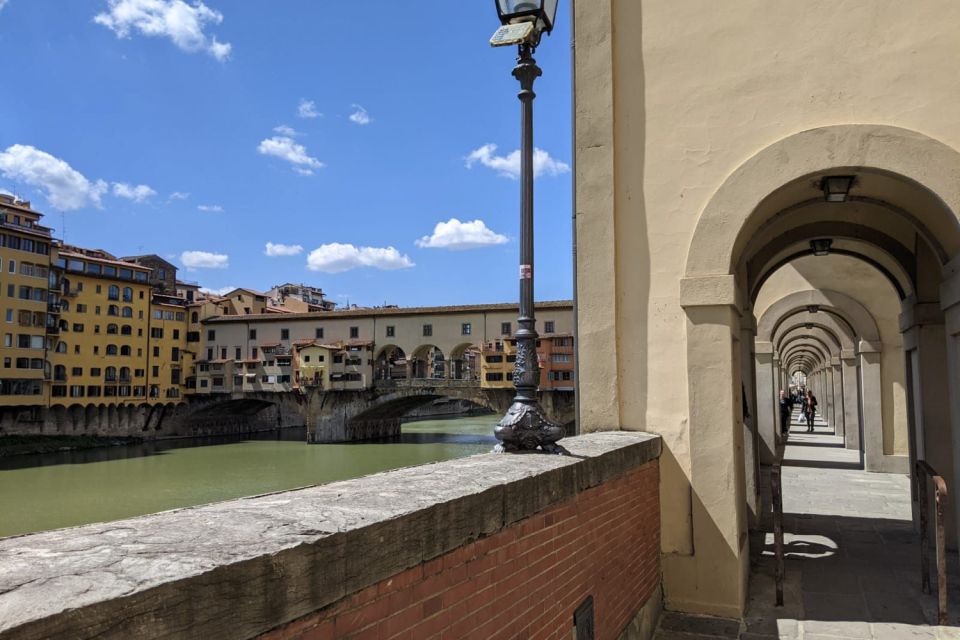
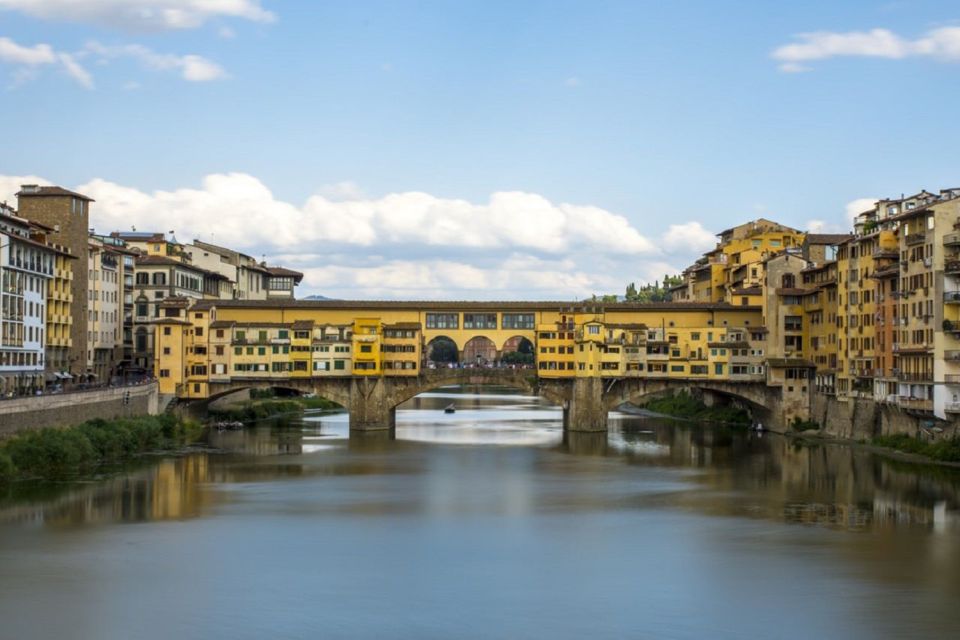
The walk naturally ends with Ponte Vecchio, the oldest bridge in the area as described on this route, and the iconic strip of jewelry shops that line it. The timing is smart. By the time you reach the bridge, you’ve already seen how Florence framed power in squares and churches, so the bridge reads like another stage in the city’s system—commerce, daily movement, and wealth all in one place.
You’ll get the chance to soak in views while the guide explains what you’re looking at and why the bridge became such a symbol. It’s a great close to a short tour because it gives you a “final scene” feeling instead of dragging on until you’re tired.
One small caution: Ponte Vecchio and its approaches can be slow at peak times. The guide will keep the group moving, but you might still notice crowds slowing your pace near the bridge. That’s normal for Florence.
Guide Style, Two-Language Setups, and Headphones
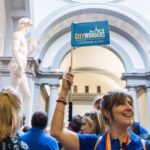
Your experience will depend a lot on the guide’s clarity and pacing, and this is worth taking seriously on a short tour. The tour runs in English and Spanish, with multilingual assistance at the meeting point. During April to October, the tour is described as monolingual, while you might also run into a setup where the tour is provided in two languages at once.
If you are sensitive to speech speed, consider how you learn best. A guide can be excellent and still speak quickly when the group is moving. In larger groups, the built-in headphones help smooth that out because you’re not competing with street noise the whole time.
I’ve also seen guides described by name in the mix—Greta is one you might encounter on certain departures, and the feedback around her was that she kept things engaging and informative. Just keep in mind that guide personalities vary. If you want a slower explanation at major stops, it’s totally reasonable to ask the guide to pause and repeat a key point when the group gathers.
When to pair this with Uffizi and a Duomo add-on

If you want to turn this into a fuller day, there’s an optional combo tour structure you can plan around: a morning guided walk for the historic center, a Uffizi Gallery visit in the morning, and a guided Duomo experience early afternoon. That combo is appealing because it tackles Florence’s biggest “must-see” clusters on the same day without leaving you stuck trying to connect them yourself.
If you’re doing the Duomo complex in the walking tour already, check how the combo schedules overlap. The upside is efficiency. The downside is that you can feel rushed if you pack too much art and church time into a tight window. If you prefer breathing room, do the walking tour alone and keep the rest of the day for slower wandering.
Price and what $27 really buys you
At $27 per person for a 1.5 to 2.5 hour guided walk, you’re paying mainly for three things: a local guide, a focused route, and help interpreting the big landmarks without guesswork. You’re also getting headphones for groups over 10, and there’s an option for an unlimited self-guided mobile city guide if you select that add-on.
What you should not assume: the tour description does not spell out entry tickets for each monument. That means the value is strongest as a guided orientation and storytelling experience. If you love reading about places but also want your questions answered face-to-face, this fits well.
Who this tour is best for:
- You want Florence’s main sites grouped into a clear narrative.
- You prefer guided pacing over self-guided guesswork.
- You’d rather spend a short time learning the city’s “why” than spending all day trying to figure it out.
What to wear and what to bring
This tour is all walking, so comfortable shoes are non-negotiable. In addition, you’ll visit places of worship, so you’ll need to follow the dress code. If you’re traveling with limited outfits, think ahead: bring something that covers appropriately so you can move with the group.
If the day is hot, plan for sun and water, even if the tour itself doesn’t list specific needs. The walking is short enough that you can usually manage with basic comfort planning.
Should you book this Florence walking tour?
I’d book it if you want a fast, guided path that connects Florence’s Medici influence, the Cathedral area, and Piazza Signoria into one coherent walk. At this price point, the local guide and the route focus can save you hours of “where should I be next?” stress.
Skip it or plan carefully if logistics could be an issue for you. The meeting point can vary, and language delivery can shift between monolingual and two-language setups. Arrive early, confirm where you meet for your exact option, and be ready to follow the guide’s lead quickly.
Also, if you’re traveling with someone who needs slower speech or a very relaxed pace, it’s worth noting that guide pacing can differ. The headphones help in larger groups, but your comfort still depends on how the guide manages time at each stop.
FAQ
How long is the Florence: Heart of Florence Guided Walking Tour?
The tour lasts about 1.5 to 2.5 hours. Starting times vary, so check availability for the day you want to go.
Where is the meeting point?
The meeting point may vary depending on the option booked. The provider offers multilingual assistance at the meeting point to help you get oriented.
What languages are offered on the tour?
The tour is offered in English and Spanish. During April to October it’s described as monolingual, and it can sometimes be provided in two languages at once.
Are headphones included?
Headphones are provided for groups of over 10 participants.
Do I need special clothing for the churches?
Yes. During visits to places of worship, you’ll need to dress according to the dress code.
Is lunch included, and what does it include?
There is an optional lunch. The lunch option includes a 3-course Tuscan set menu in a typical restaurant in the heart of Florence, but drinks are not included. Lunch for ages 0–5 is not included.
You Might Also Enjoy
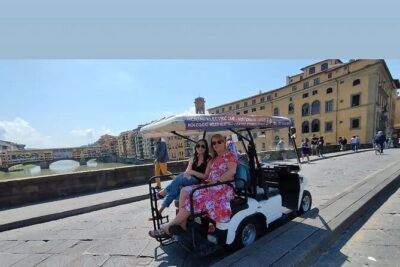

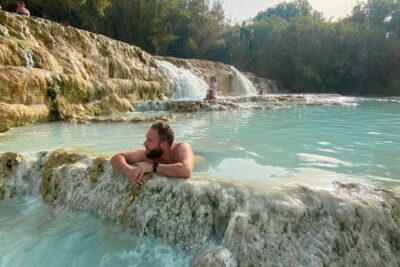
More Walking Tours in Florence
More Tours in Florence
- The Best tour in Florence: Renaissance & Medici Tales – guided by a STORYTELLER
★ 5.0 · 12,316 reviews

More Tour Reviews in Florence
- Tuscany Day Trip from Florence: Siena, San Gimignano, Pisa and Lunch at a Winery
★ 5.0 · 21,634 reviews - The Best tour in Florence: Renaissance & Medici Tales – guided by a STORYTELLER
★ 5.0 · 12,316 reviews