REVIEW · FLORENCE
Florence: (French) Walking Tour with a licensed guide
Book on GetYourGuide →Operated by BellaVita tour · Bookable on GetYourGuide
Florence can feel like a blur. This walking tour slows it down with clear stops at the Duomo complex and Ponte Vecchio, plus a guide who connects the stones to the people who built them.
I especially like how you get two kinds of sightseeing: the big-ticket monuments (Cupola, Baptistery, David) and the smaller streets in between where your licensed guide points out details most people miss. I also like the way the story stays human, with Medici and Renaissance context woven into what you’re looking at.
One thing to consider: it’s a 1.5-hour walk packed with major sights, so if you want long hangs at any single monument, this pace might feel a bit brisk.
In This Review
- Key highlights you will actually feel
- Getting oriented fast: Piazza della Repubblica to the Duomo complex
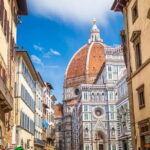
- The Duomo complex and Brunelleschi’s Cupola: what to notice up close
- Baptistery of Saint John and the Porta del Paradiso: why the bronze door matters
- Piazza della Signoria: David outside Palazzo Vecchio and the politics behind it
- A quick look at the Uffizi Gallery area: what “10 minutes” can do
- Ponte Vecchio: the famous bridge, understood instead of just photographed
- Hidden details and Medici storytelling: where Isabella adds real value
- Price and value: is $77 for 1.5 hours worth it?
- Best fit: who should choose this walking tour
- Quick practical tips before you go
- Should you book this Florence walking tour with BellaVita Tours?
- FAQ
- How long is the Florence walking tour?
- What language is the live guide?
- Where do I meet the guide?
- What is the price per person?
- Is the tour wheelchair accessible?
- Are museum entry tickets included?
- Is free cancellation available?
Key highlights you will actually feel
- Piazza della Repubblica start that puts you right into the historic core quickly
- Duomo complex + Brunelleschi’s Cupola viewpoints focused on what matters (not just facts)
- Baptistery Porta del Paradiso explained in a way that makes the bronze door easier to appreciate
- Piazza della Signoria stops at Palazzo Vecchio and the David sculpture’s political meaning
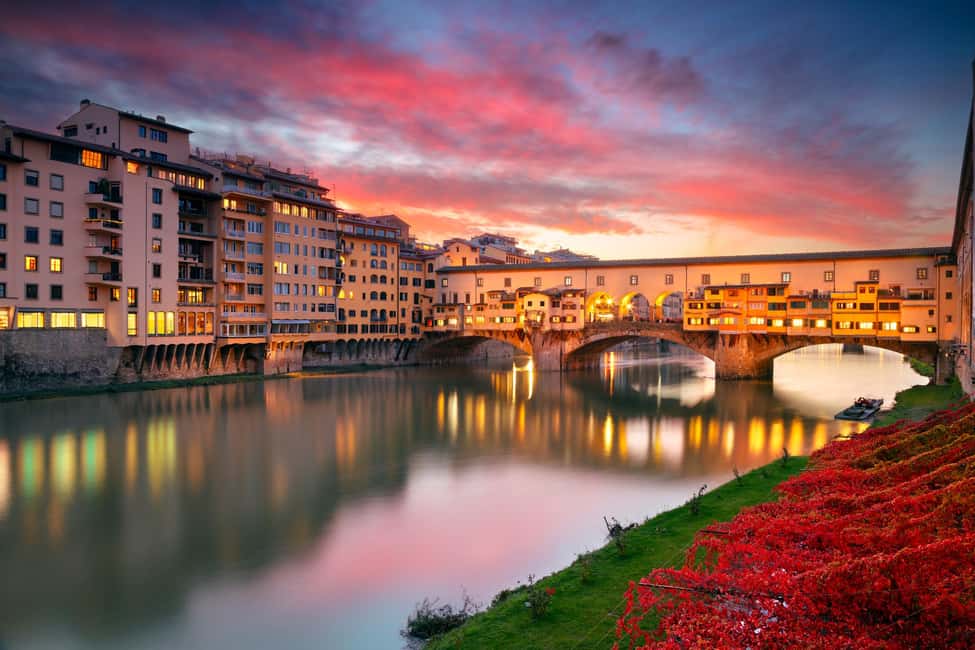
- Ponte Vecchio time for photos and for understanding why this bridge became iconic
- French guide experience with clear, light-touch storytelling (example: Isabella’s style)
Getting oriented fast: Piazza della Repubblica to the Duomo complex
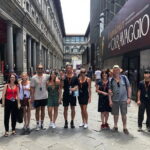
The tour starts near the carousel on Piazza della Repubblica, with a BellaVita Tours sign showing your name. It’s a smart meeting point. You get a central place to gather, then you head straight into the thick of Florence’s historic heart before the day gets away from you.
Right away, you can tell the guide’s job isn’t only to recite dates. They’re helping you look. That matters because Florence’s architecture can feel like a museum map until someone gives you a way to read it. Expect a smooth flow into the Duomo area, where your attention shifts from “wow, buildings” to “why these buildings, in this order.”
You can also read our reviews of more walking tours in Florence
The Duomo complex and Brunelleschi’s Cupola: what to notice up close
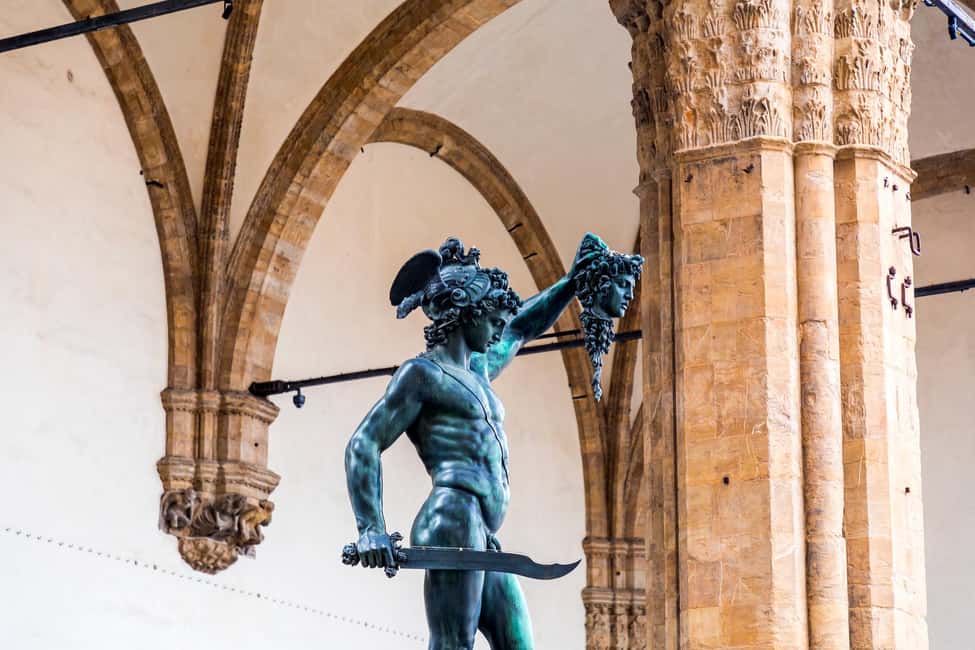
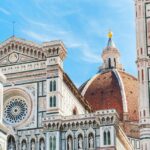
Your first stretch is focused on the Florence Duomo complex, including time specifically for Brunelleschi’s Dome (the Cupola). Even if you don’t go inside, you’ll learn how to look at the structure as a statement—something built to change the skyline and the identity of the city.
I like that the guide gives you short, targeted time blocks. You don’t wander for an hour trying to “figure out” what you’re seeing. Instead, you get cues for things that stand out when you slow down:
- how the complex is arranged around the cathedral centerpiece
- what the dome represents in the Renaissance story
- how to connect the exterior you see to the ambition behind it
One practical note: bring comfortable shoes and water. The Duomo area has plenty of viewing points, but the walking adds up, and the sun can be relentless even when the plan looks manageable.
Baptistery of Saint John and the Porta del Paradiso: why the bronze door matters
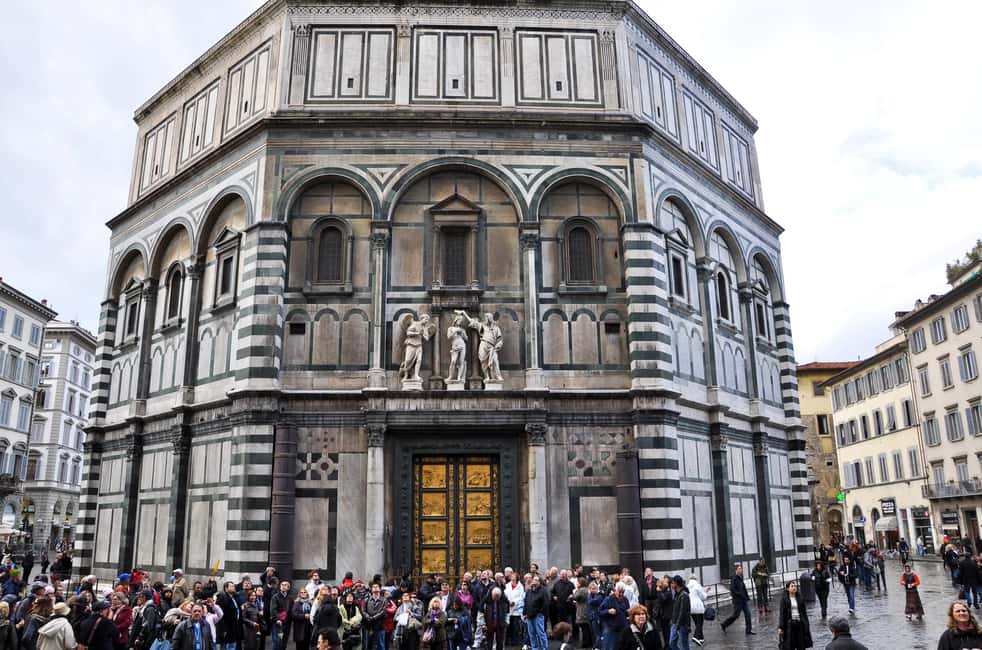
Next comes the Baptistery of Saint John, including dedicated time for the Porta del Paradiso (Paradise Door). This stop is more than a photo break. The bronze door is famous for a reason, and a good guide helps you understand why people keep returning to it.
What you’ll likely appreciate most is context. The Baptistery isn’t just a stop on a list—it’s part of Florence’s religious and civic identity. When your guide explains it in clear chunks, you start noticing patterns and symbolism instead of treating it like decoration.
If you’ve ever stared at a masterpiece and thought, I don’t know what I’m looking for, this is exactly where a guided moment pays off. It turns the Baptistery from background into a highlight.
Piazza della Signoria: David outside Palazzo Vecchio and the politics behind it
Then you step into Piazza della Signoria, a key public square where Florence displays art like it’s public speech. The tour centers on two big things:
- the David sculpture, placed outside Palazzo Vecchio
- the square’s broader role as a space of power and politics
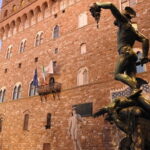
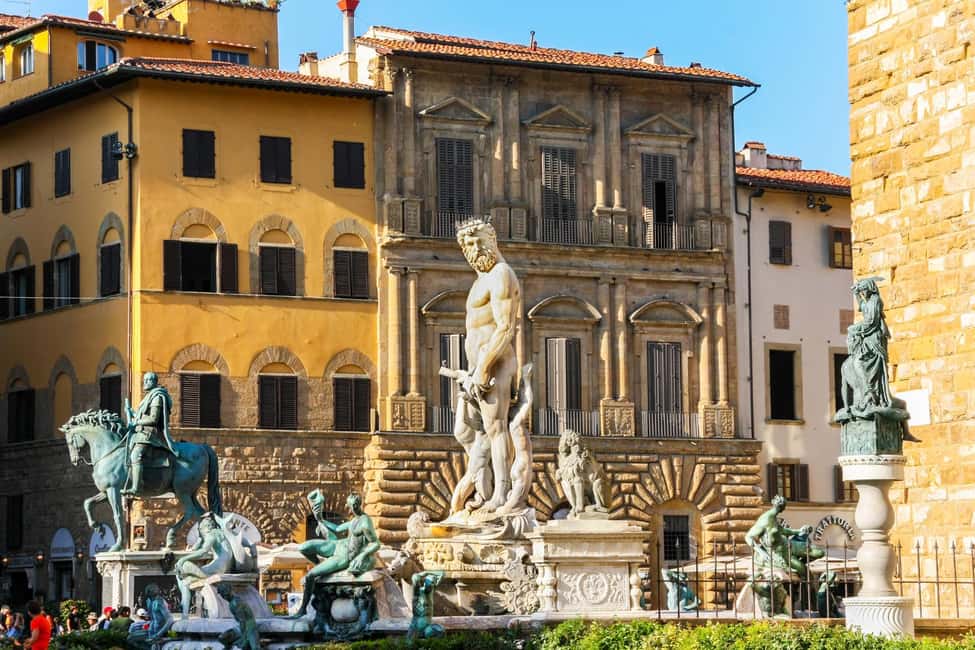
Here’s the best part: David isn’t presented as just a famous statue. You’ll learn the idea of it as a symbol of the Republic’s defiance of the tyrannical Medici. That changes your mental picture instantly. You stop seeing David as only a Renaissance masterpiece and start seeing it as a message meant to be read in a public square.
You’ll also spend time around the Palazzo Vecchio area and the colossal white marble fountain. Even if you don’t memorize details, the guide’s framing helps you understand why certain art lives in civic space here.
Consideration: this area can be busy. If you hate standing shoulder-to-shoulder for photos, you’ll want to take your photos efficiently and trust that your guide is timing the route.
A quick look at the Uffizi Gallery area: what “10 minutes” can do
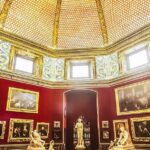
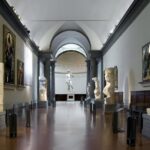
The itinerary includes a short stop by the Uffizi Gallery area. Since entry tickets to museums aren’t included, you should treat this as an orientation moment and a streetscape pause, not a full museum visit.
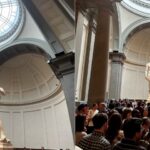
I actually like this approach. The Uffizi is a major decision point for many travelers. A short guided stop gives you a sense of how this art world connects to the squares, palaces, and power centers you just saw. It helps you understand what you’re walking toward later, if you decide to ticket it.
If you do plan to visit the museum, keep this moment in mind. You’ll already have the civic and Renaissance context in your head, which makes the visit feel less like random masterpieces and more like a system.
You can also read our reviews of more guided tours in Florence
- The Best tour in Florence: Renaissance & Medici Tales – guided by a STORYTELLER
★ 5.0 · 12,316 reviews
Ponte Vecchio: the famous bridge, understood instead of just photographed
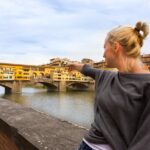
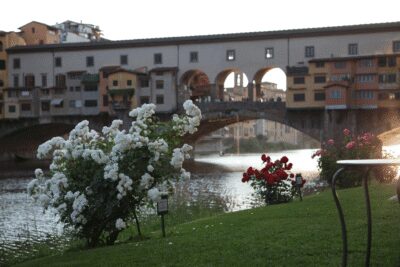
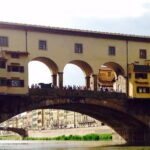
The final major sight is Ponte Vecchio, the Old Bridge and one of Florence’s most recognizable landmarks. Time here matters because this is one of those places where you can spend 20 minutes and still miss what makes it tick.
With a guide, you’ll likely focus on more than the postcard view:
- why the bridge became iconic
- how it fits into Florence’s city flow
- what to look for as you cross, not just at the start
You also get a look at traditional city texture on the way there—medieval streets with shops and artisan atmosphere. That’s one of the reasons this tour feels like more than monument-hopping. You move through the city as the Renaissance did: on foot, among craftspeople, not in a bubble.
Hidden details and Medici storytelling: where Isabella adds real value
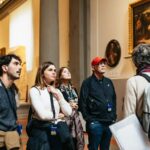
Across the whole walk, the guide’s role is to point out the things you’d otherwise skip. That “look closer” approach is the difference between collecting images and actually learning a city’s logic.
In the feedback for this tour, one name comes up again and again: Isabella. People describe her as enthusiastic and able to share big stories without dumping a heavy list of dates on you. That’s a good sign, because Florence rewards attention, not cramming.
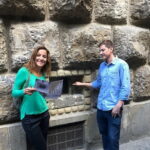
She also shares practical ideas beyond the monuments. One standout example: a tip for the Alimentari Uffizi, where you can enjoy a plate of charcuterie and cheeses made with porcs noirs raised by the family, paired with Chianti Classico. That kind of suggestion is pure value—something you can use the same day, not a generic restaurant link.
Price and value: is $77 for 1.5 hours worth it?
At $77 per person for about 1.5 hours, you’re paying for a licensed, French-speaking guide and a well-managed walking route through Florence’s most concentrated highlights. That price can feel steep until you factor what you’re avoiding: confusion, wrong turns, and the slow, unsatisfying process of trying to self-teach the city while standing in crowds.
Here’s how I’d judge the value for you:
- If you want the big monuments connected by story, the guide makes the time more efficient.
- If you’re the type who loves reading plaques and wandering solo, you might not need a guided route at all.
- If you’re on a tight schedule, the structured stop-and-go pacing can be the difference between seeing “a lot” and understanding what you saw.
The tour also includes a walking route through the Florence Historical Centre, and it’s built around the key sights you named: Duomo, Baptistery, Giotto’s Bell Tower, Cupola, David, and Ponte Vecchio.
Best fit: who should choose this walking tour
This is a great match if you:
- want a first Florence day experience with strong orientation
- enjoy Renaissance and Medici context but don’t want it to feel like a lecture
- prefer small-group or private-style attention (the tour offers private or small groups)
- are traveling with someone who needs a guided structure
It’s less ideal if you plan to linger for long inside museums or if you’re only interested in one monument. This tour is designed for efficient, high-impact sightseeing.
Quick practical tips before you go
- Wear comfortable shoes. The walking is part of the design.
- Bring a camera for the Duomo area and Ponte Vecchio (the angles are worth it).
- Bring water, especially in warmer months.
- Since museum entry tickets aren’t included, decide in advance whether you’ll book any museums separately.
Should you book this Florence walking tour with BellaVita Tours?
If you want Florence to feel like a connected story—Duomo to Baptistery to David to Ponte Vecchio—this is an easy yes. The structure is tight, the guide is central to the experience, and the focus on Medici and Renaissance context turns famous sights into meaningful ones.
If you’re the type who needs hours in one place or you’d rather skip guidance and read everything at your own pace, you might prefer a solo day. But for most visitors, $77 for a guided, focused historic-center walk is a solid way to get your bearings fast and leave with more than photos.
FAQ
How long is the Florence walking tour?
The tour lasts about 1.5 hours.
What language is the live guide?
The live tour guide speaks French.
Where do I meet the guide?
Meet near the carousel on Piazza della Repubblica. Look for the sign that says BellaVita Tours with your name.
What is the price per person?
The price is listed as $77 per person.
Is the tour wheelchair accessible?
Yes, the tour is wheelchair accessible.
Are museum entry tickets included?
No. Entry tickets to museums are not included.
Is free cancellation available?
Yes. You can cancel up to 24 hours in advance for a full refund.
You Might Also Enjoy
More Walking Tours in Florence
More Tours in Florence
- The Best tour in Florence: Renaissance & Medici Tales – guided by a STORYTELLER
★ 5.0 · 12,316 reviews

More Tour Reviews in Florence
- Tuscany Day Trip from Florence: Siena, San Gimignano, Pisa and Lunch at a Winery
★ 5.0 · 21,634 reviews - The Best tour in Florence: Renaissance & Medici Tales – guided by a STORYTELLER
★ 5.0 · 12,316 reviews