REVIEW · FLORENCE
Florence: Accademia and David Skip-the-Line Entry Ticket
Book on GetYourGuide →Operated by FLORENCE & GLOBAL SMALL GROUP TOURS S.R.L.S · Bookable on GetYourGuide
Florence has a way of turning your head at every corner, and the Accademia is one of the few places that genuinely hits with force. With a skip-the-line entry ticket, you can get to Michelangelo’s world fast, then move at your own rhythm through sculpture, paintings, and a couple of surprises.
What I especially like is the separate entrance + entry code system, which keeps things moving instead of waiting in the main crush. I also like that you get access to the full museum sections, not just David and out the door.
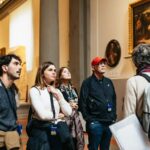
The main thing to think about is that this is not a guided tour inside the gallery. You’ll be met, escorted to the right fast entry queue, and then you explore on your own, so plan to spend your time carefully.
In This Review
- Key things that make this ticket worth it
- Where the experience starts: VIA GUELFA ticket pickup and fast entry
- Skip-the-line in real life: what happens after you arrive
- Michelangelo’s David: why this statue is worth budgeting your time
- The Accademia beyond David: prisoners, St Matthew, Pietà of Palestrina
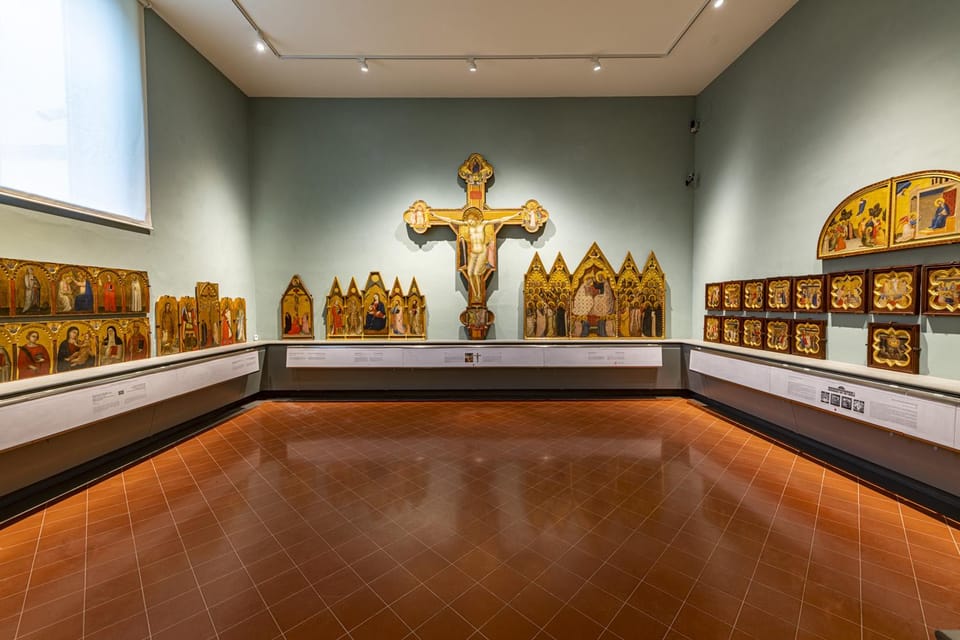
- Renaissance painting timeline: 13th through 16th century Florentine art
- Musical instruments and the Medici connection you might not expect
- Plaster casts: the “teaching tool” gallery that makes the art make sense
- A realistic pacing plan for a 1-hour visit
- Price and value: paying for time, not just a ticket
- Who this ticket is best for (and who should pick something else)
- Should you book this Accademia skip-the-line entry?
- FAQ
- FAQ
- How long is the Accademia visit with this ticket?
- What is included with the ticket?
- Does this include a guided tour?
- Where do I meet the host to get the ticket access?
- What does skip-the-line mean here?
- Which languages is the host or greeter able to help in?
- Is the museum entry wheelchair accessible?
- What will I see at the Accademia with this entry?
- Is an audio guide included?
- Can I cancel if plans change?
Key things that make this ticket worth it
- Skip-the-line via a separate queue so you lose less time to waiting
- Your own pace after quick check-in and security
- Michelangelo’s David plus related works, all in one stop
- Renaissance painting evolution from the 13th to 16th centuries
- Medici musical instruments exhibit and the plaster cast gallery for variety
- Straightforward, multi-language host support at the meeting point
Where the experience starts: VIA GUELFA ticket pickup and fast entry
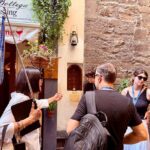
This is a simple setup: you meet the host near the museum area, collect your entry access, and then go straight to the fast queue. The meeting point is VIA GUELFA 12RED, at the office of FLORENCE AND GLOBAL TOURS S.R.L.S, in front of the VIA GUELFA McDonald’s, and next to VIA GUELFA 2.
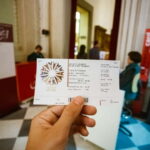
The practical upside is that you’re not stuck figuring out which line to join. The process is built around you getting an entry ticket code that lets you join the next entry queue, and several people highlight that the wait after that is often short (around 15–20 minutes in their cases).
The host or greeter can help in Arabic, English, German, Italian, and Spanish. That matters more than it sounds, because the Accademia area is busy and signs and lines can be confusing when you’re trying to be on time.
You can also read our reviews of more tours and experiences in Florence
Skip-the-line in real life: what happens after you arrive
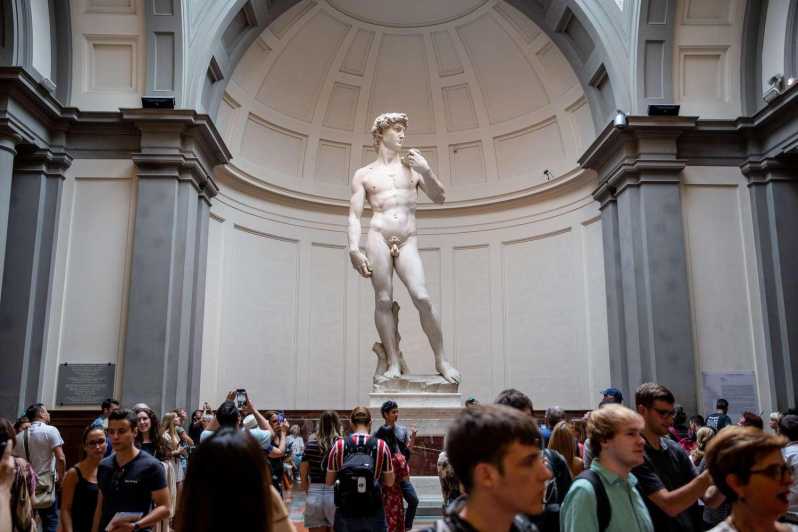
Once you’re with the team, you’ll be escorted to the appropriate entrance queue. Expect a security/bag check before you enter the museum proper. One practical note from real visits: in hot weather, water bottles can be confiscated during the checks, so if you bring a bottle, don’t be shocked if it doesn’t make it inside.
Even with the security step, the main value is still time saved. One thing that shows up again and again is that the normal line can be huge, so using a separate entrance feels like paying to buy back your morning.
Also pay attention to timing. The ticket is tied to starting times (you’ll see the schedule when you check availability), and people report that being late can still be workable if you’re allowed into a later time slot. Still, best practice is to show up close to your start time so you don’t have to negotiate your way into the next window.
Michelangelo’s David: why this statue is worth budgeting your time
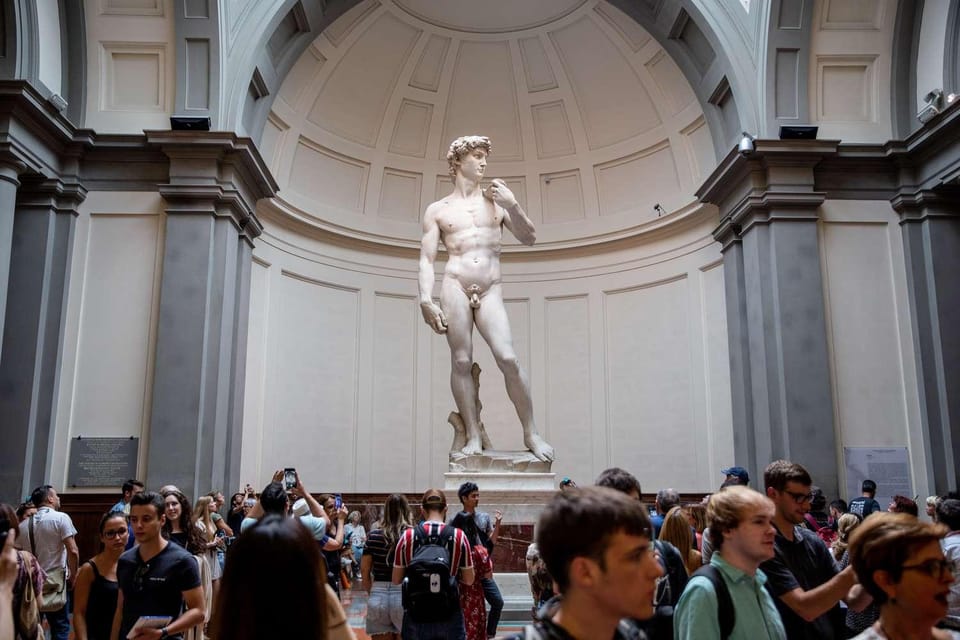
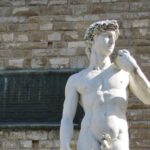
Yes, you’ve seen photos. And yes, everyone talks about it. But the reason Michelangelo’s David keeps landing with people is scale and presence.
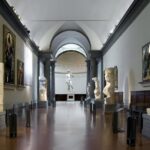
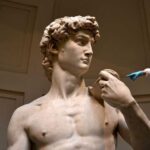
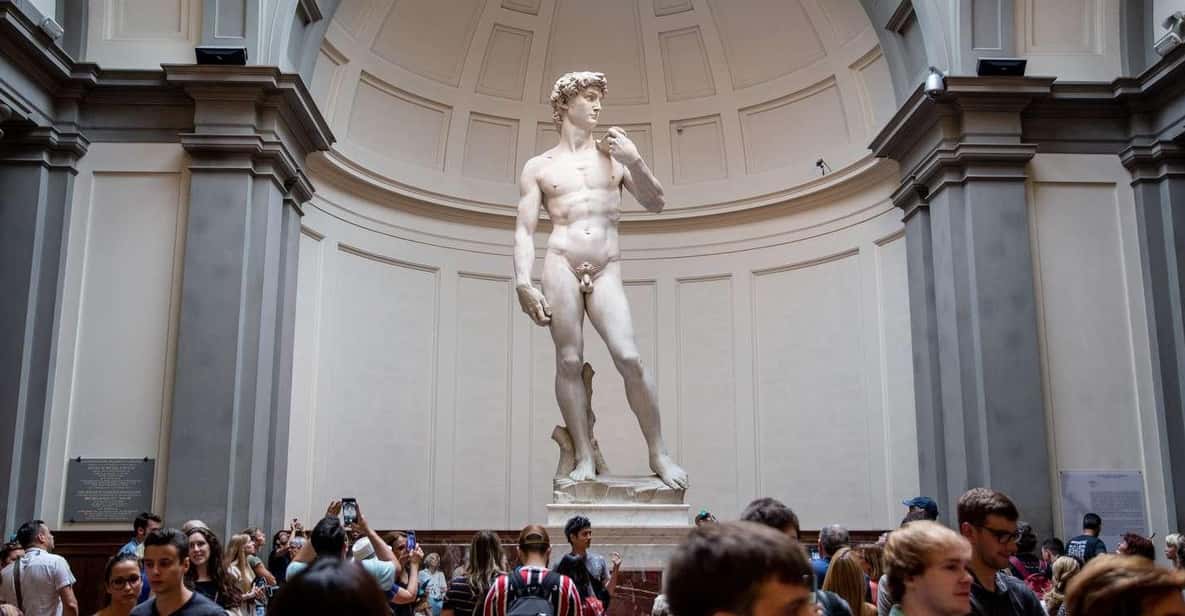
David is a colossal marble statue carved from a single block between 1501 and 1504. It’s over 5 meters tall and displayed in a hall designed to spotlight it (the museum’s special Tribune space). Standing here, you get what artists and patrons were trying to prove: strength, idealized beauty, and technical control at maximum volume.
If you only have one “must-see” moment, this is the one to protect. Don’t rush around the gallery hoping David will become background scenery. Give it a focused visit: arrive with a plan for the angles you want, then step back and look again after you’ve let the scale sink in.
The Accademia beyond David: prisoners, St Matthew, Pietà of Palestrina
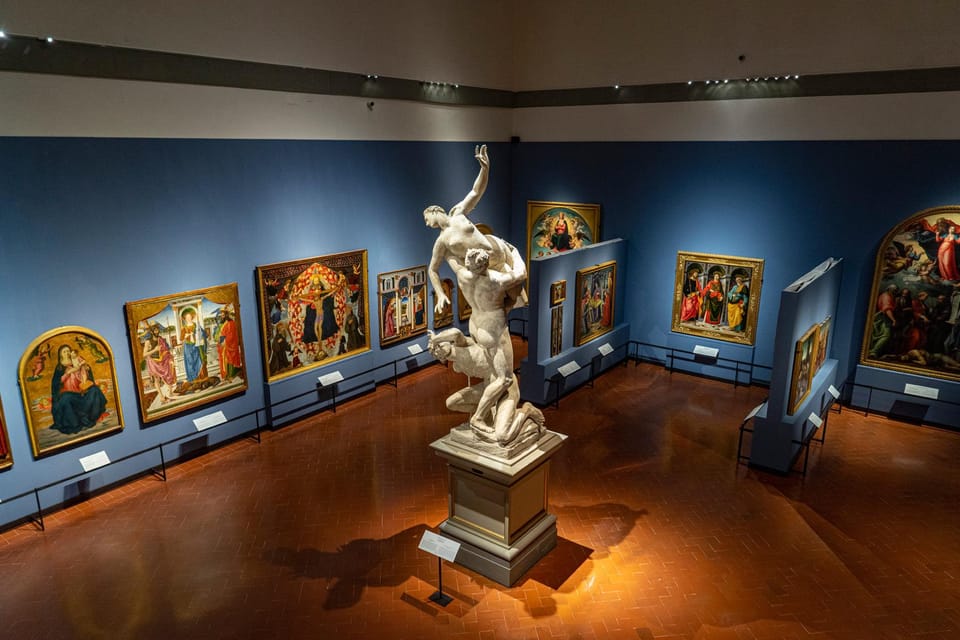
After you take your time with David, the payoff is that the museum doesn’t stop at one statue. You can also see other works by Michelangelo, including The Prisoners, St. Matthew, and the Pietà of Palestrina.
Here’s the practical value for your visit: Michelangelo’s style is easier to understand when you’re not bouncing between unrelated rooms. The Accademia puts you close to the same creative brain at different stages and in different formats, so you can notice how form, tension, and unfinished surfaces all play into the story of how art gets made.
If you care about process over postcards, this is where the visit turns from sightseeing into something closer to study—still at your own pace, but with enough context to make you look longer.
Renaissance painting timeline: 13th through 16th century Florentine art
Not everyone realizes the Accademia is also a major painting stop. This ticket gets you access across the galleries where you can see the evolution of Florentine art from the 13th to the 16th century.
You’ll encounter works by names like Cimabue, Giotto, Fra Angelico, and Lorenzo Monaco, plus major Renaissance painters such as Botticelli and Ghirlandaio. The useful thing about seeing the timeline in one place is comparison: you can spot shifts in style, figure treatment, and realism without needing a separate museum day.
If you’re short on time, don’t try to read every label. Instead, pick a couple of artists you recognize, then let the surrounding rooms teach you the “why” behind the change.
You can also read our reviews of more tours and experiences in Florence
Musical instruments and the Medici connection you might not expect
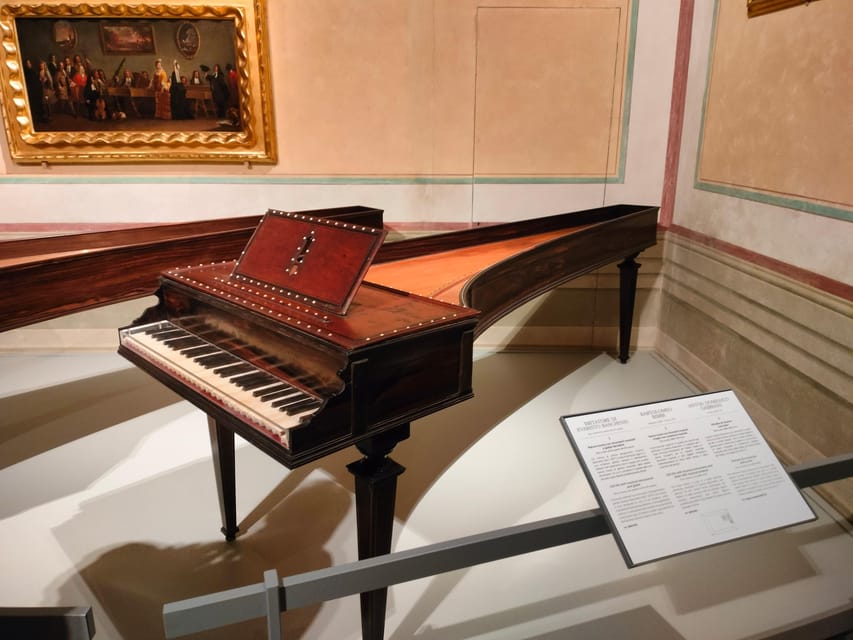
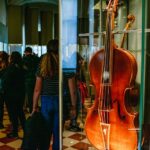
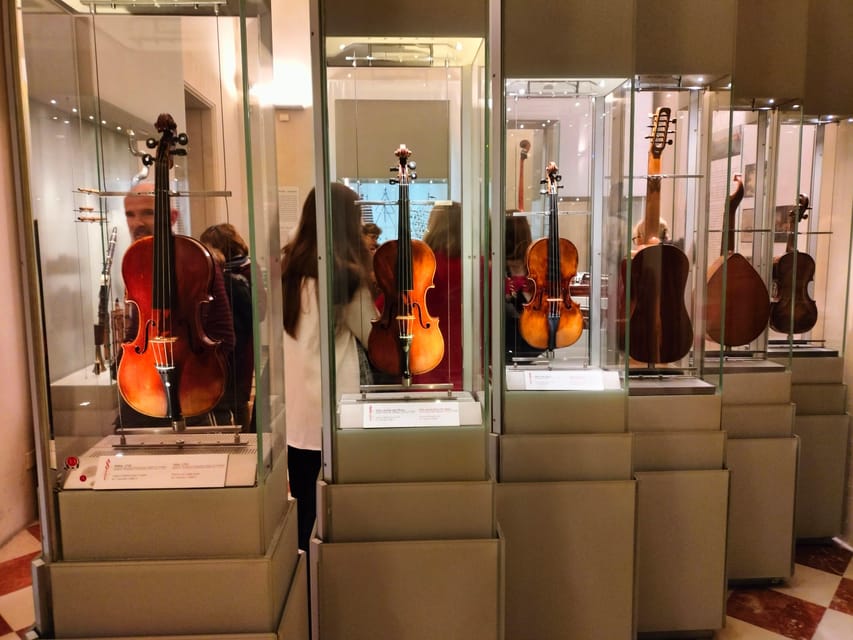
One of the most interesting diversions is the musical instrument exhibit, featuring rare instruments associated with the Medici family. You can see pieces from about the 17th to the 19th century, including examples like violins, harpsichords, and pianos.
This section works well for a specific kind of visit: when you want variety without leaving the museum. Sculpture can be exhausting if you’re moving fast, and a music exhibit gives your brain a different rhythm. Even if you don’t know much about instruments, the display format makes it easy to appreciate craftsmanship and how objects carried status and culture.
Plaster casts: the “teaching tool” gallery that makes the art make sense
Another standout included area is the plaster cast gallery. These are copies of sculptures from antiquity through more modern times, originally used as teaching tools for art students.
Don’t underestimate this room. Seeing casts in a museum can sound like filler until you realize what it’s doing: it’s explaining how artists trained by copying, studying proportions, and learning what to look for in the human form.
If your goal is understanding why David looks the way it does—why certain proportions feel “ideal”—this is one of the best supporting stops in the building.
A realistic pacing plan for a 1-hour visit
The duration is listed as 1 hour. That doesn’t mean you’ll sprint; it means you should curate what you want to hit because you’re not given unlimited time in the experience window.
Here’s a sensible way to use that hour with minimal stress:
- Spend your first block on David, standing long enough to feel the scale.
- Add the Michelangelo-related rooms that include The Prisoners, St. Matthew, and Pietà of Palestrina.
- If you still have time, switch to paintings for a short sampling of the 13th–16th century evolution.
- Use the remaining minutes for either the Medici instrument exhibit or the plaster casts, depending on what you’re most curious about.
If you’re the type who likes to read labels, you might feel the time pressure. If you’re the type who likes to look and compare, you’ll get a lot from this format.
Also, if your time slot is early, you might benefit from quieter conditions. Some people describe getting the Accademia with more breathing room when they arrived with early entry windows.
Price and value: paying for time, not just a ticket
The price is $36 per person, with access to the museum’s included sections and skip-the-line entry through a separate entrance. The value here is mostly about time and certainty.
If you show up at the Accademia without a plan, you can lose a big chunk of your morning to queues and stop-start logistics. This ticket is designed to remove that friction: you meet a host, get your access code, walk to the fast line, and enter faster than people who are figuring it out from scratch.
There’s also a practical “value of sanity” factor. When the museum is your main priority for Florence day, saving the time between your hotel and your first big art moment is worth real money.
Who this ticket is best for (and who should pick something else)
This option fits best if you:
- Want the biggest museum moment—David—without wrestling lines.
- Prefer self-guided wandering instead of committing to a group pace.
- Like variety, since you’ll see painting, instruments, and plaster casts in one sweep.
It’s less ideal if you want deep interpretation from a staff guide. This ticket includes skip-the-line entry and access, but it does not include a guided tour. Audio guide options are available for purchase from the museum, but they’re not part of the package.
If you’re a first-timer in Florence who needs a strong narrative thread to connect the artworks, you might consider pairing this visit with your own reading before you go—or choosing a tour that includes commentary. But for a lot of people, the freedom to move at your pace is exactly what makes it work.
Should you book this Accademia skip-the-line entry?
I’d book this if David is on your Florence short list and you want to spend your time looking, not waiting. For $36, the payment feels justified when your main goal is fast entry, clear check-in, and a full museum visit at your own speed.
Skip it only if you want a fully guided walkthrough with structured explanations throughout. Because once you’re inside, you’re on your own, so you’ll get the most value if you’re comfortable choosing what to see and how long to linger.
FAQ
FAQ
How long is the Accademia visit with this ticket?
The experience duration is listed as 1 hour. You’ll be entering via a scheduled start time, then exploring at your own pace.
What is included with the ticket?
You get an Accademia Gallery skip-the-line entry ticket and access to all sections of the museum. No guided tour or audio guide is included.
Does this include a guided tour?
No. This is not described as a guided tour. You’ll be met and escorted to the appropriate fast entry, then you explore inside on your own.
Where do I meet the host to get the ticket access?
Meet at VIA GUELFA 12RED, the office of FLORENCE AND GLOBAL TOURS S.R.L.S, in front of the VIA GUELFA McDonald’s Restaurant, next to VIA GUELFA 2.
What does skip-the-line mean here?
It means you’ll use a separate entrance and join the appropriate entry queue based on your ticket access code, instead of joining the main public line.
Which languages is the host or greeter able to help in?
The host or greeter can help in Arabic, English, German, Italian, and Spanish.
Is the museum entry wheelchair accessible?
Yes. The activity is listed as wheelchair accessible.
What will I see at the Accademia with this entry?
You can expect Michelangelo’s David, other Michelangelo works (including The Prisoners, St. Matthew, and Pietà of Palestrina), paintings by artists such as Botticelli and Ghirlandaio, a musical instrument exhibit, and a plaster cast gallery.
Is an audio guide included?
No. An audio guide is not included, though it’s available to purchase from the museum.
Can I cancel if plans change?
Yes. There’s free cancellation up to 24 hours in advance for a full refund.
You Might Also Enjoy

More Skip the Line in Florence
More Tickets in Florence


More Tour Reviews in Florence
- Tuscany Day Trip from Florence: Siena, San Gimignano, Pisa and Lunch at a Winery
★ 5.0 · 21,634 reviews - The Best tour in Florence: Renaissance & Medici Tales – guided by a STORYTELLER
★ 5.0 · 12,316 reviews