REVIEW · FLORENCE
Fascinating Florence: Guided Walking Tour
Book on Viator →Operated by Artviva The Original & Best Walking Tour · Bookable on Viator
Florence turns into a real story on foot fast. You’ll follow Medici-era clashes and art-meets-faith intrigue through central streets in a small group (max 15), with headsets so you don’t miss the important bits.
I love how the guide ties famous landmarks to the people behind them, with added street-level tips you can actually use later for shopping, meals, and gelato. One consideration: cathedral entry and the dome climb aren’t part of the walk right now, so plan on learning the Duomo story from the outside/area rather than going inside.
In This Review
- Key things to know before you go
- A 3-hour Florence warm-up that makes the city click
- Price and value: what $511.66 really covers
- Meeting point, pacing, and how much walking to expect
- Stop-by-stop: piazzas, churches, and what to watch for at each one
- Piazza della Repubblica: the warm-up scene-setter
- Orsanmichele and Santa Trinità area: art on the way to faith
- Palazzo Strozzi: learning from what you can see from outside
- Santa Trinita Church: time where access is most sensitive
- Ponte Vecchio: the city’s postcard, explained as a survivor
- Piazza della Signoria: where Florentines argued with art
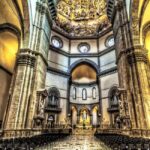
- Piazza del Duomo: Baptistery, Gates of Paradise, bell tower, and the dome story
- Duomo expectations: how to plan when entry is limited
- The guides: why names like Mario and Hilda keep showing up
- Local tips that actually help: shops, restaurants, and gelato
- Who this tour suits best
- Should you book Fascinating Florence: Guided Walking Tour?
- FAQ
- How long is the Fascinating Florence guided walking tour?
- Where does the tour start and where does it end?
- Is entry to Santa Maria del Fiore (the Duomo) included?
- Is climbing Brunelleschi’s Dome included?
- What is the dress code for churches and sacred sites?
- Are headsets provided?
- How big is the group, and does it run in bad weather?
Key things to know before you go
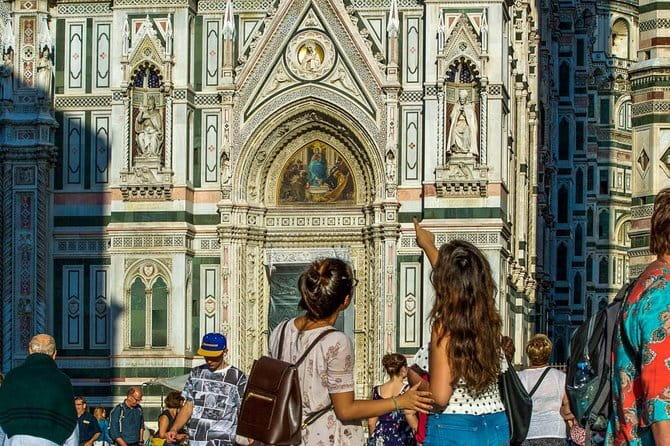
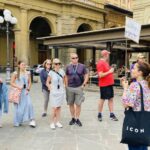
- Small group size (up to 15) keeps the pace friendly and questions possible.
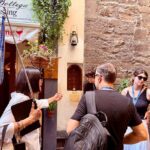
- Headsets make it easy to hear the guide on cobblestones and in busy piazzas.
- Duomo focus without climbing: you’ll hear how Brunelleschi’s dome happened, even if you don’t climb it.
- Church access depends on closures like mass, so entry isn’t guaranteed at every sacred stop.
- Dress code is real: shoulders and knees covered for sacred sites, or you risk being turned away.
- Guides bring Florence to life—names you might get include Mario, Angelo, Hilda, Hilde, Ishmael, Corina, and Silvia.
A 3-hour Florence warm-up that makes the city click
If this is your first trip to Florence, this type of guided walk is worth its weight in saved time. The whole idea is simple: you don’t just look at landmarks—you learn why they matter and how the city’s power struggles shaped what you see today.
You start in central Florence and end at the Duomo area, which is a smart way to build a base. Even if you wander on your own later, the connections the guide makes—Medici influence, church authority, artist rivalries—help you spot details you’d otherwise miss.
The best part is that the tour uses short stops to keep you oriented. You’ll hear the story behind places like Piazza della Signoria and Ponte Vecchio, then you move on before the explanation fades into background noise.
You can also read our reviews of more walking tours in Florence
Price and value: what $511.66 really covers
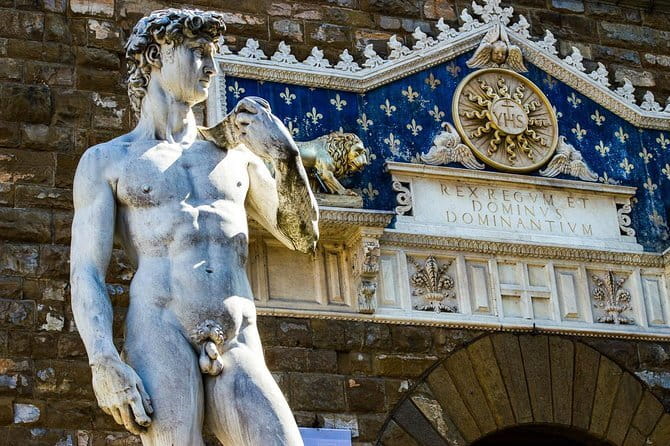
At $511.66 per person, this isn’t a cheap “walk and hope” kind of tour. You’re paying for a licensed-style local guide, headsets, and a route built around Florence’s most story-heavy corners: the Duomo zone, Medici power points, and the art-politics overlap that defines the Renaissance.
Is it worth it? For many first-timers, yes—because Florence is visual overload. A guide helps you separate what’s important from what’s just pretty, and then gives you practical ideas for where to eat and what to buy. One reason the tour scores so high is that guides often go beyond dates and names. People specifically mention how guides like Mario and Angelo made Florence feel personal and understandable, not like a lecture.
Still, keep your expectations grounded. You won’t see everything in 3 hours, and at least part of the Duomo experience is currently limited (more on that below). If you’re already deep into Renaissance art, you might feel the pacing is “just enough.” If you’re starting from zero, it can be the fastest path to confidence.
Meeting point, pacing, and how much walking to expect
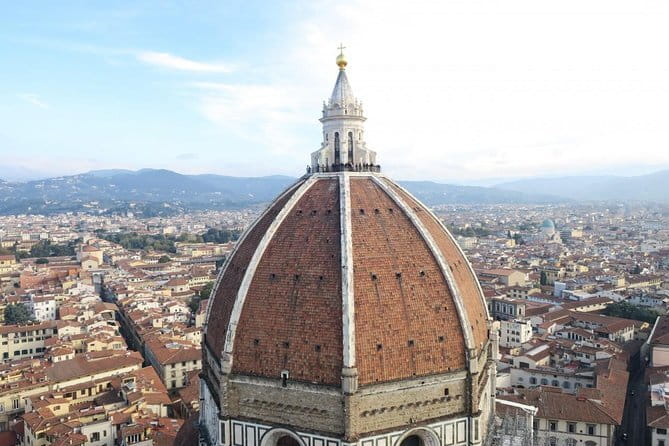
The tour begins at Via Roma, 1r, 50123 Firenze FI, and ends at Piazza del Duomo. That end point is convenient because it lands you right where you’ll likely want to return for photos, a museum visit, or dinner.
About pacing: you will walk. Florence streets are stone, uneven, and slippery when wet. Bring shoes you trust on cobblestones, especially if you’re there in cooler months or you hit a sudden rain. One review pointed out the streets can be rough, and that’s consistent with how Florence feels on foot.
One more practical note: the meeting can be confusing if you arrive at the last second. Some people described needing a map and mentioned the office area not being obvious at first. My advice is boring but effective: arrive early, pull up the meeting pin on Google Maps, and don’t rely on just wandering into the right block.
Stop-by-stop: piazzas, churches, and what to watch for at each one
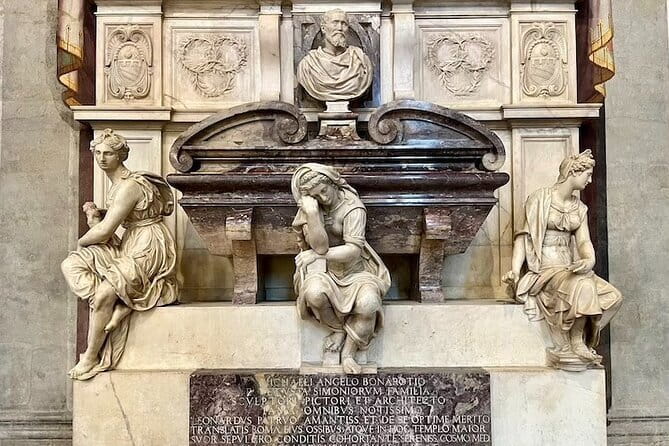
This walk is built like a guided storyline. The stops aren’t random; each one acts like a chapter title, and the guide uses them to explain Florence’s power network—merchant families, religious authority, and the artists they funded.
Piazza della Repubblica: the warm-up scene-setter
You begin at Piazza della Repubblica, then get an orientation to how Florence’s layout supports its history. It’s a good place to start because it helps your brain “grab” the city’s geometry before you head into narrower streets.
You’ll also pick up context early, which matters later when you reach Piazza della Signoria and start hearing about political rivalries and who controlled what.
You can also read our reviews of more guided tours in Florence
- The Best tour in Florence: Renaissance & Medici Tales – guided by a STORYTELLER
★ 5.0 · 12,316 reviews
Orsanmichele and Santa Trinità area: art on the way to faith
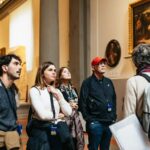
Next comes the churches around Orsanmichele and the Santa Trinità area. This is where you shift from broad city stories into specific visual clues: sculptures, architectural choices, and how religious spaces were also public statement boards.
Two things to watch for here:
- how civic identity shows up in church art, and
- how the guide connects what you see to the people who commissioned it.
A key practical detail: sacred sites require the right clothing. Shoulders and knees must be covered for both men and women. If you arrive in shorts or sleeveless tops, you may lose the chance to enter.
Palazzo Strozzi: learning from what you can see from outside
You’ll visit Palazzo Strozzi from the outside. That sounds limiting, but it’s actually smart. Florence is packed with private and semi-private spaces, and seeing the palazzo’s exterior proportions gives you a framework for why these families were so influential.
You’ll hear the backstory of the Strozzi and how competing powerful households shaped who got patronage, commissions, and cultural power.
Santa Trinita Church: time where access is most sensitive
At Santa Trinita, you get entry included. This is a great stop because it mixes “I’m learning” with “I’m looking carefully.” Inside, you’ll see sacred architecture plus artistic details the guide calls out.
The trade-off: church access can change due to mass or closures. If the group can’t enter at certain times, don’t expect the guide to mirror the plan exactly. The tour still moves forward with the broader story.
Ponte Vecchio: the city’s postcard, explained as a survivor
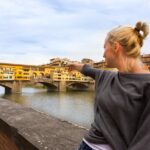
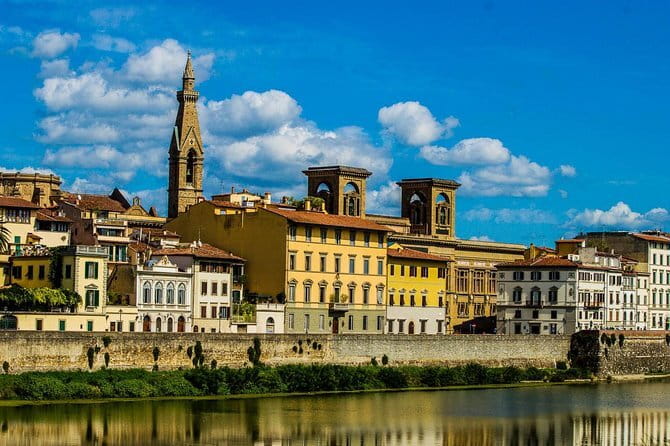
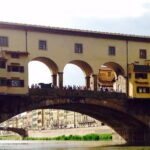
Then you hit Ponte Vecchio, the famous bridge that always feels like a theme park until someone explains why it mattered. You’ll hear its story and why the spot became a lasting symbol of Florence.
This is one of the most enjoyable parts to slow down, because the guide’s context makes the bridge feel less like a photo stop and more like a social crossroads.
Piazza della Signoria: where Florentines argued with art
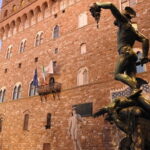
Piazza della Signoria is where Florence’s energy really lands. The guide points out the area’s relationship to power and patronage, including dramatic stories tied to artists and political tension.
You’ll get specific narrative hooks—how Medici patrons shaped artistic culture, and how church and merchant influence competed over influence and messaging. Even if you’ve heard “Renaissance Florence was great,” this is where the tension behind the greatness becomes clear.
Piazza del Duomo: Baptistery, Gates of Paradise, bell tower, and the dome story
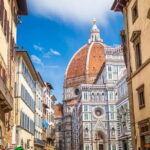
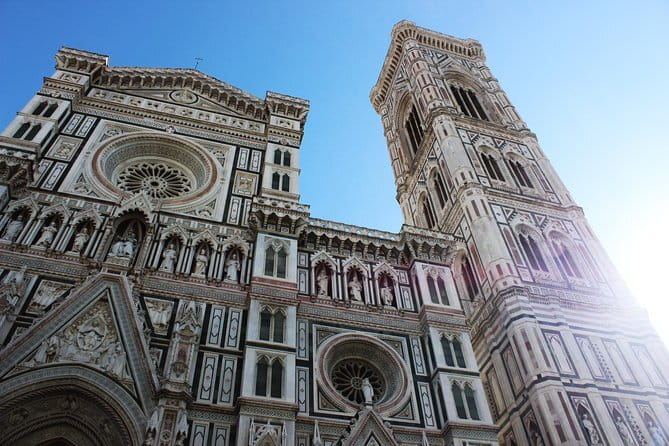
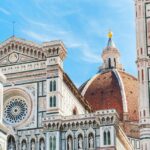
Finally, you reach the Piazza del Duomo area for San Giovanni Baptistery, Ghiberti’s Gates of Paradise, and Giotto’s bell tower. This is a must-see zone, and the guide connects the design choices to the big idea of Renaissance engineering and artistic ambition.
Important: climbing the dome is not included. Also, current cathedral priority-entry rules affect whether the tour enters Santa Maria del Fiore. The provided tour info indicates management has omitted entering the cathedral during the walking tour while those rules are in place. So you should plan for learning about Brunelleschi’s dome and seeing the complex, rather than expecting to walk inside.
Duomo expectations: how to plan when entry is limited
The Duomo is the headline, so it’s fair to ask what “included” means here. The tour is built to teach you the engineering story of Brunelleschi’s dome and show you the surrounding highlights in the Duomo square.
But you should not count on:
- climbing the dome, or
- full interior cathedral entry during the walk.
If you’re determined to go inside, you’ll likely want a separate ticketed visit later. This tour still works well as the narrative backbone, because once you know the dome story, your visit to the cathedral complex later (if you arrange it) feels much more meaningful.
The guides: why names like Mario and Hilda keep showing up
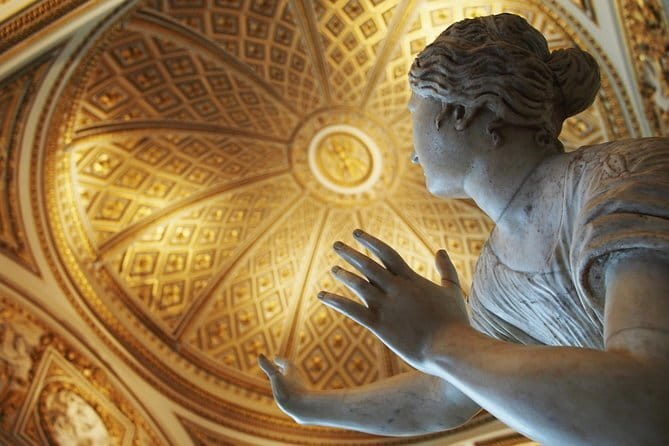
Florence lives and dies by the guide. The tour’s high ratings aren’t just about hitting famous sights. They’re about storytelling style and clarity.
You may be led by guides including Mario, Angelo, Manoli, Hilda, Hilde, Ishmael, Corina, Silvia, or Riccardo. One theme pops up across names: a good guide makes the Renaissance feel like it happened to real people who had real grudges and real money.
Also, the headsets matter. When you’re standing near crowded art and moving through narrow streets, it’s hard to hear well without support. The included radio system keeps the tour from turning into you guessing at what you missed.
Local tips that actually help: shops, restaurants, and gelato

A big reason to do a guided intro early in your trip is what the guide gives you after the walking part. You’ll get tips on where to shop, plus best restaurants and gelato spots from a local perspective.
Don’t treat these tips like a list you must follow. Use them as direction. If the guide suggests a neighborhood feel—quieter streets, easier dining, a gelato stop that fits your route—that’s how you get a smoother day.
One practical strategy I like: pick one dinner suggestion the day before you go, then keep one gelato recommendation as your “reward” after a museum. That way you’re not rushing to find it at the last second.
Who this tour suits best

This is a strong fit if:
- it’s your first trip and you want context fast
- you want a route that ties Medici influence to what you see
- you appreciate hearing stories in the open air with headsets
- you like ending near the Duomo so you can plan your next move
It’s also a good choice if you don’t want to run around alone trying to match buildings to art movements. The structure keeps you oriented.
If you already know a lot about Florentine art history and architecture, you may still enjoy it, but you might feel you want more time at fewer sites. In that case, think of this as your “orientation layer,” not a replacement for museum-level visits.
Should you book Fascinating Florence: Guided Walking Tour?
Book it if you want the fastest, most understandable Florence intro—especially for the Duomo, Medici-era stories, and the walkable core of the city. The small group size, headsets, and the guide-led storytelling style are the big wins.
Hold off or plan extra visits if your top priority is going inside the cathedral or climbing Brunelleschi’s dome during the same day. The tour currently focuses on the story and the Duomo area, with entry limitations for Santa Maria del Fiore and no dome climb.
If you’re aiming for first-day confidence and better sightseeing all week, this tour is a solid bet.
FAQ
How long is the Fascinating Florence guided walking tour?
It’s listed as about 3 hours.
Where does the tour start and where does it end?
The meeting point is Via Roma, 1r, 50123 Firenze FI, Italy, and the tour ends at Piazza del Duomo, 50122 Firenze FI, Italy.
Is entry to Santa Maria del Fiore (the Duomo) included?
The tour information indicates that cathedral entry is omitted for this walking tour while priority entry regulations are in effect, so interior access is not something to assume as included.
Is climbing Brunelleschi’s Dome included?
No. Dome climbing is not included.
What is the dress code for churches and sacred sites?
You must cover shoulders and knees. No shorts or sleeveless/backless tops allowed. You may be refused entry if you don’t comply.
Are headsets provided?
Yes. Headsets are included so you can hear the guide clearly.
How big is the group, and does it run in bad weather?
The group is capped at a maximum of 15 travelers. It operates in all weather conditions, so dress appropriately. Also, the group cannot enter churches during mass or other closures.
You Might Also Enjoy
More Walking Tours in Florence
More Tours in Florence
- The Best tour in Florence: Renaissance & Medici Tales – guided by a STORYTELLER
★ 5.0 · 12,316 reviews


More Tour Reviews in Florence
- Tuscany Day Trip from Florence: Siena, San Gimignano, Pisa and Lunch at a Winery
★ 5.0 · 21,634 reviews - The Best tour in Florence: Renaissance & Medici Tales – guided by a STORYTELLER
★ 5.0 · 12,316 reviews